Resy Spotlight Washington D.C.
The Story of Mandu Is the Story of Korean Food in America
Published:
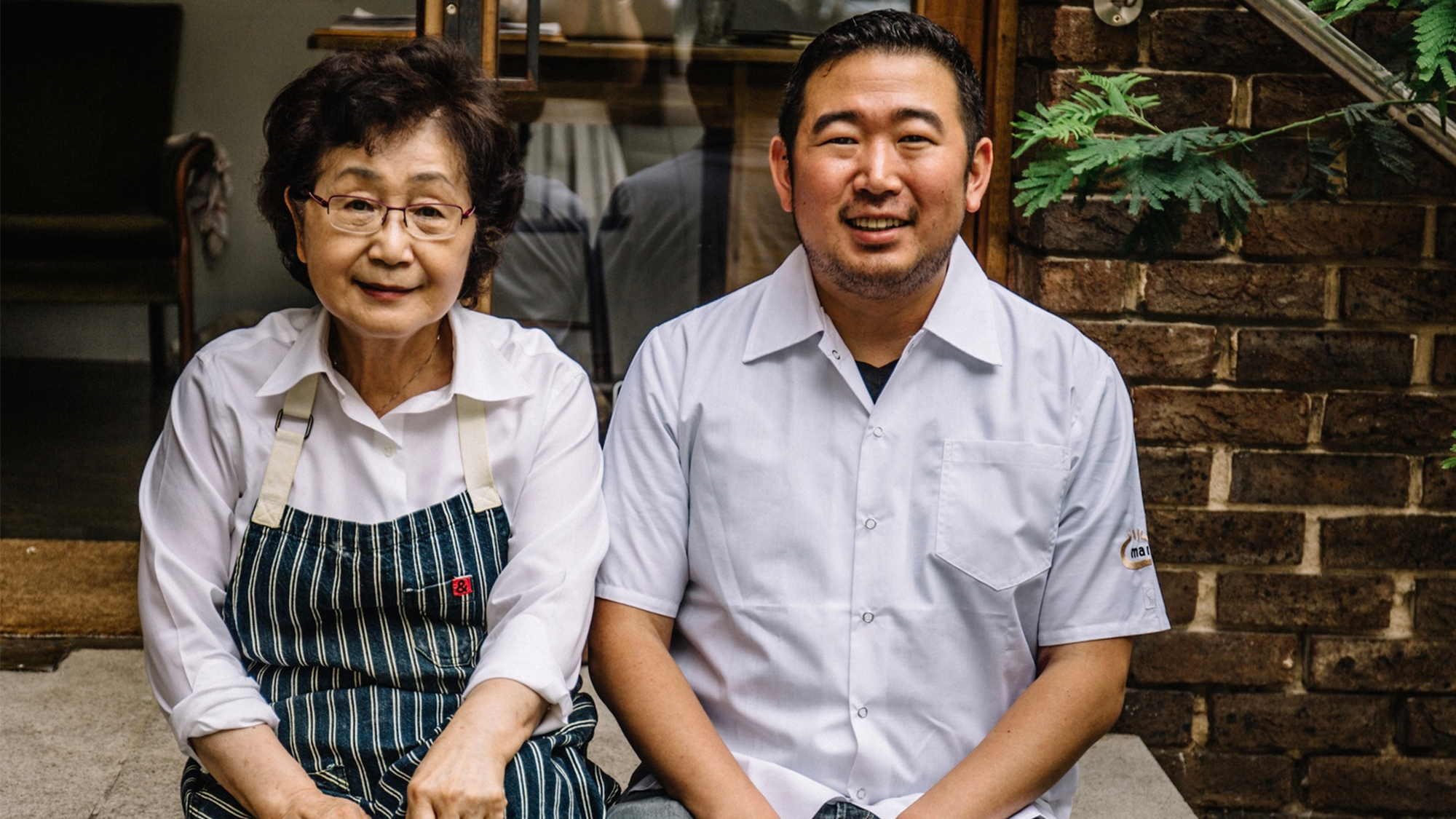
This year, renowned chef and restaurateur Danny Lee celebrates the 20th anniversary of his pioneering Korean restaurant, Mandu, which he opened in Washington, D.C., alongside his mother, Yesoon Lee, in 2006. It’s a feat many mom-and-pop restaurants only aspire to in an industry where evolution has become a prerequisite for survival.
Mandu opened at a time when many American diners had a limited understanding of Korean food. According to Lee, the original menu had about 10 items — all homestyle dishes that Yesoon first learned in Korea and evolved when she arrived in the U.S.
“There weren’t a lot of independent restaurants doing their genre of cuisine with that small neighborhood feel,” says Lee. “It was a city of really big chains.”
Admittedly, Lee also struggled to find his footing as an operator and quickly joined his mother in the kitchen.
“I spent the first few years wanting to have the answer to everything. I thought that was the responsibility of an owner. My opinions on that kind of changed recently, but that core tenet I still believe in — that if you are going to run a business, you should know every single facet of the business in some capacity. And I do pride myself on that.”
Resy Presents Korean | American
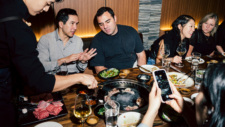


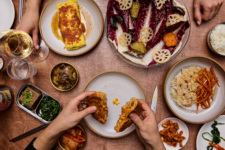
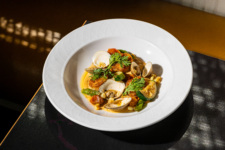
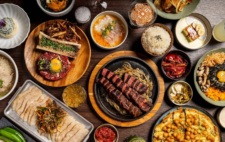
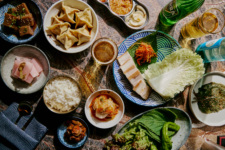
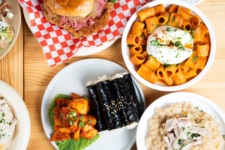
Despite some early criticism, the Lee family stayed true to their vision for Mandu, which translates to “dumpling” in Korean, and pays tribute to early memories of pleating and folding mandu at home.
Then in 2017, a fire ripped through the restaurant overnight.
Lee had a decision to make: cash out or rebuild. Ultimately, he chose to rebuild Mandu in a new location. “I’m a notorious optimist,” insists Lee. “I always think that brighter days are coming.”
Optimism, then, is perhaps just one part of the equation when it comes to Lee’s success and growing empire, which now includes The Fried Rice Collective, a separate hospitality group founded alongside Lee’s business partner, Scott Drewno. Together, they run Chiko, Anju, I Egg You, and District Catering.
These days, Lee spends most mornings on his computer building spreadsheets and looking at prep lists; the side of restaurant work that’s rarely romanticized, yet critical. “There’s always a lot of balls in the air,” he says. “And we couldn’t do what we’re doing now if it wasn’t organized and systematized.”
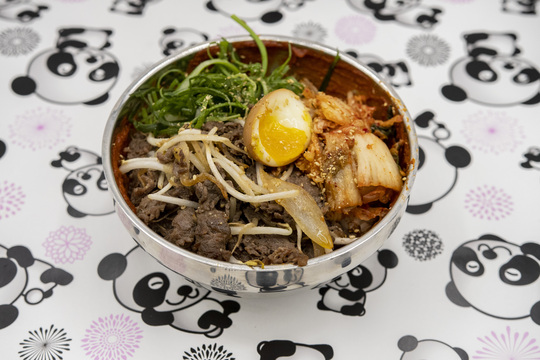
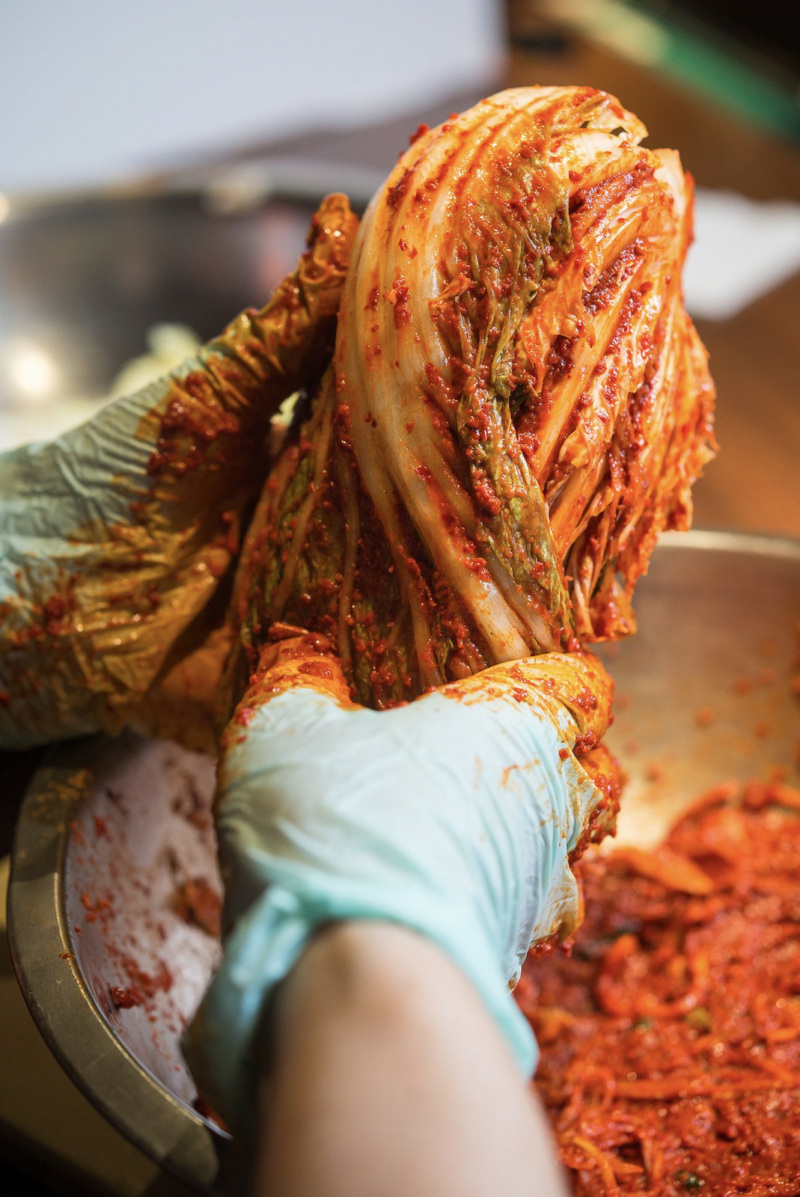
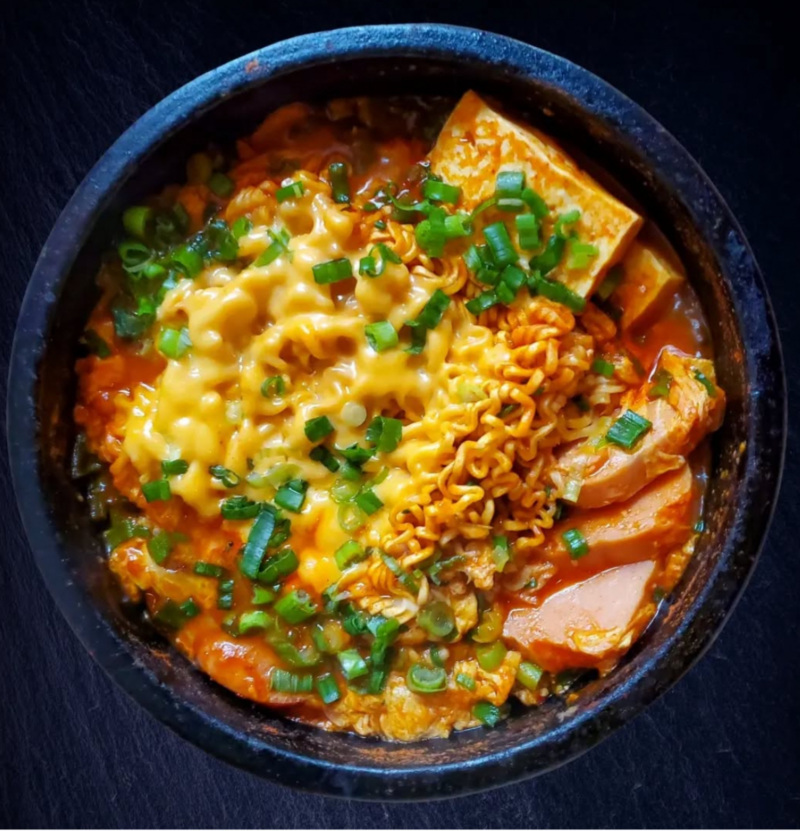
Though he has his usual business obligations, Lee says he is first and foremost a chef, albeit one wearing many hats: accountant, counselor, delivery driver, and purveyor of dad jokes. He lights up when describing the process of making kimchi, the beauty of a well-executed bibimbap (a staple across his restaurants), and the depth of flavor found in a gamjatang (Korean pork neck stew), which he describes as bitter, earthy, and spicy.
This gamjatang, specifically, Lee never would have dreamed of serving 10 or 20 years ago, a time when many guests walked into Mandu expecting tabletop grills for barbecuing. But as the business matured over two decades, so has public perception of what Korean food encompasses, largely thanks to the Korean Wave (hallyu), or the global rise of South Korean pop culture (see: Bong Joon-ho’s “Parasite,” “KPop Demon Hunters,” and Michelle Zauner’s “Crying in H Mart” to name a few).
“Put it this way,” says Lee. “My servers spend way less time having to pitch a menu now than 20 years ago.”
To celebrate two decades of business, Lee is hosting a series of pop-up dinners with guest chefs, who double as close friends. These meals begin with amuses that represent who the chefs are as individuals before leading into a celebratory and collaborative feast.
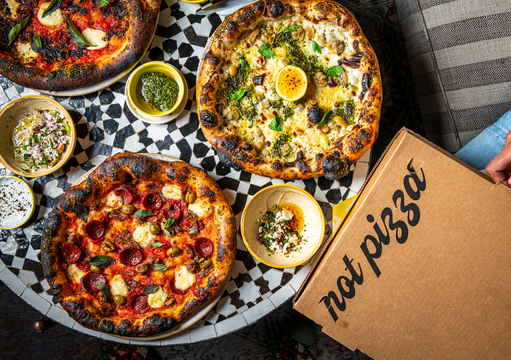
The March iteration featured a large-format Korean rice porridge, which chef Michael Rafidi (Albi, Yellow (not) pizza, and La’ Shukran) topped with smoked and grilled bobo chicken and pomegranate molasses. Pita was seasoned with Korean spices and chile oils — a perfect amalgamation of Middle Eastern and East Asian flavors.
“That’s what guests can expect,” says Lee. “A really fun, impactful dinner where you can taste each chef’s personality and heritage come through.”
These dinners are perhaps also emblematic of how Korean cuisine has evolved in the U.S., incorporating many different influences while remaining grounded in its foundations. An upcoming dinner in May will bring chefs Erik Bruner-Yang, Stevie Chu, and Susan Bae together to cook alongside the Lees, and in July, acclaimed chef Edward Lee of Shia joins them in the kitchen. The final installment of the series will be in August, welcoming chefs Genie Kwon and Timothy Flores of Chicago’s Michelin-starred Kasama.
When looking back on the last two decades, Lee speaks of pride for his mother (who is still in the kitchen, by the way), the recipes she has innovated, and the joy of sharing their culture with thousands of diners over the years. For so many, Mandu has been not just a meal, but an introduction to Korean cuisine and culture. And a connection that continues to endure.
“We want to continue holding that mantle of homestyle Korean food. Food that brings you comfort and warmth. That brings you back to a place from your childhood or your past where you had that one dish that just wrapped you like a blanket. Even if you haven’t had Korean food before, that’s what we strive to be.”
Mandu is open daily for dinner starting at 5 p.m. Mandu’s next 20th anniversary dinner is taking place on May 7 with chefs Erik Bruner-Yang (Maketto and Providencia), Stevie Chu (Ekiben), and Susan Bae (Moon Rabbit). Get your tickets here.
Sophie Brochu is a writer, musician, and a member of Resy’s creative and brand team. She and her husband are behind Brochu’s Family Tradition, named one of 2023’s Best New Restaurants by The New York Times and Bon Appétit. Follow her on Instagram. Follow Resy, too.