At Malabar, the Seafood of India’s Southern Coasts Steps Into the Spotlight
Published:
For his 20th restaurant opening, Ashok Bajaj is returning to his roots. “The concept of Malabar has been percolating in my mind for a long time,” he says. “Although I have always been encouraged to open more Indian restaurants, largely due to the love and acclaim of Rasika and Bombay Club, my vision has been to have a restaurant group that is more diverse than just Indian food.”
“But of course, I also want to keep celebrating Indian food and culture, so the idea of launching a restaurant that focuses on India’s extensive coastline has been brewing over the years.”
And so was born Malabar, which refers to the southwest coast of India, encompassing Kerala and other coastal states. While Rasika, Bombay Club, and Bindaas focus largely, although not entirely, on north Indian cuisine, Malabar emphasizes commemorating the dishes and cooking that represent the culture of India’s many coastal regions.
The concept, which extends from the décor to the drinks to the food, is unlike anything else we have in the city: Malabar offers a grand dive into the seafood dishes of southern India, but also other rich culinary traditions of that region, which has its own distinctive spices, key ingredients like coconut, jaggery and tamarind, and unique methods for preparing vegetables, meats, and sweets.
“You can expect twists on the traditional,” he says, “because we like to tie together modern and conventional techniques and flavors.” And although South Indians are renowned for taking the heat level to serious proportions, “Malabar will keep the food flavorful but the spiciness factor will be at a manageable level,” promises Bajaj. Malabar will be under the purview of group executive chef Vikram Sunderam of Rasika fame, while “a number of our existing chefs and kitchen staff will bring their experience in southern Indian cuisine to this new venture,” Bajaj adds.
Here’s what to know about this exciting addition to the city’s already impressive South Asian offerings.
Related Stories

Malabar was designed to be a destination.
“When Malabar was Rosedale, it was a neighborhood restaurant,” Bajaj says. “Malabar is a neighborhood restaurant too, but we envision it to be a dining destination for all D.C. residents and beyond. Here, we want to transport you to the Indian coast.”
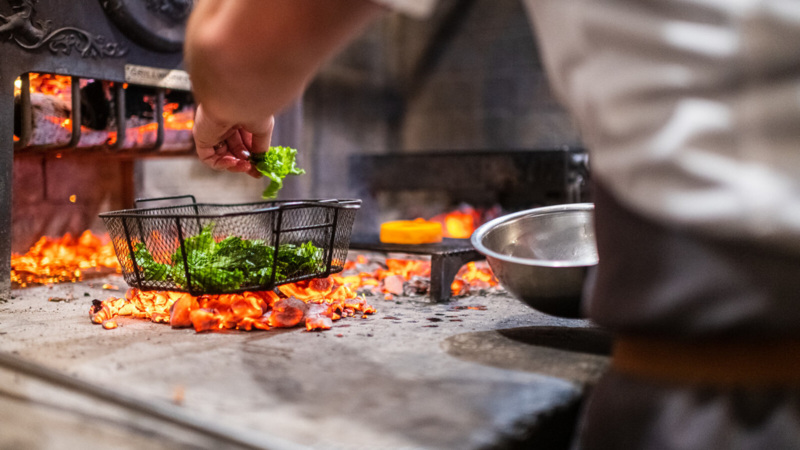
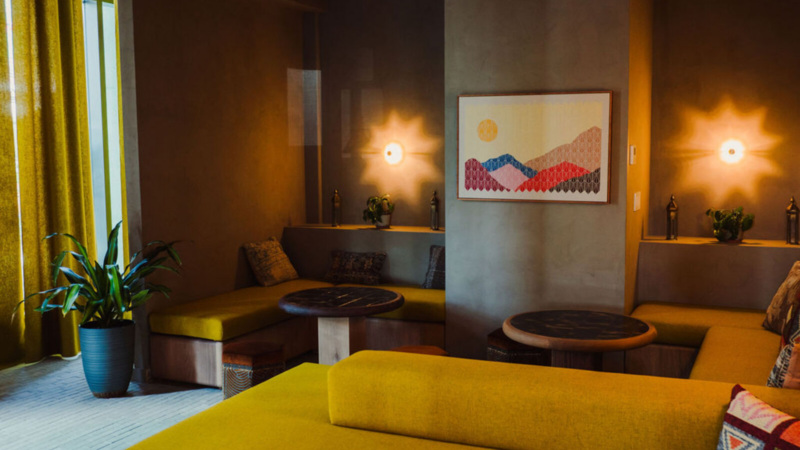
To achieve this goal, the former Rosedale space has been decked out in verdant, feathery palm leaves and overflowing greenery. Bajaj dipped into his personal art collection to cover the walls in the most alluring South Indian artwork — ranging from abstract to realism, showcasing the culture of the area. Meanwhile, an open kitchen allows you to watch dishes being prepared, right before they appear on the table before you.
South India’s renowned seafood is front and center.
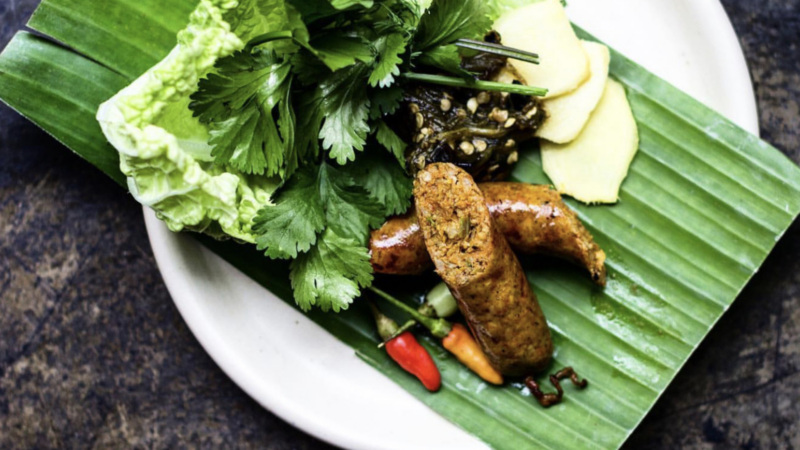
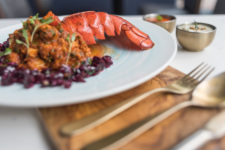
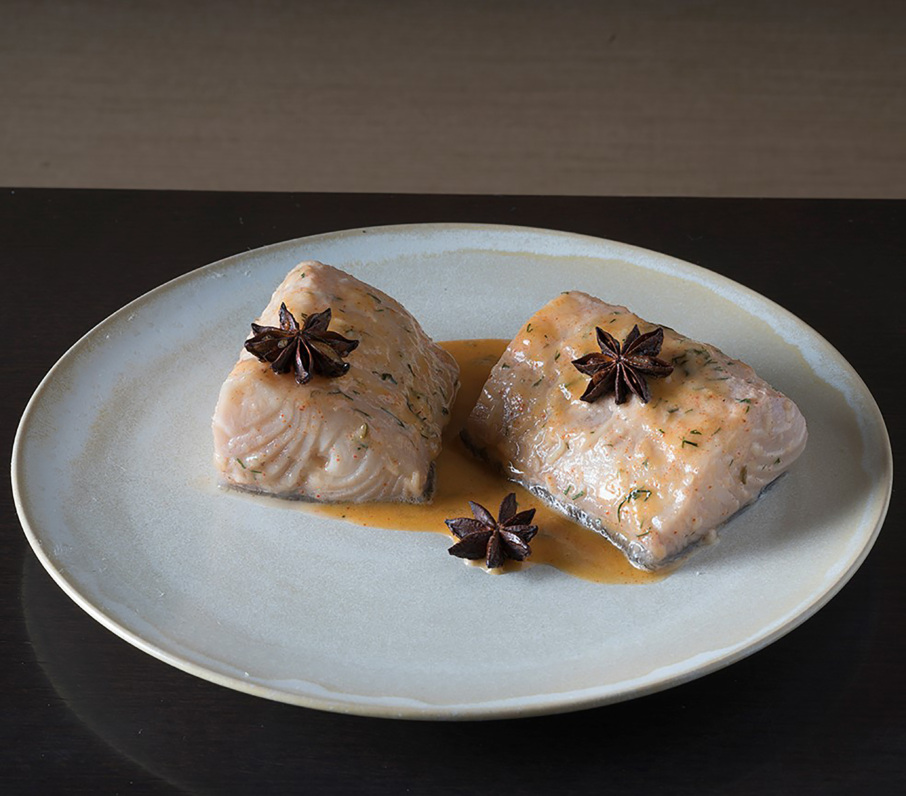
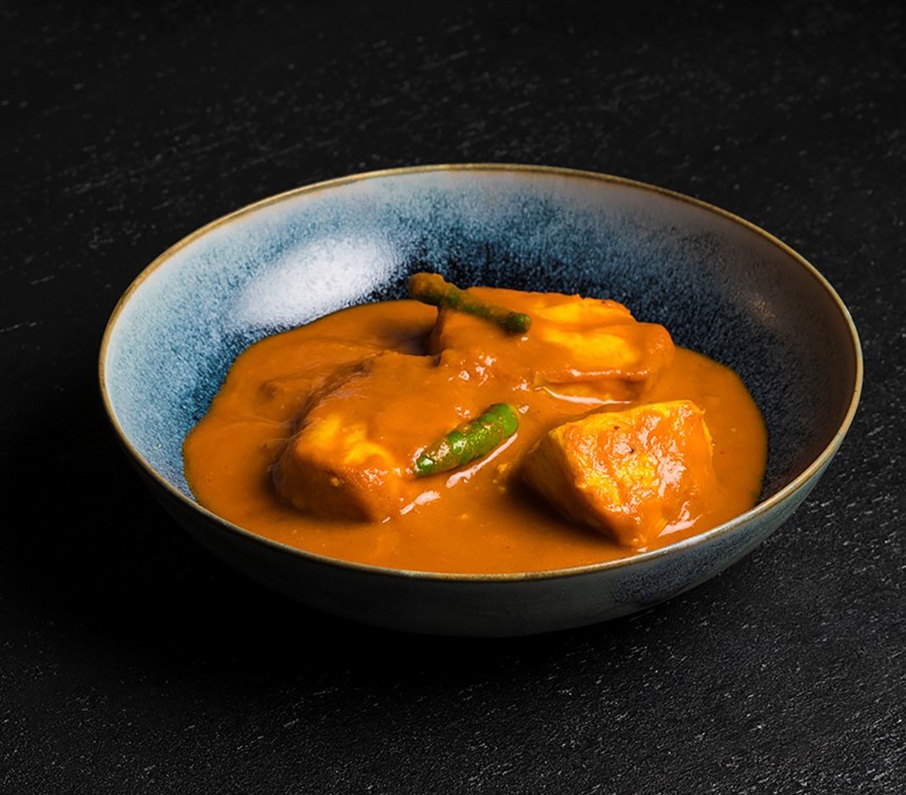
Your journey, of course, includes a menu that showcases the bevy of seafood available along India’s coast, all the way from Mumbai to Goa to Madras. There are scallops caldine, a Goan scallop preparation made with coconut and green chile; ginger cod flavored with tamarind and jaggery; red snapper pollichathu, which refers to a cooking method where the fish is slow-cooked in a banana leaf; Karwari fried fish; Goan curry with halibut, and — with a nod to nearby Maryland — crab cakes.
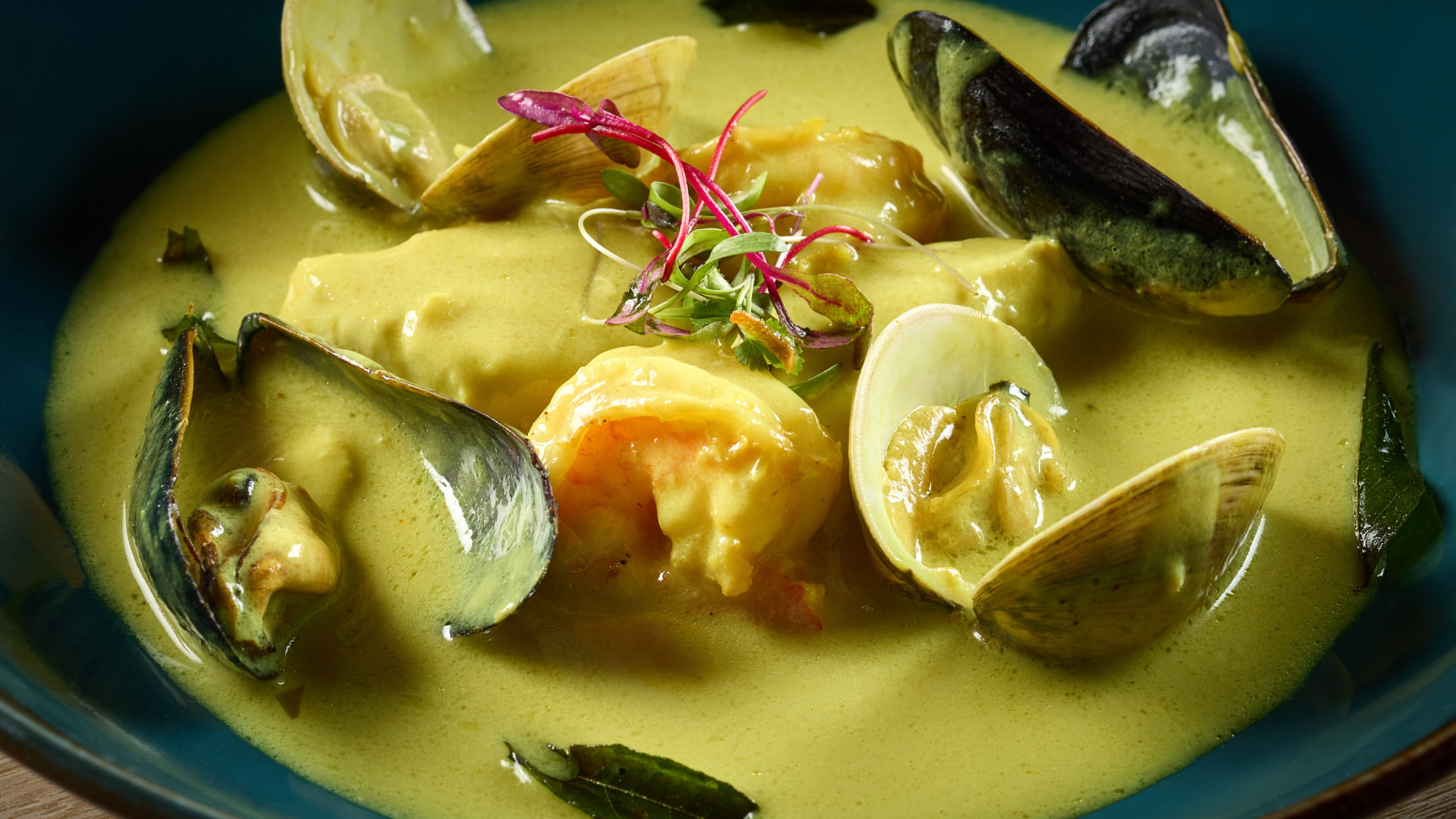
The bouillabaisse, however, might be the one dish that Bajaj is most excited to have guests try. Malabar’s version is a deeply flavored fish soup prepared with a variety of seafood like mussels, shrimp, and fish, but unlike the French original, it’s finished with a generous pour of coconut milk. It’s a clever nod to Kerala’s fish moilee, and as a result, Malabar’s bouillabaisse is similarly creamy with added fragrance, owing to the kitchen’s use of warming, tropical spices.
Coastal cuisine doesn’t just mean seafood.
“The ingredients of the coast extend far beyond seafood,” Bajaj explains, “our menu also features dishes that showcase the land-grown ingredients of the south — many of which are built around the core trifecta of mustard seeds, coconut, and curry leaves, which are used in so many South Indian dishes.”
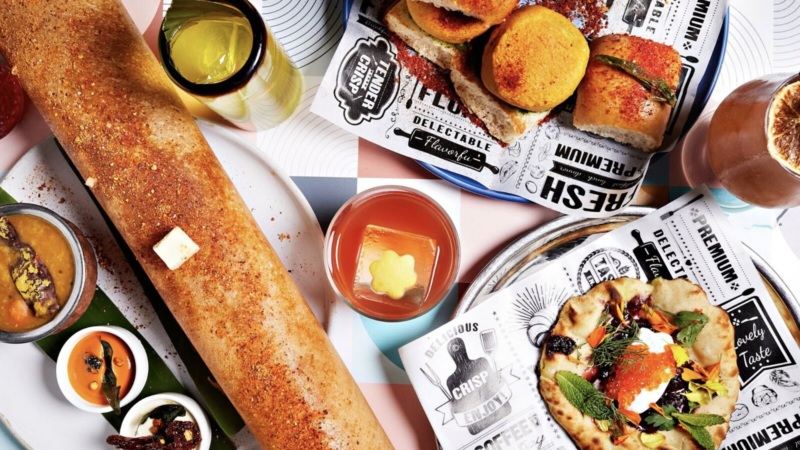
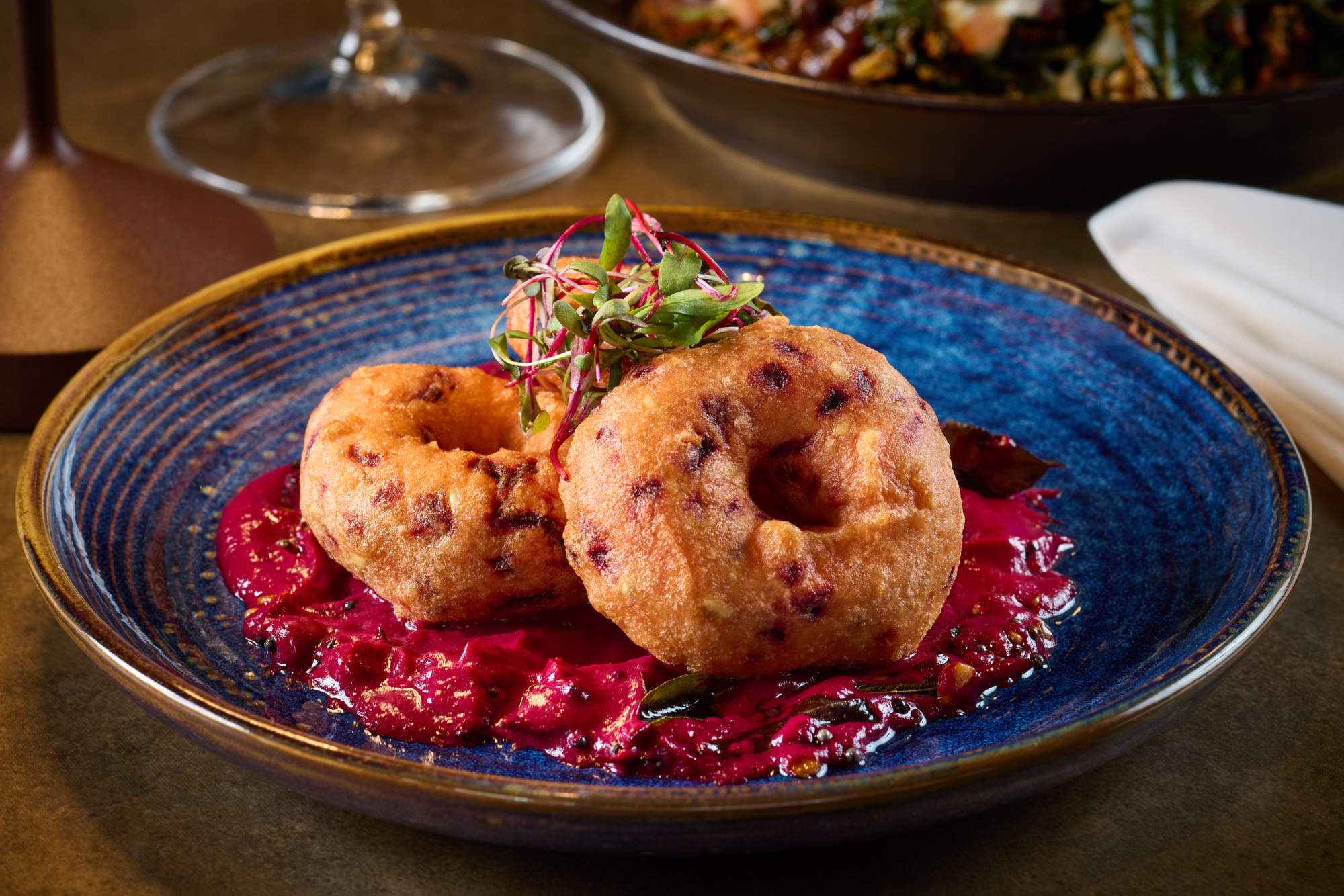
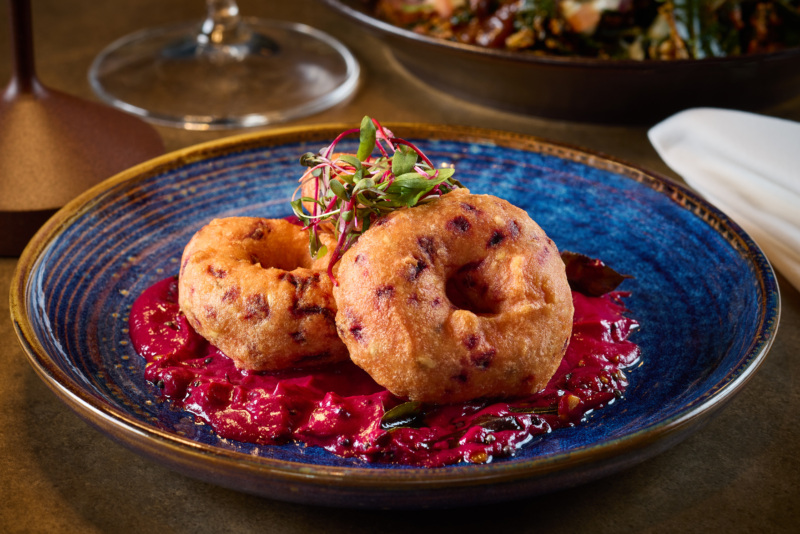
Examples include the quintessential dosa, a savory fermented rice crepe, as well as wada, the popular lentil donuts often sold streetside in India’s southern cities. The ever-popular chicken curry is made Mangalorean style here, featuring a coconut milk-based curry spiced with 30 ground spices including fenugreek and coriander. Meanwhile, vegetable-forward dishes include Dakshini vegetable korma, where vegetables arrive coddled in a coconut milk gravy infused with cinnamon and clove; carrot bean poriyal, a classic Tamil dish with chopped veggies stir-fried with ginger, curry leaves, and freshly grated coconut; bindi pepper fry, which shines a spotlight on the high-grade, Keralan black pepper from Tellicherry (now officially Thalassery) renowned for its exceptional aroma.
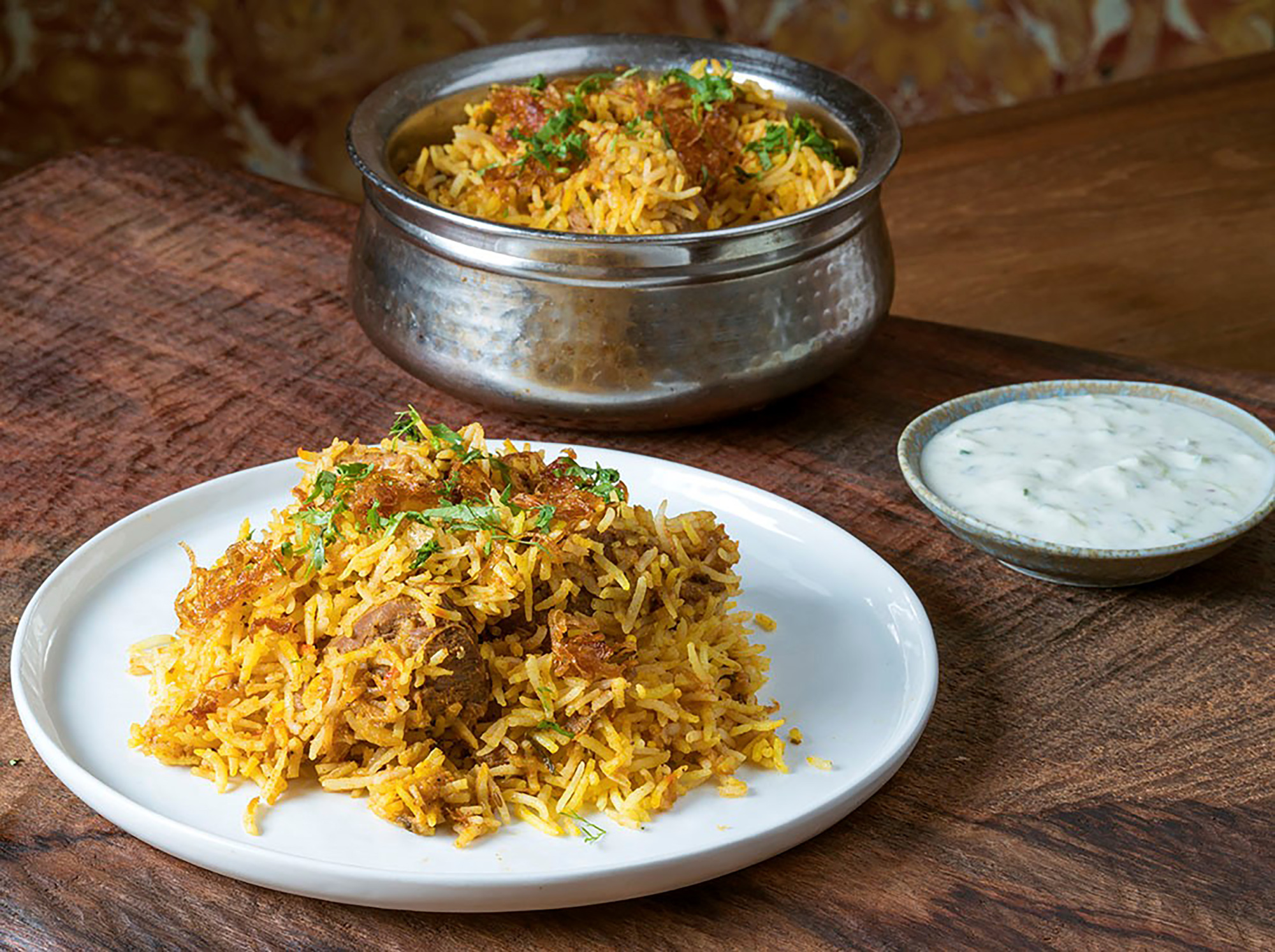
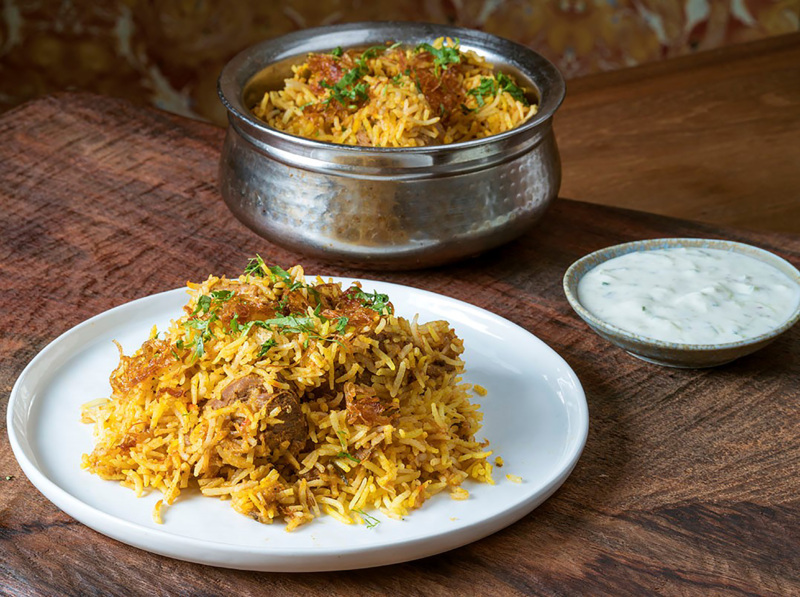
South India also has a strong rice culture, and Malabar’s menu several rice dishes common to the area, including coconut rice and lemon rice, and pulao. Those insisting on bread will be glad to have asked — the kitchen serves a flaky, layered Malabar paratha, plus paratha made with gun powder, a hot spice mixture hailing from the southern state of Tamil Nadu, which is cooked on a hot tawa.

The coastal escape extends to the drinks and desserts.
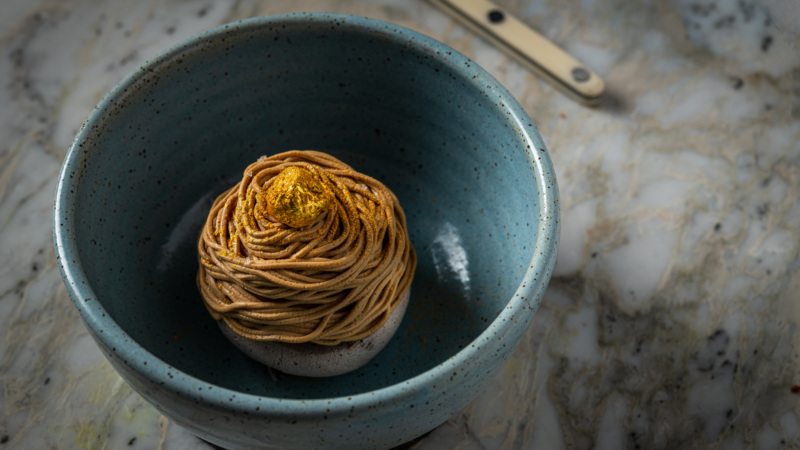
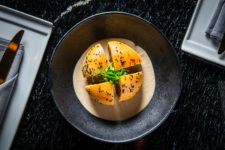
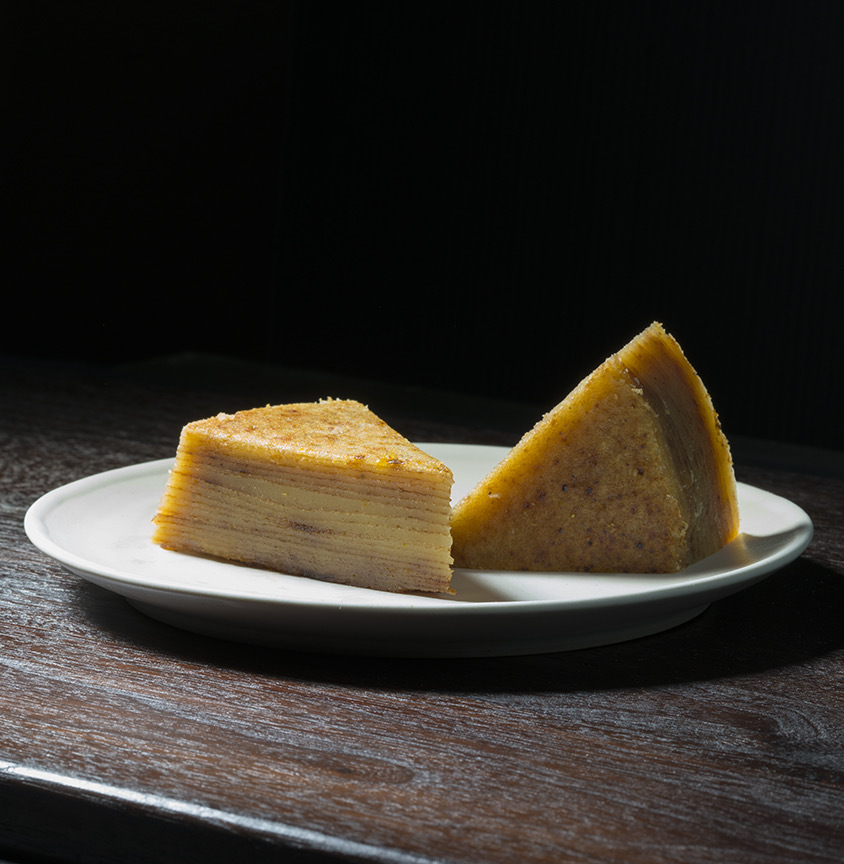
The sweet dishes at Malabar also embrace the restaurant’s regional focus. Get ready for chocolate bebinca, an Indo-Portuguese layered coconut pancake from Goa. There’s also banana toffee paniyaram, a classic South Indian snack of lentil dumpling, and a coconut crème caramel made with jaggery and coconut milk. When it’s in season, look out for an ice cream made with ripe jackfruit, a tropical fruit ubiquitous across southern India.
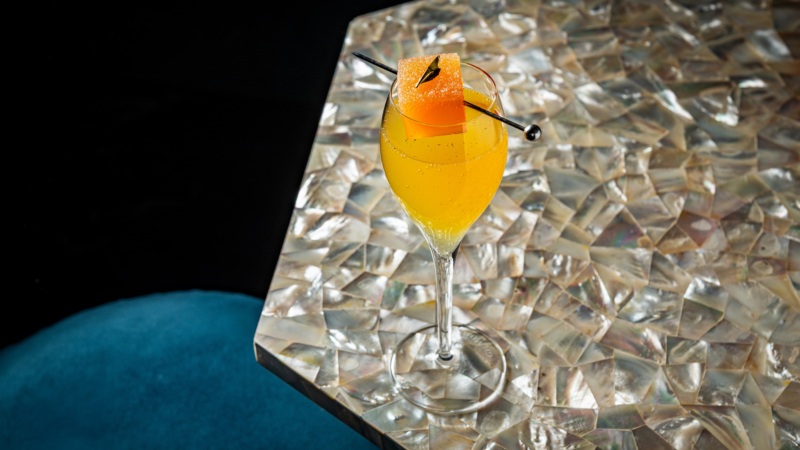
Drinks-wise, there’s a wine list devised by in-house wine director Ron Balter to complement the flavors of the coastal dishes. Cocktails lend a personal twist to classics, like a signature Malabar gin and tonic, a rum-and-jaggery concoction called sunset in Goa, and a chai-tini.
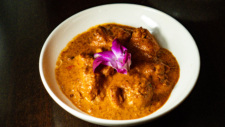
Afraid you’ll miss your favorite north Indian dishes? “We know there are some dishes that are beloved by all,” says Bajaj, “that people expect to see at all of our Indian restaurants.” As such, familiar favorites like classic palak paneer, dal makhani, tandoori chicken, and butter chicken are all available on the menu. Palak chaat, cauliflower buzle, and ragada pattice — the three most popular appetizers at Rasika — make an appearance too. You won’t, however, find any samosas — and they plan to keep it that way.