More from Resy
On Being Queer, Arab American, and Speaking Truth Through Food
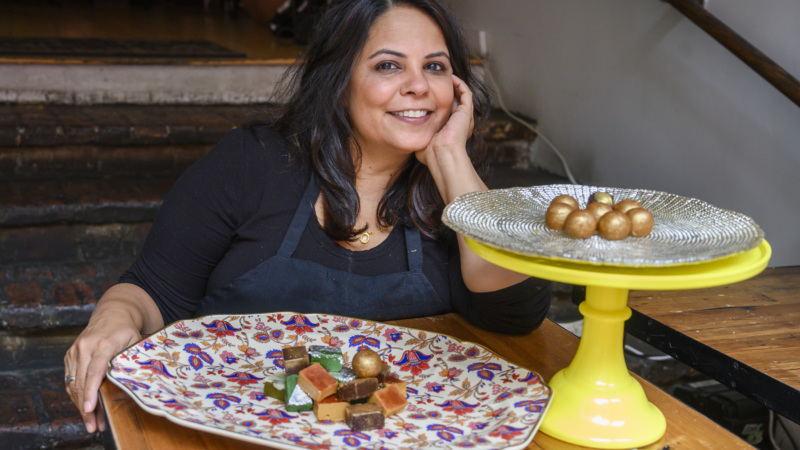
For Tagmo’s Surbhi Sahni, Queerness Is True Hospitality
At Hags, Queer Fine Dining Is a Fantasy Come True
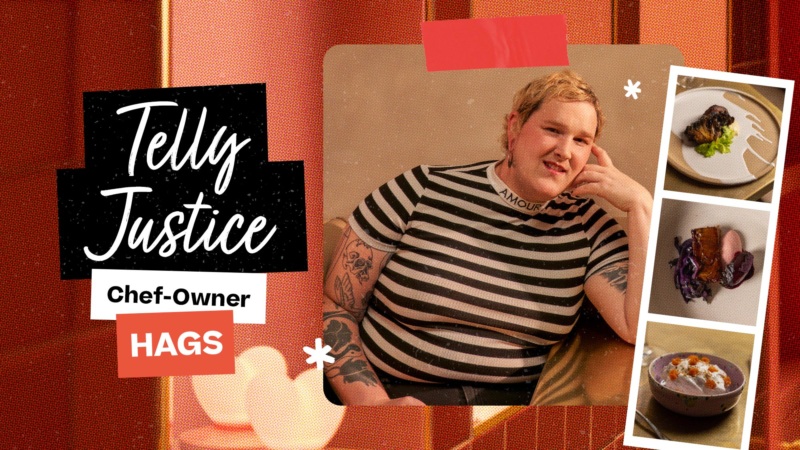
20 Questions with HAGS’ Telly Justice
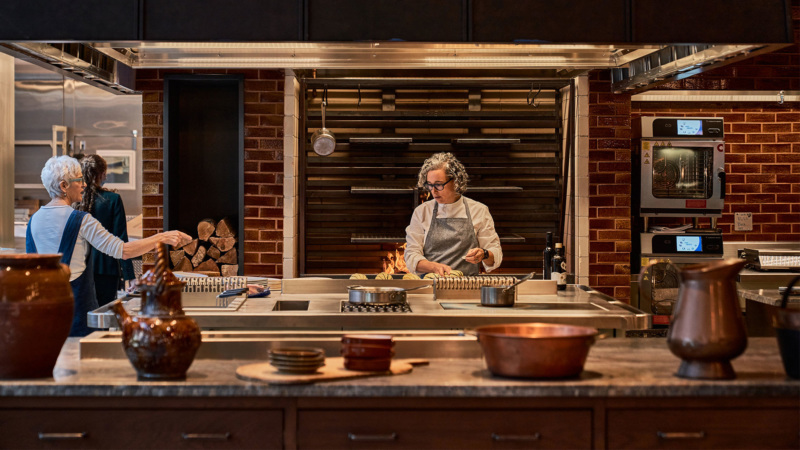
Hillary Sterling on Building a More Inclusive Restaurant Industry for Everyone
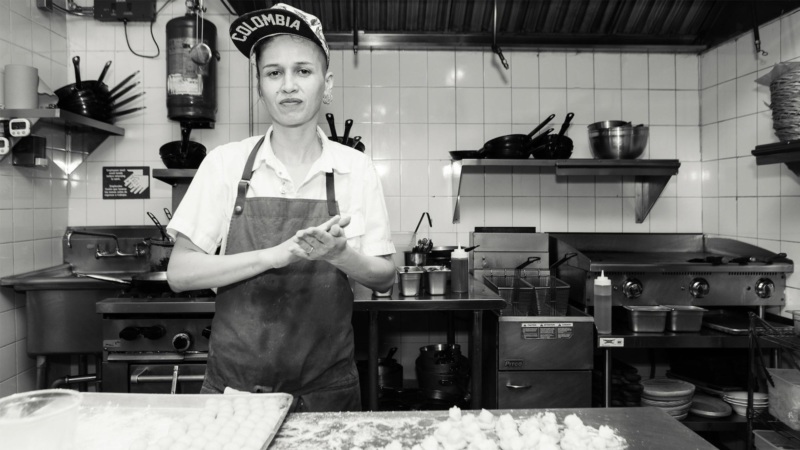
Resy: Why did you start Maite?
Schmidt: When you work for others, you’re basically executing their dream and vision. Ultimately, you want the freedom to create. All of my friends and young chefs I know want to have their own place. For most people, having your own spot is the dream — you can cook what you love.
But there’s not a lot of safety. Even my friends have quit working in the coolest restaurants to work at hotels and other places because they have benefits. You can think of the future. Being able to open your own restaurant doesn’t happen to a lot of people. I was very, very lucky.
What does Maite mean?
Maite is a girl’s name. It comes from the Basque country — that’s where my mother and my sister live. It means someone who gives a lot of love and receives it, too. To me, that’s a connection to the Basque country, and to my mom. I’m Colombian, but they have lived there for a long time, and I love it. It just means love.
How have you made this a space that gives and receives love?
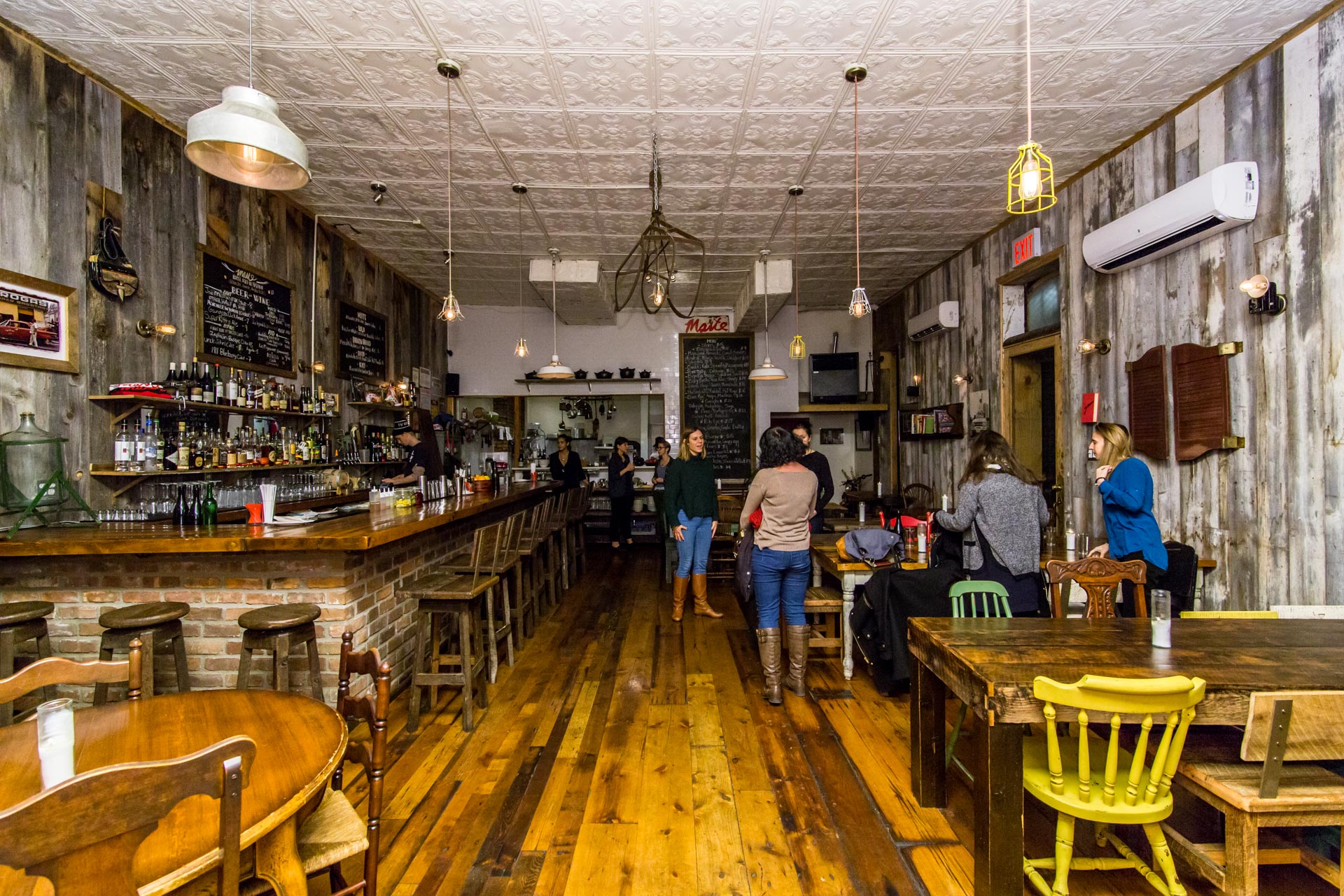
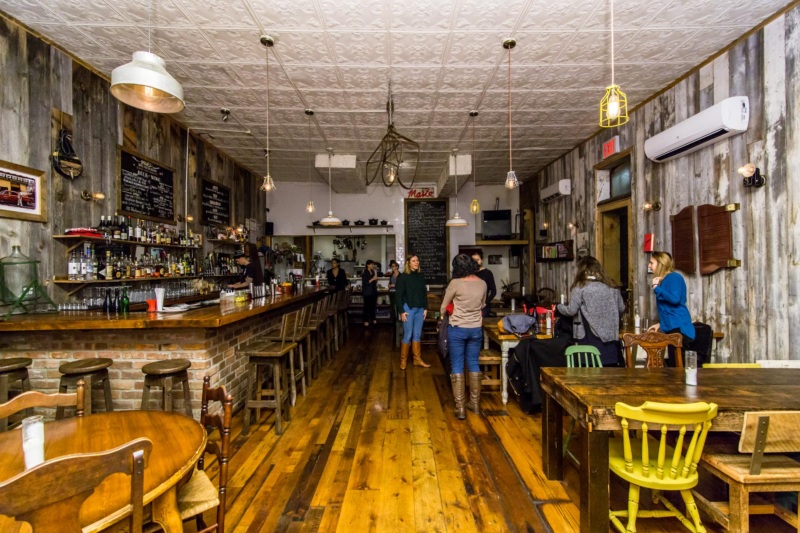
Giving everyone that comes here, eats here, and works with us the best things I can get my hands on — that’s very important. For example, working with local farmers, having natural wines, and having the best beer, all while maintaining a space that is open to everyone.
And also, it’s the space itself: The space is where you can come and chill. You don’t have to feel like you need to have a full dinner. It’s a space for my kids who just need a place. It’s more of a ritual to come and hang out with your friends, share drinks, and share some food. Instead of having to go in and say, “Now we’re gonna get our appetizers, then we’ll get our main course, and we have one-and-a-half-hours to eat.” I never wanted that.
I know that, at times, we lose money for sure [because] we’re not rushing people out. People can sit at a table and just have empanadas, two beers, a cider, whatever. But that’s what I wanted the place to be: For everyone. Come for a proper dinner. Come for a snack. Come for a glass of wine. Just come for whatever you need it to be.
I want the restaurant to be a place where you could be really, really proud. And I also wanted it to stay ours, our community’s. You’re coming to eat at our home and to be welcomed into our lives.
Was Maite always intended to be a space that builds Queer community?
I have always wanted it to have a Queer presence. But in the beginning, I was focused on the food. And my wife [co-owner Kano Mitchell] and I are different; she’s a bit more private, so I always wanted to respect that and not get all loud and proud. There was also a fear I had.
For example, we just went to Cartagena in Colombia. When you’re gay and in Bushwick, you’re in a bubble. But when you step out of the bubble, it’s different. Just going through immigration in Colombia, the women treated us like crap, saying, “Two women? Two mothers? How could that be? No, only one mother can go through.” And we said, “But we’re married. We both need to go through.” We were told, “No.” People were being really nasty.
So, I took a risk with Maite and said f**k it — I want the restaurant to be a place where you could be really, really proud. And I also wanted it to stay ours, our community’s. You’re coming to eat at our home and to be welcomed into our lives.
This place is clearly designed with attention to all the little details. How did you design this space?
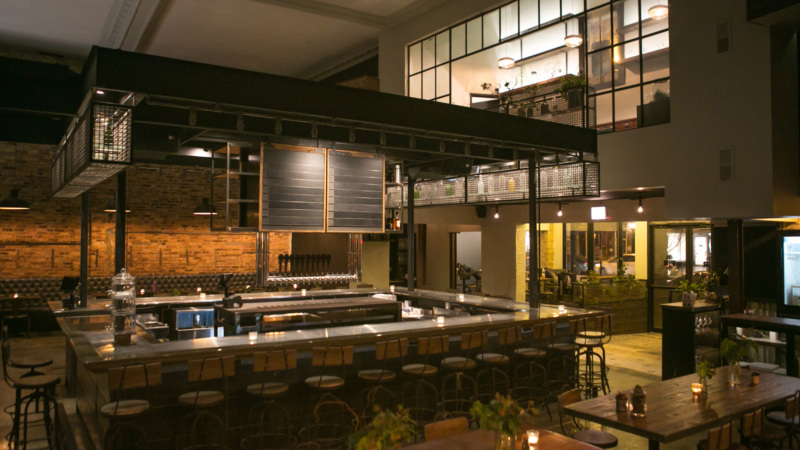
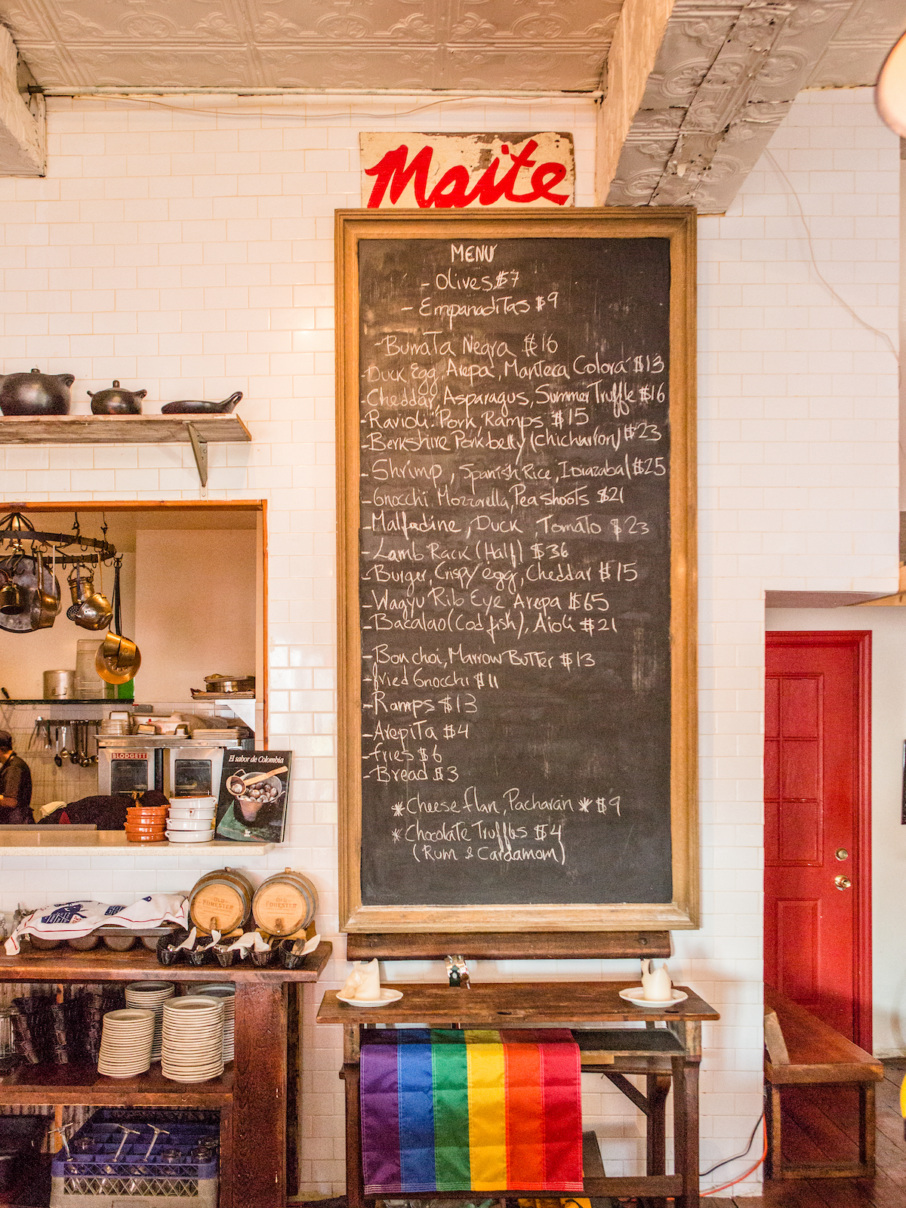
I wanted it to be homey. It reminds me of Colombia a lot through its wood. Every little piece in here has a story, something we picked up from a place like an antique store or was given to us by friends, stuff like that. I wanted that warmth.
Then we found the space. I love the corner space, I love Central Ave. This area is super gay and Latin. And I just felt that this little area needed something. It felt so right.
We did so much demolition – we knew we’d have to do a lot of work ourselves. The place was horrendous, but it had the bones. We didn’t have a lot of money or a contractor, so I built it with my wife, two Mexican guys, and a Puerto Rican guy: the floors, walls, doors, windows, everything. It was just us working, working, and working. Otherwise, I would not have been able to do it because it would cost an arm and a leg.
And the Queer art and events?
That was during COVID. It was like free for all – the wild wild West. Do whatever the hell you want. I was like, “Maite might not be here tomorrow! I’m gonna do what I always wanted to do.” The art just represents me in this other way too. But I didn’t want it to just be a lesbian joint. I wanted everyone to come because they felt comfortable and to feel free in whichever way that might be. And for the drinks, the food, and just the warmth of the place, ultimately. Although it is so gay here, I love that tons of straight people hang out. They haven’t gone away, and I was so scared they would. I don’t want straight people to feel uncomfortable, like how we sometimes feel when we go to straight places. No. That’s not what I’m about.
What should people order when they come to Maite?
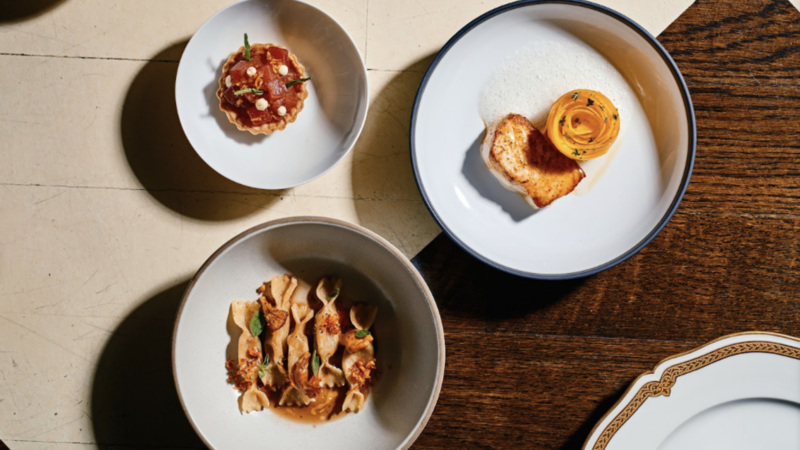
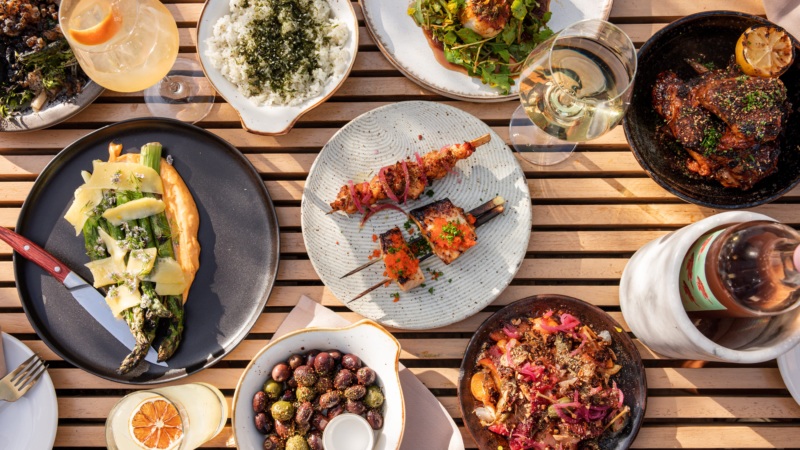
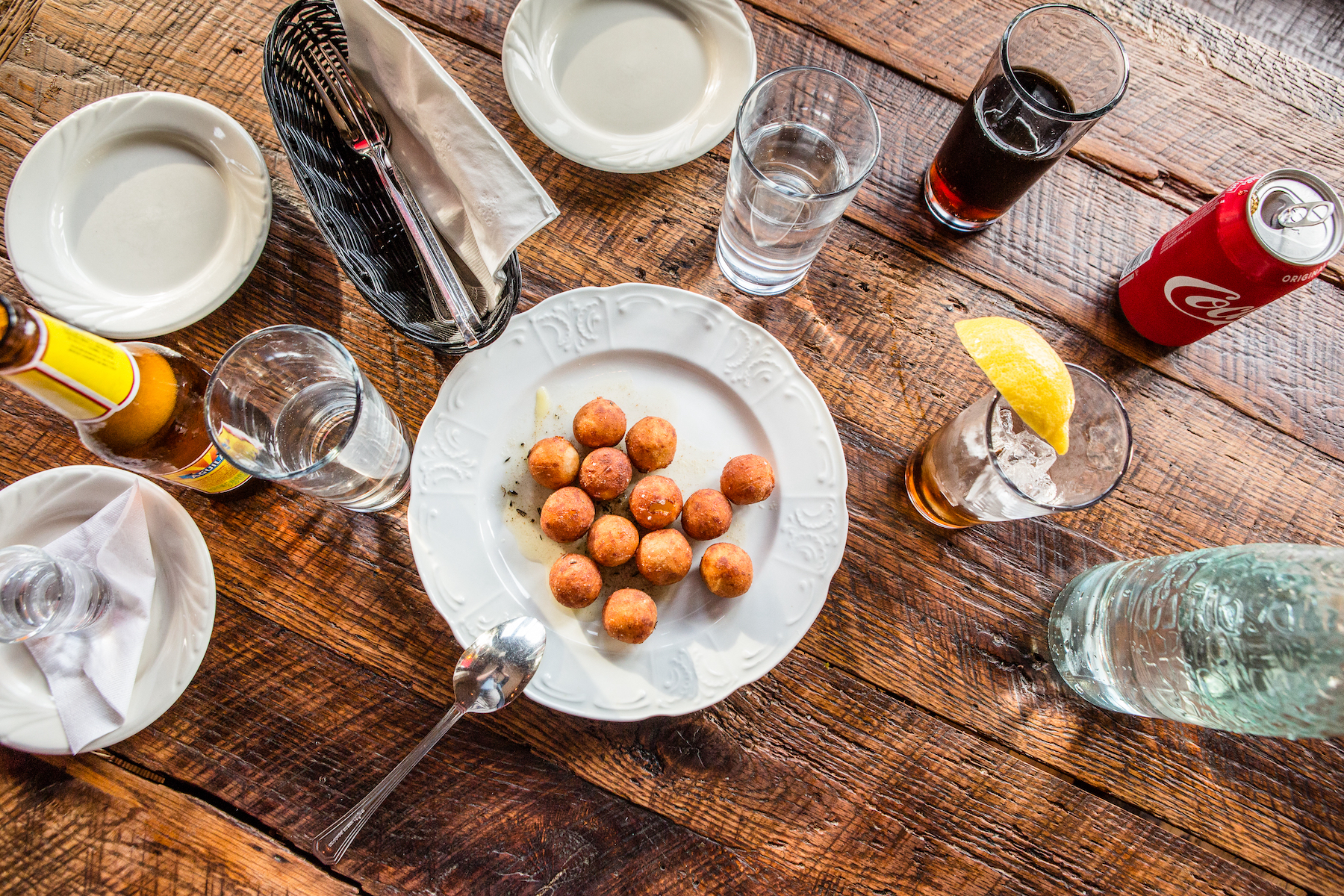
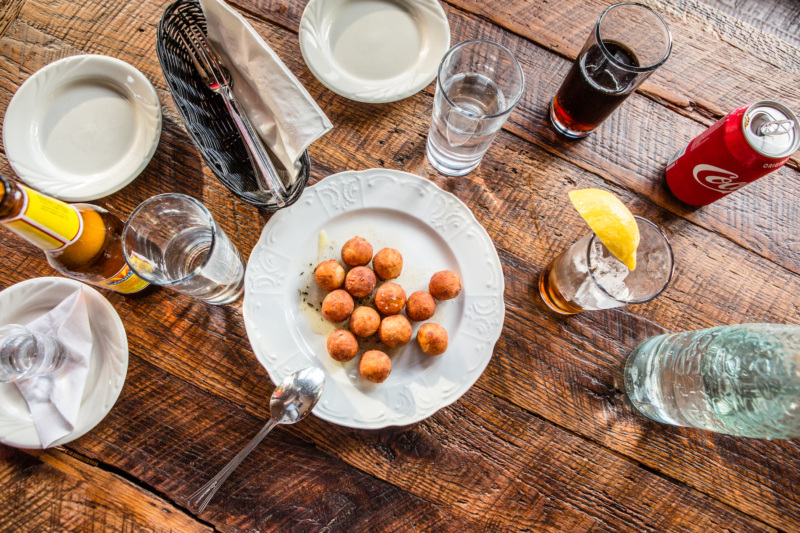
Come in here with an open mind and definitely wanting to share. Have the empanaditas and the burrata. You shouldn’t leave without having those two, or the duck egg, or the pork belly — those are things I think are perfect. And of course, if you come in on a day when there is any pasta, you have to have it.
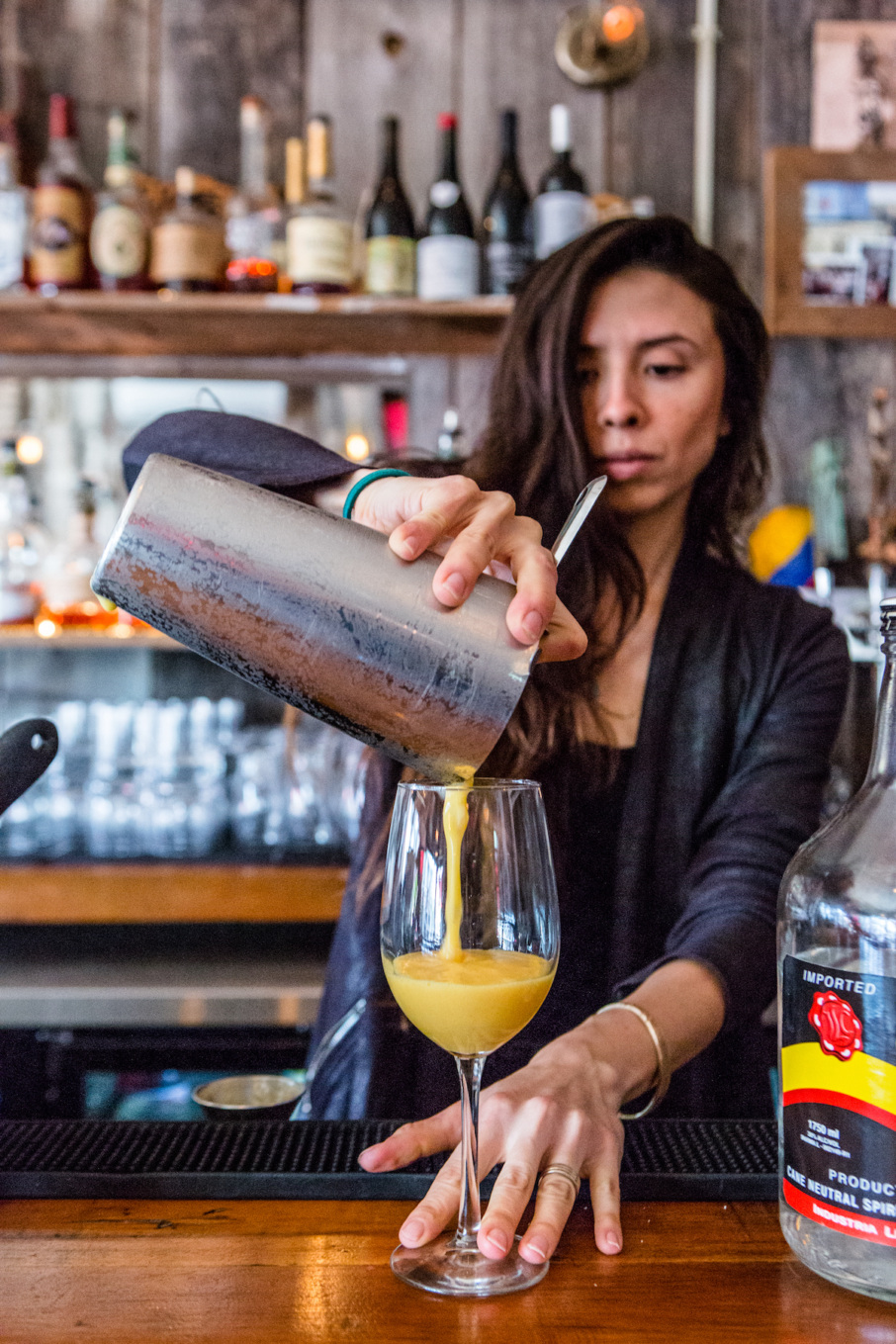
We have great wine, so come here wanting to drink a little and hang out with your friends, laugh, and open up. And just let go. Maite is in the middle of nowhere, far from the main area in Bushwick where everyone is, so just hang out. Don’t come with too many rules. Order little by little. See what you want.
Your menu pulls from many different cultures and regions.
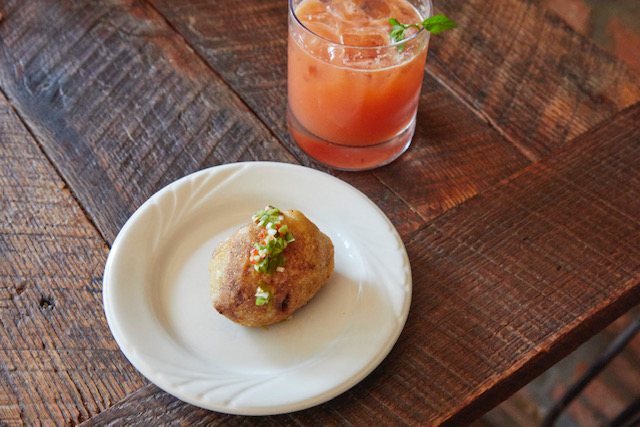
I cook what I love and what I know how to cook. I try to stick with local, organic, and seasonal ingredients as much as I can: I respect Mother Earth. It’s mostly a lot of Colombian influence because that’s how I grew up. That’s who I am. There’s also a little bit of the Basque style of eating here, which doesn’t exist very much in Colombia.
That cultural ritual of smaller plates and longer meal times?
Well, yes, but it also just comes from countries that are richer. They have more time. And Basque country has wine. I come from a small town in Colombia where we ate to be full. And to feel safe. To feel like we can be OK for the day or tomorrow. It’s very different from the Basque lifestyle. I’m not making as much pasta as before but that’s what I learned cooking there for so many years at Il Buco. Basque, Colombian, and Italian — those are the main three culinary influences that I stick with.
What was it like growing up in Colombia?
I grew up in Colombia in the ’80s. It was a lot of war. Very tough. And that’s how I developed my love for cooking. My mom would cook for us, and it would create a shield of silence whenever we would sit down to eat. I was little, but I was the oldest, so I had to cook and watch out for the two little ones. My sister and I have a 10-year age difference, so I had to take care of her. Eating was very sacred because the rest of life was just war. My school would get blown up all the time. Our windows would get blown up all the time. People would come knock on the door, begging us for food, and we would give whatever we have. That’s why I have such an appreciation — I am so grateful for everything. I don’t take things so seriously because I know what it’s like to not have anything.
What was the move to America like?
Definitely a culture shock. I didn’t know I was gay in Colombia. The culture there is not open. You just feel the things you’re feeling … but there are no examples. I came out pretty soon after I moved to Miami. High school was not friendly. The girls would chase me down the hallways wanting to beat me up because I was gay.
And this is Miami! So I dropped out. I met my first girlfriend, and created a community there, and it was a lot of fun, but very hard as well, but I moved to New York when I was 21.
What was it like first moving to New York?
I was working at coffee shops, serving, working at restaurants. I always knew I wanted to cook, but also knew it was also a lot of work with very little money, so I tried going to school at Brooklyn College, but I never finished. I didn’t know what I wanted to study because I knew I wanted to cook. I started working in the kitchen and it was hard; I would cook and then bartend some nights a week so I could make rent. Now it’s different and people are getting paid more, but back then it was just a labor of love. But I always knew that was where I felt happy, safe.
How has your relationship with cooking changed over time?
As I’ve gotten older, I’ve gotten to take Maite in as a gift. I have more and more respect for food, ingredients, sourcing, people, and supporting each other as a community. You buy a white egg and it’s five cents versus the blue eggs, which are 75 cents. It’s a huge jump. It’s the same with good meat, chicken, vegetables, spirits, and wine. “Use more masarepa, the corn flour… why do you have to use real corn?” “Buy cheaper butter.” No, I can’t do that. Those things are sacred to me. The second I start doing that, then I might as well not cook. I would rather cut down on the number of items than compromise on quality. Staying true to this is everything.
Maite is open Wednesdays through Sundays for dinner beginning at 5 p.m.
This article was written by Queer Food Foundation board member Radhika Sharma (@rads.eats). The Queer Food Foundation is a collective of Queer individuals who work at all intersections of the food system — from food justice, culinary to community organizing, media, hospitality, and more. The foundation is passionate about holding space for the Queer community in food and aims to share their skills, knowledge, and experiences to create a thriving, represented, and intersectional food system. Follow the Queer Food Foundation on Instagram. Follow Resy, too.