Four Things In Houston Not to Miss This Month
- New and Notable: Lots to check out, y’all, and first up is Duckys Jr, now open in the former Riel space in Montrose. The neighborhood sports bar specializes in New York-style pies, ice-cold brews, and game-day vibes. Also fresh on Resy: Silk N Spice, a welcome addition to the Cypress dining scene serving bold, fragrant Thai flavors. And in the Heights, Good God, Nadine’s — from the team behind Verdegreens — pairs garden-to-glass cocktails with the charm of “everyone’s favorite eccentric aunt.” Explore these and more on New on Resy. Looking for group outings in March? William Price Distilling is hosting guided tours and tastings all month long, plus Big Prize Bingo + Steak nights. On March 28, BeauSoleil celebrates its one-year anniversary with a blowout bash featuring oyster and caviar stations, carving boards, charcuterie spreads, and dedicated wine, whiskey, and martini stations. Tickets are $220 for general admission, or $600 for a VIP Bordeaux tasting (which includes GA access). Find these experiences and more on Resy’s Events page.
- Not Our First Rodeo: Get your stretchy pants on and your stomachs ready, because Houston Livestock Show and Rodeo season is upon us. From March 2 to 22, prepare to fill up on all the carnival foods, from deep-fried classics (who doesn’t love fresh-from-the-fryer funnel cakes and corn dogs?) to new creations (bacon jam beignets, anyone?) Like last year, Houston rap legend Bun B’s Trill Burgers will also be setting up its very own Trill Town on the northeast side of NRG Stadium. But hey, if you’re looking for sustenance before heading over for the night’s big concert, plenty of nearby options abound, including Tinys No. 5 and Craft Pita in West University, Granger’s in the Museum District, Blood Bros. BBQ and KP’s Kitchen in Bellaire, and Pizzana in River Oaks — all just a short drive to NRG.
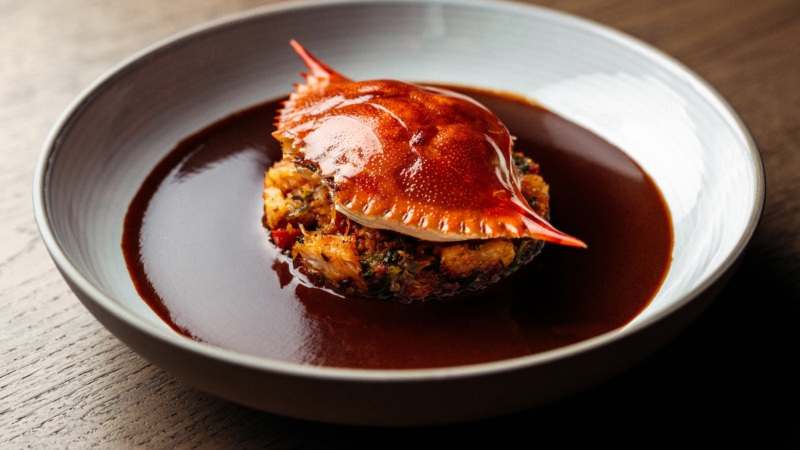
- Boss Ladies: This month, we’re recognizing the women chefs and restaurateurs who keep Houstonians happy and well fed. At all-day River Oaks cafe Pondicheri, chef Anita Jaisinghani turns out innovative, nourishing Indian fare — be sure to grab a chocolate chile cookie (or two) from the upstairs Bake Lab + Shop. Over at Traveler’s Table and sister restaurant Traveler’s Cart, wife-and-husband team Thy and Matthew Mitchell serve up internationally inspired cuisine ranging from duck chilaquiles to Singaporean soft shell chile crab. Married chefs Diego and Makayla Ponce, alongside business partners Ngoc Tran and Louis Quy, deliver Peruvian-Vietnamese fusion at Alora. Meanwhile, at Mastrantos, owners Xavier and Mari Godoy blend global flavors into their handmade pastas and shareable dishes. Fancy sashimi or specialty rolls? Uptown Sushi and Sushi Rebel, from owners Peggy and Daniel Chang, always hit the spot. And for beautifully blistered pizza pies, try EaDo gem Tiny Champions, where co-owner and pastry chef Julia Dornan’s fine-tuned dough makes a perfect base for classic and creative toppings. Let’s show up for these industry leaders, and read on for Resy’s updated Women of Food coverage!
- St. Patrick’s Day: Throw on your favorite green outfit and toast to the luck of the Irish at some of Houston’s most festive watering holes. For those on the west side, Katy Beer Garden offers plenty of patio space and cold pours for a laid-back hang. Inside the 610 loop, Heights Bier Garten and Bayou Heights Bier Garten keep things lively with expansive tap lists and high-energy after-work crowds. Looking to sip cocktails instead? Bar Boheme and Refuge mix up strong, spirited drinks perfect for saluting the day. Be sure to book a Resy — these spots are bound to fill up fast with revelers chasing a little Irish cheer.
New to the Hit List (March 2026)
Cochinita & Co., Mimo, Squable, Sushi Horiuchi.