Bread & Butterfly’s Freedom Cake Tells a Story of Memory and Heritage
Published:
Walking the sidewalks of the Inman Park strip in search of a good meal is often a mix of planning and spontaneity, with an abundance of restaurants drawing diners from all over the city. But even here, Bread & Butterfly stands out.
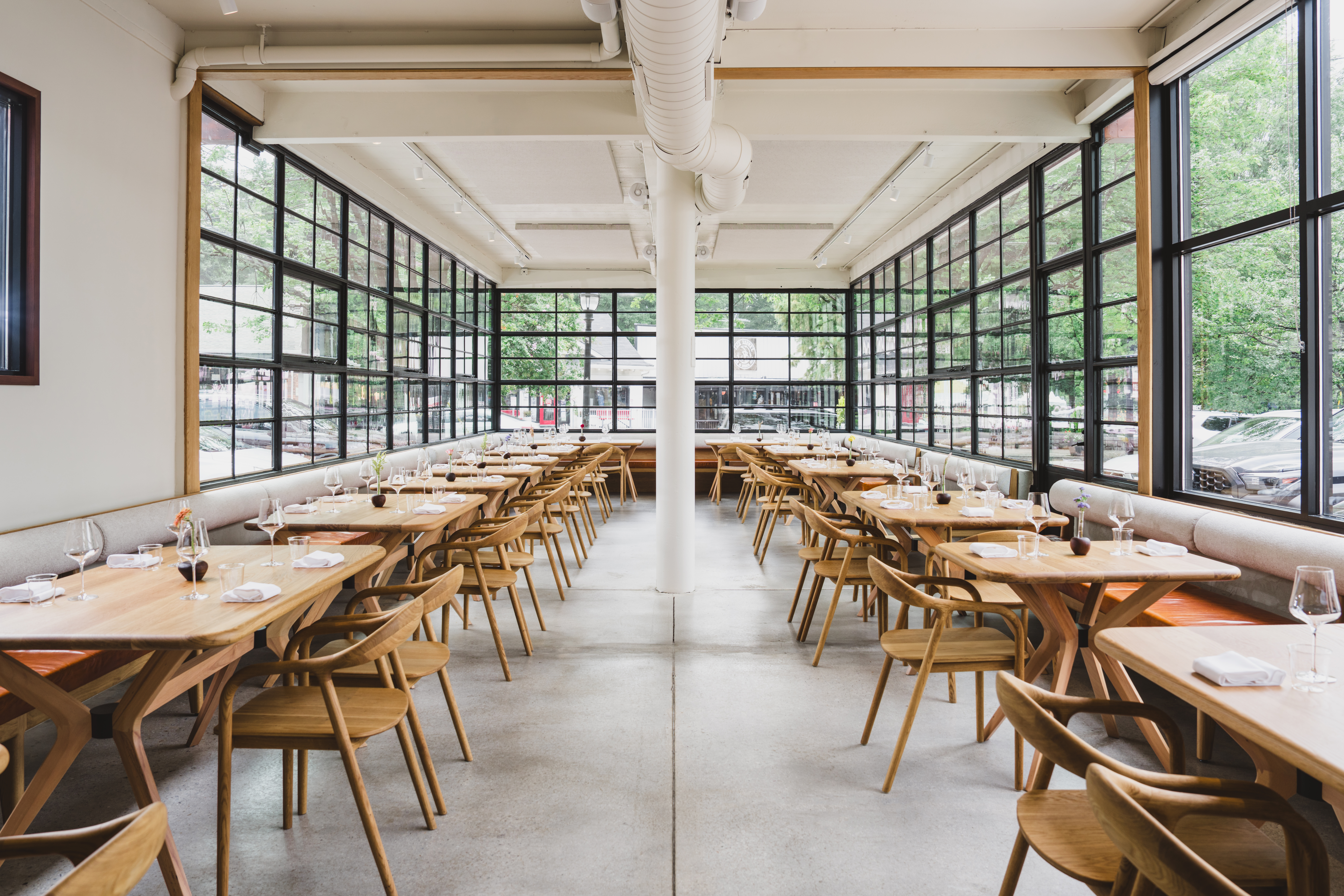
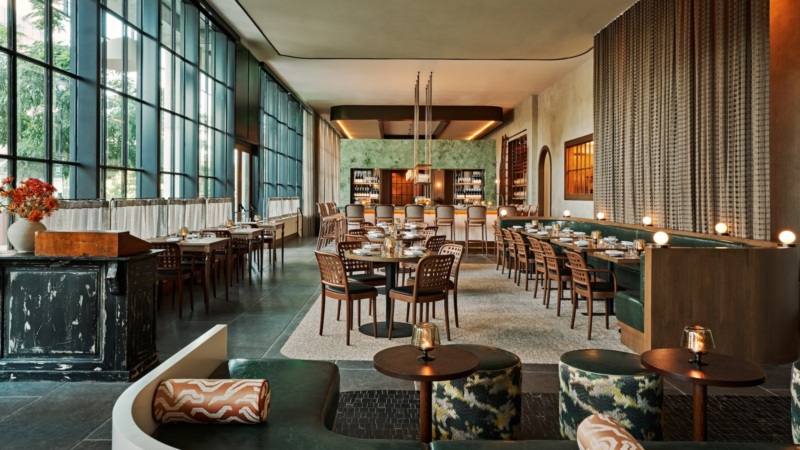
A European-inspired café and bistro by day, Bread & Butterfly transforms in the evening to a restaurant that features dishes infused with flavors from across the African diaspora. It’s the kind of place that radiates warmth and invites guests to slow down and stay awhile, with each corner — from coveted bar seats or a window-lit nook to the intimate dining room or a greenery-adorned porch — rich with intent.
Meanwhile, its menu is abundant with savory dishes and also notable for featuring just two desserts, a quiet sign of how special each one is.
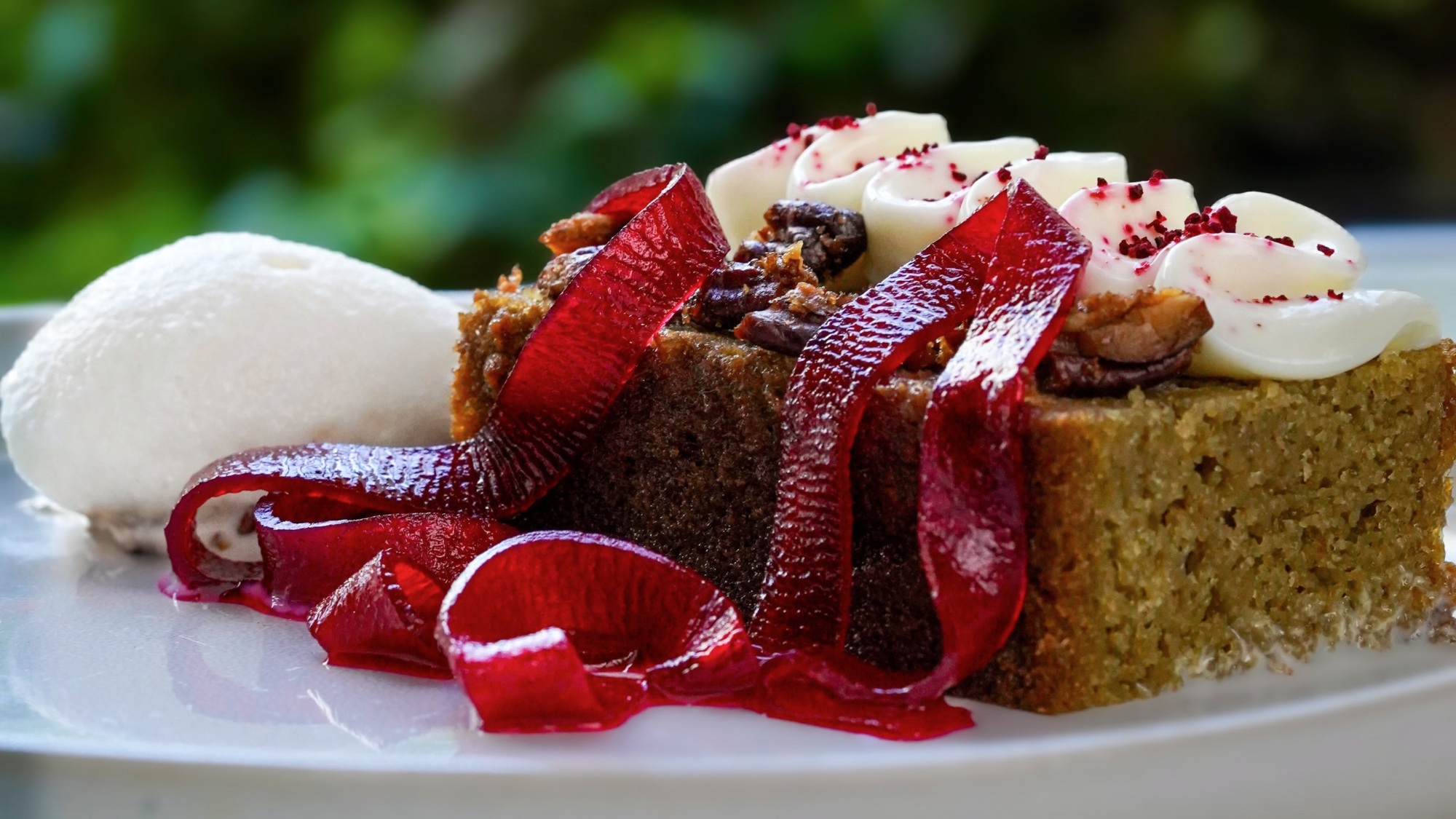
Of these, the flavor and texture of Freedom Cake feels instantly familiar to anyone who grew up in the South. There is a spiced, moist crumb and a sweetness that lingers on the palate. But before the first bite, its rich, unapologetic, almost glowing deep red hue draws you in. On the menu at Bread & Butterfly, this cake tells a story of memory and heritage.
Chef Demetrius Brown speaks with a kind of gentle confidence when sharing the inspiration behind each dish on his menu. He thrives on connecting cultures, histories, and self-expression through food. “Freedom Cake” isn’t just a clever name; it’s a nod to the culinary legacy of the African American South, where desserts like pound cake, red velvet, and tea cakes have long been acts of resourcefulness and celebration.
Related Stories
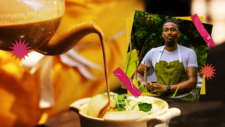
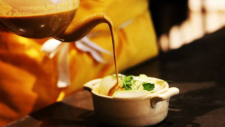


Brown notes that “Freedom Cake” already exists in history, though no specific reference could be found to the version he recalls. What does exist are layers of cakes symbolizing freedom, from post-Revolution Election Day cakes to the red velvet and pound cakes found in Black Southern kitchens for generations. His version bridges those histories into something familiar and new.
“It’s essentially red velvet cake without the food coloring,” he explains. His version was inspired by Ghetto Gastro’s “Black Power Kitchen” and an undisclosed recipe, merging tradition with declaration. Instead of artificial dye, the crimson tone comes from beet juice mixed with lemon juice and buttermilk, frozen first to concentrate its color and texture. “When it bakes, the water evaporates and leaves behind the sweetness of the beets,” he says. The batter folds together flour with cinnamon and nutmeg, flavors that travel across generations of Southern baking.
The finished cake is dusted with beet powder and served with cream cheese frosting, candied pecans with brown sugar and cayenne, and agrodolce beet spirals for contrast. A scoop of malt ice cream leans savory, balancing the sweetness on the palate. As the seasons change, so do the beets, creating new tones of red, gold, and pink.
Brown’s great-grandmothers, both talented bakers, influence his approach. He recalls the memory of his paternal grandmother’s pound cakes, which the Freedom Cake resembles in texture, rising imperfectly with “too much liquid” yet landing perfectly baked. In that imperfection, he preserves a memory. “I would save that part for the end whenever my grandmother made pound cake,” he says. “So, it’s really nostalgic to cut into the cake and see that every single time.” It’s in those small details, the uneven layers, where memory serves as a source of inspiration across the menu.
For Brown, food must have meaning beyond satisfaction. “In the times we’re in, where a lot of people are losing their freedom, it felt right to name a dish that symbolizes both the pain and the perseverance of enslaved people,” he shares. “Freedom Cake is a reminder that we are free, and that freedom came through struggle, through resilience, through those who came before us.” Originally from Providence, Rhode Island, Brown recalls moving to Georgia as a child and visiting a plantation on a school field trip, standing beneath a pecan tree as a guide spoke unempathetically about its history. The pecans became a silent symbol of reclamation, now candied atop his Freedom Cake.
Freedom Cake embodies what Bread & Butterfly stands for: a commitment to sourcing locally and expanding awareness of French-African cuisine. In a time when chefs are reclaiming narrative and redefining fine dining, Brown’s Freedom Cake sits right as an example of this movement. Since the restaurant’s transition from traditional French to a focus on storytelling through food, guests are invited to see and taste through Brown’s cultural lens.
And in a dining culture obsessed with what’s next, Freedom Cake feels like a reminder to look back with a touch of nostalgia, but more keenly in acknowledgment. Through this dish, Brown shows how storytelling isn’t just part of the restaurant experience; it’s the heartbeat of it.
Shyretha Sheats is an Atlanta-based writer who’s invested in her city’s culinary scene and Georgia’s history-rich foodways. Her work explores food and drink, restaurant menus, hospitality business, art, and culture.