Resy Presents
An Appetite For Adventure
- 40 Restaurants Across America Worth a Journey in 2025
- America's Hotel Restaurants Embrace a Bold New Era
- How to Spend a Perfect 72 Hours Eating Your Way Through New York
- How to Spend a Perfect 72 Hours Eating Your Way Through D.C.
- How to Spend a Perfect 72 Hours Eating Your Way Through L.A.
- How to Spend a Perfect 72 Hours Eating Your Way Through Atlanta
- How to Spend a Perfect 72 Hours Eating Your Way Through Chicago in 2024
- How to Spend a Perfect 72 Hours Eating Your Way Through Miami
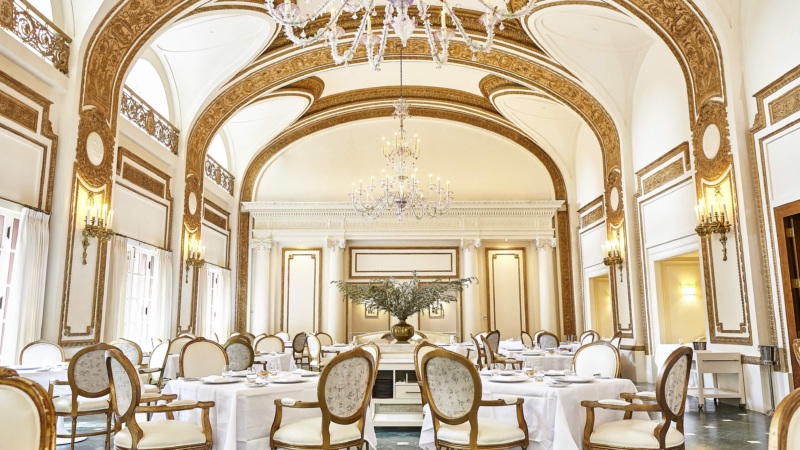
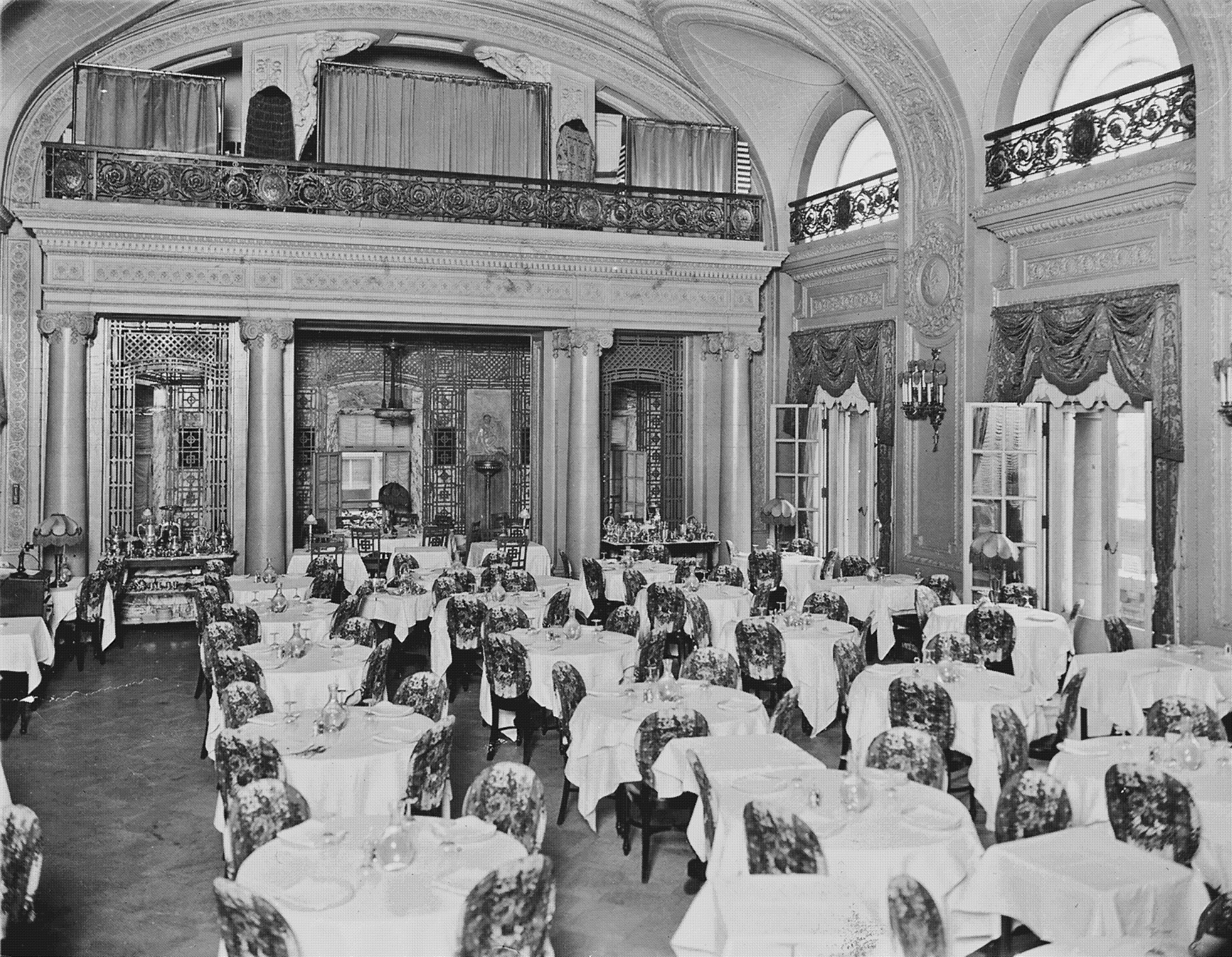
But time changes everything, including the French Room. In March 2020, it closed for two years amid the pandemic. And when it reopened, the historic landmark became a tea room, reminiscent perhaps of The Ritz London. The revamp worked fabulously in Dallas because, unlike many other cities, Dallasites enjoy dressing up for formal dining occasions — as is apparent during any evening spent in a local steakhouse, where sequins, furs, and stilettos aren’t uncommon. We also don’t mind tipping for service that makes us feel like a million bucks, perhaps also from our steakhouses, where servers make many times more than what teachers and paramedics earn.
The style of service that Forbin perfected, and continues at the French Room, has come to represent a lovely anachronism in these more casual times — one that Dallas uniquely can appreciate. For that matter, afternoon tea – and dressing up midday, fascinators included — has taken off as a new Dallas pastime. A new tea service is seemingly announced almost weekly in town, while other places, like Society Bakery & Tearoom, have opened restaurants dedicated to the concept.
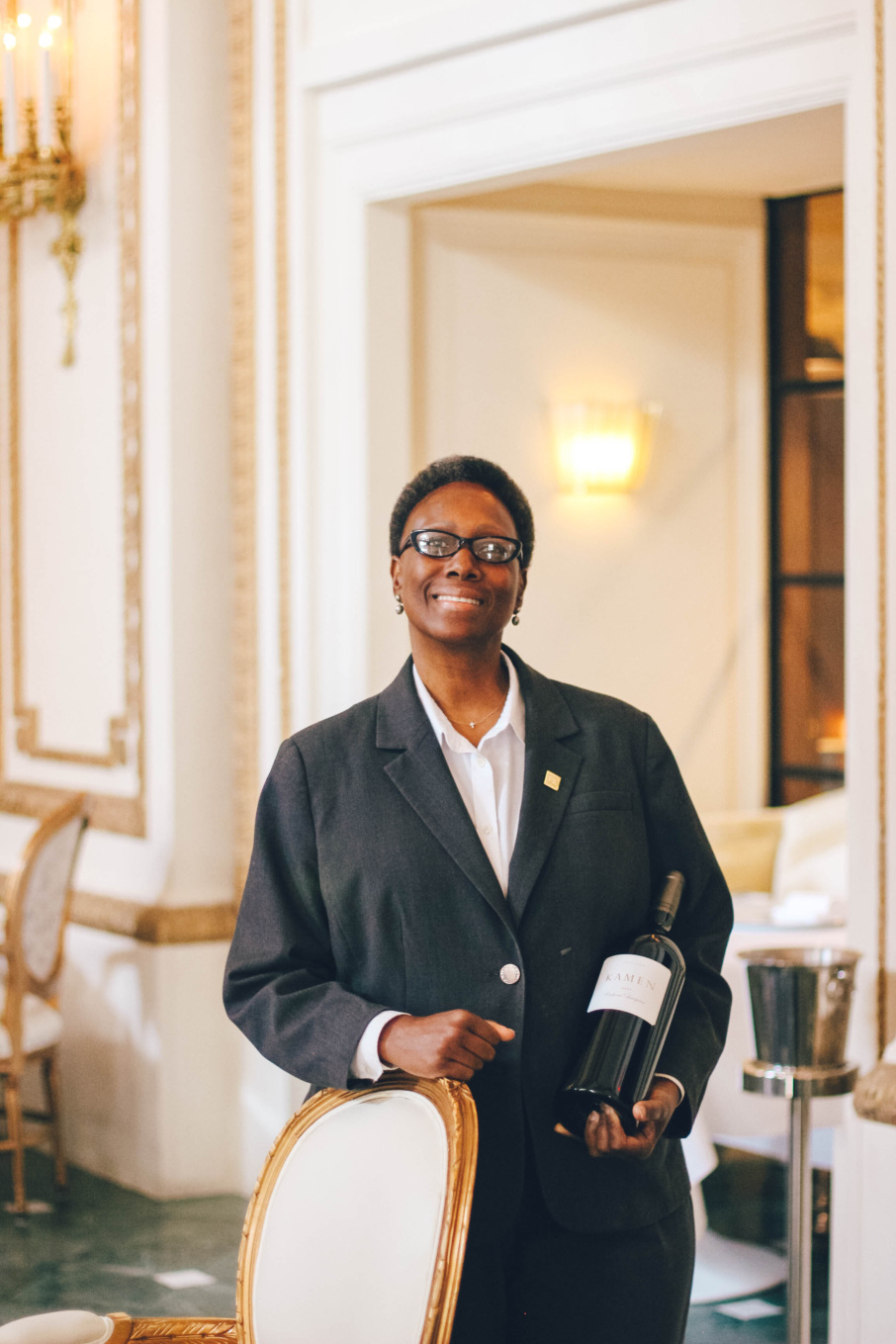
At a time when the nature of hospitality itself is often in question, Forbin is a true believer. After being told she’d never be a part of the French Room’s opulence, her mindset became “Bloom where you’re planted.” She already was hooked on the service industry, since her first job as a lobby attendant at Long John Silver’s, where she found that offering a bit of extra attention, like opening car doors, was personally gratifying – and sometimes also resulted in tips. In 1995, after a decade of waiting tables at The Grille, her penchant for going beyond her duties — that extra eye for the details of hospitality — caught the attention of Air Zimbabwe’s general manager, Huttish Muringi, who flew her to the airline’s headquarters in Harare to train customer service employees. When Forbin returned a few weeks later, she was promoted to The French Room as a captain.
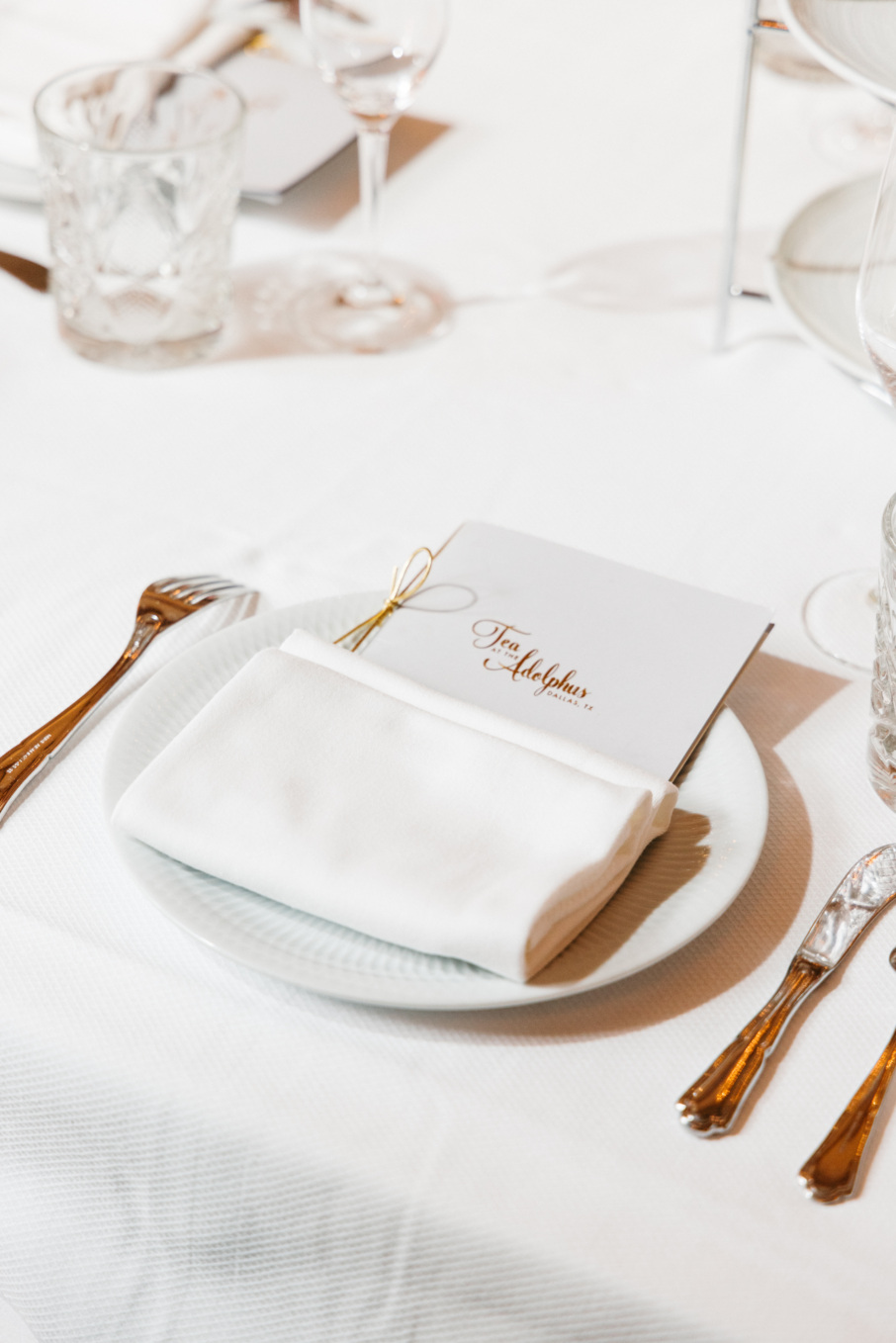
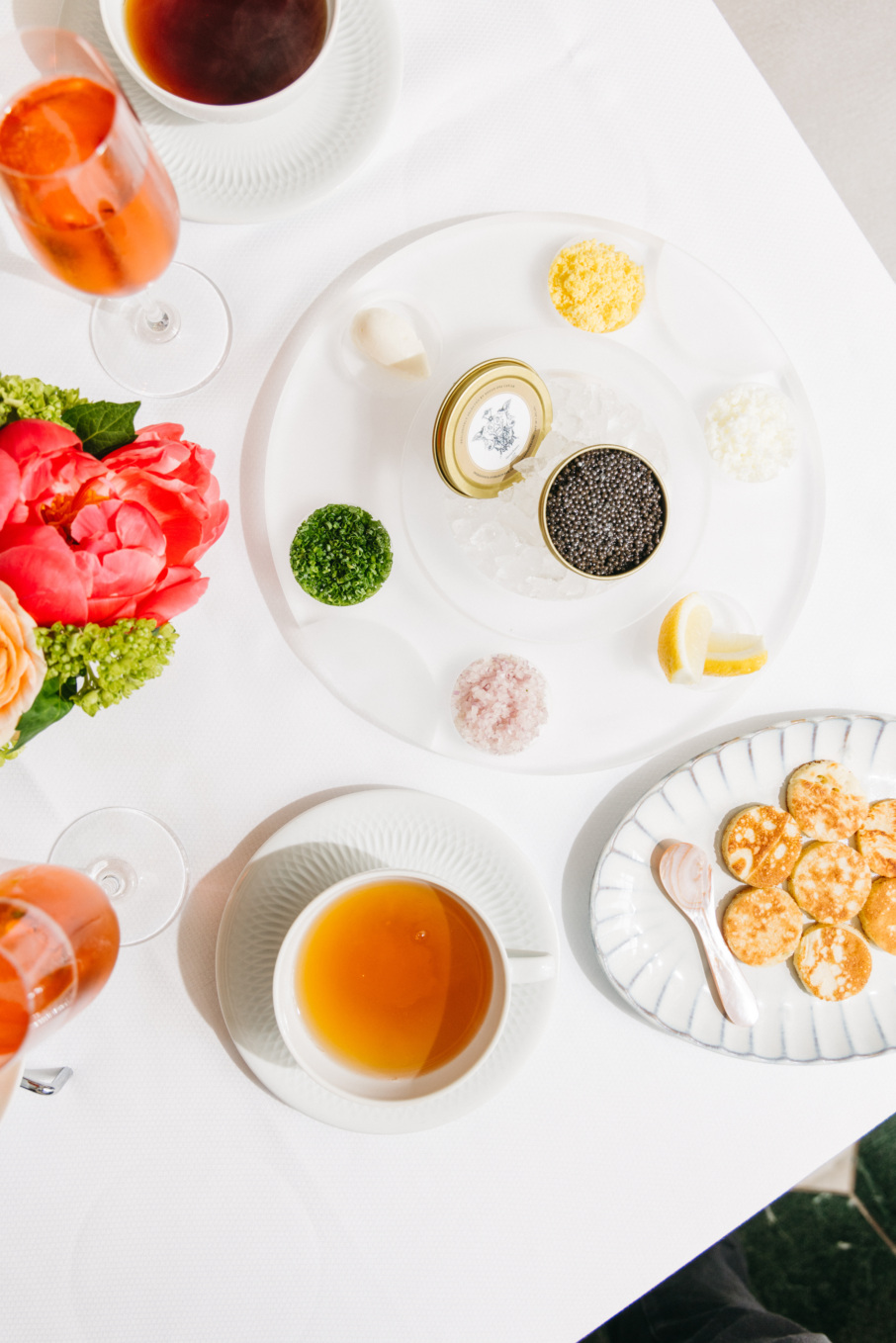
Throughout her four decades in the hotel, Forbin has seen some changes in the timeless setting of the French Room, which has turned from a dinner-only affair to afternoon tea service, with loose-leaf teas by local purveyor Zakti, and tiered snacks that mix Dallas, French, and global tastes. (See: the current menu’s deviled egg salad sandwiches, asparagus-pesto vols-au-vent, and calamansi curd tarts.) In Forbin’s industry, the turnover rate can reach as high as 80%, but the warm hospitality and graceful service of The French Room is better than it’s ever been, albeit still traditional, after more than 100 years, in no small part thanks to Connie Forbin.
Given Forbin’s pivotal role in maintaining a standard of hospitality that remains among the country’s best, Resy wanted to catch up with the self-identified country girl-turned-captain on her thoughts about the past 40 years at Dallas’s oldest, continuously operating hotel. Where, yes, she’s waited on Rod Stewart and waved at the Queen of England.
This interview has been edited for length and clarity.
Resy: How did you get to Dallas? And how did you get to The French Room?
Forbin: I’ve been in Dallas almost 42 years now. I was raised in Wichita Falls, but born in Calvert, Texas. I spent most of my life in a small town, even though it’s a big town for those parts. I moved to Dallas to join a friend, with $150 and a loaned suitcase with a missing hinge.
One day, in 1985, I got off the bus and wandered across the street into this hotel. I walked back to The Grille — it’s City Hall Bistro now — and I filled out an application. I didn’t know The French Room existed, but the manager said to have a seat in The French Room Bar, which is adjacent to the French Room.
It was May, and the sun was shining through those French doors. It felt like the rays were shining directly on my face. Where is that coming from?, I thought. So I walked up the stairs and started peeping, and oh my God, it was like the Sistine Chapel. There were cherubs, murals — it was beautiful. After I sat back down at the bar, the manager welcomed me aboard, and as I stood up to shake his hand, I told him, “I would love to work there one day.” And he said, “You’ll never work there.” It wasn’t mean or anything. He was just candid.
So I started on May 31, 1985. I would occasionally look around The French Room when it was closed for service. I wasn’t yearning to work there anymore; I just thought the room was so beautiful. Then, 10 years later, I waited on a gentleman with a bodyguard for about two weeks. We were like, Who is this guy? Is he a prince? He happened to be the general manager of Air Zimbabwe, Huttish Muringi. At the end of his stay, he asked our general manager if he could fly me to Zimbabwe, to train his staff. When I got back, the maitre d’ James Donohue invited me to work in The French Room as a captain, a position where all the other men would’ve been required to start as a busser. A lot of them who’d worked there for years wanted that position, I’m sure.

MORE RESTAURANTS THAT ARE CHANGING THE GAME




Something that’s often not understood today is how much some people actually enjoy working in the service industry. How did you catch the bug?
I fell in love with service at Long John Silver’s. I started working there at 16 years old as a lobby attendant, because I loved the fish so much. I thought I could eat all the fish I wanted. I made sure the condiments were refilled, and when it wasn’t busy, I stood at the doors and waited for cars to pull up, so I could open the door for guests. As they walked through the line, I would set the table, especially for older couples or families with small children, and people started leaving money on the tables. My manager pulled me over and asked me if I was trying to get money, because, “Who tips at Long John Silvers?” It was only $1 or $2, but for me, that meant more fish. That’s when I fell in love with service.
Hospitality is not a lost art. It’s just different, more fast-paced … We are present with them throughout the meal, and they feel comfort knowing that.— Connie Forbin
How have expectations changed in The French Room over the years?
We will always pride ourselves on great service. Back when we served dinner only, everything was very meticulous and very formal. We had places to stand in the restaurant, and we could never turn our backs toward a guest. The maitre d’, James Donohue, taught me so much about fine dining. I remember one time I thought a couple was finished eating. The plates were empty, so I cleared the table, and he nodded for me to come over. He goes, “Why did you clear the table when she was still chewing?” So that’s how formal it was. I still take all that into consideration now.
Really, you have to have a passion for service. The question — what can we do to make this better? — should constantly be asked. If we find a guest uncomfortable in a chair, we get them a different chair. You anticipate their needs. That’s what I find hospitality is — going above and beyond and anticipating expectations. And you have to be present. Being present is everything.
How would you define hospitality? For that matter, why is service still important today?
Service can make or break a business. It is very important, because it’s what makes guests come back. You could have a hole-in-the-wall, but if you provide great service, guests remember. It’s not necessarily what you do or say. It’s how you make them feel — by knowing their names, remembering their favorite table, or an allergy that their children have. In general, restaurants are a lot more relaxed today, but you still can provide great service without being formal and rigid.
And tea is fun. People tell me I bring warmth to the occasion. I’m part of the party because I create the experience — I think that’s what service is to me, creating experiences. Some people have never been to a place this fancy, but as a country girl, I know what it’s like, and how to warm them up. James Donahue, I’ll never forget, he said: “A smile can disarm the most timid person.” Your presence and your presentation is how you start. So I just relax them. You just learn how to do it.
That sounds a bit intangible.
Service is an affair of the heart, because in order for service to touch the mind of the client, it has to come from the heart of the server. That’s not my quote. I read it in a book, but that’s everything I’ve felt.

What about from a server’s perspective? How has hospitality changed? Has modernity diminished the value of personal interactions?
Everything is fast-paced right now. The telephone —
Oh my god …
Yeah, the initial connection is lost because of photos. Everything is photos, photos, photos, photos. And I get it, especially in this room. So I offer to take photos. I’ve learned the great angles in the room.
But hospitality is not a lost art. It’s just different, more fast-paced. We allow time for photos when you sit down, to remember that moment. We take time to review the menu, instead of just asking what you want. When we serve drinks and food, we talk about every item instead of just dropping it off on the table. That’s the difference. We are present with them throughout the meal, and they feel comfort knowing that. I tell them my name and where I’ll be if they need me. That gives anybody comfort, knowing there’s someone close by to help if you need it. I do not want my guests wondering, Where is she? You don’t find guests looking around here.
And I try to remember everyone’s name. James Donahue also taught me, “There’s no sweeter sound than hearing your own name.” That kind of hospitality is what separates a good restaurant from a great restaurant.





Surely all of this personal attention results in some form of appreciation. What’s your favorite way to be shown appreciation?
Tips. It’s an automatic 20% here, but I don’t mind the handshake tips. They ask for me the next time so they can do it again.
When the French Room reopened after renovations in 2016, I was working elsewhere, and the managers found me and asked me to come back. My coworkers were saying, “You can ask them for anything right now.” I asked for a parking spot. Because, how do you put a price on something you love? This is what I love doing. And the thing about service, you cannot chase the money. That’s what I learned along the way. I don’t think about it; it just shows up. It always shows up for me.
How do you prevent burnout?
About 18 years ago, I was driving in on one of those days when I’m just grateful, because everything was okay with my family, my health, even my car I called “Tweet-Tweet,” because it squeaked when I drove it. It was a life-changing day because I decided to stop calling my job “work.” Work is drudgery, toilsome, and what I do is come to a beautiful room, with a wonderful team, under great leadership. I get to do that. I wanted to reframe how I feel about showing up for work, so I started calling it “my purpose.” I show up with the intention of doing my best. This is not work for me. I absolutely love what I do. Now I tell my friends, “I’m on my way to my purpose.”
I’m proud to work where I do. There’s no one else that can give the service that I give, and I’m not being arrogant. I give something of myself to every experience, and in return, I get something so much greater. Kids cling to my leg when they have to leave. The thousands of hugs I’ve received, the letters and drawings. It’s priceless. It’s something that you feel, and you strive to continue to get that feeling. It’s addictive.
Did you think that you would be here for 40 years?
It was a stepping stone to some other job, undetermined at the time I came in, but I’m glad I stayed. There’s nowhere else I would want to work in Texas. I’d rather be here. I still love it. Once you walk through those doors, something magical happens. I see it, even in the guest space. I don’t know what it is, but I know what it feels like.
Working here also keeps me younger, and it keeps me moving. It keeps me wanting more. Like, what can I learn this week? I will be 65 in a couple of days, and somebody asked me recently when I was going to retire. I don’t think about it. I’m going to keep walking through those doors until the day I don’t want to anymore.
If you ask my friends and family, they will tell you my job is everything to me. Once I had a boyfriend — his name was Adolphus. We dated for a couple of years, and one day he told me, “If you loved me as much as you love your job, I would marry you tomorrow.” That’s how much I talked about it all the time.
After 40 years, it’s a part of me. It’s a big part.