Why We Like It YongChuan specializes in the flavors of a Chinese region that’s remained relatively unknown to New York’s restaurant landscape: The delicate seafood-forward cuisine of Ningbo, a major port in East China’s Zhejiang province.
Essential Dishes The Ningbo eighteen cuts; spicy crawfish dumplings; Ningbo style pork patty; YongChuan rattan peppercorn fish filet; Ningbo grilled vegetables; and YongChuan fried rice.
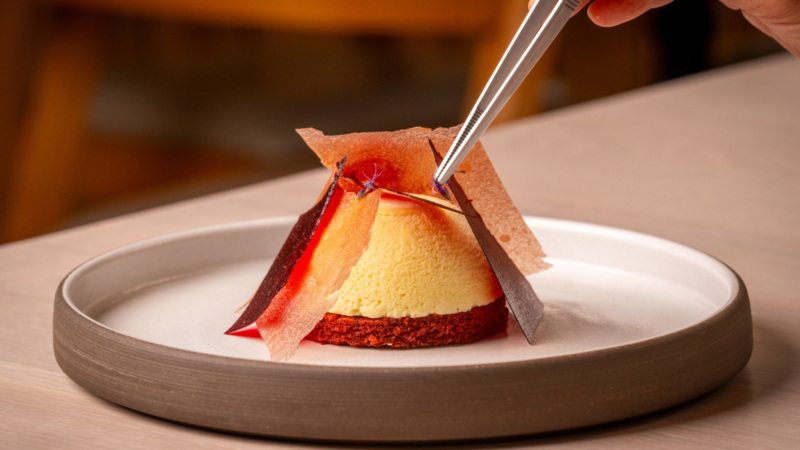
Must-Order Drink Check out the sweet Hungarian tokaj to pair with desserts like delicately poached glutinous rice dumplings filled with black sesame. And for more drinks, grab a nightcap over at YongChuan’s bar, Async.
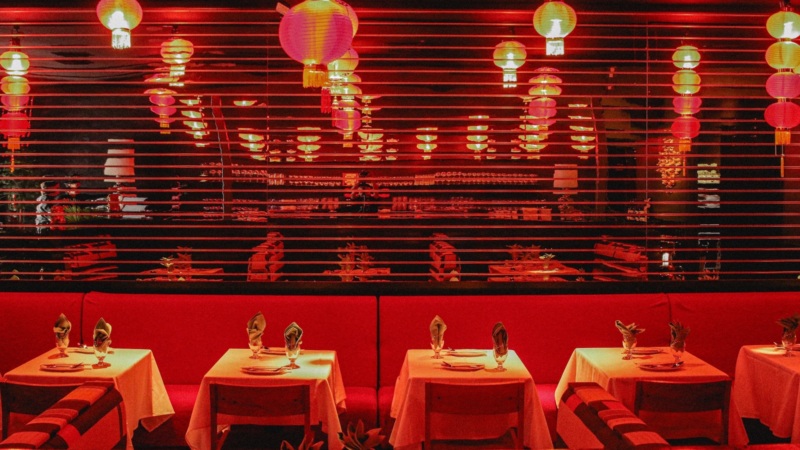
Who and What It’s For Diners looking for a moody and sleek space in the Lower East Side that excels in both the salty and delicate cuisine of Ningbo and the spicy and bold flavors of Sichuan.
How to Get In Reservations are available one month in advance.
Pro Tip Start or end your meal at YongChuan with a drink in their back-room bar, Async, where one of Shanghai’s veteran bartenders has crafted a special menu of cocktails celebrating different Chinese regions.
The dining room at YongChuan. Photo by Russel Low, courtesy of YongChuanAsync is tucked behind the main dining room of YongChuan. Photo by Tom Xia, courtesy of Async
The Ningbo 18 cuts. Photo courtesy of YongChuan The Ningbo 18 cuts. Photo courtesy of YongChuan
1. Ningbo 18 Cuts
“In Ningbo, if you don’t have 18 Cuts on the menu, they say it isn’t a feast!” says Li of his city’s famed “drunken crab” dish. Its name comes from hacking the crustacean into 18 perfect pieces. “It takes skill to cut it into such pieces,” he adds.
“Our blue crab is air-chipped from Ningbo’s Zhoushan fishing grounds, then we soak it in two kinds of vinegar, soy sauce, Shaoxing wine aged for 10-years, and a Chinese spirit called Baijiu — plus seasonings like garlic and ginger,” says Li. The result is rich, delicate crabmeat subtly cured by the boozy fragrant marinade, for diners to suck out of the shell until every delicious morsel is gone, including the generous dabs of the creamy bright-orange roe. The Ningbo delicacy comes in two sizes but even the small one is enough for a generous appetizer for four.
Diners are encouraged to call the restaurant, email info@yongchuannyc.com, or leave a note in your reservation to secure one in advance.
Spicy Crawfish Dumplings Photo courtesy of YongChuan Spicy Crawfish Dumplings Photo courtesy of YongChuan
2. Spicy Crawfish Dumplings
In a city where dumplings flourish, these perfectly pleated dark-red pouches stuffed with succulent spicy crayfish still stand out. The filling was inspired, according to Li, by the spicy mala-boiled crawfish which have become a popular street snack all over China. “Chinese people love these crawfish, but on their own, they’ve become a little too common,” Li says, “so we decided to give it an elegant dim sum presentation.”
The crawfish filling is marinated in a bold chile sauce featuring Sichuan peppercorn, then stuffed into wrappers dyed red with beets and dragon fruit. These beauties can be ordered on their own — to be dunked in black vinegar — or as part of a colorful dim sum assortment that also includes pickled peppers and shrimp inside carrot-dyed wrappers, and Ningbo-style wontons with a complex filling of pork and dried shrimp. And while on the subject of dim sum, Li also recommends the flaky pastries shaped like swans, enclosing either minced eel or durian.
Ningbo Style Pork Patty Photo courtesy of Yong Chuan Ningbo Style Pork Patty Photo courtesy of Yong Chuan
3. Ningbo Style Pork Patty
Ningbo’s ultimate comfort food? It might be this Chinese answer to meat loaf, a generously thick coarse-textured pork patty steamed until perfectly juicy under a topping of egg. “This is our grandma food we adore, with a lot of flavor and history,” says Li. The restaurant’s recipe comes from his mother, with hand-minced pork richly flavored with plenty of ginger, soy, Shaoxing wine, sugar, and shot through with bits of dried preserved mustard greens imported from a farmer in Ningbo.
YongChuan Rattan Peppercorn Fish Fillet Photo courtesy of YongChuan YongChuan Rattan Peppercorn Fish Fillet Photo courtesy of YongChuan
4. YongChuan Rattan Peppercorn Fish Fillet
This delicate Sichuan house special of seabass poached in rich chicken broth with different vegetables proves that not every dish from that region is mind-blowingly spicy. Arriving in a massive bowl generous enough for a small crowd, it teems with white nuggets of fish cooked not a second too long, Chinese cabbage, slender celery stalks, slippery black mushrooms, and strings of enoki mushrooms that could be mistaken for noodles. “The double-simmered broth takes eight hours to prepare,” Li explains.
“First slow-cooked with garlic, long hot pepper, and YongChuan’s secret spice blend, it’s then further enriched by vegetables that are stir-fried prior to the soup’s second simmer. This layered cooking technique makes a velvety, flavor-packed soup, creates a full harmonious flavor,” says Li. A final flourish turns the dish truly memorable: little garlands of rattan peppercorns — aka green Sichuan pepper — still on their vine. They impart a subtle floral-citrusy zing to the broth and make your tongue tingle pleasantly if you happen to crack one.
Ningbo Grilled Vegetables Photo courtesy of YongChuan Ningbo Grilled Vegetables Photo courtesy of YongChuan
5. Ningbo Grilled Vegetables
If you order this dish expecting a plate of grilled veggies, you’re in for a surprise (“The menu name is based on a Chinese character that’s hard to translate,” Li explains.) The vegetable in question — it’s singular! — is baby bok choy and rather than grilled, it’s cooked to a velvety texture in a complex technique. “This dish pays more homage to Ningbo home-style cooking,” says Li. “But it takes a lot of skill to make well. It starts with carefully selected Shanghai greens, deep-fried at 180°C to remove excess moisture, then stir-fried with garlic and mushrooms. A splash of rice vinegar, soy sauce, and a touch of sugar is added, and the mixture is gently simmered over a low flame until all flavors meld.”
Served cool, the dish arrives as a glossy dark pile of greens, velvety-soft but still holding their shape, with a balance of sweet, tangy and salty that hits all the right flavor points. It’s entirely unlike the bright stir-fried greens you might be familiar with — and compulsively edible.
YongChuan Fried Rice Photo courtesy of YongChuan YongChuan Fried Rice Photo courtesy of YongChuan
6. YongChuan Fried Rice
This delightful fried rice laced with sweet-dusky bits of sausage and punctuated with crisp fried rice granules is inspired by the dried rice cakes of Ningbo, according to Li. Wanting to incorporate some of their crunch into a dish of fried rice, he and his chef created a delicious wok-tossed medley of rice, diced onions, celery, and Guangdong-style sausage — with some crisped Jasmine rice grains folded in at the final stage for that cool playful crackle that Li was after. Finished with fresh scallions, this rice goes with just about anything on the restaurant’s menu. And it’s equally good all on its own.
Drinks to Consider at Async
The bar at Async. Photo by Tom Xia, courtesy of Async The bar at Async. Photo by Tom Xia, courtesy of Async
1. Frozen Forest Martini
This gin martini evokes the chilly forests of the northeastern Dongbei region. It’s cold, served in an iced carafe alongside a sake-size glass for self-pouring, and it’s packed with the herbal punch of ginseng, pine nut, Asian pear, and Americano amaro.
2. Imperial Smoke
Zhang riffs on the flavors of the Chinese capital’s signature dish, Peking duck, by blending duck fat-washed bourbon with lemon juice, scallion honey syrup, cucumber bitters, and egg white. The fatty texture and smoky notes combine to taste remarkably like roast duck.
3. Jasmine Breeze
The southeastern coastal province of Fujian is renowned for tea production, and this zippy take on a gin fizz combines both jasmine and black teas, as well as winter melon syrup and lemon juice, in a refreshing yet deceptively complex mix.
Jasmine Breeze Photo by Tom Xia, courtesy of Async
Spicy Madame Photo by Tom Xia, courtesy of Async
4. Silk Road Negroni
The ancient Silk Road passed through the far northwestern province of Xinjiang, and Zhang’s variation on a Negroni pays homage to the many spices and flavors that traveled along that route. Served up, with a garnish of skewered grapes, the powerful, nutty drink features red-date cognac, fig-leaf vermouth, and walnut bitters.
5. Spicy Madame
The cuisine in Hunan province is known for its spicy, sour flavors, making it a natural touchpoint for this menu’s version of a Bloody Mary. The appropriately named Spicy Madame includes tequila, cherry tomato, soursop, lemon juice, and shiso. It’s served in a coupe glass with a chile rim and a Tabasco pepper garnish.
6. Tsingtao Orchard
Zhang’s favorite cocktail represents the coastal province of Shandong, which lies along the Yellow Sea. The bartender uses local green tea, beer, and apples for a cider-esque beverage. “I really enjoy cider,” he says, “so this cocktail turned into an easygoing, sparkling drink you can enjoy any time.”
YongChuan is open daily from 5 to 11:30 p.m. for dinner and from 10:30 a.m. to 3 p.m. on Saturday and Sunday for brunch.
Async is open from 5 p.m. to late Tuesdays through Sundays, with happy hour from 5 to 7 p.m., Tuesday through Friday. Happy hour includes discounted well drinks, wines, beer, spritzes, mimosas, bellinis, and shots.
Anya von Bremzen is a James Beard Award-winning book author and journalist based in Jackson Heights, N.Y. Her latest book, “National Dish,” was published in 2023. Follow her on Instagram.
Justin Goldman contributed to this article with his reporting on Async. Goldman is a Brooklyn-based writer covering travel, culture, food, and wine. A former editor at Hemispheres, he contributes to Condé Nast Traveler, Wine Enthusiast, the Los Angeles Times, and Eater. Follow him on Instagram. Follow Resy, too.