The Resy Rundown
Pari Pari Handroll Bar
-
Why We Like It
With Yasu Tanaka behind the menu and personal touches that reference the co-founders’ love of French cuisine, the restaurant takes the handroll bar up a few notches. -
Essential Dishes
Don’t miss the thick-cut salmon carpaccio with passion fruit sauce, plus the hamachi and chimichurri handroll. -
Must-Order Drinks
Sake is the way to go. The team can recommend a pour to suit your preference, but the Gozenshu Bodaimoto ‘Misty Mountain’ is a Junmai that’ll hit just right.
-
Who It’s For
Anyone who loves sushi and the intimacy of omakase, but in a more relaxed setting. -
Fun Fact
Save space for dessert. The sweets are created by renowned French pastry chef Yann Couvreur, whose Wynwood flagship happens to be located mere steps away. -
Pro Tip
Don’t miss the housemade sauces, made from traditional Japanese condiments and spices, designed for squeezing onto each bite of your handroll(s). It’s nontraditional, and all the more fun for it.
Let your stomach be your guide.
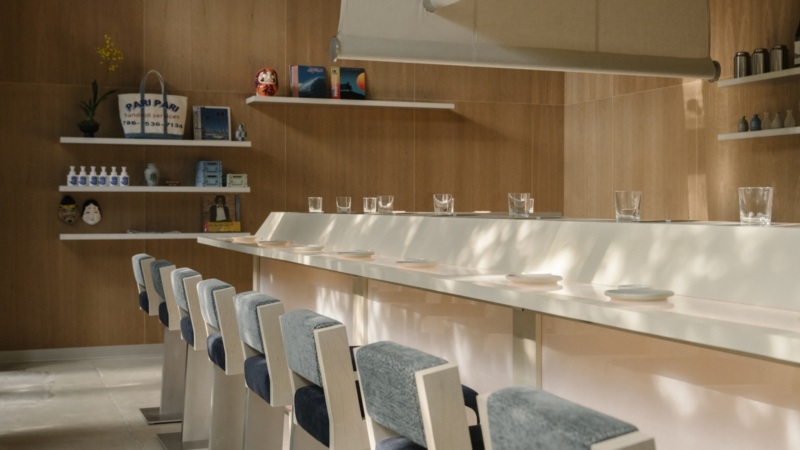
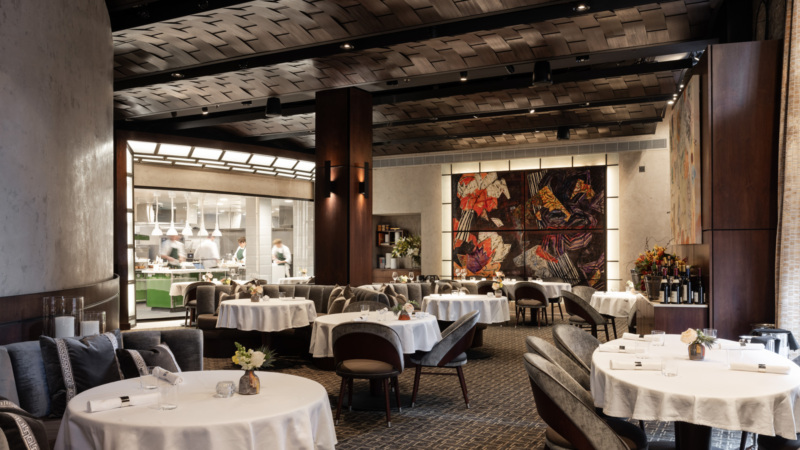
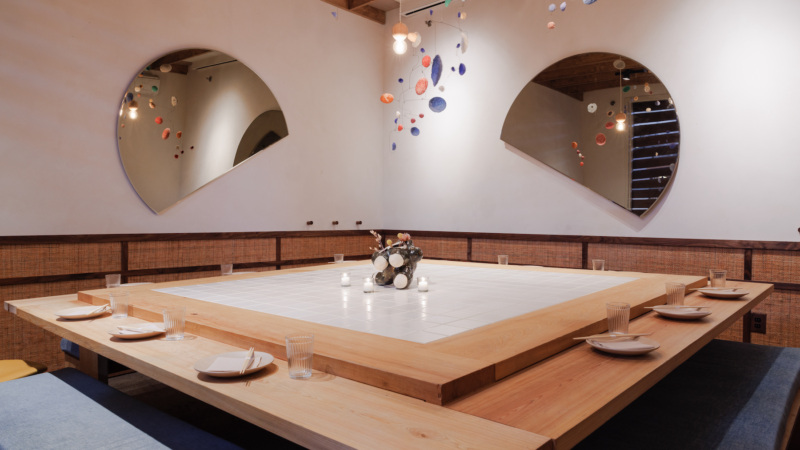
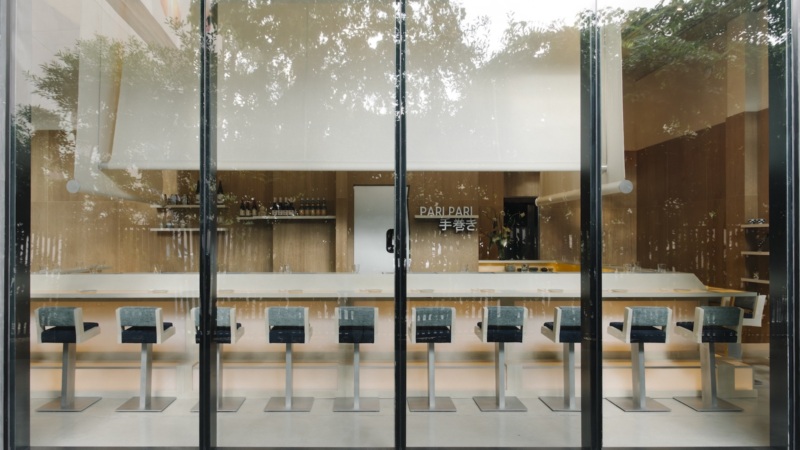
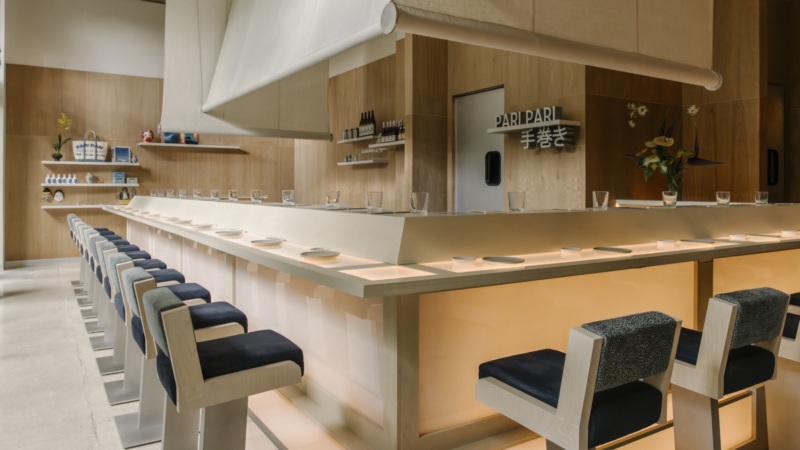
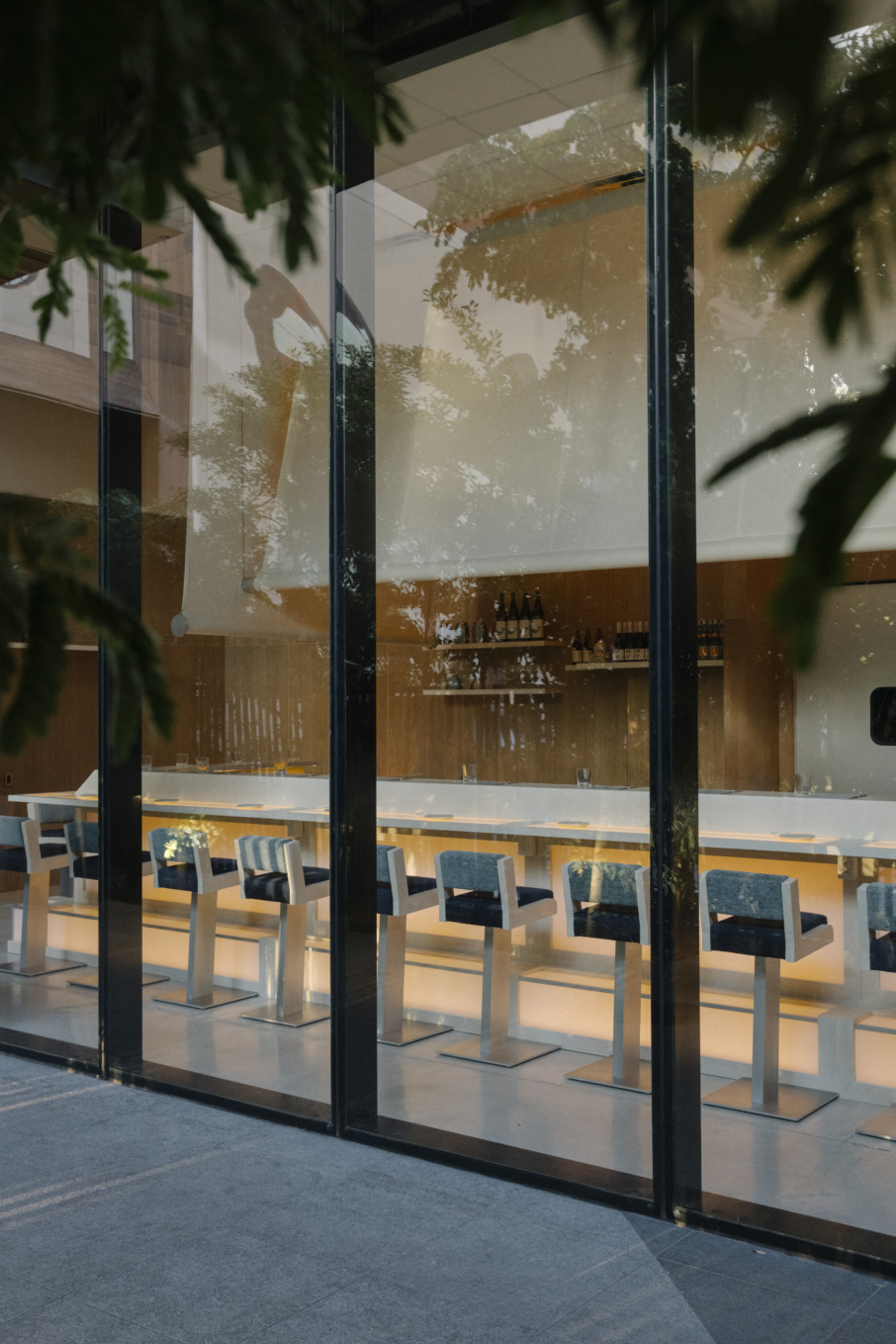
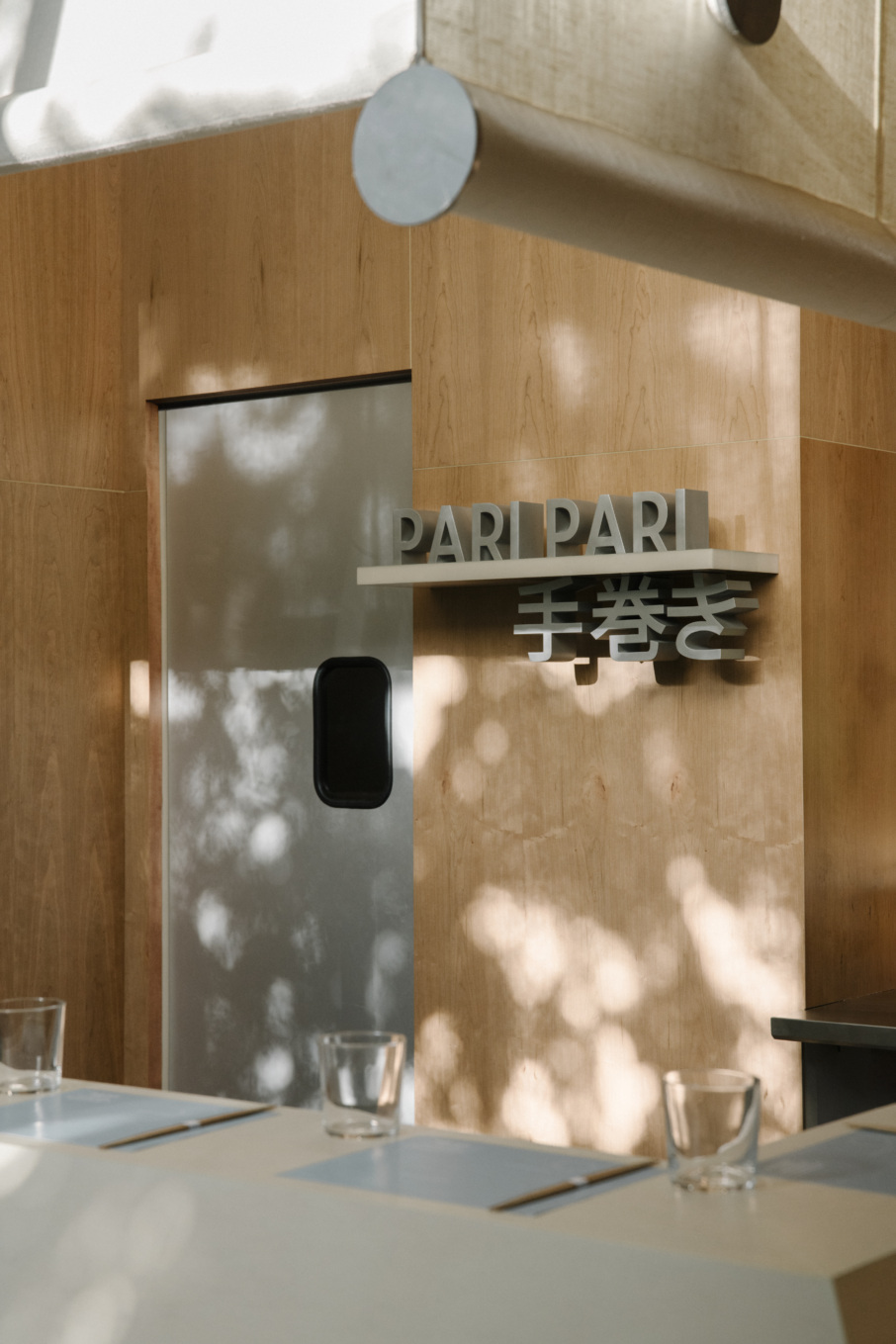
Take a seat at the communal counter and take a moment to soak it all in — the sunlight pouring in through tall floor-to-ceiling windows, and if you listen closely, a Japanese cover of Stevie Wonder playing over the speakers. This might look like an omakase counter, but it’s not. It’s more casual, more affordable, and here, the choices are all yours.
Your server begins by pouring soy sauce and laying out fresh ginger and wasabi cubes at your countertop place setting, while you look over the paper menu, marking down your selections with the pencil you’re given. Choose between a set of three to five classic handrolls ($23-$39) or make your own a la carte selections — four handrolls and perhaps a sashimi starter (don’t miss the thick-cut salmon carpaccio with passion fruit sauce) should feel right for a light meal that still leaves you satisfied, but given how fresh and flavorful everything is, we wouldn’t complain about ordering more.
With only a few handrolls to eat, you might think the whole meal would be over in 30 minutes, but the typical diner spends an hour and a half or longer at Pari Pari — and much more at dinnertime, when the music and lighting sets more of a speakeasy vibe. It isn’t a coincidence that the founders were drawn to the communal energy of the counter setup, and guests sit side by side, striking up conversations, while the chefs engage naturally throughout the handroll-making process.
Don’t be deceived by the menu’s simplicity.
A few handrolls, some pricier signature options, and a handful of sashimi appetizers might sound like a simple menu, but every bite is prepared with intention. The fish is purchased in Japan and delivered fresh daily — sometimes including cuts of tuna typically found only in omakase restaurants. Each handroll is prepared and handed over one at a time, so that you can enjoy each bite while the sticky rice is still soft and warm and the seaweed is still perfectly crisp.
A few of the most popular picks among the classic options (rolls ranging from $8-$12 per piece) have been the Toro Taku, prized for its rich flavor and melt-in-your-mouth texture, and the Spicy Scallop Cucumber, which balances the delicate, buttery nature of scallops with that crisp nori. If you’re willing to splurge, you can opt for signature handrolls ($17-$22 per piece) with luxe fillings like uni and A5 wagyu.
Tanaka’s personal favorite is the Salmon Avocado Handroll, which also happens to be the perfect blank slate for their housemade sauces. “I want our guests to appreciate its simplicity and perfect harmony of textures, a combination that captures the true essence of the handroll,” he says.
Playing with your food is encouraged.
The staff at Pari Pari will also set out three squeeze bottles of signature sauces: yuzu karashi mustard, yuzu mayo, and spicy mayo (it looks and tastes nothing like the pale pink version you might be used to — in the best way possible). All of the sauces are made in-house using Japanese condiments and spices, giving guests a playful way to customize their handrolls.
The team wanted to make the dining experience more interactive and personal, encouraging guests to adjust flavors to their own preferences while still highlighting the quality of the fish and core ingredients.
“While sauces aren’t traditionally served with handrolls in Japan, where soy sauce and wasabi are the norm, we wanted to thoughtfully adapt to the American palate without losing authenticity,” Dayan said.
Though certain handrolls at Pari Pari already come with creative flavors like miso or chimichurri, be sure to order at least a couple of classic options that you can dress up with those DIY sauce bottles.

For dessert, they’ve partnered with a few pastry wizards, too.
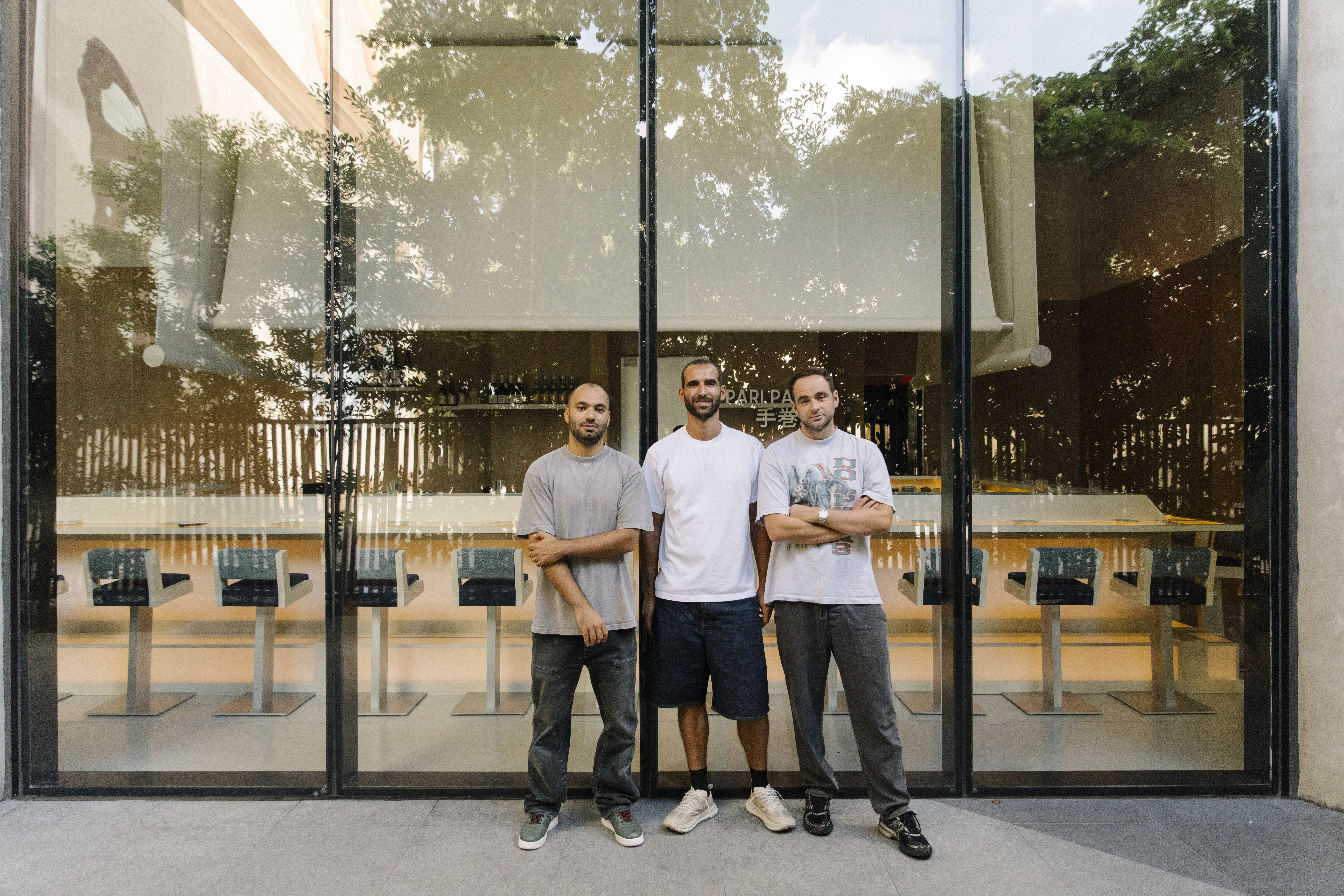
The team partnered with French pastry chef Yann Couvreur, whose neighboring flagship cafe is also located in Wynwood. He took on desserts with a spirit of cultural collaboration — reflecting a balance of his own French craftsmanship, blended with the signature Japanese flavors that define Pari Pari’s culinary perspective.
“It was essential to include a refined yet light French pastry to conclude the dining experience. Yann proposed the idea of a baseless, airy creation that would feel refreshing after a meal of rice-based dishes,” Benitah says.
On the menu currently are two desserts he developed: a mango, coconut and passion fruit cake, as well as a scoop of housemade black sesame ice cream with matcha that comes topped with a Liger’s chocolate chip cookie — another example of community collaboration, this time with local baker Julian Cousins, known for his soft-on-the-inside-crispy-on-the-outside confections.