Patrick O’Connell on the Enduring Theater of Fine Dining
Published:
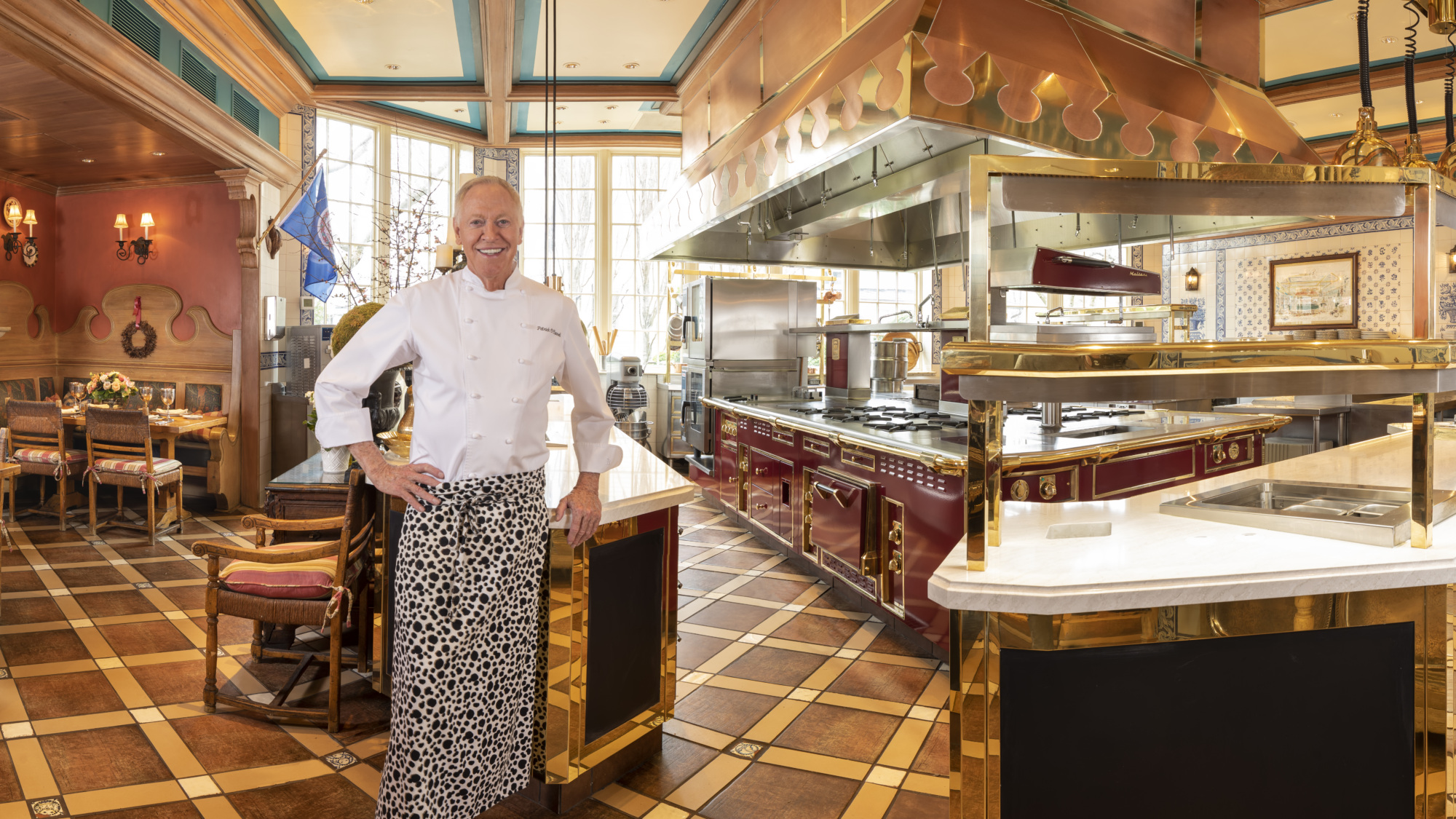
In 1978, Patrick O’Connell and his then partner opened The Inn at Little Washington in a former garage in a tiny Virginia hamlet, 67 miles from Washington, D.C. At the time, nothing but milk was delivered to the town of Washington, Va., so O’Connell turned to nearby farmers and foragers — locavore before locavore was a word. He answered the phone, handwrote the menu, and worked the stove. A main course ran $4.95.
That garage is now one of America’s legendary fine-dining destinations, a bucket-list stop for D.C. power players and international gastronauts. Julia Child and Ruth Bader Ginsburg were fans. Alan Greenspan and Andrea Mitchell got married here. O’Connell even cooked for Queen Elizabeth II, though not at the Inn, for security reasons. The trophy case holds Michelin stars, a James Beard Lifetime Achievement Award, and the National Humanities Medal. The late winemaker Robert Mondavi anointed O’Connell the “Pope of American Cuisine.” O’Connell’s own candid memoir, “Main, Middle & Gay,” lands on bookshelves this September.
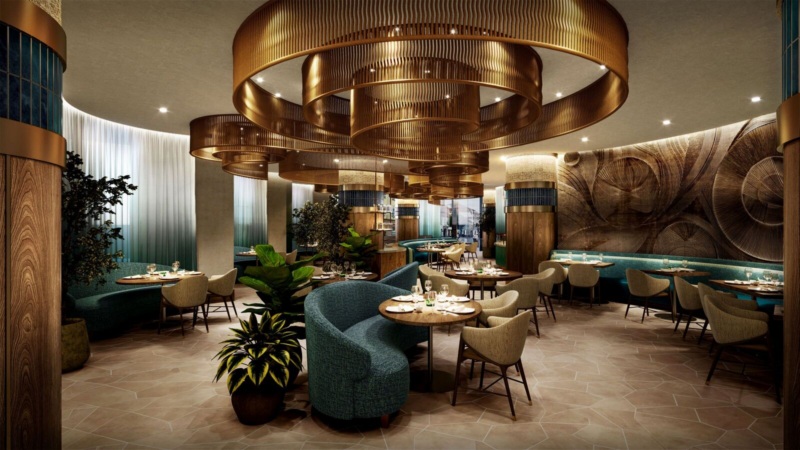
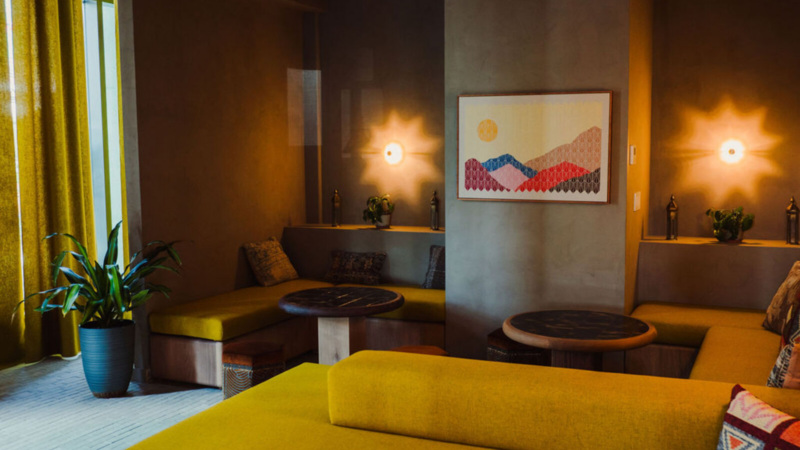
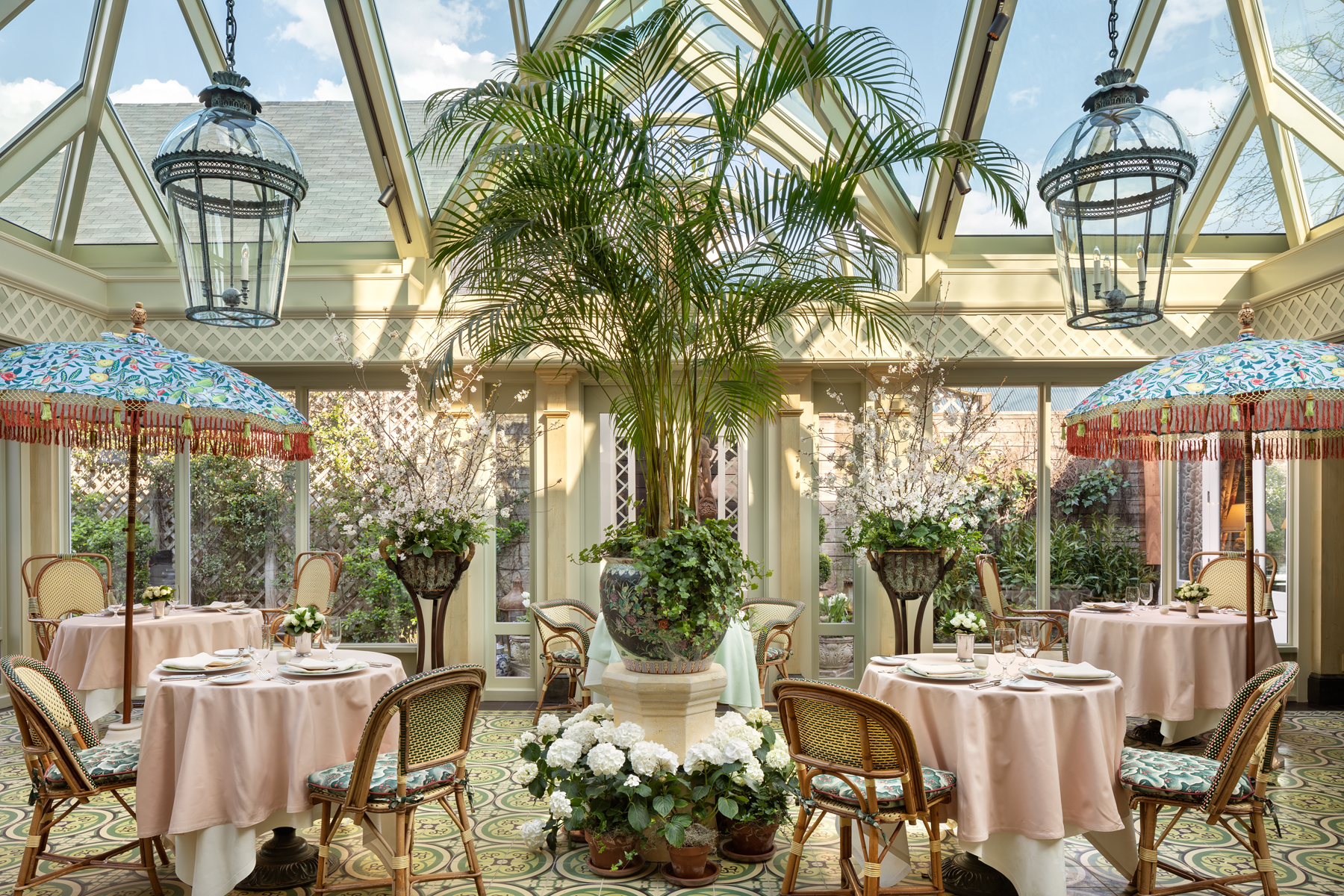
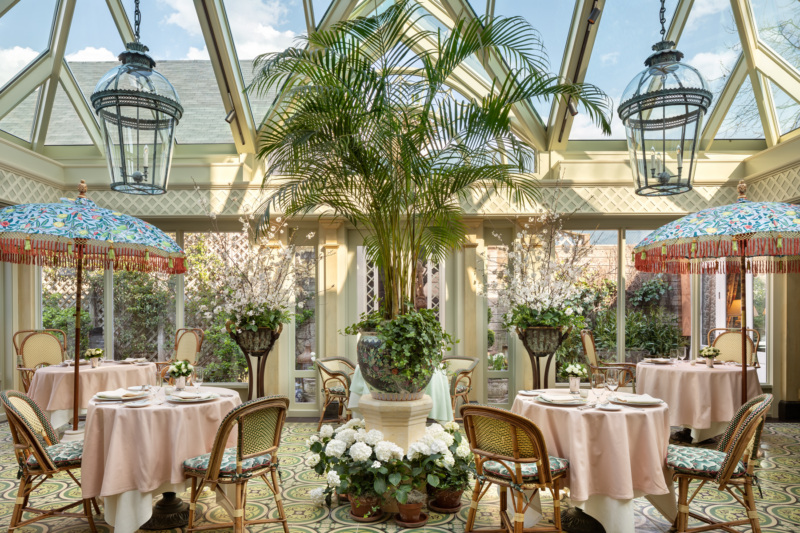
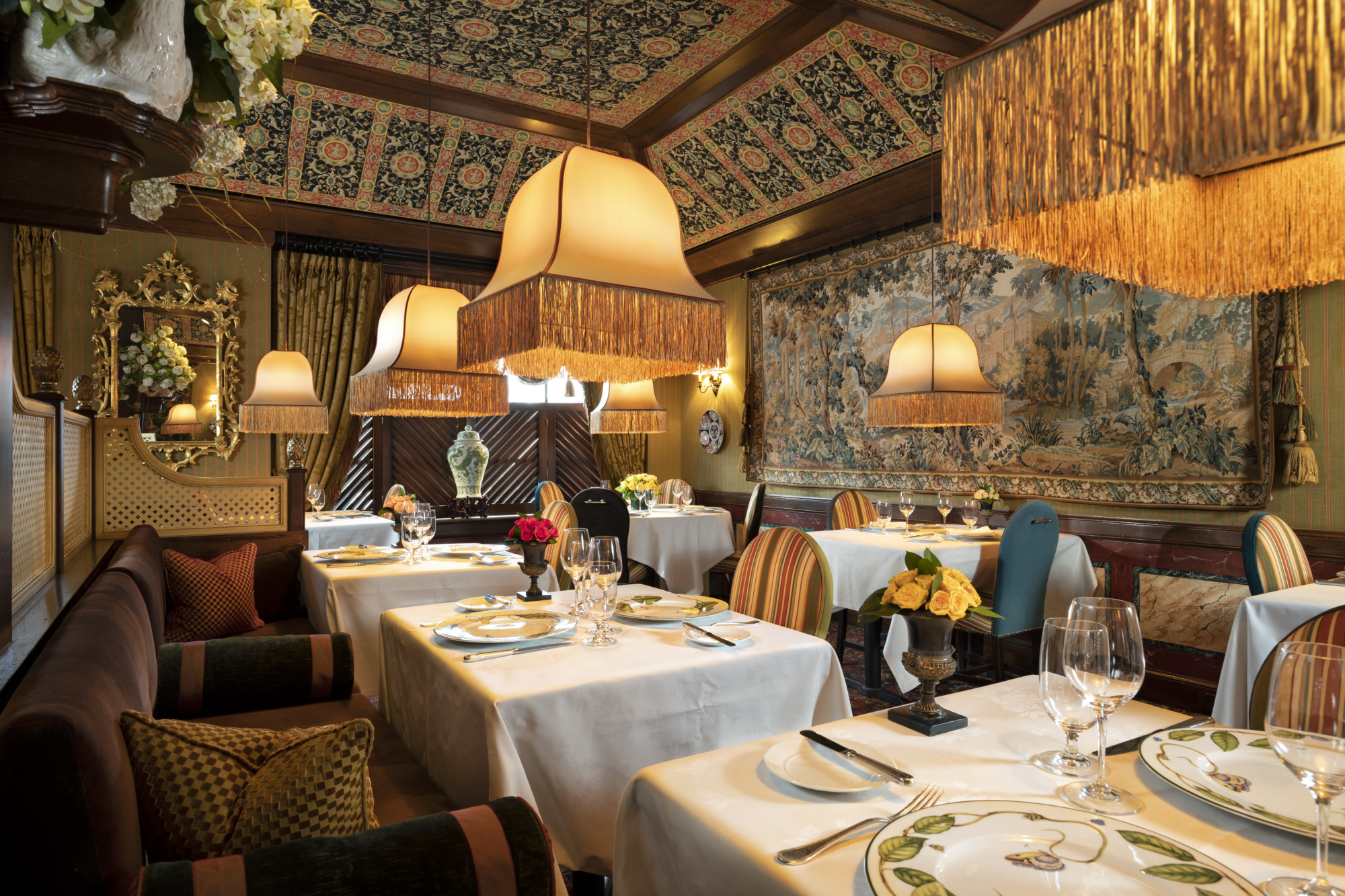
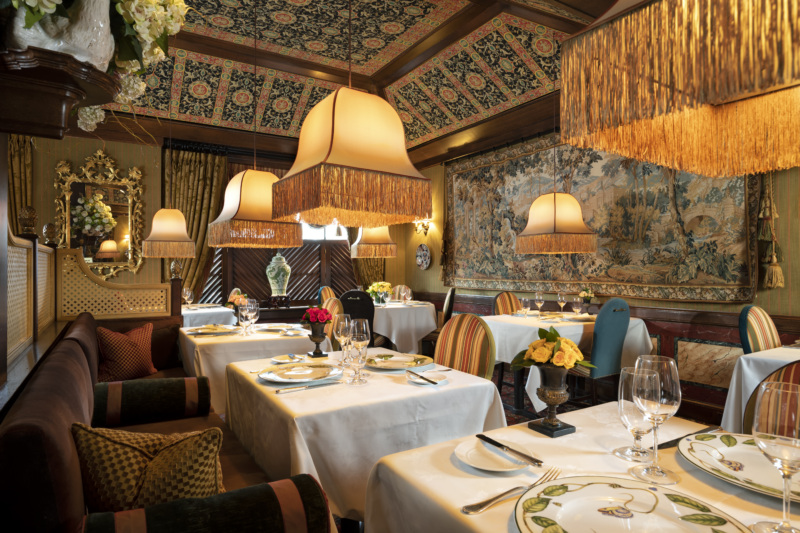
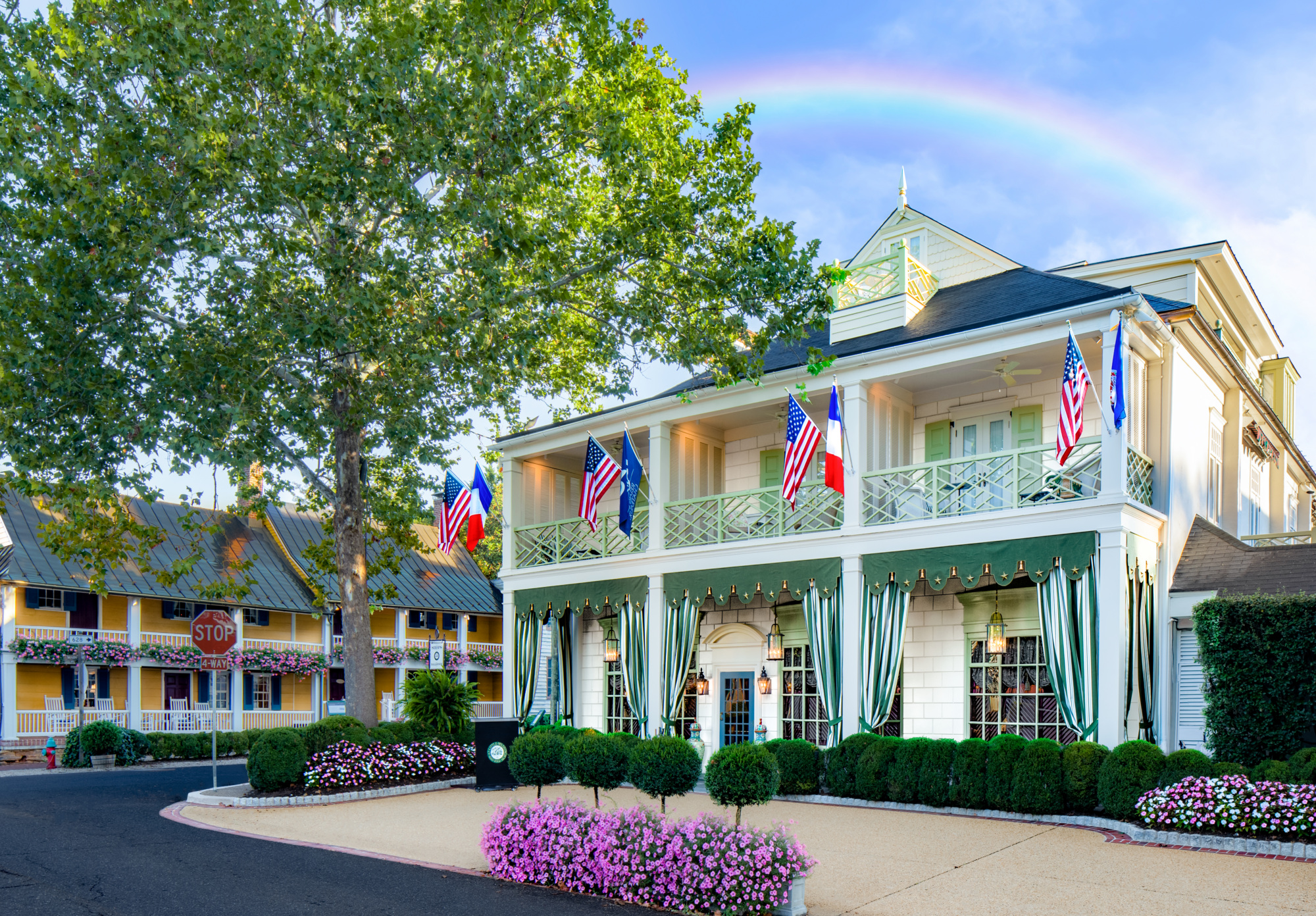
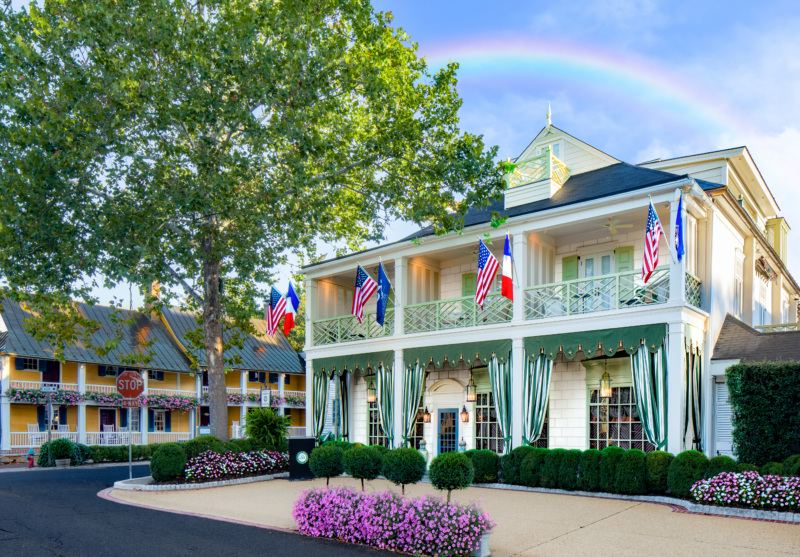
A former drama student, O’Connell views a restaurant as “living theater.” The Inn’s dining rooms are a maximalist country-house fantasia of patterned fabrics, antiques, Fortuny chandeliers made in Venice, and a floor transplanted from a 400-year-old château in France. Outside, the grounds are home to Clun Forest sheep and resident llamas named Marcus and Noelle, while the cheese course makes its entrance on a cow-shaped trolley named Faira.
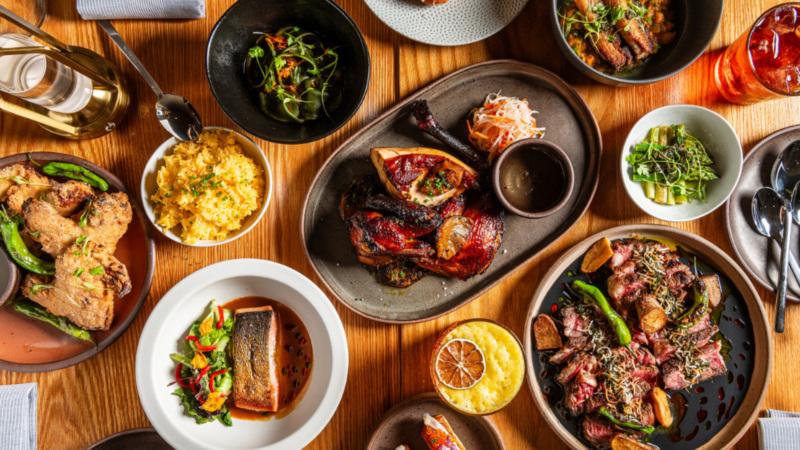
Melding French technique with American regionalism, the Windsor Castle-inspired kitchen turns out three different eight-course tasting menus — including a vegetarian one called Good Earth — with a similar blend of polish and pageantry. Dinner might open with whimsical high-low truffle popcorn, then move through roasted garlic custard baked in an eggshell with parmesan mousse, white asparagus with sorrel gelée and Virginia country ham, and close with “Apparently a Pear,” a trompe l’oeil pear cheesecake that takes three days to concoct.
But the world around the Inn has been changing. Tasting menus are no longer quite as novel, and diners, O’Connell says, are more demanding than ever. So, how does a restaurant built on abundance and elaborate hospitality rituals remain relevant as fine dining evolves?
We recently caught up with O’Connell to talk about how the tasting menu took hold in America, why fine dining keeps surviving its predicted death, and what diners still want from a restaurant.
Note: This interview has been edited for length and clarity.
Tock Tips
The Inn at Little Washington
-
Why We Like It
It’s a legendary fine-dining destination that pioneered farm-to-table cooking long before it was a trend. And it remains a one-of-a-kind restaurant that hasn’t lost any of its relevancy or impact. -
Essential Dishes
Roasted garlic custard baked in an eggshell with parmesan mousse; carpaccio of herb-crusted Elysian Fields baby lamb loin with Caesar salad ice cream; butter-poached Maine lobster with a chicken and shrimp tortelli in lemongrass consommé; and the Apparently a Pear for dessert. -
Must-Order Drinks
The Inn is known for its award-winning wine program, which has more than 14,000 bottles with a focus on selections from Europe, California, and Oregon.
-
Who and What It’s For
D.C. power players and international gastronauts seeking an unforgettable dining experience. -
How to Get In
Reservations drop on Tock one year in advance. -
Pro Tip
If you’re dining there Wednesday to Friday, arrive early to catch one of the Inn’s most charming traditions: the Goose Walk. At 4:30 p.m. (weather permitting), farmer Andy Thewlis — the Inn’s “Fairy Godfather of Farming” who oversees the farm-to-table program — leads their flock of American Buff geese down Middle Street, serenading them on his vintage soprano saxophone.
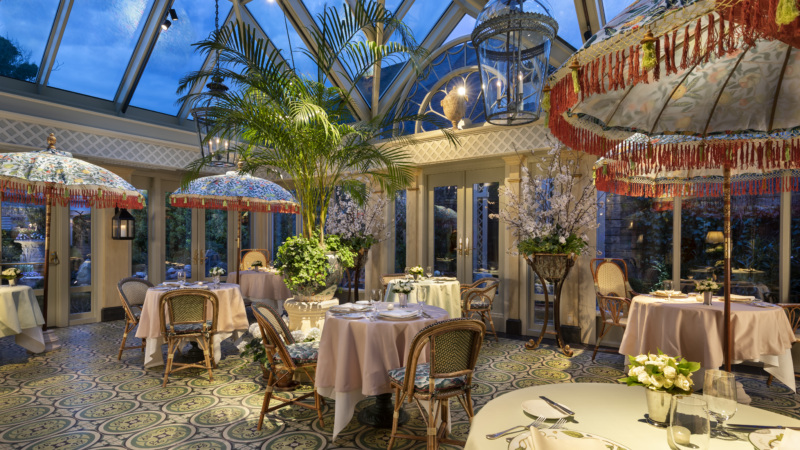
Photo courtesy of The Inn at Little Washington
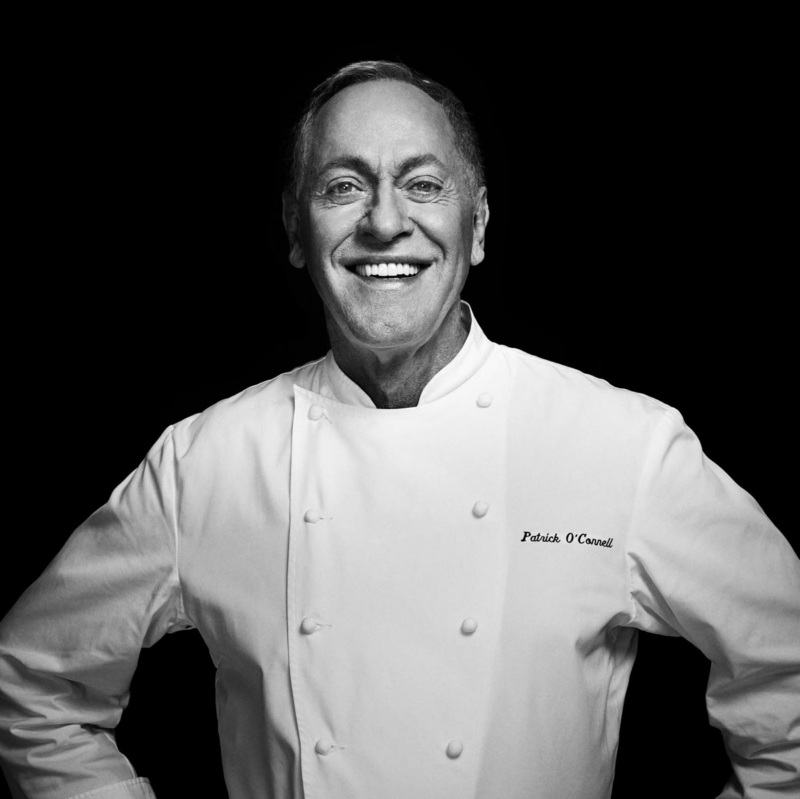
Resy: You started with a garage and eventually built one of the country’s most exciting dining destinations. Was there a moment when it stopped feeling like an experiment and began to feel like an institution?
O’Connell: It’s often said that in our business you never arrive. I think Janis Joplin said that when you’re climbing a mountain, you think you’ve reached the top, and then the clouds part and you realize you’re only halfway there.
Every year the team asks, “How close are we?” And I say, “I think we’re about 65% of the way.” Then they say, “But that’s what you said 10 years ago.” And I say it’s a journey without a destination — it would be boring if we actually arrived somewhere.
Is there anything about the Inn today that would astonish the young Patrick O’Connell?
The number of staff. When I started, I had a partner who went hunting for groceries during the day. I answered the phone, took the reservations, stood at the stove, did the flowers, and wrote the menu by hand on a mimeograph machine, which no one knows what that is anymore.
Then we had a dishwasher who lied about his age and said he was 16, but was really only 15. Then we got our first waiter.
Now we have 258 staff, and sometimes I think, “What do you all do?”
Of course, we didn’t have guest rooms then; now we have 24. We didn’t have elaborate gardens. The expectations were quite different, and so was the price structure. A main course was $4.95.
I’ve been looking at those opening menus. The grilled scampi, the veal scaloppini with Calvados — they actually feel quite modern. How did you develop those early menus, and how did you decide what to charge?
I always tell critics that today, at $388 per person, it’s a much better value than it was at $4.95, because guests are getting so much more, and we have such a huge team looking after every one of their needs.
Our rent for half the garage was $200 a month, so the stakes were very different. I just needed people to cook for. I couldn’t stop cooking.
After the second week, a glowing review came out and changed everything. The reviewer said, “I have to ask if you really want me to write this review.”
I said, “We’d be delighted if more people knew we were here.”
He said, “Because if I say what I’m going to say — that this place is fantastic — you might have to get someone just to answer the telephone.”
The restaurant was à la carte in the beginning. What kind of food were you trying to make, and how did the menu evolve?
It started as a small local restaurant and gradually expanded, first regional, then Washington, D.C., then national. The idea was approachable American food: unintimidating, but still luscious and satisfying.
We had almost no outside supply, so we relied on local farms. There was a woman in her 80s who was an herbalist. Every day revealed something new about the region. Wild foods were abundant, especially morels. Almost anything I needed could be found nearby.
Without realizing it at the time, necessity pushed us toward what is now called farm-to-table.
Give us an example please of those early dishes.
At the time, ambitious restaurants were expected to have veal, so there was always a veal dish, usually scaloppini. But I got bored with the classical preparations. I wanted something fresher, something to cut the richness.
So, I’d do veal scaloppini with grapefruit and pink peppercorns. Pink peppercorns had just come on the scene; no one had really heard of them. It reminds me of when cherry tomatoes first appeared in fancy restaurants. Americans hadn’t seen them before. It was, “Wow, look at these tiny tomatoes.” Now, of course, they’re everywhere.
For the scaloppini, I’d reduce the pan juices with a little stock and white wine, add the pink peppercorns, then garnish with grapefruit and a little zest lightly boiled with a pinch of sugar.
The dish was colorful and light, and today, we serve it at our casual Patty O’s Café. Somehow, it feels new again.
When did you move from à la carte to a tasting-menu format, and what drove that change?
In the early 1980s, after Jean-Louis Palladin [chef of Jean-Louis at the Watergate in Washington, D.C.] had opened, a restaurant circuit was beginning to form, with guests traveling between a handful of top restaurants and comparing experiences.
They’d come to us and say they’d eaten at Jean-Louis and start listing all the things they had tasted there, and then they would order one course here. I thought, well, that’s unfair. You’re comparing apples to oranges. How are we going to give you that same kind of menu full of surprises and maximum tastes if you only order one course?
So, before the tasting menu [around early 2000s], we went to a fixed-price [menu] of $48 per person, and that was shocking to some.
People would say, “Well, my wife just eats like a bird.”
And we would say, “We will feed her like a bird, but it’s still $48.”
Was the fixed-price menu also a way of controlling demand?
Indeed. We were turning hundreds of people away, while some guests would come in and have one course or split things. I think the turning point was a table of eight that split a pasta dish four ways, then split something else six ways, and the crowning touch: They split an espresso three ways. Meanwhile, we were turning away guests willing to drive from D.C.
So, we made the change and held our breath. Critics weighed in, of course. But it introduced a new concept regionally: that what you were paying was a kind of admission price.
Mimi Sheraton, the New York Times restaurant critic, once said that what you buy when you go to a restaurant is not a plate of food, but the right to be part of the living theater of a restaurant on any given evening.
That’s what America was beginning to discover — that they were buying an experience.
From a culinary standpoint, is a tasting menu a better way for a chef to express an idea?
I think so. A guest, especially someone coming from another country, may not necessarily understand the concept behind each of a chef’s dishes, let alone how to put them together in a sequence so they’re compatible.
A chef can generally compose a more satisfying menu than a stranger to the food can compose for themselves. So why take it out of context?
We have three menus now, and there’s flexibility. If you like a main course from another menu, or you want the vegetarian main course instead of a meat course, we’re happy to substitute.
But the tasting-menu format also scales down the portions, so you can have more tastes, more variety, more interest. It’s more satisfying, and people have a more memorable experience than if they just ordered two or three courses.
With the explosion of dietary restrictions, allergies and preferences, isn’t a tasting menu more challenging for a chef?
That’s a whole other discussion. [Laughs.]
I’ve concocted a rather daring solution that we’ve been waiting to implement: If a guest requires no alterations to our menu and allows us to present the food as intended, we would offer that guest a 15% discount. If you require modifications and changes, you pay the normal price.
Suddenly, all the people who say they don’t like onions in any form — even cooked in stocks — might ask themselves, “Is it worth 15% extra?”
What we see every night is: “I can’t have any pork, but bacon is OK.” Or, “I can’t have dairy, but butter is fine.” Or, “I can’t have milk or dairy products, but I do love ice cream.”
Where do you finally draw the line? Is there a request you simply won’t accommodate?
We ask ourselves that every night. You stop at the point where you simply can’t possibly run a restaurant and juggle all those things.
Last Saturday night, we had 65 different special dietary requests while serving a maximum of 100 people. Essentially every table had something. This requires at least one, sometimes two people just to handle the individual preferences.
Still, we’re in the business of hospitality. We have to make people happy.
And we now have our secondary restaurant, Patty O’s Café. If someone wants something that’s off our menu, chances are it might be on that menu, and we may be able to pull from it.
Critics have been declaring fine dining dead for decades, yet it survives. Why does fine dining still matter, and why does it matter to you?
It’s a cycle, a pendulum swing. If you’re in the trenches long enough, you see the cycles go around and repeat themselves. A magazine came out the other day with a headline saying, “Meat is back.” Well, nobody told me meat had gone away.
Our basic needs — to be cared for, to be given something delicious — are constant. And it has helped us enormously to be immune to trends and stay the course. When the first big recession hit, I think in the 1980s, tablecloths disappeared from Washington restaurants. Flowers disappeared. Service was cut, menus were cut, and everything suddenly felt like a diner.
I said to myself, “There’s a place for someone who goes in the opposite direction. Let’s make everything more luxurious, more wonderful.” So, we got napkins as big as tablecloths, increased the flowers, and made the place more luxurious. Everyone came in wondering, “What did they eliminate?” Instead, they found more of everything.
There will always be once-in-a-lifetime occasions, romantic occasions when you want to go somewhere extraordinary, somewhere that makes you feel like royalty. That need will always have to be satisfied somehow.
And I think it’s enormously important that a restaurant reflects the authentic beliefs and feelings of the person behind it. This restaurant always has, and always will, reflect my taste, my style, and what I would hope to find when I go out or travel.
At the same time, the definition of luxury is changing. It doesn’t necessarily mean foie gras or caviar anymore. How has that changed the way you think about luxury?
We’re as aware and concerned as anyone about sustainability. In fact, we recently received a rare award for our sustainability efforts.
But it has always been a natural component of living here. We have an 11-acre farm at the edge of town. So, we focus first and foremost on what we’re producing and growing. We’re not dependent on imported luxury products.
For special occasions, people are still fond of caviar. We have a nice relationship with Petrossian, and we do fascinating things with caviar.
For me, it’s about finding the balance.
And how have your guests changed?
They’re more international than they’ve ever been. We have guests coming from countries I’ve never heard of. Yet everyone still has the same basic needs. They need to be seen, catered to, and appreciated.
I often remind the staff that what guests are really looking for is interaction, connection —something to take away beyond the food itself.
I tell my staff: You can make or break a guest’s experience. Once they understand that, they become keyed into their own power.
Where do you think fine dining and tasting menus go from here? What does the future look like?
There may be fewer tasting menus because people are discovering how labor-intensive they are. They often require a larger staff, and in the end perhaps you make less money because it takes longer to produce a longer menu.
But it will not go away. It will morph into different styles.
People are more interested in having an experience than they’ve ever been. They’re interested in more than simply getting a good plate of food.
Even though they’re cooking a little less at home, they’re savvier than ever. They eat out far more than they did in the past, and they’re more knowledgeable than they’ve ever been.
The American public may be the most jaded culinary audience in the world right now. They travel. They’ve been to Japan. They’ve been to France numerous times.
But they still want the experience to be fun. They want it to be exciting. And they want to learn something.
The Inn at Little Washington is open from Wednesday to Monday. Patty O’s Café is open daily.
Anya von Bremzen is a James Beard Award-winning book author and journalist based in Jackson Heights, N.Y. Her latest book, “National Dish,” was published in 2023. Follow her on Instagram. Follow Resy, too.