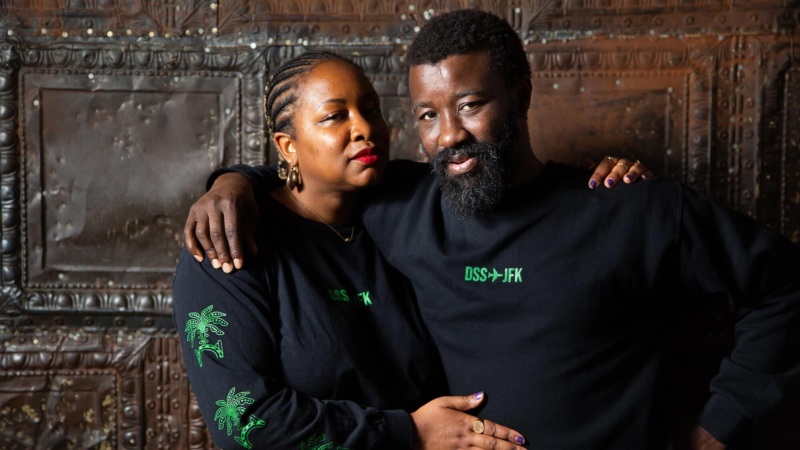
“There’s been so many edits over the years—like a piece of paper written on many times, crossed out with changes,” Hammel says. “But I feel like it’s important to note that Lula didn’t spring up in a vacuum. So many other people have had an incredible impact on what this space has become.”
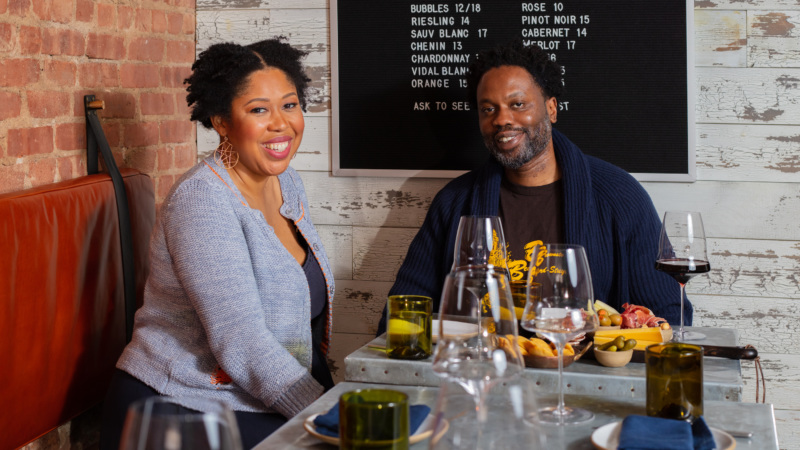
Then what exactly is Lula to Hammel and Tshilds—maybe like home or a beloved child? Hammel searches aloud for a while to find the right analogy. “It feels like part of our body, almost,” he says. “It’s not a child, exactly—we have two of those that we created together. To me, when I think about all the influences, and the growth, it’s more like a tree.”
Finding a creative engine
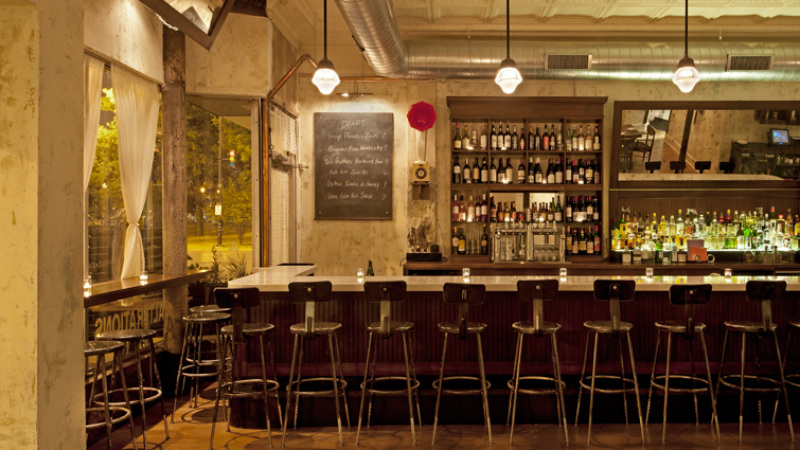
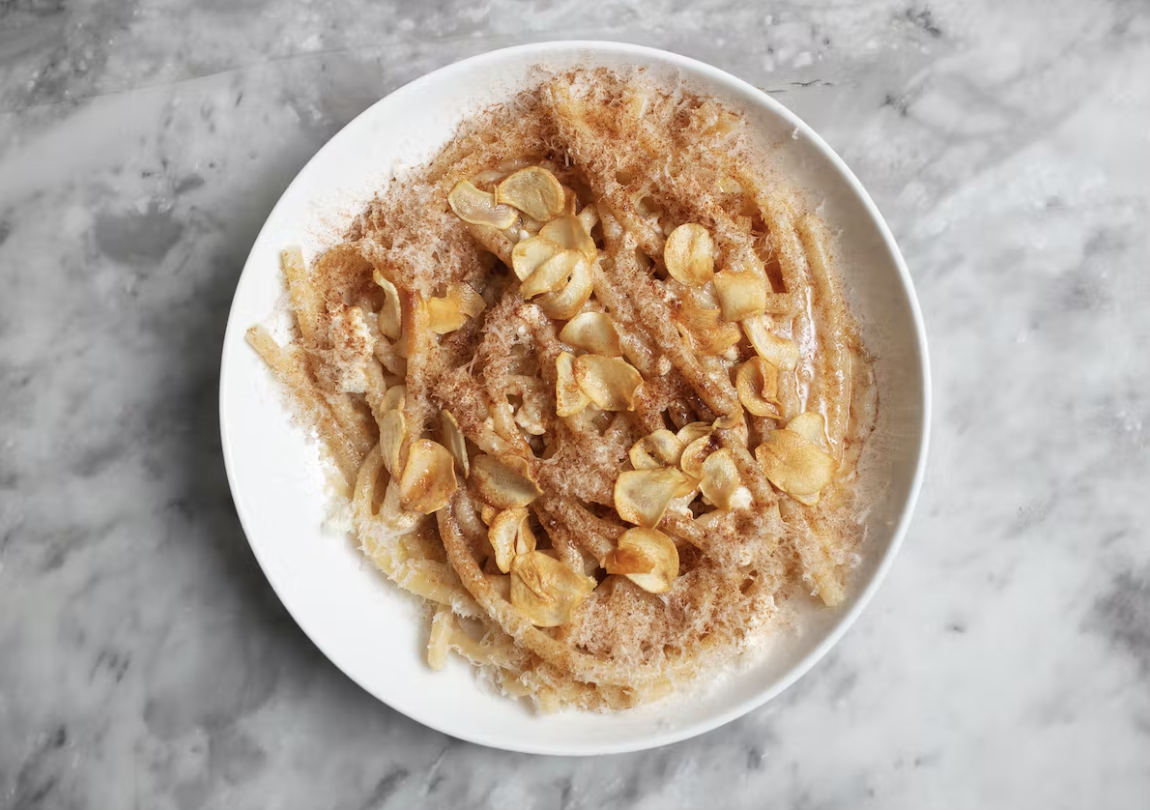
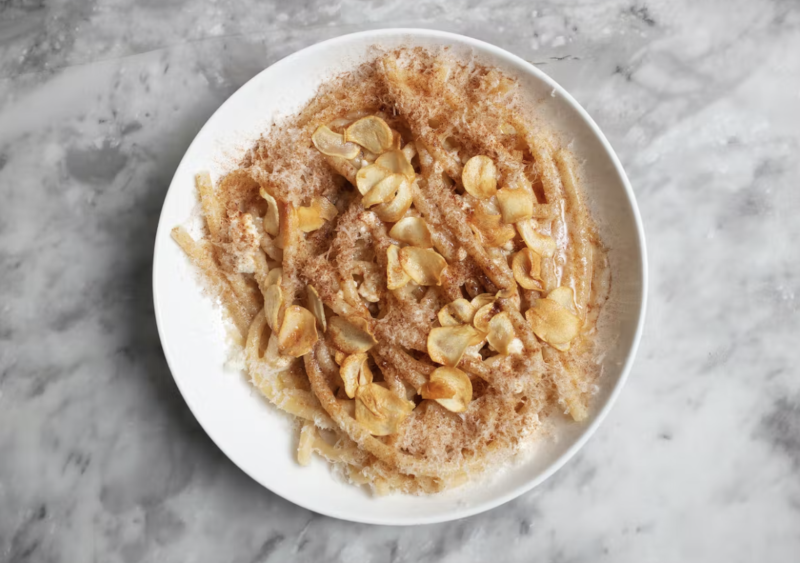
Sometimes it’s easy to spot said influences, like the painted, plastered wall above the bar made by a local artist, or the furniture that endures from the Beach and the old cigar store. More likely, though, you’ll taste them — in the six or seven dishes on Lula’s menu that will never change, like the Pasta Yia Yia — a nostalgic bowl of bucatini laced with salty feta, warming cinnamon, and fried garlic slices in a slick of nutty brown butter. Sure, it’s delicious, relatively affordable ($16) comfort food that requires little contemplation beyond how perfectly this Greekish combo works together. But like most things here, the story runs deeper — connecting back generations on Tshilds’s side through her late father Ivan, who used to make it for his family. “Lula wouldn’t be here without Lea’s dad for a whole bunch of different reasons, so when we’re making [this dish], I feel like it represents a life story, a culture, and a piece of history,” Hammel says.
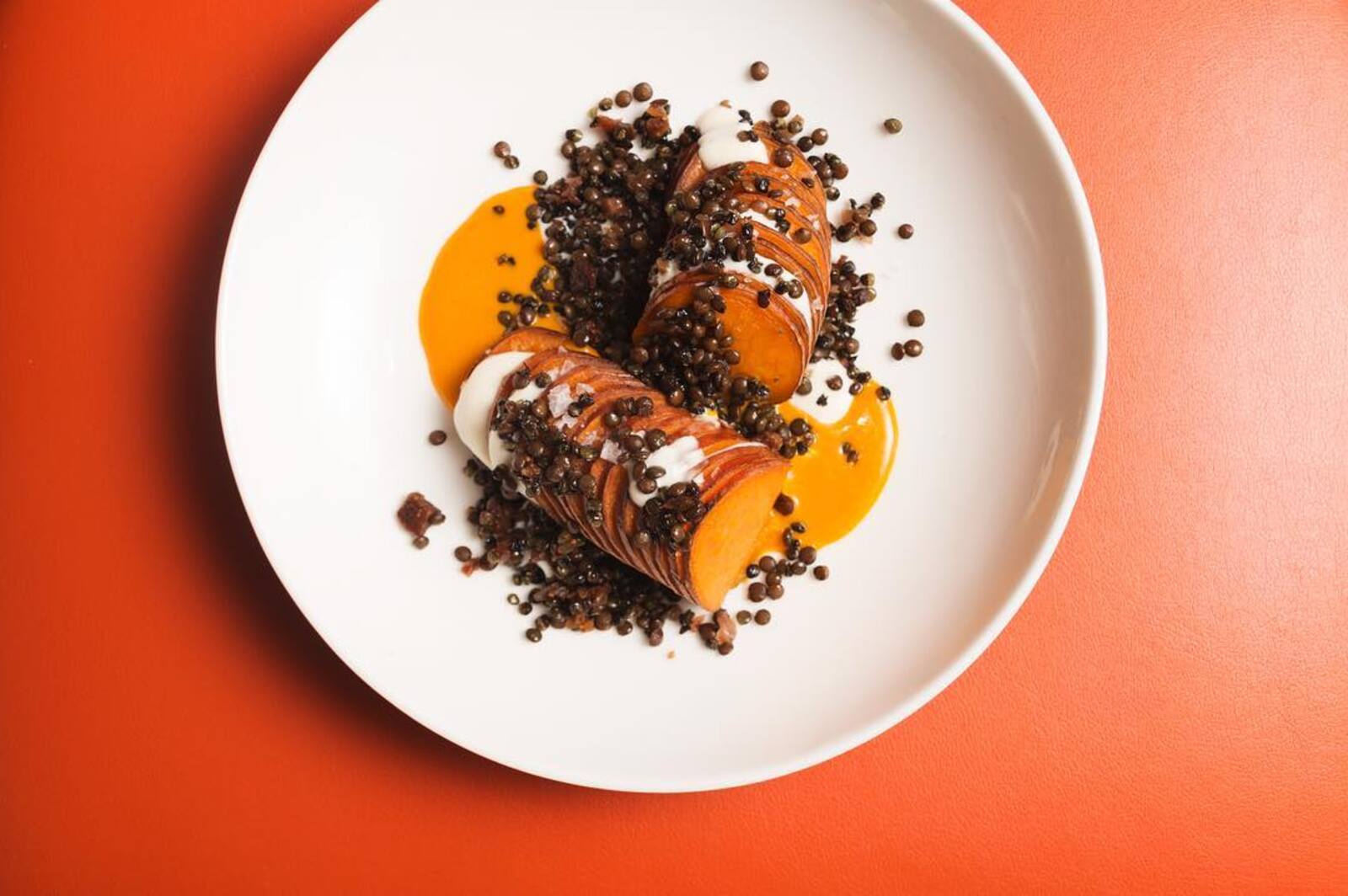
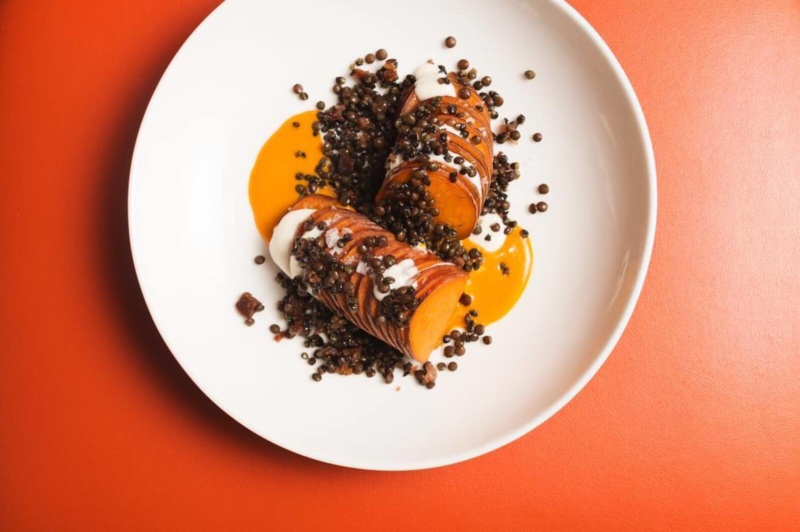
Hammel knows as well as anyone the importance of keeping the creative engine running in order to maintain relevancy over the course of two-plus decades in business. Lula’s, unsurprisingly, is fed by its longstanding relationships with growers like Green Acres Farm (which closed during the pandemic), Broken Arrow Ranch, Slagel Farms, Three Sisters Garden, Mint Creek Farm, and others. Looking for a way to use up the Saturday farmers market bounty, Hammel started weekly Monday night farm dinners back in 2001, nodding to the nightly changing, market-driven coursed menus at Chez Panisse.
It wasn’t a conscious decision to never repeat a single item on the farm dinner menu at first — more of an informal promise to regulars and industry friends that they could expect something new every week at one of the few restaurants open on Mondays. But it quickly became a favorite feature. “Now it’s in the thousands of dishes,” says Hammel, who’s currently compiling an archive. Indeed, even as Lula has scaled back since the pandemic, offering the dinner just one Monday a month, these meals continue to chart the restaurant’s creative progression and keep the team creatively organized and invested.
“Formal creative energy is really helpful,” Hammel adds. “I think those people who say I’m going to write for 10 minutes a day, or I’m going to go outside and photograph the same place for a year — formal practice in the creative arts really does make you realize that creativity isn’t some lightning bolt from above. It’s about practice.”
‘The challenge of our lives’
Longevity is increasingly rare in the restaurant industry, owing to well-documented issues like razor-thin margins, costly overhead, ongoing staff shortages, and the grueling physical and emotional demands of the work. The pandemic likewise cast a harsh spotlight on the industry’s history of reliance on low worker pay subsidized through tipping — a system restaurants like Lula have railed against through advocacy and iterative internal reforms like subsidized benefits packages and higher base pay.
Even so, being forced to shut down the restaurant that had quietly chugged through two decades of breakfast, lunch, and dinner six days a week gave the team a chance to even more radically reconceive the industry’s future. “The pandemic shook everything that we knew about our professional lives, and really stopped something that had been moving in this organic way for so long,” Hammel says. “Reimagining it is the challenge of our adult lives.”
The biggest change Lula made upon reopening was raising the base pay for all employees to between $18 and $24 per hour plus tips — on top of its existing benefits package, which includes paid vacation time and health and retirement benefits. The restaurant also added a 20 percent service charge to all checks, which has helped increase the average wage of the kitchen worker by more than 25 percent.
As much as it matters to be here making change now, Hammel says, it’s perhaps more critical to build a strong foundation of what he sees as multigenerational work to transform the economics of food, to put people at the center of the language of hospitality.
Working ever closer to that ideal keeps Hammel coming back day after day, striving to lead with empathy and make Lula even more Lula. “It sounds corny but that’s literally what I think about,” he says. “Doing it right for me is leading with care — that’s care for the chain that takes food from earth to people, takes care of employees, the farmers we buy from, the artists and people in our community, and gives back to people who need help. It’s all of that. This community is a forest and we’re only one tree in that forest. Now being one of the older trees, I feel like we’re an older one that still has a lot to give.”
Maggie Hennessy is a Chicago-based restaurant critic and food writer, whose work has appeared in such publications as Eater, Plate, Food52, Wine Enthusiast, and others. Follow her on Instagram and Twitter. Follow Resy, too.