Brooklyn’s Cafe Bar J.F. Is a Third Space Devoted to South America’s Taverns
Published:
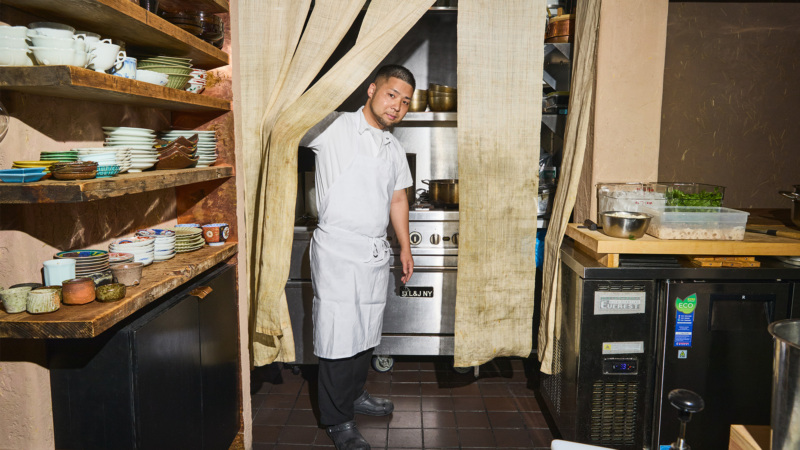
Longtime fans of Llama Inn, the groundbreaking Peruvian restaurant in Williamsburg, Brooklyn, were certainly sad to say goodbye to the restaurant late last year. But they need not fret: Juan Correa, the managing partner of the Llama Restaurant group, and executive chef Francisco Castillo have been busy transforming the space into something entirely new.
Inspired by their home countries — Peru for Correa and Chile for Castillo — in addition to time spent in places like Madrid, London, and most importantly, New York City, Café Bar J.F. is a celebration of South America’s tavern culture.
Set to open on Wednesday, May 13, here’s everything to know about Cafe Bar J.F., including all the details on its menu spotlighting South American cuisine with influences from Spain and Italy, too.
The Resy Rundown
Cafe Bar J.F.
-
Why We Like It
Located in the previous Llama Inn space and overseen by executive chef Francisco Castillo, Cafe Bar J.F. is a nod to the taverns of South America. -
Essential Dishes
Grilled potato bread, tuna belly ceviche, celery salad, grilled swordfish, and bone in short ribs. -
Must-Order Drink
Pisco sours, a Fernet and coke, and an array of wines from South America and beyond.
-
Who and What It’s For
Devotees of any Llama Restaurant group establishments and those looking to linger in a beautiful space that celebrates South America’s laid-back eating and drinking culture. -
How to Get In
Reservations drop 2 weeks in advance at midnight. -
Fun Fact
Restaurateur Juan Correa has a bit of a green thumb. Many of the plants in the space are a decade old and he’s continued to care for them through the renovation.
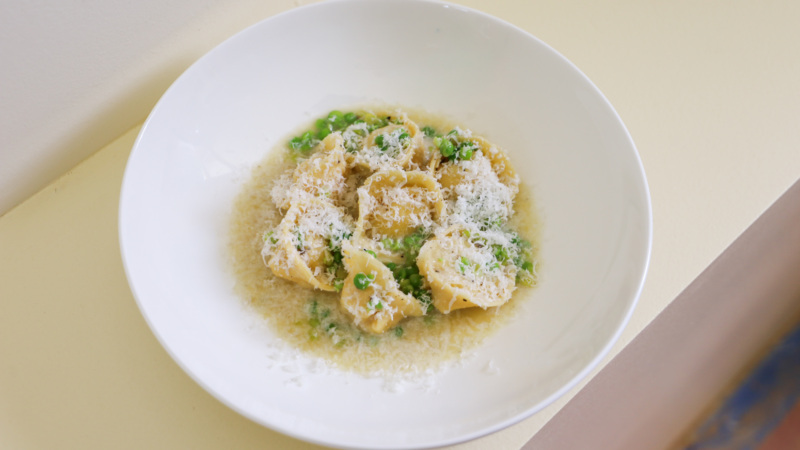
Photo by Kristen Hubby, courtesy of Cafe Bar J.F.
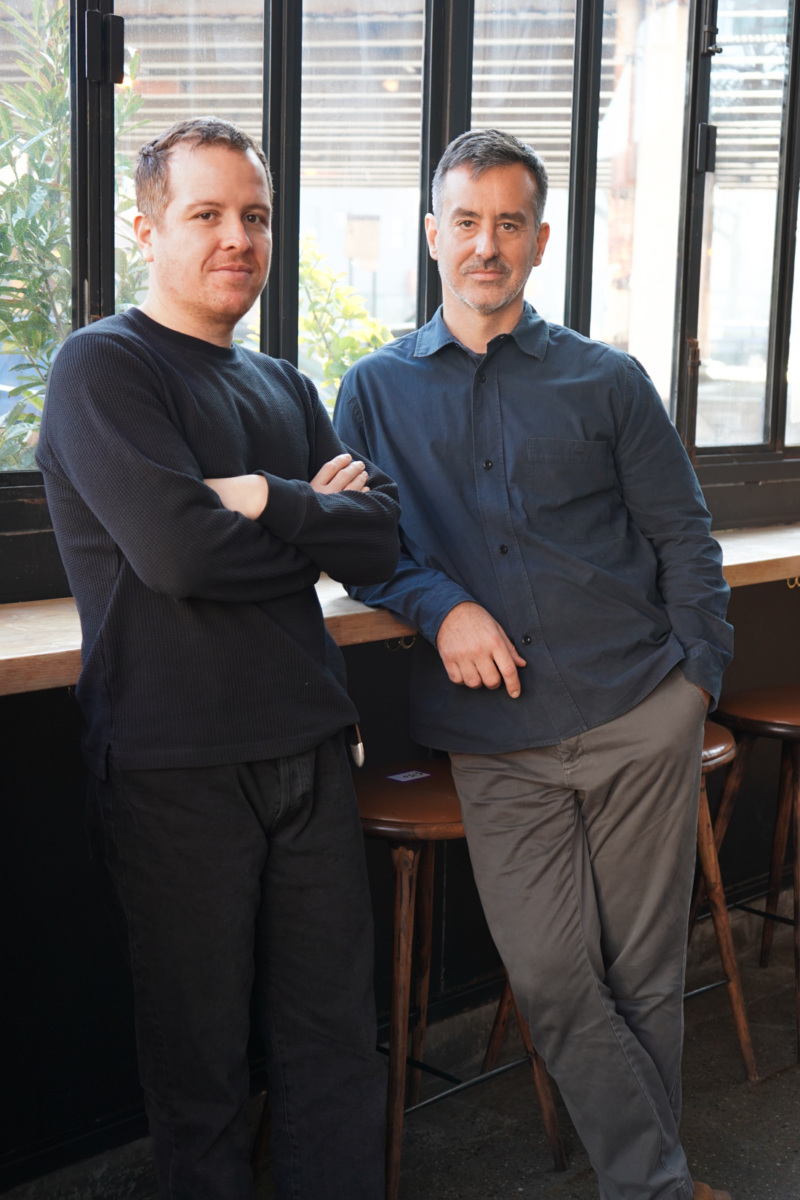
1. It was ignited by a shared nostalgia of South American taverns.
Correa and Castillo began working together in 2022, when Castillo was the chef de cuisine of Llama San, which closed in June of last year. In November 2025, Correa also decided to close the Llama Inn after 10 years, and he decided to approach Castillo about collaborating on a new concept together. Both began to dream of the taverns they grew up going to in South America. Correa grew up in Lima, Peru, while Castillo was born and raised in Santiago, Chile.
“The Latin American tavern is a huge inspiration in terms of service and hospitality, and we really want to show you how we eat in South America,” says Correa. They describe these taverns as more than just places to eat, but true third spaces — the kind of place to celebrate a birthday or just as easily grab a pint with a friend.
As the product of a unique mix of Italian and Spanish influences that began to surface in South American cities in the 1930’s, these taverns, which were often owned by immigrants, tended to specialize in particular offerings, depending on the ownership or staff. In Santiago, for instance, one might find pansotti covered in salsa di noci, made by an immigrant from the Italian coast of Liguria on the same table as a flaky empanada. These establishments are also often called bodegóns.
Together, Correa and Castillo settled on the name Cafe Bar J.F. following an encounter Correa had while in Madrid after stumbling onto an old cafeteria titled “Café Bar.” Correa recalls, “It was probably built in the ’50s or ‘60s, with a large Coca-Cola sign, and the letters half falling apart.” They both then added their initials to make it more personal. “He’s Francisco, and surprisingly, I’m also Juan Francisco,” he notes.
2. The space encourages lingering.
A large black awning with a bold typeface logo designed by Sebastian Rodriguez, shadows the restaurant’s enormous windows on Withers Street in Williamsburg. Rodriguez, who is based in New York, also designed the menu’s visual elements and the restaurant’s overall digital landscape, characterized by black-and-white grainy “raw” photography, which gives a modern, yet nostalgic feel, that pervades every element of Cafe Bar J.F., from the food to the service led by general manager, Anne Lahey.
The Madrid-based Plantea Estudio, which also oversaw Llama Inn’s Madrid location, spearheaded the transformation of the former Llama Inn space.
“We put a lot of wood in the space to warm it up,” says Correa.
Angular brown birch chairs designed by Frama in Copenhagen bring in a natural element and ground the sunswept dining room. Tables are blanketed with classic white linens, which soften the modern edges. And the food will mostly be plated on white plates, with some stainless steel platters sourced from Madrid.
There are personal objects that have been collected over time throughout the restaurant as well, like a framed pamphlet featuring a Paris show of the Santiago-born painter, Roberto Matta. Correa also notes he found inspiration for Cafe Bar J.F. in Wong Kar-Wai’s iconic queer film, “Happy Together,” which features many taverns across Buenos Aires.
3. Its approachability makes it great for any mood or occasion.
Castillo’s goal is to build a neighborhood spot that diners can rely on for any mood or occasion. “When you have a bad day, we can make it better for you. When you have a good one, we can make it even better. We want to make the food approachable,” he says.
In addition to working at Llama San, Castillo has worked at acclaimed establishments that include Central in Lima, Peru, and Boragó in Santiago, Chile. However, at Cafe Bar J.F., he doesn’t want to engage in traditional fine dining.
“Fine-dining restaurants have white tablecloths, while casual taverns also have tablecloths, too, but from a different angle,” he explains. “It’s almost like you’re having a friend over, so you put on your nice tablecloth and bring out the nice plates.”
Though there are many influences on the menu, Castillo is seizing this opportunity to highlight some of the nuances of Chilean cuisine. “Chile is a little bit different than the rest of Latin America,” he notes. “We use lemon instead of lime. We use white onions instead of red.”
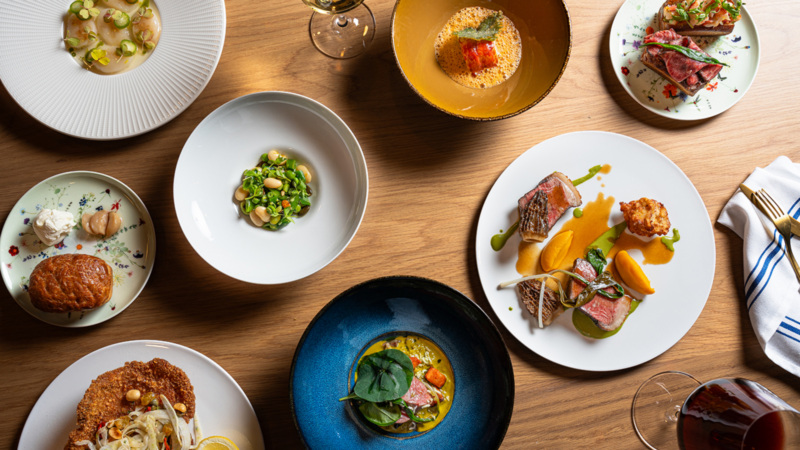
4. The menu has everything from empanadas and celery salad to tuna ceviche.
Executed alongside sous chef, Gabriel Andrade, Castillo’s menu will feature three sections: snacks and starters, slighter larger, and principales.
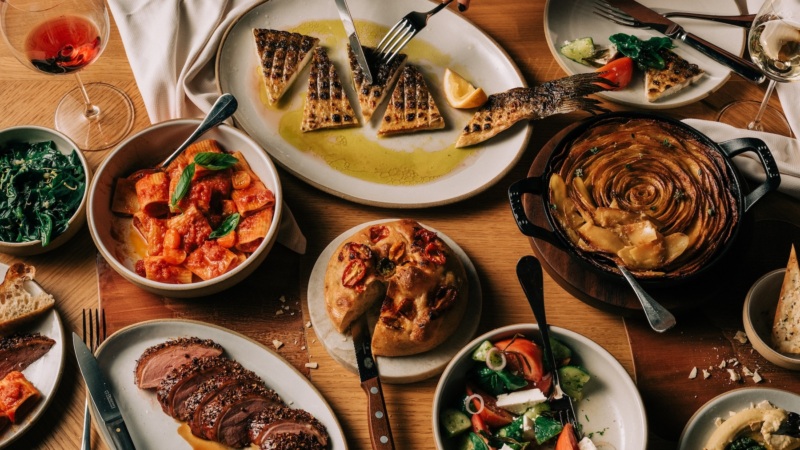
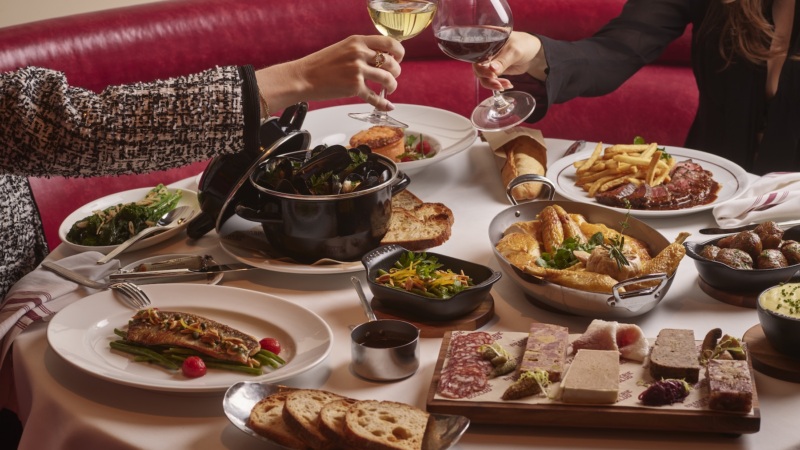
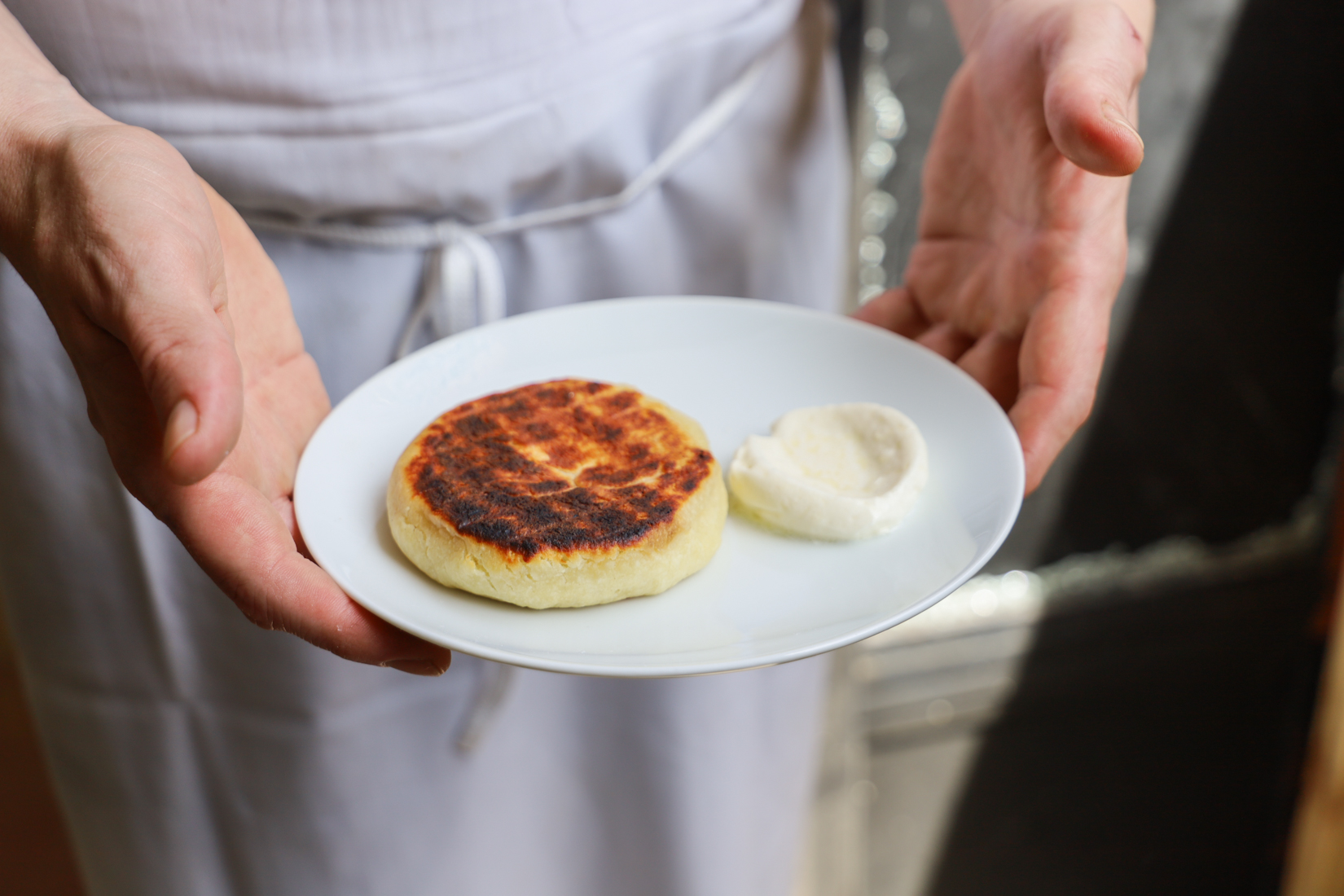
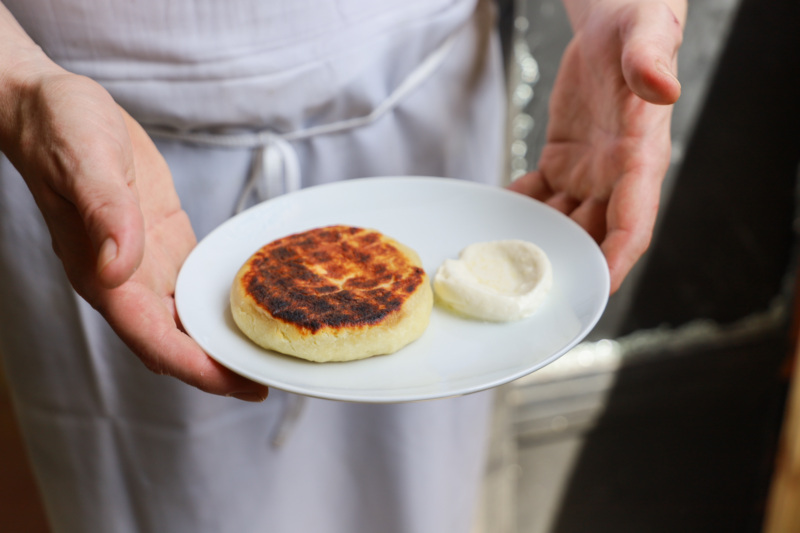
From the snacks and starters, the grilled potato bread is a Chilean staple and traditionally called milcao. Castillo made subtle adjustments to his recipe through the years, drawing inspiration from his time in Copenhagen and experience working with many varieties of potatoes in Chile and Peru. The empanadas are notably golden from a pretzel wash finish and offered in two varieties. The slowly braised beef cheeks are tossed with raisins, quail egg, and olives with a sweetness from the raisins and the briny olives balancing out the fried dough. The second empanada option is filled with Jonah crab and cheese. “In Chile, we eat seafood with cheese, which is practically a sin for Italians,” says Castillo.
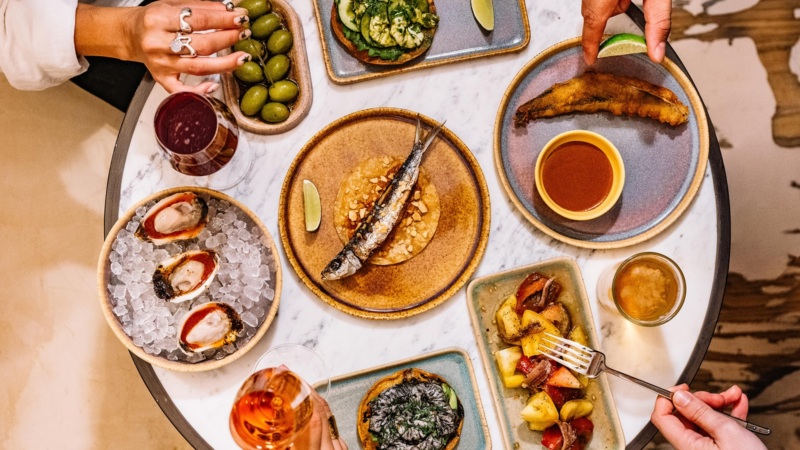
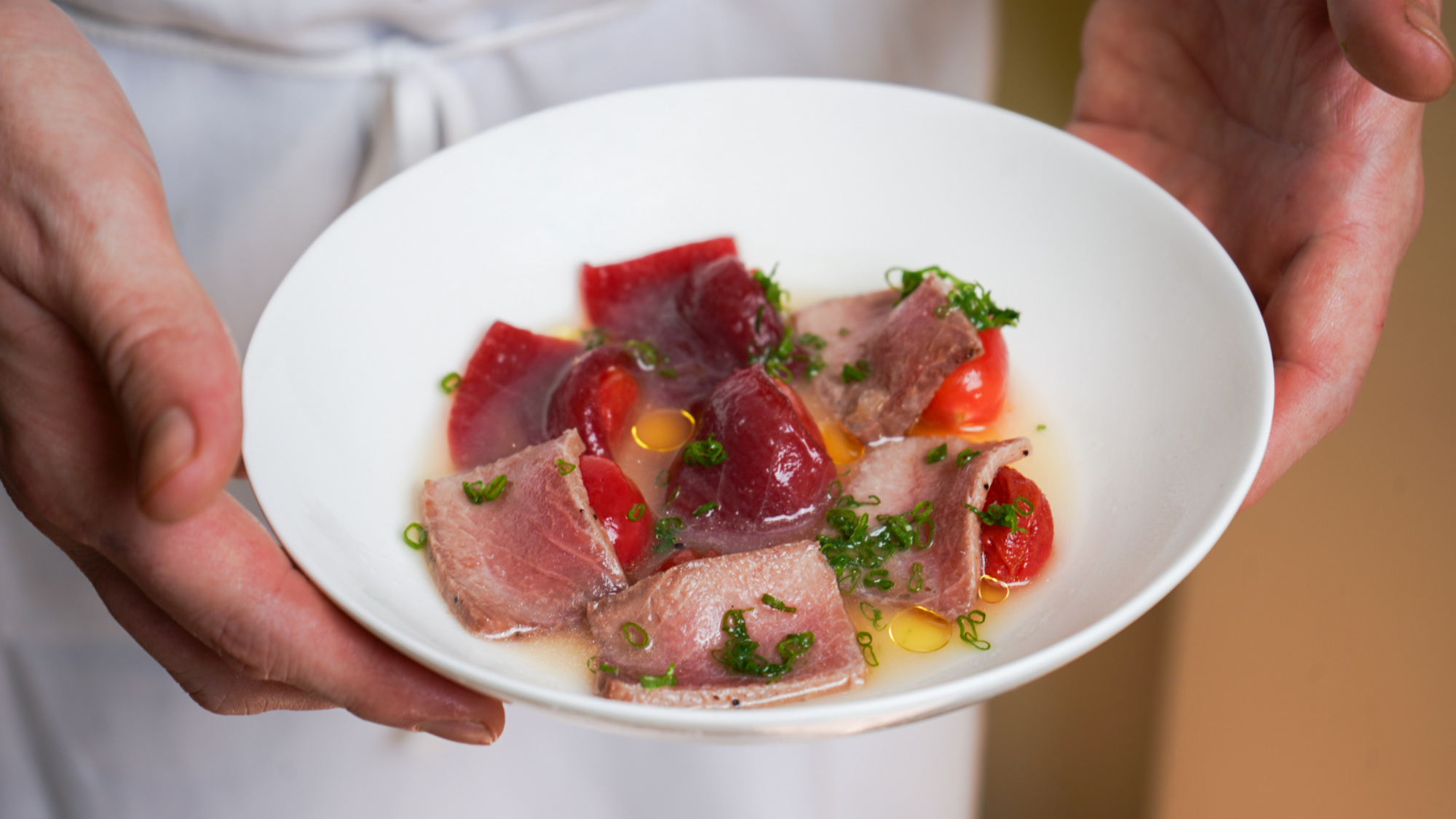
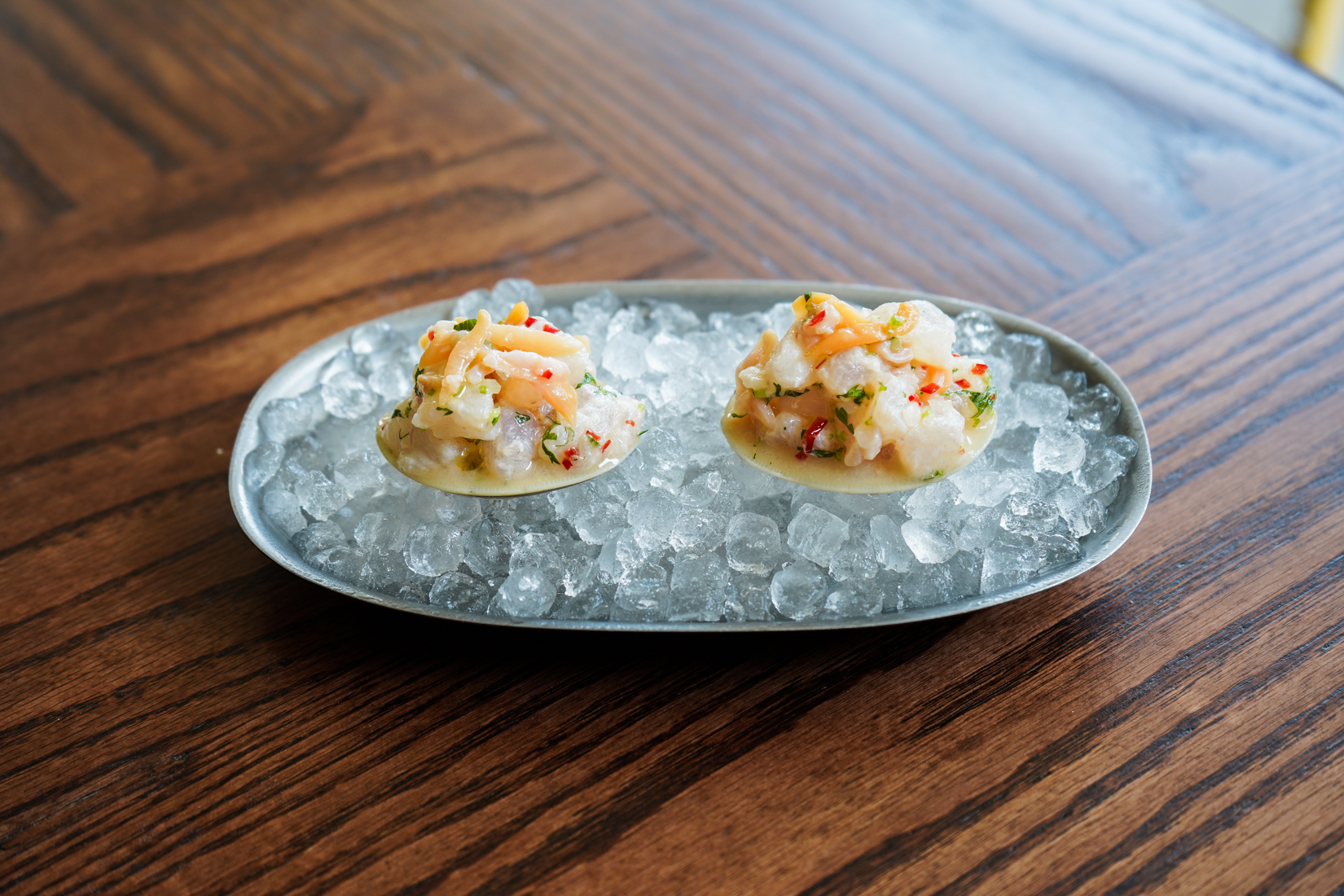
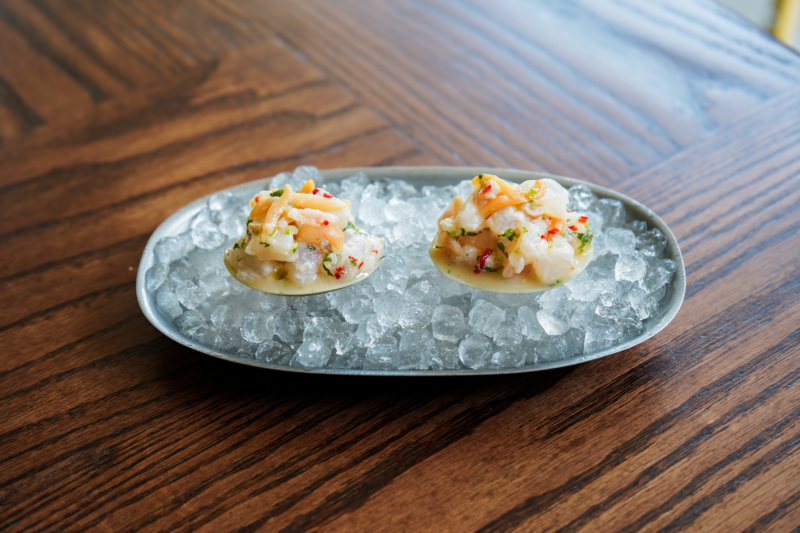
In the slightly larger section, the tuna belly ceviche is served with preserved tomatoes. And the celery salad is quite personal; Castillo’s mom would often make a similar salad with avocado, and his is topped with Chinese pine nuts, which mimic the creaminess of the avocado while adding a bit of crunch.
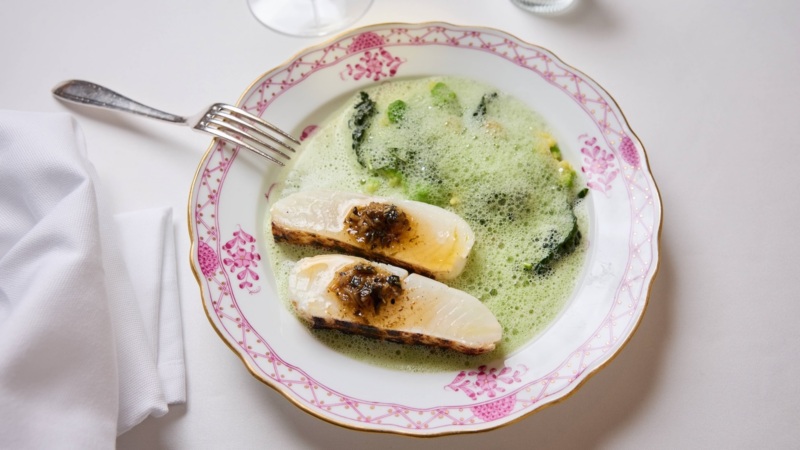
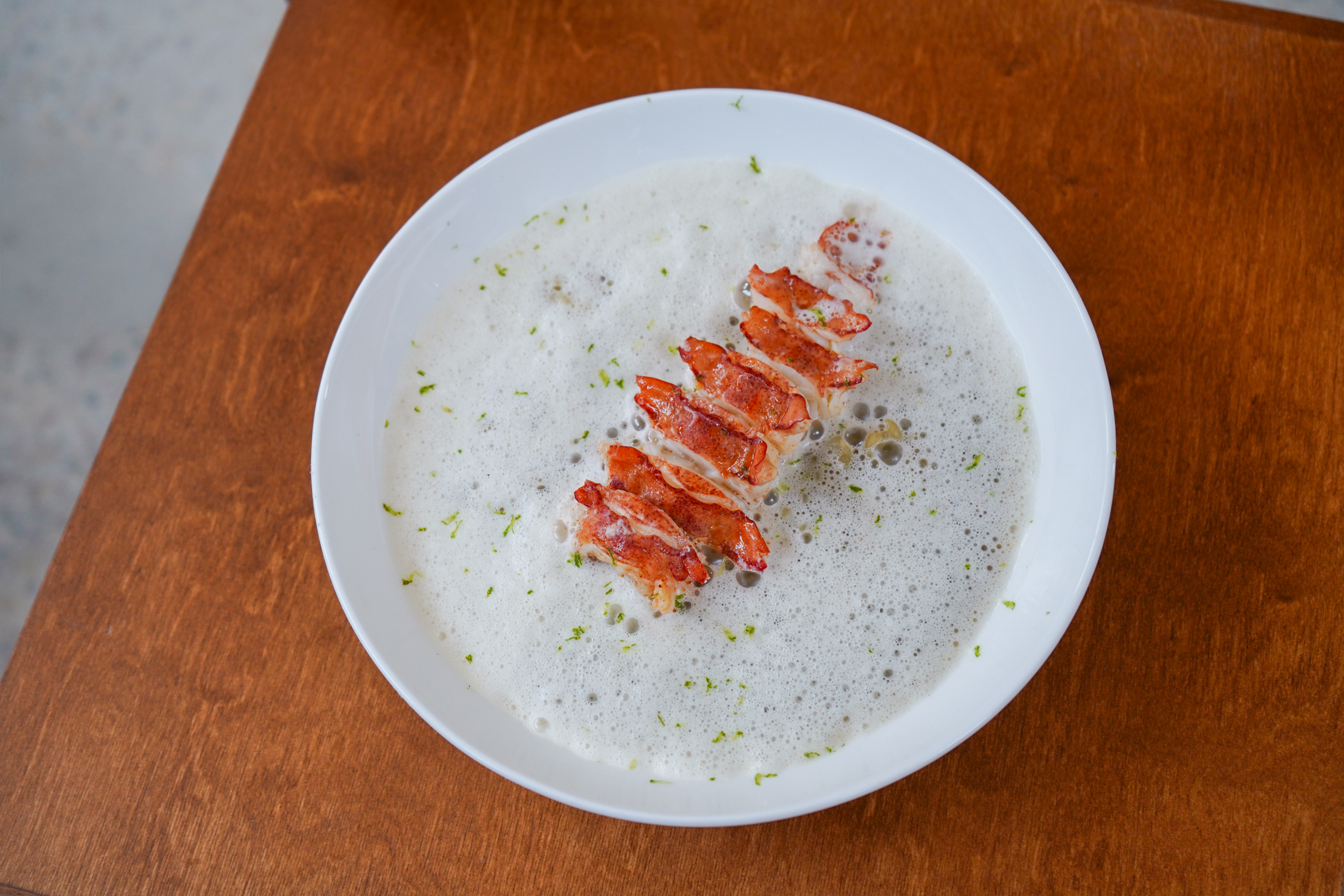
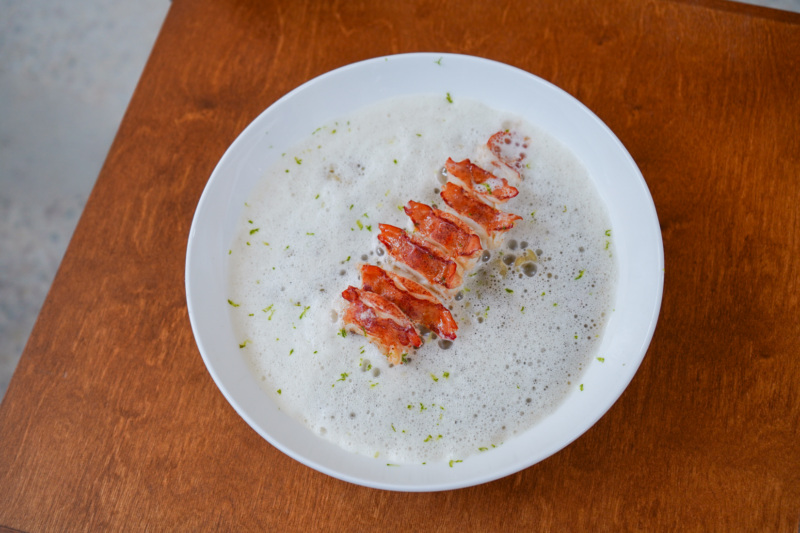
Barbecue is also an important staple of South American cuisine and has a presence on Cafe Bar J.F.’s menu. “We have a huge culture of grilling,” says Castillo. “We’re going to use charcoal, which is big in South American culture, but while using a Japanese barbecue.” Many of the dishes coming from the kitchen will have spent a bit of time on the grill, from the swordfish served with yellow-eyed beans to even a seasonal selection of market greens.
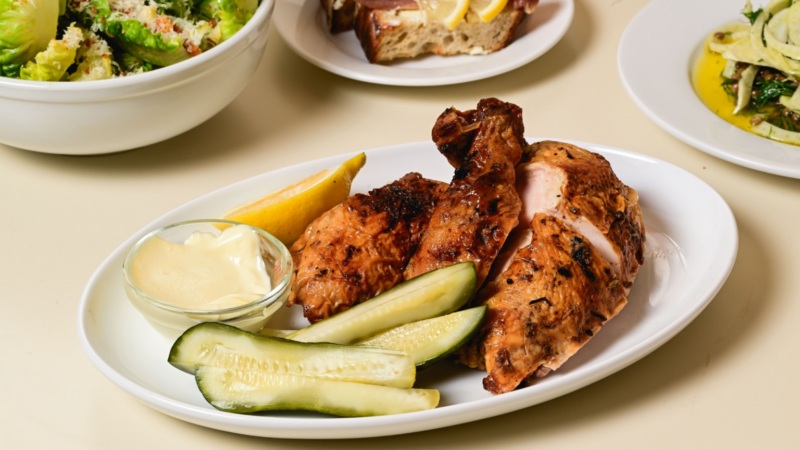
For sides, they range from a mixed salad with a simple vinaigrette to garlicky fries.
5. Share a bottle with friends, but don’t overlook the cocktails.
The wine program, designed by Pierre Buffet of Gigi’s in Greenpoint, and helmed by sommelier Mike Sandoval, features small, low-intervention producers.
“The list features a lot of France and Spain; a little bit of Italy, Germany, and the U.S.; quite a bit from Argentina and, Chile; and just a few selections from Peru,” Correa notes. “We wanted the opportunity for people to walk into a restaurant, look at the wine list, and select a bottle. Our by-the-glass selections are going to be really well priced, too.”
One of Correa’s personal favorites is Bodega Murga, a producer based in the Peru’s Pisco Valley. “They’re producing these wonderful wines with grapes traditionally used in pisco production,” he adds.
The bar program, advised by Sarah Morrissey, who leads the beverage program at Le Veau d’Or, will lean into how people drink in South America: Think pisco sours, mojitos, and even margaritas.
The drinks menu will also offer a succint section called combinados, which is “a nod to South American taverns,” says Castillo. Expect options like a rum and coke, Fernet and coke, and more. It’s “very simple, very straightforward,” he adds.
6. Finally, don’t sleep on the cake or the cheese selection.
“Most Latin countries have their own interpretation of tres leches,” shares Castillo. For Cafe Bar J.F.’s version, the recipe traces back to Llama San and has a white chocolate cream covering layers of biscuit and soaking in condensed, evaporated, and cow’s milk. Lemon skin puree balances out the sweetness with bitterness and brightness, and hints of Tonka beans, which are harvested in the Amazon and used throughout South American desserts for their ability to encompass the tastes of vanilla, caramel, and clove simultaneously.
And a sweet dessert isn’t the only way to end a meal.
For both Correa and Castillo, cheese plays an important role to meals and they both have fond childhood memories of being sent to school with a cheese and quince paste. Sourced by Carolyn Hesse of C. Hesse Cheese, the invitation to a post-dinner cheese course is just as much a reference to Madrid and San Sebastian and will sit atop custom ceramics with small hand-painted sheep.
Cafe Bar J.F. is open 5:30 to 9:30 p.m. on Wednesday and Thursday, and 5 to 10 p.m. from Friday to Sunday.
Katerina Liakos grew up in a restaurant and has cooked professionally in Italy, Iceland, and New York City. She writes about cooking and restaurants in publications like the Guardian and Food & Wine. She is currently based in New York, where she is often cooking Greek food for her pop-up “Katerina.” Follow her on Instagram. Follow Resy, too.