2. This is no traditional (or quiet) temple to sushi.
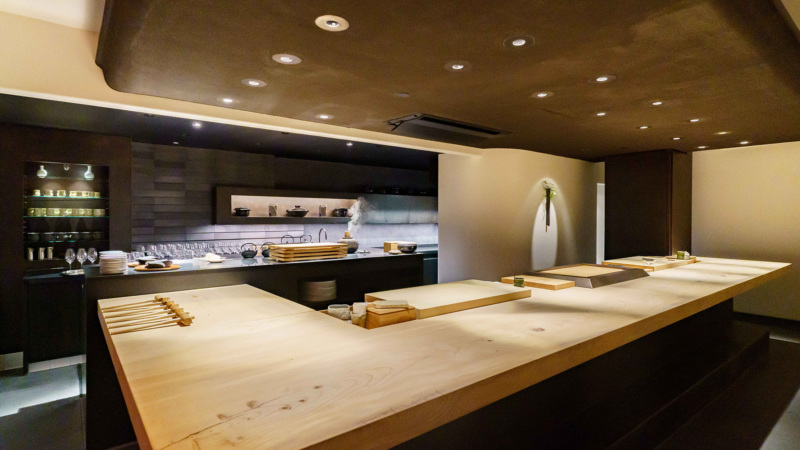
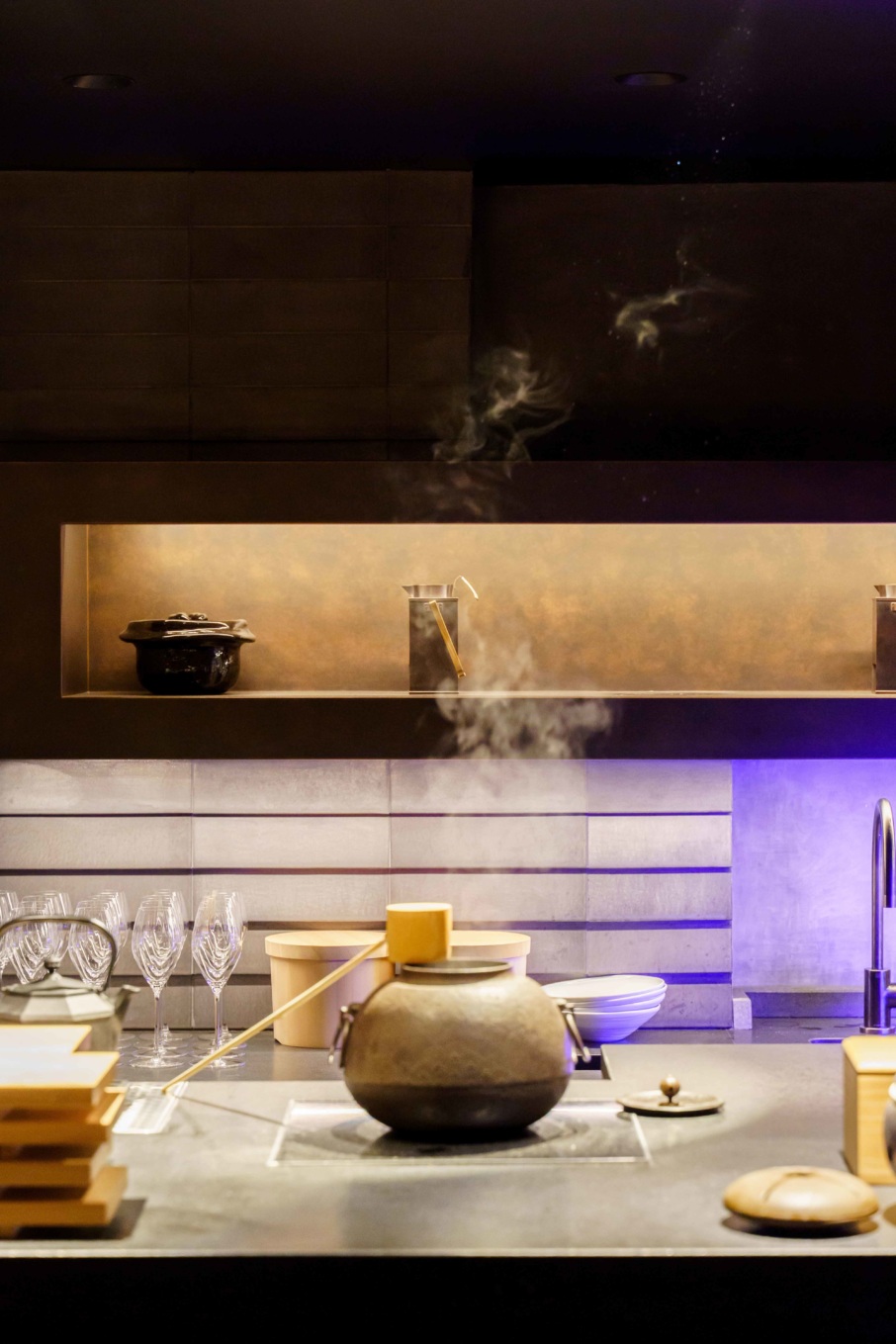
You may want to give yourself some time to actually find the restaurant — other than stating that it’s on the “lower level” of One Vanderbilt, you’re purposefully given no other clue: the team wants Jōji to feel like a well-kept secret. And when you do find it, don’t expect a brightly lit room enshrined in blonde woods and whites — Jōji stands in dark contrast to what New Yorkers have come to expect from more traditional sushi counters.
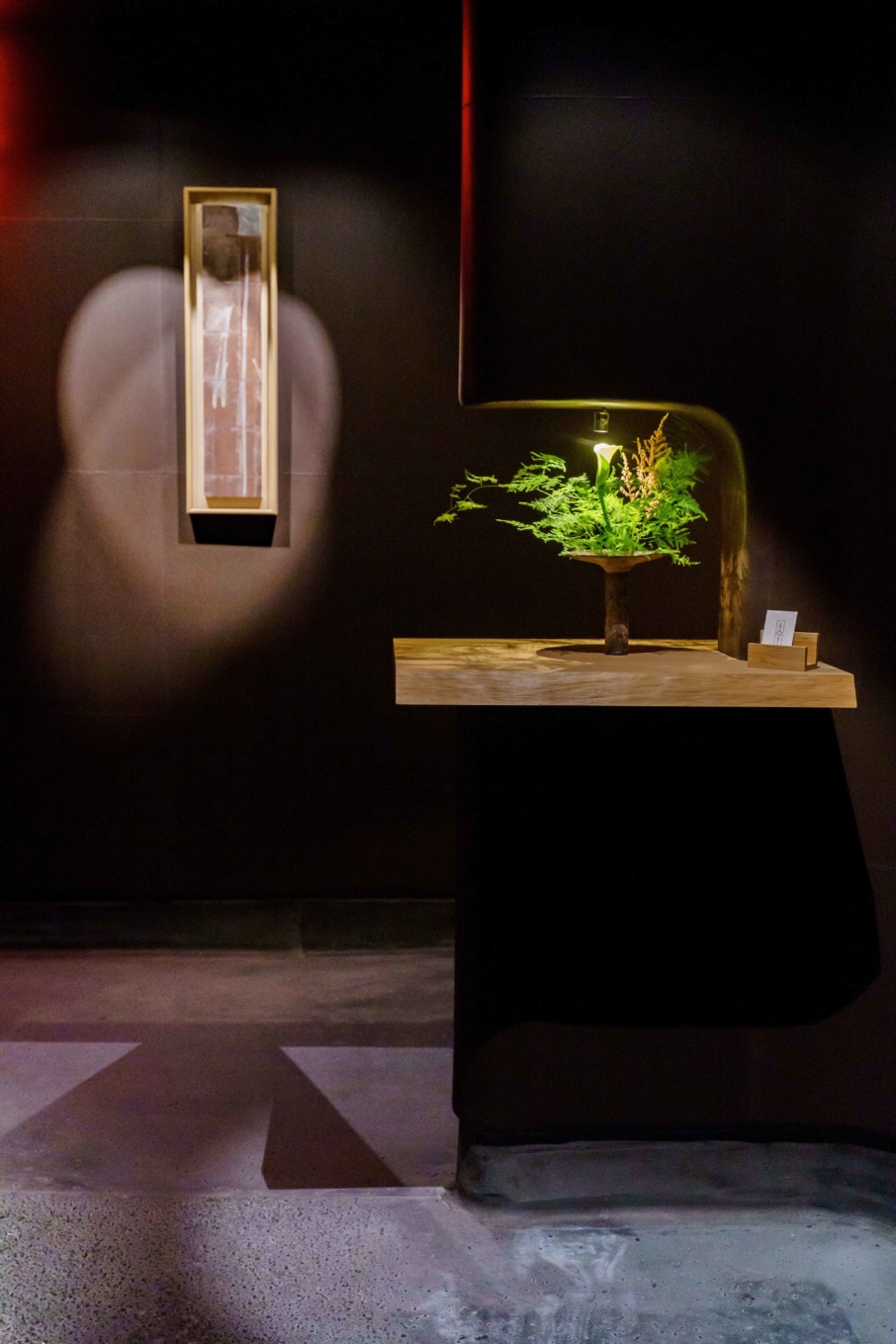
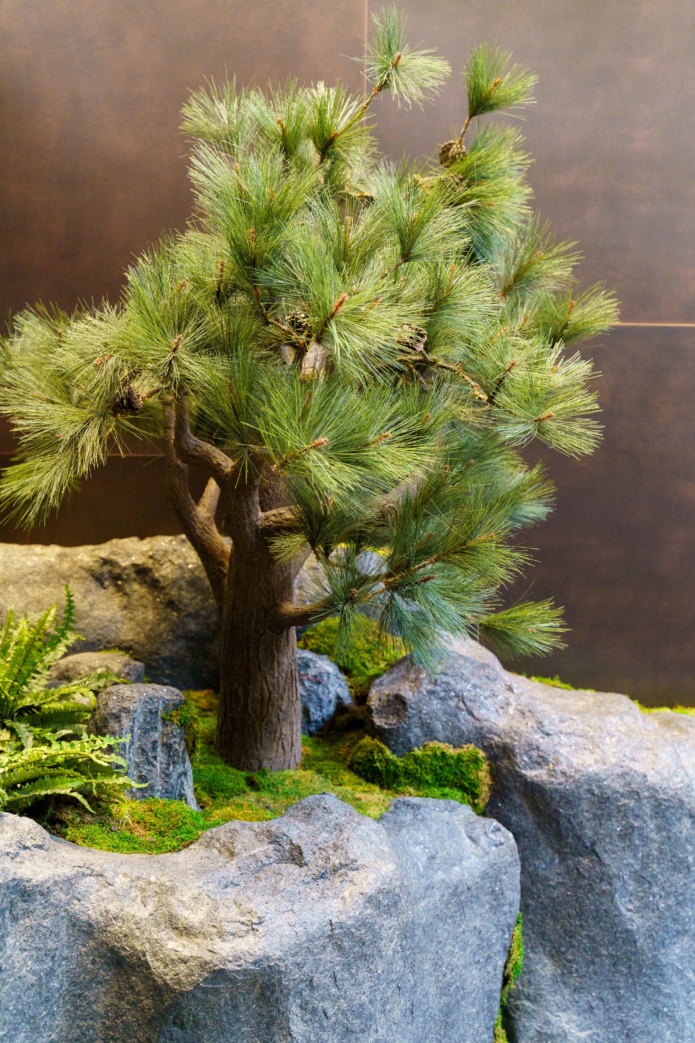
A Roji garden sprouting from the edge of Grand Central Terminal is your first hint that you’re close to the restaurant (that and a bouncer, too). One step in and you’re immediately enveloped in darkness. The hustle of the subway disappears, giving way to a soundtrack that spans Biggie, Pete Rock, Mos Def, and French rap (“For chef Daniel [Boulud],” Cheng jokes). This is no stuffy spot; the three friends wanted it to be more high-energy and fun.
SL Green tapped one of Japan’s most renowned architects and designers, Shinichiro Ogata, to create the space, that Roji garden included. The result is one jewel box of a dining room in which an imposing 10-seat counter made out of warm cedar wood dominates the all-black-and-white space. Ogata and his team at his design studio Simplicity even handpicked the artwork featured throughout the restaurant, ranging from contemporary art installations to ancient Japanese artifacts.
3. The menu won’t be so traditional, too.
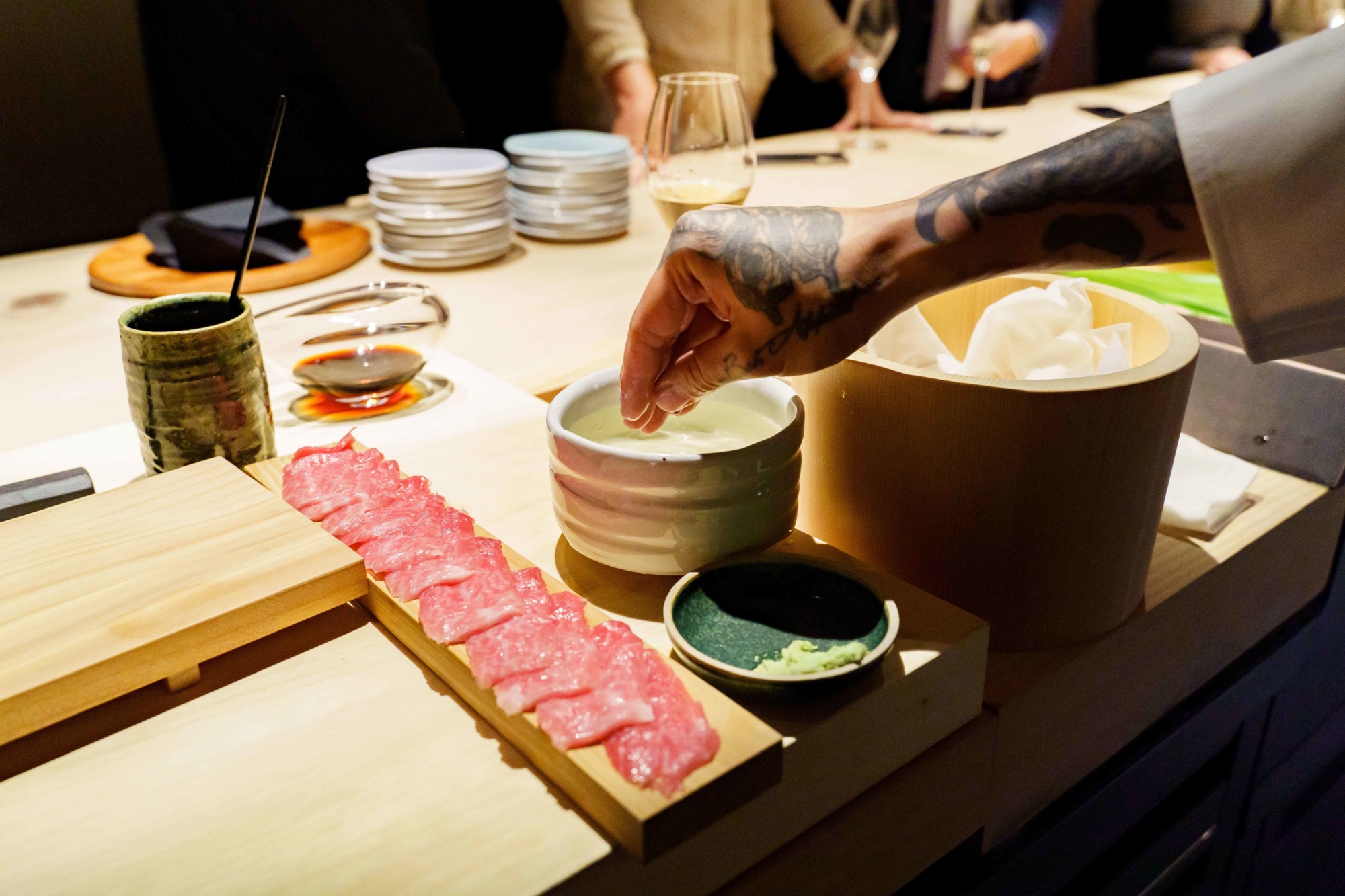
Sourcing is paramount here, and the team is focused on using the highest quality seasonal ingredients and premium fish flown in twice a week from Japan. Lin, whose wife is Japanese (he speaks it fluently) has amassed quite the Japanese fish industry network thanks to her — that, plus working at Masa and Ichimura at Brushstroke — and the team’s particularly excited to offer a rare deep sea fish not seen on too many menus called kinki.
Although the Jōji menu is rooted in traditional Japanese technique, the ingredients won’t necessarily follow suit. The team’s background could tell you as much: none of the chefs is Japanese. Ruan was born just outside of Shanghai, Lin in Fuzhou, and Cheng is from Hong Kong. All three have called New York home for decades (Ruan since he was 10 years old) and will pull from their various work experiences to tweak the omakase genre for Jōji.
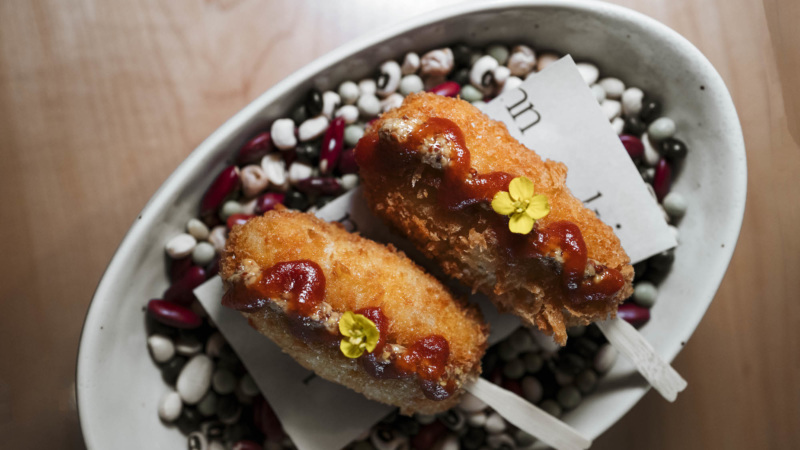
As such, you’ll find a tile fish appetizer accompanied by Sturgeon caviar and onion purée — a sauce you’d never see in traditional Japanese cooking, but pairs exceptionally well with the classic fish.
4. Service will be top-notch, no matter who (or where) you are.
Just as they’ve added their own twists to the food, the team is doing the same when it comes to service.
Any of Ruan’s regulars from Masa will tell you he takes incredible care of his guests, whether they came in on a weekly basis or once a year. Unlike other sushi chefs who like to play favorites, Ruan doesn’t subscribe to that philosophy.
Because the restaurant is so intimate, with just 10 seats at the counter and eight in a private dining room, each of the three chefs will personally oversee sushi service, with servers handling appetizers and beverages.
For repeat guests, they also plan to change up the menu with every new visit, so they may experience something new each time they dine.
5. Pro tip: Don’t skip the cocktails.
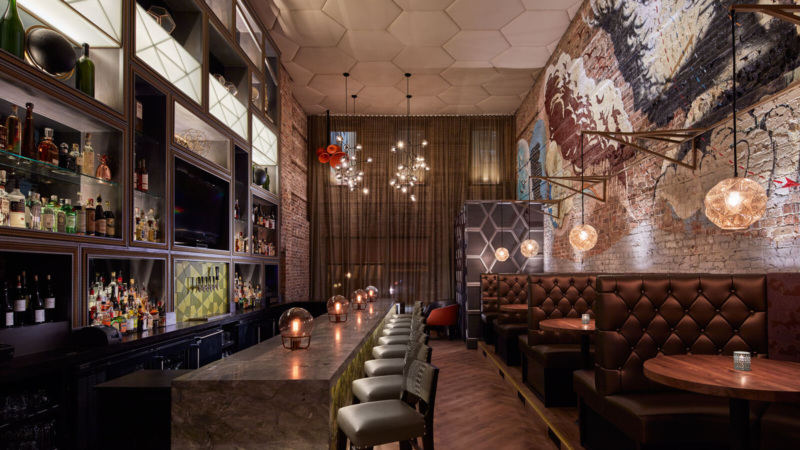
In addition to an extensive sake and wine list, the Jōji team has partnered with Takuma Watanabe, of Martiny’s and Angel’s Share fame, for cocktails. Cheng created the food menu for Martiny’s when it opened in April this year, and when Jōji was fine-tuning its drink program, Watanabe was more than happy to return the favor and help his long-time friend.
The collaboration will take the shape of four seasonally rotating cocktails — be sure to look for a shiitake old fashioned and the Umami-tini (with gin, ponzu, mirin, and tomato water) on the opening menu.
Jōji is open Tuesday through Saturday for two dinner services a night at 5:30 and 8:30 p.m.
Noëmie Carrant is a Resy staff writer. Follow Resy on Instagram and Twitter.