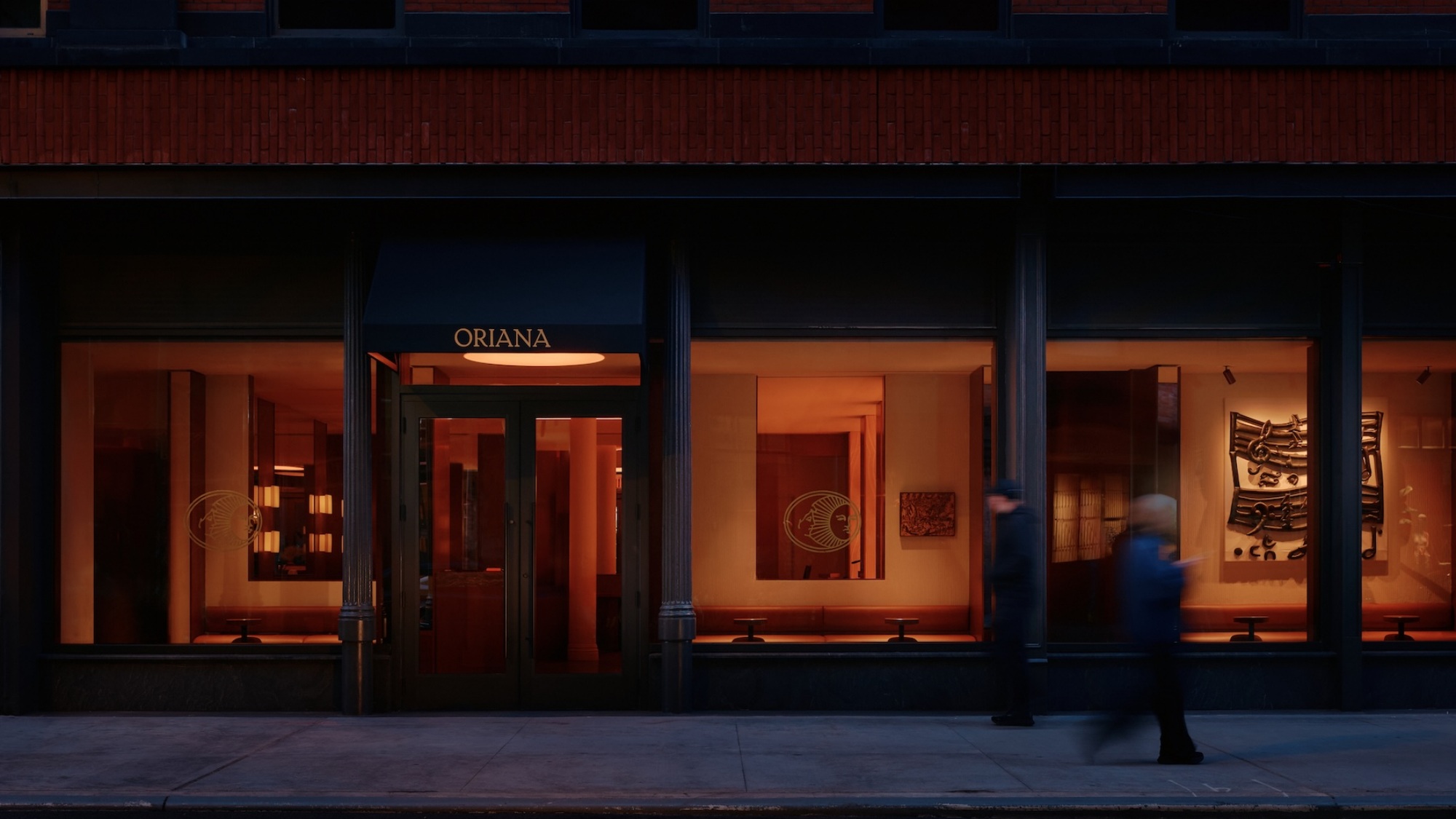
Oriana, From The Noortwyck Team, Flames the Art of Wood Fire Cooking in Nolita
Published:
Almost three years ago, fresh off a glowing New York Times review of The Noortwyck, restaurateurs Andy Quinn and Cedric Nicaise began thinking about what would come next. Starting with a blank slate, the duo quickly landed on a clear idea: A full-fledged temple to wood fire cooking.
Quinn and Nicaise first met while working under Daniel Humm at Eleven Madison Park, where they spent a combined 15 years. In 2022, they shook up the West Village dining scene with The Noortwyck, whose globally influenced New American menu charmed diners.
Now, they’re expanding on that legacy with Oriana in Nolita, opening on Thursday, May 28, which Quinn describes as a “much more ambitious project.”
Here’s everything to know before you go.
The Resy Rundown
Oriana
-
Why We Like It
It’s a chic spot from an acclaimed team for an evening dining out on a mix of grilled, smoked, and roasted meats and seafood. -
Essential Dishes
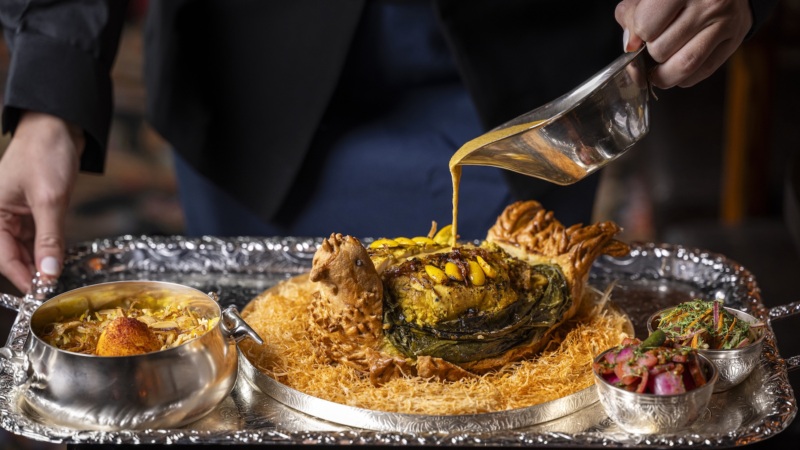
A whole barbecue duck with a Carolina Gold-inspired barbecue sauce and dishes highlighting the humble potato, like steak tartare with baked potato aioli or a coal-baked potatoes with bone marrow and brioche. Desserts also include a “tire-sized” bee sting cake. -
Must-Order Drinks
The pickled pea Gibson, the Giving Tree, vintage Chartreuse and digestifs, or the martini service if you’re going all out.
-
Who and What It’s For
Anyone looking to be surprised by exciting takes on classic wood fire fare. It’s for big and small celebrations, and for dinner and a show, thanks to the glow of the wood fire. -
How to Get In
Reservations drop two weeks in advance at 9 a.m. -
Fun Fact
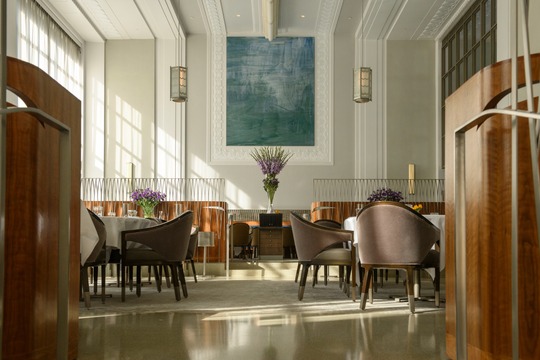
The stylish spot is located in a restored 1890’s building with a giant mural and listening rooms that exude downtown confidence.
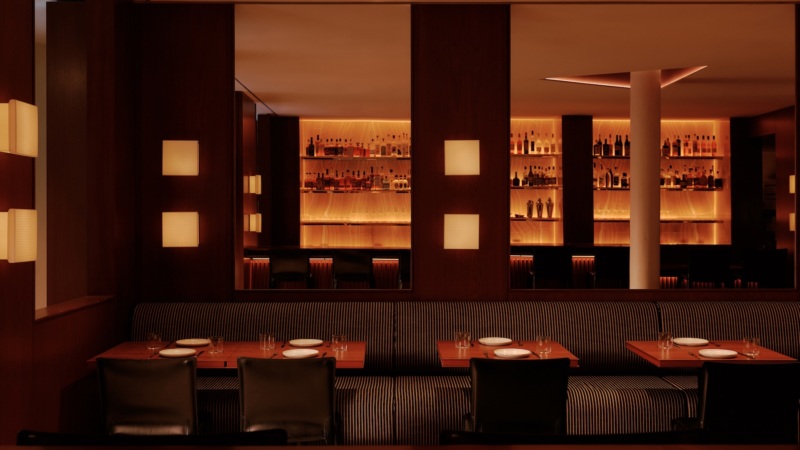
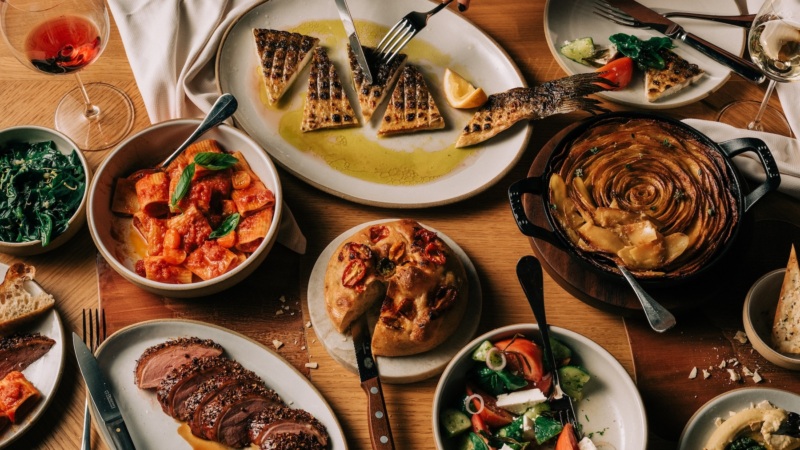
Photo by William Jess Laird. courtesy of Oriana
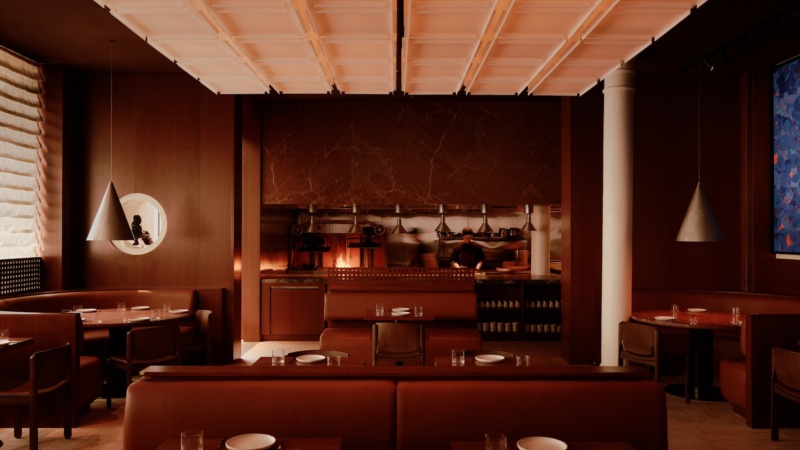
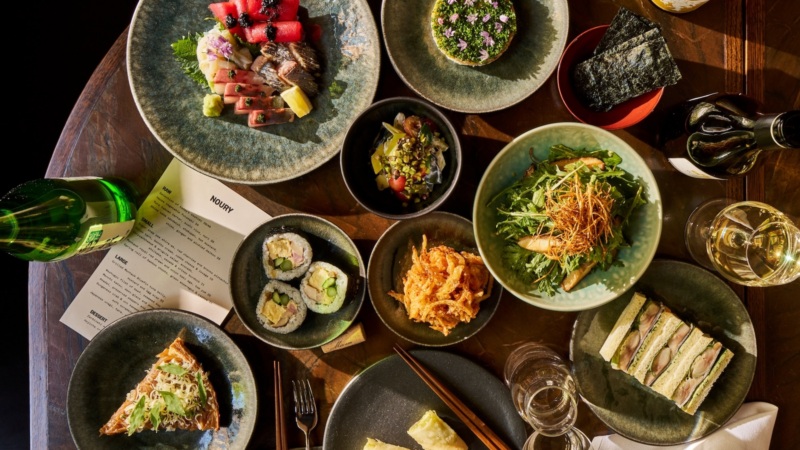
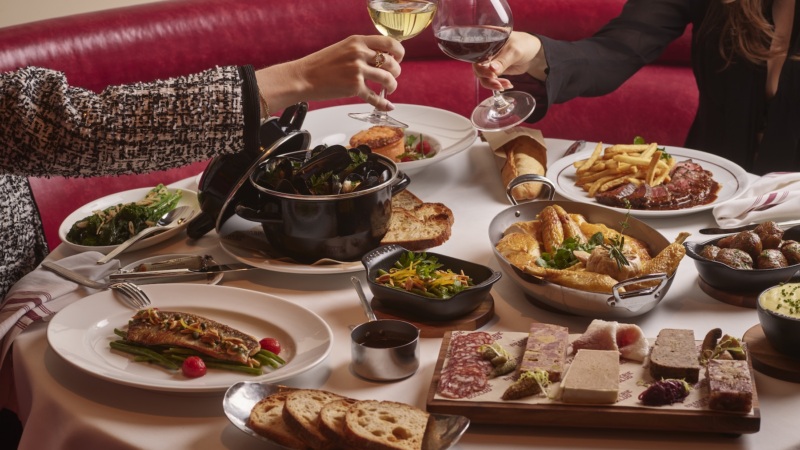
Photo by William Jess Laird, courtesy of Oriana
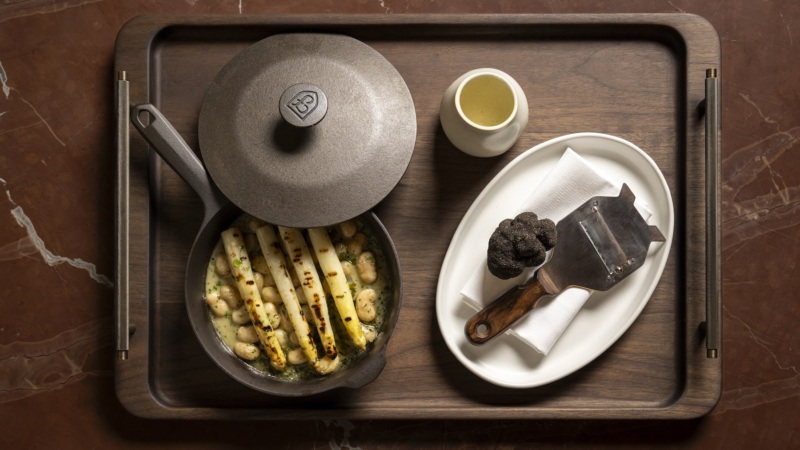
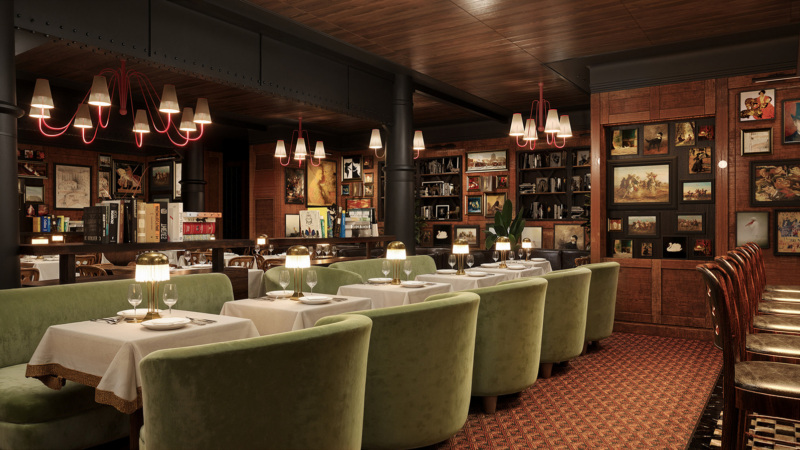
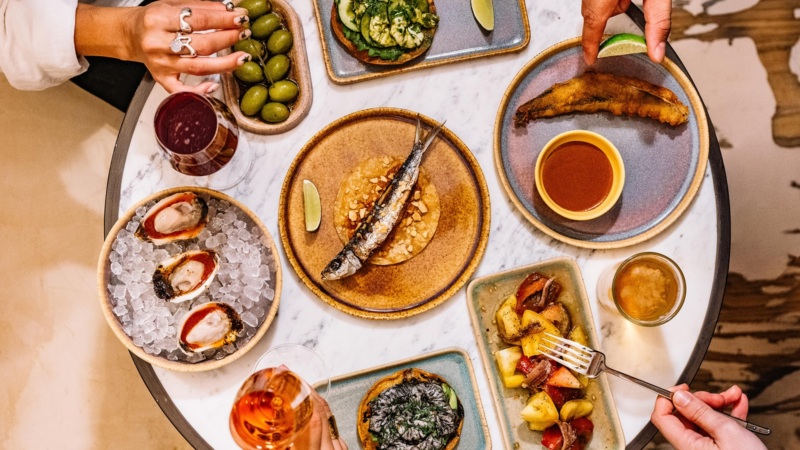
Photo by Evan Sung, courtesy of Oriana
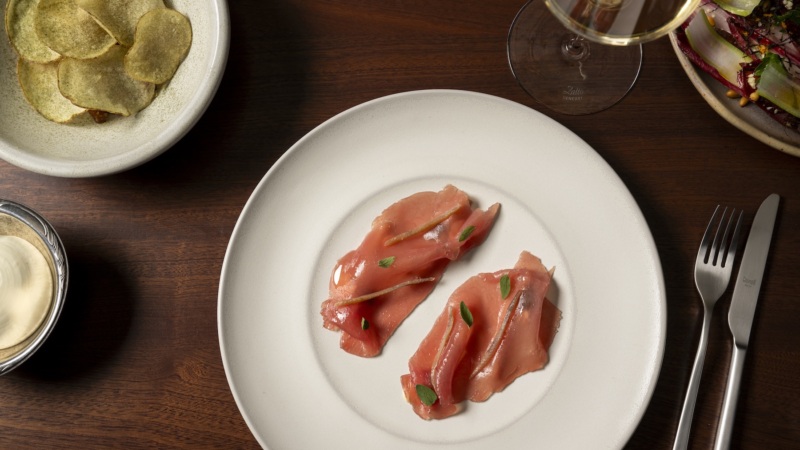
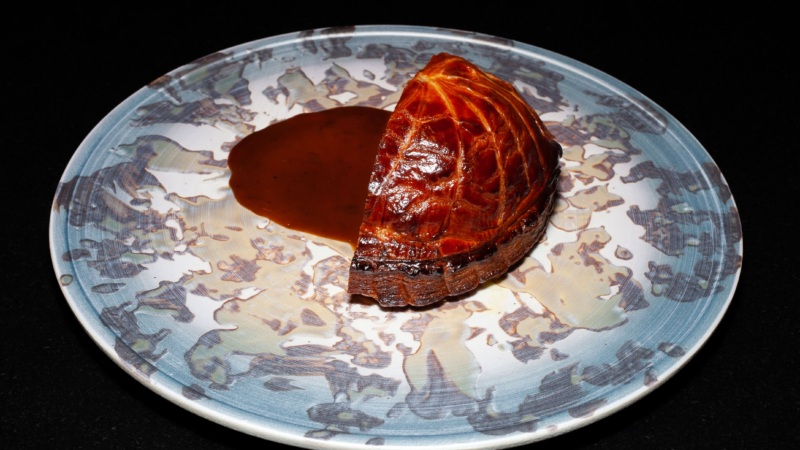
Photo by Evan Sung, courtesy of Oriana
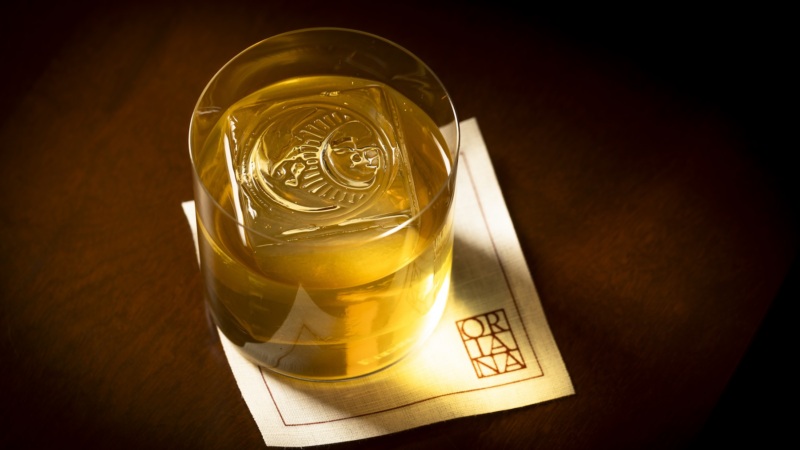
Photo by Alex Staniloff, courtesy of Oriana
1. The duo’s ties run deep.
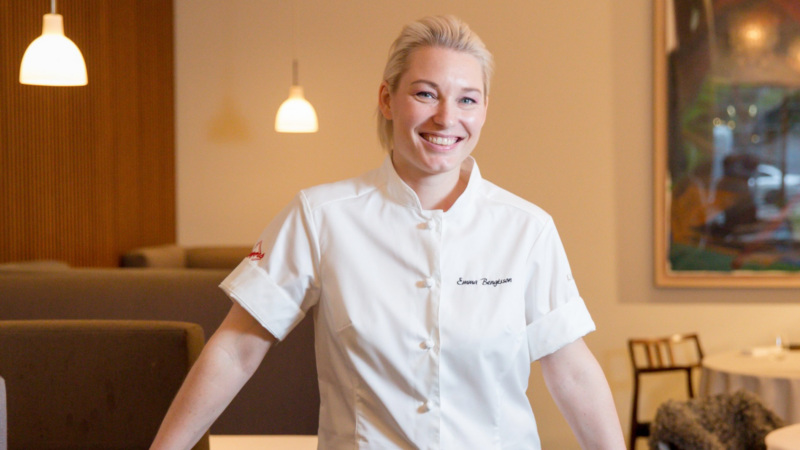
British chef Andy Quinn started out in England, including at Michelin-starred Hibiscus, before arriving in New York City in 2014. Soon after, he crossed paths with Cedric Nicaise, the wine director and later the director of operations at Eleven Madison Park, as the two rose through the ranks and ultimately collaborated.
Quinn says, “Cedric would put together these wine dinners in the private dining room [at Eleven Madison Park], and would say to me, ‘Hey, would you do a menu with these wines?’ and we just worked really seamlessly together.”
The two then opened The Noortwyck in 2022, with the intention to form a restaurant group with other spots to follow.
2. This is not The Noortwyck 2.0.
When The Noortwyck opened four years ago, it joined a select group of spots — save for pizzerias and barbecue joints — dedicated to wood fire cooking, such as Campfire in Carlsbad, Calif., the now closed Chapman’s Eat Market in Columbus, Ohio, and Ci Siamo in Manhattan (with places like Theodora in Brooklyn opening later on).
Despite The Noortwyck’s accolades, the team views Oriana as an entirely different concept from their first restaurant, which they consider a neighborhood gem.
“I think if you went to both restaurants and had no context, you probably wouldn’t know that they’re from the same people,” Nicaise says. “It’s the same ethos, but they’re different animals.”
Quinn notes that Oriana is a “much more ambitious project,” buoyed by a sprawling wine list, a larger food menu, and the use of wood fire on a much grander scale. He adds, “It’s a place you want to come to kind of celebrate.”
3. Flames kiss most everything on the menu, from drinks to dessert.
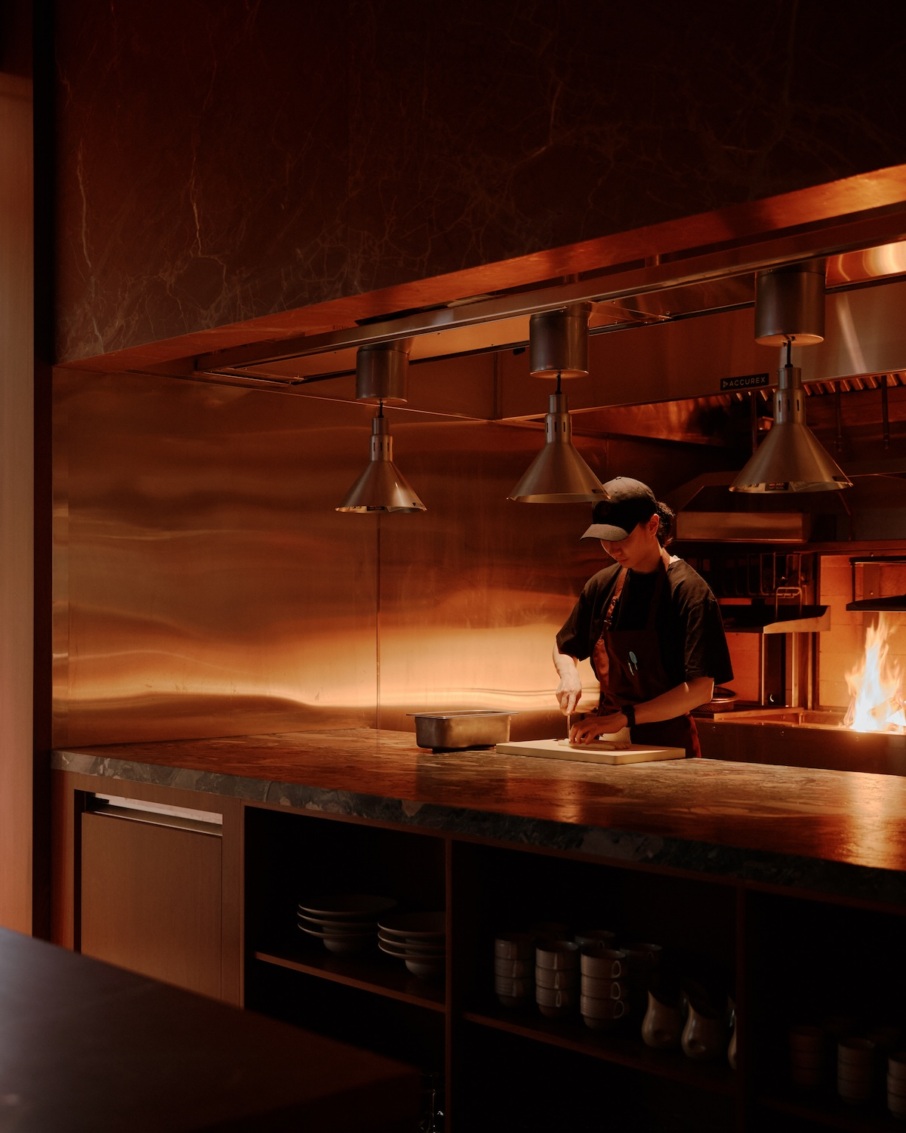
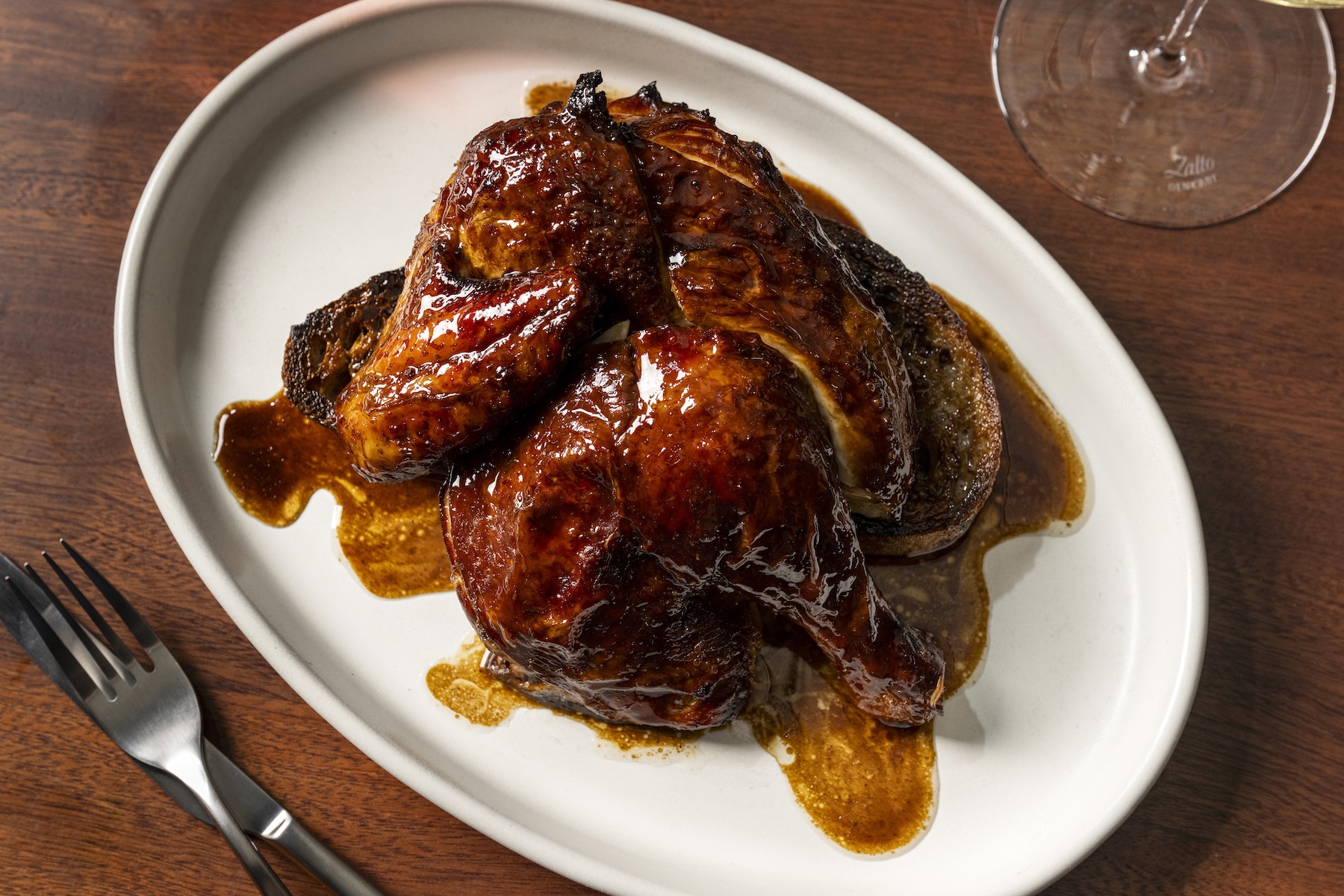
In the open kitchen, a custom grill and live coals anchor a menu where about 90% of the dishes are touched by flame in some way, Quinn says, whether that’s a whole barbecue duck feast with a Carolina Gold-inspired barbecue sauce and neck sausage made from the legs and offal, or a hulking coal baked potato with smoked bone marrow and brioche that’s cooked directly in the coals, which Nicaise calls the “best baked potato you’ll ever eat.”
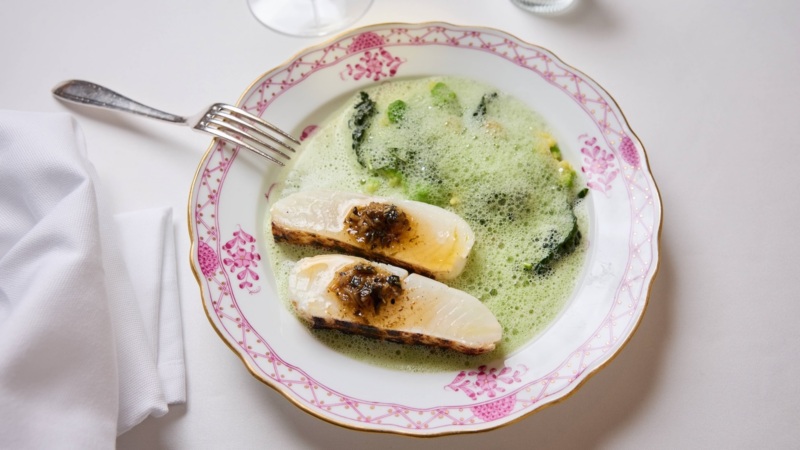
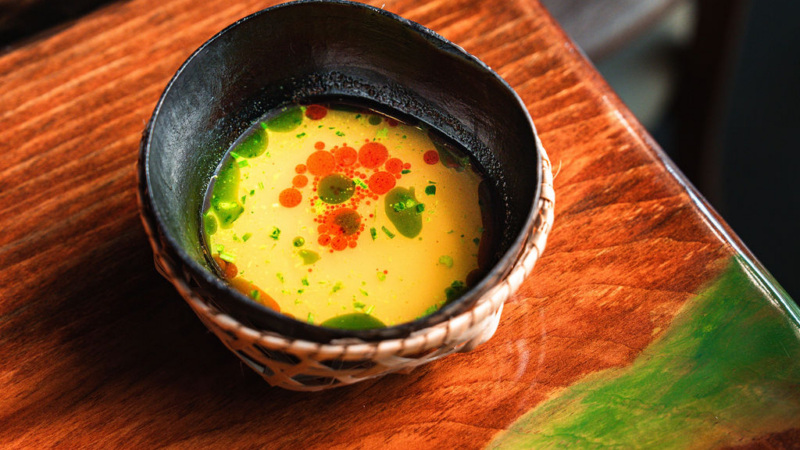
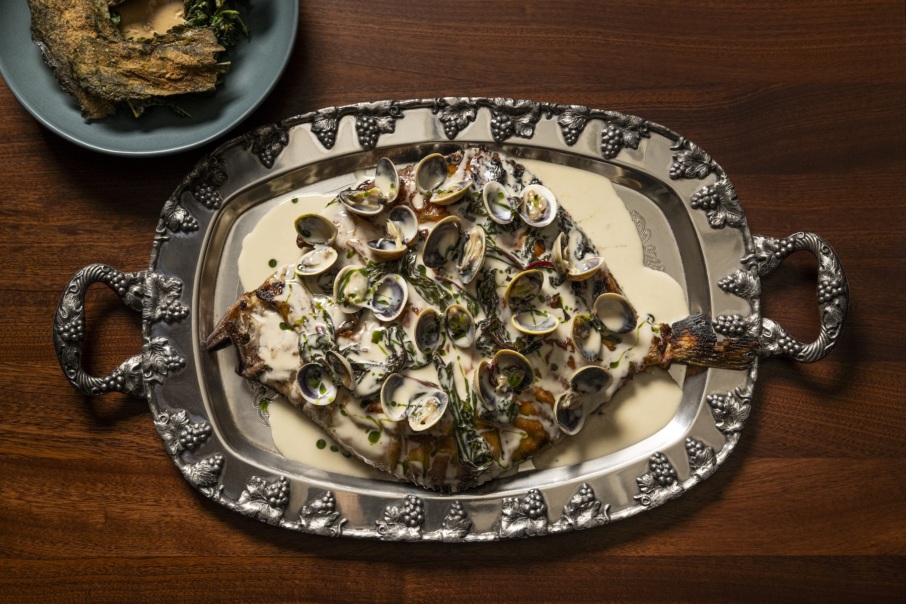
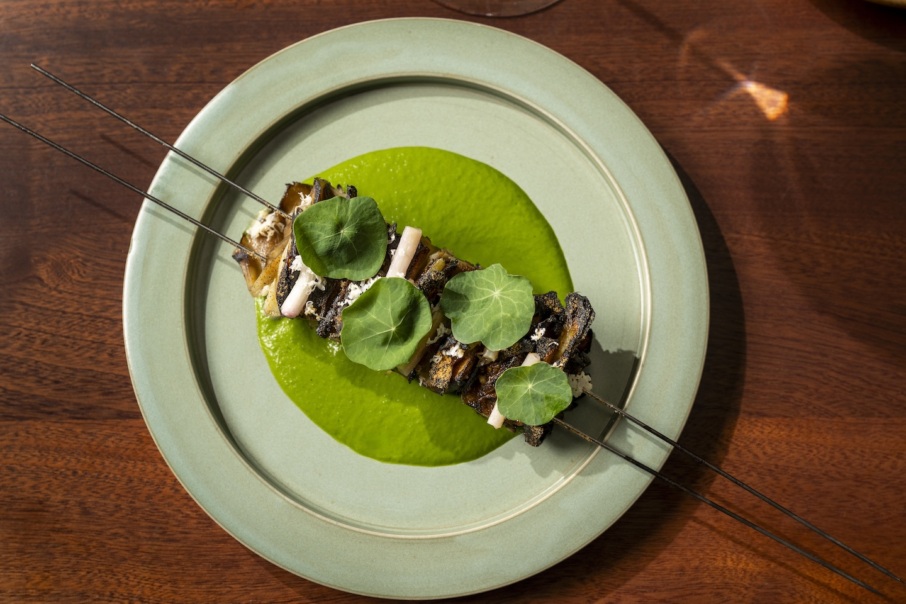
For the small places, the duo looked to capture the spirit of downtown restaurants. That includes a beef tartare, except it’s served with a “baked potato” aioli made from baked potato skins that’s a play on steak and potatoes — and raw tuna with roasted pear and anchovies. You’ll also see heads of butter lettuce on the grill for the Oriana Waldorf with medjool dates, a smoky whole turbot with Chardonnay and mussels, and vegetables and alliums charred to build depth into sauces.
Even the sweets aren’t exempt: desserts like sticky toffee pudding with smoked caramel and creme fraîche ice cream, or a coffee and donut riff served with espresso sorbet and malted cream extend that elemental heat well into the end of the meal.
At the bar, cocktails lean into the drama of smoke, fire, and vintage vessels, so that the glow and aroma of the grill becomes a through line. There’s an entire selection of cocktails that feature smoke and fire, from the non-alcoholic Ghost Flame (zero-proof amaro, black tea, black pepper, cardamom, and smoke) to the bar-only Tea Time, made with rye, walnut liquor, honey, water, and fire. Inspired by a classic Blue Blazer, the Tea Time is made whiskey that’s set aflame, and guests are encouraged to watch the whole presentation from the bar.
4. There are vintage spirits old enough to belong in a museum.
The wine program at Oriana reads like the cellar notes of an obsessive collector. The list leans European, with grower Champagne, Saint-Joseph Syrah, Alpine Schiava, volcanic Fiano from Avellino, and mature Sauternes, including a 1999 Château d’Yquem. Even the domestic picks skew more toward the thoughtful over the obvious, with the list favoring acidity and balance rather than trophy labels. Not including sweet wines, the list has more than 1,700 labels, 152 of which are priced at $95 and under.
But it’s the restaurant’s expansive list of archival spirits that stands out. The Chartreuse selection alone — spanning rare Verte and Jaune Voiron from the 1950s onward — would stop serious bartenders in their tracks. Agave, too, is treated with equal seriousness, with bottles like Fortaleza and El Jolgorio alongside a deep bench of amari, Calvados, eau de vie, Japanese whisky, and non-alcoholic aperitifs. Signature cocktails include the Giving Tree, a low-ABV, savory drink made with mastiha, a Greek liquor made with mastic tree resin, yogurt, and dill. For something more classic, opt for the Figarello, made with smoky bourbon, Scotch, fig, and black sea salt.
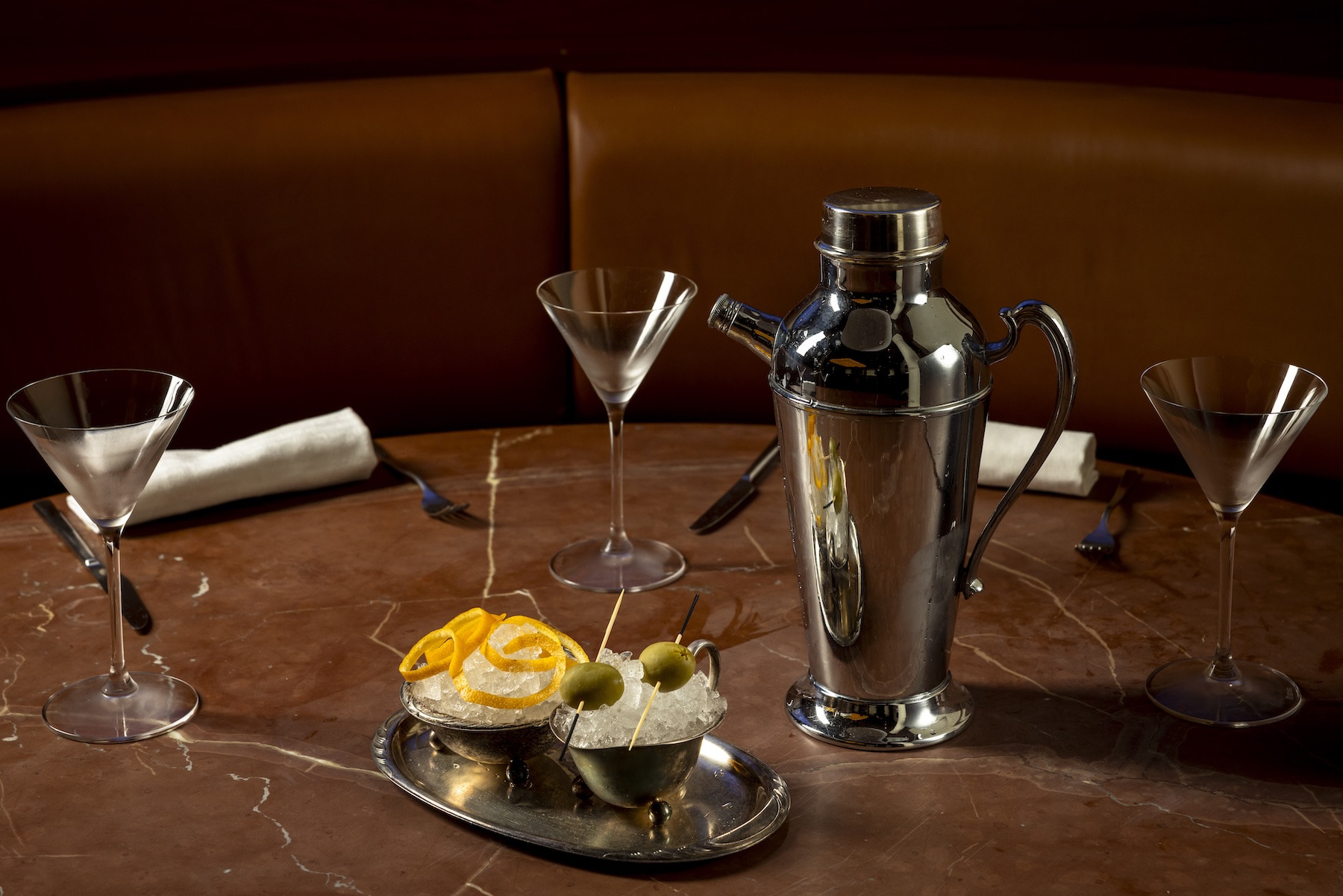
A growing number of restaurants are offering inventive martinis, and Oriana is no exception. Here, you can order a pickled pea Gibson made with gin and vermouth, a gin martini with Fino sherry, or a vodka martini. Further, you can order Oriana’s martini service for the whole table — priced between $146 for four full martinis and $296 for eight full martinis. It’s made with your choice of spirit, poured from an antique silver chalice, and presented with a Meyer lemon twist and smoked mozzarella stuffed Gordal olives.
5. Expect an incredible bread and pastry program.
“In a place like New York City, margins are always getting thinner. And, unfortunately, pastry is the first thing that gets cut because a restaurant can survive without it,” says Quinn. “That said, I’ve tried to stick to my guns and make sure that we’re heavily investing in bread and pastry since it’s such a big part of the cuisine I’m doing.”
If you’re familiar with the seeded Parker House rolls with cultured butter from The Noortwyck, keep an eye out for Oriana’s baked goods made by pastry chef Mary Grace using grains sourced from Brooklyn Granary & Mill.
The restaurant will serve Eton mess with rotating flavors such as carrot and apricot, and a saffron-infused bee sting cake with almonds and local honey, inspired by Grace’s Pennsylvania Dutch grandmother, that will sit out in the open kitchen counter as diners walk in. “It’s the size of a tire,” Quinn says. “People will see it when they come in, and they’re already thinking about dessert before they’ve even sat down.”
6. It features a listening room, and it’s in a 125-year-old-building.
The address at 174 Mott in Nolita once housed a manufacturing shop at the turn of the century, and the restored 1890’s building sat unoccupied for 25 years until the Oriana team were handed the keys.
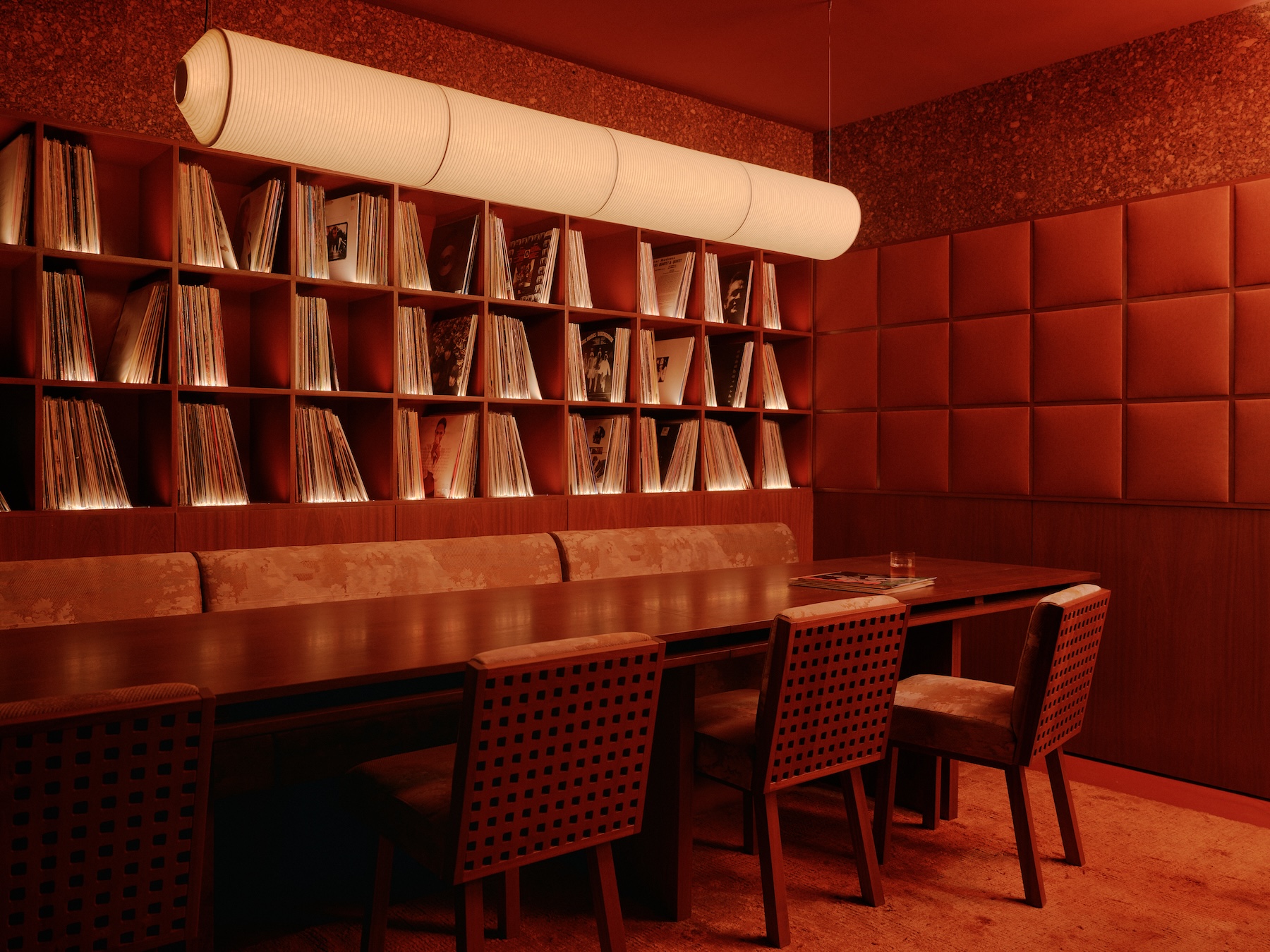
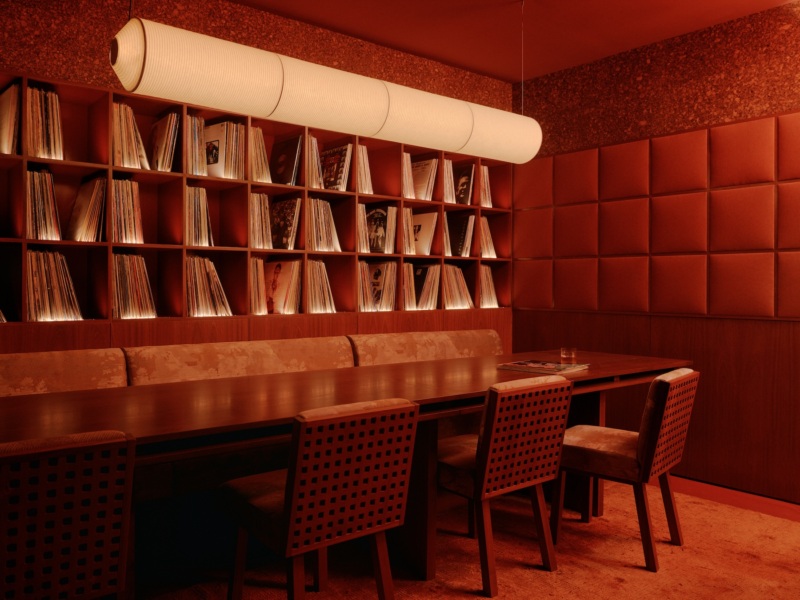
The restaurant seats 60 guests in the main room and 20 guests in the bar room, extending underground to a deep red cellar and two private dining rooms, one of which doubles as a listening lounge with vinyl records curated by artists including Rufus Wainwright, Jonathan Groff, and R.E.M.’s Mike Mills.
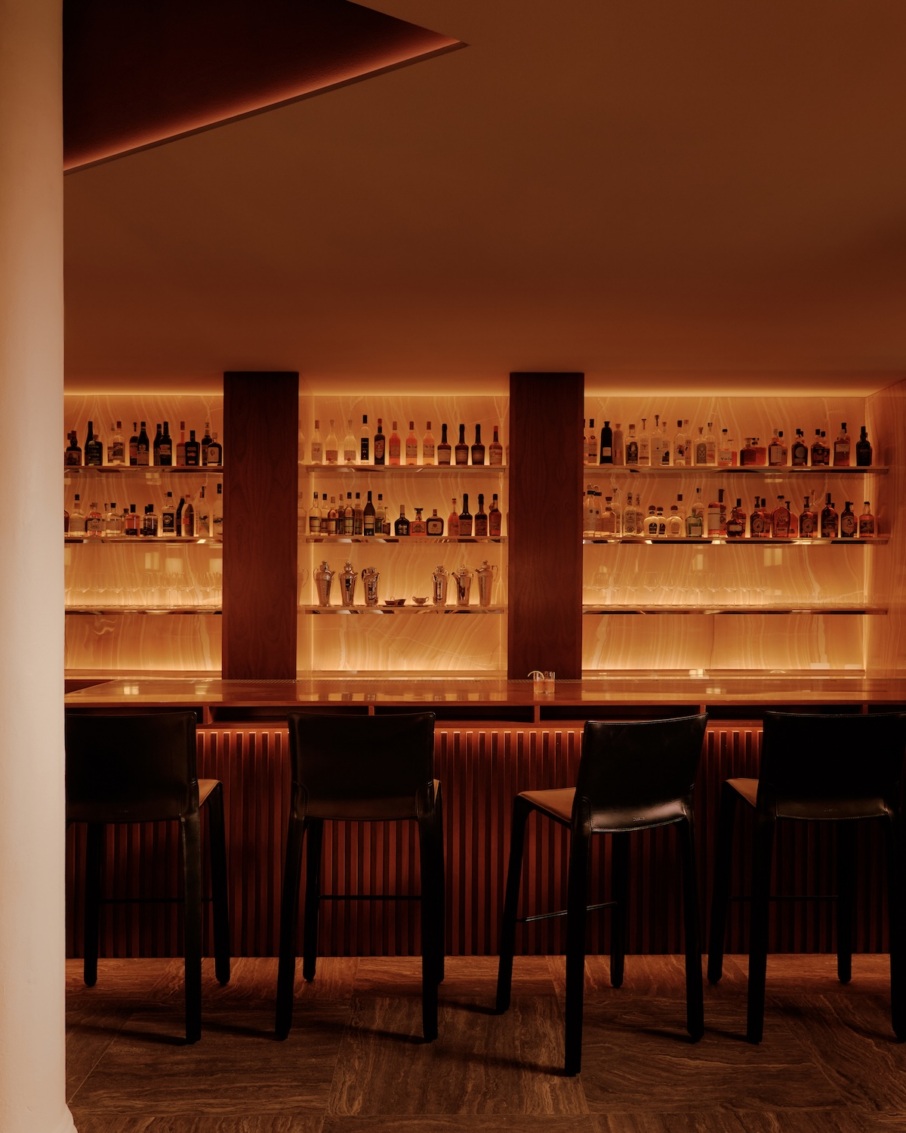
A glowing onyx bar is visible from the street, drawing guests into a softly lit dining room that exudes a kind of confidence mostly found south of 14th Street. A 25-foot mural by British-born, Brooklyn-based artist Tunji Adeniyi-Jones evokes an art gallery: It’s got a dense tangle of reeds and saturated blues where animal forms hide in the rushes — emerging once you’re close enough — which the team considers an ideal backdrop.
Along with the food, all of these elements aim to create the kind of memory-building Oriana hopes to inspire. “If you take an expected dish, but make it better than expected, then you’ll create a memory,” Quinn says. Nicaise adds, “I think as people leave the restaurant, I hope that they’re already thinking about when to visit next.”