Why Bouchon is such a big deal.
If you’re not familiar with Bouchon, the original opened in Napa Valley in 1998, literally down the street from Keller’s fabled French Laundry, a fine dining pioneer that has held a perfect three Michelin stars for 15 years. In 2004, he opened the second Bouchon in Las Vegas, setting up shop inside the Venetian. Keller stresses he’s gone to great lengths in Coral Gable to reproduce the Bouchon experience.
“We’re not really trying to do anything new — it’s Bouchon, a classic French bistro,” Keller says. “We have a really, really high standard, and whether it’s Las Vegas or South Florida or California, there is nothing different about the way we do things.”
We have a really, really high standard, and whether it’s Las Vegas or South Florida or California, there is nothing different about the way we do things.— Thomas Keller
His team – which includes chef de cuisine and the Surf Club Restaurant alum Thomas Castellon – is accomplishing this end by focusing on ingredients. While vegetables are coming from local farms, meats and other items are sourced exactly as they are elsewhere.
“Many of our ingredients are universal to each one of our bistros,” he says. “Our beef comes from specific places. Our chicken, our lamb come from specific places. The vegetables are critical, so we wanted to make sure that we had the farms close. But as chefs who are focused on our farmers, fisherman, foragers, and gardeners, we’re making sure that they understand our standards.”
View this post on Instagram
You’ll be eating in a little slice of Florida history.
Bouchon is set in the La Palma building, a 1924 structure at 116 Alhambra Circle designed by George Fink, a cousin of Coral Gables founder George Merrick. It originally opened as the Solana hotel, one of the first in Coral Gables. Later in life was the Cla-Reina Hotel before its latest restoration in the late 2010s.
The building is on the National Register of Historic Places, and Keller says he was drawn to it for much the same reason he was to the Surf Club Restaurant – history.
“The space itself is a historic landmark, and it is really important to me to be part of such a historic building,” Keller says. “We felt that it was a great opportunity for us to kind of represent history here like we did with the style and the food at the Surf Club Restaurant. So looking at history really helped us to find what we’re trying to do.”
He adds that he chose Coral Gables over newer, trendier areas for another simple reason. “The Gables is a real community,” he says. “It’s a place where people live, where they go to school. It is a true neighborhood and we like that. We chose Coral Gables for the community and the history.”
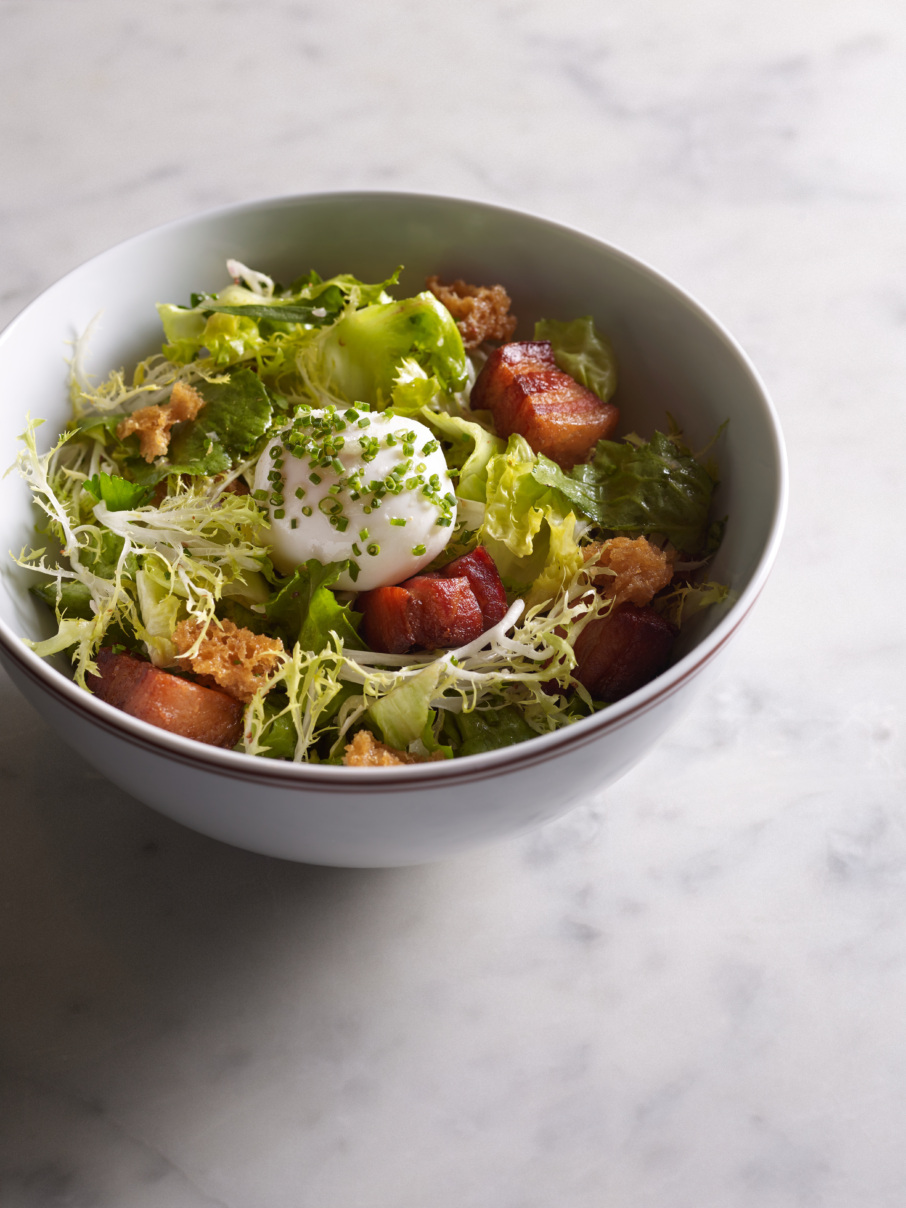
What to expect on the menu at Bouchon Coral Gables.
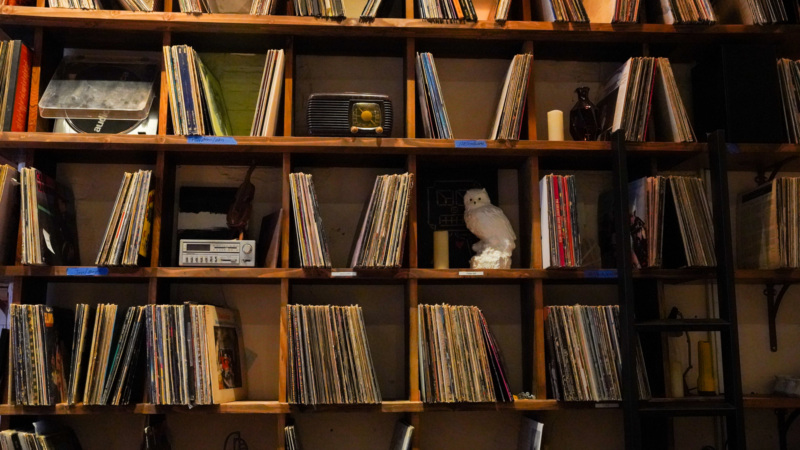
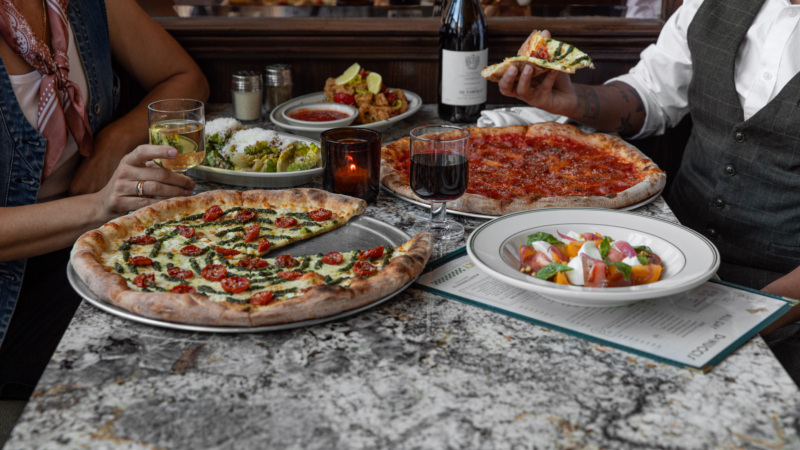
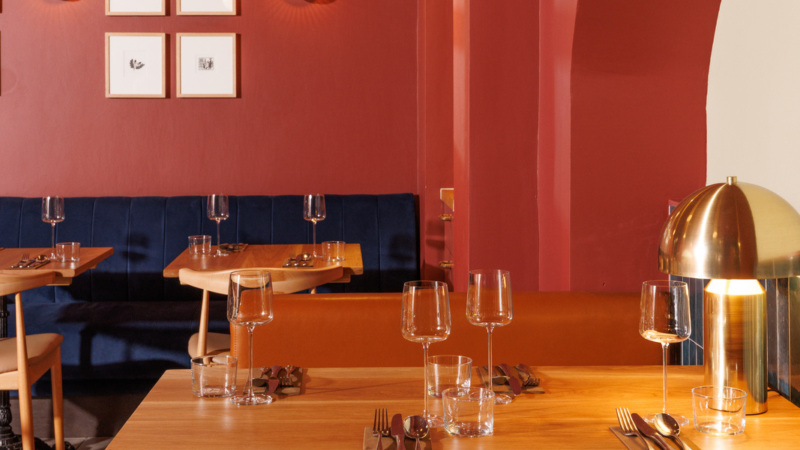
As Keller stresses, Bouchon isn’t trying to reinvent the French bistro, even while the food comes with Michelin-starred pedigree. The interior is designed by Adam D. Tihany, the same man who designed the Yountville and Las Vegas Bouchons. Think lots of mirrors, tiles, banquettes, and an open oyster bar. As for the menu, it’ll be a collection of French dishes you’re probably familiar with that change as ingredients come into season.
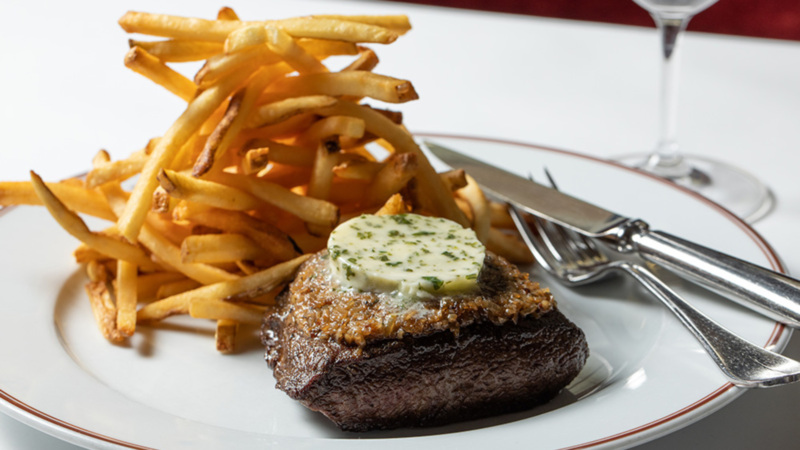
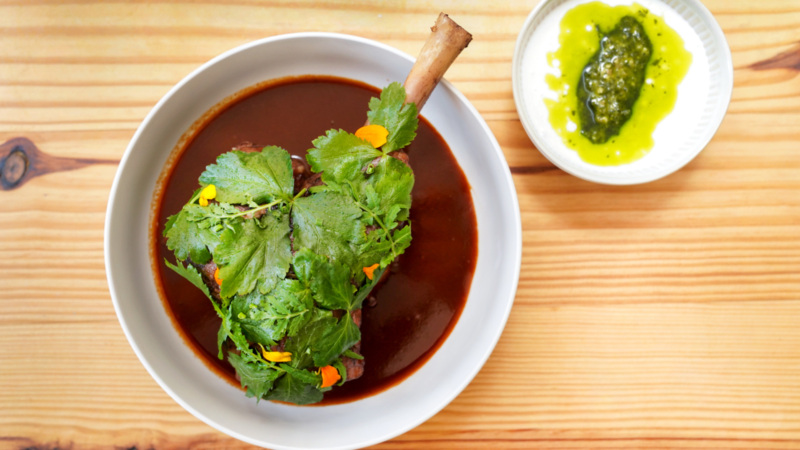
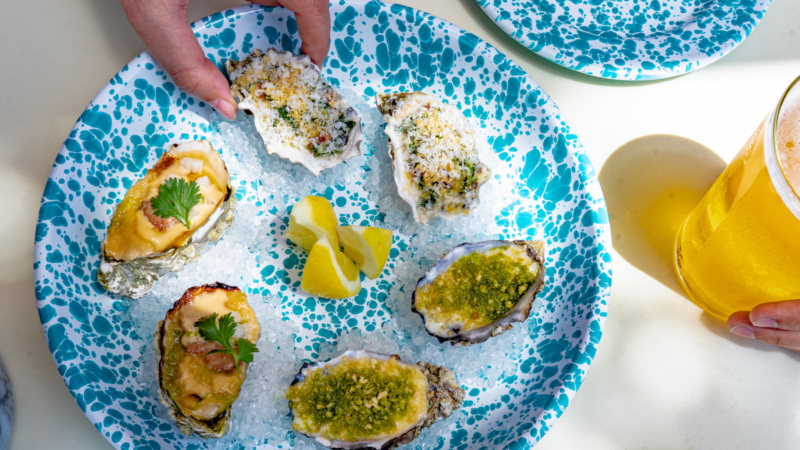
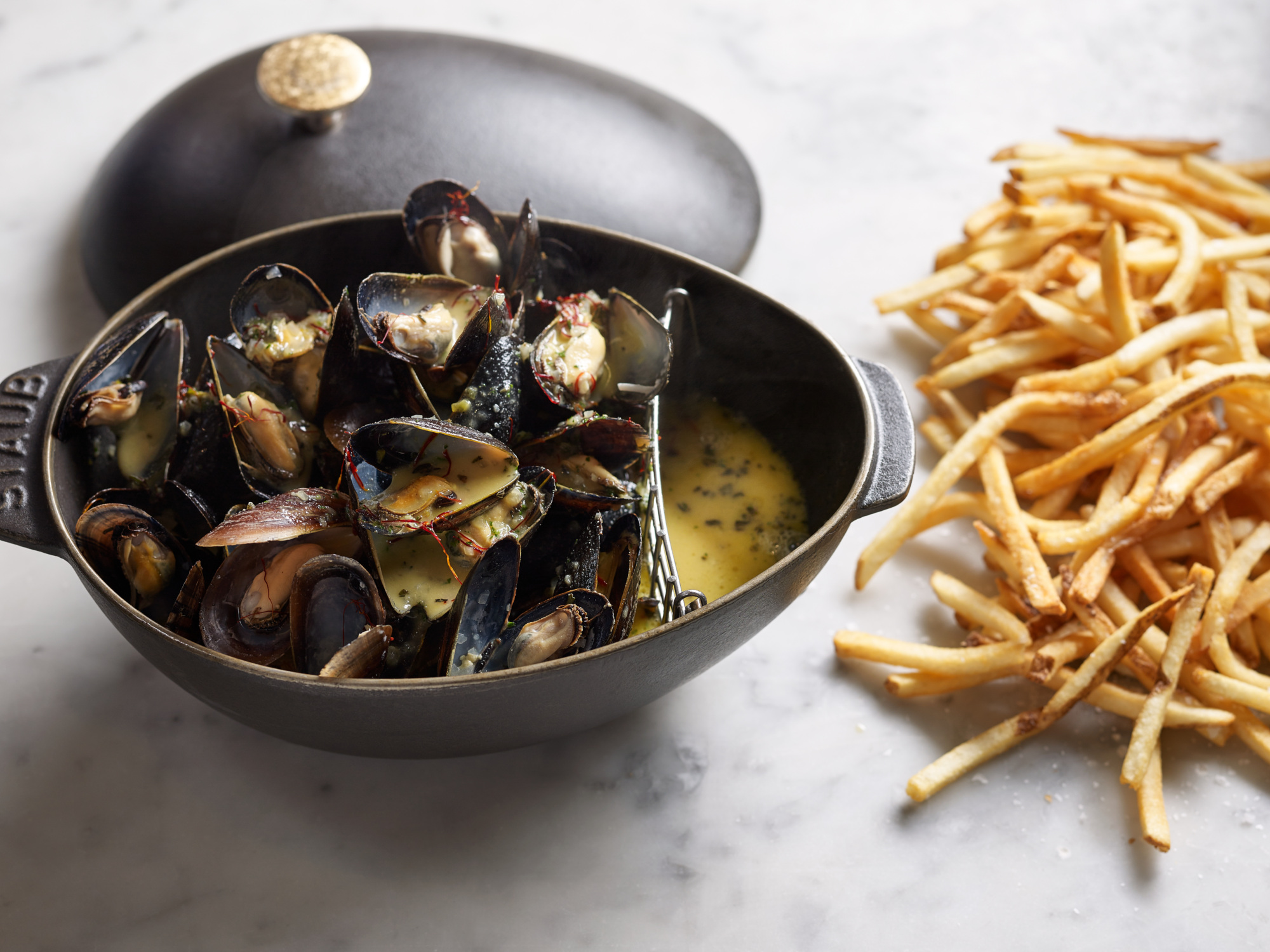
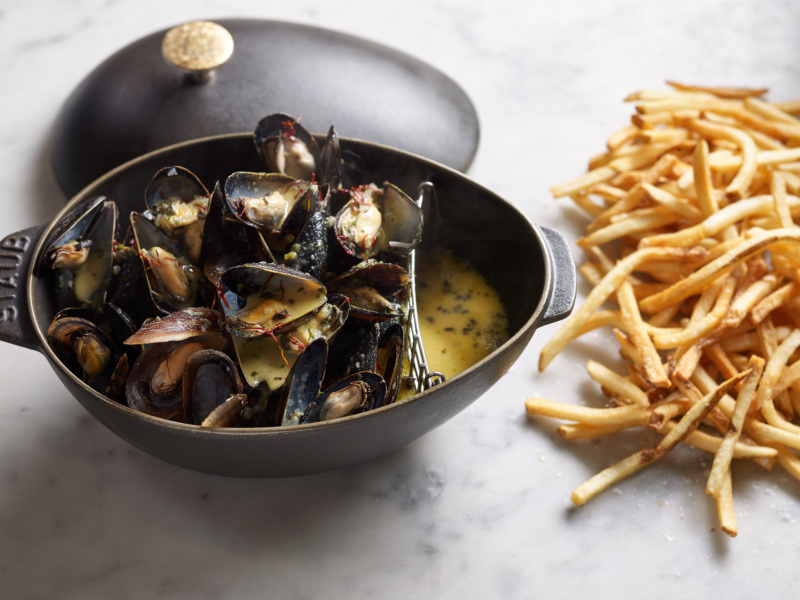
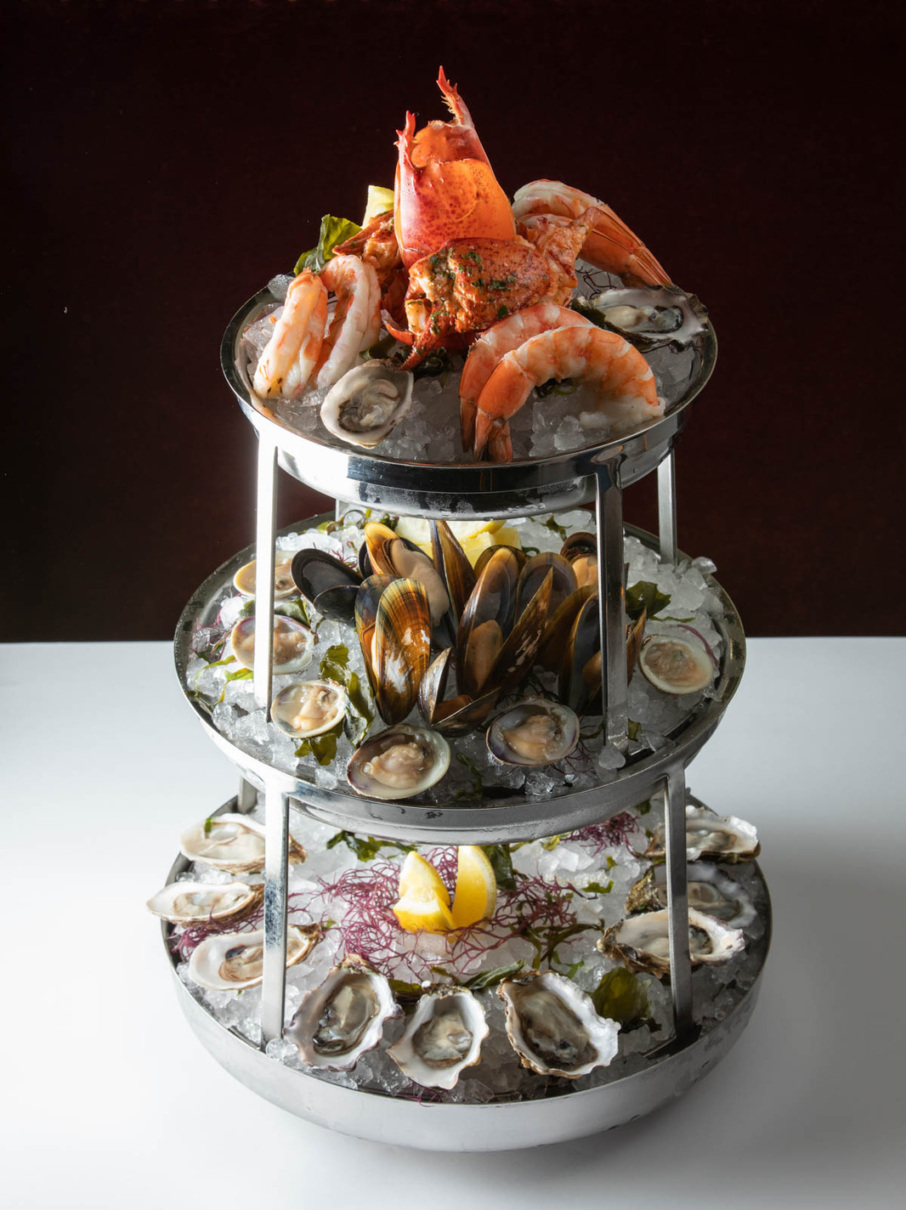
The extensive raw bar will offer oysters, mussels, shrimp, clams, and half lobster, with a petit and grand plateaus if you want a little of everything. There’s sturgeon caviar service and Saint-Marcellin-style cheese, along with beef tartare, escargot, and French onion soup topped with Comté. Main courses start out with the familiar like steak frites and poulet rôti, then venture into some French classics that are lesser seen in Florida, like gnocchi à la Parisienne with summer veggies and a boudin blanc — a white sausage with potato purée, dried French plums, and beurre noisette.
Like a father who won’t pick his favorite child, Keller won’t recommend one dish over another. “There’s really nothing I put on a menu anywhere, whether it’s French Laundry or Surf Club Restaurant or anywhere else, I recommend over something else,” he says. “That’s one of the great things about a bistro. You have different varieties of things that you can try and, you know, eat there two, three times a week if you really wanted to, experiencing different things based on how you feel that day.”