Resy Spotlight Washington D.C.
How Rose’s Luxury Changed the Game in D.C.
Published:
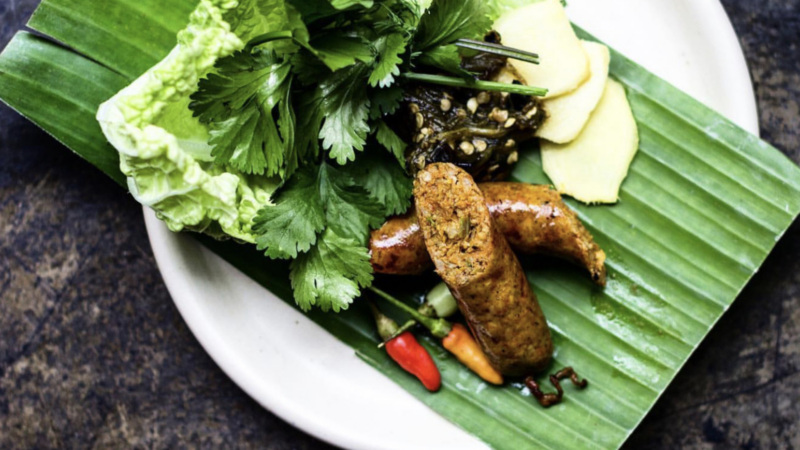
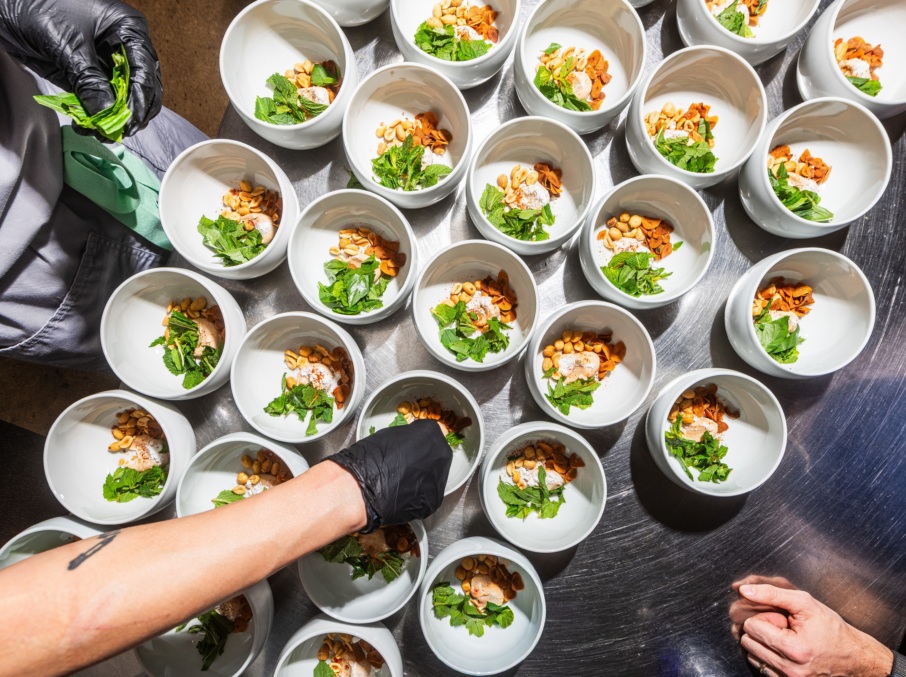
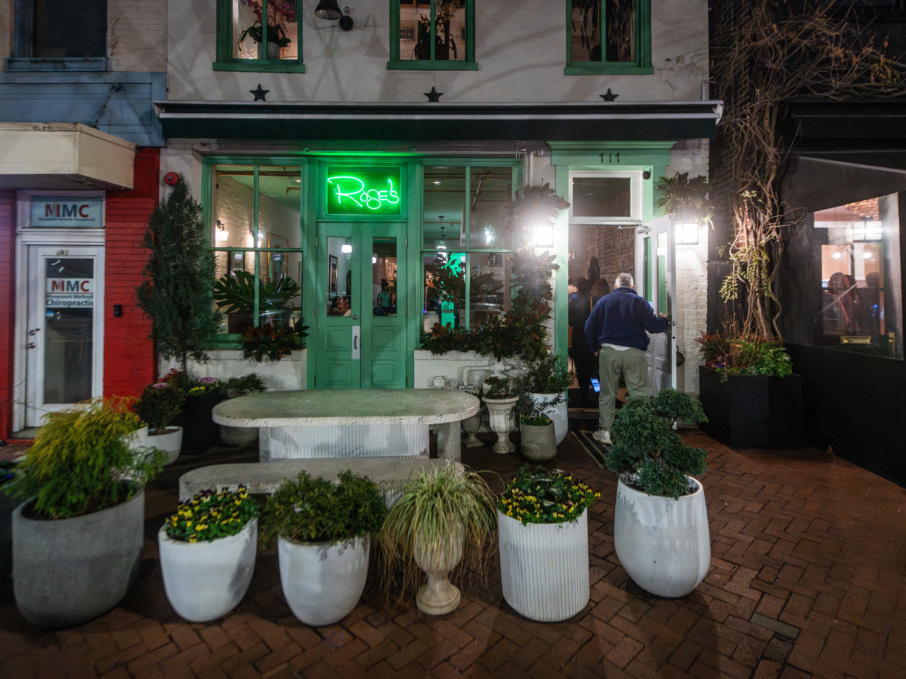
It started with a salad. A Thai-inspired salad of sweet lychee and crumbled pork sausage with crisp red onion and whipped coconut milk (and about 10 other ingredients), to be exact. This is the dish that would come to define a meal at Rose’s Luxury, chef Aaron Silverman’s genre-defying fine dining restaurant that opened in 2013 on Barrack’s Row. It was, at the time, an unexpected riot of sweet and savory flavors compiled with an attention to texture, acidity, and presentation; hallmarks of a great chef at work. And it embodied Silverman’s unique ethos that blended fun and finesse, which he used to kick-start a culinary movement that would reshape the dining landscape in D.C. — and beyond.
But like so many chefs who have found themselves in the storm’s eye of big cultural change, Silverman hesitates to take too much credit. “The only thing that I was setting out to do was chase down my passion, which is simply bringing joy to other people’s lives,” Silverman told us recently. “I had no idea that it would impact so many people.”
When Rose’s Luxury opened over 10 years ago, going out for an occasion-worthy meal in D.C. was a formal and fairly traditional affair, the city then still known for a deference to Old World habits of white tablecloths and French-leaning menus. Even if they weren’t French, higher-end restaurants like The Bombay Club still reinforced a sense of status and hierarchy in their not-so-subtle colonial aesthetics. That sort of pomp was ideal for D.C.’s political class, but it left a lychee salad-sized hole in the city’s dining scene for something more dynamic, more universally appealing.
Cue Silverman with his smart and irreverent style of cooking and blatant disregard for the establishment’s rules. At Rose’s Luxury, he encouraged informality and conviviality with the service and shareable small plates menu. Perhaps most famously of all, he threw the longstanding ritual of vying for a primetime table out the window. If you wanted a table at Rose’s, you’d have to get in line with everyone else.
D.C. Gamechangers
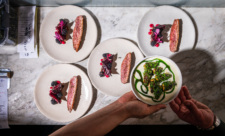
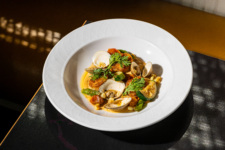
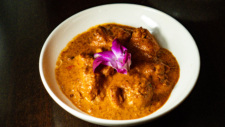
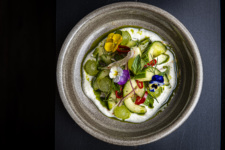
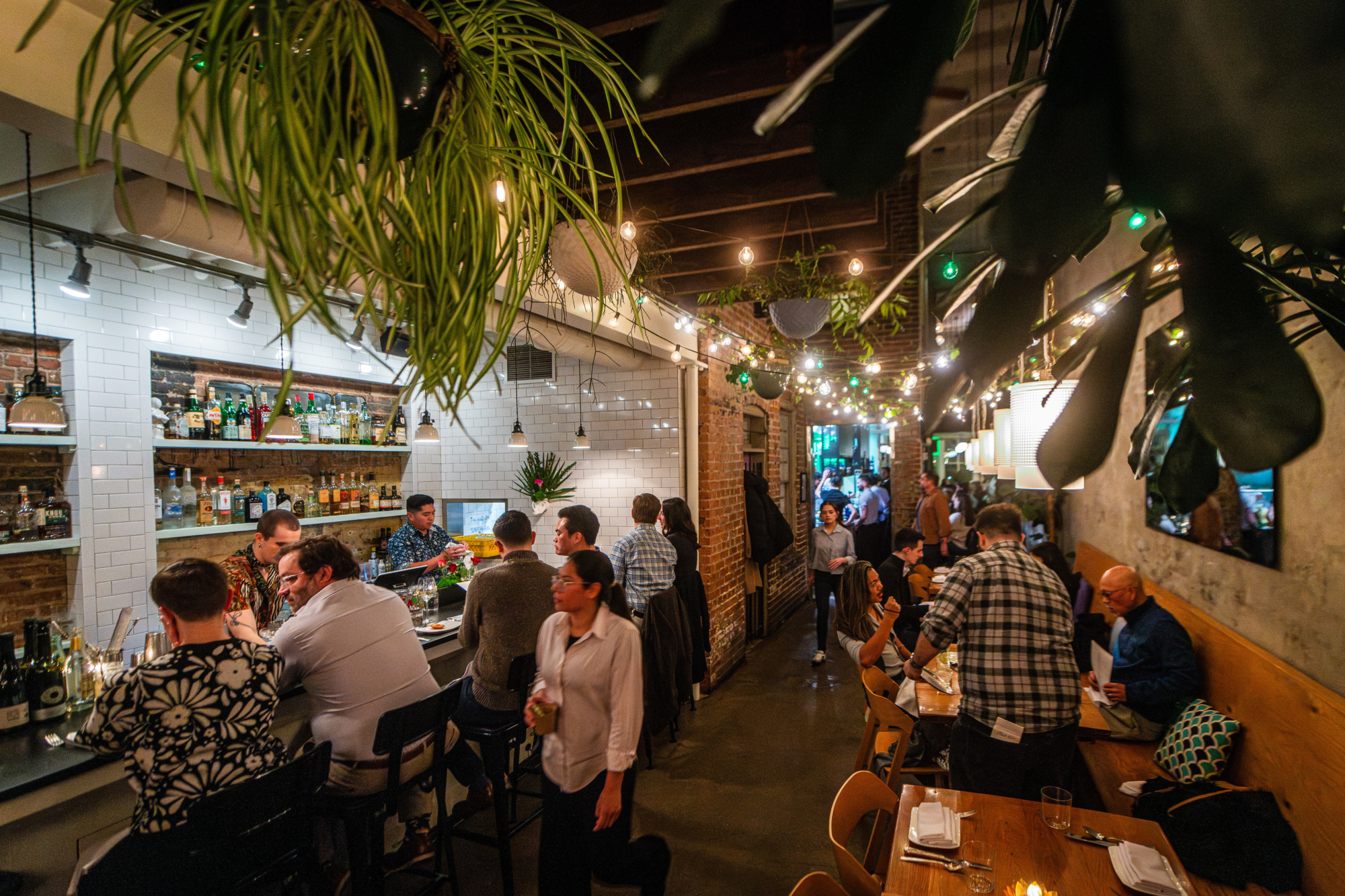
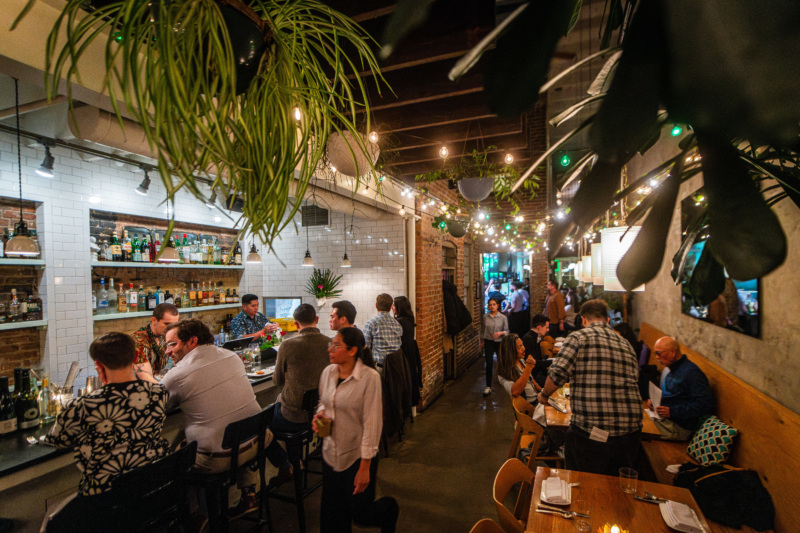
And so the people did, in droves. Since nobody could make a reservation, everybody waited in line for a taste of that famed lychee salad and the equally riveting spaghetti with strawberry pomodoro sauce, flawless dishes that played loosely with tradition but were always imbued with a sense of fun. Except, perhaps, for the Obamas. “We were not playing by the same rules, it caused a lot of surprise and delight,” Silverman said. The line to secure a table at Rose’s Luxury was epic, taking as long as two hours just to get on the waiting list, and spawning its own cottage industry of surrogate line-waiters hawking their time on Taskrabbit.
But Silverman’s greatest sleight of hand in all this was that the food coming out of his kitchen was no less technical, no less skilled, and surely, to some, even more delicious, than anything diners had ever seen in their city. His merry band of cooks were rewriting the old rules of taste by adding pineapple into the aioli that dressed stems of asparagus, or recreating the flavors of a baked potato in the beloved bread course. They were leading with experimentation and personality, just as trail-blazers like David Chang or Stuart Brioza and Nicole Krasinski, of State Bird Provisions, had done in their respective cities. And in doing so, Rose’s Luxury helped unravel the bias that restaurants had to follow an outdated template in order to be world-class. You can still see its influence at restaurants like Xiao Ye in Portland and Chez Noir in Carmel, all run by alumni of Silverman’s kitchen.
As The Washington Post’s restaurant critic Tom Sietsema wrote, glowingly, in his 2013 review, “Part of me doesn’t want to write about the no-reservations Rose’s Luxury … But I’m not in the business of keeping secrets. I’m all about sharing the wealth, and frankly, Rose’s Luxury is the best news to come out of Capitol Hill in ages.”
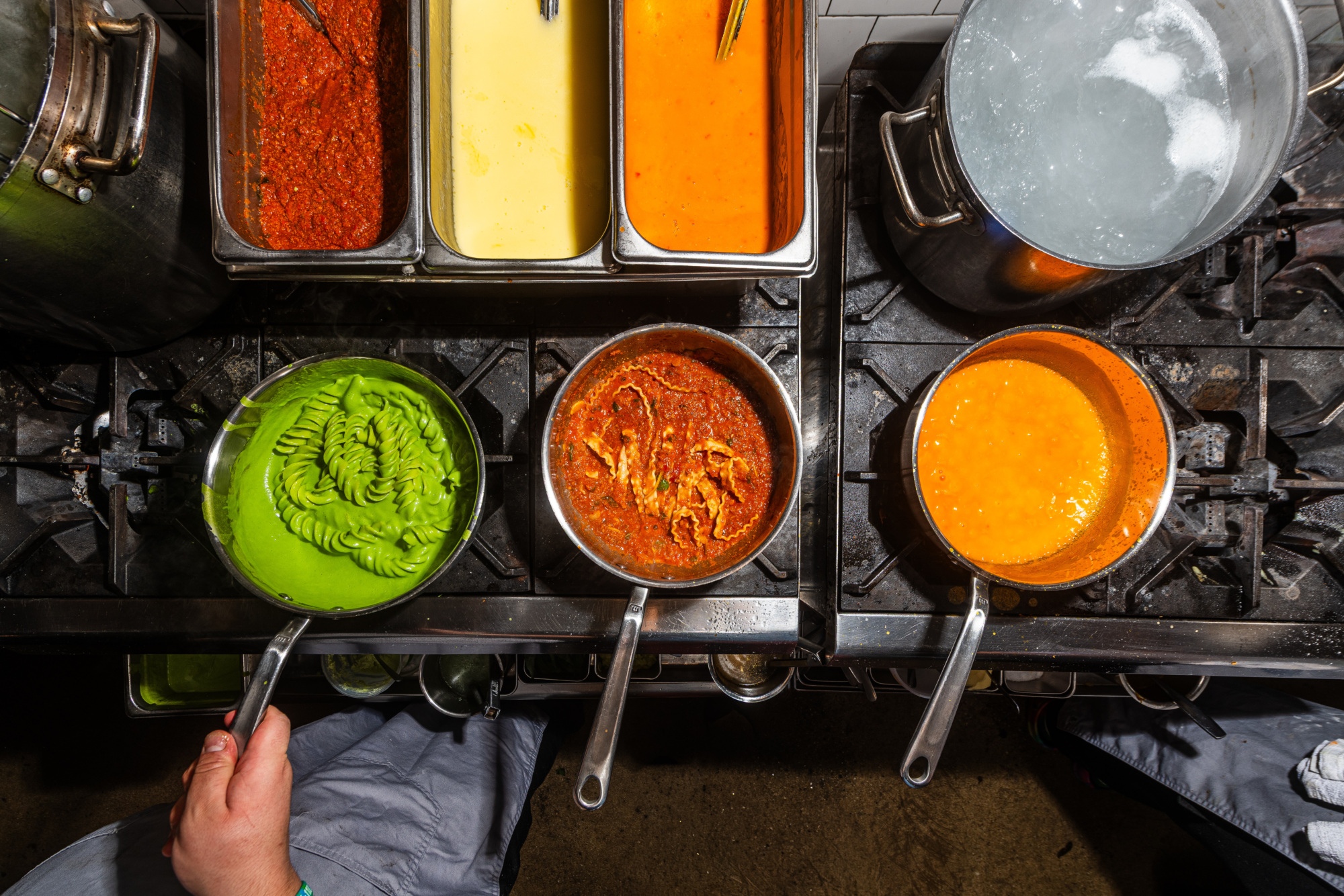
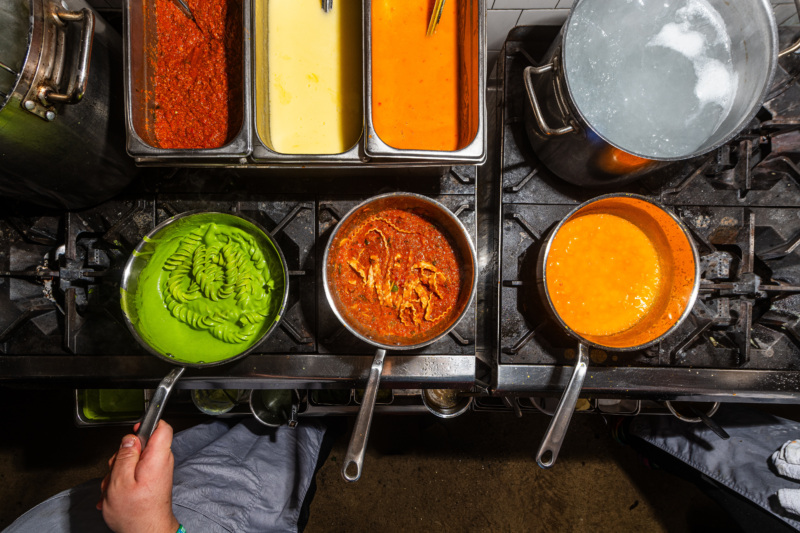
These days, Silverman goes by the title of founder and creative director at Rose’s Restaurant Group, which has grown to encompass three restaurants — Rose’s Luxury, the set menu spots Pineapple and Pearls and Little Pearl — and the catering company Extra Fancy. But before he became the owner of some of D.C.’s top dining destinations, he was a curious and driven cook.
In 2003, Silverman graduated from L’Academie de Cuisine in Maryland and went in search of a few good jobs, which he found at pioneering restaurants like Momofuku in New York City and McCrady’s in Charleston. It would be another 10 years before he was ready to open his own place — a level of patience almost unheard of today as roving pop-ups and even social media have shortened the line cook-to-restaurant ownership pipeline.
Sometime in 2011, Silverman sat down to develop the concept that would eventually become Rose’s Luxury. He hosted dinner party pop-ups at his apartment in Capitol Hill as he cobbled together investment funds from friends and family. It was around this time that Silverman’s renowned strawberry pasta dish made its first appearance, setting a benchmark for future ideation.
The only thing that I was setting out to do was chase down my passion, which is simply bringing joy to other people’s lives. I had no idea that it would impact so many people.— Aaron Silverman
But it wasn’t just a dynamic approach to cooking that turned Rose’s Luxury into a smash hit when it ultimately opened in 2013. It was, as Silverman says, his bottom-line understanding of why he was in this business in the first place. Before a lease had even been signed, he knew he wanted to put people — his customers, his staff — at the center of his operations.
“We’re not in the restaurant business. We’re not in the hospitality business. We’re in the making people happy business,” Silverman said, reiterating a familiar phrase from a 2015 TED Talk he gave elaborating his people-first philosophy.
Though it seems ordinary today, centering the experiences of both guests and workers was a break from the top-down structure most successful restaurants in D.C. adhered to back then. Silverman replaced the stuffiness of a special night out with casual elegance and a painstakingly curated playlist of nonstop jams. He empowered his staff to treat diners with small gifts from the kitchen and even offered employee benefits like health insurance. His kitchen led less with authenticity than with the pursuit of delicious flavors, like the beloved rigatoni alla vodka with squid and Thai basil.
“It was costing us more than it should for food, more than it should for labor,” Silverman recalled. “It was a bit of a gamble.”
But the gamble paid off. Within a year of opening, Rose’s Luxury was the talk of D.C. It offered a down-to-earth entry point into a revelatory dining experience while simultaneously elevating the city’s food scene to a national level. The accolades that followed were swift and plentiful, with the restaurant being named to the top spot in national lists and soon afterwards winning a Michelin star, with Silverman scooping the James Beard Foundation award for Best Chef: Mid-Atlantic.
Needless to say, the critical success was good for business, even if it meant the wait time to get in grew longer than a Martin Scorsese movie. “There’s only one Saturday a week and one Friday a week. You can’t make more of them,” Silverman said. But you can open more restaurants. Being busy was a blessing that led to more blessings. Financially, it provided the volume that helped cover Silverman’s operating costs while also giving him a little extra room to expand his reach.
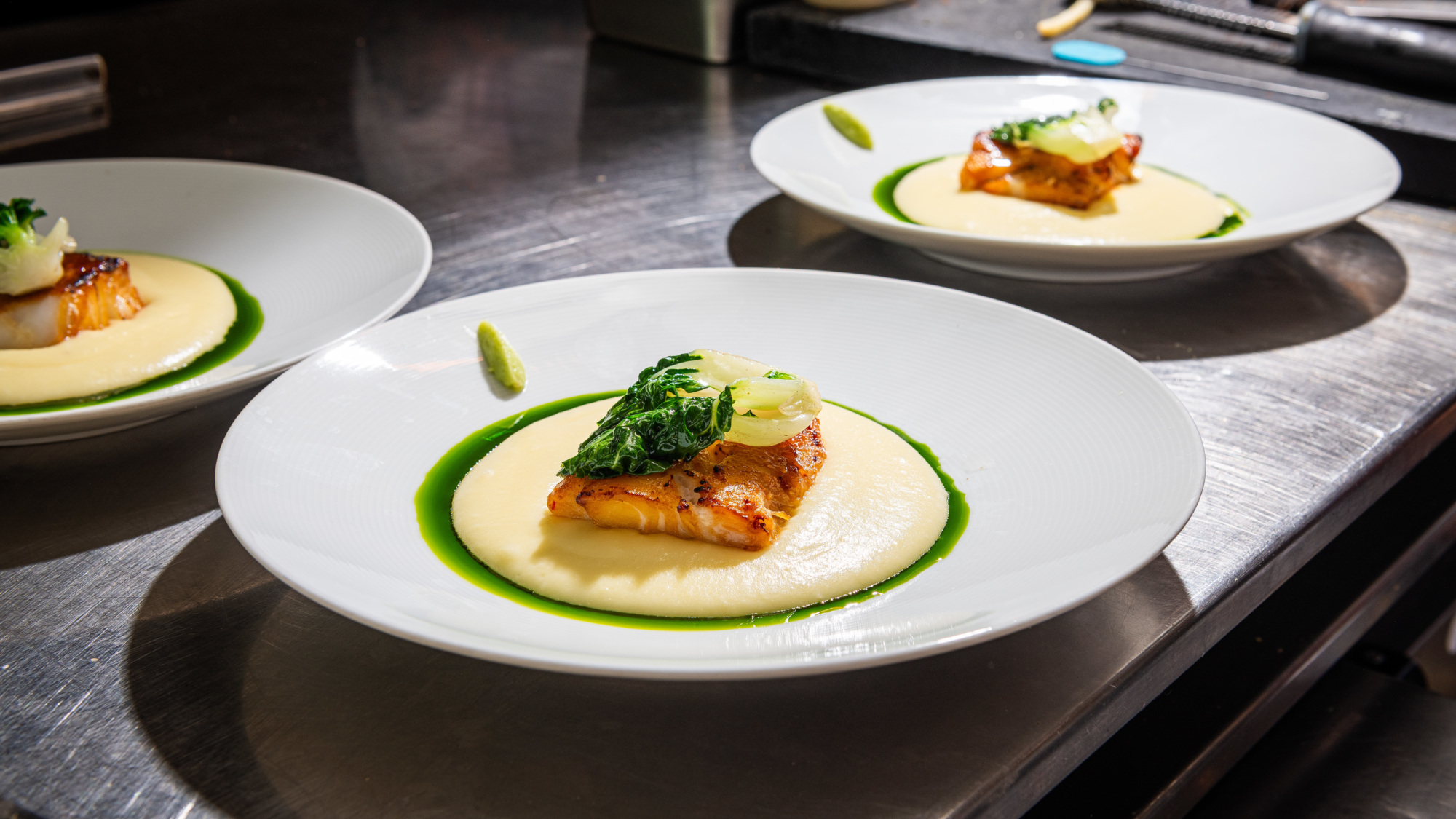
In 2016, Silverman opened Pineapple and Pearls next door to Rose’s Luxury. It started out as a tasting menu restaurant that, in some ways, fell in line with the rules of fine dining culture, which had by then evolved into a more rarefied format of a chef’s counter-led experiences. “We wanted to do even more refined cooking,” Silverman said, hinting at that itch that so often nags a chef who is brought up in the world of French technique. “But the volume at Rose’s was so much, we couldn’t up the game of our food.” At Pineapple and Pearls, his executive chef, Scott Muns, leaned into a leaner, more contemporary style of Escoffier’s grand French cooking, all accompanied by hotel school-level service and a long, illustrious wine list (and, yes, reservations).
If iconic dishes like the pickle-brined fried chicken at Rose’s Luxury rivaled the fun, flavor-driven cooking style of restaurants like Momofuku Noodle Bar, Pineapple and Pearls was a siren call for budding gourmets seeking a taste of new luxury. The no-expenses-spared foray into La Technique coupled with the ingredient sourcing of a three-star sushi restaurant that defined fine dining at the time. And with it, D.C. had officially earned top billing on a bucket list that included restaurants like Saison in San Francisco and Chef’s Table at Brooklyn Fare in New York City.
In 2016, Silverman was also light years ahead of today’s restaurant bakery boom when he opened a daytime coffee shop in the Pineapple and Pearls space, complete with buttery shortbread cookies and fancy breakfast sandwiches. Eventually, he called the pop-up Little Pearl and moved it to its own address on Pennsylvania Avenue, adding a dinner service that has since grown into its own as a dining destination (though, sadly, the café no longer exists).
2016 was a prolific year for the broader D.C. dining scene, too, as dozens of new restaurants added to the momentum that Rose’s Luxury helped jump start a few years earlier. The arrival of world-class kitchens like Tail Up Goat, Bad Saint, and The Dabney led to Bon Appétit naming D.C. its restaurant city of the year. With or without the media blitz, every great restaurant city is built on the appetites of a dining public. “We have the best diners here,” Silverman said of District-area restaurant goers. “They’re the most loyal and excited about new things.”
As Rose’s Luxury breezed past its 10-year anniversary in 2023 — and with that same milestone barreling down for Pineapple and Pearls — it seems as though Silverman’s long-term success in the restaurant industry has hinged on his ability to adapt. The world today looks very different than it did in 2013, or even 2016, and for restaurants, Covid played a big part in that change. “It was hard before. Some might say brutal,” Silverman said. “It’s even harder now.”
Coming out of the pandemic, Rose’s Luxury switched from à la carte to a five-course “choose your own adventure” menu. “It was a necessary thing that so many people had to do during Covid to survive,” Silverman said. The restaurant also started taking reservations. Around the same time, Silverman transformed Pineapple and Pearls from a chef-driven tasting menu to a bonafide dinner party, fringed with all the Champagne and caviar-infused glamor of New York City’s The Quilted Giraffe restaurant circa 1980.
Most recently, Silverman’s catering service, Rose’s at Home, has evolved to include Extra Fancy, a nimble event catering business that has fed parties from Los Angeles to Seoul. “It gives us the opportunity to share what we do with so many more people around the world,” he said.
If Silverman set out to make people happy when he first opened Rose’s Luxury, he continues to do just that with great food and genuine hospitality. But lately, the goalposts have shifted slightly. Now, in thinking about his legacy, Silverman says he’s in the business of making people happy — for as long as he can. “My goal is to end up being an institution,” he said. As he works towards that goal, Rose’s Luxury remains as busy as ever. To quote Silverman himself, “good times never go out of style.” Nor will that ineffable lychee salad.