10 Moments That Defined the Last Decade of Dining in New York
Published:
Resy, which got its start right here in New York in 2014, turns 10 years old this summer, and we’re celebrating with a cross-country series of special experiences. A lot has happened in the last 10 years, to say the least, and to mark the occasion, we’re reflecting on some of the major dining events that have shaped the dining world over the past decade.
No. 1
Momofuku Ko was an early precursor to the New Age of restaurant reservations that started to emerge in 2014
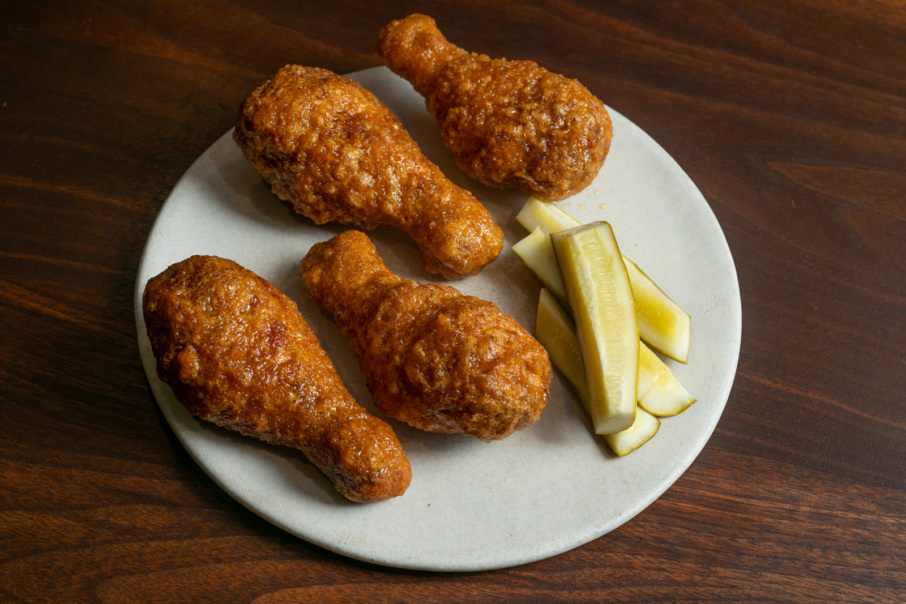
Momofuku Ko’s pioneering online reservations system, which debuted in 2008 — along with its nearly impossible-to-get reservations — were an early sign of what we now know as the status quo when it comes to restaurant reservations in New York: highly competitive. Momofuku Ko no doubt inspired other restaurant reservations platforms to spring up — Resy included, in 2014 — and to come up with features that would help diners snag a seat at the toughest spots in town, like Resy Notify, which debuted in 2015.
No. 2
Hype dining, especially hype bakeries, took a powerful hold on the city
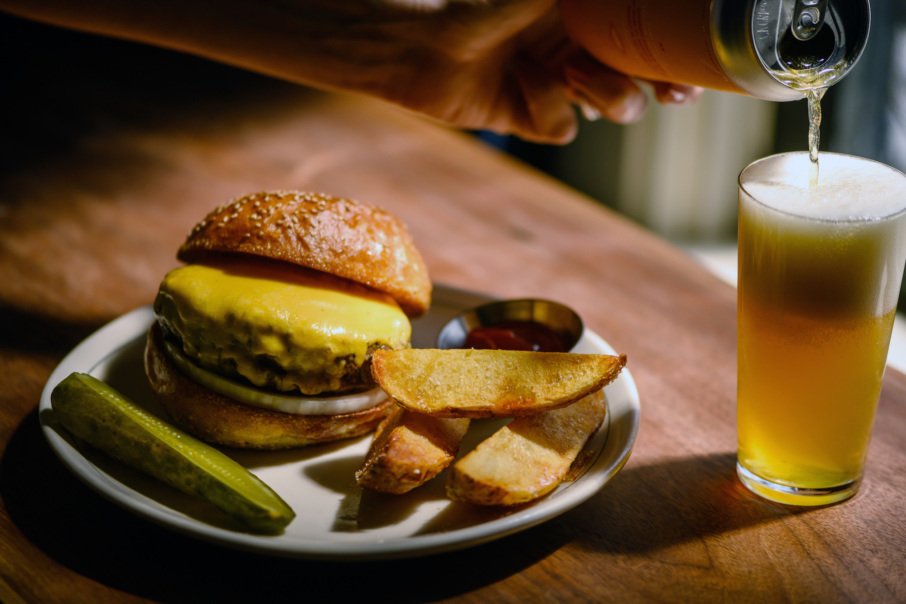
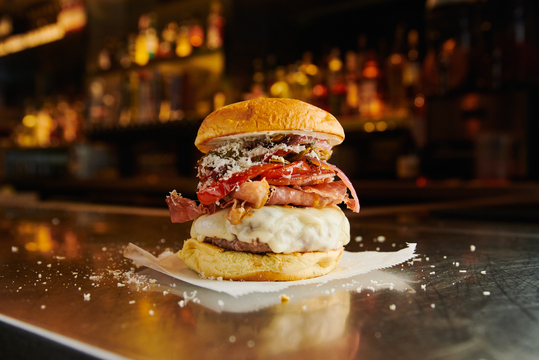
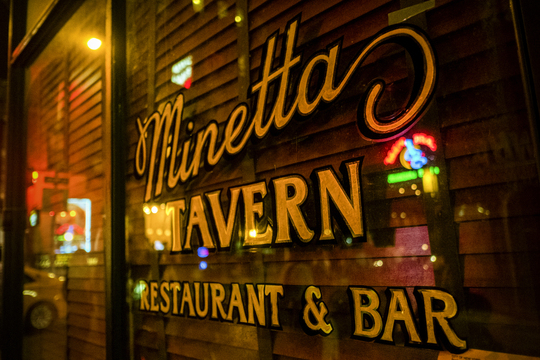
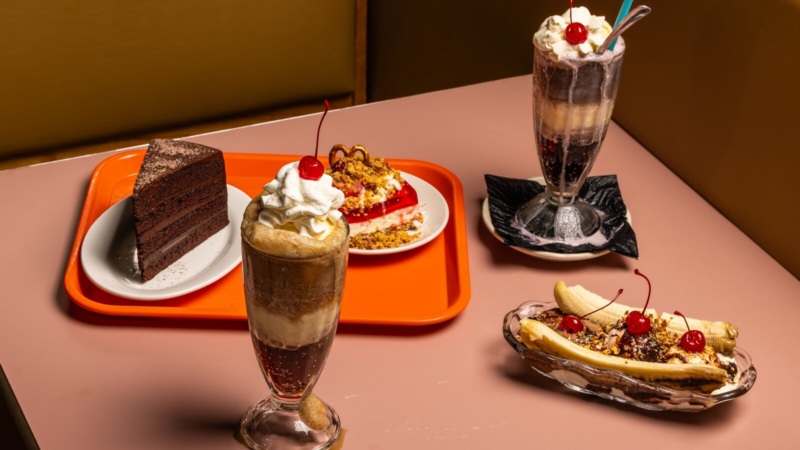
It technically began with Dominique Ansel’s Cronut in the spring of 2013, but in the decade since then, New York has seen wave after wave of highly covetable dishes that New Yorkers deem worthy of waiting for, and snagging a reservation for: Everything from all manner of laminated pastry, including the Suprêmes at Lafayette (2022); many kinds of bagels, from rainbow to pop-up; birria tacos (2019); Hawaiian-style poke (2016); over-the-top milkshakes from Black Tap (2016); and burgers (always), whether served in limited quantities à la Rolo’s or the O.G. Raoul’s, smashed like you’d find them at 7th Street or Hamburger America, or simply iconic, like the favorites over at Minetta Tavern and Red Hook Tavern. Spurred on by the popularity of social media platforms like Instagram and TikTok, these dining trends aren’t just insights into what New Yorkers want to eat — they’re also commentaries on what we’re willing to endure for that first bite.
No. 3
Pop-ups powered some of our most beloved restaurants
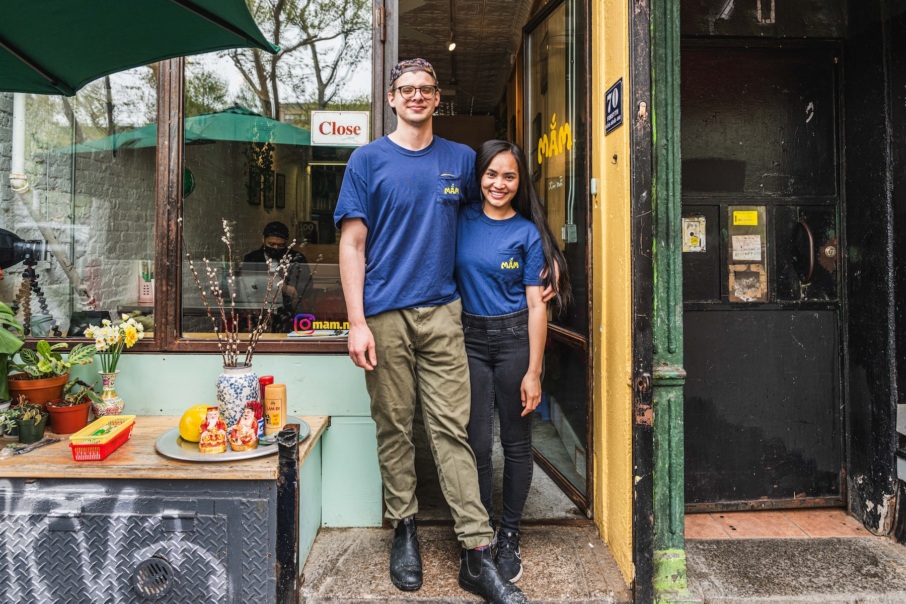
Both pre- and post-pandemic, pop-ups have continued to nurture and cultivate some of the city’s favorite restaurants, like Oxalis (now closed but with plans to reopen in the future) and Mission Chinese Food, which first got its start as a pop-up in San Francisco in 2009 and has returned as a pop-up in New York this year after closing its doors in 2022. The bonds we’ve formed with pop-ups that got their start during the pandemic, however, are especially strong — spots like British seafood specialist Dame, which has since expanded to the meatier Lord’s; Mắm, with its heartfelt take on Vietnamese cooking; and acclaimed chef Wylie Dufresne’s excellent Stretch Pizza, to name a few. And a number of brick-and-mortar restaurants operate as pop-up showcases — places like Fulgurances and Hana Makgeolli in Greenpoint, or Sommwhere Chef’s Table on the Lower East Side. In short: The pop-up remains a business model that keeps introducing (and reintroducing) us to some of the most talented chefs from all over.
No. 4
The dawn of the New York neobistro
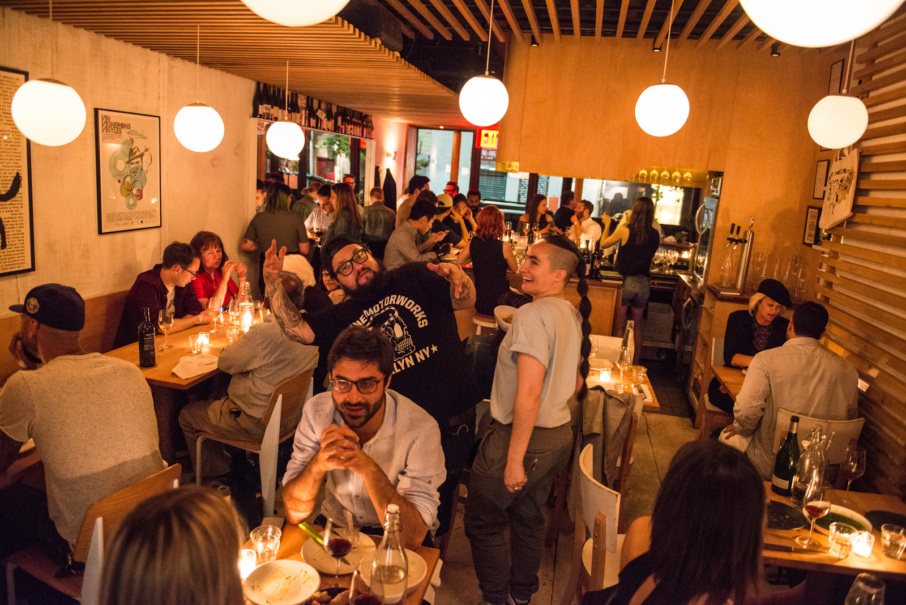
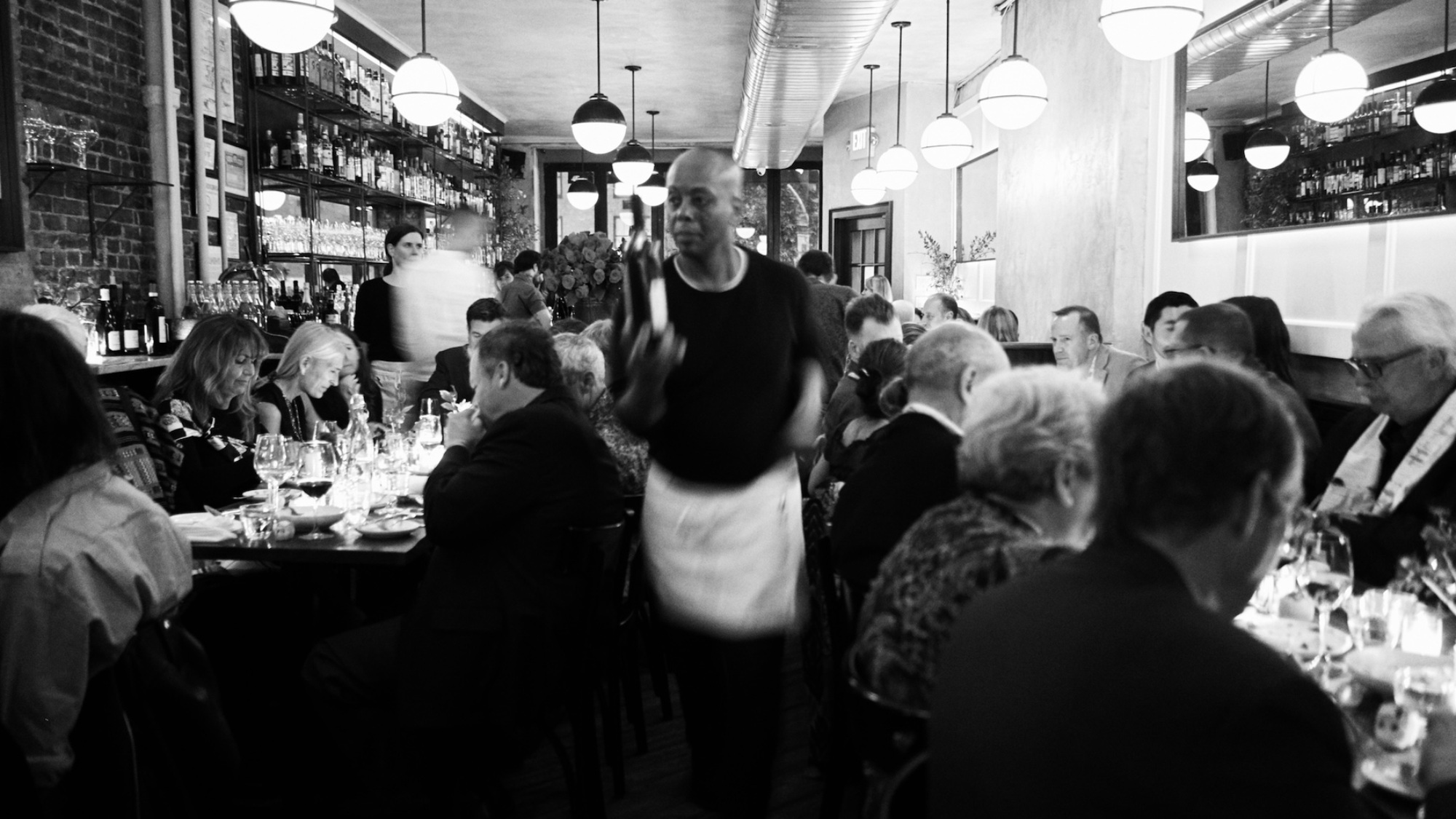
Inspired by French bistronomie and its longstanding love for all things French, New York evolved its own version of the French neobistro: effortlessly cool, rooted in local ingredients, chef- and technique-driven when it comes to the food, and always having some of the best, natural-minded wine lists in town. Standouts include, but are not limited to: Contra (2013), Estela (2013), The Four Horsemen (2015), June Wine Bar (2015), Wildair (2015), Frenchette (2018), Bar Bête (2019), Place des Fêtes (2022), and Libertine (2023), to name a few. And lest we forget to thank pioneering wine bar The Ten Bells, which opened in 2008 on the Lower East Side and expanded to Brooklyn in 2021 for spearheading the city’s natural wine proclivities. Nor should we go without mentioning the pioneering and French Canadian-leaning M. Wells, which got its start as a diner in 2011, then operated a dinette at MoMA PS1 in 2012, before opening as an unconventional steakhouse and bistro in Long Island City in 2013; sadly, it plans to close at the end of this year.
No. 5
Fine dining was shifted off its center
No. 6
And omakase became the new status dining
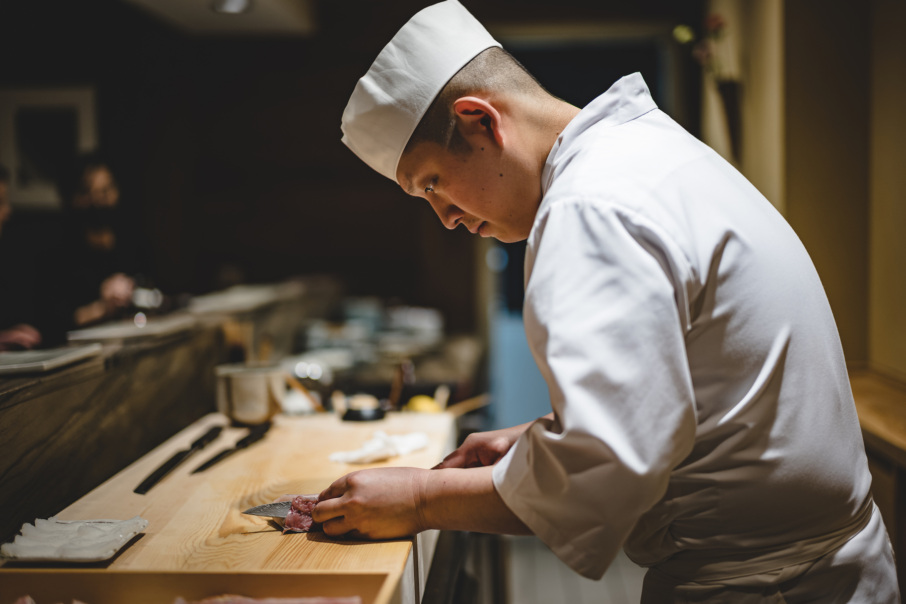
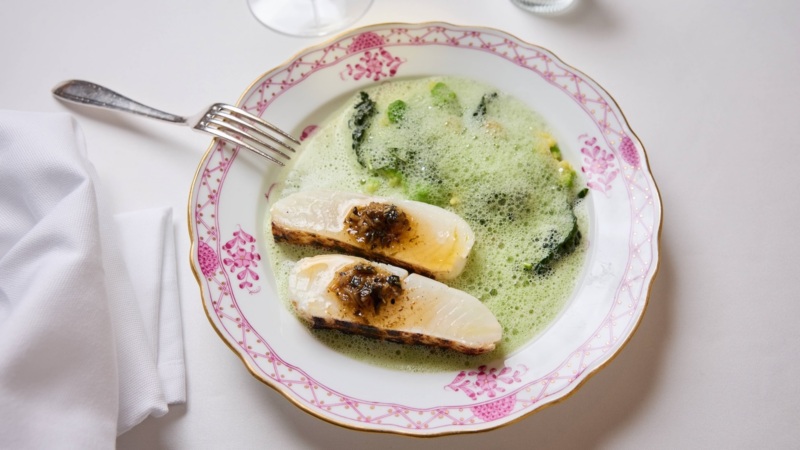
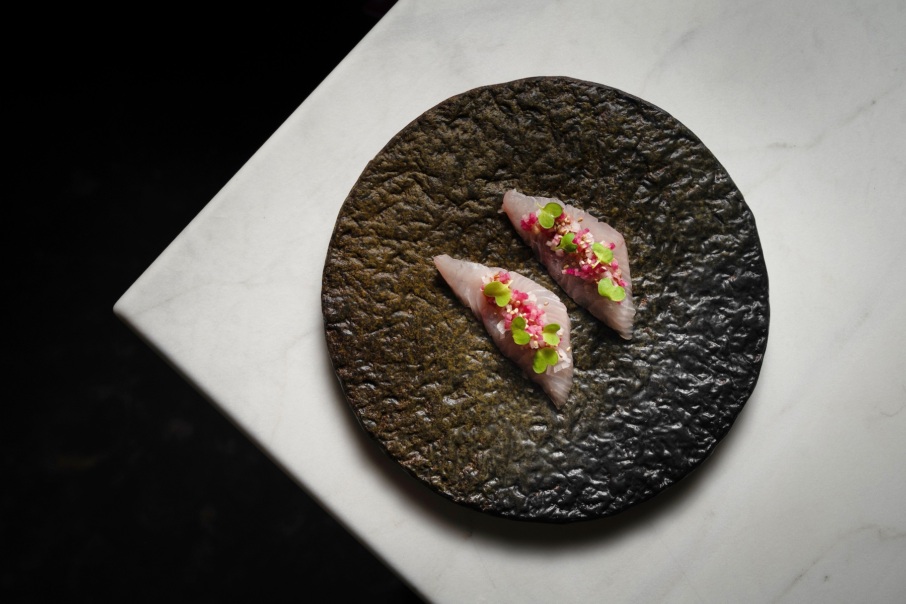
Fine dining in New York is also a bit more intimate these days, thanks to the popularity and prevalence of sushi omakase and kaiseki restaurants throughout the city. Omakase has become synonymous with fine dining not just in New York, but throughout the U.S., too. And while some people might scoff at sitting down for a three- or four-hour French-influenced tasting menu costing hundreds of dollars, those same folks might not bat an eye for a sushi omakase counter experience that costs much the same (or maybe even more) and might only last an hour or so. Although sushi counters have had a particularly longstanding history in New York, the arrival of Sushi Nakazawa, which opened in 2013 was an inflection point for this type of dining. Subsequent spots like Shion 69 Leonard Street (2017) and Jōji (2022), opened by three veterans of Masa, joined Nakazawa, and wherever venerable chefs like Eiji Ichimura and Chikara Sono land, New Yorkers are sure to follow.
No. 7
Third-culture cuisine blossomed, and continues to do so
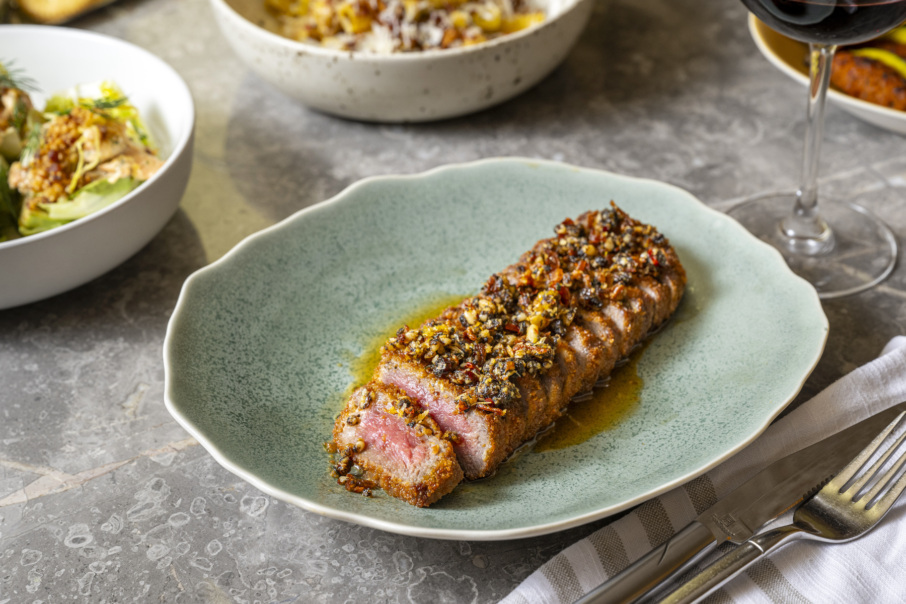
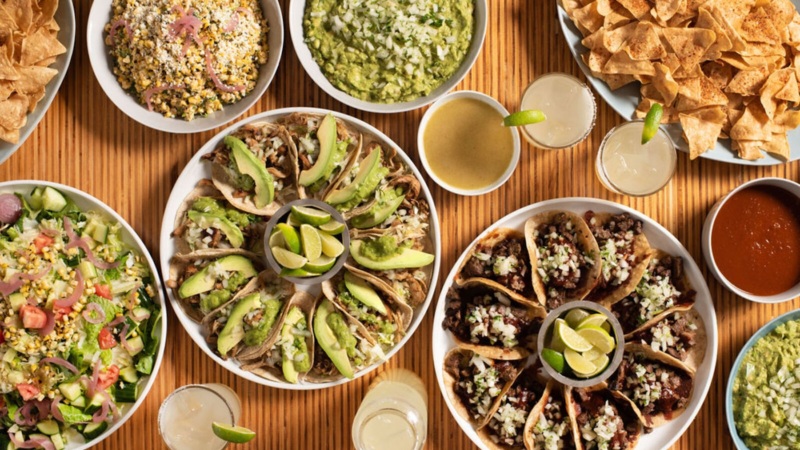
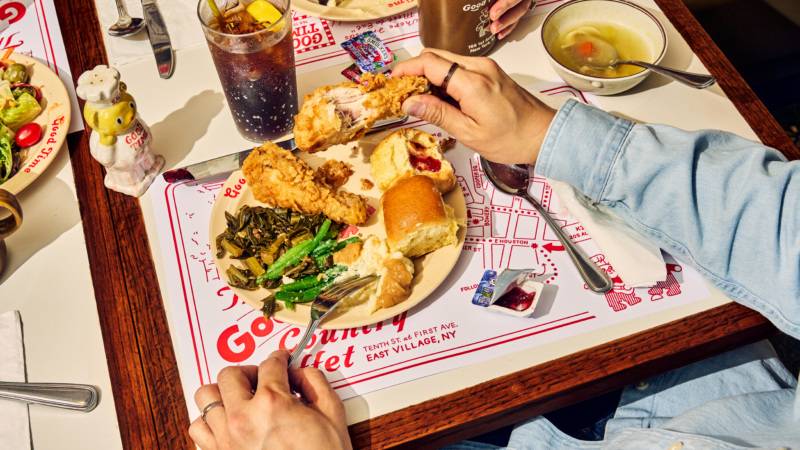
Tatiana is a perfect example of third-culture cooking, with a menu that draws on chef Kwame Onwuachi’s personal life and experiences spent throughout West Africa, the Caribbean, and his hometown of New York, with truly global and hometown influences (pastrami suya, anyone?). And it’s one of many restaurants that possesses a third-culture ethos when it comes to multiple influences and inspirations, whether you’re talking about the evolution of Italian American cuisine at Don Angie (2017) and San Sabino (2024); the exciting Vietnamese and Mexican fusion happening over at Falansai (2020); the Asian American perspective on diner food at Golden Diner (2019) and the specifically Thai lens over at Thai Diner (2020); the reimagining of Cantonese American food over at Bonnie’s (2021) and Potluck Club (2022); the deeply personal interpretations of breakfast ramen we’ve seen, first from chef Dale Talde at Park Slope’s Talde (opened in 2012 and closed in 2019) and now from Rasheeda Purdie over at Ramen by Ra (2023); or the inventive Asian cooking we saw from Mission Chinese Food and the short-lived Porcelain (2019) in Ridgewood. At each of these spots, chefs drew from their own personal experiences and cultures that are both their own (and maybe not) to create dishes we can’t get enough of: from Don Angie’s mochi fior di latte and Falansai’s banh xeo tacos to the cha siu BK rib sandwich from Bonnie’s and Jacky’s spicy Sprite noodles from Mission Chinese Food.
No. 8
Preservationist cuisine does, too
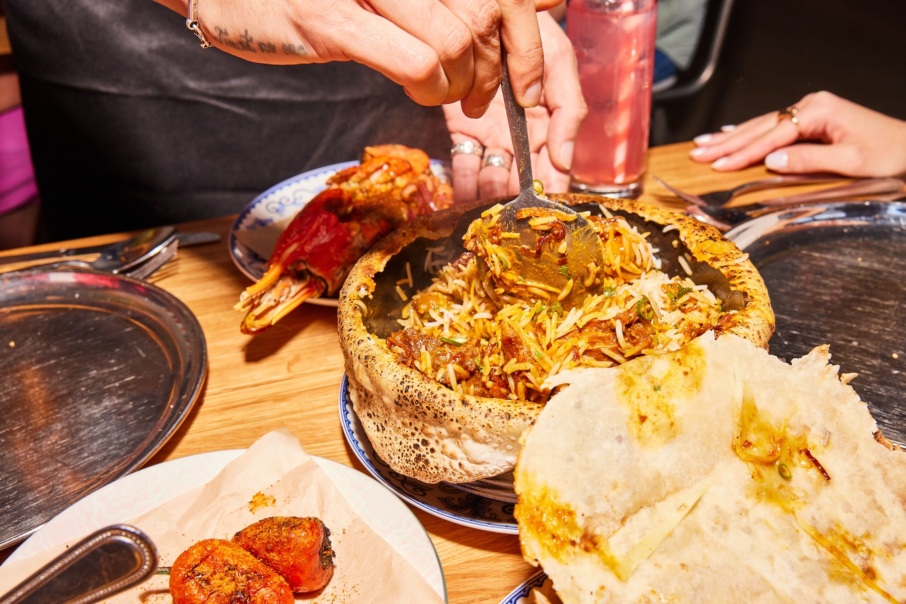
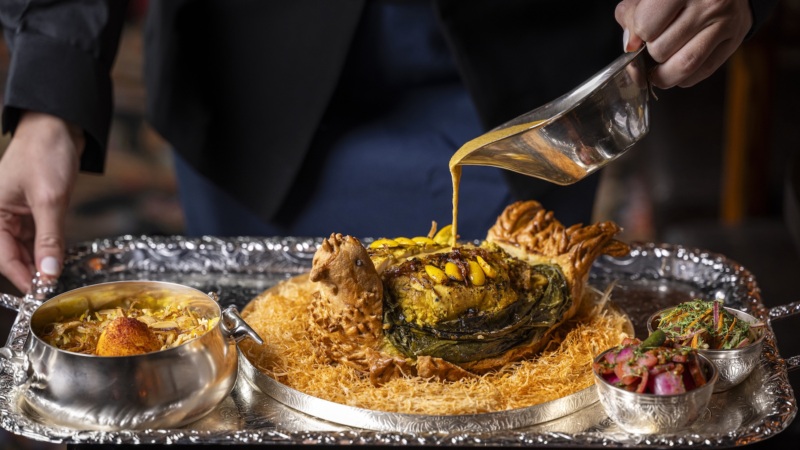
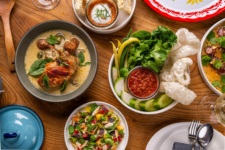
Just as there are restaurants and chefs who aren’t afraid to draw influences from a variety of different cuisines, there are those who seek to preserve their culture and traditions by not steering too far away from the original: the dishes they’ve grown up with, and the dishes people are beginning to forget. This isn’t to say that those who dabble in “fusion” are inauthentic or uninterested in preserving their culture. And those seeking to preserve their cuisines and cultural traditions aren’t lacking when it comes to innovation, or creating something entirely their own, too. There’s no better example of this than New York’s Unapologetic Foods group, which is behind the restaurants Adda Indian Canteen (2018), Dhamaka (2021), Semma (2021), Masalawala & Sons (2022), Rowdy Rooster (2022), and Naks (2023). Each of their restaurants, in their own ways, tells a story about a forgotten side of India (or the Philippines). Each dish they put out in their kitchens is bold and creative and drawn from longstanding traditions, presented in a way that connects with diners, no matter where they come from. Dishes like fiery gunpowder dosas and aromatic goat testicles to perfectly steamed bekhti (fish) and superbly balanced kinilaw. Collectively, they’re also challenging our perceptions of what constitutes “American food” in the process, and we’re the better — and fuller — for it, too.
Resy at 10
No. 9
The #MeToo Movement and the pandemic were major reckonings for the restaurant industry
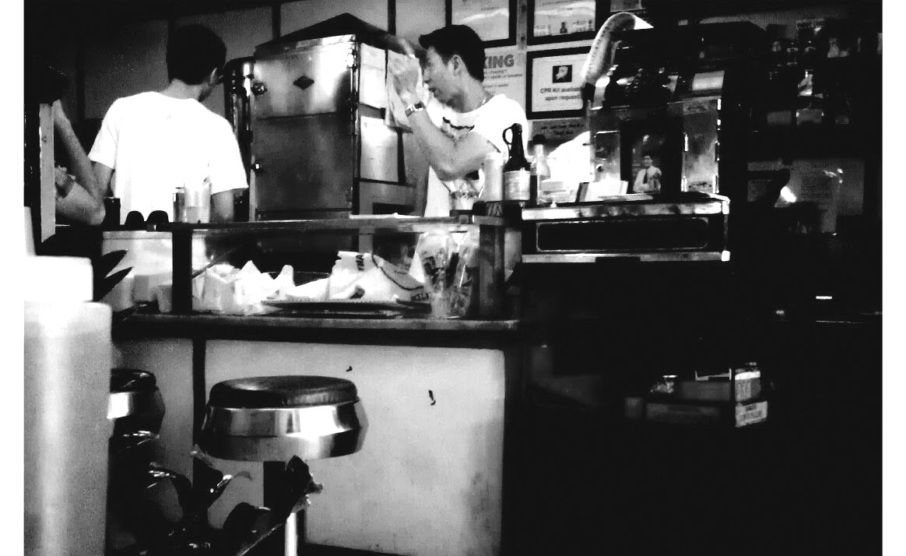
Seven years after the #MeToo movement took hold in 2017, exposing the predatory practices of restaurateurs and chefs like Ken Friedman (The Spotted Pig and The Breslin) and Mario Batali, it’s still unclear whether there have been sweeping, dramatic, and lasting changes within the restaurant industry: The restaurant industry, even in New York, remains male dominated when it comes to restaurant ownership and leadership positions. And problems of inequality remain. But what is clear is that the movement did help so many by exposing the truth of what it’s like for so many people in every workplace — restaurants included — and it showed the need for more worker protections against abuse and harassment. It started a revolution that continues to this day, in ways both big and small.
Similarly, the pandemic was a major reckoning that showed all of us just how fragile restaurants — our beloved third places and gathering spaces — truly are. We saw how broken the economic model for restaurants is as prices rose and doors shuttered. We also saw the power of restaurants and chefs coming together and rallying for their communities. We got more comfortable with outdoor dining and early reservations. We yearned for comfort foods and whatever stirred our collective nostalgia. In New York, we also started paying more attention to Black-owned restaurants, from icons like Sylvia’s to relative newcomers like Kokomo (2020), Radio Kwara (2023), Ras Plant Based (2020), and Sushi Oku (2023). And we remembered how important it is to support our local Chinatowns and their restaurants, especially, because we realized how invaluable they are to the city we call home, from classic spots like Nom Wah Tea Parlor and Hwa Yuan Szechuan to new additions like Potluck Club.
No. 10
Finally, the past decade has given us a glimpse of what we want to see more of in restaurants for the next 10 years
All that’s happened in the last decade, from the highs to the lows, has given us a glimpse into the restaurant future that we want: an industry that’s kinder, gentler, more sustainable, and one that celebrates a diversity of voices, cultures, and traditions on a more equal footing. And while we’re not quite yet there, we’re already seeing some stellar examples of that here in New York.
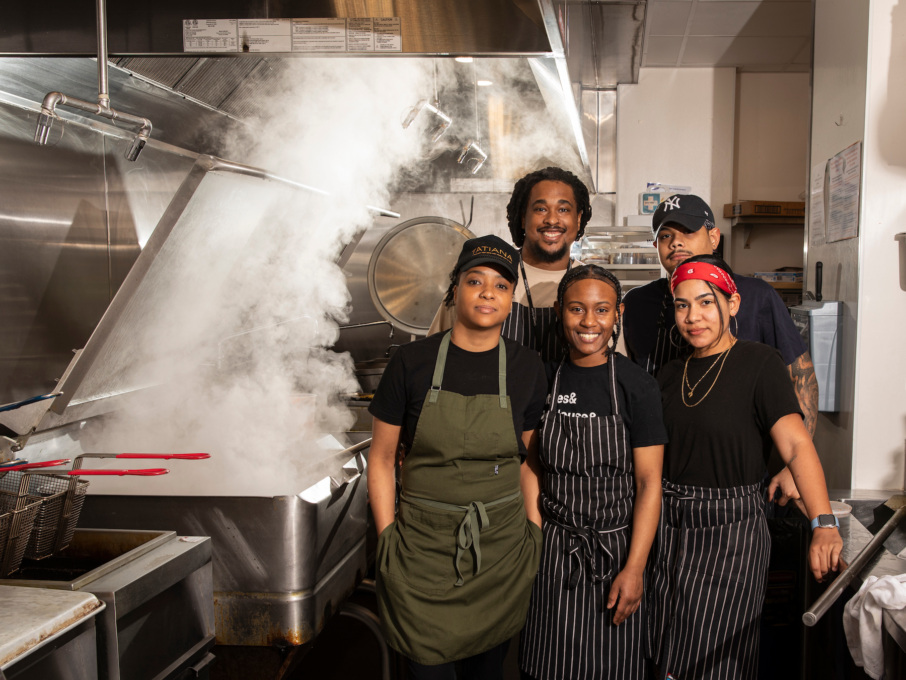
The bright future of restaurants shines in places like Tatiana, where a Black New Yorker from the Bronx who started his cooking career on an oil rig in Baton Rouge, La., now leads one of the most critically acclaimed restaurants in the entire country, located within the walls of one of the country’s most established cultural institutions, Lincoln Center, which long ago displaced the predominantly Black and Latino neighborhood of San Juan Hill. It’s a place where he and his team cook a deeply personal menu that is both global and hyperlocal at the same time. And it’s a place where his team is building a culture of inclusion that nurtures up-and-coming chefs.
You feel a similar optimism when you step into a restaurant like Mắm, the pandemic pop-up-turned-brick-and-mortar on the Lower East Side where Jerald and Nhung Dao Head serve Vietnamese food for Vietnamese people, cooking overlooked or underappreciated recipes, and drawing crowds of hungry diners in the process.
And you see it in a spot like Cafe Mado, where chef Nico Russell and his team made the decision to convert their successful, critically acclaimed Michelin-starred restaurant, Oxalis, into an all-day café that better meets the needs of the surrounding local community with more accessible and casual dining options, and also meets the needs of the staff by having earlier closing hours and just a single, all-day menu. “We just want to be really dedicated to our community and neighbors, to get to know them on a personal level, and to build relationships,” Russell told us last fall, prior to Cafe Mado’s opening this spring. And by all accounts, that already seems to be happening.
Deanna Ting is Resy’s New York & Philadelphia Editor and has called New York home since 2012. Follow her on Instagram and X. Follow Resy, too.