More From Atlanta


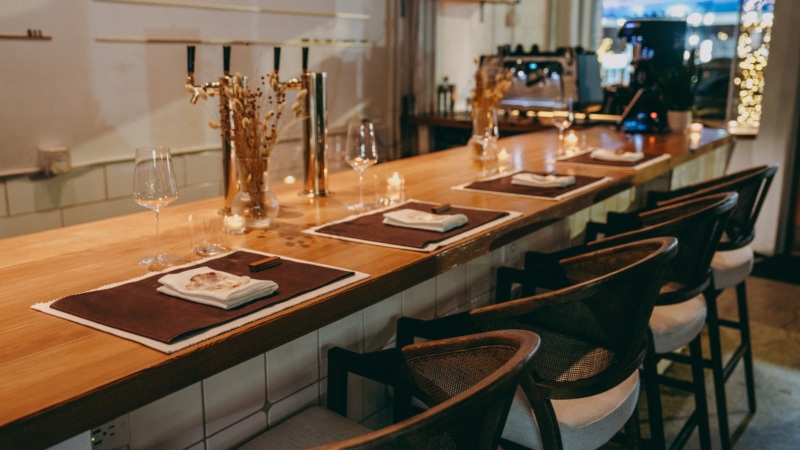
1. There are just four seats. Yes, four.
By day, it’s a coffee and butcher shop. By night, it’s an entirely different room.
“With only a handful of seats each night,” Moody explains, “you get the best of the ‘chef’s counter’ format, both in terms of meeting new dining companions as well as the intimacy of me, Rachael, and our team dropping every dish. Each dish has a story, and this intimate format really allows us to tell the story in a direct and meaningful way.”
That intimacy is at the heart of Kin. Guests are usually booked as two-tops, and at the counter they lean elbow-to-elbow with another pair of diners. Over the course of two and a half hours, strangers often end up swapping reactions, trading sips, and leaving as something closer to friends.
That contrast and shift from the workaday nature of their retail business to the ambition of their tasting menu is all still quite a thrill to the owners. “It’s so incredible to see the transformation,” Moody says. “We have regulars of Kinship who have been able to dine with us, and they really feel like it’s an entirely different space. The structure is the same, but the lighting and mood completely shifts.”
The playlist follows the same spirit. It’s upbeat, contemporary, and designed for enjoyment. As Moody puts it: “This isn’t meant to be a monastic practice after all. We want you to enjoy yourself.”
“Our diners also play a huge role in the feeling from night to night. Some nights we have boisterous seating and it feels like a party. Other nights we have diners who are a bit more subdued, and it feels like a meditative process.”
2. Kin by name, kin by nature.
Though billed as temporary, Kin isn’t meant to be fleeting. “This is definitely the foundation of something long-term,” Moody says. “Our ethos from Kinship carries through this pop-up and will continue to be the foundation of all of our projects. I would love to see this become a brick-and-mortar, but I’m not eager to rush anything. In my time in the industry, with the pandemic and other setbacks, I’ve learned nothing if not patience. Everything comes in due time.”
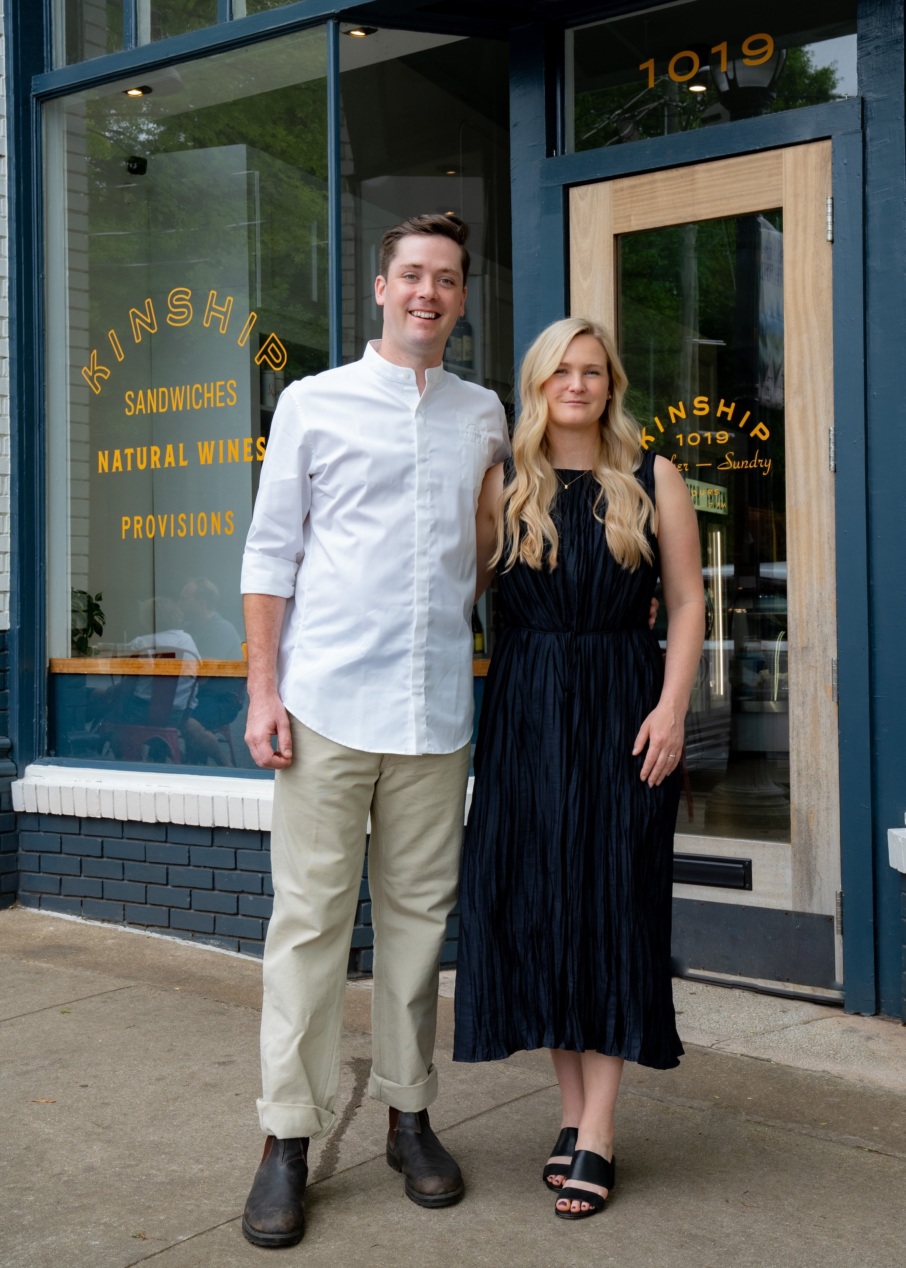
Kinship itself was built on family, and Kin continues the theme. As Moody shares, everything about it is a family-owned and operated business. “It’s the same with Kin,” he says. “Rachael leads service and the guest experience from the front and I create and execute the menu with our team in back. A husband-and-wife team certainly means family.”
This isn’t meant to be a monastic practice after all. We want you to enjoy yourself.— Myles Moody, Kin co-founder and chef
However, he’s quick to point out that the hands involved in the restaurant’s success go far beyond the pair. “I really can’t express how much the farmers and producers we work with day to day in Kinship and that we highlight on the menu have become an extended family as well,” he says.
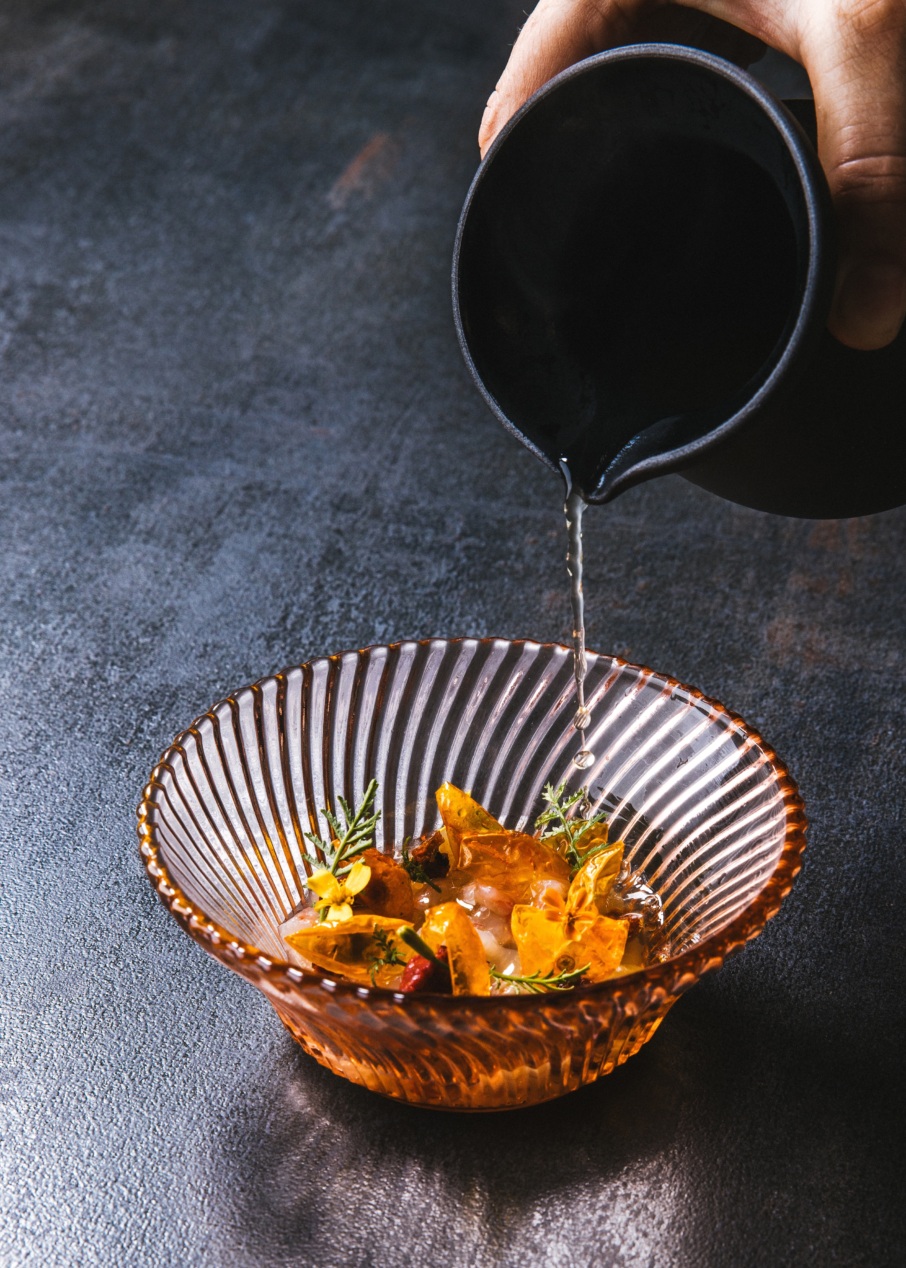
That sense of kinship extends into the objects on the table, too. Tableware comes courtesy of Moody’s father, a ceramicist, while Connan, his brother, provides coffee and has proved influential in providing inspiration for the drinks. Every meal begins with a welcome beverage; right now, it’s a cucumber and preserved anise hyssop soda — a direct result of Connan’s influence.
“I grew up with both of my parents in creative careers,” he says. “My mom is an architect, and my father is a ceramicist. I often think about how the craft of cooking and the art of hospitality are a reflection of my parents’ influence.”

3. After years in New York’s fine dining world, Kin is a homecoming of sorts.
Having built the foundations of his culinary career in Atlanta at the gone-but-not-forgotten Eugene and Holeman and Finch, Moody left for the bright lights of New York and its fine dining restaurants, holding positions at Blue Hill and Eleven Madison Park before landing at Aska, where he worked his way up to chef de cuisine.
And after years in New York’s fine-dining world, bringing that experience back to Atlanta has felt especially meaningful. “It’s incredibly fulfilling to be back in my hometown,” Moody says. “The culinary scene in general has grown so much since I left for New York, and daily I’m inspired by the hospitality community here in Atlanta.”
“In addition, the farming community has really come into its own, in a way that rivals any of the ‘best’ in the world,” he continues. “To have such access to incredible people, community, and ingredients is more than I ever could have imagined.”
Atlanta is certainly having a wine ‘moment’. [The city] is now being offered more global allocations of special bottles of wine usually reserved for larger markets.— Rachael Pack, Kin co-founder and front of house
Pack sees that growth reflected in wine, too. “Wine lovers, collectors, and curators are all very much well and active in Atlanta’s dining scene. However, Atlanta is certainly having a wine ‘moment’,” she says. “I’ve noticed an increased curiosity in the last five years. Plus, with all the excitement around the restaurant scene, Atlanta is now being offered more global allocations of special bottles of wine that are usually reserved for larger markets such as New York or San Francisco.”
That curiosity has allowed her to push boundaries, like offering Slovenian and Croatian wine during a recent summer wine series. While this may not have been the case in Atlanta five or so years ago, she now sees a lot of interest from drinkers open to trying unique wines.
“An example from our pairing menu: an oxidative, skin-contact palomino aged in Sherry casks from Spanish winemaker Raúl Moreno… It’s a wild wine and deeply interesting,” Pack says. “It is decidedly well-made and sound, but it happens to be very unconventional in flavor — leather, nuts, warm spices, burnt orange peel. My guests are trusting and excited to try something they usually wouldn’t pick up.”
4. Each dish offers a snapshot of Georgia’s microseasons.
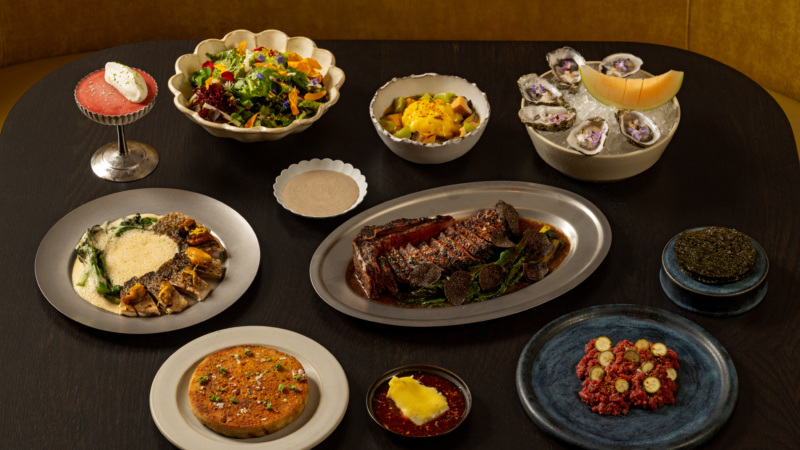
The restaurant’s menus evolve week to week, even nightly, in step with the Georgia’s microseasons. “We try to keep the format of the menu somewhat the same so as to be able to deliver an exceptional experience,” Moody says.
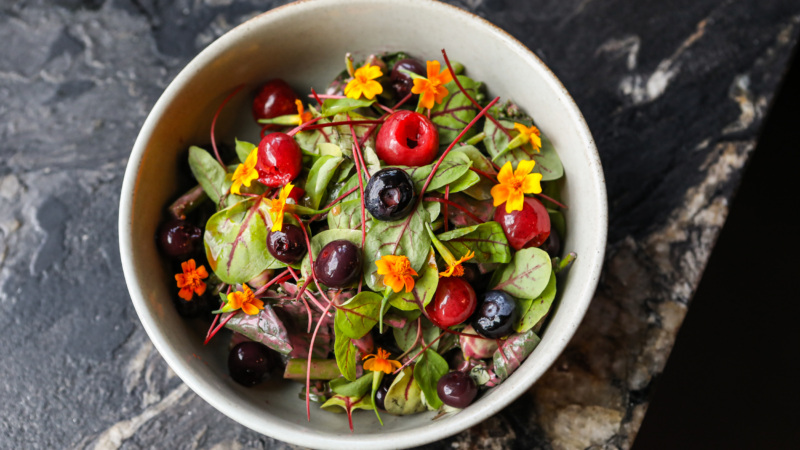
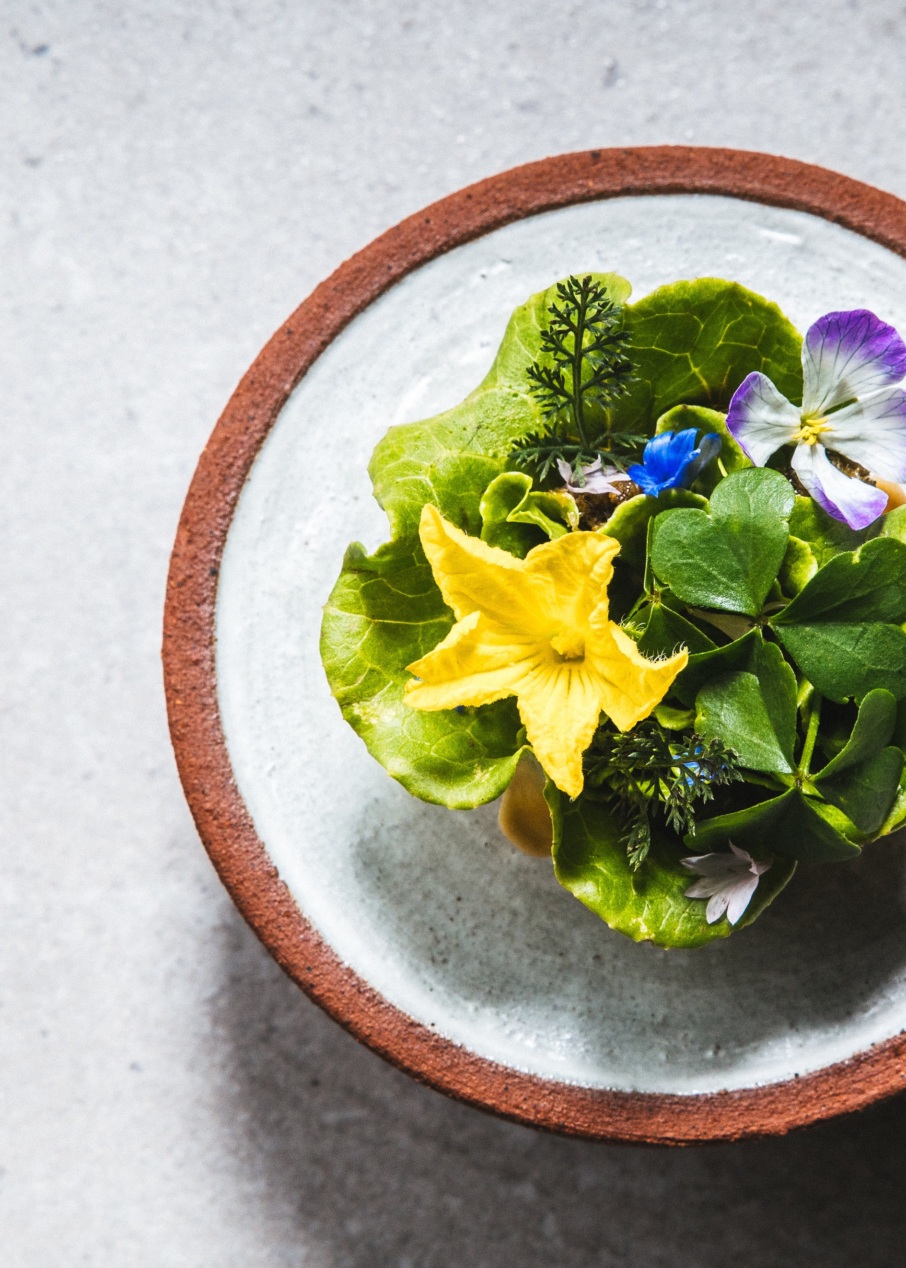
One night, diners might enjoy quail with summer corn and grilled cream. Another evening brings Kinship’s dry-aged beef alongside fairytale eggplant and preserved roselle. Soon, the welcome drink will give way to a fall-appropriate toasted sorghum tea seasoned with chanterelle butter.
Every plate connects back to the people that have guided Pack and Moody’s journey — namely, the farmers and producers that have made it all possible. “So much of what we do every day at Kinship is to tell the story of all of the amazing producers we have locally and throughout the South,” Moody says. “I hope that our guests leave with a broader understanding of the story, ethos and integrity of all of the producers that make our community.”
Allison Ramirez is a bicoastal, Atlanta-based (for now) freelance journalist. She has over a decade of experience writing for publications like Travel + Leisure, the Daily Beast, Liquor, Thrillist, and others. Her recent work spans art, architecture, travel, and food & beverage stories, focusing on diversity within those spaces in the South and beyond. Follow her on Instagram here. Follow Resy, too.