MORE FROM RESY


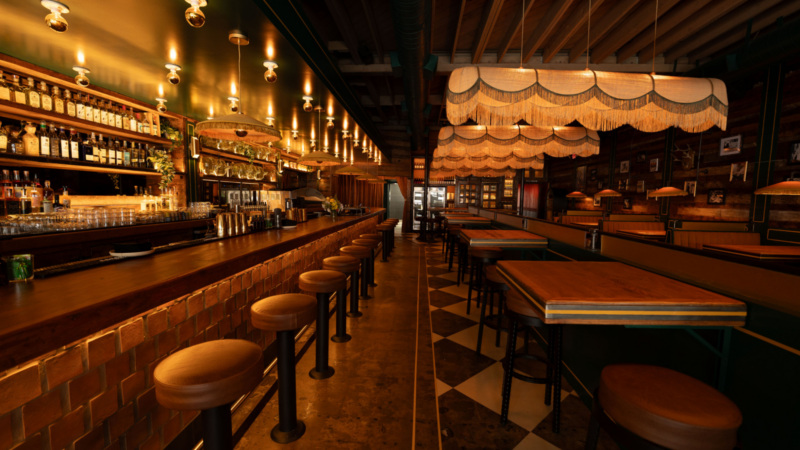
You grew up in wine country—in Napa.
Yeah. But neither of my parents were in the liquor industry. Actually, my dad never touched a drink.
Then how did you end up becoming a preeminent expert on mezcal?
When my band was touring, there’s something called a radius clause. Basically, you can’t play within 50 miles of a show within 30 days, or else you don’t get paid. We started double dipping—we would play in, like, El Paso, and then we’d drive down to Juarez, [Mexico] because it was a different country, but it was still very close in proximity. That’s how I got exposed to mezcal at a very young age, and I loved it.
For me, it’s always been a metaphor for metal music, which was the most technically proficient, fantastic thing in the world. People misunderstood it, but it was big and aggressive. And people would try it and be like, how do you like this stuff? Metal very much paralleled mezcal, because I would try to get people to try it, and they’d be like, what is this? And I would tell them, no, it’s amazing.
When did you start integrating mezcal at your bars?
Honestly, it was more of a hobby in 2007 or 2008. I just would bring it in. I was at Rock Sugar, and I remember very clearly bringing back a bottle and tasting it with the bartenders, and them being like, what is this? To put this in perspective, 2015 was when Vida mezcal became a thing. That was the first mezcal for mixing.
And you were at Gracias Madre in West Hollywood by then?
Yeah. It just started slowly building, and I started getting really selective about who I was working with, and really understanding sourcing. I remember going down to Oaxaca for the first time, and realizing the impact of the decisions I was making as the beverage director of Gracias Madre trickling down to these families.
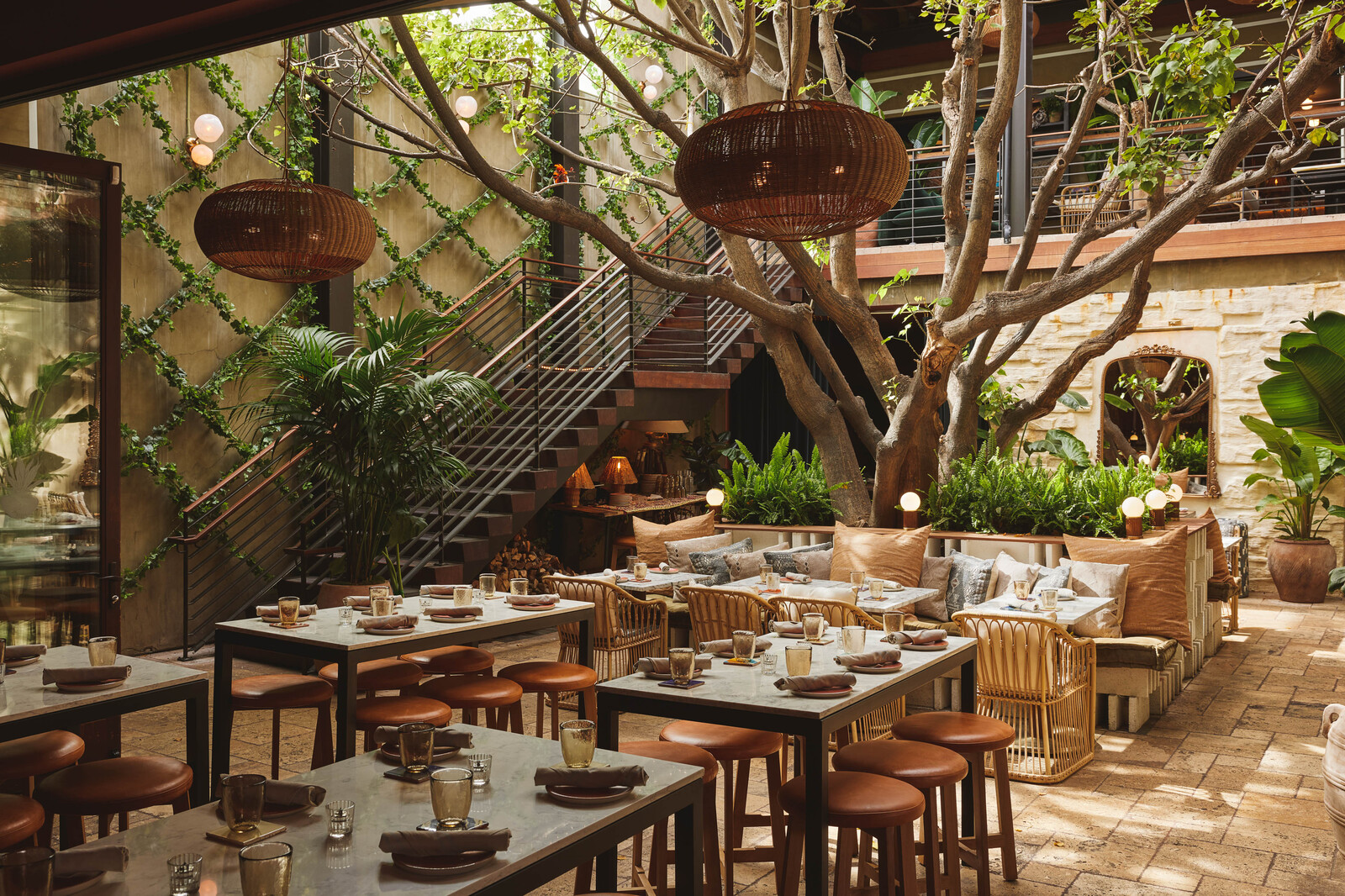
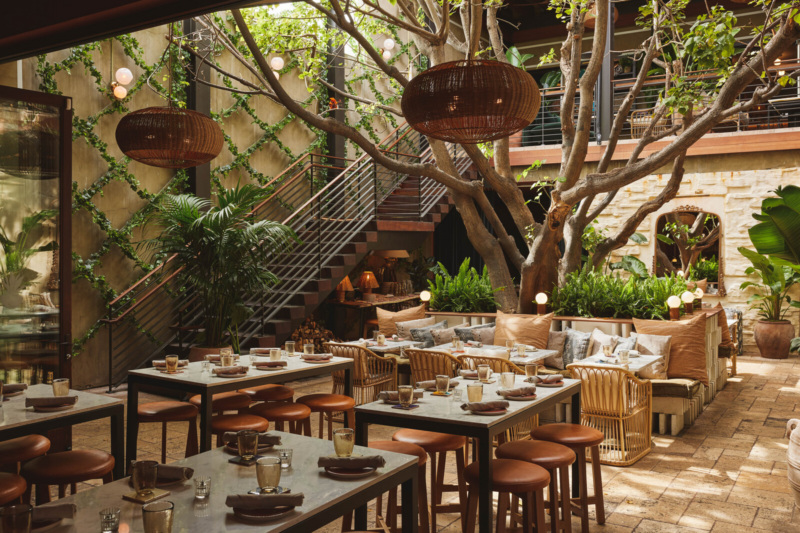
How did that realization translate back to the bar program you were running?
Around my three-year mark [at Gracias Madre], I took out all the agave spirits I didn’t like. I removed all the tequilas with additives that were celebrity owned, and that was big because it was in West Hollywood.
What ended up happening with mezcal is it’s way cheaper to make mezcal smoky—especially if you’re blending it from 20 different producers. Having smokiness be this defining factor is big. It became the note that people were associating with it—tequila’s smoky cousin. But, eventually, these brands trained the market to think that mezcal was [always] supposed to be smoky.
Wait, so the smokiness is an additive?
Well, no. But it’s not the defining characteristic of mezcal. In these family farms in Oaxaca, they’re creating a fire to heat up rocks to then steam the agave from the inside. You’re heating the water molecules inside the agave. You’re not smoking it, you are roasting it because you’re trying to cook it.
Fascinating. Beyond better sourcing, I know educating your guests is very much a focus of yours.
My whole goal at Gracias Madre was to educate [people] to step outside their comfort zone and start drinking good tequila and good mezcal. I redid the menu at the bar and I made it into this 18-page, fully illustrated guide through what mezcal was and how to make it. And everything you would read that was informational had a corresponding flight next to it, so you could engage with it and taste the side-by-side. So, it was very, very focused on education. And that ended up blowing up my career.
And leading you ultimately to open Mirate, where you continued the ethos of fine curation and education.
I was actually going to leave the Mexican spirit space when I left Gracias Madre in 2022. I was finding myself sitting at the table with all these important Mexican mezcal people, and they’d be complaining about white people in the space. And it would always be like, “but not you Max, you’re good.” The crosshairs were getting smaller and smaller. I thought it was time for me to pass the torch.
I was wanting to open my own spot, then I got approached by chef Josh [Gil] and restaurateur Matt [Egan] from Mirame, and they were like, we want you. And I resisted, but they said, no, we want you. And having a famous Mexican chef be like, “I want you to do it” basically was a sign for me. So, I agreed to come on at Mirate for four or six months, then go open my own thing. And they were like, well, hopefully by that time we’ll have a rapport. Maybe we can open it together.
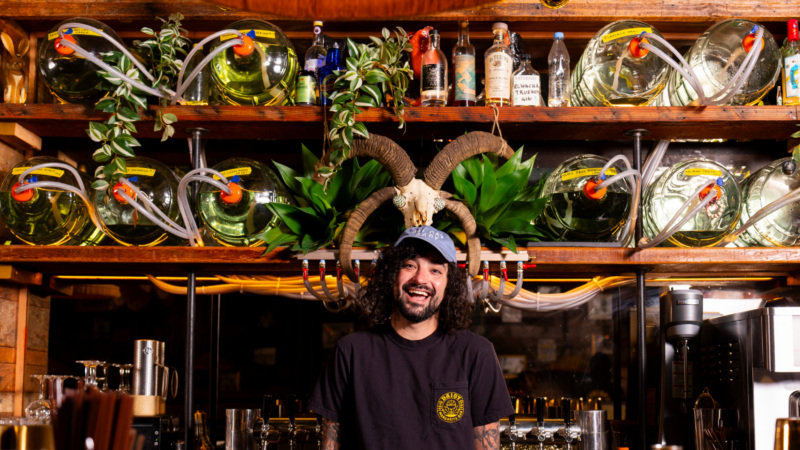
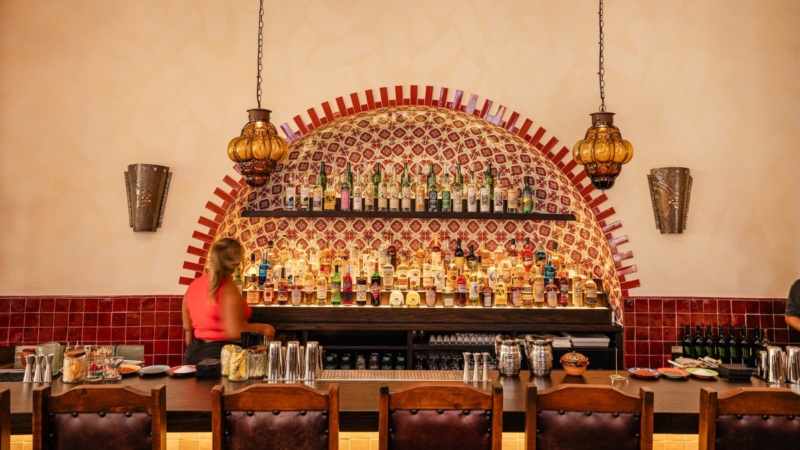
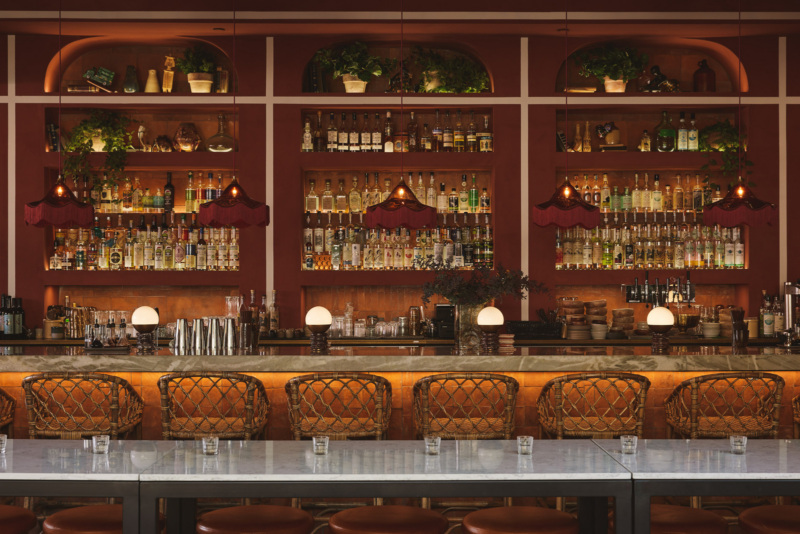
But once we opened, we got a ton of acclaim out the gate. It just exploded, because everybody used to have to travel for my cocktails. All of a sudden, it was right here on the East side. And the back bar at Mirate is my baby. I was doing everything I had always wanted. I started doing private batch wells from small family farms in Mexico, and sourcing labels that only exist [at Mirate] and nowhere else. I was highlighting ethical and sustainable practices, and introducing people to it.
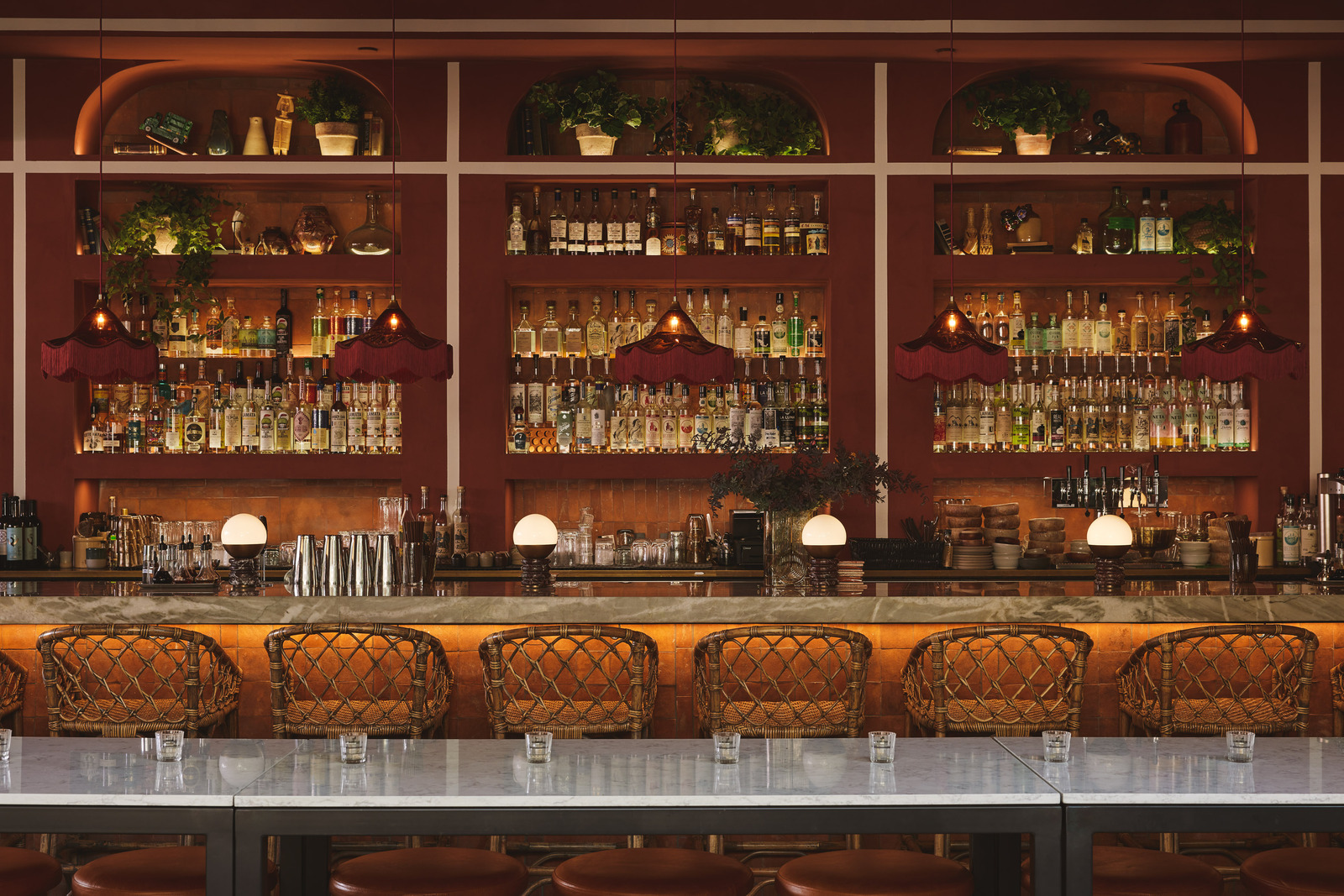
So that success ushered in Daisy?
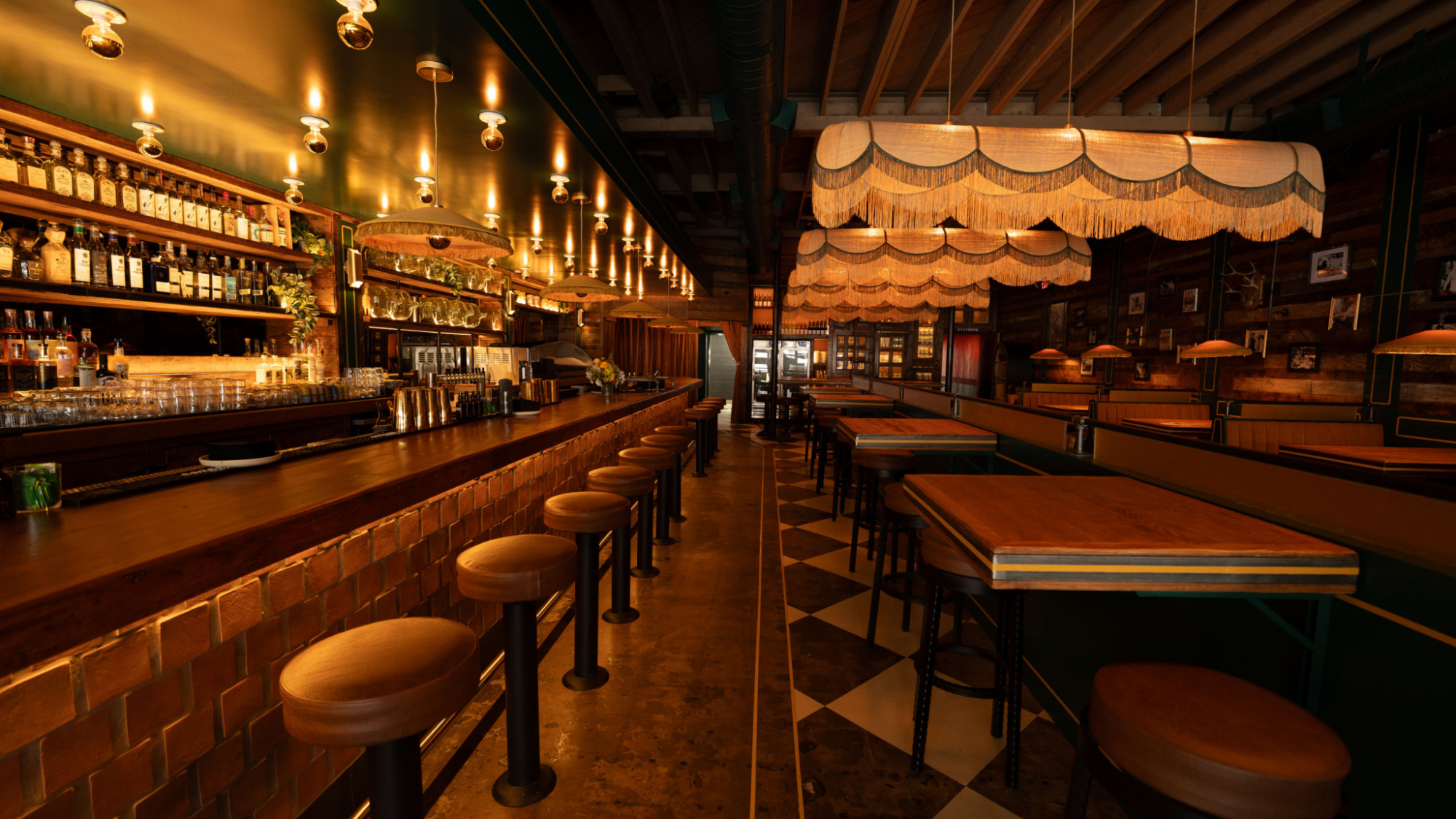
Yeah, Matt found this space [in Sherman Oaks], and when I walked in, I saw this wood everywhere and all these exposed beams and brick and everything. And they asked me, what do you want to do with it? And I said I want to open a flavored margarita bar. I always joked at Gracias Madre that I was making these insane cocktails, and people would walk in, not look at the menu, and be like, I want a watermelon margarita. Which…[shakes head]. So, when I opened here, I was like, you know what? I’m gonna take it back. I’m gonna make all these crazy cocktails, but I’m gonna call them flavored margaritas.
Are there mezcals like at Mirate?
I wanted Daisy to be tequila-focused, but really truncated. The mezcal program at Mirate is so involved that it’s a full-time job educating the team on what’s on the back bar and curating it. It’s one of the craziest spirit programs—Tales of the Cocktail gave us Top Five Spirit Programs in the World. You know, half those bottles you can’t get anywhere else. So, basically, my idea here was: the only mezcals we’re going to offer are private batches from me.
What do you wish more mezcal drinkers knew?
Basically anybody that comes in here that says ‘I don’t like mezcal’, I always ask them why, but I already know the answer. The answer with tequila is ‘I got too drunk and I got sick in college.’ And the answer with mezcal is ‘it’s smoky.’ Always. So, I’m just constantly using hospitality to control a preconceived notion about it and educate them otherwise. We want people to come in here and gain a perspective and awareness on alcohol, because alcohol is such a culturally important thing to so many places.
What’s next for you?
A Mexican rum bar, called Gilbert Perez, which I’m really excited about. That actually came about, hilariously enough, because they asked what I want to do with the upstairs space [above Daisy]. At that time, I had been scolded because I was buying too many private barrels of rum. They were like, Max, you gotta stop buying rum. What the f are you doing? So when they asked what I wanted to do with the upstairs I was like, a Mexican rum bar! It came out of bad business practices by me, yes, but I feel like whatever your hobby is that you’re leaning into translates to others because you care about it so deeply. The quality is so important to us, and we’re hoping to turn that into something successful. But yes, we’re trying to champion Mexican rum up there, which is something most people don’t know about.
Note: Gilbert Perez Bar is scheduled to open later this month.