1. Will you see hemp on the menu? Sure, but it’s not going to make you high.
While not a cornerstone to the menu, you may see hemp and other cannabis-related ingredients sprinkled around Gusto Green dishes. Why? Because hemp is a highly regenerative plant, which goes along with the general better-food-for-a-better-planet ethos. It’s also rich in potassium, omega-3s, and has widely accepted health benefits. And that’s directly in line with Zuccarini’s philosophy on food.
“We’re looking at CBD and maybe eventually THC from a health perspective,” she adds. “Maybe one day we can infuse those into dishes and drinks, but we’re so far away from that right now. We see it as a plant like all the other plants we use and would like to use, like mushrooms, cordyceps, and a variety of botanicals. Simply for the health and wellness benefits.”
It does bring forth a lot of questions from guests, however. Like, what’s the difference between hemp and marijuana, and why can I eat this? In broad strokes, the answer lies in tetrahydrocannabinol, or THC, the cannabinoid that gets you high. Hemp and marijuana are both varieties of cannabis, but legally speaking, hemp has 0.3% or less THC content by dry weight. It’s what’s grown for agricultural products, while marijuana is grown for its psychoactive attributes.
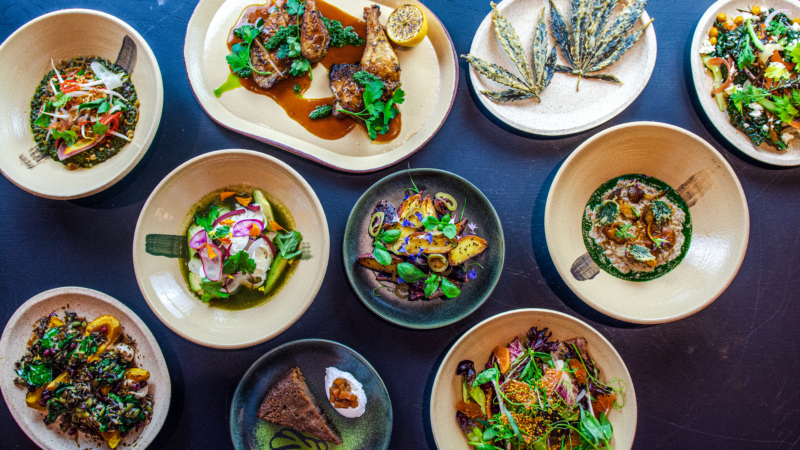
Some hemp is grown for CBD, others for fiber. There’s going to be a lot more research going into using it as a food source in the future. Who knows, maybe one day it will be as popular as kale. Here you’re more likely to see hemp heart za’atar, hemp seeds, and other byproducts of the plant in everything from salads to crudo and more.
2. It’s not just plants — there’s something for everyone on the menu.
As for the rest of the menu: It’s like a tour through California farms and waters with jaunts around the world, from Southeast Asia to Italy and the Middle East. Zuccarini emphasizes that dishes might lean vegetarian and vegan, but there are seafood and meat offerings as well, all with a healthful slant.
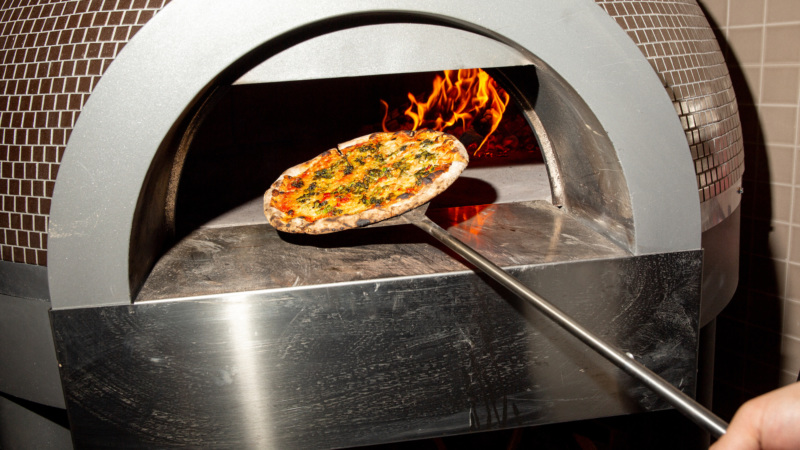
“We have a selection of pizzas using fermented sourdough for the dough, and fermentation is great for gut health. It’s like a healthy version of pizza,” she says. “We really try to put plants first, especially greens. We have sprouted beluga lentils with spinach and coconut milk, which can come with a sourdough pita. Even a simple market salad is a tower of the freshest organic greens from local farms.”
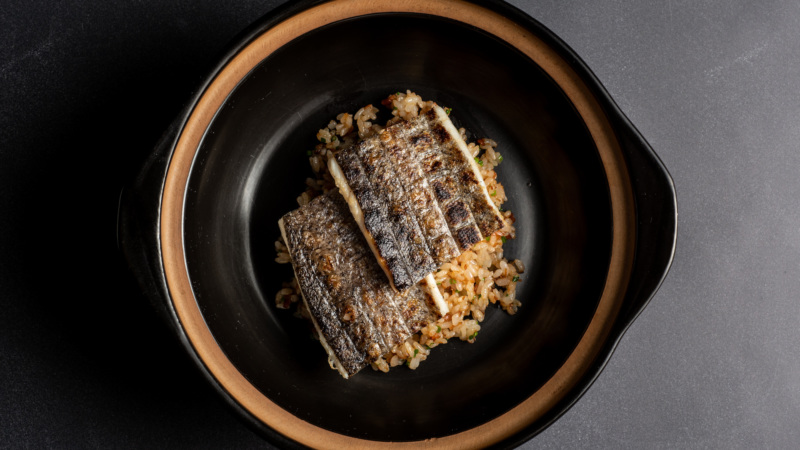
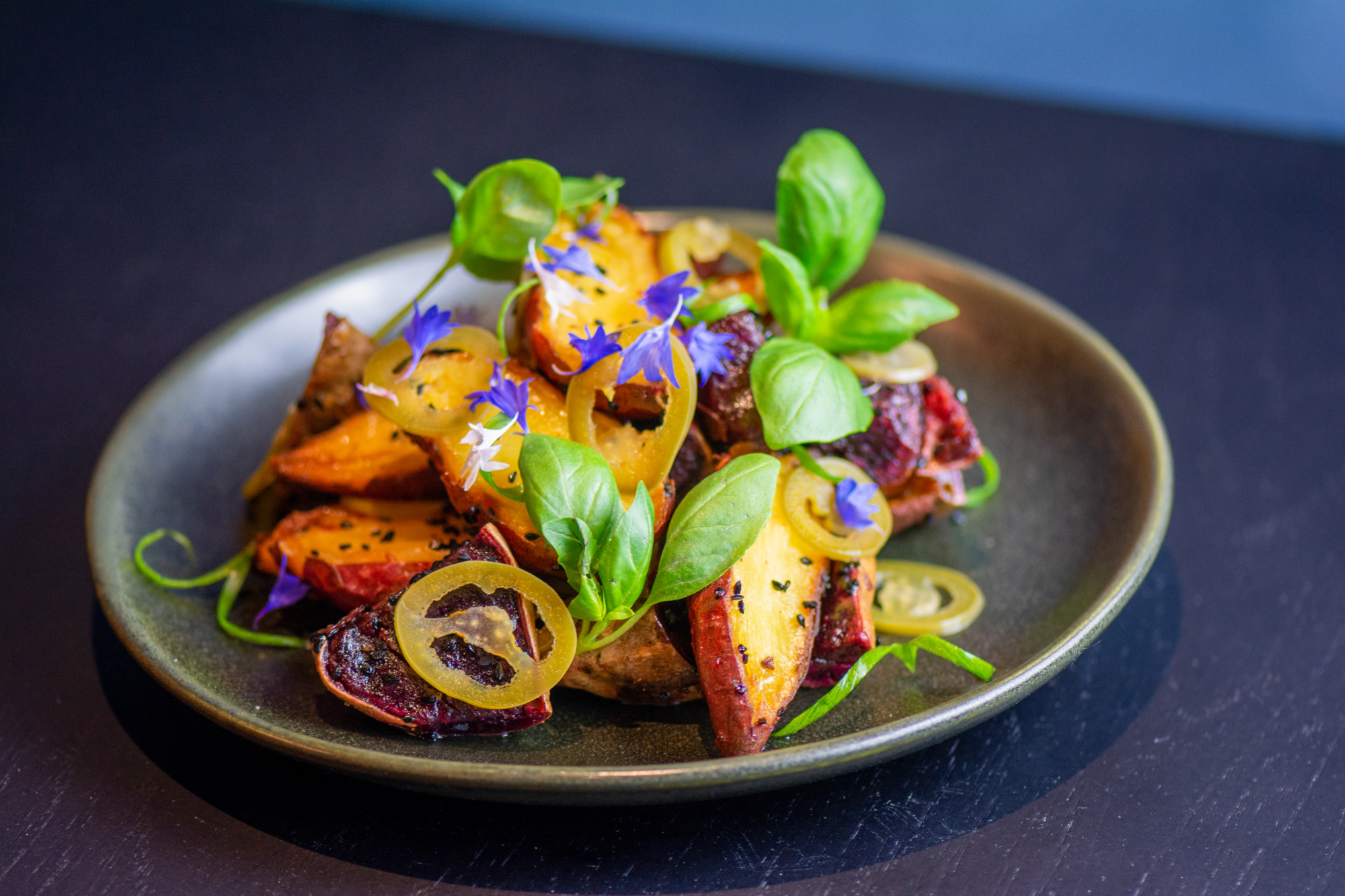
Proteins are are all paired with an abundance of vegetables, like the grass-fed skirt steak with smoked paprika and jalapeno chimichurri, or branzino with cracked olive and fennel hearts. There’s also a roasted half-chicken with chermoula and charred lemon.
The deep-fried hemp leaf that was a big hit when the restaurant opened is not available at the moment, but it, or something like it, will make a comeback at some point. But you will find hemp za’atar served with pita and olive oil, and also with salmon crudo and squid ink.
3. What’s a terpene and why is it in this cocktail?
If the hemp vs. marijuana conversation is confusing, just wait until terpenes enter the chat. Often associated with cannabis because of their high concentration in that green, terpenes are actually found in most plants. They’re the aromatic compounds that give scents to things like pine, lavender, and fresh orange peel.
At Gusto Green, terpenes are used almost like essential oils, lending aroma to cocktails made both with and without alcohol. There’s a serious focus on zero-proof cocktails, which are made with non-alcoholic spirits, housemade shrubs, and fresh juices. Don’t let the names like Grapefruit Kush and Pineapple Express fool you. While named for cannabis strains, there is no THC; these cocktails won’t get you high.
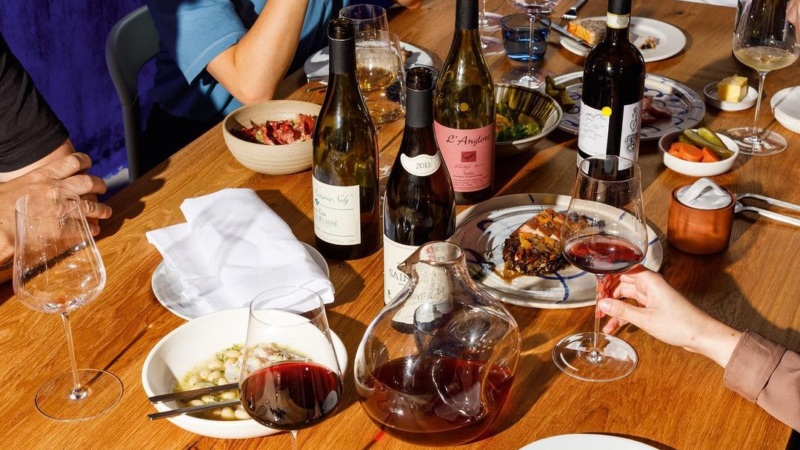
For the boozier cocktails, turn to the Day Trip, made with gin, Granny Smith apple, carrot shrub, and ginger, or Tasteful Nudes, with blanco Tequila, sage, and hibiscus, which almost tastes like a spa day. There are also a handful of wines and beers by the glass and bottle.
4. Yes, the room feels like a greenhouse.
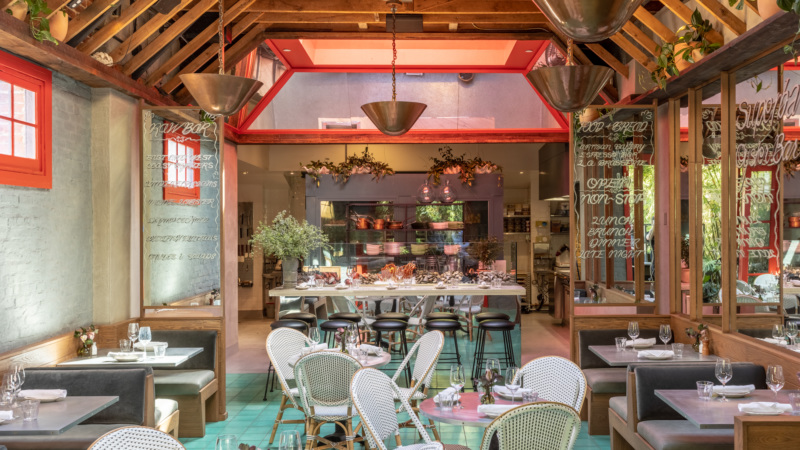
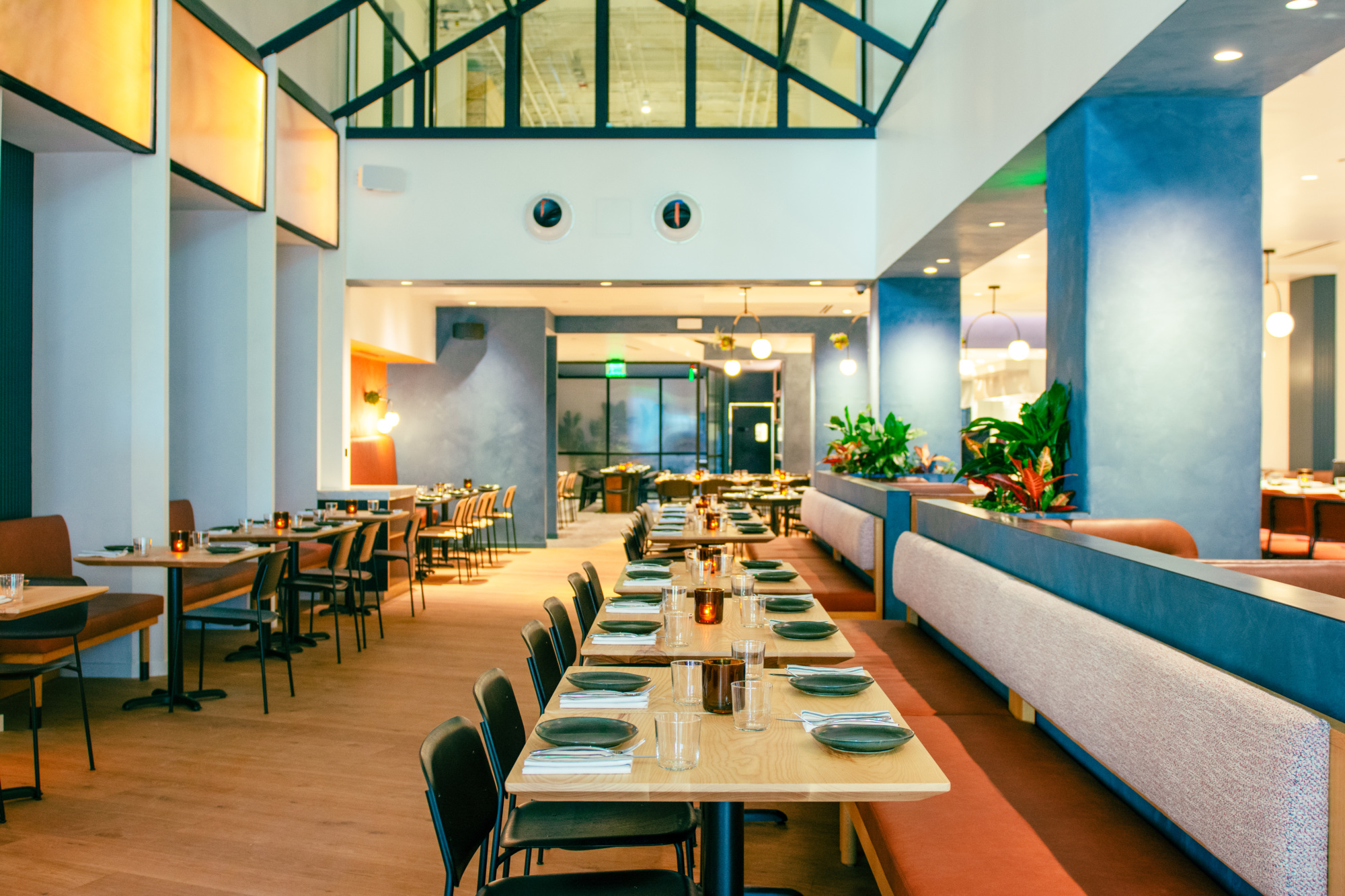
The space is filled with natural hues and textures, from limestone-like walls to a greenhouse-esque structure stretched above the high-ceilinged room. Lush greenery hangs throughout to drive home the plant-based theme.
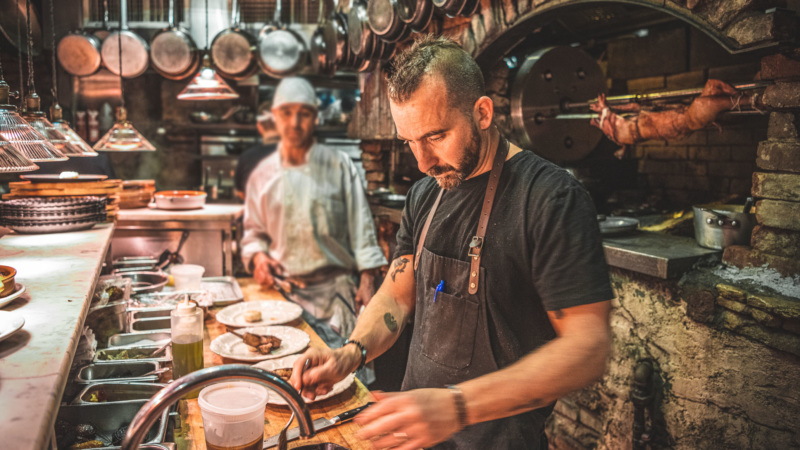
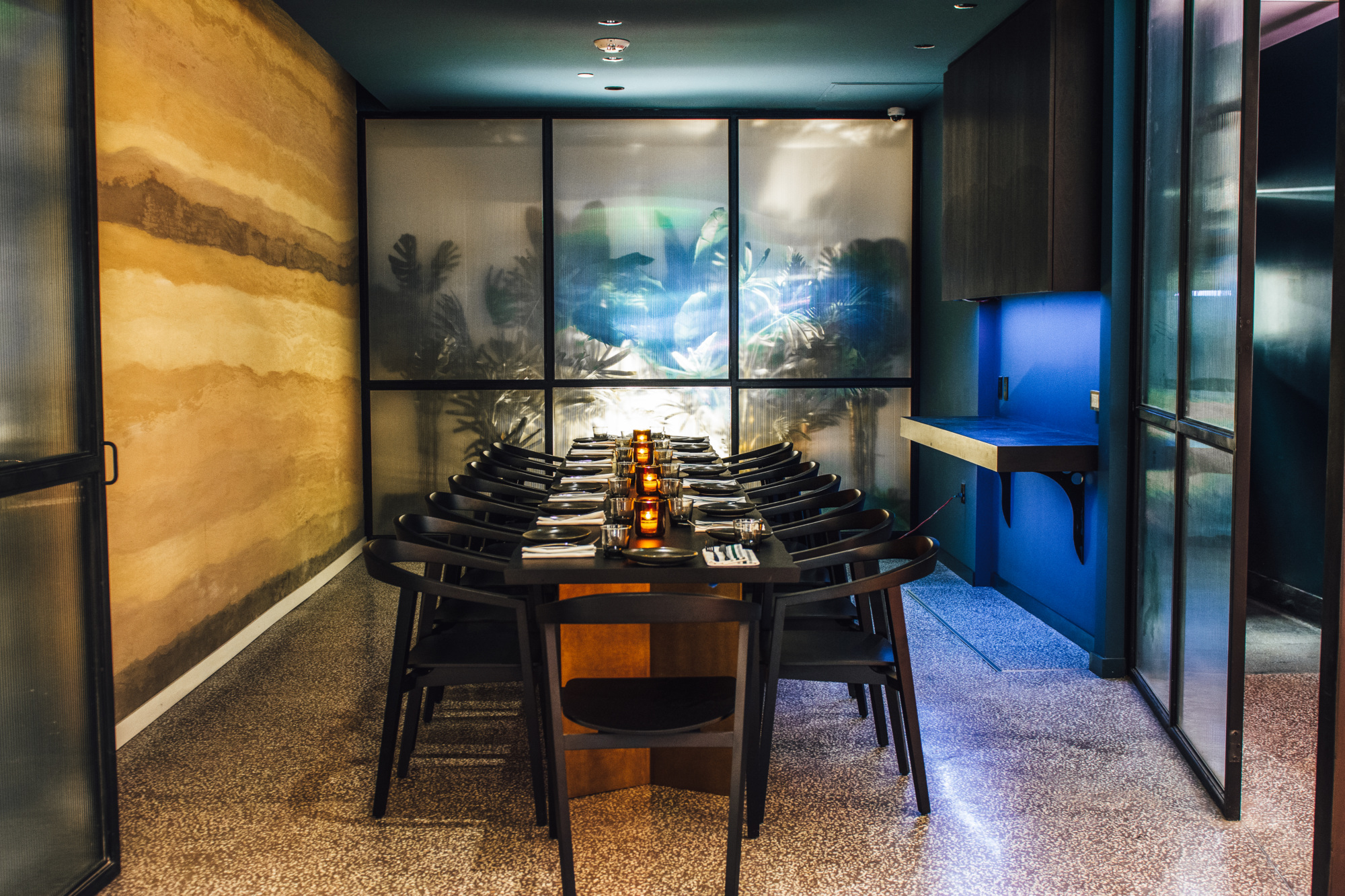
The dining room has oak tables, booths, cozy banquettes, and an expansive marble-topped bar. The lounge features communal tables and a view into the open kitchen, and there’s also a 10-seat chef’s table and a private dining room.
While there is a small sidewalk patio, sometime this year the restaurant will partner with the owners of the Green Street Building to open a seventh-floor penthouse and rooftop space. It will mostly be used for private events, but will likely also be open to the public.
5. The restaurant supports the community both within and beyond the cannabis orbit.
Zuccarini sees Gusto Green as a community builder both for and with the cannabis industry, but also for anyone who simply wants a better world. That it’s way more than hemp or the building, but really about the future of how and what we eat.
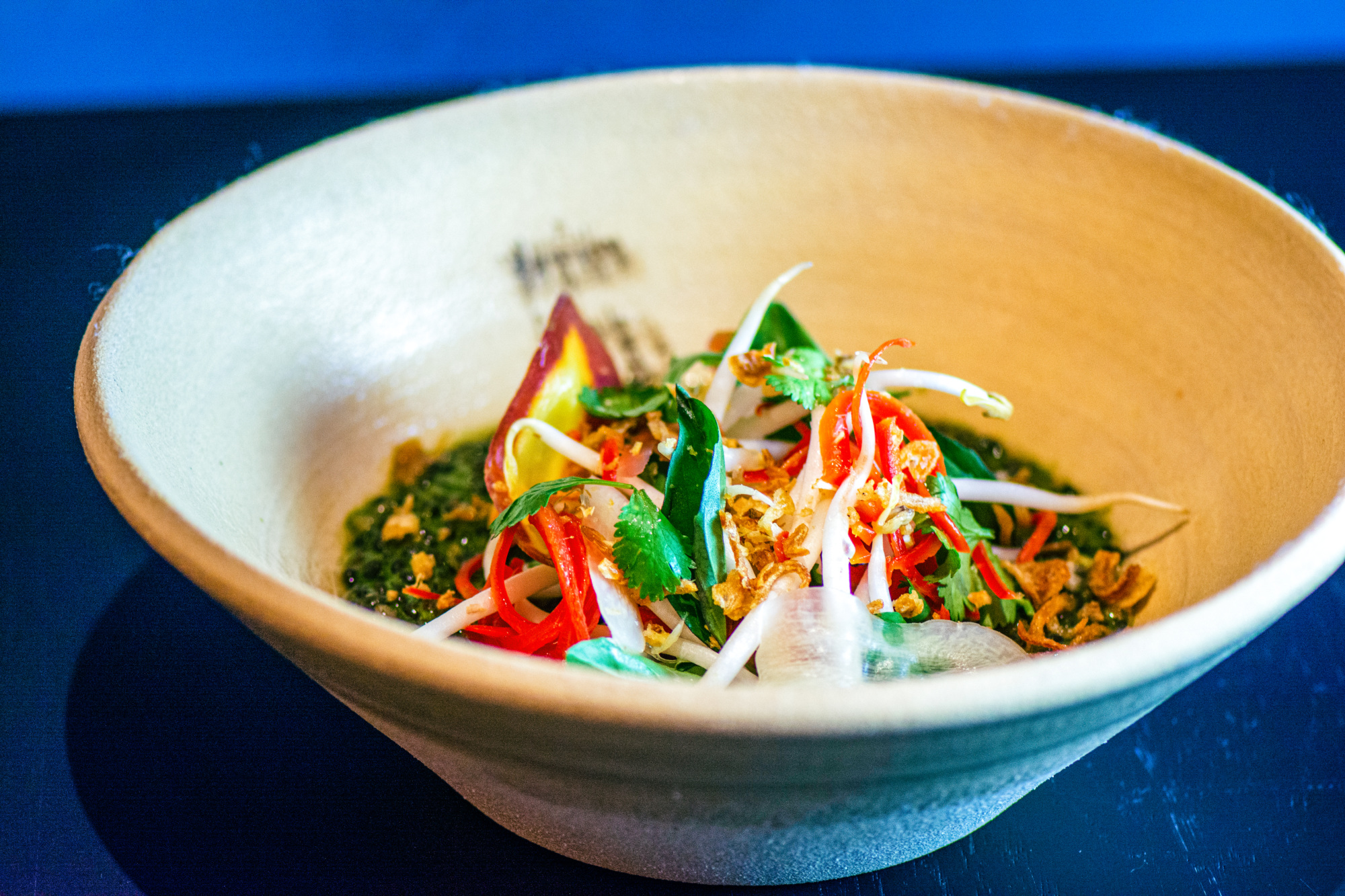
On the non-food side, she supports organizations like People’s Pottery Project, a non-profit ceramic business that trains and employs formerly incarcerated women and trans people. Many of the plates used at the restaurant were made by the artisans from the group.
“We’re always keeping our finger on the pulse of what’s next,” she says. “We’re a destination that embraces the future of food, and how people seek to eat today. A lot of people want to be eating in this way, just focusing on the abundance of great produce and ingredients. We’re happy to be here for them.”