Eatopia Takes The Ethiopian Dining Experience to New Heights
Published:
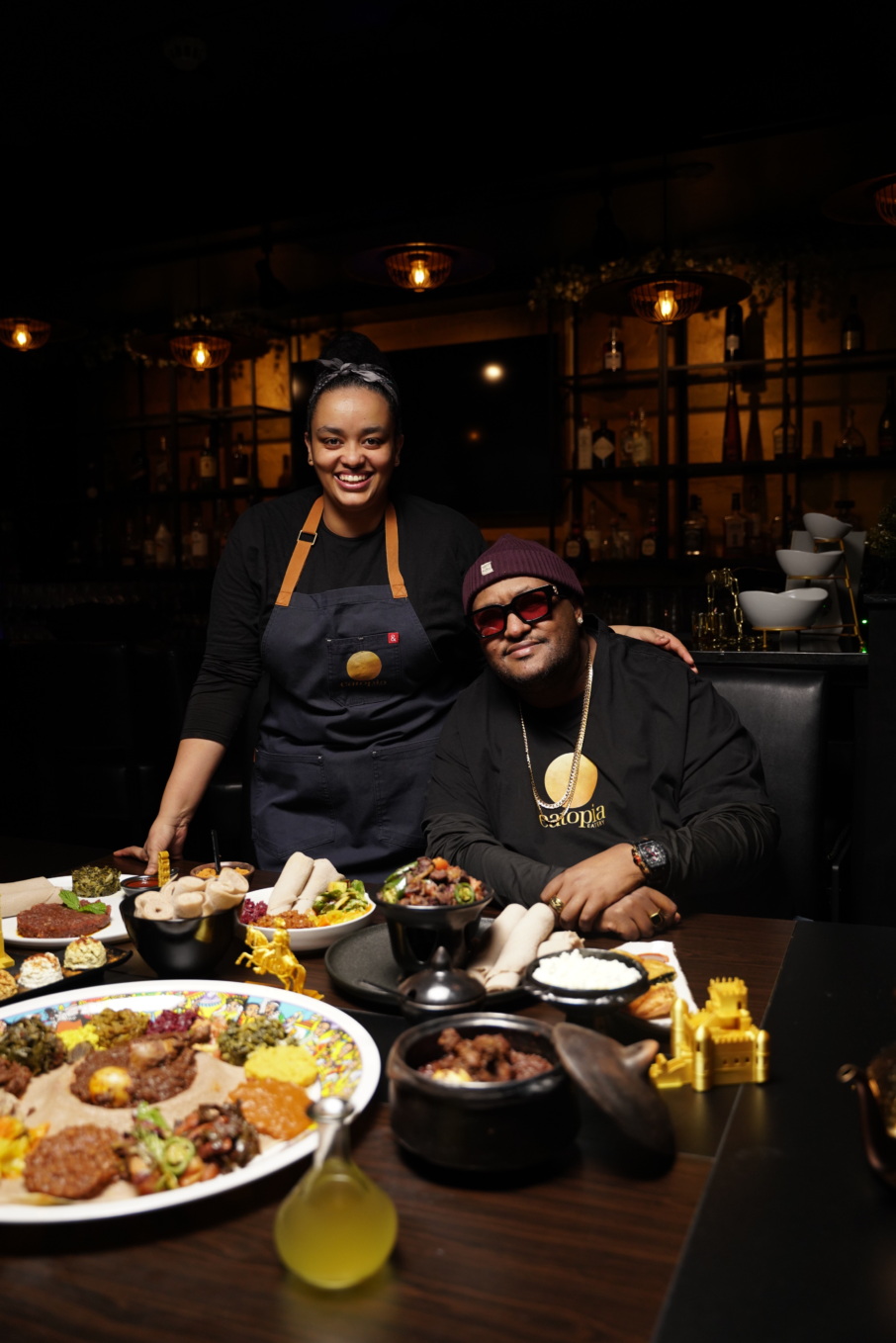
When you first meet Surafel Gizachew, it’s impossible not to be taken by the restaurateur’s gregarious nature and jovial demeanor. “Yes,” he smiles, “I am a people person, and when I realized I would have to eventually move on from being a DJ — which is a young man’s job — I thought, what is another role I can take on which allows me to meet people, to be around people, to bring community together?”
The answer, of course, was the restaurant industry. And from there Eatopia Eatery was born, Gizachew’s first and only restaurant.
Originally from Addis Ababa, Gizachew came to D.C. in 2010 to study filmmaking, launching his career in the music industry at that time, too. Later, his search for new opportunities and his love of food and people led him to open Eatopia a year and a half ago with his co-owner, wife and chef Eden Yime. “When I decided to open a restaurant, I knew it would be an Ethiopian restaurant,” he says, “because I love the food and culture from my country, and I want to celebrate both. But I also knew that with D.C. being home to the largest Ethiopian community in the world outside of Ethiopia, there are already dozens of Ethiopian restaurants in the area. So I had to think deeply — what would make my Ethiopian restaurant different?”
Gizachew engaged in a lengthy process to develop his concept, first visiting Ethiopian restaurants in each D.C. neighborhood and poring over menus and dishes, later creating a vision board to manifest his ideas.
“I came to the conclusion that my restaurant would stand out by offering food, cocktails, and a dining experience beyond the average Ethiopian restaurant, where the menus often mirror each other, and interesting beverages are limited to tej wine (Ethiopian honey wine),” Gizachew continues. “My emphasis would be on creating an elegant dining room — rather than the homey vibe common for Ethiopian restaurants — where people will come together for an upscale experience and enjoy cuisine that is more global in nature.”
Dish by Dish


To that end, his vision included showcasing Ethiopian ingredients and cooking styles “more inclusive of different palates,” as he puts it, while also spotlighting dishes less often seen in Ethiopian restaurants in the DMV.
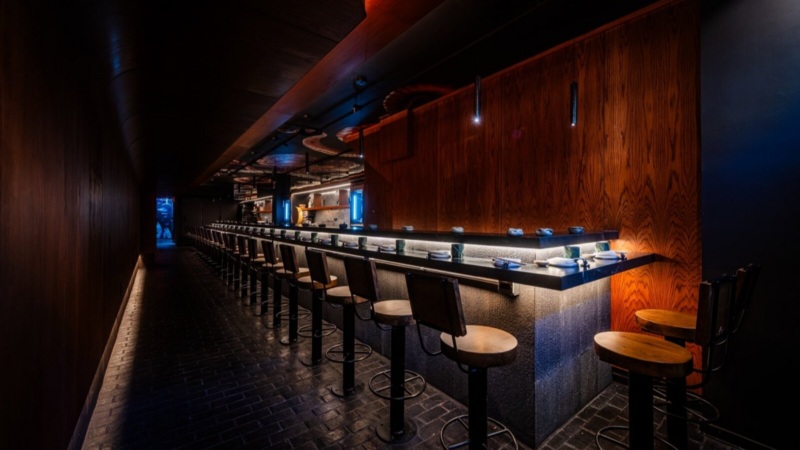
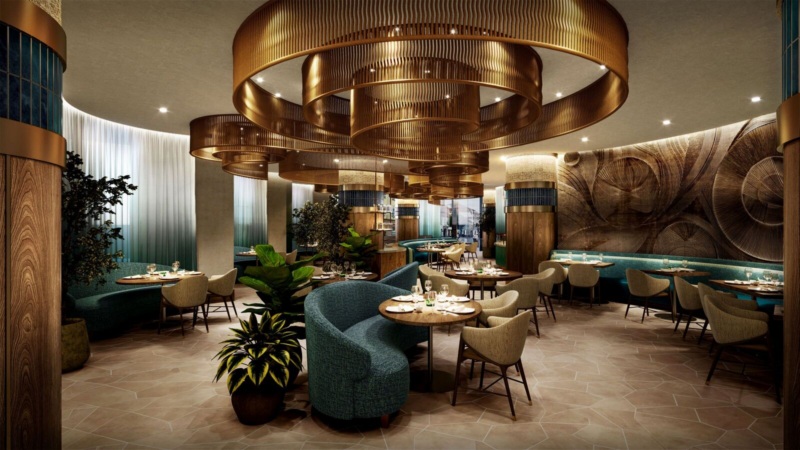
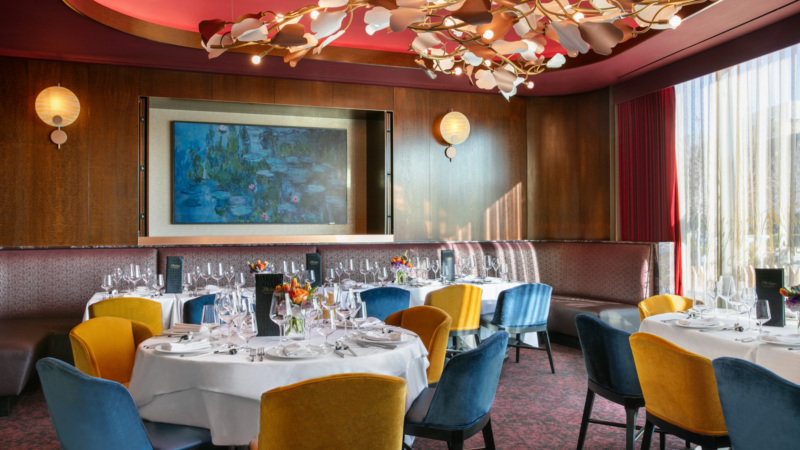
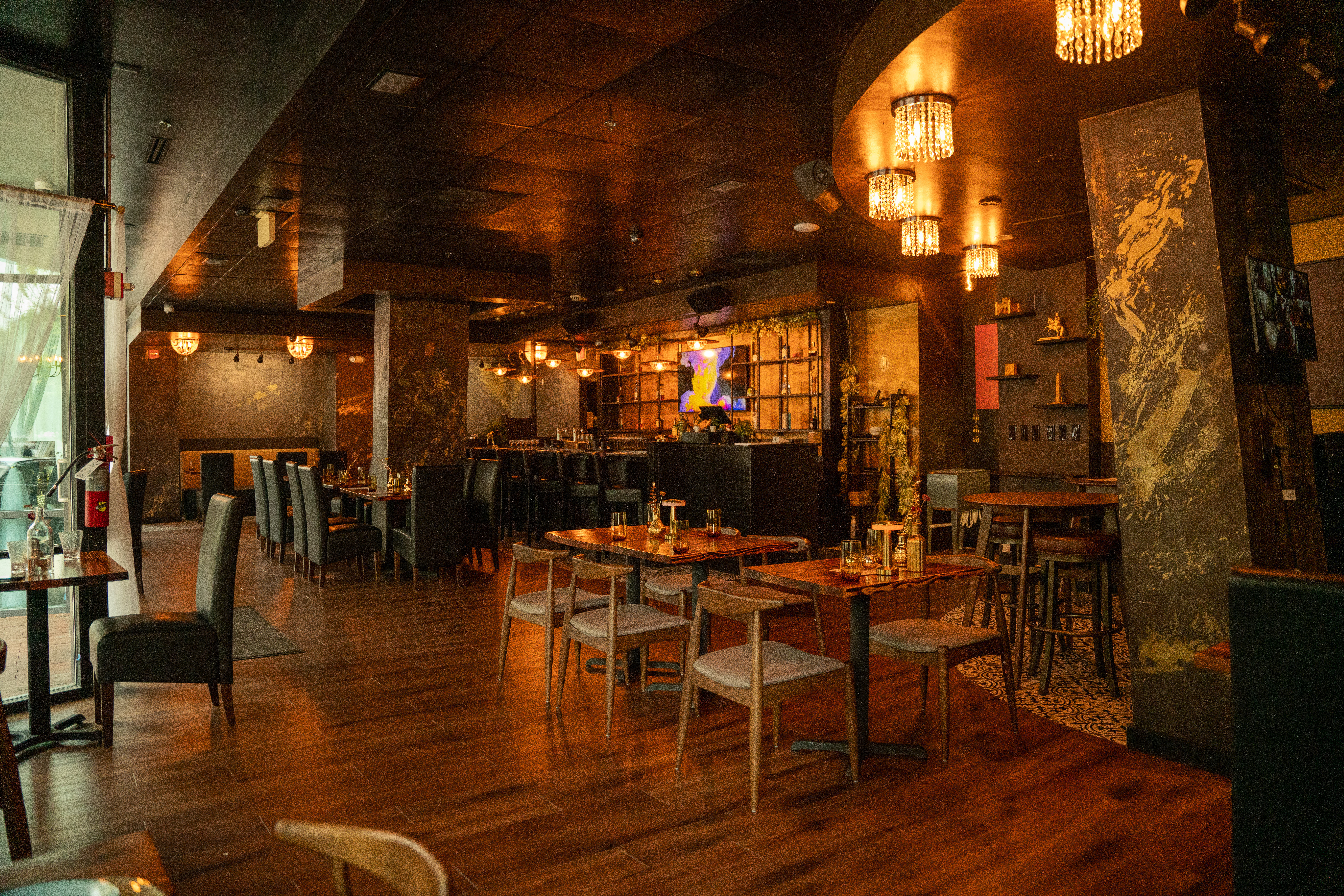
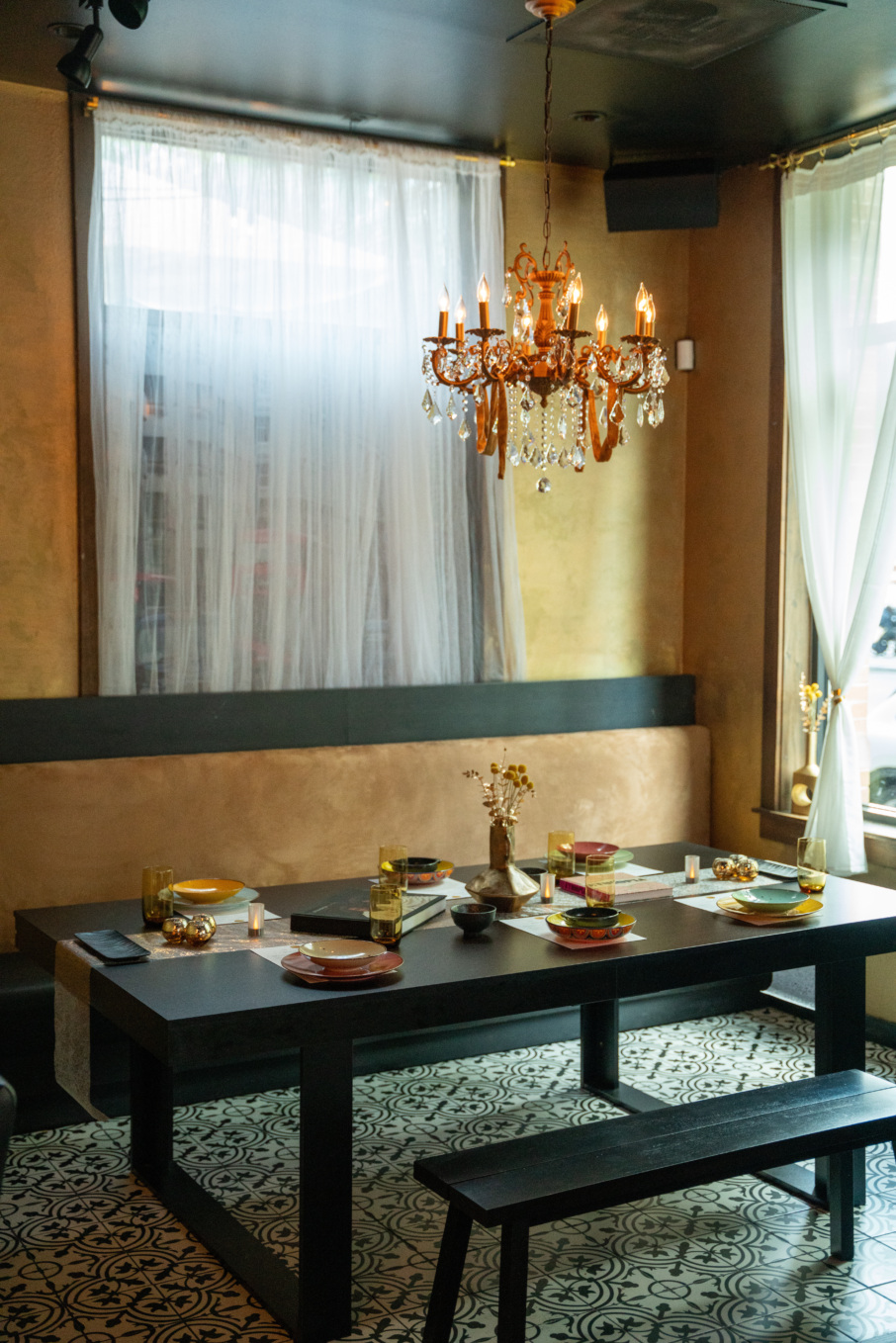
After finding the space for the restaurant, Gizachew developed a design concept, painting the walls espresso brown with gold accents, representing elegance and calm whilst representing Ethiopian culture, where gold symbolizes prosperity, justice, and equality. Meanwhile, the artwork adorning the walls comes entirely from local Ethiopian artists. His efforts were well-worth it: the venue is unlike any other Ethiopian restaurant in the city. The dining room is dramatic and eye-catching, with a stylish ambience that feels fitting for special occasions or a date night treat.
For the food, Gizachew flew his mother in from Ethiopia for six months so that she could work with him and Yime to develop the menu and teach his kitchen staff how to make traditional Ethiopian food. From there, they tapped into their creativity to develop innovative dinner and brunch menus where vegetables and seafood were substituted in classic Ethiopian meat dishes to appeal to a broader spectrum of diners, with traditional platters expanded to include items like turmeric-infused scrambled tofu, and classic presentations of dishes reimagined for a local audience.
Meanwhile, the menu overall features a much larger breadth of ingredients and dishes than seen in most Ethiopian restaurants, introducing Ethiopian breakfast dishes like fatira and snacks like anebabero, allowing Washingtonians to experience a far greater breadth and depth of the East African nation’s renowned fare. To further enhance the dining experience, he worked with local Ethiopian bartender Engidawork “Engi” Alebachew from Bourbon Steak to devise a cocktail menu that would work well with the menu.
Here, we explore several of the unique dishes and drinks offered on Eatopia’s a la carte menu. Look out next year for the restaurant to launch a tasting menu with drink pairings — a first for an Ethiopian restaurant in D.C.
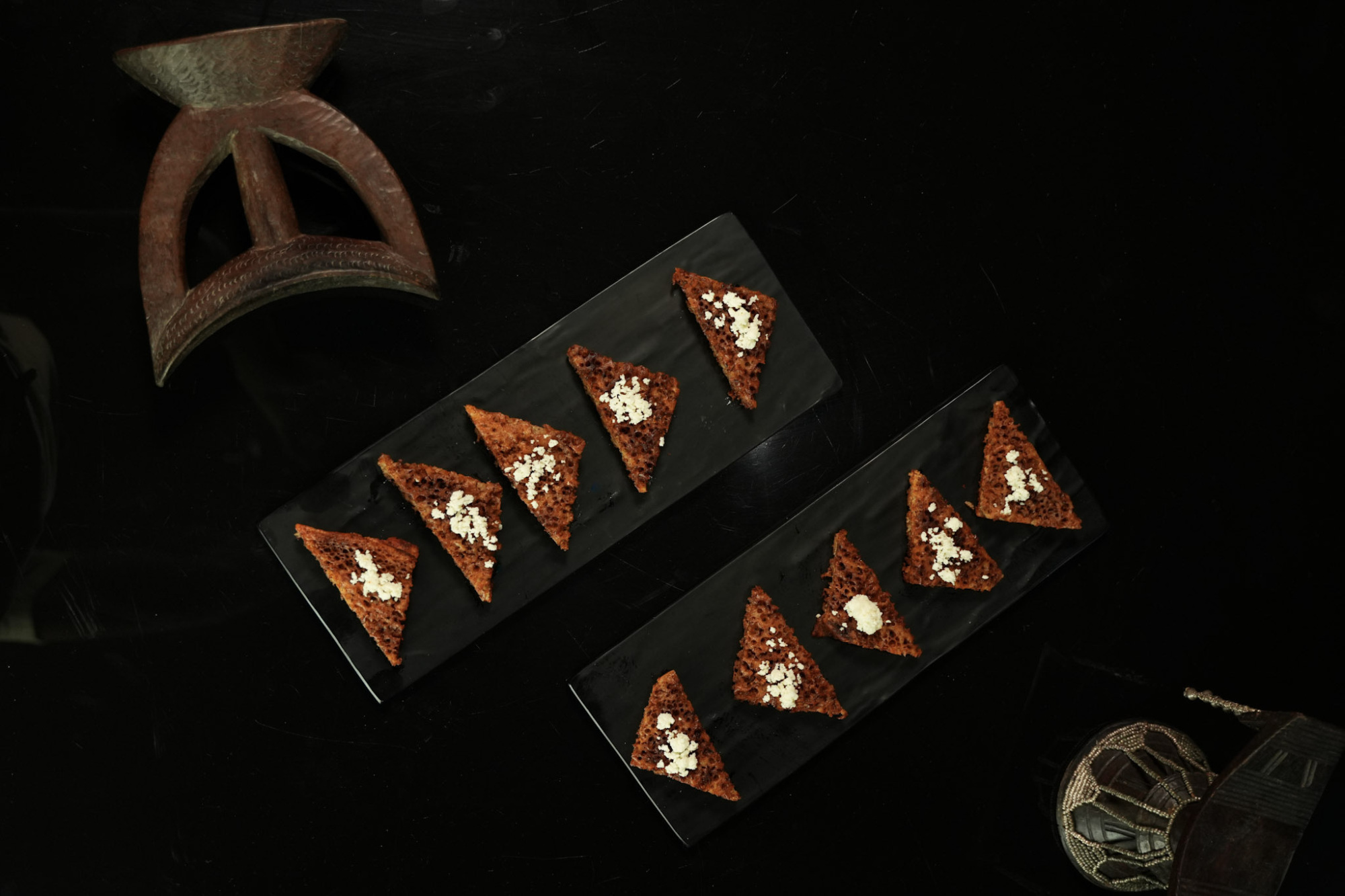
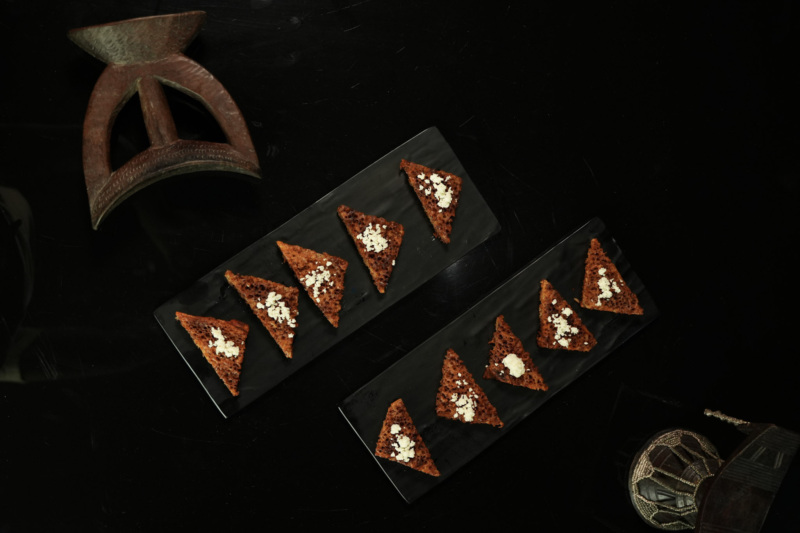
1. Anebabero
“This dish is made with layering injera, Ethiopian’s traditional sourdough flatbread, with berbere-infused olive oil as it cooks on a crepe pan,” explains Gizachew. Once it is “layered like a lasagna and doused in more of the sauce, the dish is baked so that the injera fully absorbs the sauce, and then it is cut into triangles,” and sprinkled with a bit of cottage cheese to offset the heat of the dish. Spicy, chewy and fragrant, this finger food is an appetizer at Eatopia but is often served as an afternoon snack served with coffee in Ethiopia.
“I remember how my mom, after packing lunches and getting everyone ready and sending the kids off to school, would prepare coffee and snacks like anebabero to be enjoyed with the other women in the neighborhood. In many Ethiopian communities, mothers come together after their children go to school to network and catch up over coffee and snacks, which include everything from popcorn to anebabero. I wanted to showcase this part of our Ethiopian culture by adding this dish to our menu.”
2. Mushroom Tibs
One of the main ways in which Gizachew strays from a classic Ethiopian menu is in his desire to create dishes where there are options for everyone. Thus, while tibs is a common if not must-have meat dish in Ethiopian restaurants, he offers tibs made with portobello mushrooms, which mimic the texture and savoriness of meat. This plant-based version has all the same flavors of onion, jalapeño, tomato, spices, and rosemary, an easy equal to the meat-based original.
3. Berbere Bowl
To achieve his wish of making Ethiopian food more accessible to local diners, Eatopia serves a series of bowls for just under $22 each that offer various combinations of lentils, split peas, cabbage, and string beans, all served with rolls of injera for mopping up the saucy flavors. The dish is popular at lunch, as it allows solo diners to sample a variety of traditional dishes in a quick, light and wholesome meal without the formality of a sit-down feast.
The Berbere bowl, in particular, is one of the best, with beets, misir wat (spicy, smoky red lentils cooked with onions, garlic, and tomato paste), and tikel gomen, a flavorful stir-fried carrot and cabbage dish. Other iterations include the Shiro Meda bowl, which includes shiro wat, a creamy and aromatic stew featuring chickpeas, cardamom, cumin, berbere and garlic.
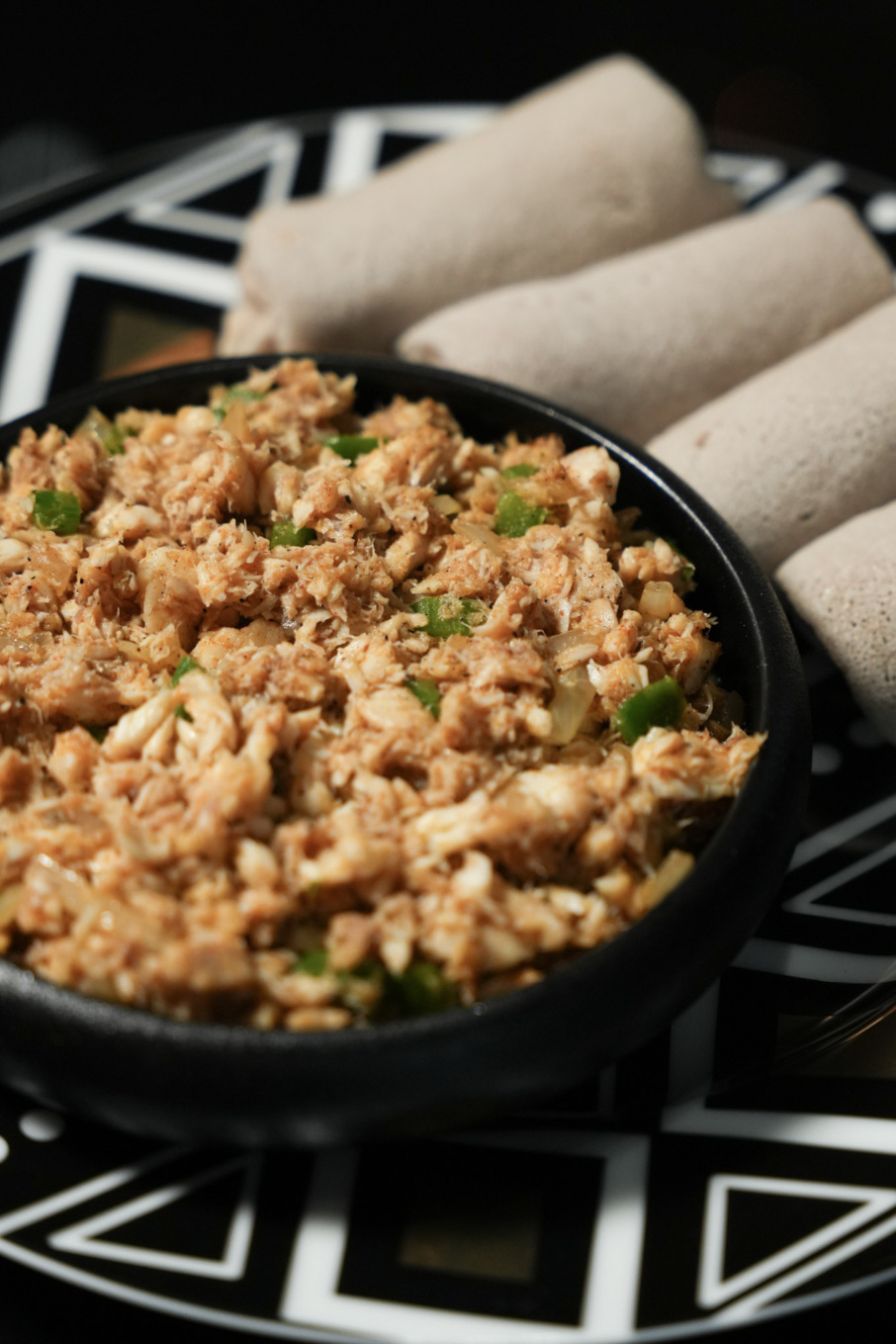
4. Fish Dulet
Typical dulet is made with minced beef and organ meat, but Gizachew wanted to offer pescatarians more options than the deep-fried whole fish (which you can still get as well) common in Ethiopian cuisine. Eatopia’s dulet is made with tilapia, and “its preparation is actually more akin to kitfo [another minced beef dish similar to steak tartare] in that the white fish meat is minced finely and lightly sauteed in clarified butter spiced with mitmita and berbere,” says Gizachew. It’s a spicy but delicate dish, with the fish, butter, spices, and mixed-through jalapeño, onion, and herbs coexisting in a delicate harmony as you devour it.
5. Doro Wat
In his quest to celebrate Ethiopian culture, there is one dish which Gizachew serves that follows a traditional recipe to the letter. That is, of course, his doro wat, a labor of love and Ethiopia’s national dish usually only prepared and served on special occasions, as befits its royal origins.
Per Gizachew’s mother’s instructions, the intense, comforting flavor of this spiced chicken stew is built up over many hours, starting with carefully sourcing the protein. “The chicken is marinated for several hours before being simmered for at least another six hours or more. The marinade, infused with berbere and onions, slowly cooks down in the pot,” explains Gizachew. The result is an enticingly aromatic sauce that coats the juicy, tender chicken and the traditional hard-boiled egg in the stew.
6. Veggie Communal Platter
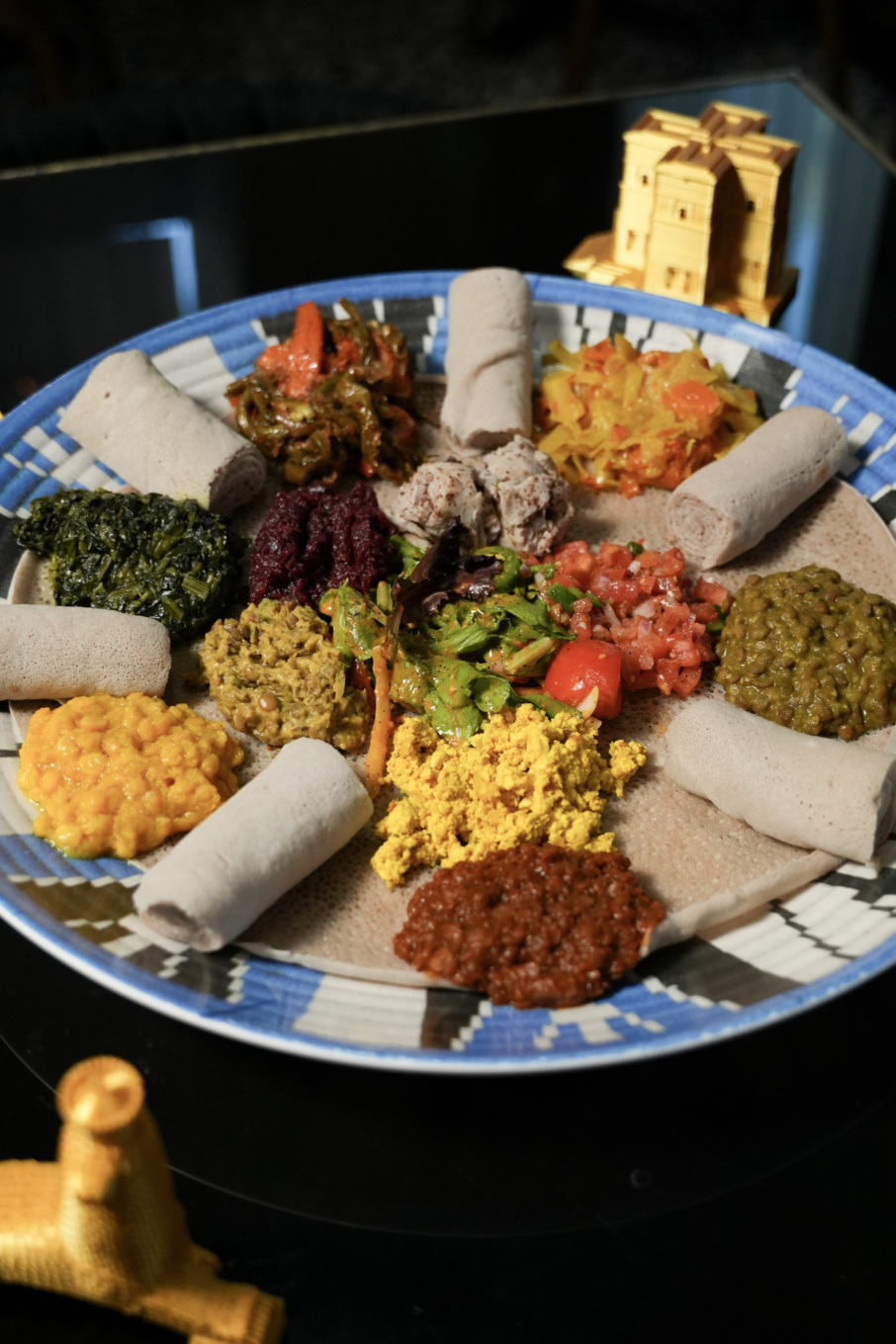
For those in search of a showstopper and a cross-spectrum of the flavors of Ethiopia, this is it. The vegetable platter — almost the size of the table — arrives as a vibrant canvas of flavors, each element telling its own story. The star players include distinctive lentil preparations, bolstered with scrambled tofu for those seeking extra protein. The tofu brings unexpected creativity to the traditional format, pairing beautifully with the more typical stews in a way that both surprises and delights.
Not everything else on the platter is expected, such as a combination of beans and potatoes served cold, providing a pleasant contrast as you make your way around each dish layered upon the injera. There’s also an accompanying tomato-jalapeno-onion salad, dressed here in a creamy salty-sweet vinaigrette, but perhaps most intriguing is the turmeric-infused flaxseed fit-fit — a dish that carries the warmth of home cooking. This preparation, where injera soaks luxuriously in a sauce of crushed sunflower and ground flaxseed, represents Ethiopians’ love of comfort foods. “We used to eat this at home,” the chef shares, “when you needed something quick but nourishing — the flaxseed sauce mixed with water, the injera drinking it all in.”
7. Agelgel
The kitchen’s talents shine brightest in this dish, which may be the most culturally evocative offering on the menu. Here, the art of Ethiopian hospitality takes edible form: layers of injera nestle with spiced lentils, seasonal vegetables, and tender meats, all carefully arranged in a traditional basket. In Ethiopia, agelgel is the ultimate expression of care — travel-ready fare prepared for visits to friends and family, a portable feast for communal sharing. Eatopia offers a vegetarian version to accompany the meaty version, and the seneg–stuffed jalapeño version alone is reason enough to get the veggie option.
8. Fatira
This list would not be complete without fatira, as it demonstrates the restaurant’s commitment to highlight lesser-known Ethiopian dishes and its owners’ desire to spotlight dishes from different parts of the Ethiopian culinary canon.
A popular street food in Ethiopia typically served at breakfast, the dish features on Eatopia’s brunch menu. It features a large crispy pancake traditionally offered with an array of sweet and savory toppings; at Eatopia, Gizachew combines both by drizzling it with honey and serving it with creamy scrambled eggs. The dish is also popular in the Arab Peninsula, and elucidates historical Arab influences in Ethiopian food. Brunch seldom features at Ethiopian restaurants in D.C.; Eatopia’s considerable brunch menu includes chechebsa, which is made of toasted teff flatbread pieces with berbere and butter, teff waffles (served with doro wat for a fun riff on chicken and waffles) and enkulal silsi, eggs scrambled in a tomato sauce with jalapeños. To bring along diners who like a bottomless brunch option, Gizachew offers bottomless tej mimosas, and of course, superb Ethiopian coffee.