Here’s What to Know About Ingle, 14th Street’s New Korean Steakhouse
Published:
When James Jang moved to the DMV for high school a couple decades ago, there wasn’t much by way of Korean cuisine available outside of households. In order to get a taste of home, Jang found himself making pilgrimages to Annandale, Centreville, and further Virginia suburbs. “I really needed to get my Korean fix,” Jang says, but doing so wasn’t easy.
Fast forward to present day, and Korean food is having something of a heyday in Washington, D.C. In recent years, restaurants like Anju and Onggi have joined original groundbreakers like Mandu in the area. But even still, when it comes to Korean barbecue, the options in D.C. proper are relatively few and far in between. And with this in mind, Jang has brought his acclaimed Ingle Korean Steakhouse to 14th Street.
Ingle’s opening in the heart of D.C. marks the restaurant’s second location in three years – Jang opened the original Ingle in McLean in 2022 to great fanfare. “I spent the first 10 to 15 years of my time in the area in McLean, and then the last 10 to 15 years in Adams Morgan,” Jang says. As such, opening his steakhouses in these two locales is personal – “It’s where I feel the most comfortable,” he says.
Here’s what to expect at the restaurant’s new 14th Street restaurant.
The Resy Rundown
Ingle Korean Steakhouse
-
Why We Like It
It’s one of the few upscale Korean barbecue offerings in the D.C. area, and its attention to detail is unrivaled. Plus, the ambience is perfect for a date night or celebration. -
Essential Dishes
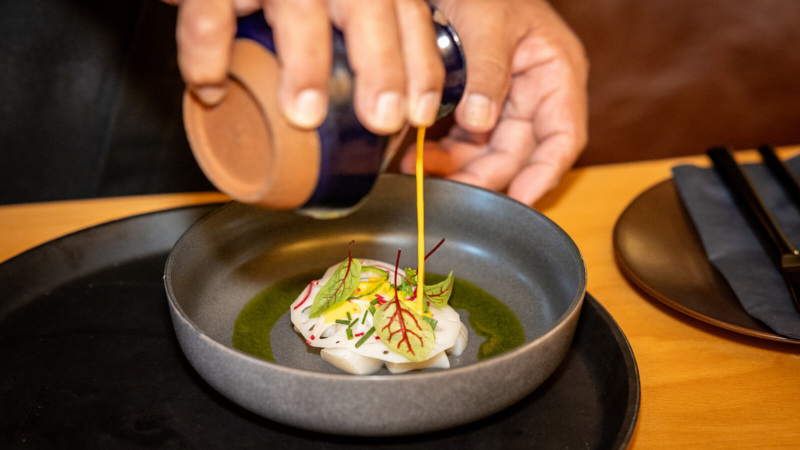
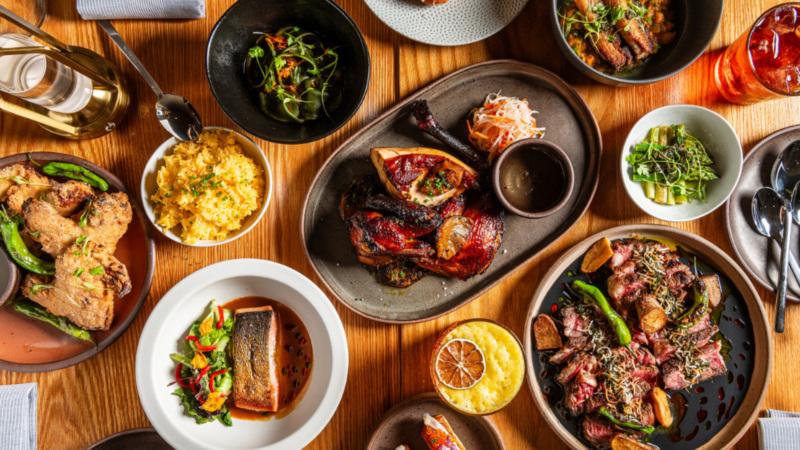
Obviously, get the steak. We’d particularly recommend the short rib and marinated zabuton. When it’s cold outside, it’s hard to beat the doenjang jjigae, a soybean paste soup, whereas summer calls for mul makguksu, a cold noodle dish in an icy beef broth. -
Must-Order Drinks
Be sure to check out the Korean spirits section for a unique offering of soju and other specialties.
-
Who It’s For
Perfect for a date night or a special celebration with family members, or anyone looking to expand their knowledge of Korean food. -
How to Get In
Ingle accepts walk-ins and is open for dinner from 5 p.m. to 9:30 p.m. Sunday to Thursday, and until 10 p.m. on Friday and Saturday. Ingle also serves lunch from 11 a.m. to 2 p.m. on weekends. -
The Ambience
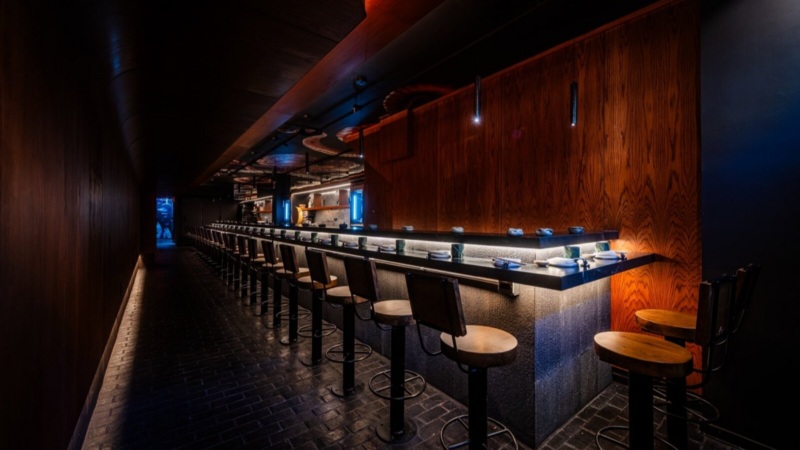
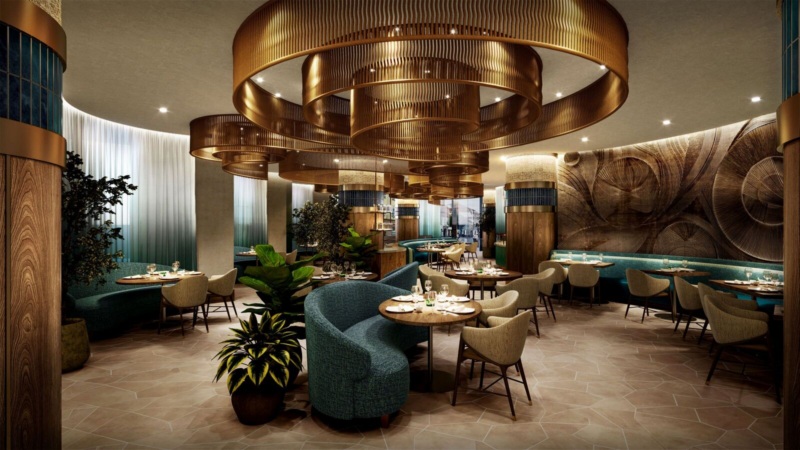
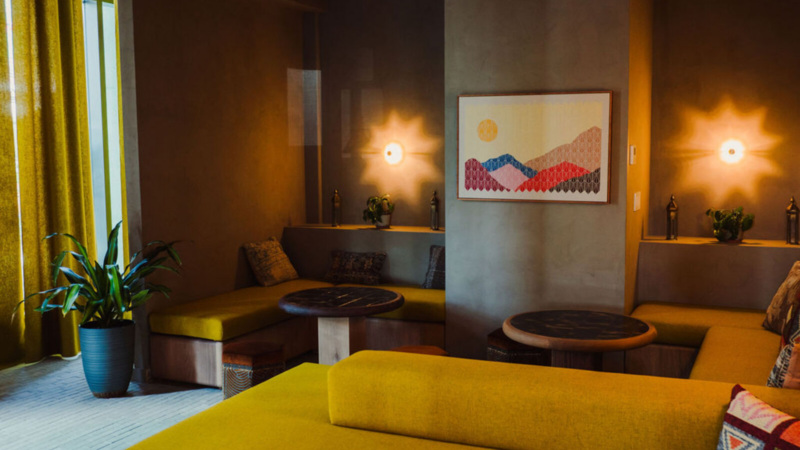
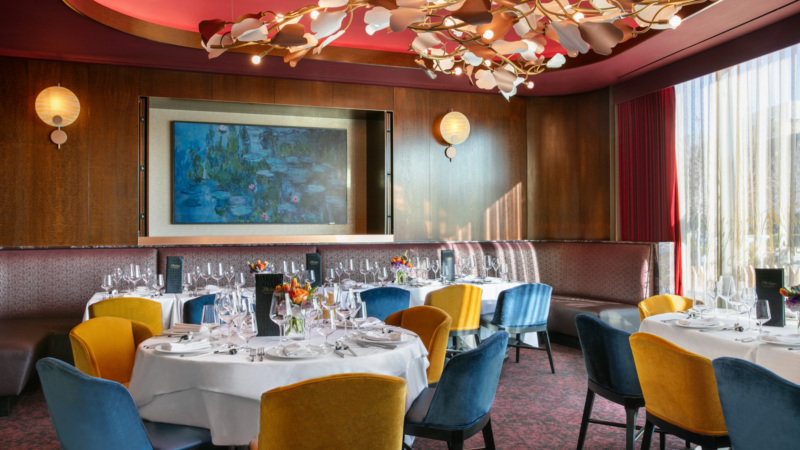
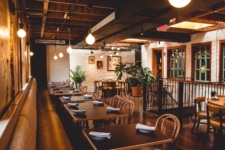
Earthy, sophisticated, and smokey, in the best of ways.
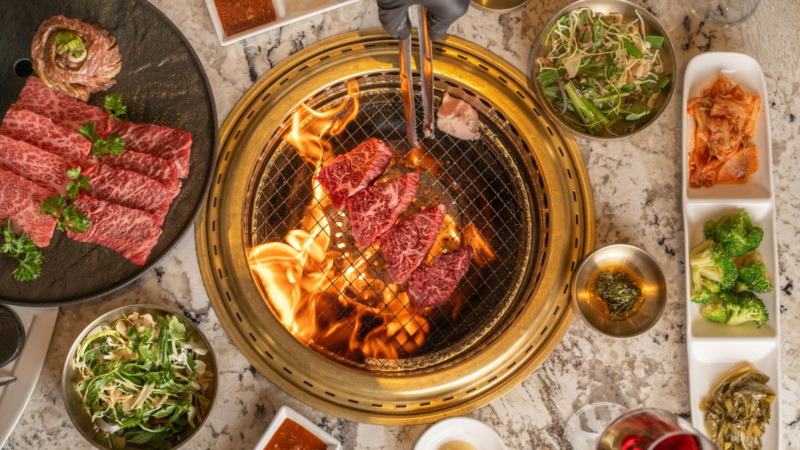
Photo courtesy of Ingle Korean Steakhouse
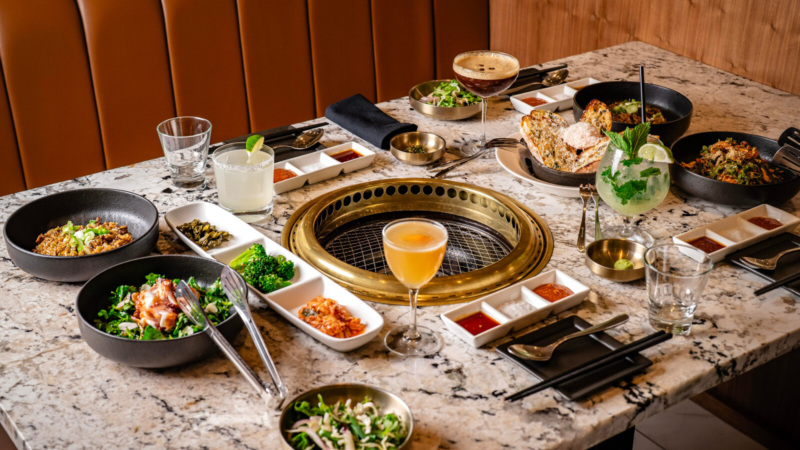
Photo courtesy of Ingle Korean Steakhouse
First Impressions Count
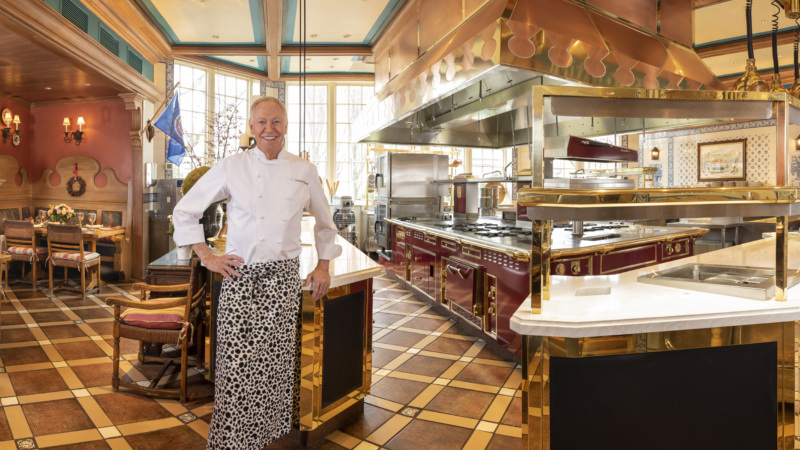
In truth, much of Ingle is a homecoming for Jang, who has brought his home country not only to the food of the restaurant, but to the decor as well. “When we were envisioning the space, we wanted it to be a place where I would feel proud to bring my family and friends for special occasions,” he says.
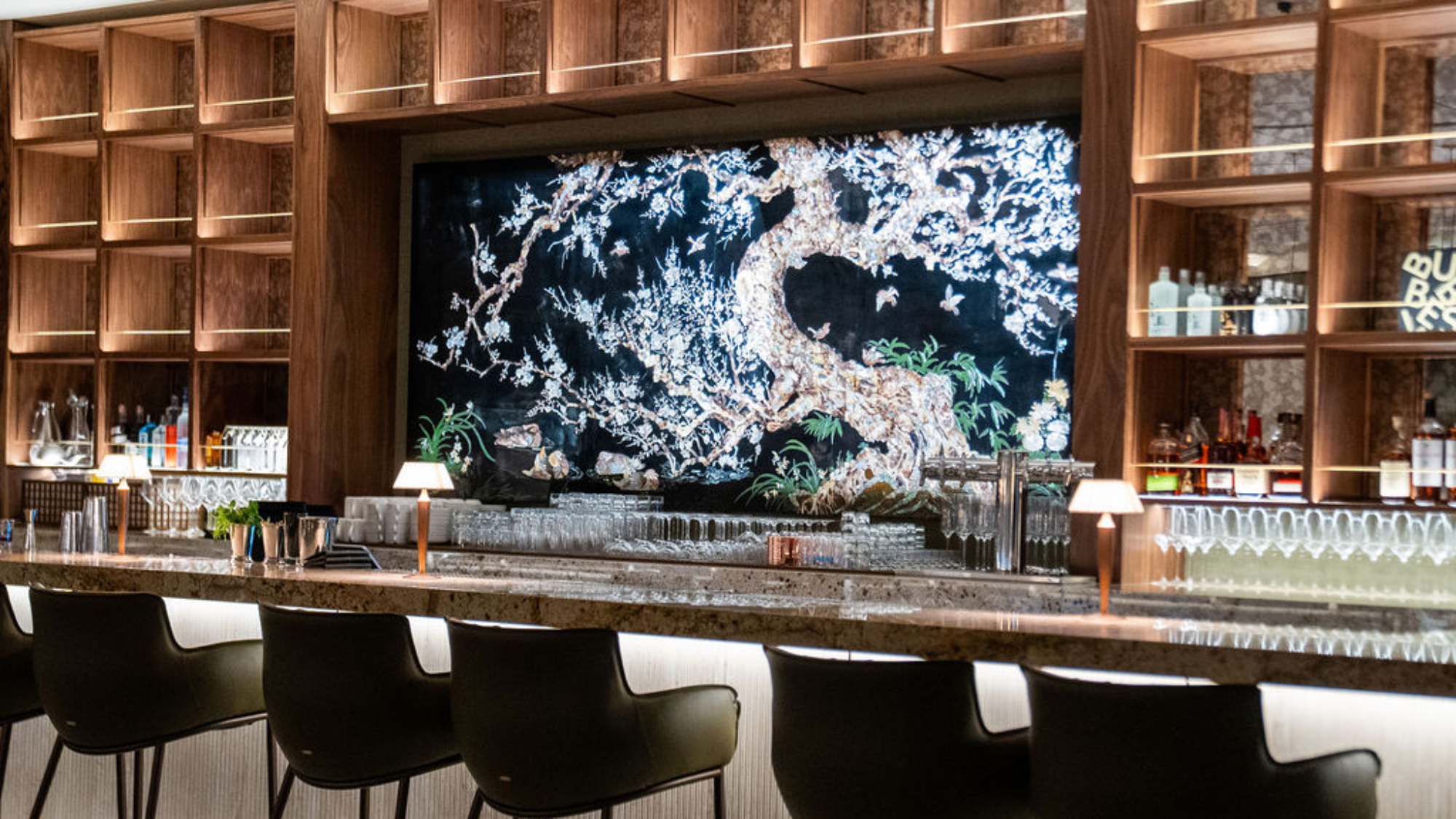
As such, marble, walnut, and brass fixtures reign supreme at Ingle, with earthy tones reflecting the earthiness of the menu itself. And at the center of the entire restaurant, you’ll find a stunning mother of pearl art piece at the bar. “This is actually my grandmother’s closet that we had imported from Korea and reimagined,” Jang says.
Steak Is Taken Very Seriously
While the availability of Korean food and even Korean barbecue has certainly increased since Jang first moved to the area, the team at Ingle maintains that they’re doing something special that sets them apart from the other offerings in the area. And it starts with the beef itself.
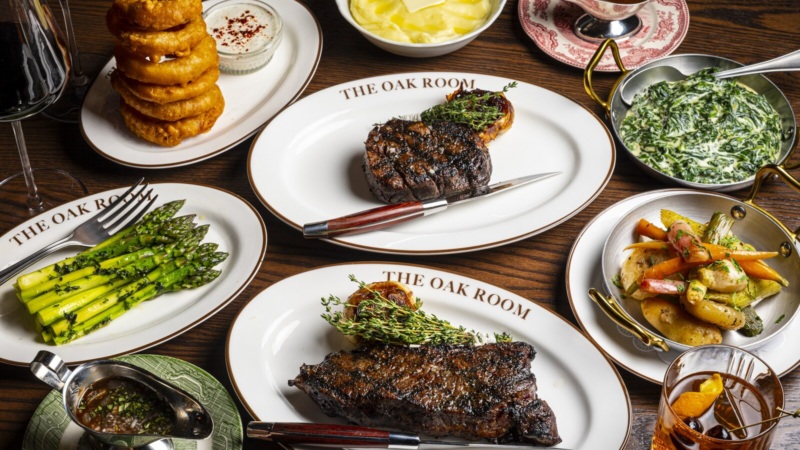
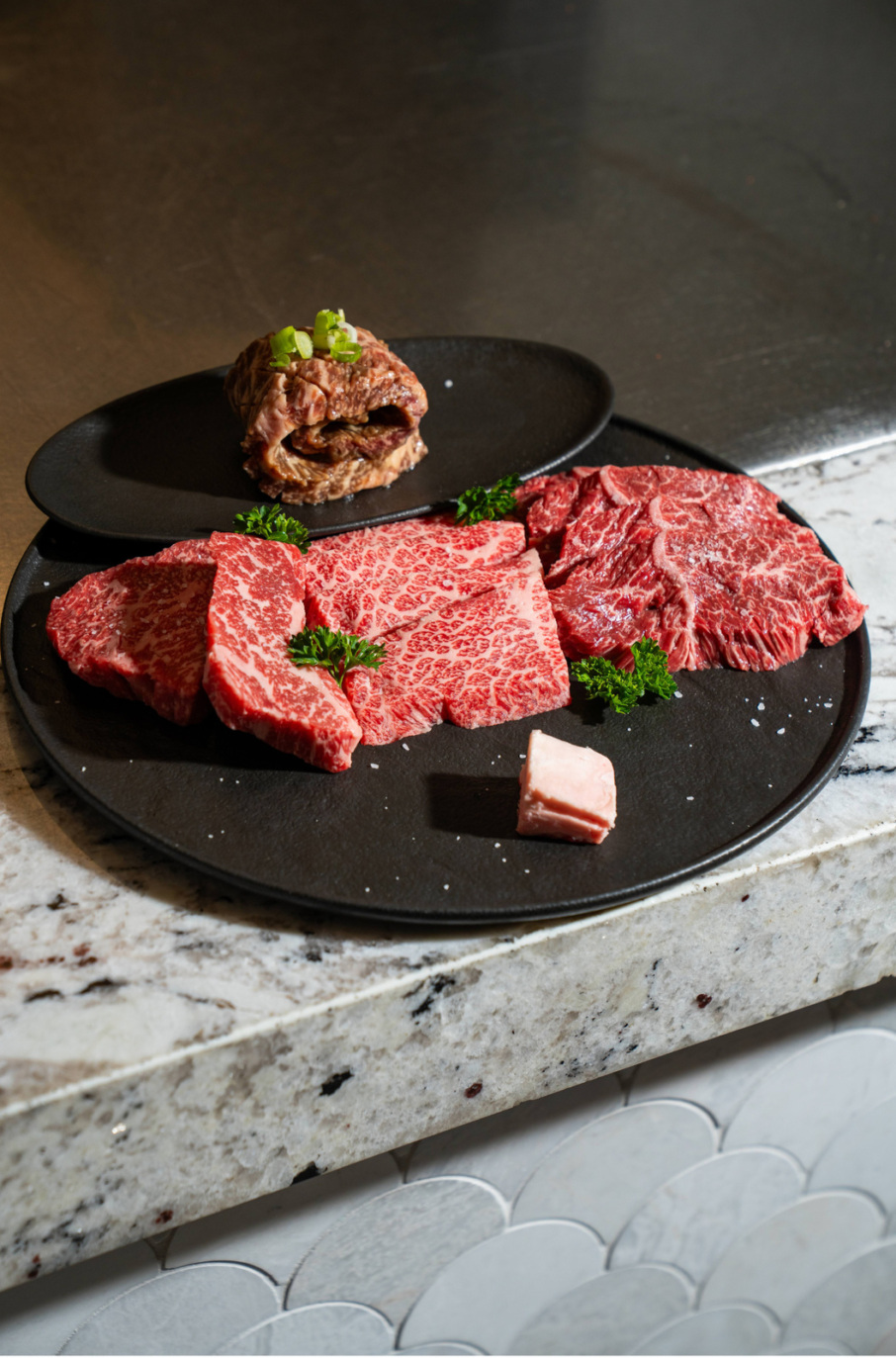
“We take our steak very seriously,” Jang says, with a focus on cuts of meat that some Americans may be somewhat less familiar with. “Most steakhouses use center cuts, like ribeye or tenderloins,” Jang explains. “But in Korea and at Ingle, we use non-mainstream cuts, like the outside skirt, the boneless short rib, or the beef round.” And to get the best quality of meat, Ingle sources its steak – all of which is American wagyu – from just a few local vendors.
“Center cut steaks benefit from longer aging, the cuts of meat that we tend to use are actually best when served fresh,” Jang explains. “So by reducing the number of vendors that we work with and ensuring that they’re all local, we have a lot more control over the freshness of our product.”
The choice to exclusively use American wagyu was also an intentional one. “We tried prime grade steaks, Japanese wagyu, and other varieties, but I’ve found that American wagyu is closest to Korean cattle in terms of its marbling score and feed program,” he notes.
There’s Plenty of In-House Expertise
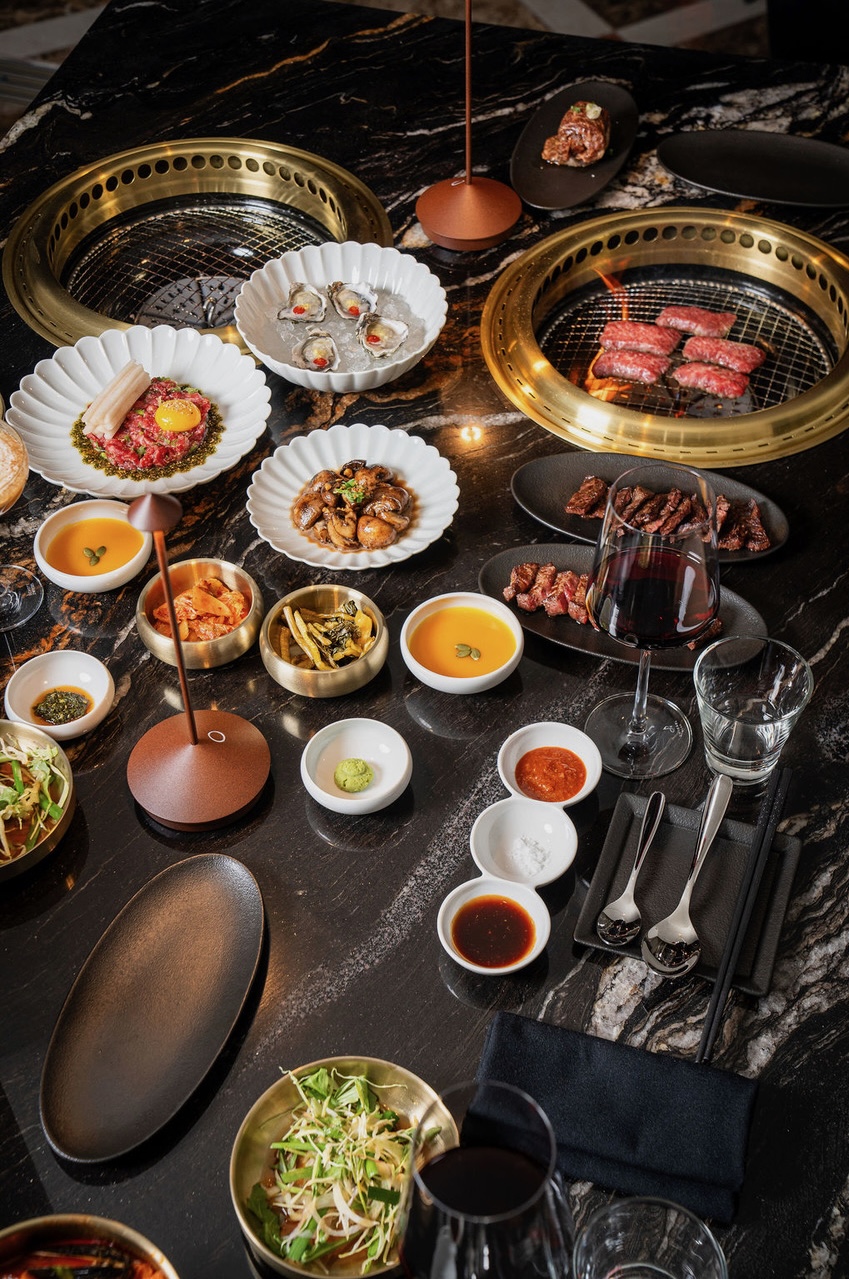
The same care and attention to detail that the Ingle team pays to its protein is also reflected in its staff, who are specially trained to operate the natural gas grills found at each table. “Our servers take full charge of the grilling service for the guest,” Jang says. “We train our staff very carefully given the different cuts of meat and best preparation methods.”
For example, the short rib – a highly marbled cut – requires more fat to be rendered out for a tender end product, which means that the steak should be cooked to medium well. On the other hand, the tri tip, a leaner cut, is generally cooked to medium rare. “It’s all part of the experience,” Jang says. And given that much of Ingle’s staff has quite a long tenure, it’s also part of the in-house expertise.
“The majority of our team has stayed with us from the beginning,” Jang notes. “One of our first dishwashers is now the head line cook, and one of our earliest servers is now the general manager of the Tysons location.”
Related Stories
The Prix-Fixe Covers The Bases
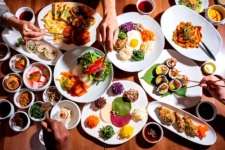
Jang has also built up a sizeable fan base over the last three years, with diners encouraged to try new items, especially when it comes to traditional Korean cuisine. “We have some more approachable items on the menu like garlic toast or fried rice, but the majority of our menu is meant to be what you could find in Korea,” he says. As such, especially for new diners, Jang recommends going the prix-fixe route, which is available for both lunch and dinner. “We think that the prix-fixe gives guests a fuller experience and allows them to be a little more adventurous in a controlled setting,” Jang says. And once guests have explored most of what the prix-fixe has to offer (after a few visits), then diving into the a la carte feels effortless.
A similar ethos is applied to the drink menu, which is a combination of both familiar wines and cocktails, as well as specialty Korean spirits. The hope, Jang says, is for a visit to Ingle to be both satisfying as a culinary experience as well as an educational one. And judging by the fanfare thus far, it’s a hope that’s coming to fruition.
Lulu Chang is a Texas-bred, D.C. and N.Y.C.-based writer who covers food, travel, lifestyle, and wellness, with a particular knack for spotting the cultural trends behind what and where we eat. Her work has appeared in outlets including USA Today’s 10Best, Eater, InsideHook, Prevention, and more.