The Four Horsemen Team Gallops Across Grand Street With I Cavallini
Published:
On a Friday afternoon in late June when it seems like half the city has taken a summer Friday, The Four Horsemen’s new Italian project — I Cavallini — is bustling. Staff is unpacking tidy rows of wine glasses onto a bar and wheeling waist-high plants through the space on dollies. Tables in the dining room double as desks for the time being. The energy is that of a theater, filled with seasoned actors getting ready to open a production — busy, focused, and frenetic, but not frantic.
Opening night is July 16, and reservations are open now. Located cattycorner from The Four Horsemen, I Cavallini is the team’s second restaurant and their third opening in a decade, including their nearby dance club and bar, Nightmoves.
Here’s what you need to know about I Cavallini before you go.
The Resy Rundown
I Cavallini
-
Why We Like It
It’s the second restaurant act from The Four Horsemen team, conveniently located across Grand Street, with a bit of the same ethos — a dedication to unsung winemakers, excellent music and acoustics, and thoughtful, but not overly fussy food. It’s also slightly more relaxed and decidedly Italian. -
Essential Dishes
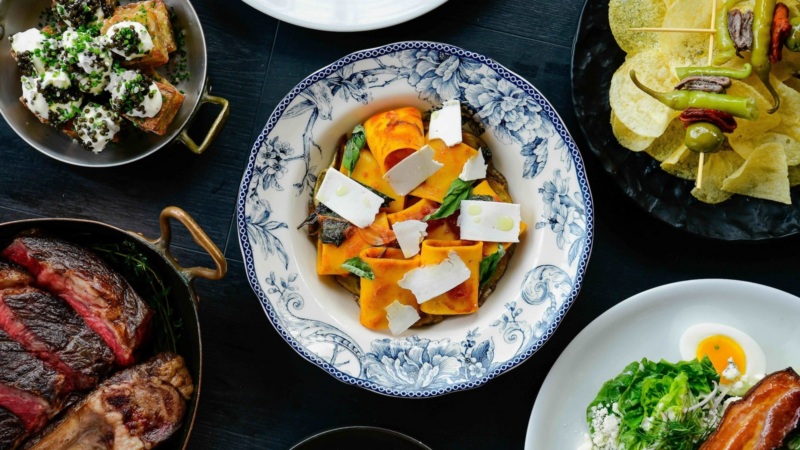
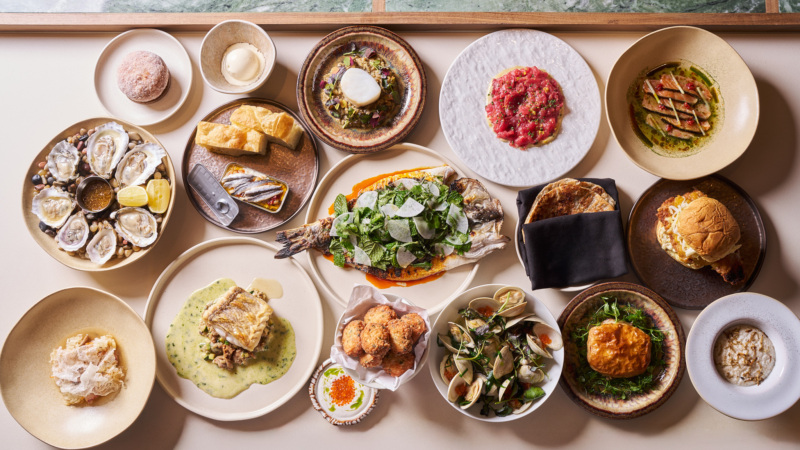
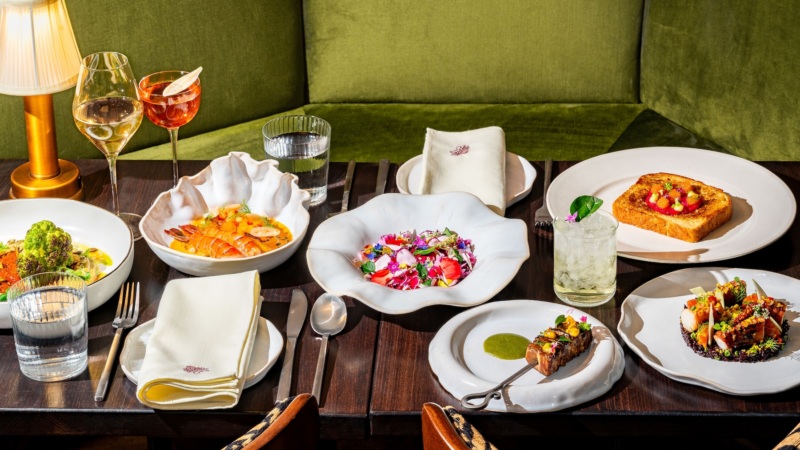
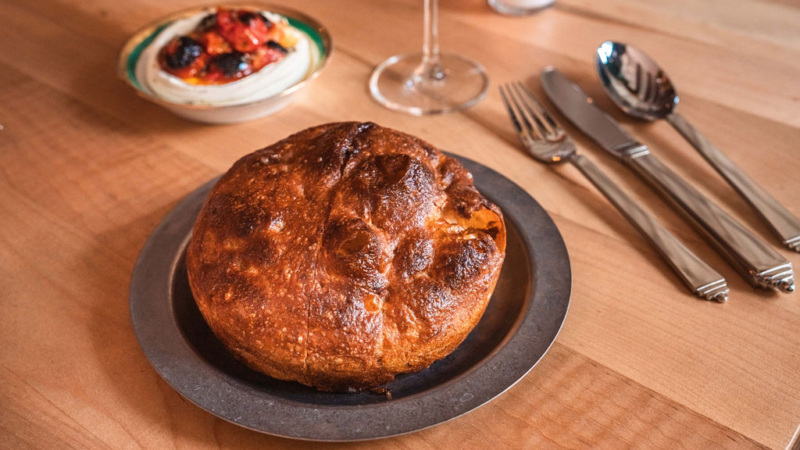
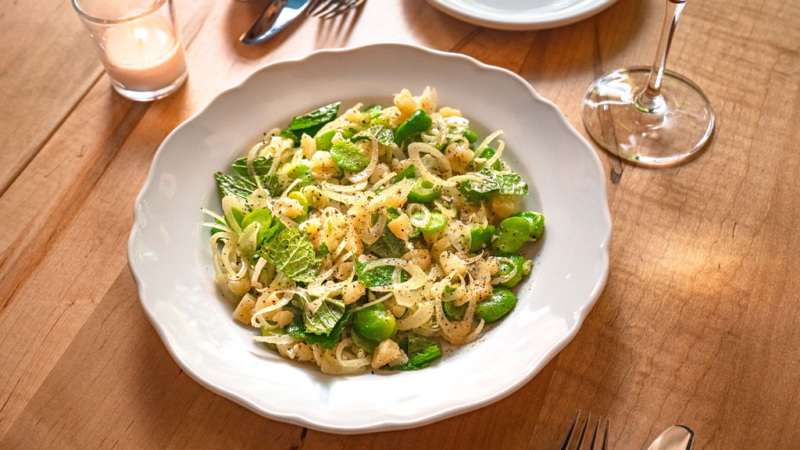
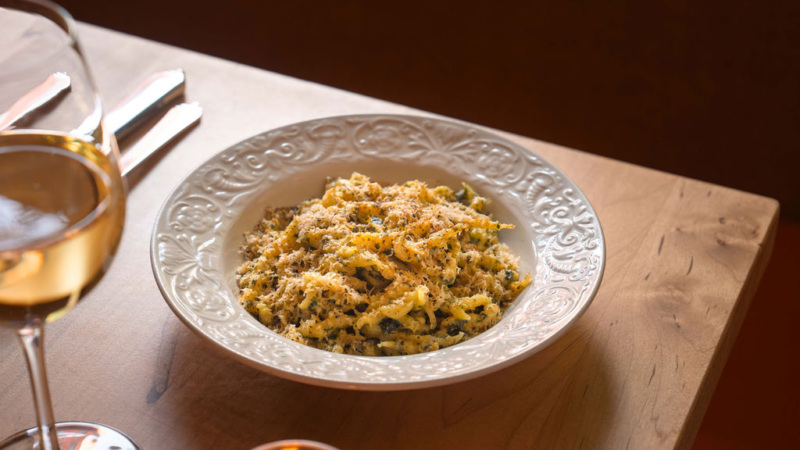
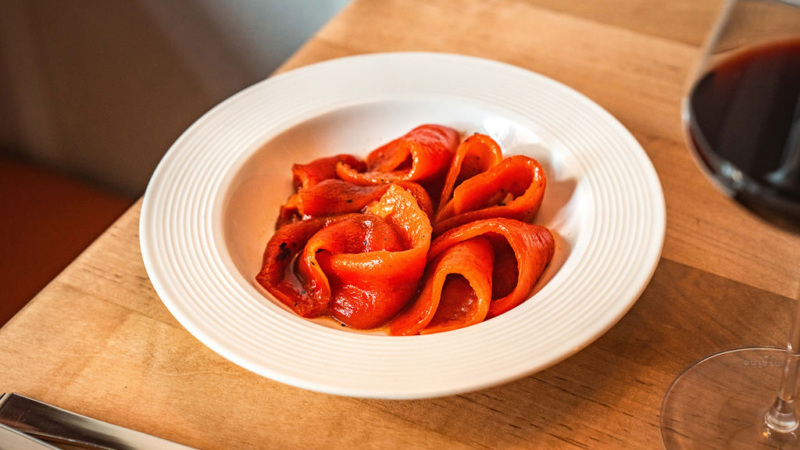
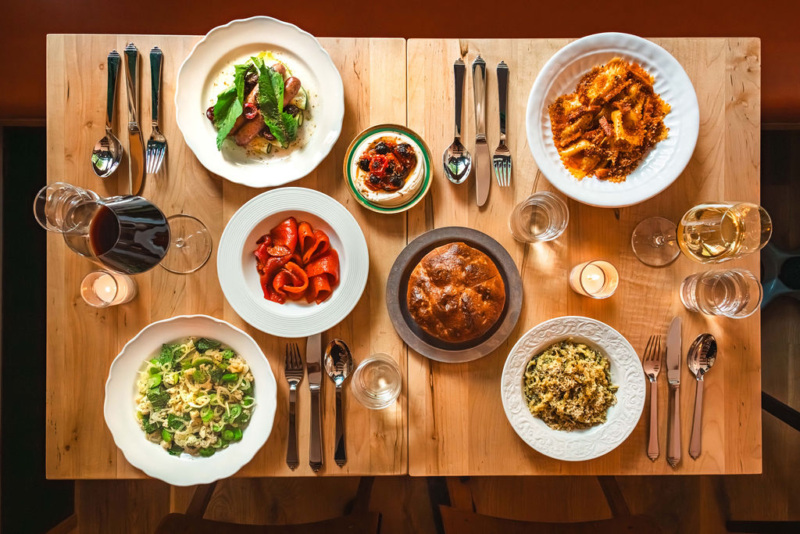
Dishes change with the seasons, but do look for anchors like housemade pastas, including a gluten-free lumache, and focaccia with whipped ricotta and seasonal vegetables. Don’t overlook the contorni like grilled, marinated peppers with herbs. -
Must-Order Drinks
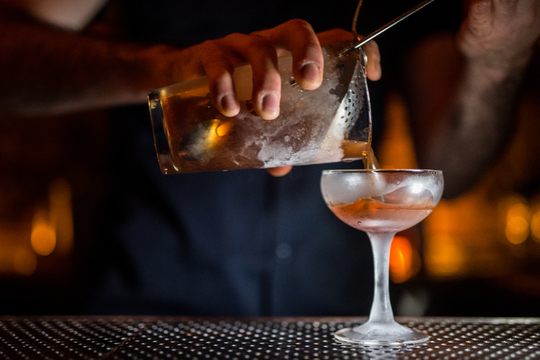
Anything on the wine list; low-ABV vermouth; aperitif-style spritzes; and the house 50/50 martini.
-
Who and What It’s For
Getting into The Four Horsemen requires setting an alarm to make a reservation or lining up well before dinnertime. The team hopes I Cavallini can be more of a neighborhood restaurant where guests can stop in for a snack and a glass of wine or a complete dinner — without booking a month in advance. -
How to Get In
Reservations drop a month in advance. Approximately a third of seats are reserved for walk-ins. -
Pro Tip:
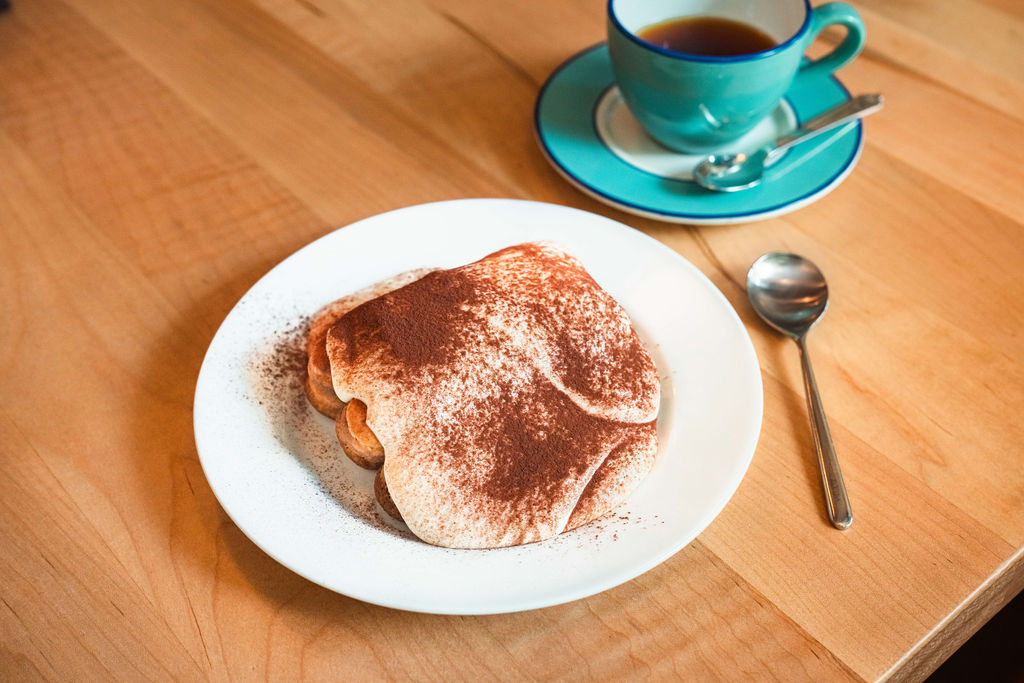
Do not sleep on dessert, especially the daily housemade gelato or the tiramisu.





1. This is not The Four Horsemen 2.0.
Before the team started working on I Cavallini, there was another project and potential space up for consideration — a more casual version of The Four Horsemen. But the economics didn’t quite work, so they pivoted.
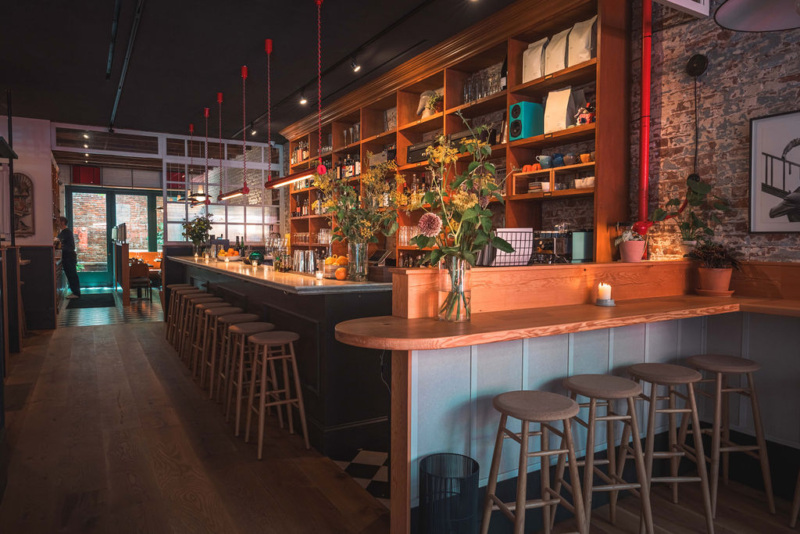
“We wanted the bones of the space to speak to what we were going to do,” says managing director Amanda McMillan. They started eying a spot across the street that had long been the Italian restaurant Fiore, which was owned by their now-landlord. Complete with grape vines growing in the backyard and a vintage-feeling black-and-white tiled floor, they felt that an Italian concept would fit best, and they learned that the last tenants were conveniently looking to leave.
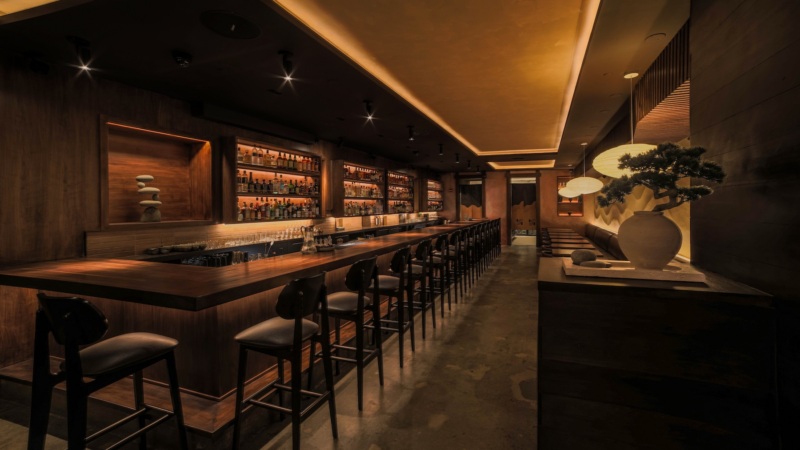
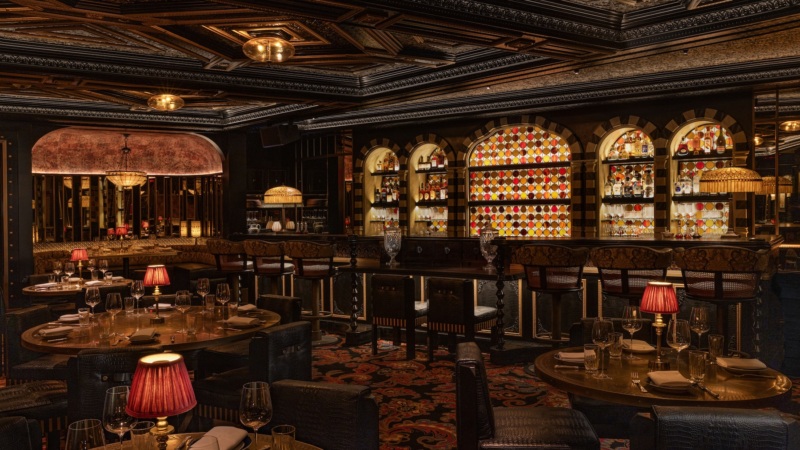
With The Four Horsemen so close, the team wants I Cavallini to feel distinct and more like a neighborhood restaurant that, chiefly, has more seats — 55 inside and 17 on a patio that will open down the line. It will allow them to welcome guests for a full meal, a snack of focaccia and whipped ricotta with a glass of wine, or a bowl of pasta and an amaro.
But McMillan concedes that, in many ways, it will feel familiar to diners who know The Four Horsemen. “Because it’s us,” she says. “And we like what we like.” So, do expect romantic lighting, thoughtful acoustics, and familiar faces who have been part of the team for years.

2. It comes from a tightknit team.
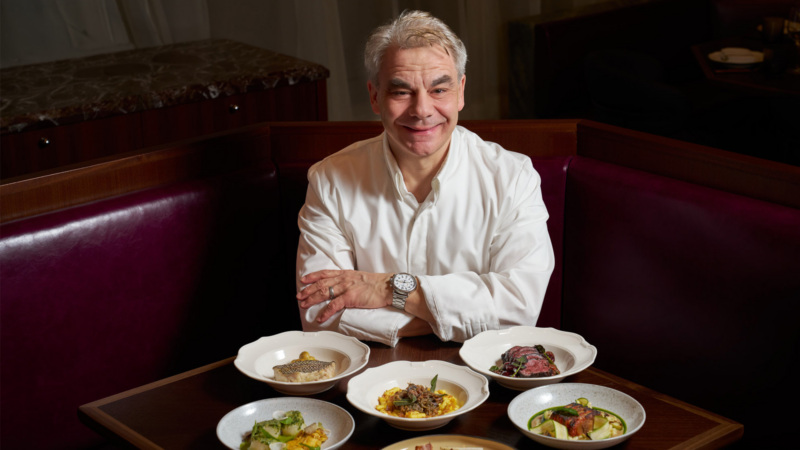
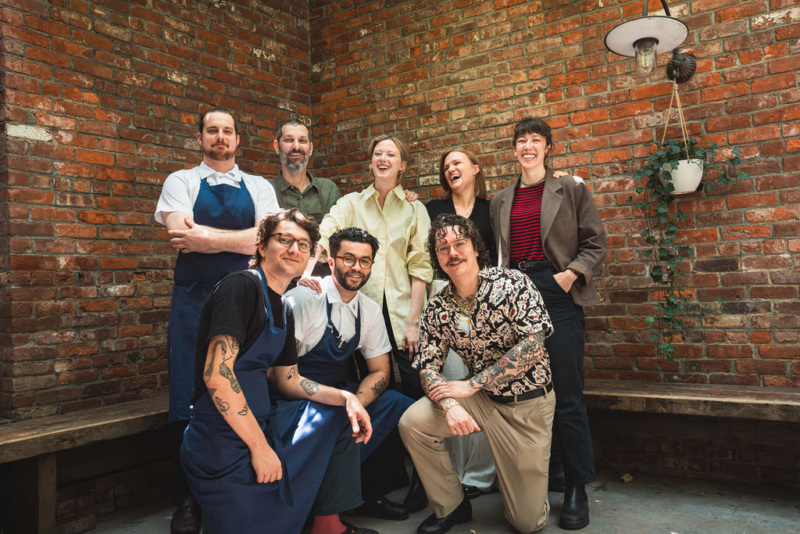
Much of the staff here has been with them for years — principally, McMillan and executive chef Nick Curtola, both of whom are stakeholders in I Cavallini.
They approached the original Four Horsemen owners — James Murphy, Justin Chearno, Christina Topsoe, and Randy Moon — about expanding more than two years ago. “We were really proud of what we accomplished, but we both felt like we wanted to do more, and we wanted to do it with this group,” McMillan explains. They also wanted to create opportunities for talented members of their team, like Ben Zook, the chef de cuisine at I Cavallini, to grow.
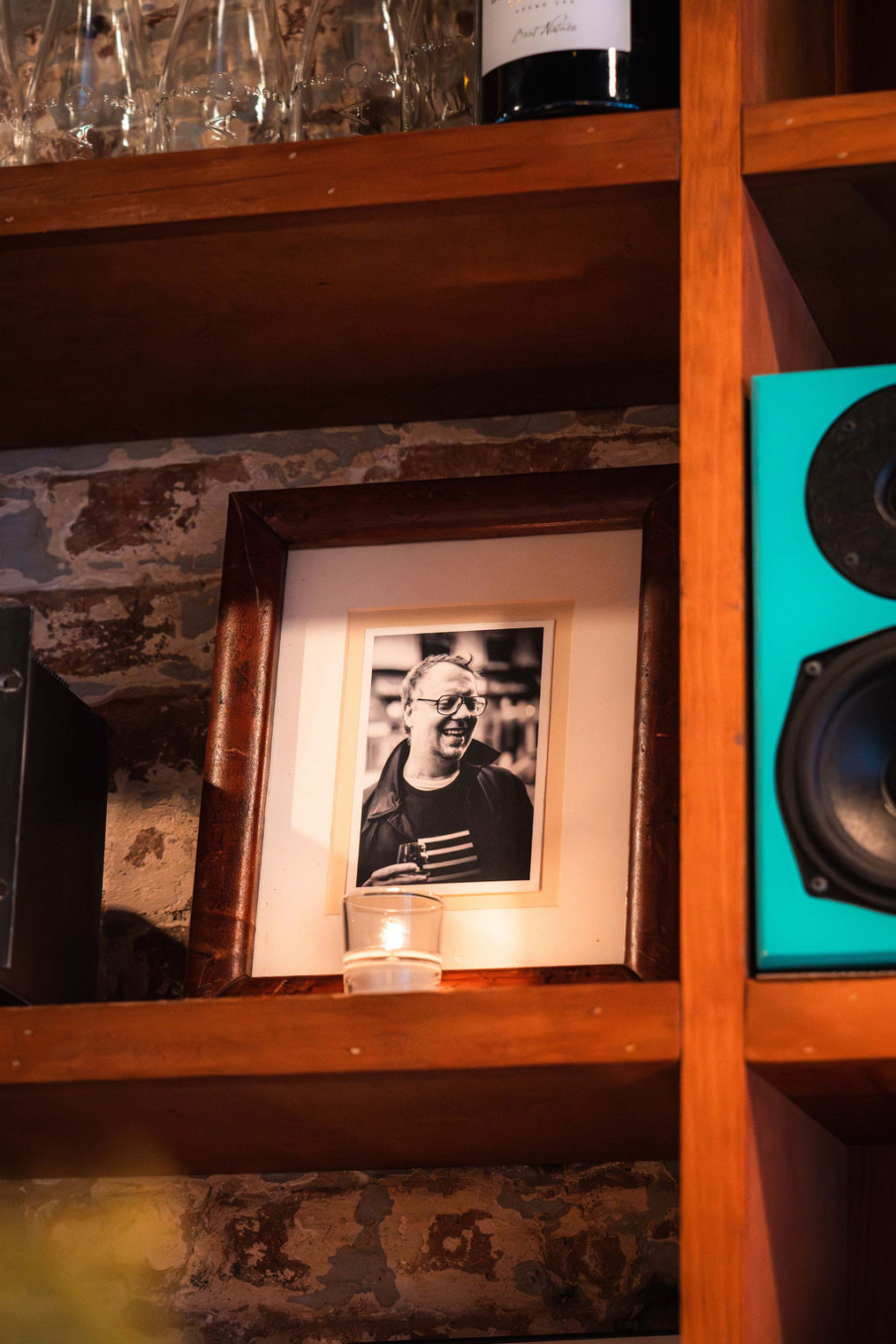
But everything halted last August when Chearno tragically died at 54. For a moment, McMillan wasn’t sure if they would move forward with I Cavallini, but Chearno’s son, Felix, insisted they continue. “’You have to, my dad would be so mad if you didn’t,’” McMillan recalls him saying. “That echoed with us — hearing Felix give us that green light. And I think from that point on, we were like, ‘OK, we’re still doing it, and now we just have to do it even better [to] make him proud.’” Chearno’s widow, Stacy Fisher, joins the team as a partner, and her artwork hangs on the walls.

3. Flo Barth is taking the reins on the wine list.
For nearly a decade, Chearno oversaw the 700-bottle wine list at The Four Horsemen, earning the restaurant James Beard Foundation recognition for outstanding wine program in 2022 and a cult following in the wine world even beyond the U.S. Flo Barth, who worked with Chearno for many of those years, is in charge of the wine list at I Cavallini, which features approximately 125 bottles for the opening “with room to grow,” Barth says.
She’s focusing on new guard Italian natural winemakers, including the next generation of winemakers from established estates. “Minimal-intervention winemaking, biodynamic and regenerative farming, and women winemakers get priority,” she notes. “You’ll find approachably priced Nebbiolo from higher elevations sitting alongside neo-traditionalist Barolo, a fun selection of Italian sparklers, and a tight array of truly beautiful, lively, and surprising bottles from all over Italy.” She’s excited to share new names like Giacomo Baraldo in Tuscany, Schirru in Sardinia, and Vallisassoli in Campania.
The list will also reflect a few notes Chearno left behind for his vision for the program, including bottles from Piedmont and Sicily. The team is pulling some bottles from The Four Horsemen’s cellar as well, including Barolos from Accomasso and Canonica. “Justin always said that the food at The Four Horsemen was too delicate to pair with Barolo, so I know he would be happy to see people drink these wines with the Italian food that will let them sing,” Barth shares.
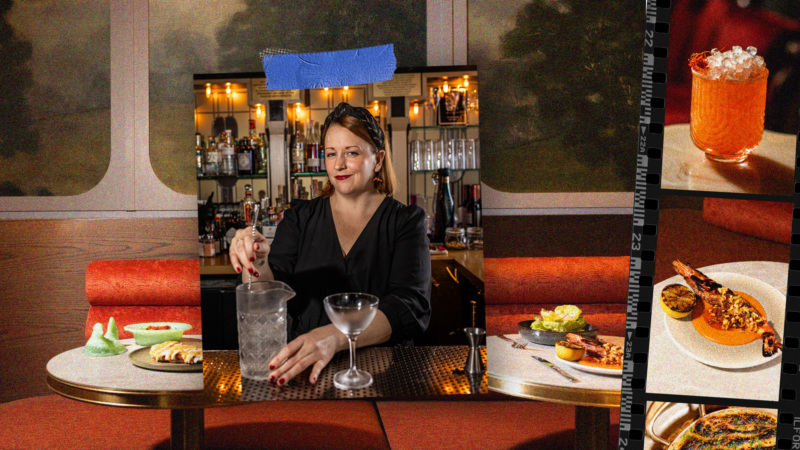
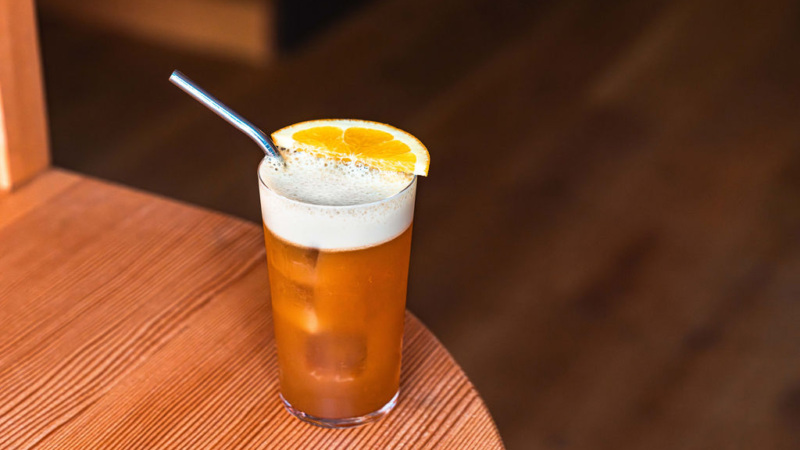
There will also be cocktails that “lean in an apero style,” explains bar director Jojo Colonna, an Attaboy alum. That includes low-ABV vermouth and aperitif style spritzes like an “americano royale” with fino, Rondo Spritz, prosecco, and orange. The house martini is a 50/50 with overproof gin and Gotha Drai Vermouth Siderale, made from Zibibbo grapes and water from the Adriatic.

4. The menu won’t be cornered by tradition.
Originally, Curtola planned for the menu to be regional Italian, focusing on northern Italy in winter and southern Italy in the summer. But he realized that some of the dishes he knew from working and traveling in Italy were lost in translation once they got to Brooklyn. “I feel like a lot of that food works because, you’re in Italy in a 150-year-old dining room, and there’s an old person in the back making the food,” Curtola says. He’s settled on what he’s calling “Italian-leaning seasonal New York” with distinct menu sections for antipasti, primi, secondi, and contorni.
“The focus on Italian food is kind of, honestly, a breath of fresh air for myself and the team,” Curtola adds. But he won’t be cornered by tradition, allowing himself and his team room to create a dish you might not see in a specific region of Italy, but wouldn’t be out of place there, either.
Like at The Four Horsemen, sourcing will drive the cooking — both from local markets and from Italy. The menu will change with the seasons, but not as often as the one across the street. Curtola is maintaining a few anchors on the menu that guests, particularly regulars and those in the restaurant industry know they can return to. That includes housemade focaccia with whipped ricotta accompanied by a seasonal vegetable; it’s roasted cherry tomatoes, to start. Pastas will always be on offer, with a gluten-free substitution available. For the opening, expect farfallone with Calabrian chile butter and smoked pancetta, plus several others like bucatini, farfallone, trofie, and gnocchi sardi. A lamb sausage, accompanied by avocado squash and cherries for the summer, may also stick around.
The contorni, or simple sides served in Italy, are far from an afterthought. “The marinated peppers are one of the best bites I’ve had in a really long time, anywhere,” McMillan says. Grilled on a binchotan, they’re marinated with vinegar, olive oil, and lots of herbs, and left with a good amount of bite like the peppers Curtola tried at a restaurant in Piedmont.

5. Do not skip dessert.
While there’s no pastry chef on staff, the team isn’t cutting the five-item dessert menu short. They brought in a Carpigiani gelato machine, which freezes batches in about seven minutes, Curtola says, resulting in an intensely creamy gelato. They’re using it to make hazelnut gelato plunged into espresso from Los Angeles-based roastery Maru for an affogato. There’s also honey gelato with Tristar strawberries on the menu, and sorbet made with Zerbinati melons from Lombardy. “They slather their melons with sunscreen,” McMillan says, laughing.
Curtola had planned to leave tiramisu off the list but changed his mind after trying a version that was assembled to order in Florence during his research trip. “That was worth the trip alone,” he says.


6. Expect good music and thoughtful sound design, naturally.
The Four Horsemen has always had a reputation for thoughtful sound in the space, courtesy of Murphy, who is also the force behind LCD Soundsystem. The attention to sound will carry across the street. While the space comes with brick walls and a checkered tile floor that their landlord asked them to leave in place, many of the restaurant’s design decisions were made with sound in mind, like wainscotting and bar stools made from cork.
McMillan commissioned three playlists for the opening. “I try really hard to pull in different creative people that can keep us feeling fresh,” she explains. One list comes from Norm and Linda, a DJ couple from Brussels. “They have a totally different point of view than anybody I know in the New York scene. It’s a different attitude than The Four Horsemen. Like, if Horsemen is like Copenhagen, Tokyo, Berlin, then I Cavallini is like Rome, Kyoto, San Francisco — slightly more colorful, slightly softer, slightly breezier.”
I Cavallini will be open Wednesday through Saturday from 5 to 10:30 p.m. beginning July 16. The team will introduce nightly service in the future and weekend lunch service may follow.
Devra Ferst is a Brooklyn-based food and travel writer who has contributed to The New York Times, Bon Appétit, Eater, NPR, and numerous other publications. She is co-author of “The Jewish Holiday Table: A World of Recipes, Traditions & Stories to Celebrate All Year Long.” Follow her on Instagram. Follow Resy, too.