Greenpoint’s Kelang Gives Malaysian Fine Dining a Brooklyn Edge
Published:
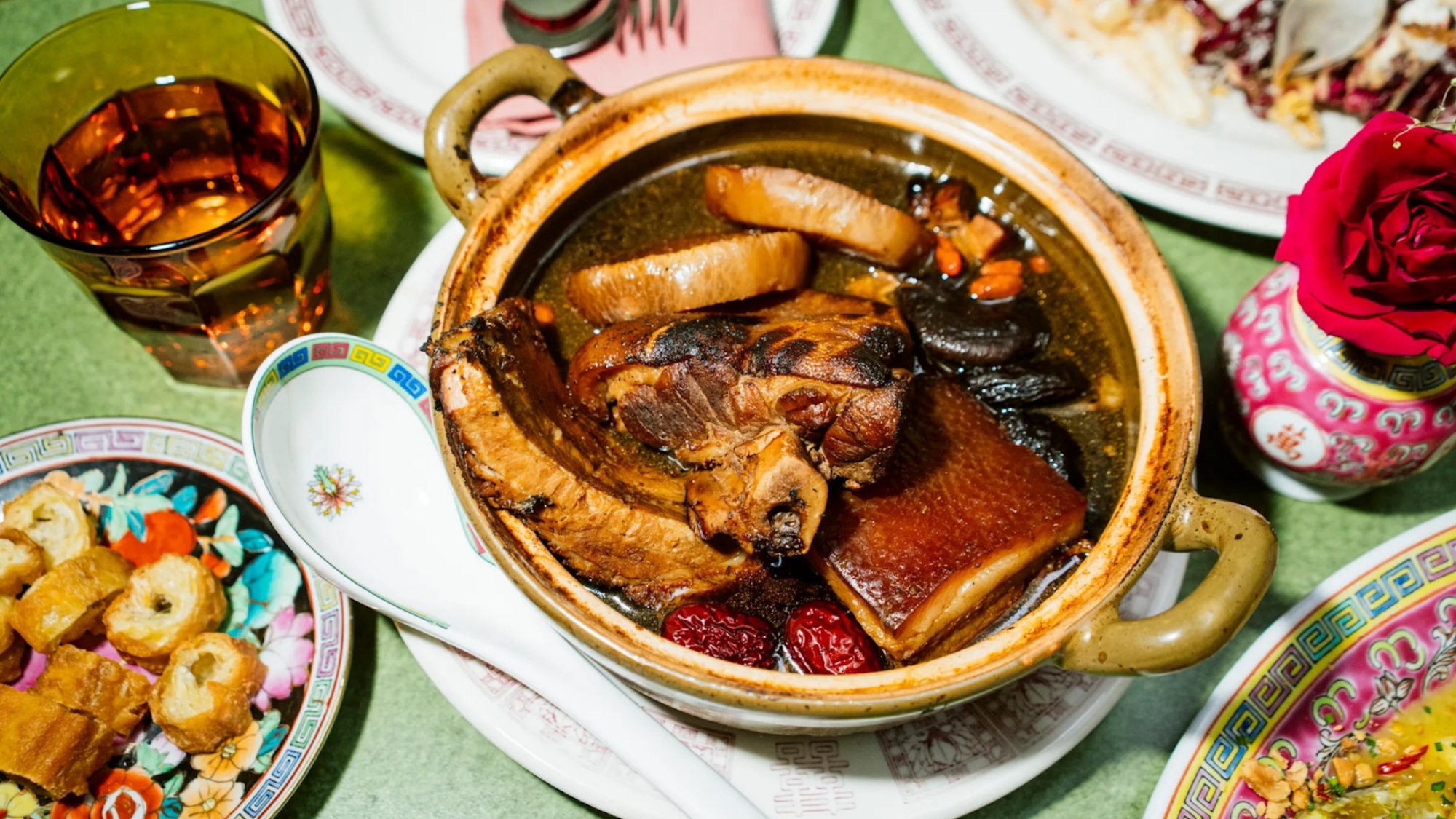
From the family that brought you Hainan Chicken House in Sunset Park comes a sultry new Malaysian spot in Greenpoint with a cinematic flair. Kelang, under the creative leadership of Chris Low, brings together classic Malaysian flavors and other culinary influences from Low’s life growing up in Brooklyn restaurants.
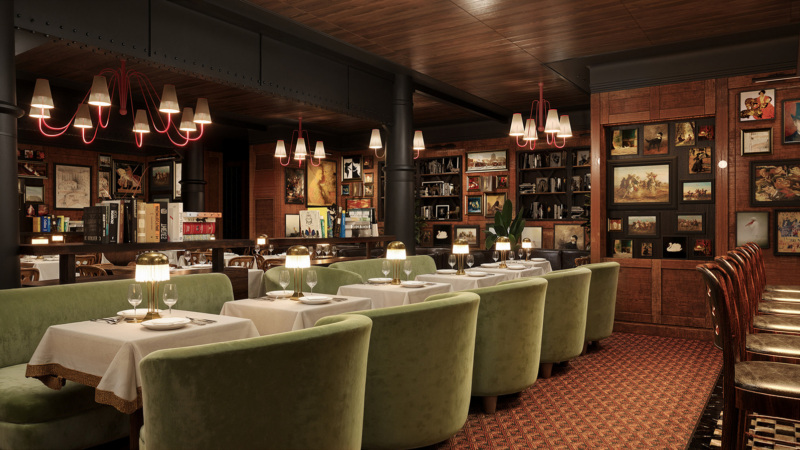
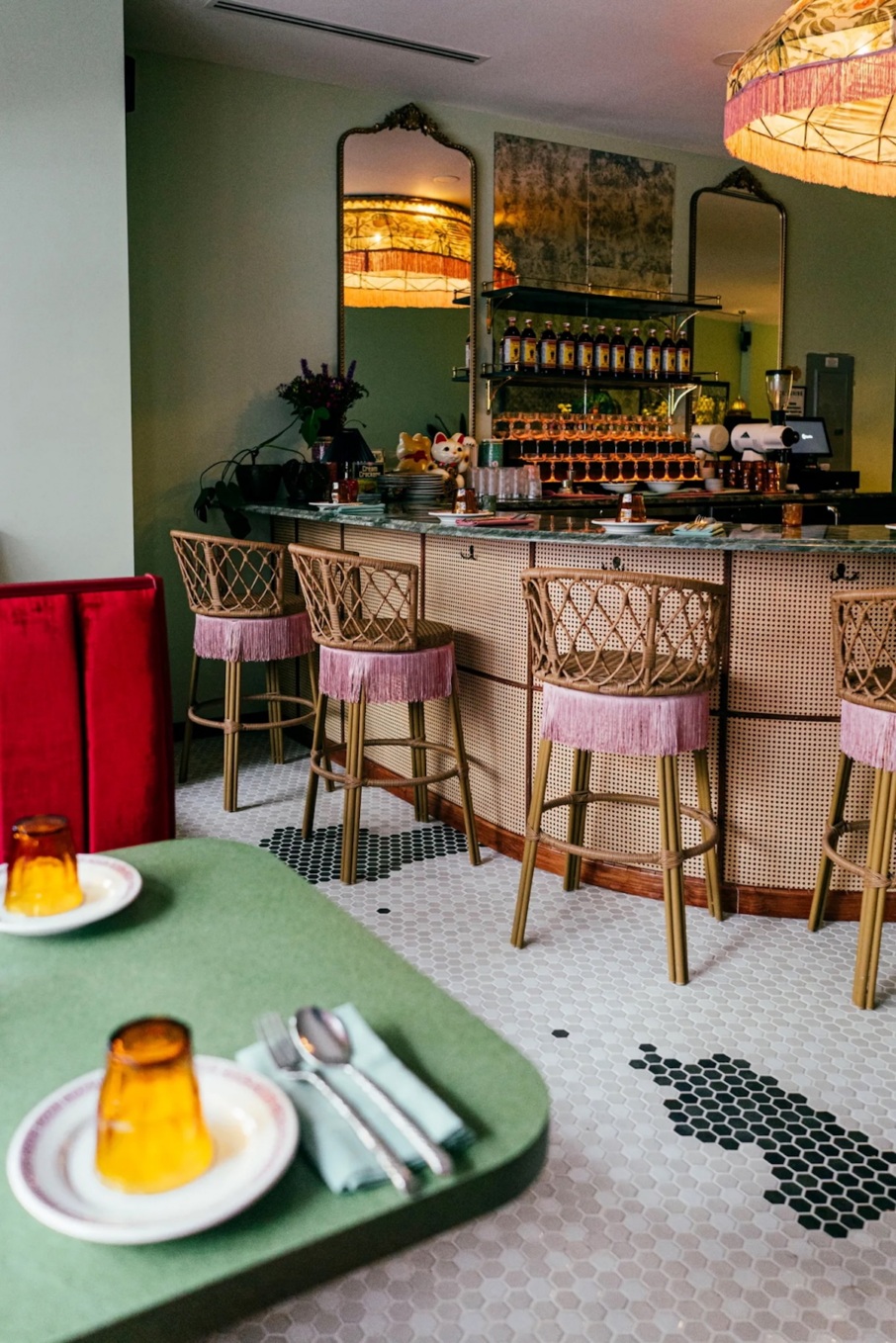
While Hainan Chicken House is a straightforward Malaysian spot best-known for their namesake dish, a hawker-style chicken rice that’s earned something of a viral following, Kelang takes a more creative license. You’ll still find the famous chicken rice, but the space looks more like an upscale cocktail bar than a casual restaurant. There’s a well-curated wine list featuring Greek and Slovenian bottles, and a short cocktail menu offering Southeast Asian spins on the classics.
We sat down with Low to discuss the inspiration for the menu and the design, and what diners can expect to see and taste at Kelang.
The Resy Rundown
Kelang
-
Why We Like It
Kelang sets the stage for fresh, idiosyncratic Malaysian classics to shine through a Brooklyn lens in a sultry space. -
Essential Dishes
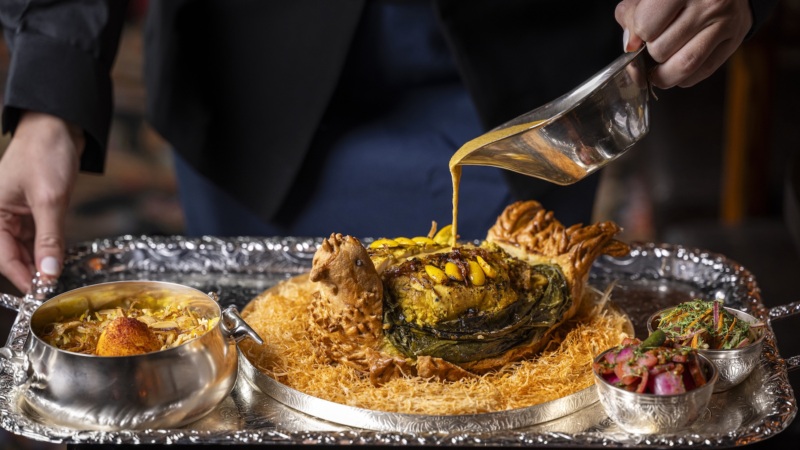
The pizza-esque paratha; oxtail rendang; char siu; and Hainanese chicken. -
Must-Order Drinks
Go with whichever wine your server suggests to pair with your meal — especially if it’s the Slovenian orange.
-
Who and What It’s For
It’s a great pick for date night, for groups with a mix of dietary needs (there are vegan, vegetarian, and gluten-free options), and for dark soy sauce fanatics. -
How to Get In
With eight to 10 bar seats held for walk-ins, you might get lucky. If you prefer a sure thing, reservations for the remaining 70 or so seats drop on Resy 30 days in advance. -
Fun Fact
“Kelang” is the antiquated spelling of Klang, Chris’ parents’ hometown in Malaysia – an area that adores dark soy sauce and features it prominently in their cuisine.
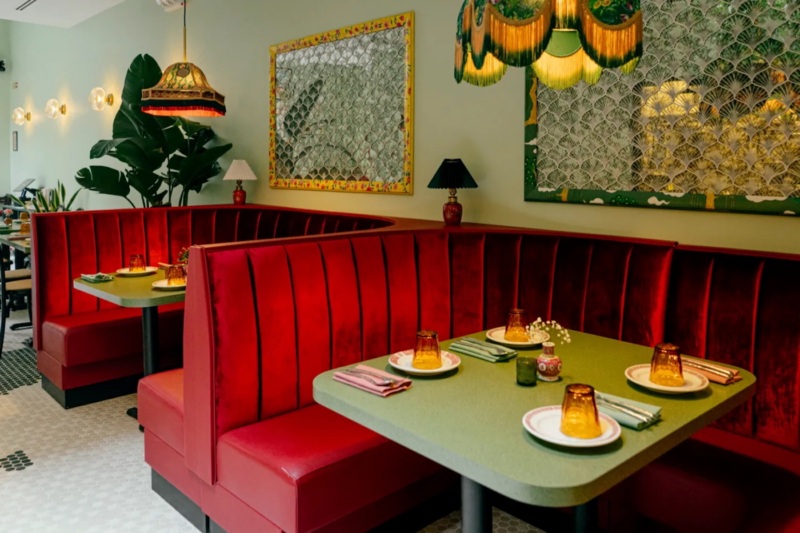
1. It was designed with an eye for the cinematic.
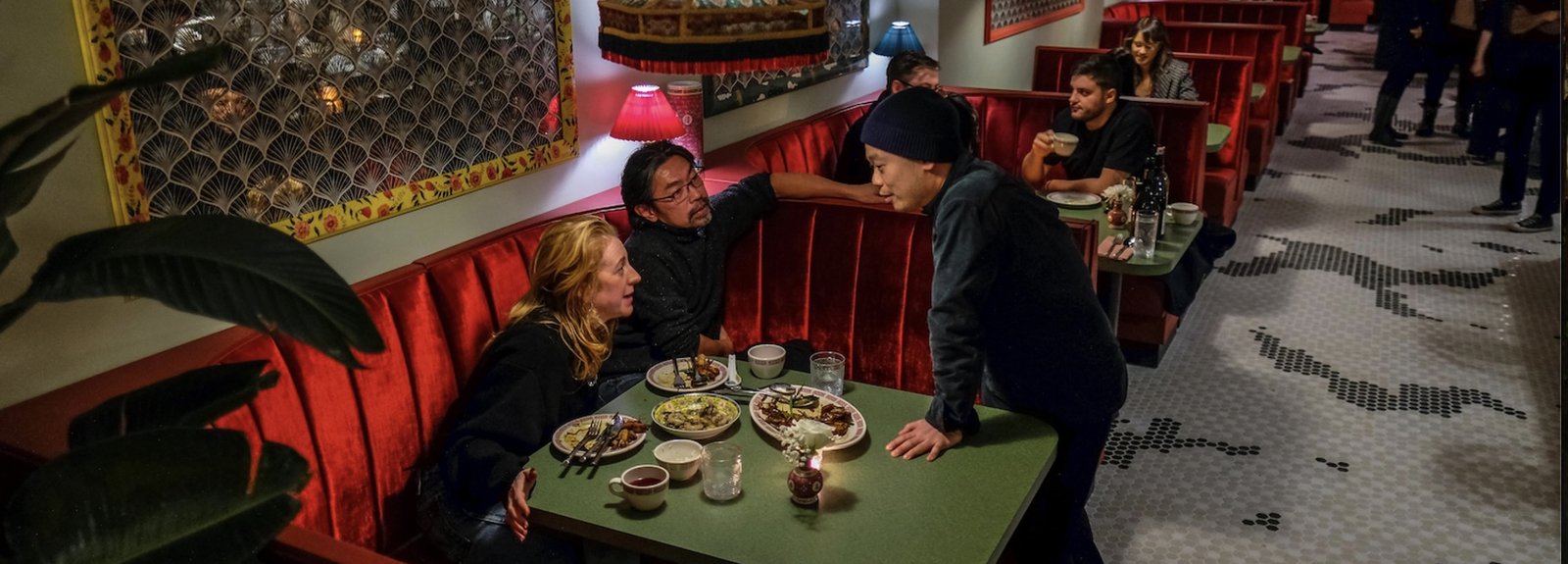
The Low family has been in the restaurant business for decades, and Kelang marks the younger generation’s entrance into the spotlight. Funny enough, Chris never expected he’d be a restaurateur himself – even now, he maintains a career in the film industry as well, working as a director and a cinematographer.
“It’s like I’m directing the restaurant, right? So the aesthetics, the music, the food, the mocktails, the whole drink menu,” he points out, would normally be divided between members of a whole team, but Low is running point on all of these.
“For better or worse, I’m handling it all. There’s a unified vision, but it comes at the cost of my sanity,” he says, half-joking.
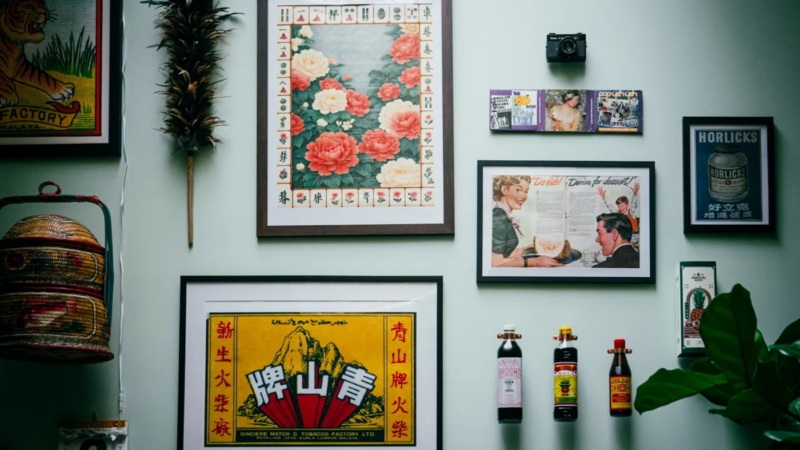
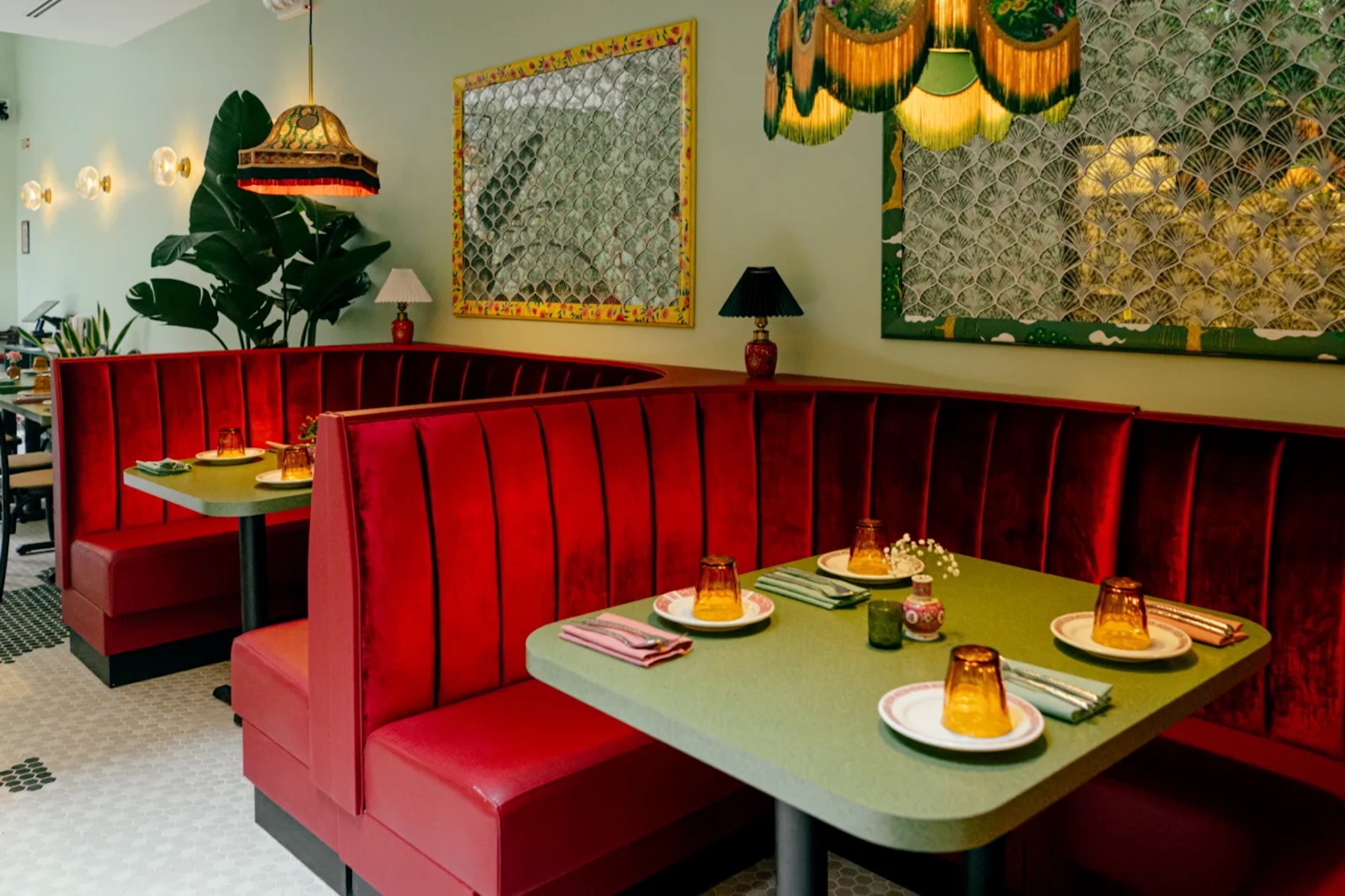
Kelang’s aesthetic was primarily inspired by the Wong Kar-wai classic, “In The Mood For Love,” with its deep red booths and richly embroidered fabric accents. “I’m almost embarrassed to reference it, because it’s so on the nose,” he says, “but that’s the experience. I wanted people to be able to come in here and feel sexy eating Malaysian food, and to feel like they were Tony Leung or Maggie Cheung.”
The “sexy” restaurant concept has been a mainstay in New York for decades, if not longer, but it’s one that Low feels hasn’t really been made as accessible to Asian people or associated with Asian cuisines.
“I wanted other Asian folks to come into a space where they could feel nostalgic, entirely at ease, and also feel like they belong here and feel sexy here,” he said. “There isn’t really a Malaysian Balthazar. Why not?”
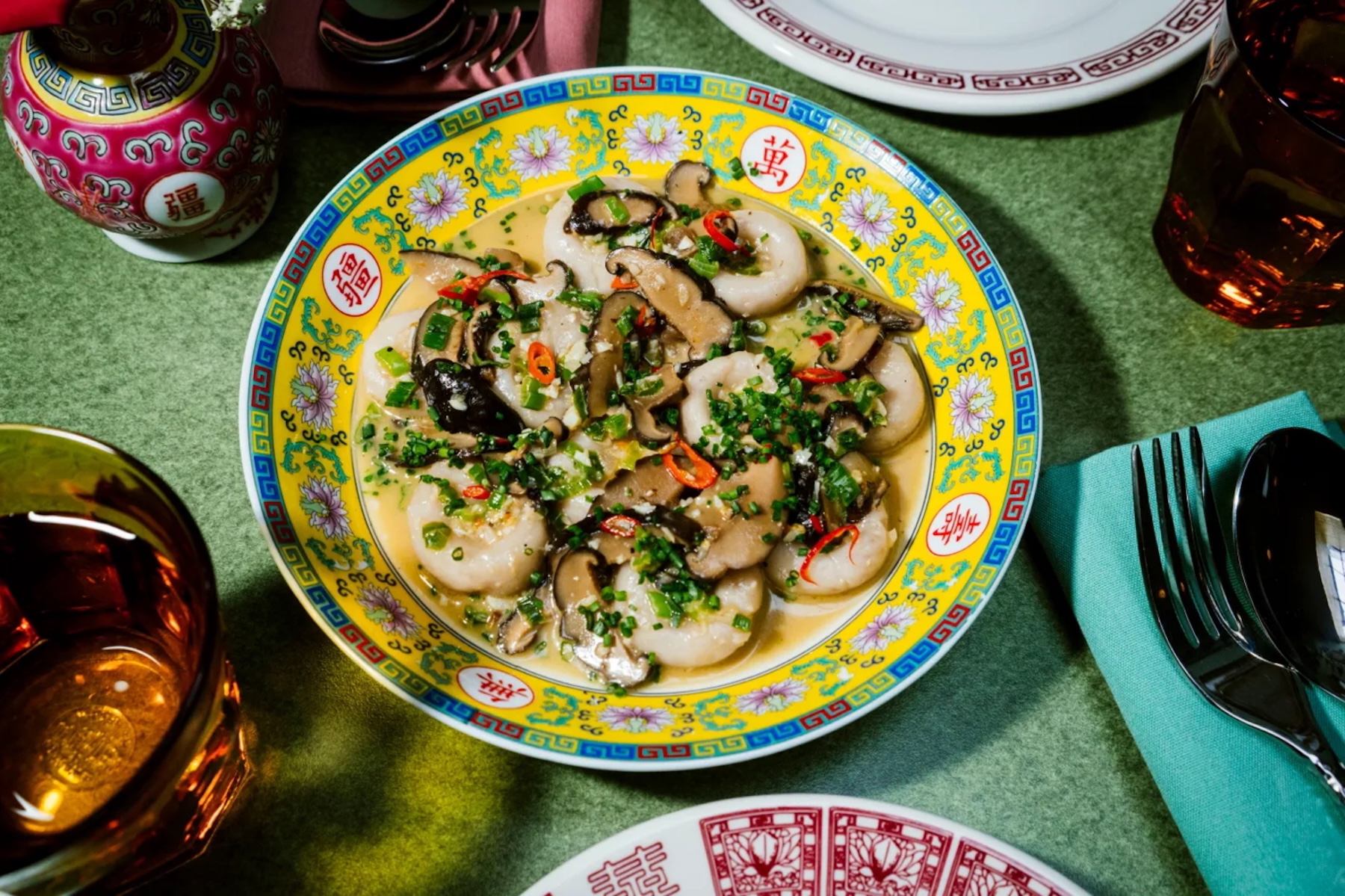

2. Don’t bother splitting hairs over what’s “authentic.”
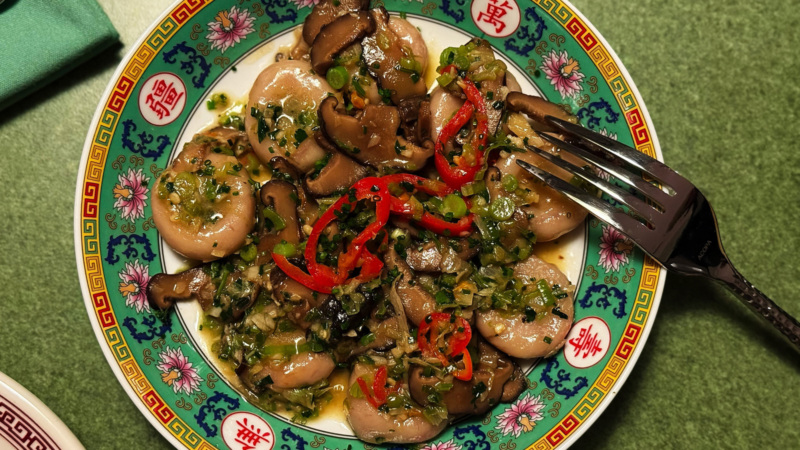
Low’s parents may be of Malaysian Chinese descent, but the real defining factor of the menu is that he and his sister are Brooklyn kids. Growing up in Flatbush, Low recalls there being few, if any other Asian families in the vicinity, and they were surrounded mostly by Caribbean and Italian restaurants. He considers Italian food to be his father’s greatest area of expertise, having worked as a chef in, and owning, Italian spots for years (including one called Christopher’s, which was changed to Chris and Becky’s after his sister was born). These influences loom large in Chris’ background and palate, so come expecting food that’s Malaysian by way of Brooklyn.
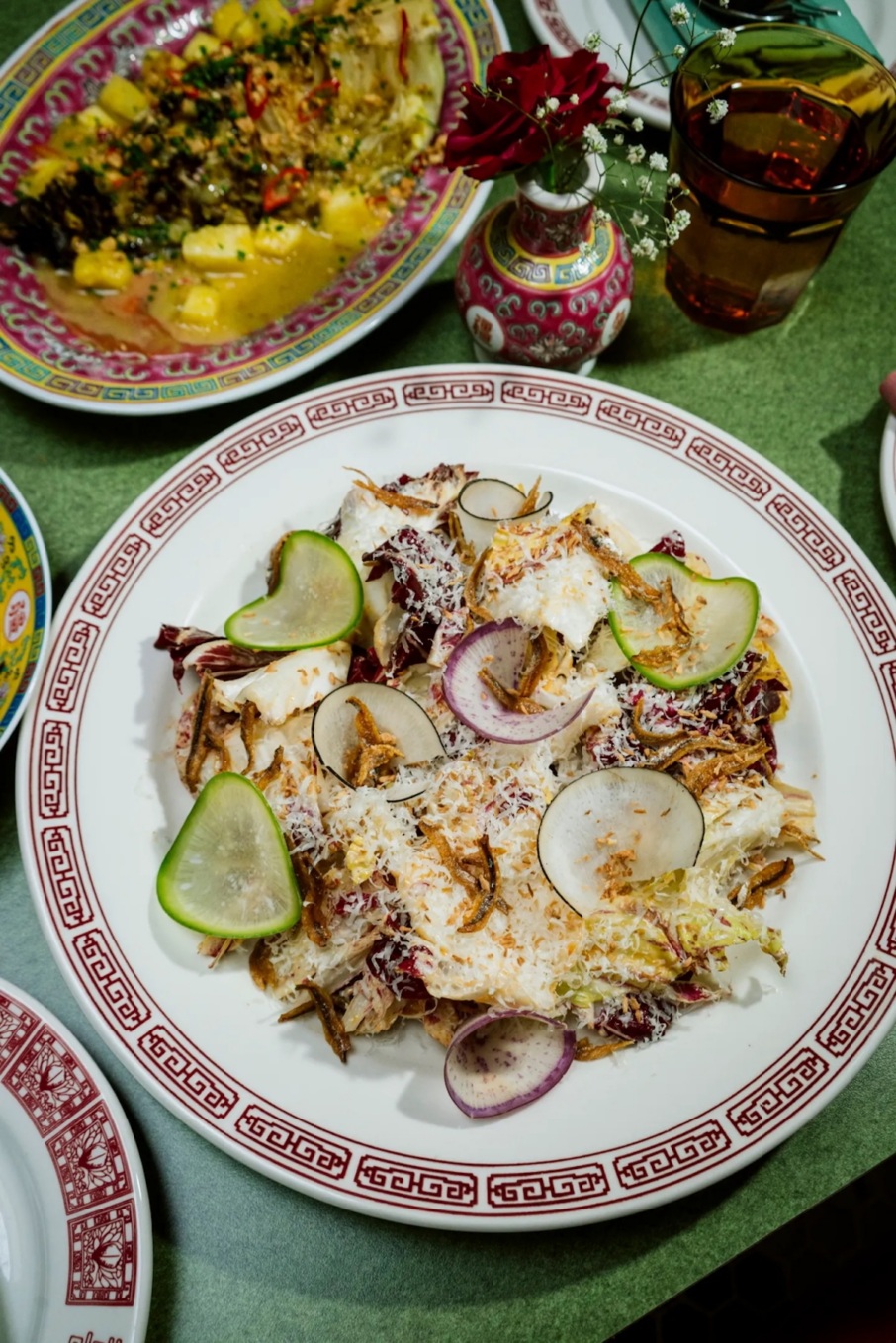
“I grew up eating a s— load of oxtail,” Low says, referring to the Haitian and Jamaican restaurants in and around Flatbush. Rendang is a Malaysian dry curry dish commonly made with beef, but Low had long wanted to try making it with oxtail.
“We happen to do it more like an Indonesian-style rendang, which is more cooked down. We take the meat off of the oxtail so it’s not with the bone, and it’s super smoky, savory, milky. And then I pair that with a combination of two rices,” a Malaysian nasi ulam and a Haitian black mushroom djon djon. “You have something mushroomy, herbaceous, fresh, and that’s sort of a counterpoint to this smoky rendang.”
All in all, Kelang isn’t too concerned with adhering to anyone else’s idea of what Malaysian food is or should be. From time to time, someone may claim that Chris’ menu isn’t “authentic,” an accusation he finds more baffling than anything. “I don’t know about you, but you’re speaking to two, three generations of Malaysians. This is how it is for us. Surprise.”
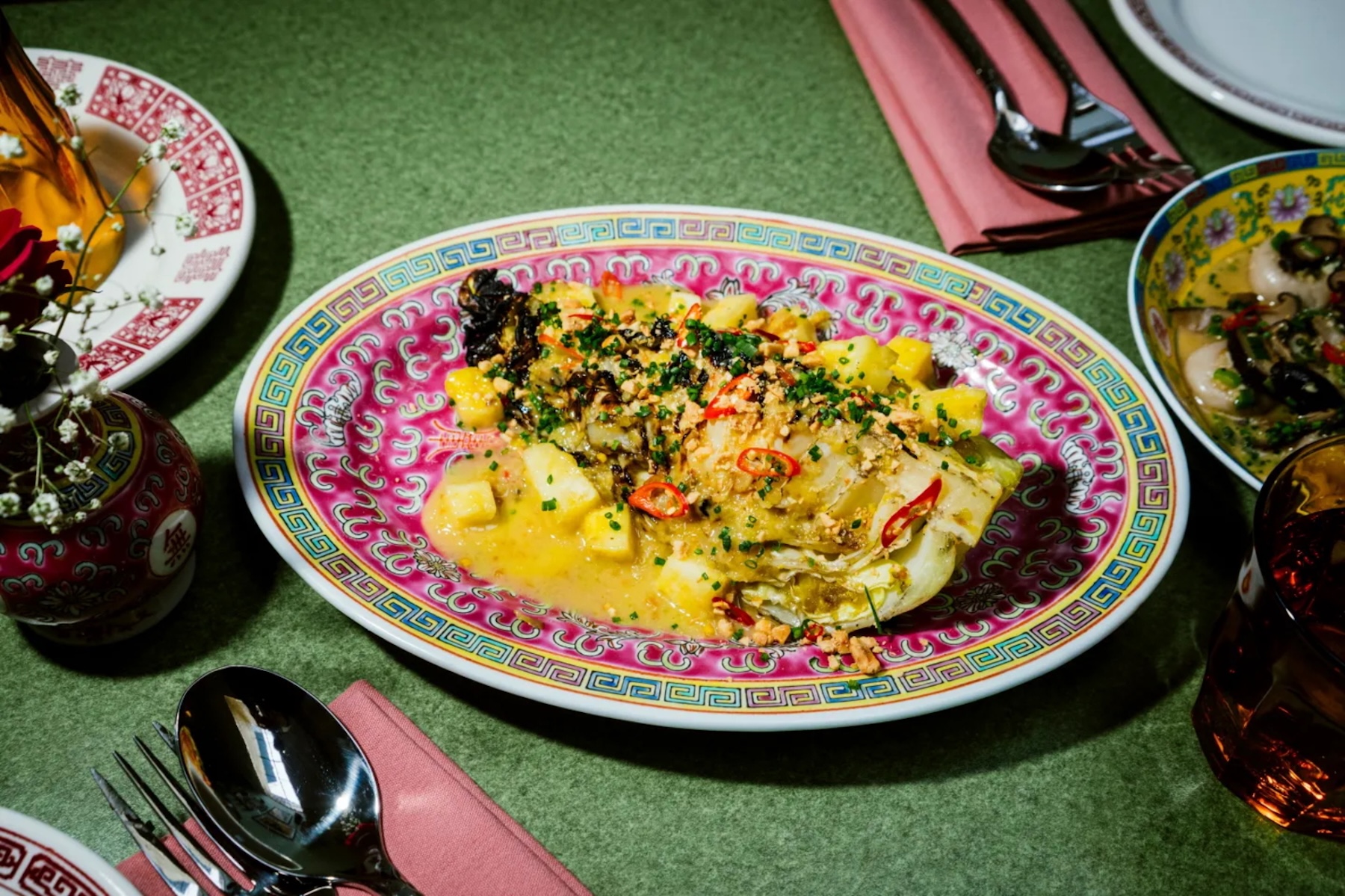
3. The paratha has the seal of approval from celebrity chefs, but more importantly, from Dad.
Perhaps the most distinct dish on the menu, and certainly one that blends diverse culinary influences, is the paratha: a fried bread originating from the Indian subcontinent topped with a pizza-like pairing of stracciatella cheese and herb salad. It’s the unexpectedly successful result of kitchen experimentation at Hainan Chicken House.
“My father was curious: What would happen if we deep-fried a paratha? And so we tried it,” Low says. “Immediately, it made me think of a montanara pizza, which is a Neapolitan fried pizza, which I love.” From there, Low’s goal was to concoct a “Malaysian-ish pizza” using the fried paratha as a base. It became a special at Chicken House and eventually morphed into the dish that’s now on offer at Kelang.
“Nick, my chef de cuisine, he was a little dubious seeing it on paper,” Low says, “and then he ate it, and he was like, ‘it’s f*cking delicious.’”
The paratha has been one of Kelang’s most popular dishes so far, which is no surprise to Chris, since it already received a “10 out of 10, no notes” from some tough critics.
“I was doing a pop-up at Frenchette,” which is owned by industry figures Lee Hanson and Riad Nassr, who both previously worked at Balthazar and also own Manhattan’s Le Rock. “When it came to that dish, that I made for them, they had no comments. They were like, ‘It’s delicious. Let’s move on.’”
But Chris knew he was onto something the very day the idea dawned on him, because — though his father is usually skeptical of his creations — “he came over and he took a bite, walked away, then came back and said, ‘I’m gonna get another bite of this.’” Coming from Dad, that’s high praise.
4. The wine program is upscale and creatively curated, and the cocktails are fun.
Back down in Sunset Park, one of Hainan Chicken House’s distinguishing features is its robust natural wine program, which Low insisted upon, despite some initial resistance from his family, who worried it may not be received well in a “working-class Chinatown” neighborhood.
“I said, if we’re gonna serve wine, it’s got to be this, because it makes a statement about the kind of place we are,” he recalls. It follows that the drink menu at Kelang has also been shaped with careful attention, featuring low-intervention wines, many of which hail from less well-known regions. There’s a focus on Rieslings, because Low finds that they pair well with spiciness and other strong flavors found in Malaysian cooking, but apart from German and Austrian standards, you’ll also find bottles from Greece and Slovenia.
Wine is the heart of the bar program, but Low has also developed a tight cocktail menu that he describes as “Southeast Asian–inspired takes on classic templates,” including a Negroni Lampu Hijau made with gin, cherry blossom vermouth, and pandan-lemongrass juice, a Russian Dinasour featuring vodka, coconut cream, coffee liqueur, and mint, and a Spicy Kalamansi Margarita made with mezcal.
Kelang is open for dinner from Wednesday to Sunday starting at 5 p.m., and is open for brunch on Saturday and Sunday from noon to 3 p.m.
Ariana DiValentino is a writer, filmmaker, and actor based in Brooklyn. Follow her on Instagram, Bluesky, and TikTok. Follow Resy, too.