Kidilum Brings the Malabar Coast to Manhattan
Published:
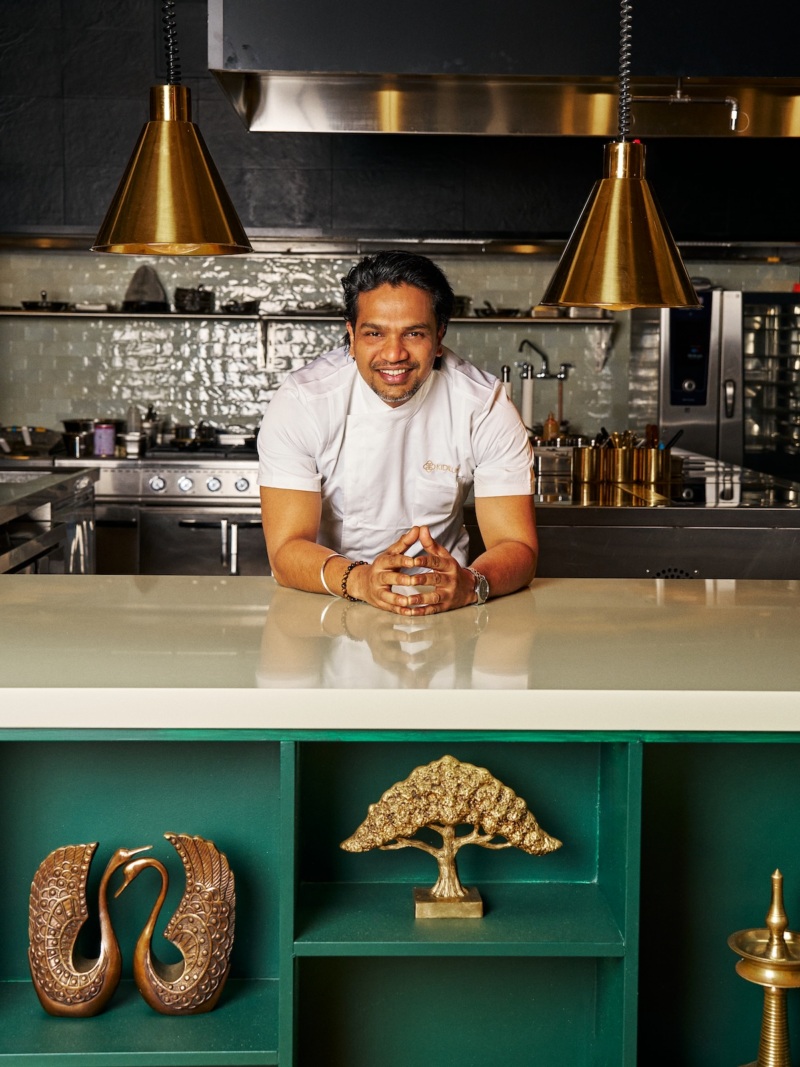
Southern Indian cooking is as popular in New York as its Northern counterparts at last — and just as glamorous. On Friday, Feb. 27, Kidilum, which translates to “beyond awesome” in Malayalam, opens in Flatiron. Here, chef and partner Vinu Raveendran fulfills his lifelong dream of bringing dishes from his home state of Kerala and beyond to New York, and with rapt attention to traditional spice blends.
“When I crave Indian food, I always crave South Indian food because it’s where I’m from,” he says. “This is my dream come true.”
We sat down with Raveendran to find out everything you need to know about Kidilum before you visit.
The Resy Rundown
Kidilum
-
Why We Like It
It’s a stylish spot with a creative South Indian menu and thoughtful tableside touches, inspired by the chef’s time spent working at his cousins’ tea shop in Kerala, and other classics from India’s southwestern Malabar Coast. -
Essential Dishes
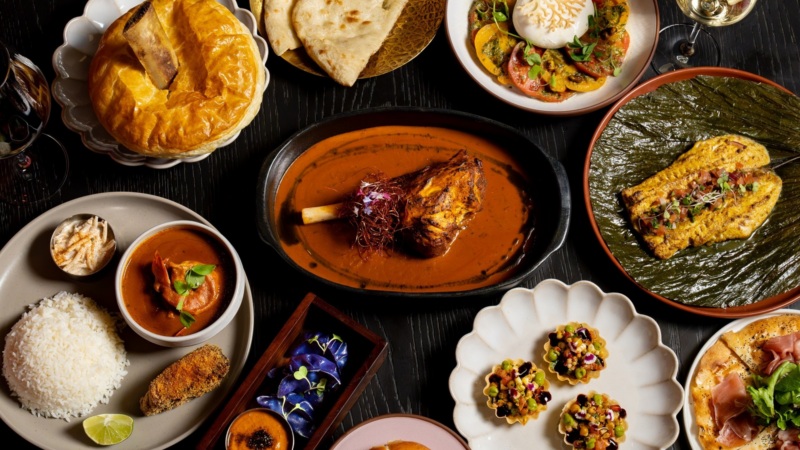
Podi idly; paper podi dosa; vella lamb korma; thalasherry biriyani; and black Calicut halwa. -
Must-Order Drinks
Podi with fenugreek and gin; Puliyam with Tequila, tamarind, and tomato; Kaapi with South Indian filter coffee, banana, and Himalayan kamet whiskey — all made with housemade cordials and sodas.
-
Who and What It’s For
People whose most prized possession is their pepper grinder, and anyone who enjoys a well-spiced dish. The location and ambiance also make it perfect for date night. -
How to Get In
Reservations drop one week in advance on Resy at 11 a.m. Walk-ins are also welcome. -
Fun Fact
The restaurant’s name roughly translates to “beyond awesome” in Malayalam.
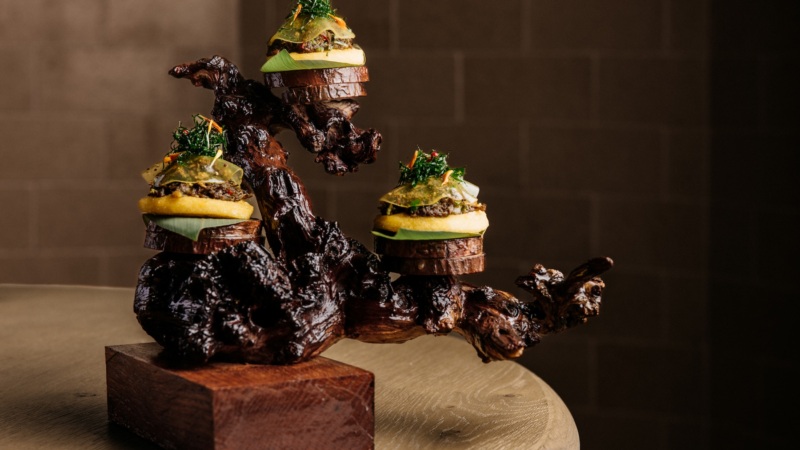
Photo courtesy of Kidilum
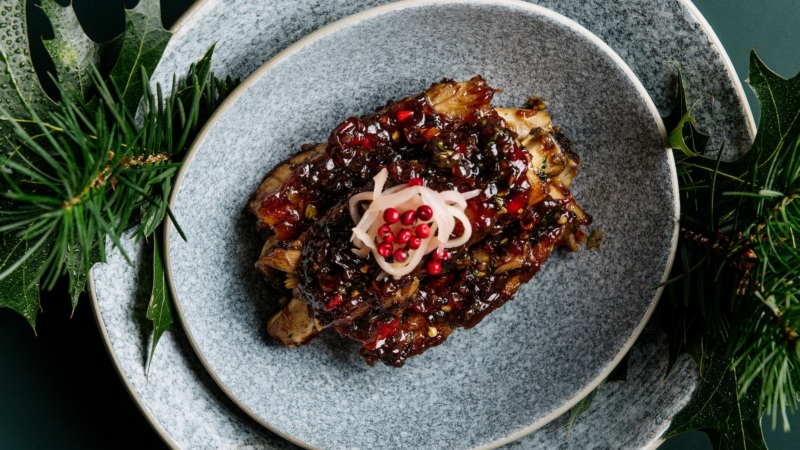
Photo courtesy of Kidilum
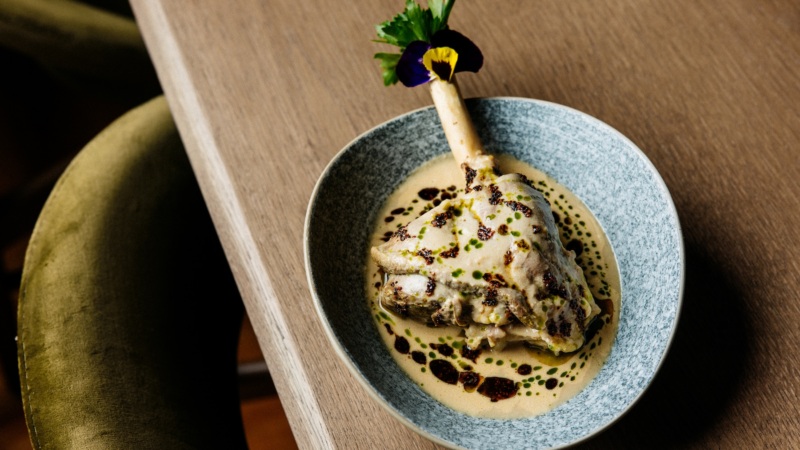
Photo courtesy of Kidilum
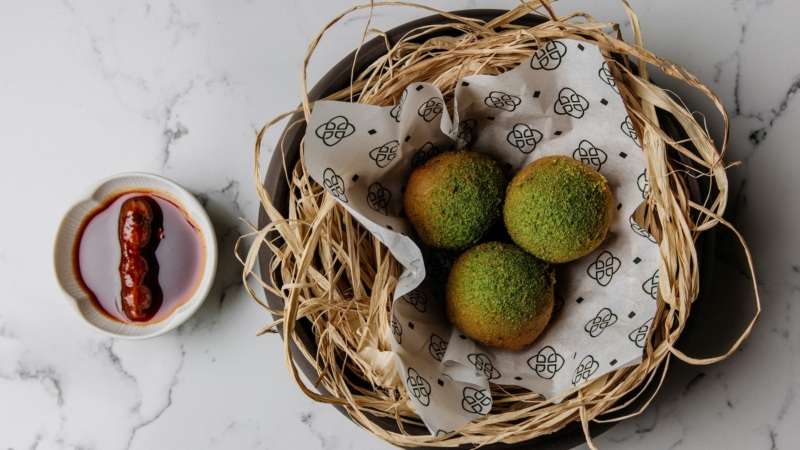
Photo courtesy of Kidilum
1. The restaurant reflects Raveendran’s lifelong goal of representing his home state.
Raveendran, who worked at the two-Michelin-starred Mugaritz in San Sebastian, Spain, and was mostly recently the executive chef at Carnival by Trèsind in Dubai, helms the kitchen. He says he always wanted to showcase the food of Kerala — and those of the tea shops he worked at during summer vacations. “The truth is, I was always fascinated with stylish cooking. I was a big fan of Marco Pierre White and how Michelin-starred restaurants are run,” he says, “After cooking cuisines from around the world, I realized that Southern Indian cuisine is rarely looked at that way.”
Raveendran left Dubai for New York in 2024 after successfully pitching the idea to restaurateurs Archana Sharma, Sidharth Sharma, and Sammeer A. Raajpal of Hungry Trio Hospitality, who own a handful of Indian restaurants in New Jersey, along with Ramen Nagomi, and thus, Kidilum was born. Additionally, for Raveendran, it’s quite fitting that “kidilum” is a popular Malayali expression for something incredible, loosely translating to “beyond awesome.” It also shares its name with a ’90’s Malayali comedy sitcom.
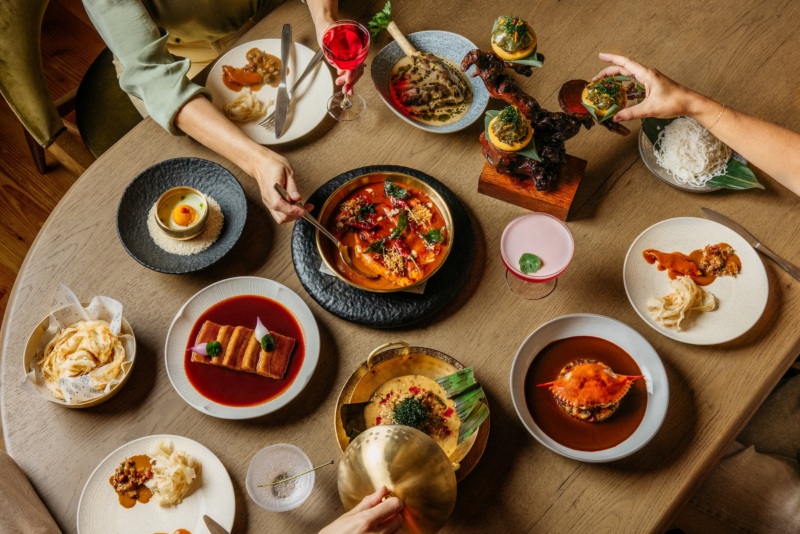
2. The menu spans Southwestern India, but especially Kerala.
While the overall region shares a few signature dishes, such as the famous ghee podi dosa at the Tamil-inspired Semma Keralan cooking is milder than the arguably more fiery and tart flavors of Tamil, relying on coconut in all its forms — including coconut oil, freshly grated, dried, and fried coconut, and coconut milk. Fittingly, coconuts are also the jumping off point for many dishes at Kidilum.
Raveendran explained that while other Kerala-focused restaurants like the Chatti by Regi Mathew evoke the state’s toddy shop culture, Kidilum draws from summers Raveendran spent at his cousin’s tea shop in Kerala. “Every Malayali feels proud of what [Mathew] is doing at Chatti,” Raveendran notes, explaining that while toddy shops typically serve small plates to go with palm wine, tea shops also allow for larger-format dishes.
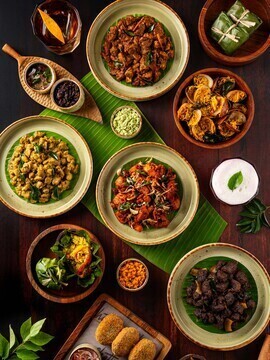
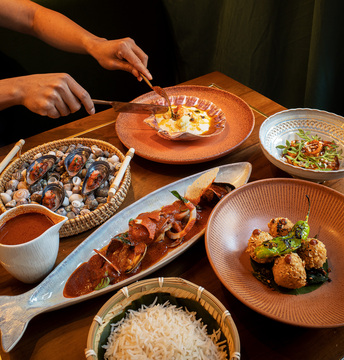
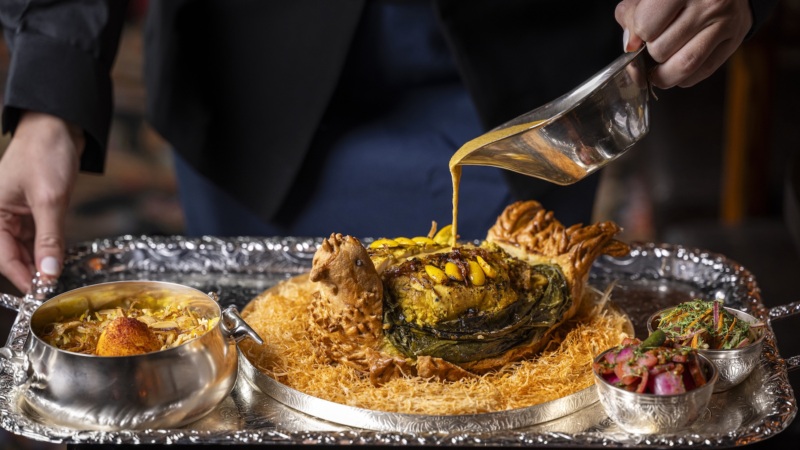
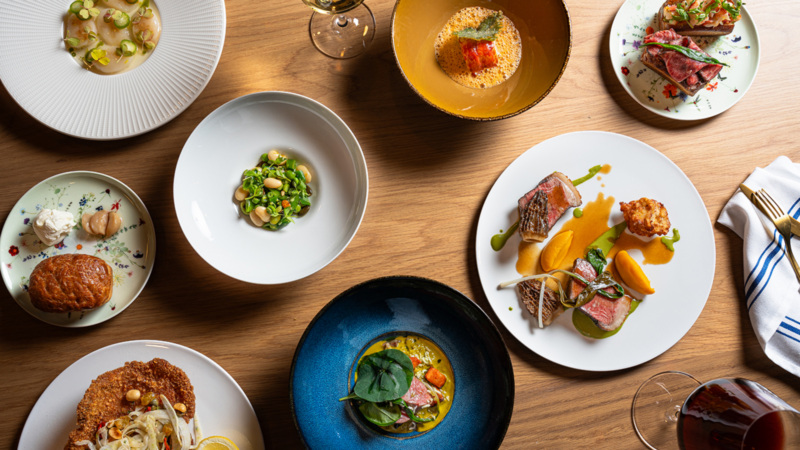
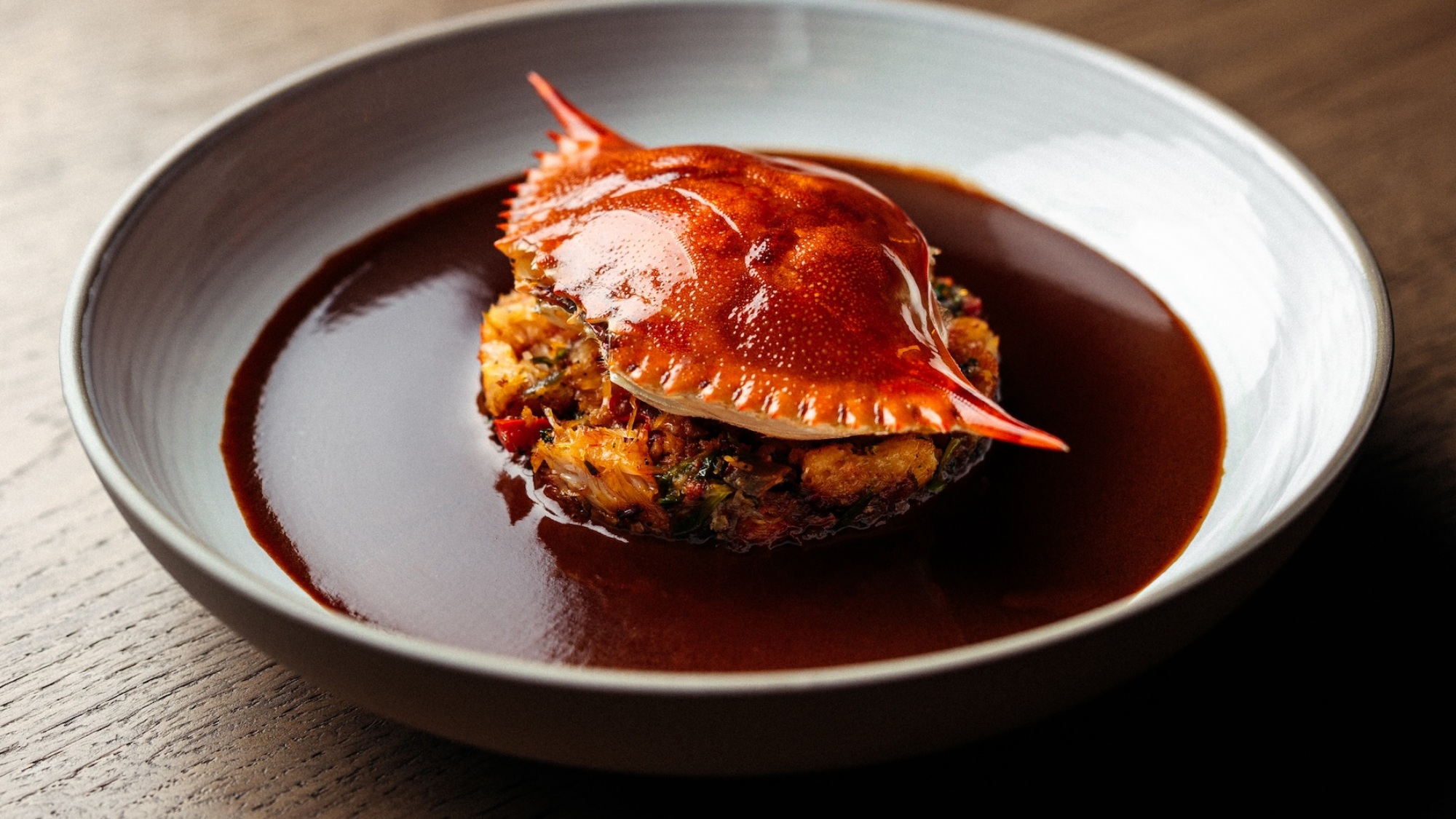
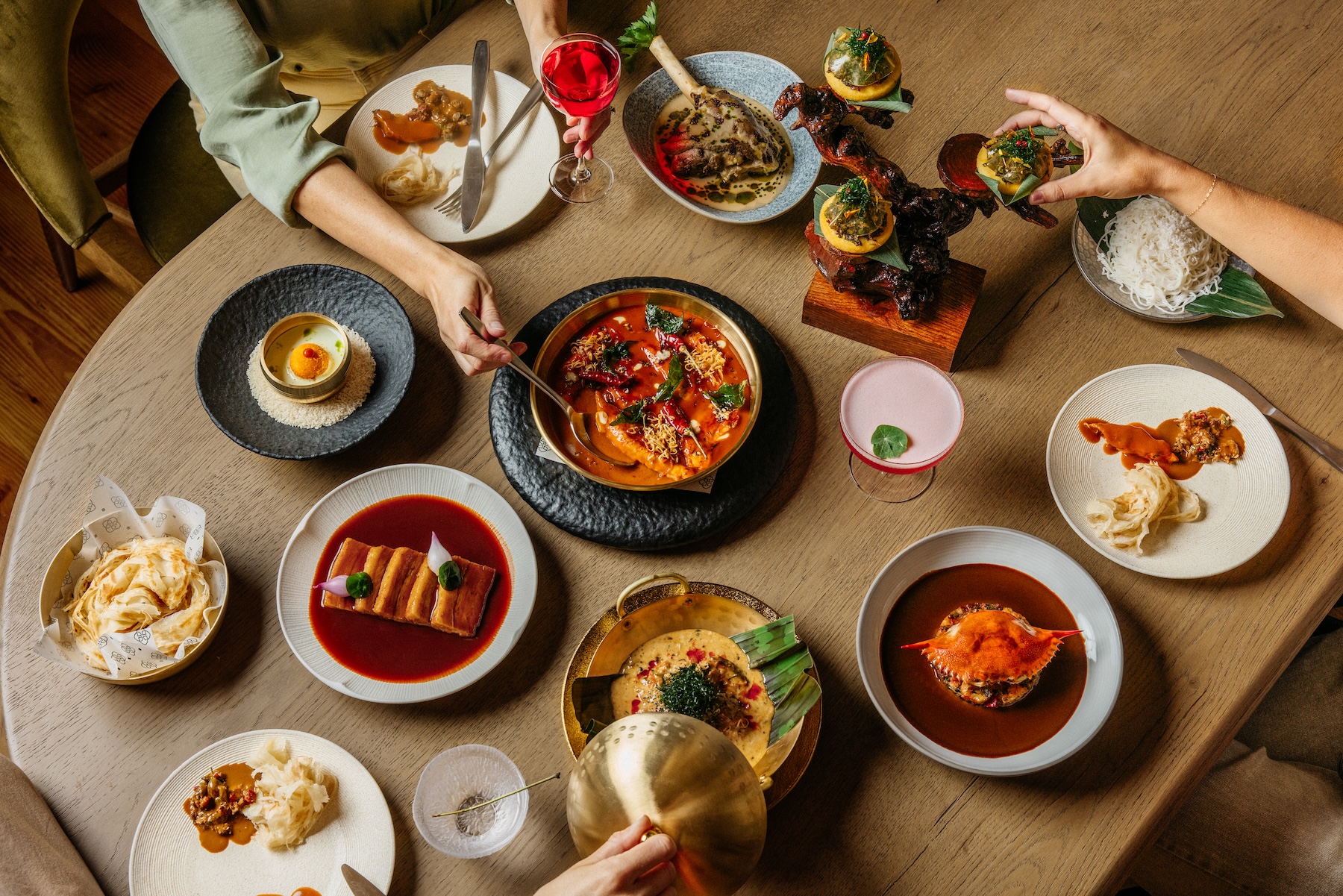
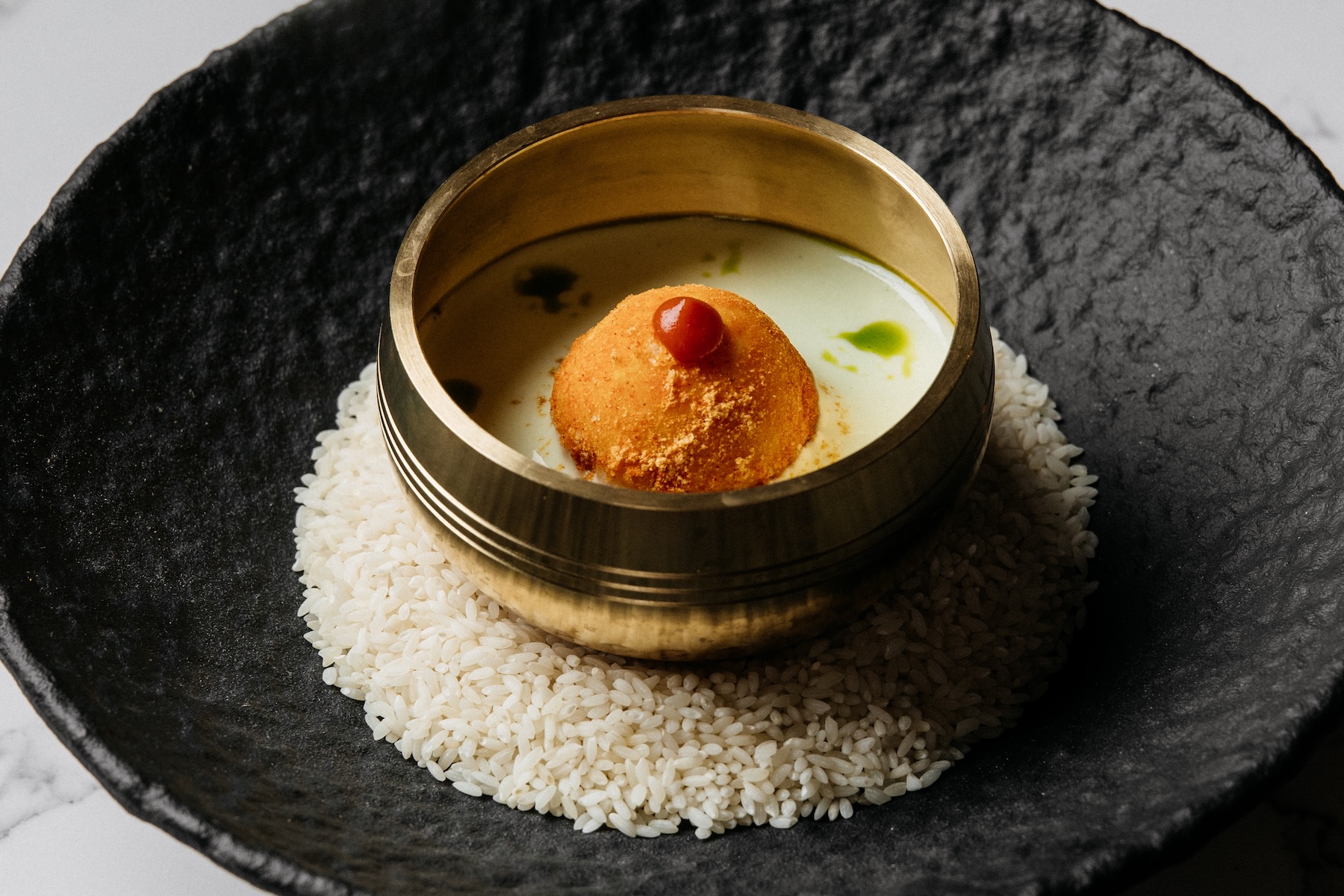
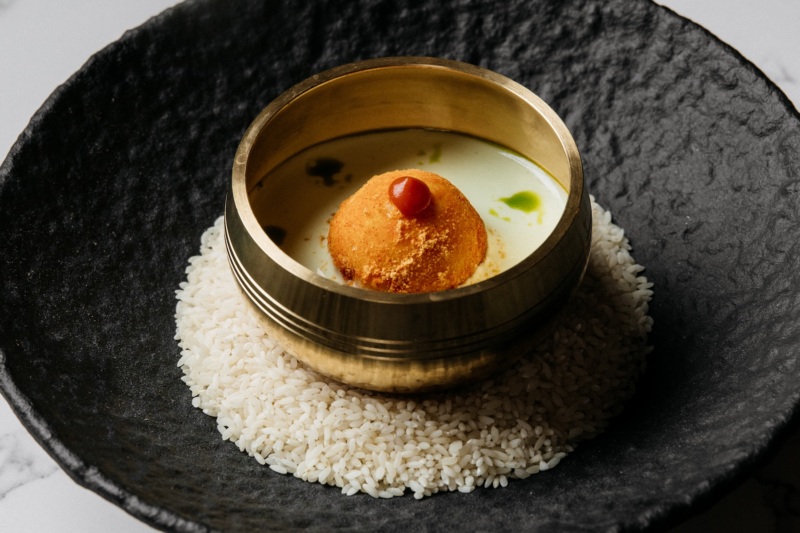
Raveendran suggests starting your meal with an amuse bouche of a mini steamed idli, or fermented rice cake, dusted with podi, a roasted lentil and spice powder, and served tableside with fresh coconut chutney — the first presentation of its kind. “It’s not a very hot [spicy] dish, but it is warm,” he says. “It helps open up your palate for heavier, bolder flavors.” Said flavors include those of the nandu crab curry featuring roasted coconut, fragrant thalasherry biriyani with goat, and vella korma, a white lamb shank korma with burnt garlic oil. A tart-hot pork vindaloo is a reminder of the history of Portuguese trade in the region. Raveendren is also working on a paper podi dosa that could very well join the ranks of those you’ll find at Semma and Kanyakumari when it comes onto the ever-evolving menu.
Desserts at Kidilum are contemporary interpretations of traditional desserts like pradhaman, which is made with lentils, jaggery, salted cashews, and lemon pickle jam, while the Calicut halwa arrives with Malabar vanilla ice cream and praline.
3. There’s a kind of spice laboratory in the basement.
Raveendran explained that while growing up in Kerala, his mother, like many Malayali elders, would routinely swap out her spices twice a month to retain their freshness: washing and sun drying whole spices before taking them to a small spice mill to grind into powders. He wanted to recreate this experience at Kidilum, and so, the team built a spice grinding and pickling room in the restaurant’s basement.
“Chef Vikas Khanna [now the head chef of Bungalow] first explored the idea when he started as the executive of Junoon,” Raveendran notes, “and it made so much sense for us, because Kerala is the land of spices,” noting the state’s significance in the black pepper and cardamom trade.
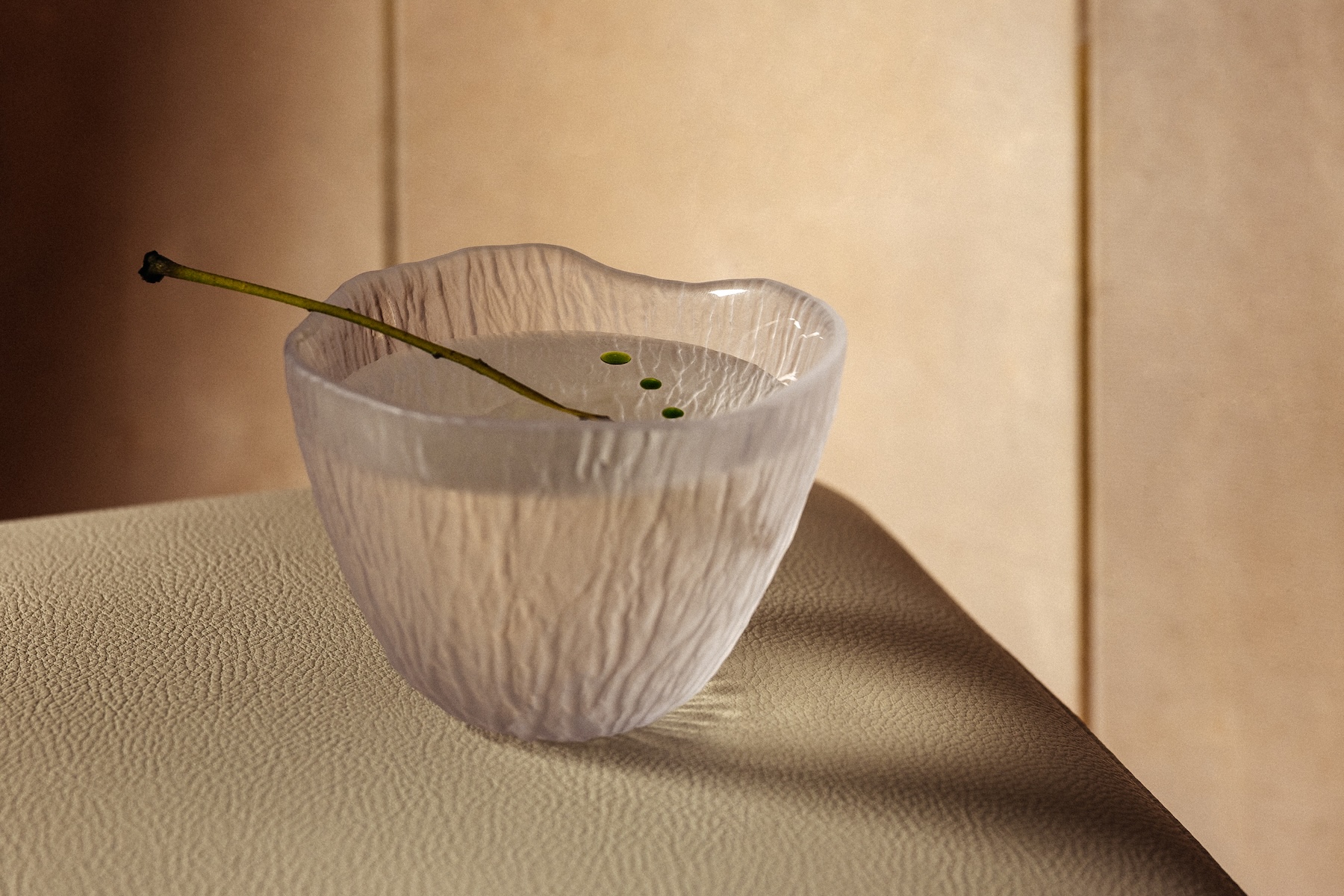
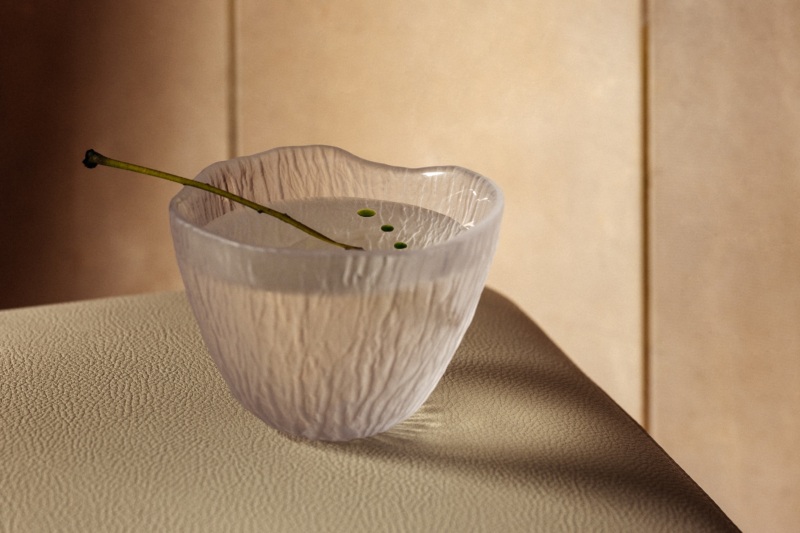
4. The drinks are farm-to-table — literally.
Beverage director Devender Sehgal, formerly of The Aubrey (which is ranked No. 10 on Asia’s 50 Best Bars list) and head bartender Harish Subramanian of the late Floyd Cardoz’s The Bombay Canteen, lead the beverage program at Kidilum, focusing on housemade cordials and sodas. The duo travelled extensively through Kerala to create a menu that made sense in both worlds, in collaboration with Birds and Bees Farm in Columbus, NJ.
“Our goal was to reconnect with Southern Indian ingredients and memories in a way that felt both personal and unmistakably New York,” Sehgal says. Kidilum even has its own beehive at the farm, used for components like ghost pepper honey and barrel-aged bourbon honey. Sehgal is particularly excited about the house crème of coconut, as well as the super grapefruit soda found in the Chakotra zero-proof cocktail.
The wine list is tapered but focused, offering eight to 10 wines by the glass and about 40 to 50 bottles. The list draws from classic regions — Burgundy, the Loire, Napa, Piedmont, and Rioja — prioritizing styles that complement Kerala’s terroir. Think dry and off-dry Riesling, aromatic whites like Gewürztraminer and Grüner Veltliner, Champagne and prosecco to pair with fried foods, and Sangiovese and Grenache blends for those who prefer fuller reds.
“The goal was not to create a predictable ‘Indian restaurant wine list,’” Sehgal says, “but a globally relevant program.”
5. Kidilum evokes a Nalukettu home, but with New York polish.
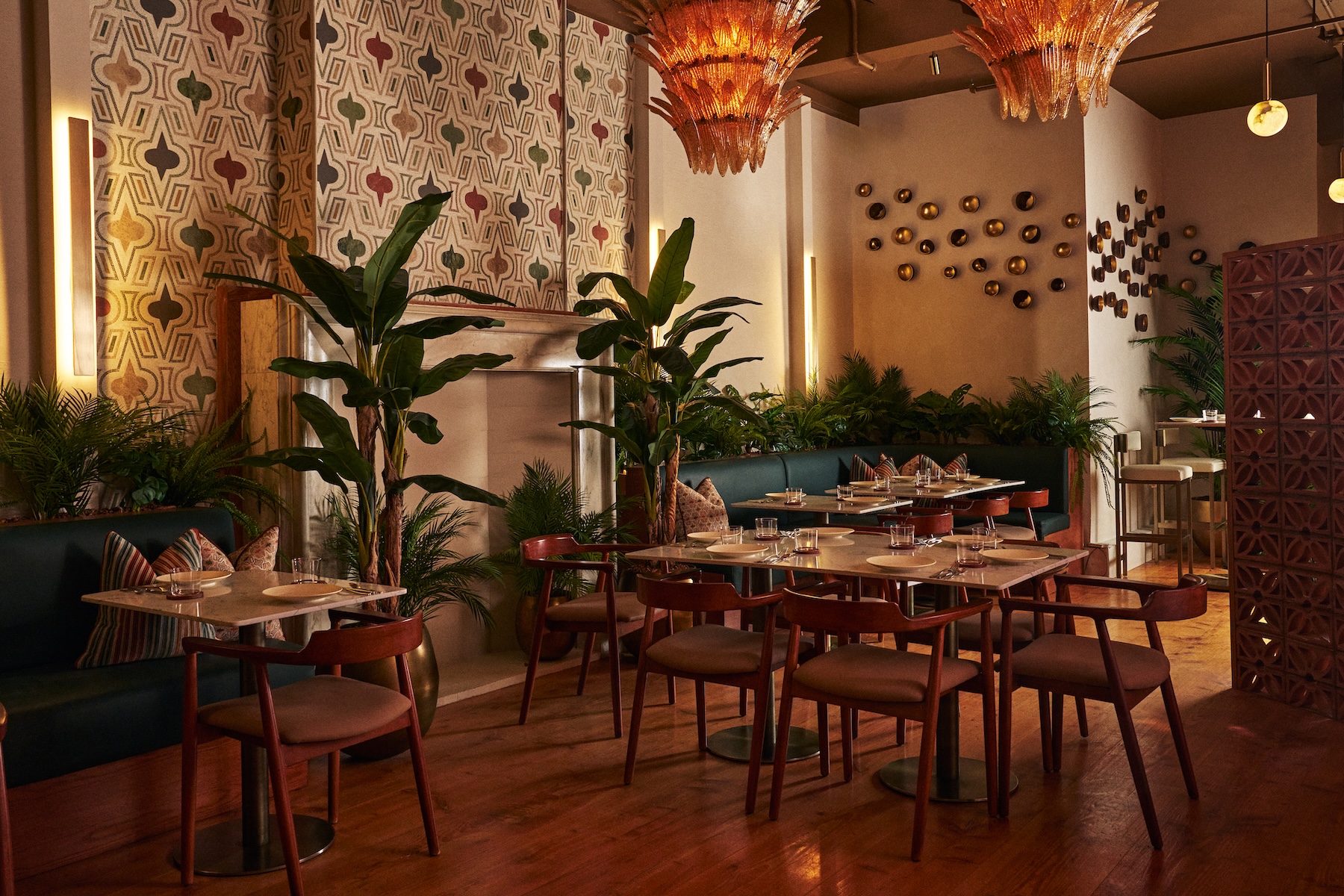
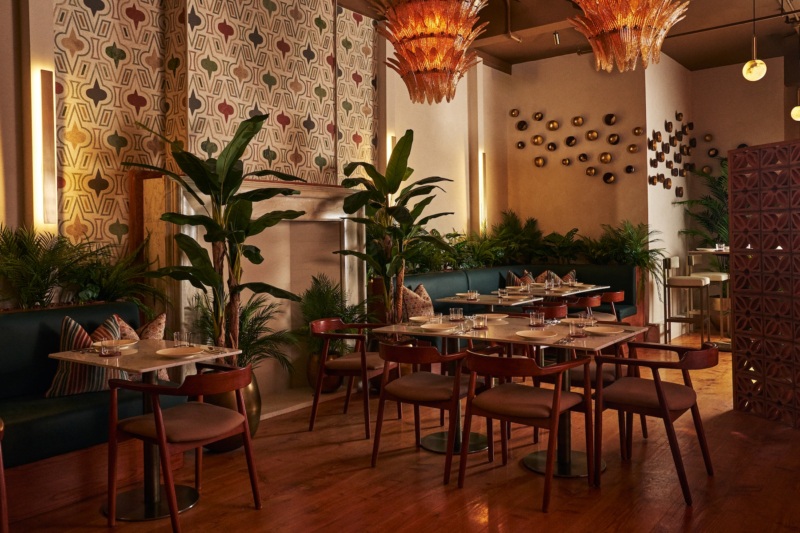
The 74-seat space, which formerly occupied Bouley at Home, spans two floors, with touches of traditional, climate-conscious Nalukettu homes that feature a central courtyard. Archana Sharma worked with multiple interdisciplinary artists to bring the space to life, including music curators. Airy, transportive elements, such as carved-wood screens, brass fixtures, earth-toned banquettes, and towering palm planters, are scattered throughout the space. An open kitchen and an upbeat Malayali playlist render the vibe undeniable.
“I think there is a craze for South Indian food in New York City at the moment,” Raveendran says, “and we are at the right place at the right time.”
Kidilum is open Tuesday through Sunday from 5 to 10 p.m.