At Saverne, Gabriel Kreuther Trades White Tablecloths for Wood Smoke
Updated:
Saverne closed temporarily in April following a mechanical issue with the building, but is reopening for service on July 27. This article was originally published in March.
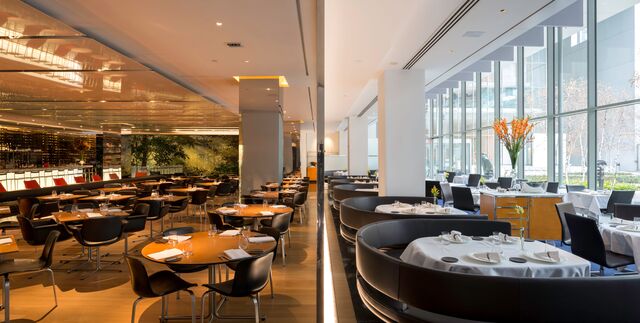
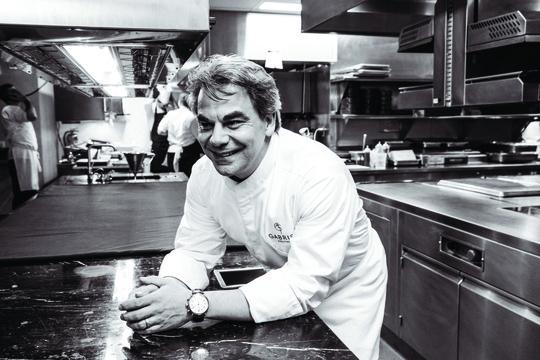
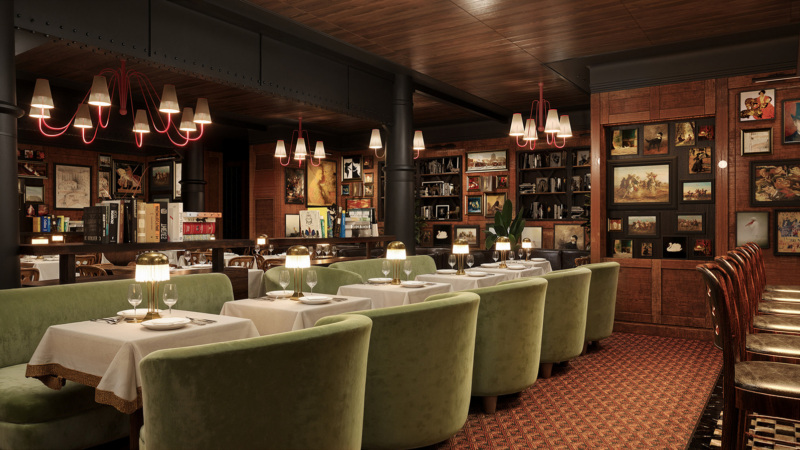
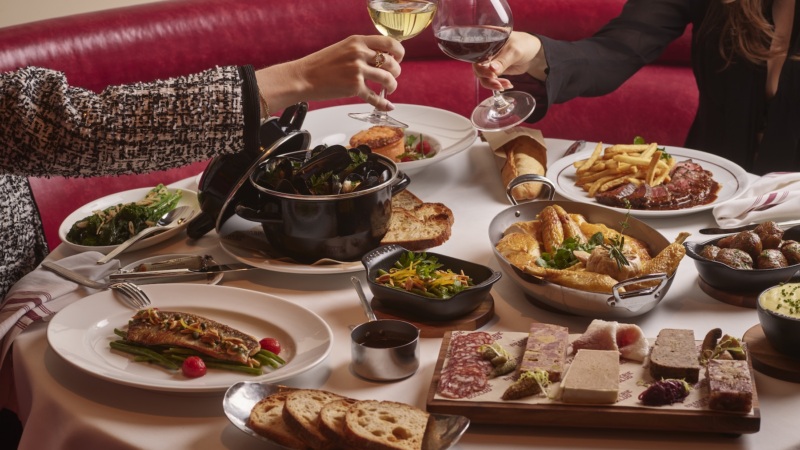
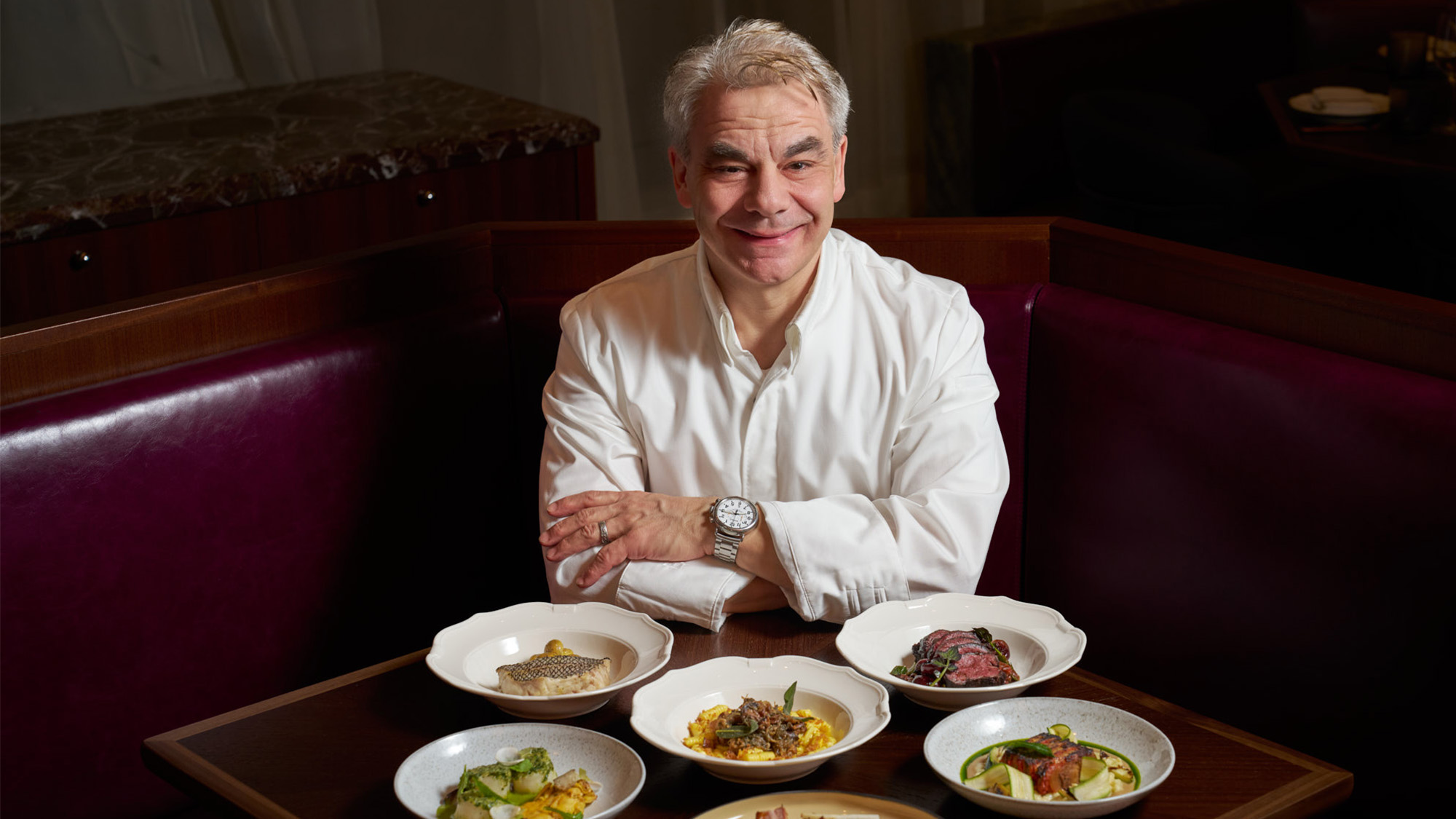
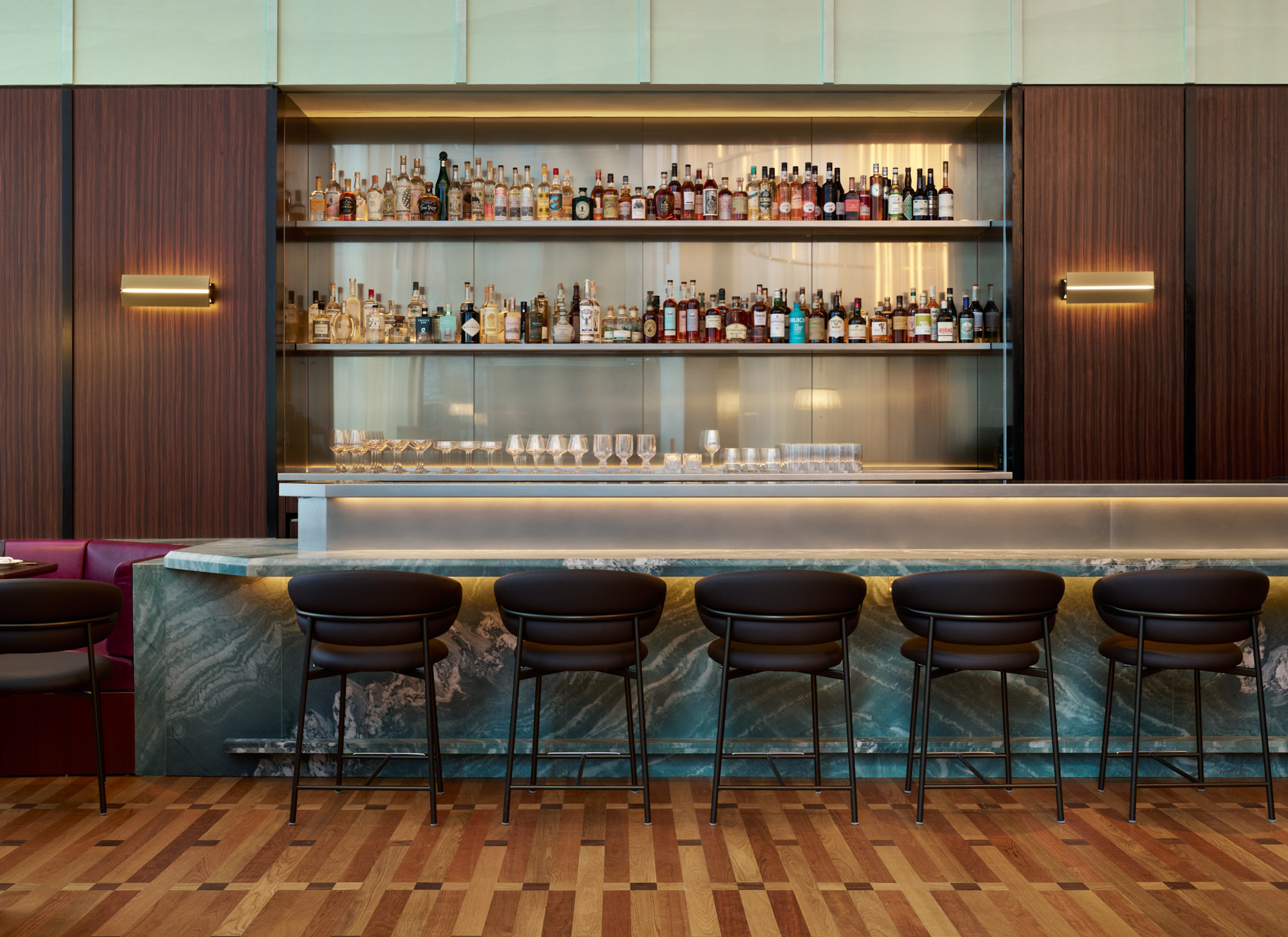
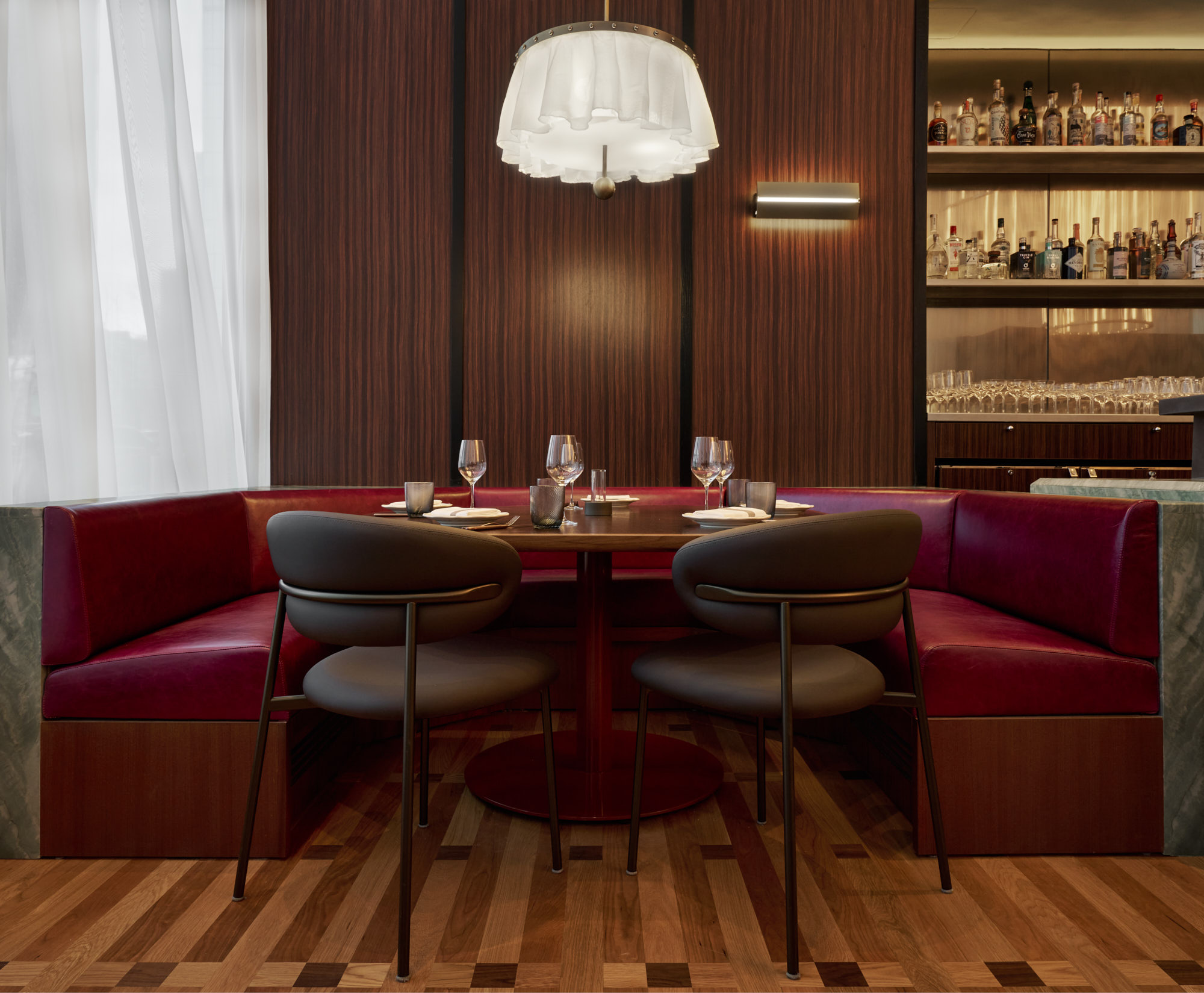
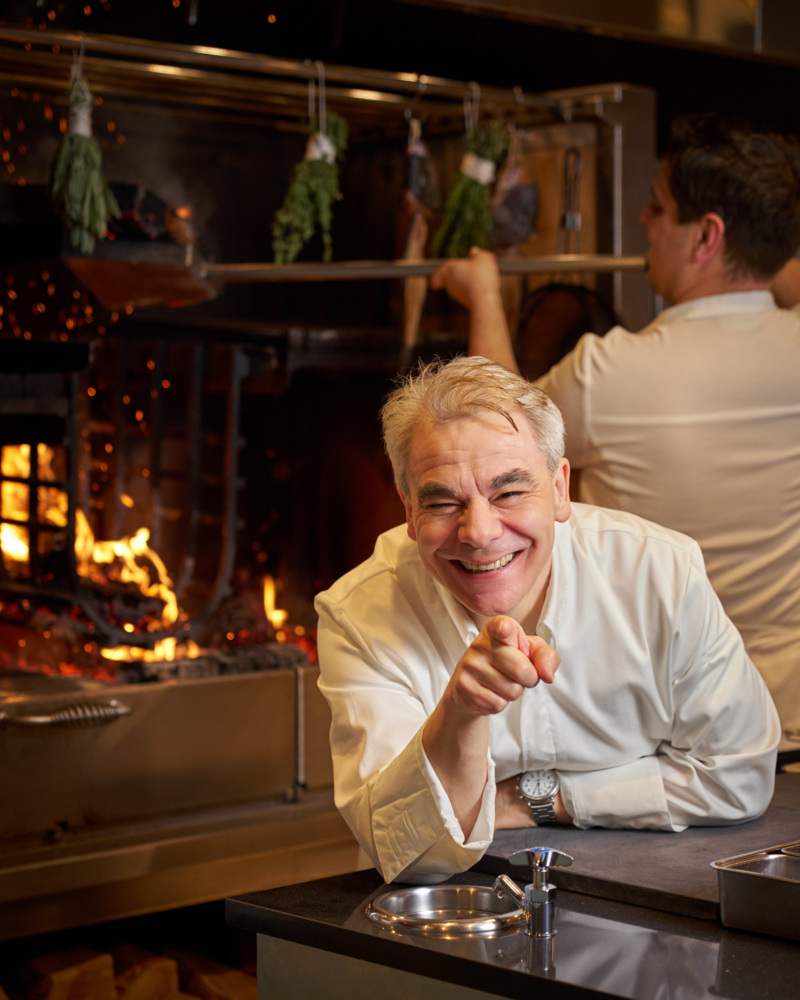
“It’s going to be a fun place,” chef Gabriel Kreuther says of Saverne, his wood-fired brasserie opening on the ground floor of The Spiral skyscraper in Hudson Yards on Monday, March 2. The restaurant takes its name from a bucolic small town in Alsace, France, near where he grew up — a place miles away, in every sense, from frenetic Midtown Manhattan. The 145-seat, high-ceilinged room, designed with warm woods, a dramatic green quartzite bar, and an open kitchen showcasing wood-fire grills, marks a shift in tone for a chef long associated with luxurious European fine dining.
“Saverne goes back to how I grew up,” Kreuther says. “Very simple things, smoky flavors, the basics of cooking. To bring those flavors into the middle of a bustling city feels pretty amazing.”
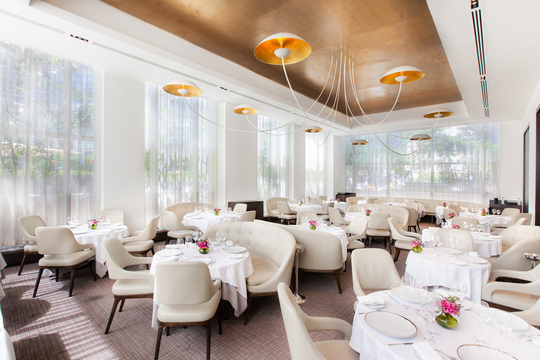
Kreuther was raised on a farm just north of Strasbourg, in a region shaped by both France and Germany. He cooked his way through Michelin-starred kitchens across Europe before landing in New York in 1997, working under fellow Alsatian Jean-Georges Vongerichten and later running the kitchens at Atelier and The Modern. The accolades came along — Food & Wine Best New Chef (2003), a James Beard Award (2009) — and in 2015, he opened his namesake restaurant across from Bryant Park. Two Michelin stars followed, along with a reputation for haute European precision: a dainty sturgeon and sauerkraut tart under applewood smoke, caviar-topped seafood, and indulgent foie gras.
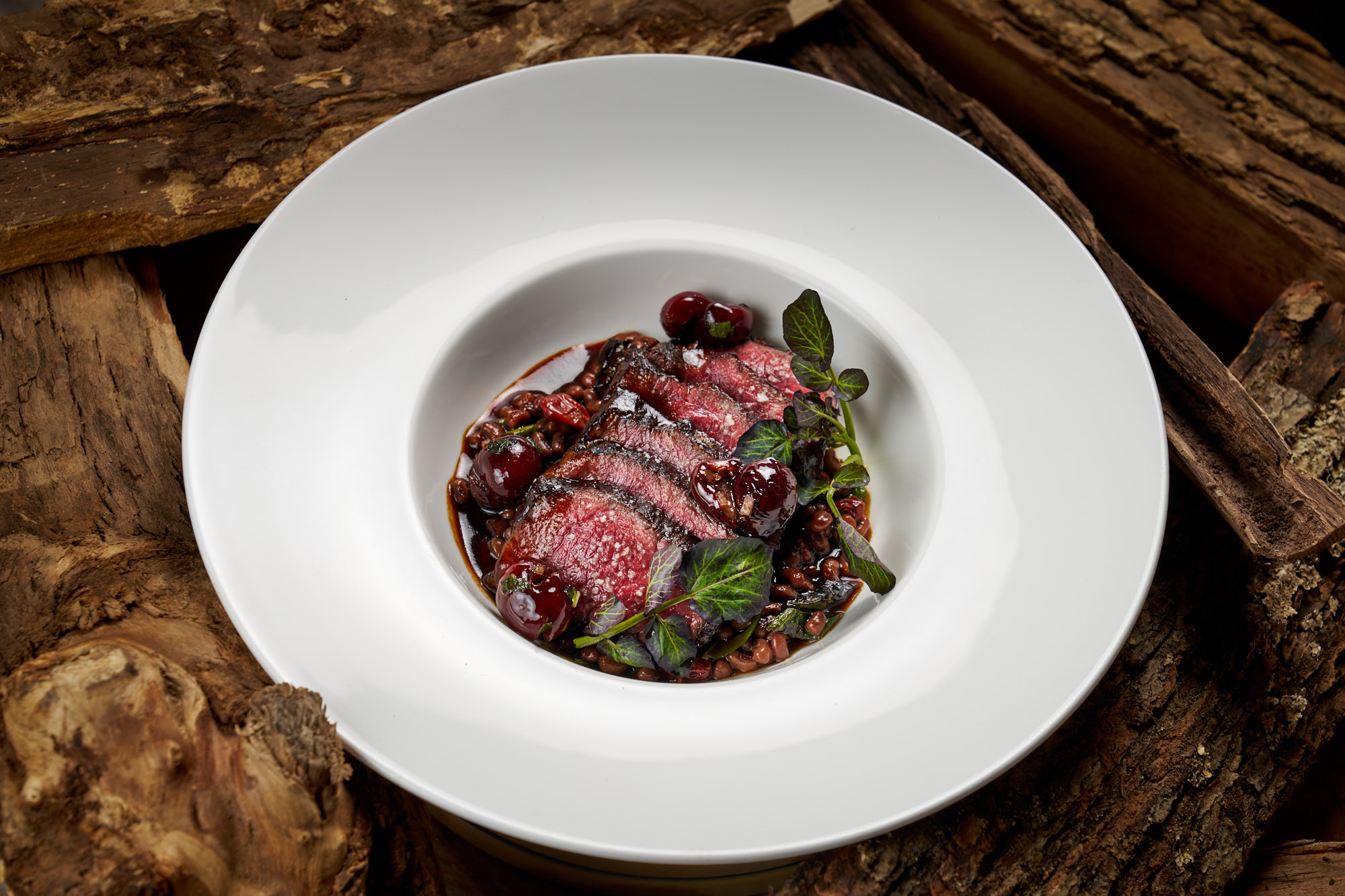
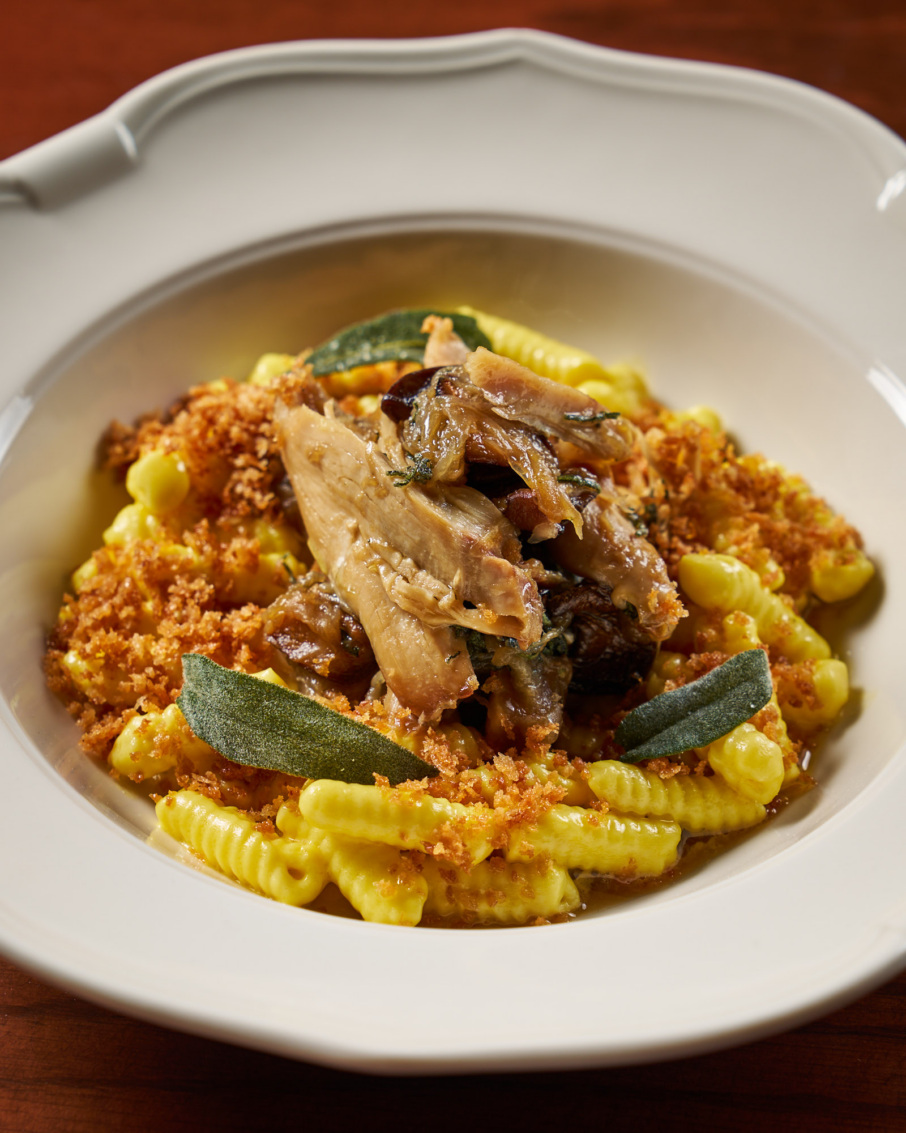
Unlike many of his European fine-dining peers, Kreuther resisted opening a casual sibling — until now. Saverne may be looser in spirit, but “it’s not compromising on standards,” he says. Whether it’s wood-grilled venison with blistered cherries, boudin noir croquettes inspired by his love of nose-to-tail cooking, or saffron cavatelli with riesling-braised rabbit, Kreuther declares, “My goal is always the same — it has to be delicious. The plating might be more casual, the cut of meat could be different, but I’m not changing my point of view. Saverne connects to where I come from: simple food, but great food.”
Recently, we spoke with Kreuther about bringing farm flavors into the city, why fine dining never really died, and how the sauerkraut tart became one of his signature dishes.
Editor’s Note: This interview was edited for length and clarity.
The Resy Rundown
Saverne
-
Why We Like It:
Because chef Gabriel Kreuther is channeling his Alsatian roots more directly than ever — trading intricate compositions for woodfire, char, and charcuterie, without easing up on quality. This is a two-Michelin-star chef cooking closer to the farm. -
Essential Dishes:
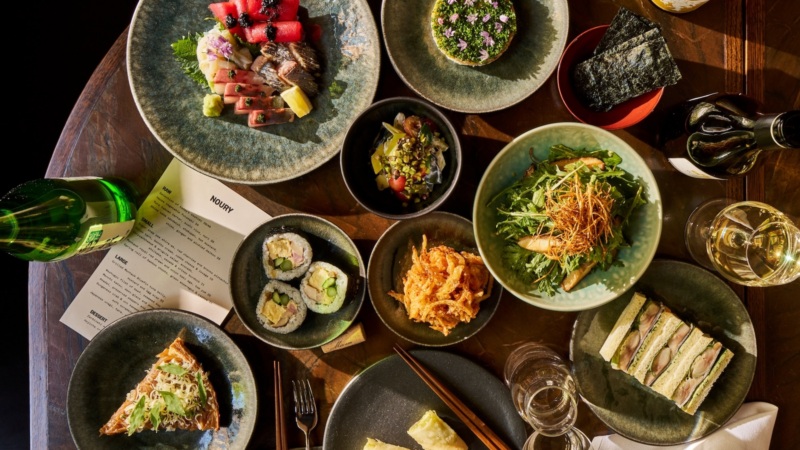
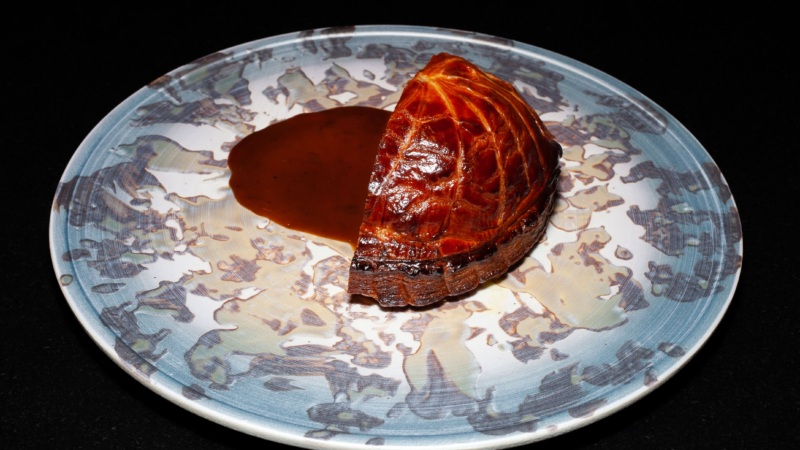
Tarte flambée with Benton’s smoky bacon; housemade charcuterie, from boudin noir croquettes and truffled liverwurst to wood-grilled standouts like juniper-gin cured venison with blistered cherries. Don’t sleep on the saffron cavatelli with riesling-braised rabbit. -
Must-Order Drinks:
For wine: Paul Blanck’s Schlossberg riesling (a Grand Cru stunner) and Marcel Deiss’s Schoenenbourg. For cocktails: Honey, I Braised the Banana. For beer and cider: Ayinger’s Celebrator Doppelbock and Domaine Dupont’s “Cydon” apple-and-quince cider.
-
Who and What It’s For:
Gabriel Kreuther fans curious about his brasserie side, Hudson Yards diners looking for something with personality, and anyone who believes dinner tastes better with a little live fire. -
How to Get In:
Reservations open 30 days in advance on Resy. Walk-ins are welcome. -
Pro Tip:
Save room for the floating island with vanilla crème anglaise — Kreuther’s childhood favorite, and proof that nostalgia tastes better with caramel sauce. And for the best seat in the house, book one of the 12 coveted spots at the counter in the east dining room.
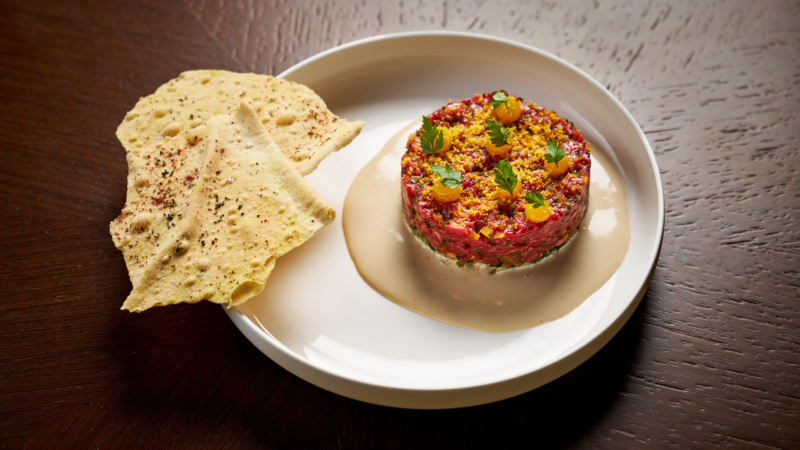
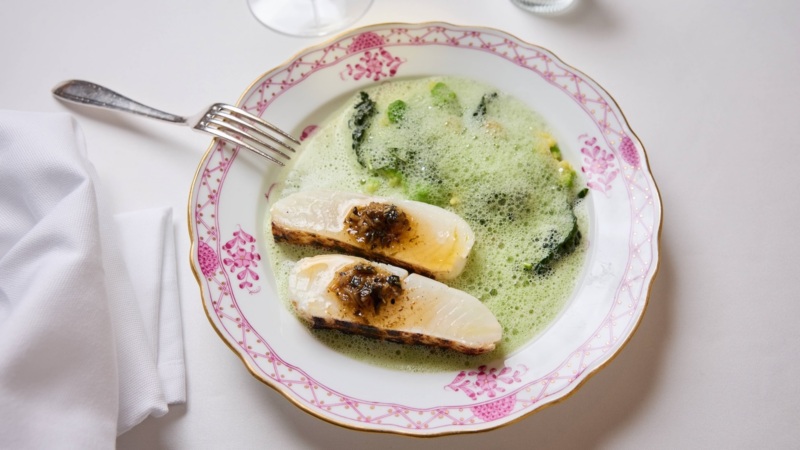
Photo by Francesco Sapienza, courtesy of Saverne
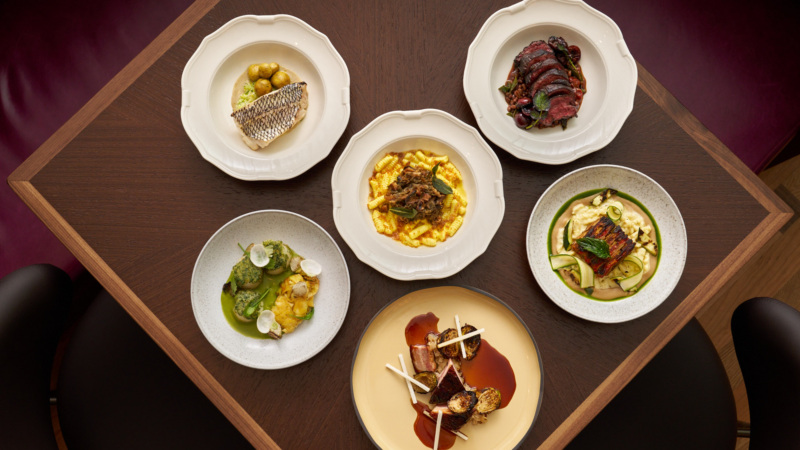
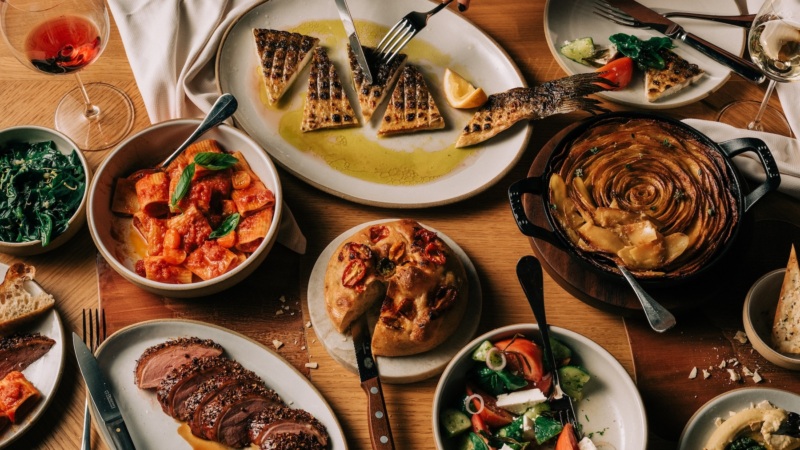
Photo by Francesco Sapienza, courtesy of Saverne
Resy: Tell us about your vision for Saverne.
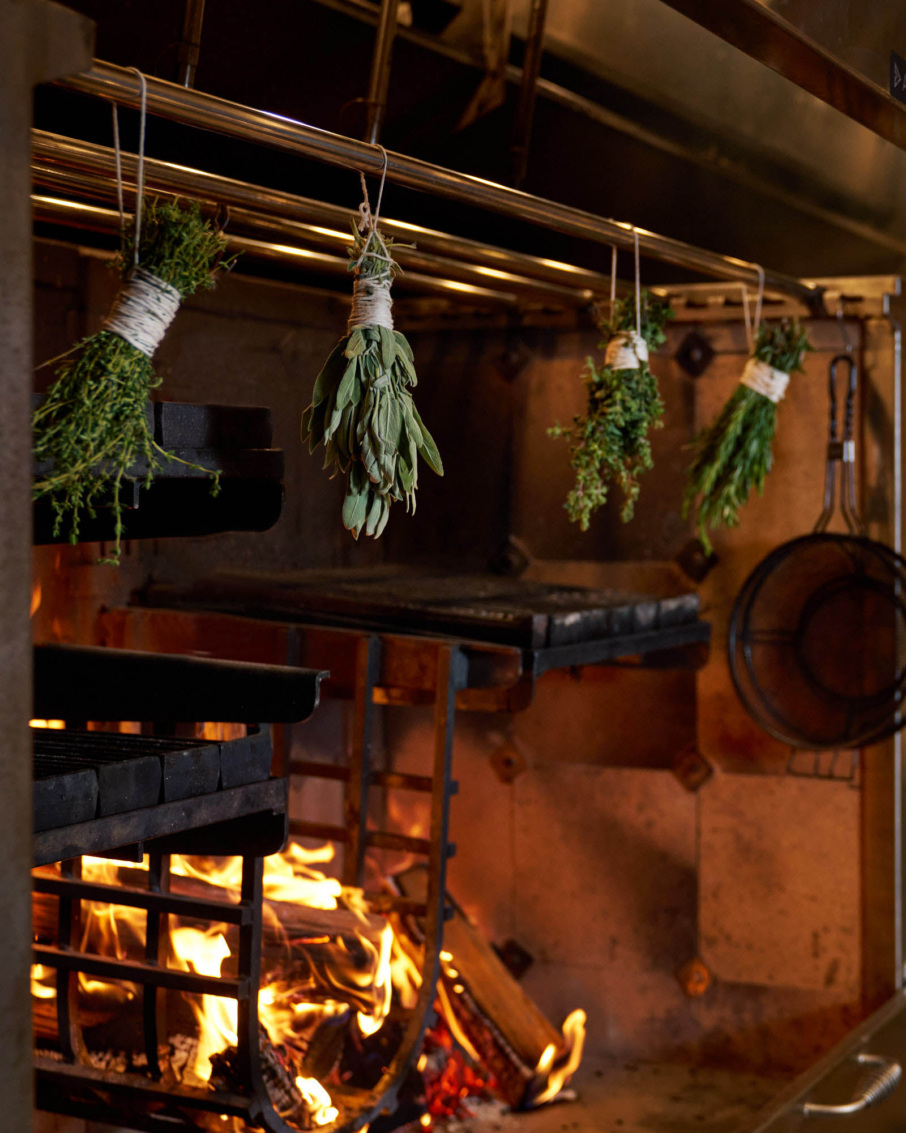
Gabriel Kreuther: It’s named after a town in Alsace known for its culture of roses and gardens. I thought it would be a beautiful name for a brasserie-style restaurant. Saverne is all about wood fire — grill, oven, everything cooked over wood.
You grew up on a farm in Alsace …
Yes, in northeastern France, bordering Germany, Luxembourg, and Switzerland — a stretch of land contested for centuries, with a cuisine between Germanic and French traditions. It’s known for charcuterie, sauerkraut, and ferments. We made wine, oil, and eau-de-vie. One uncle had a restaurant, another a pastry shop, a third was a butcher. I was surrounded by food from childhood.
Are there any particular dishes you carried with you from that childhood that are still on your menus?
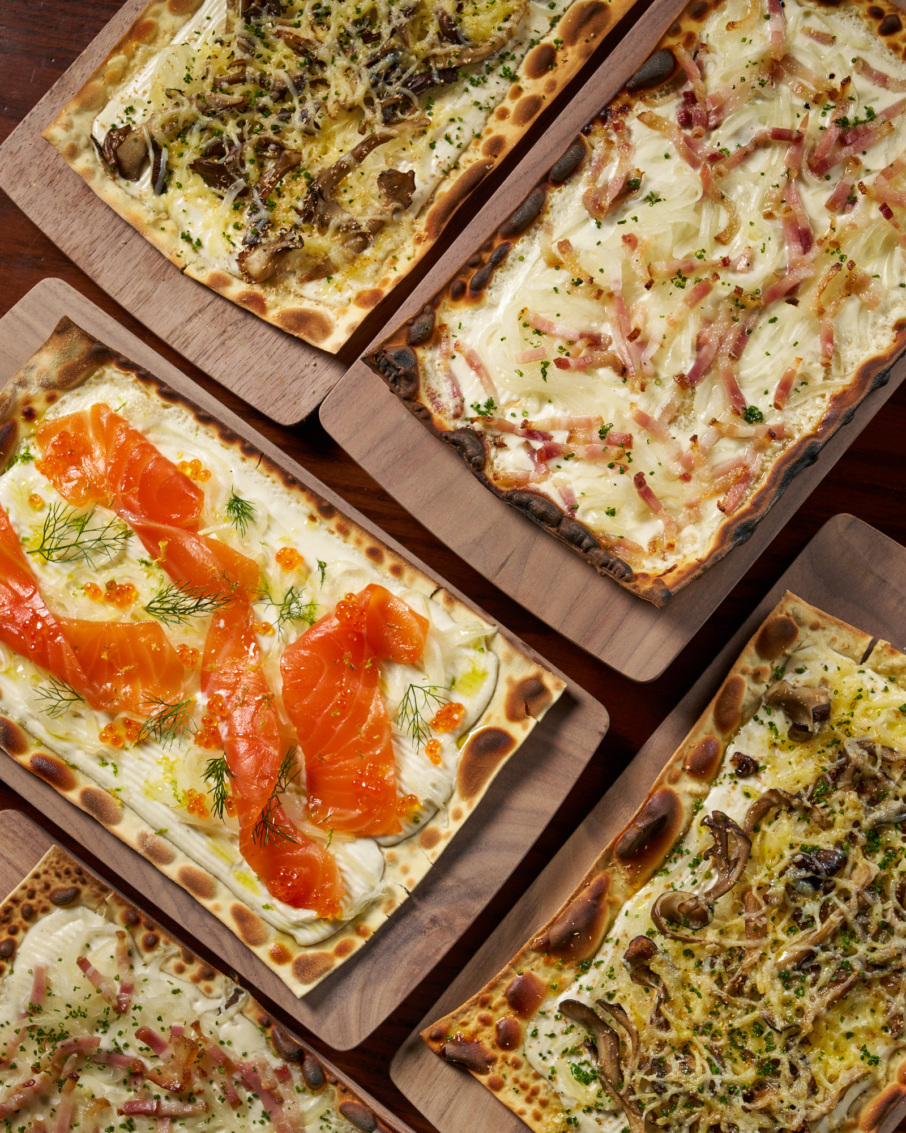
The one that connects me most to my roots is tarte flambée, the thin flatbread with white cheese, onion, and bacon. Believe it or not, finding the right bacon here was the hardest part. We finally found it in Tennessee: Benton’s. It’s not easy to get, but once I discovered it, there was no going back. Tarte flambée is about the quality of the simplest ingredients. If the bacon has no flavor, the whole thing doesn’t work.
Spoken like an Alsatian. So you’re doing tarte flambée at Saverne?
At least three kinds: the classic with bacon, which is really the DNA of Alsatian cooking; one with hen-of-the-woods mushrooms, nutmeg, and Comté; and another with housemade gravlax and horseradish. Tarte flambée is the essence of our woodfire concept.
Anything else you’re excited about?
Alsace is known for charcuterie, so there will be housemade sausages: boudin noir, cabbage-and-cheese sausage, truffled liverwurst made with veal liver. It’s also famous for foie gras, of course, which I’ll serve with quince, Gewürztraminer gelée, and country bread.
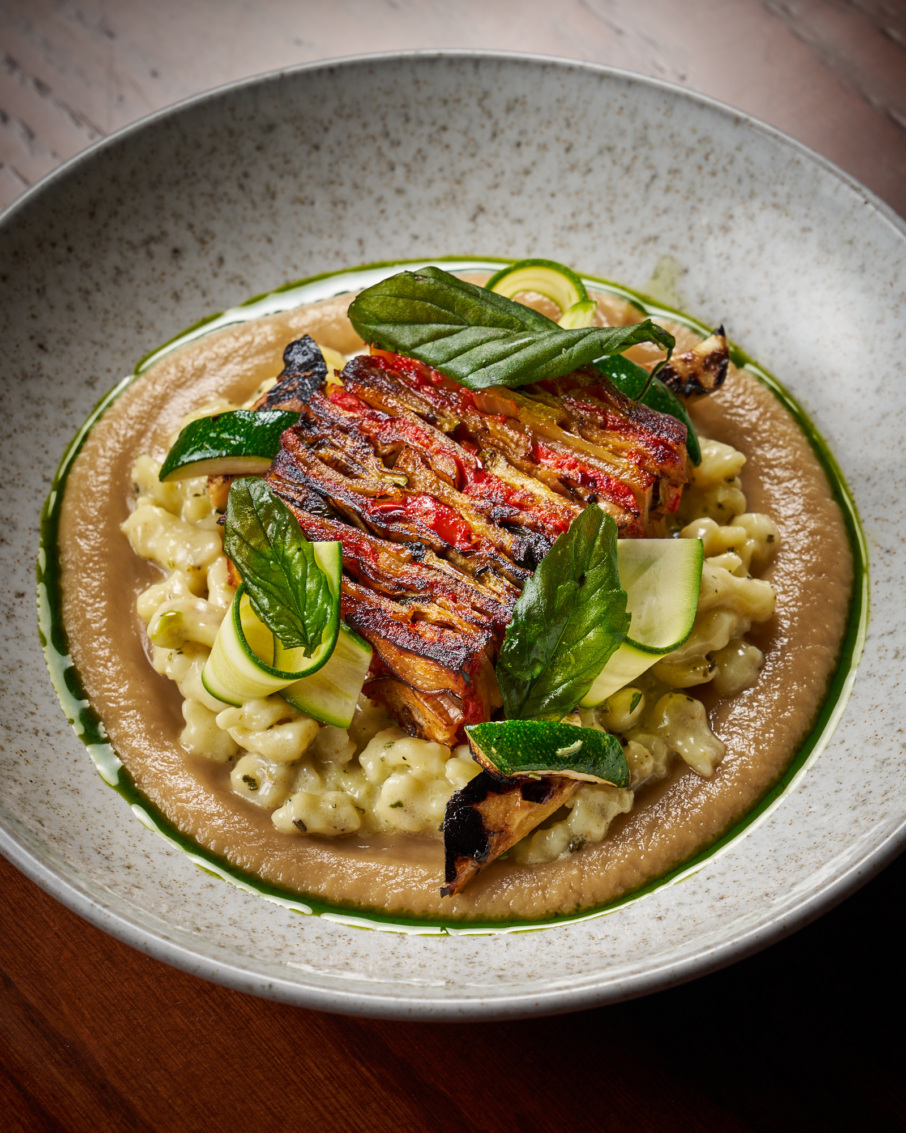
We’re also experimenting with beet spaghetti made with beet juice, dressed with oysters, horseradish, salmon roe, and topped with black caviar — almost like borscht flavors inside pasta, with the richness of oysters and maybe smoked sturgeon. There’ll be spätzle with caramelized onion coulis, and a saffron pasta with rabbit.
And in the wood fire?
A whole loup de mer, whole chicken, steak, of course, but also squab, duck, pork, maybe lamb. Also, venison, which we cure lightly with gin, salt, fennel seeds, and star anise.
You’ve always been committed to sustainability. How will that be expressed at Saverne?
Sourcing the right products from the right people is essential. It comes down to how farms are run, how animals are treated, and whether the quality is truly there.
We work with a farm in Vermont for butter. Lamb comes from Elysian Fields in Pennsylvania. The chicken is a yellow chicken from Pennsylvania as well. With fish, we go directly to small fishermen.
The hardest part is that many small farms get bought out by larger companies. We find the right partner, it works for a few years, and then they’re sold. That’s an ongoing challenge.
Some of your haute cuisine colleagues have long ago branched out into more casual concepts. You’ve stayed true to fine dining. What made you make the move now?
Well, it’s not that we’re changing our point of view or moving away from fine dining. We’re maintaining the same level of quality. The sourcing and technique remain central.
I’ve wanted to do a woodfire concept for a long time. The difficulty was permits. “Live fuel” regulations are strict, especially in a tower 66 floors up. Wood-fired cooking has become increasingly difficult everywhere, including Europe. We’re losing many small places that were doing wood-fired pizza because of the regulatory burden. But bringing that element of the countryside into the city — the smell of wood fire, the warmth, the glow — it feels very meaningful.
What made you want to become a chef?
I always wanted to be a chef. From the time I was three, four, five years old. As a child, food made me dream. I would look at cookbooks and imagine flavors. On the farm, I spent far more time in the kitchen with my mother than in the fields. Even today, food makes my mind wander: about taste, where ingredients can take me, how things might come together.
Whenever I create a dish, I immediately think about wine: What would I drink with this? That interplay excites me.
I’ve had team members with me for 10, 15, even 20 years. It’s beautiful to see people grow. This industry takes effort and long hours, but if you love it, you get something back. There’s real pleasure in feeding people and seeing their faces light up.
So, going back to the beginning. You worked in Michelin-starred restaurants?
I apprenticed with my uncle at his small inn. I did everything: kitchen, housekeeping, bar. After that, I worked in Colmar, Germany, and in Switzerland, including two-star Michelin kitchens.
European kitchens were tough at the time. That’s part of why I came to the United States, first as an exchange student, then later to work. I always chose environments with quality and purpose.
How was it landing in New York after Europe? What struck you most?
At first, the pace was hard to grasp. What struck me immediately was how early people eat here: 4:30, 5 p.m. Coming from Europe, that’s difficult to wrap your head around. But once you understand the rhythm of the city — the theater schedules, the work day — you see why restaurants turn so many more covers than in Europe. There, you seat a table once for the evening. Here, the system is totally different.
What surprised me most was the quality of the food. Even in 1997, though it feels like a long time ago, there was already great energy in the city. So many strong restaurants.
That’s what I’ve always loved about New York: the way cultures, flavors, and products converge. Nothing was off-limits, as long as it made sense and tasted beautiful.
Any particular places you found inspiring?
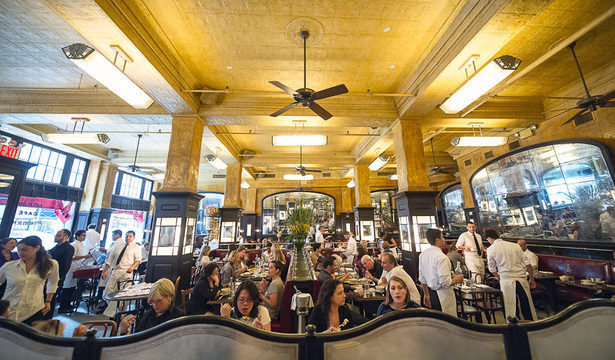
At the time, I loved — and still love — Balthazar. I also liked Cello, which doesn’t exist anymore. And Vong, with its mix of cultures that felt very New York. I worked at Jean-Georges then. Of course, the major institutions — Restaurant Daniel, Le Bernardin — were strong. But I also loved the sushi places — Sushi Yasuda, Sushi of Gari — and the emerging Korean scene.
That’s what I’ve always loved about New York: the way cultures, flavors, and products converge. Nothing was off-limits, as long as it made sense and tasted beautiful. There was a real spirit of discovery. In Europe at the time, that openness was rare; it only came later.
So, what has changed in the last three decades?
The customers are far more knowledgeable. They know much more about food, wine, technique. American diners, especially when interested, dive deep. Wine lovers often know as much as sommeliers. If they’re passionate about a cuisine, they understand how it’s made and where it comes from. Many cook at home. When they come to a restaurant, they ask thoughtful questions.
And social media?
In some ways, it has helped educate people. It’s easy to swipe and see what’s happening everywhere. Guests are more interested in presentation, the look of a dish. It’s very much about being picture-perfect.
But when people sit down for a meal, many spend a great deal of time on their phones. I fear we might be losing the art of conversation. From a chef’s perspective, it can feel strange to watch diners interacting more with their phones than with each other. And sometimes, when that happens, a certain magic around the table is lost.
We’ve been saying for years that fine dining is dead, yet it persists. Where is it going?
I never thought it was dead. Maybe the problem is how we define it. When people talk about haute cuisine, they picture stiff white tablecloths and a formal setting. But the quality — the quality of food, the quality of dining — that will never disappear.
And yet things are changing?
Of course, the way we eat evolves. For a while, it became almost a competition. People would come back from Europe and say, “We had 36 courses,” or 38, and then someone else would serve 42. At the end of the day, I don’t think people were truly interested in that.
People want to eat good food. They don’t want to feel overly stuffed. They want to remember what they’ve eaten. They want enough on the plate so that when a dish is good, there’s enough to enjoy it properly, to go back for another bite, maybe even a third.
You still do tasting menus at Gabriel Kreuther. Are customers still interested?
Yes, but in moderation. We do six or seven courses, not 25. It’s still very popular. It all depends on the occasion, on why they’re going out.
It’s like someone asking me, “Do you want a beer or a glass of wine?” When I want a beer, I have to be in the right frame of mind. Going out to eat is the same. Is it a celebration? Business? Fun with friends? Some people go out and just want to eat. Others go out because they want to dine. Dining and eating are two different things.
So, you still believe in dining?
I believe in enjoyment. Even today, people still enjoy getting dressed, getting ready for the theater, for the opera, or for dinner. There’s a certain ceremony to it. And it’s about respecting the person you’re with.
How do you develop dishes?
It always starts with the product, often something from my region. Then I think about how to interpret it with a different flavor profile while letting the main ingredient lead. Creating a dish is asking myself: What do I want to eat? What am I craving?
And what about your signature sturgeon and sauerkraut tart under a cloche of smoke at Gabriel Kreuther?
That’s a funny story. A guest once dared me to serve sauerkraut in a fine-dining way. I began playing with the idea and arrived at sturgeon — using both the caviar and the fish. At the base is sauerkraut, then sturgeon, then sabayon and caviar, with smoke tying it back to traditional flavors.
There’s art and a bit of drama in that. Those touches make diners pause and smile. It’s always a back-and-forth with the team.
Anything like that for Saverne?
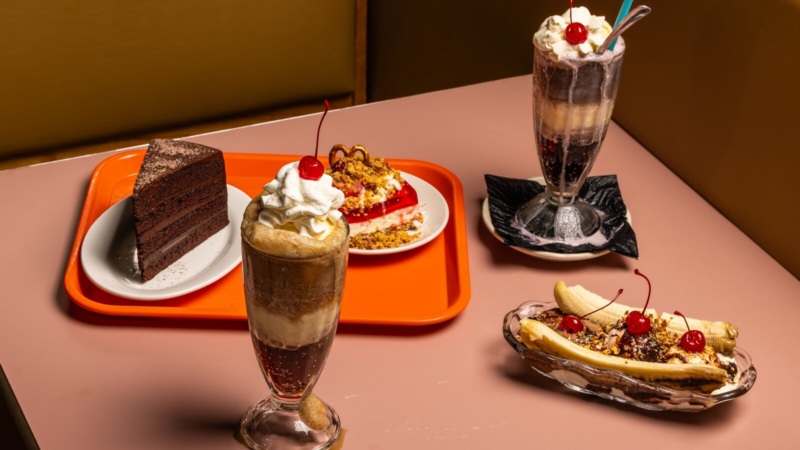
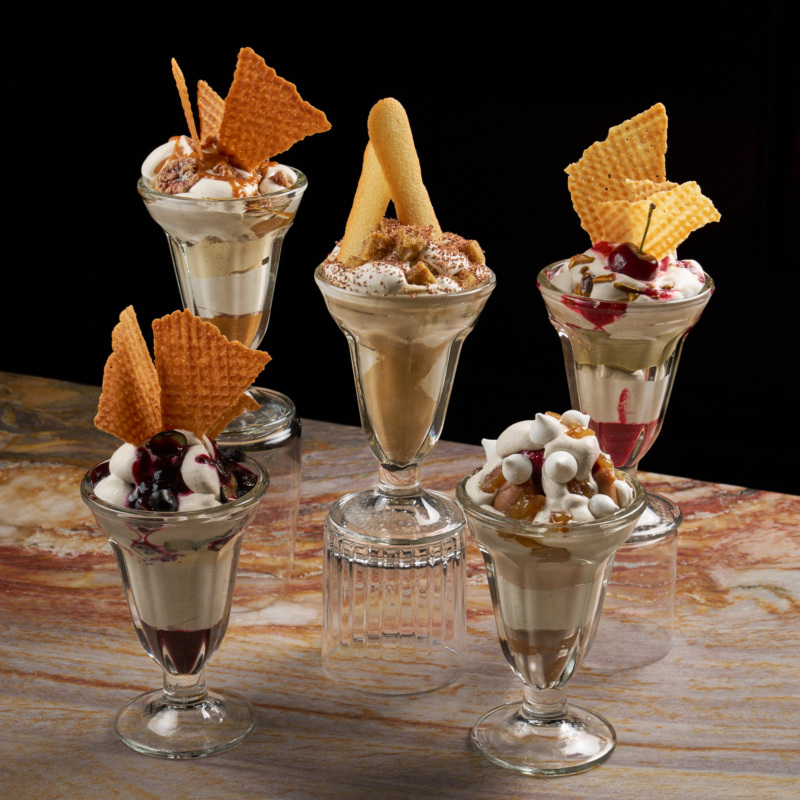
We’re still developing ideas. I’d love to do something playful with ice cream, maybe an ice cream cart. As a child, I looked forward to sundaes arriving at the table. I like that interaction, that sweet moment.
And what about drinks?
We’ll have 17 or 18 European beers, carefully sourced. Cocktails based on Alsatian spirits. Plenty of Alsatian wines, many by the glass, easygoing but serious in quality. It’s going to be a fun place.
What continues to inspire your work?
I love what I do. As my wife says, “He’s not going to work. He’s living the dream.”
What drives me is the team: the camaraderie, the family feeling in the kitchen. We’ve only been at Saverne a short time and already the friendships are forming.
In the end, it’s the connection to people. That’s what inspires me.
Saverne is open Monday to Saturday from 4:30 to 10 p.m. for dinner, with plans to open for lunch service in spring.
Anya von Bremzen is a James Beard Award-winning book author and journalist based in Jackson Heights, N.Y. Her latest book, “National Dish,” was published in 2023. Follow her on Instagram. Follow Resy, too.