
1. Slate and stone tones create a minimalist vibe.
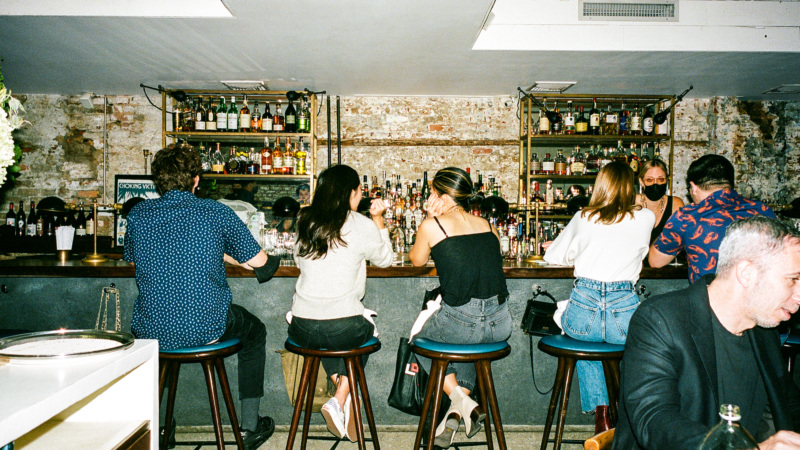
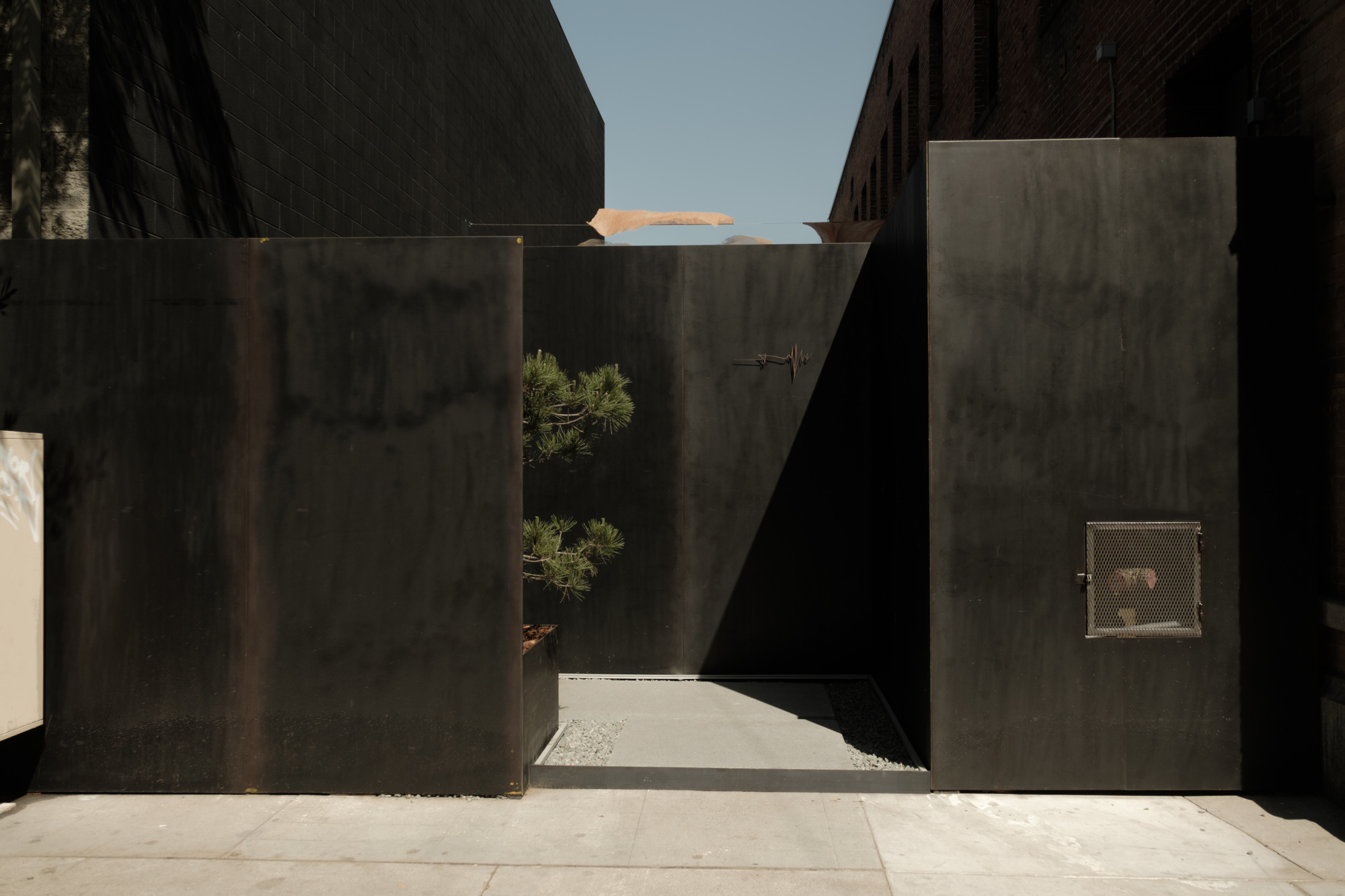
With his newfound square footage, Wynn wanted to create an accessible escape from the hustle of city life. The neutral, natural setting not only exudes calm, it also puts the guest front and center. “Everything’s very vibrant and colorful in L.A., but Kodō is a canvas for open air and negative space,” Wynn explains. The minimalist aesthetic feels transportive in its own right, calling to mind a serene Japanese garden, despite the bustle of the industrial district right outside.
2. Takahashi draws influences from his hometown of Kyoto.
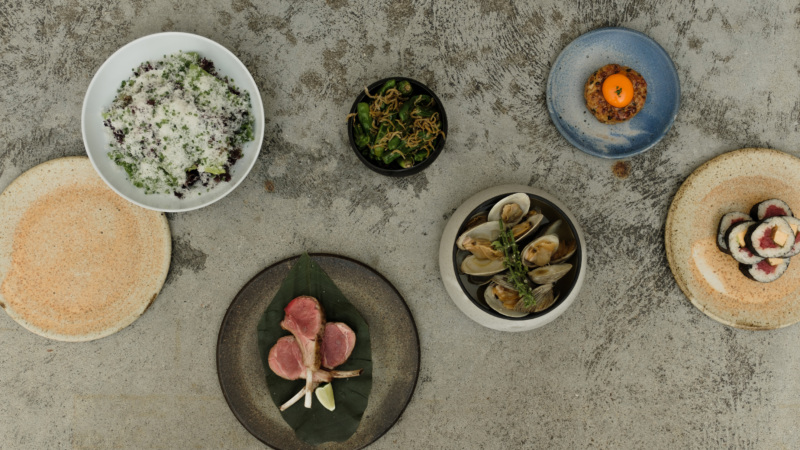

On the menu, expect Japanese food ranging from sashimi to robata off the grill, as well as items inspired by the ancient capital of Kyoto, such as the mushi zushi, a steamed sushi rice dish made with salmon and mushrooms wrapped in bamboo leaves. Ingredients are sourced in part from Japan, but also from local purveyors to minimize their ecological footprint. “The key is that it’s fresh,” says Takahashi, a sushi specialist who previously worked at Hamasaku in West L.A.. Look for the starred items on the menu, which denote the chef’s favorites—including the white pepper-glazed “Yoshiko’s chicken,” named after his wife, and sakamushi clams steamed in sake and butter.
3. Look for nama (unpasteurized) sakes in the beverage program.
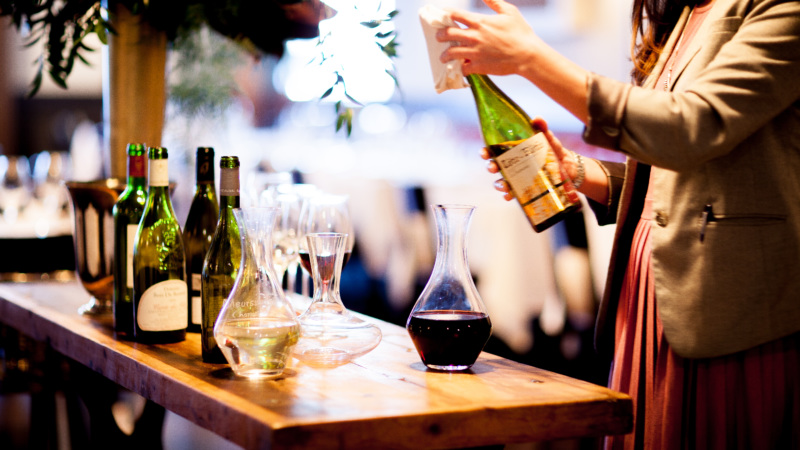
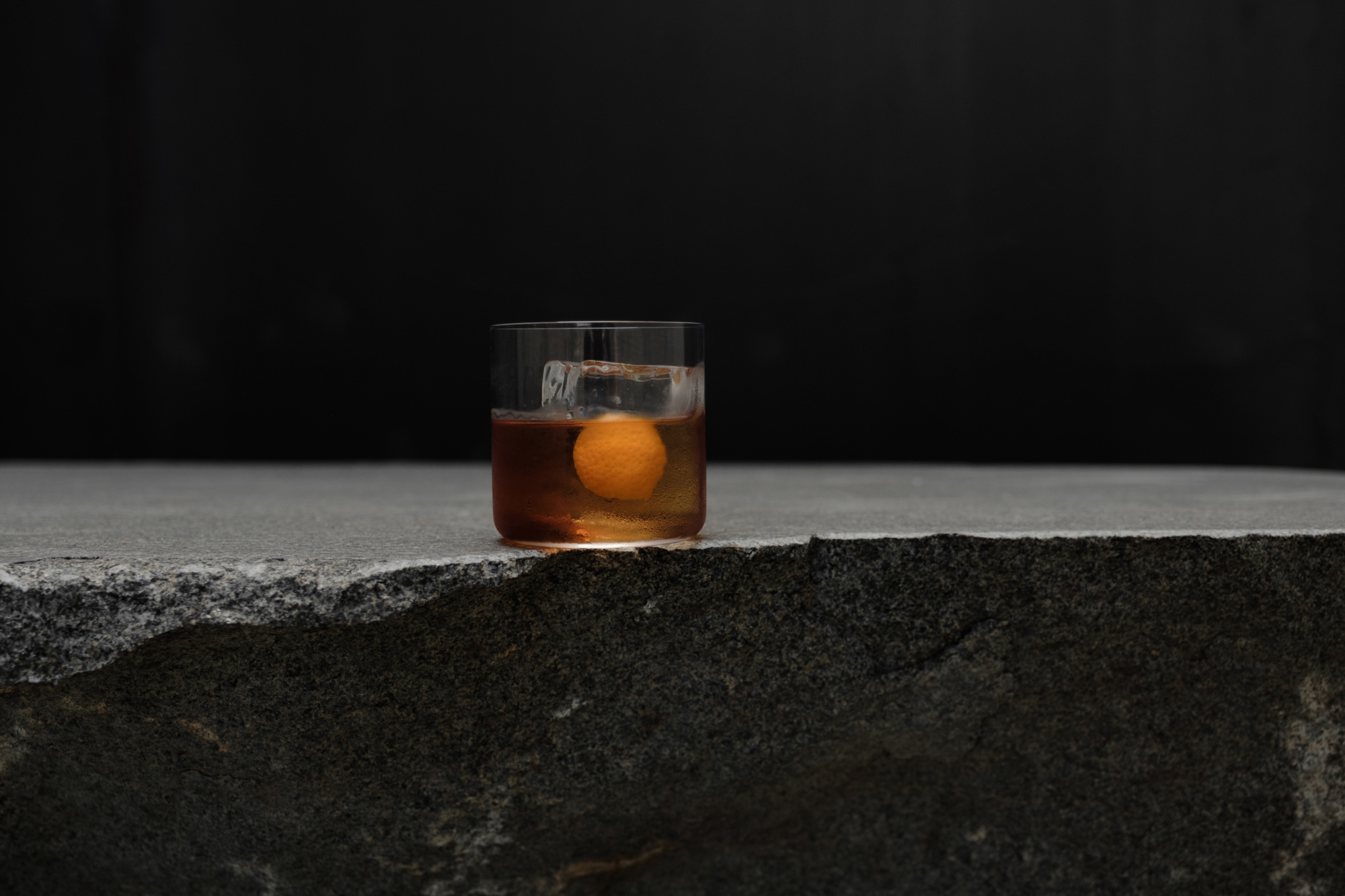
Beverage director Chris Gomez developed a menu of signature cocktails, and a wealth of sake expertise gained during his time at Shibumi in Downtown L.A. You’ll see a focus on unpasteurized sakes (nama means “raw” or “fresh”), as well as others that are niche and small production. In true izakaya fashion, the beverage program is created to compliment the food. “Chris is pulling from all his experience working in fine dining and Japanese restaurants, but also incorporating the classics that anchor izakaya drinking,” says Wynn. Cases in point: a riff on a highball that involves both Suntory and Akashi whiskeys, soda, lemon, and sherry; and an updated melon soda with shochu, Midori, lime, cherry, and clarified milk.
4. Don’t miss Rykn Cafe, currently open for daytime needs.
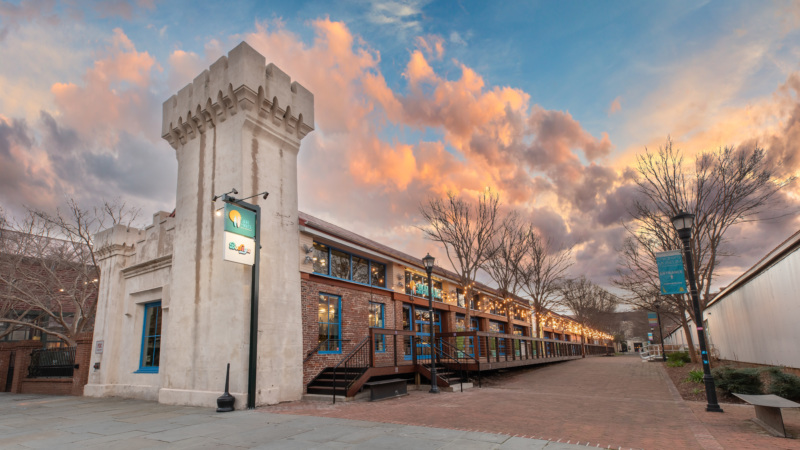
It’s worth trying the daytime drinks—including a black sesame cappuccino and sparkling matcha yuzu lemonade— at the rykn cafe (open at 9 a.m. daily), located in the shared alleyway with Yangban, which does double duty as a wine and sake bar in the evening. Chef Mami Yamamoto’s pastries are on offer in the cafe (as well as part of the dessert menu at Kodō itself), and a small lunchtime menu with noodles and rice bowl sets is also available from 11 a.m. to 2 p.m. “The idea was to have a space for all different desires. Sometimes you just want to sit on your laptop and have coffee in the morning,” says Wynn. “Or maybe you want to eat at Kodō but don’t have a reservation, so you can hang here with sake while you wait. And if you want to get a nightcap but don’t want to go far, we’re here.”
5. The upcoming hotel intends to impress.
The opening of the hotel and spa is slated for this summer, when guests can enjoy rykn, rykn cafe or Kodō at all hours of the day—completing the full-day experience Wynn dreams of creating for his newly formed Kensho Group. Though the space is mostly built out, the group is tinkering with the service element in order to make guests’ stays impeccable. Expect matcha machines in the rooms and a full “in-room dining experience” provided by Kodō as opposed to “room service.”
6. Kodō means “heartbeat.”
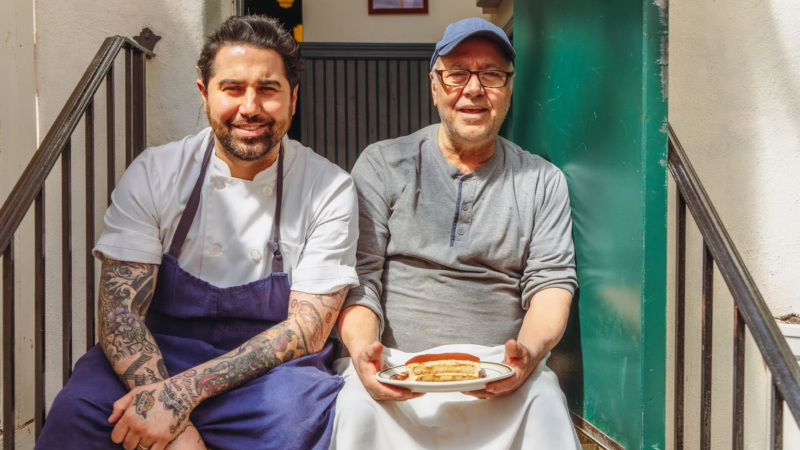
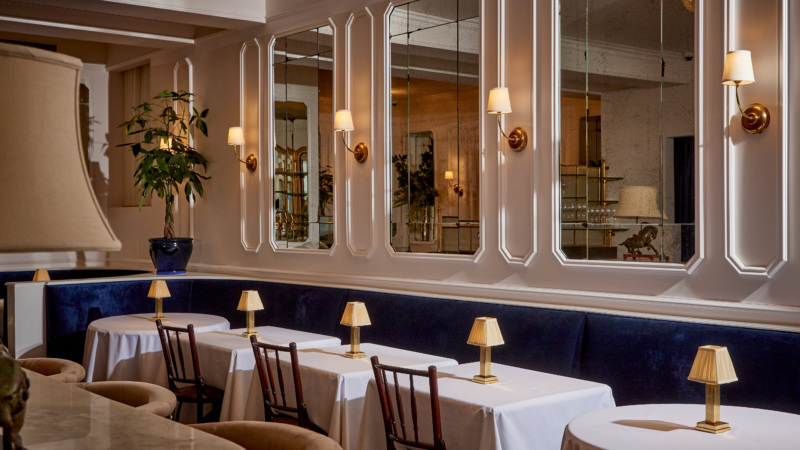
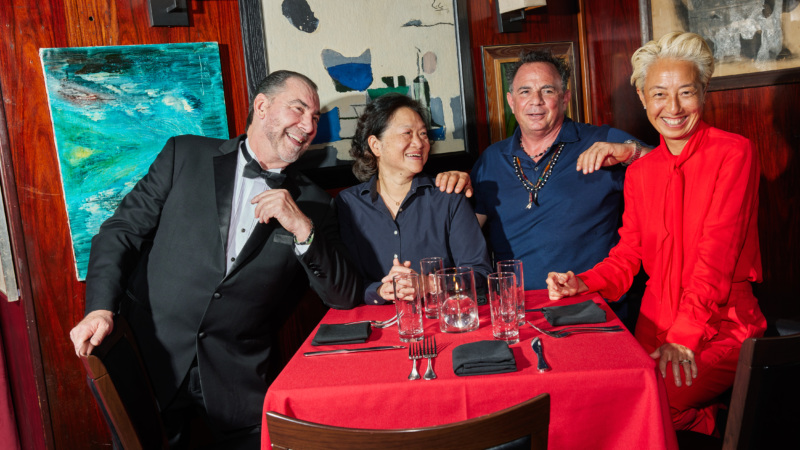
At the crux of the restaurant is its mood: buzzy and upbeat, with upscale but unpretentious flourishes (well-manicured bonsai trees, an open and boisterous sushi bar). For Takahashi and Wynn, it’s an attempt to capture the convivial feeling of a night at an izakaya, as opposed to the precious trappings often applied to Japanese cuisine in the West. “Izakaya is a whole thing,” says Takahashi. “I want people laughing and [doing] all the crazy things. That’s what I want to bring to Los Angeles. Kodō means a heartbeat, and that’s what I want to hear,” says Takahashi.
Esther Tseng is a food, drinks and culture writer. She has contributed to The Los Angeles Times, Eater, Food & Wine, Civil Eats and more. Follow her on Twitter and Instagram. Follow Resy, too.