Corn Takes Center Stage at Komal’s New Tasting Menu
Published:
There are plenty of worthwhile tasting menus in this town, but few harness the single-minded obsession of a chef as profoundly as Fátima Juárez’s new corn-centric tasting menu at Komal, in the Mercado La Paloma in Historic South Central. Already beloved for her tortillas and tlacoyos, made with masa from heirloom corn that’s been nixtamalized and freshly ground on-site, Juárez has long preached the power of corn. The chef’s goal with these new weekly tasting menus is to honor the crop that’s foundational to “the culture, tradition, and memories” of her Mexican identity; or, to put it another way: to finally give corn the respect it deserves.
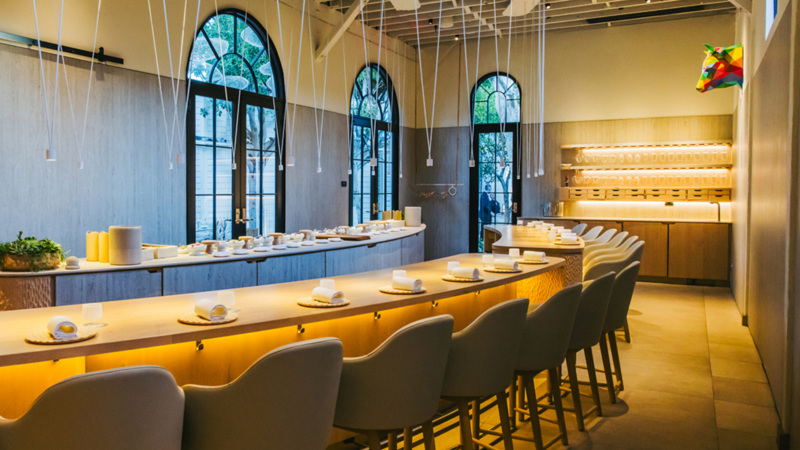
To that end, she’s crafted an eight-course, $160 tasting menu on Monday nights, when many of the Mercado’s other stalls, including neighboring marisqueria Holbox (where Juárez previously worked and currently supplies masa), are closed. With just 13 seats, it’s an intimate experience, with a subtle educational component that gives plant nerds like me something to really geek out about. And in a city with (blessedly) every type of Mexican food you can imagine, it offers something truly unique: a deep dive into a single ingredient, from one of the city’s most passionate young chefs.
MORE FROM RESY
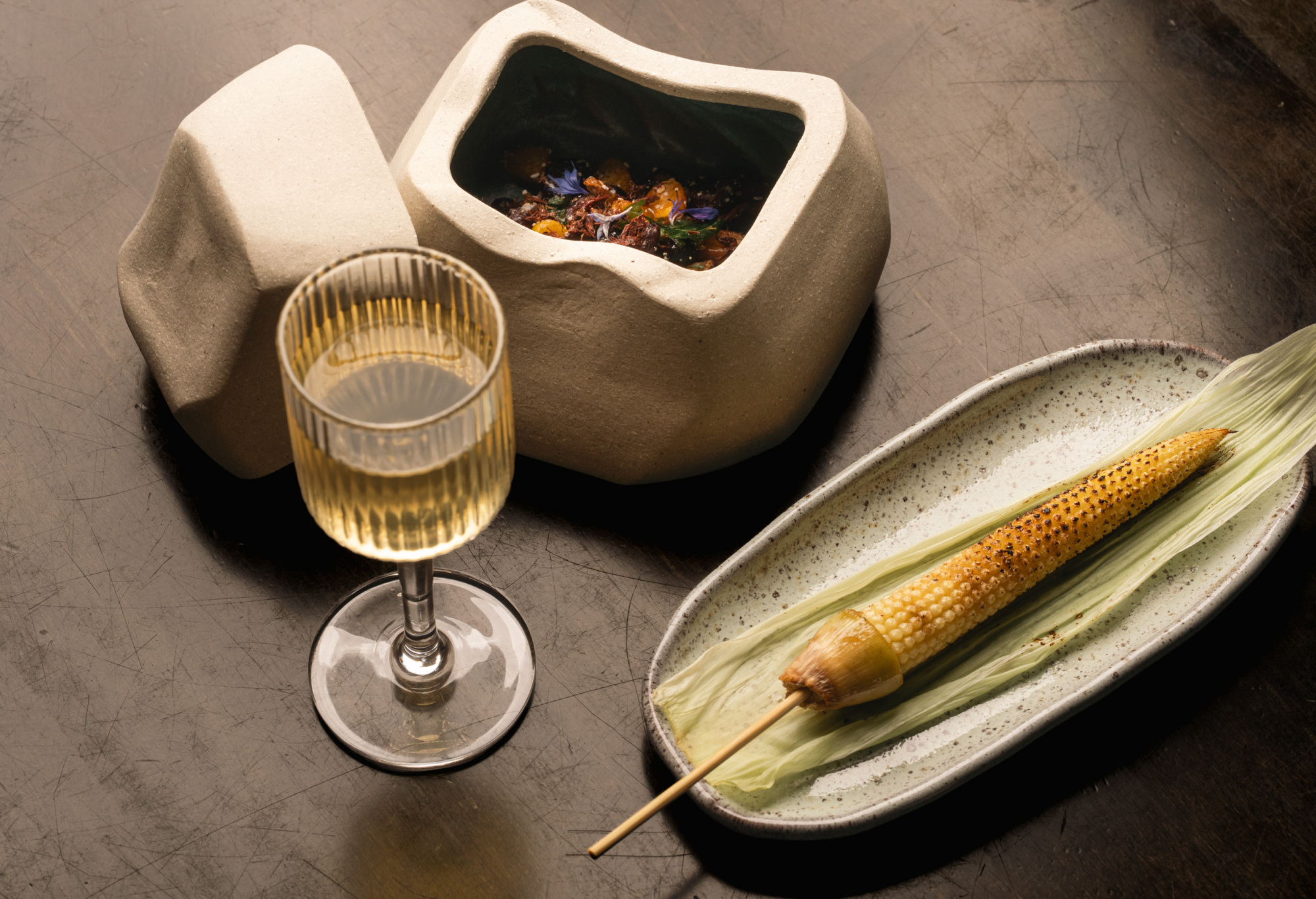
The menu is organized in accordance with the growth and lifecycle of corn itself: “When we start the journey, I want to explain the history between the grain and the people,” says Juárez. “For every plate, we show a different corn technique.” Dinner starts, accordingly, in the milpa (the traditional Mesoamerican farming technique that prioritizes growing maize, squash, and beans together), represented here by fresh baby corn, grilled and slathered in butter laced with cocopache (mesquite bug) and honey, served whole.
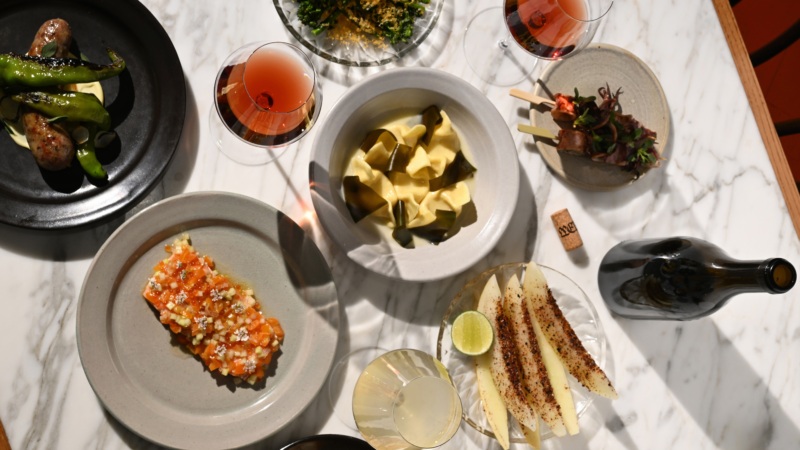
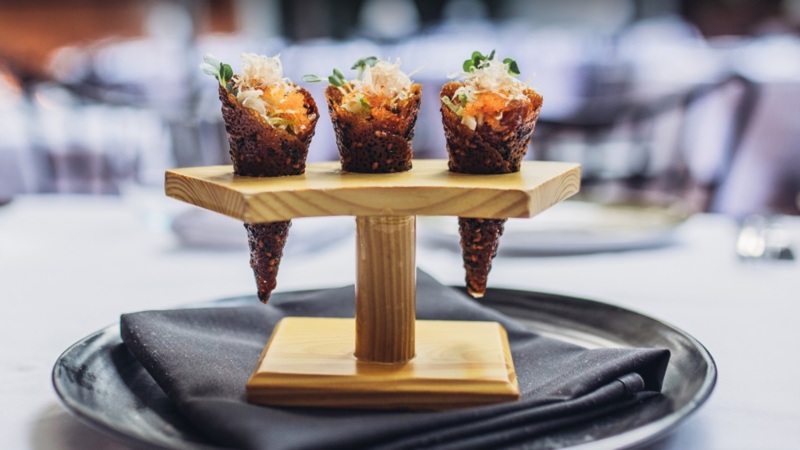
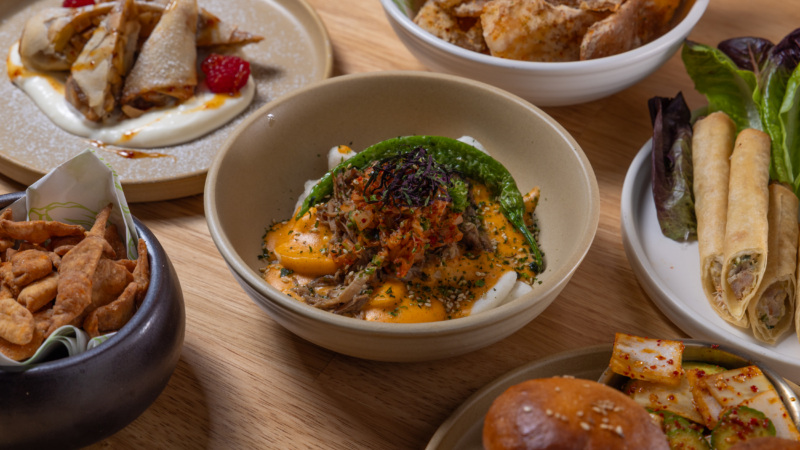
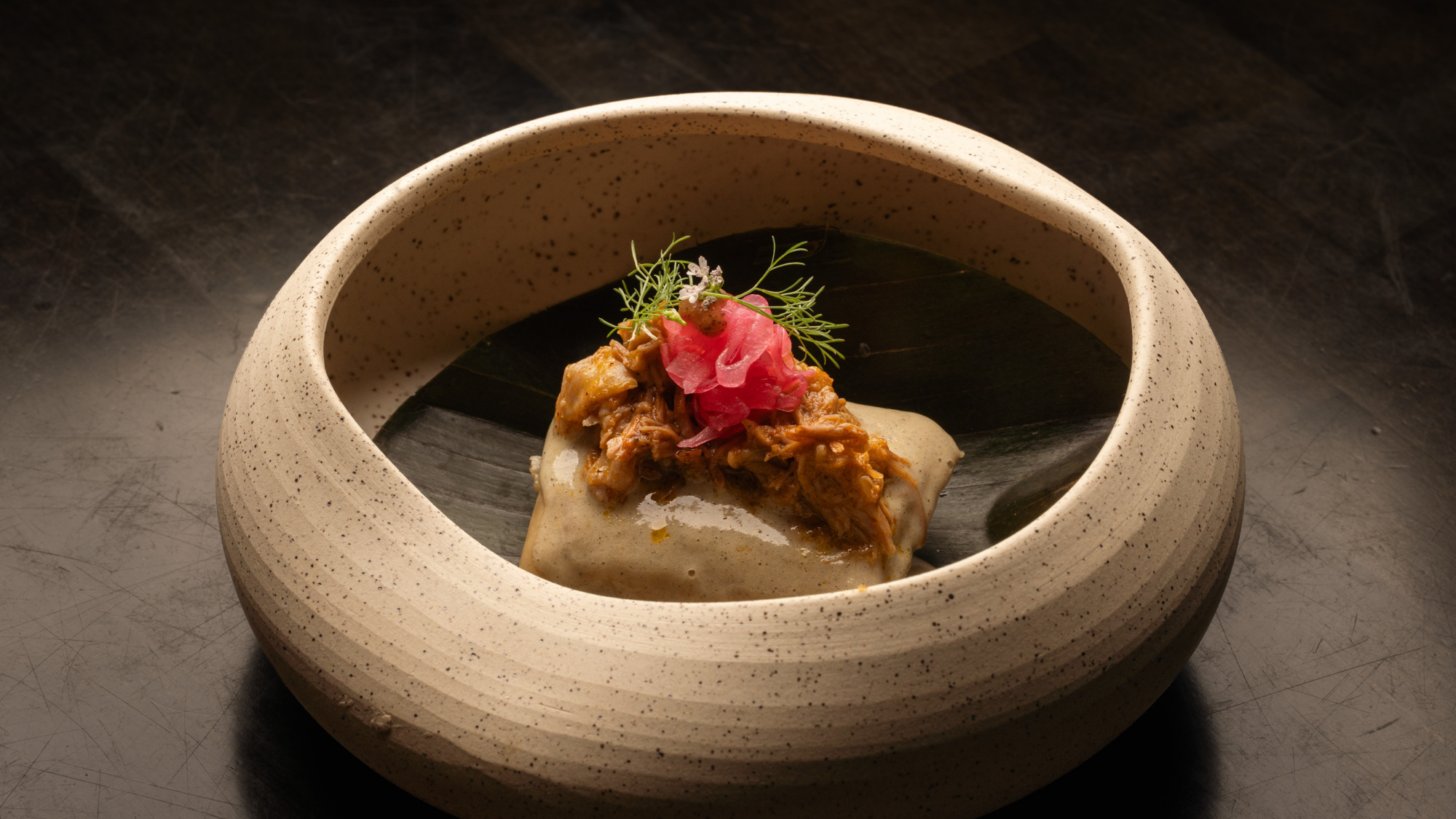
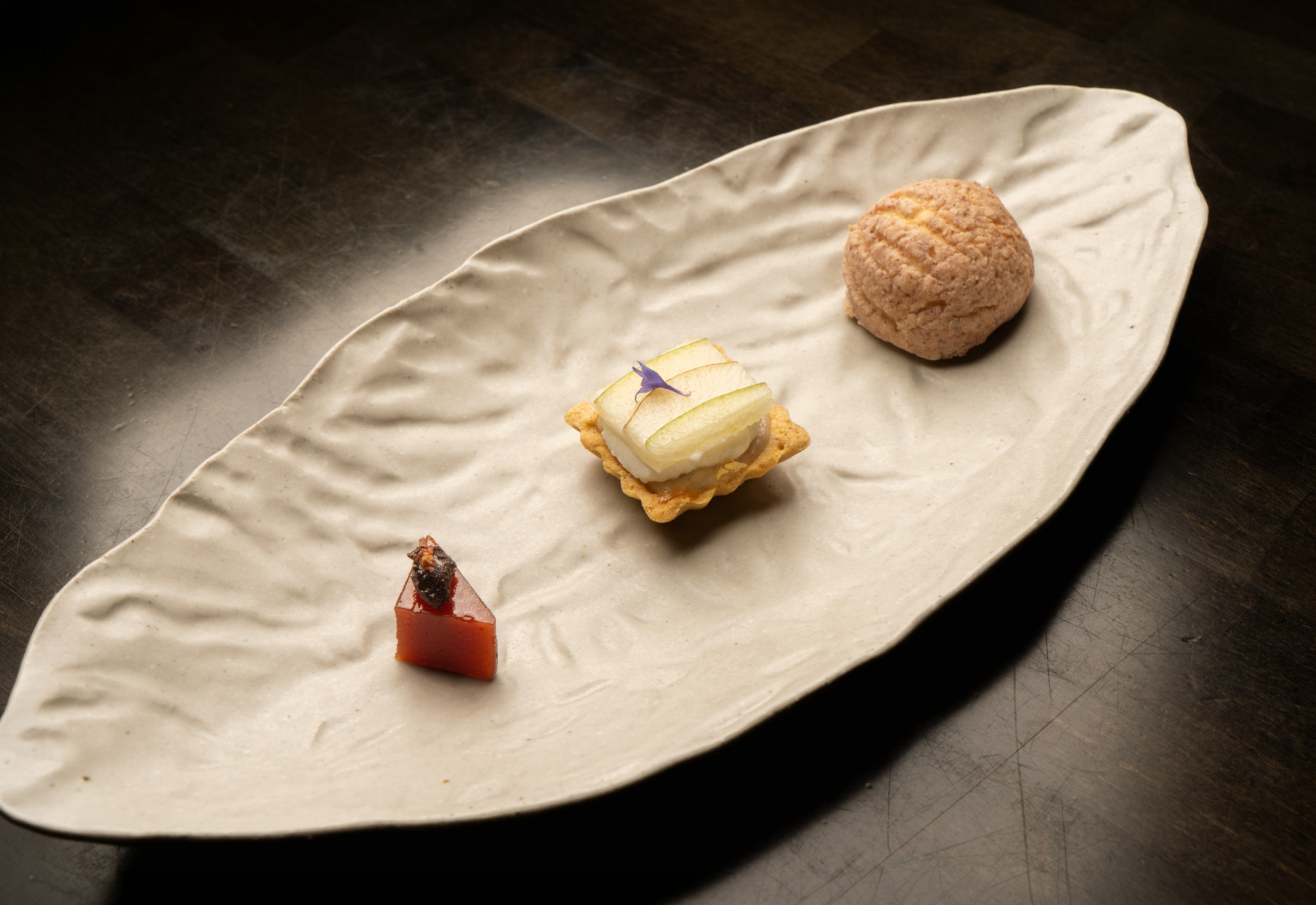
From there, Juárez walks you through all the ways corn winds up processed by the human hand: it’s nixtamalized, ground and made into masa, and subsequently turned into tostadas, tortillas, tamales, and more. That translates to dishes like a deconstructed takes on esquites with chapulines (grasshoppers) and fried epazote; a bean-stuffed tamale with chochinita pibil and charred plantain salsa; and lamb barbacoa with mole negro, Mexican greens, and Komal’s rightly famed multicolor tortillas. Sweet corn is represented, too, in desserts ranging from nicauatole, a wobbly traditional Oaxacan dessert made from ground corn and sugar, to a still-warm concha crackling with a toasted corn shell.
That corn, it should be noted, comes from one of the 36 different types that Juárez rotates between in her kitchen. She works with two companies, Tamoa and Somos Maíz, to source native heirloom corn directly from traditional, small-scale farmers across Mexico. Working with a wide array of corn varieties is important to Juárez, for more reasons than one: she wants to create a viable market for small farmers, preserve the biodiversity of their land, and, of course, make corn-based foods with an astonishing depth of flavor. The current menu features three different types of corn, but every two to three weeks, she rotates between varietals, which each have their own distinct flavor profiles.
Slipping between English and Spanish, Juárez gets a dreamy look in her eye while describing the subtle nuances between the different colors of chalqueño cremoso, a corn prized for making creamy, tender masa. The white kernels in the tostadas have a slight lactose tang, “like yogurt,” while the blue variety is more bitter. The reddish-purple is her favorite, and it appears in multiple forms—in the tortillas that arrive with the barbacoa, and as a tisane with hibiscus and cinnamon served alongside it. She has an obvious reverence for the farmers who grow these heirloom breeds, many of which have been feeding Mexicans for centuries, but have been displaced by more industrial strains in recent generations. “When I go visit these families in Mexico, I just say, ‘gracias a ustedes’ [thank you], because Komal is possible only because of their hard work and beautiful corn.”
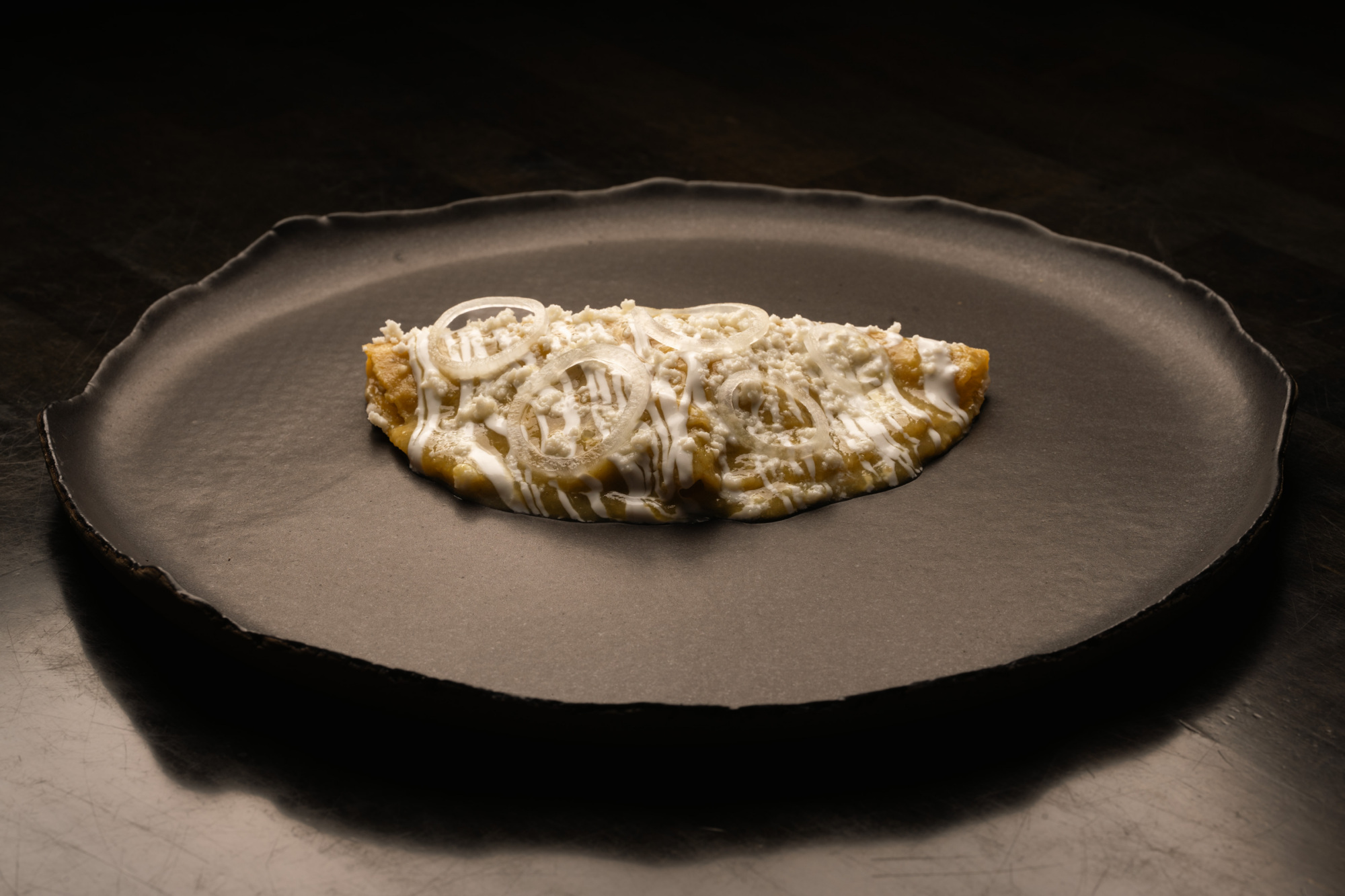
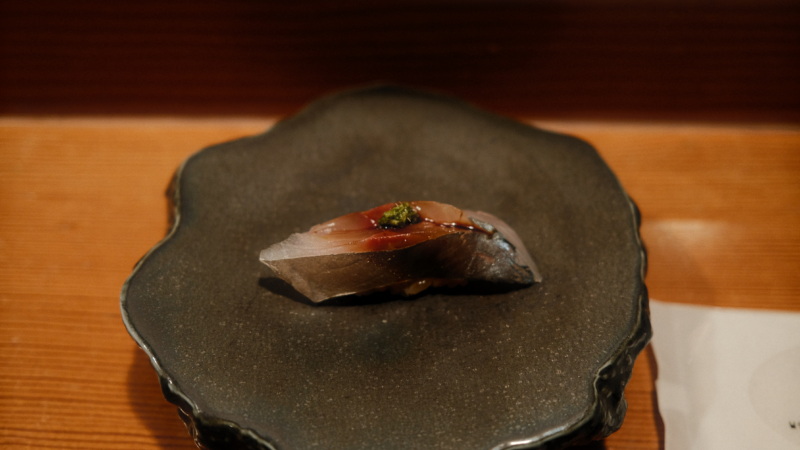
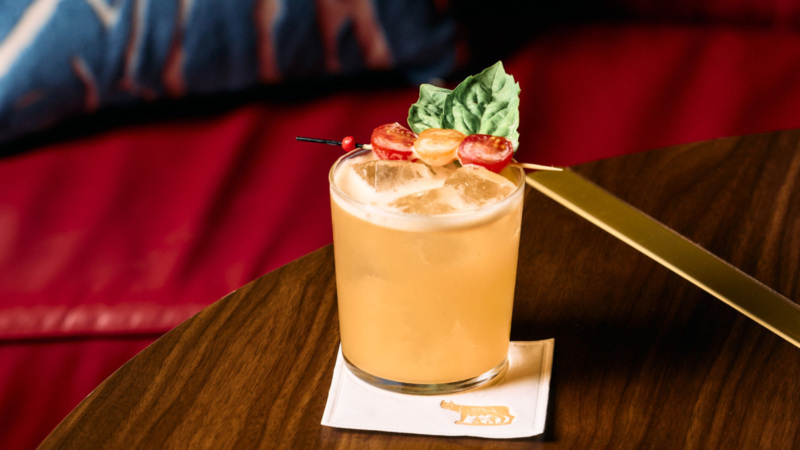
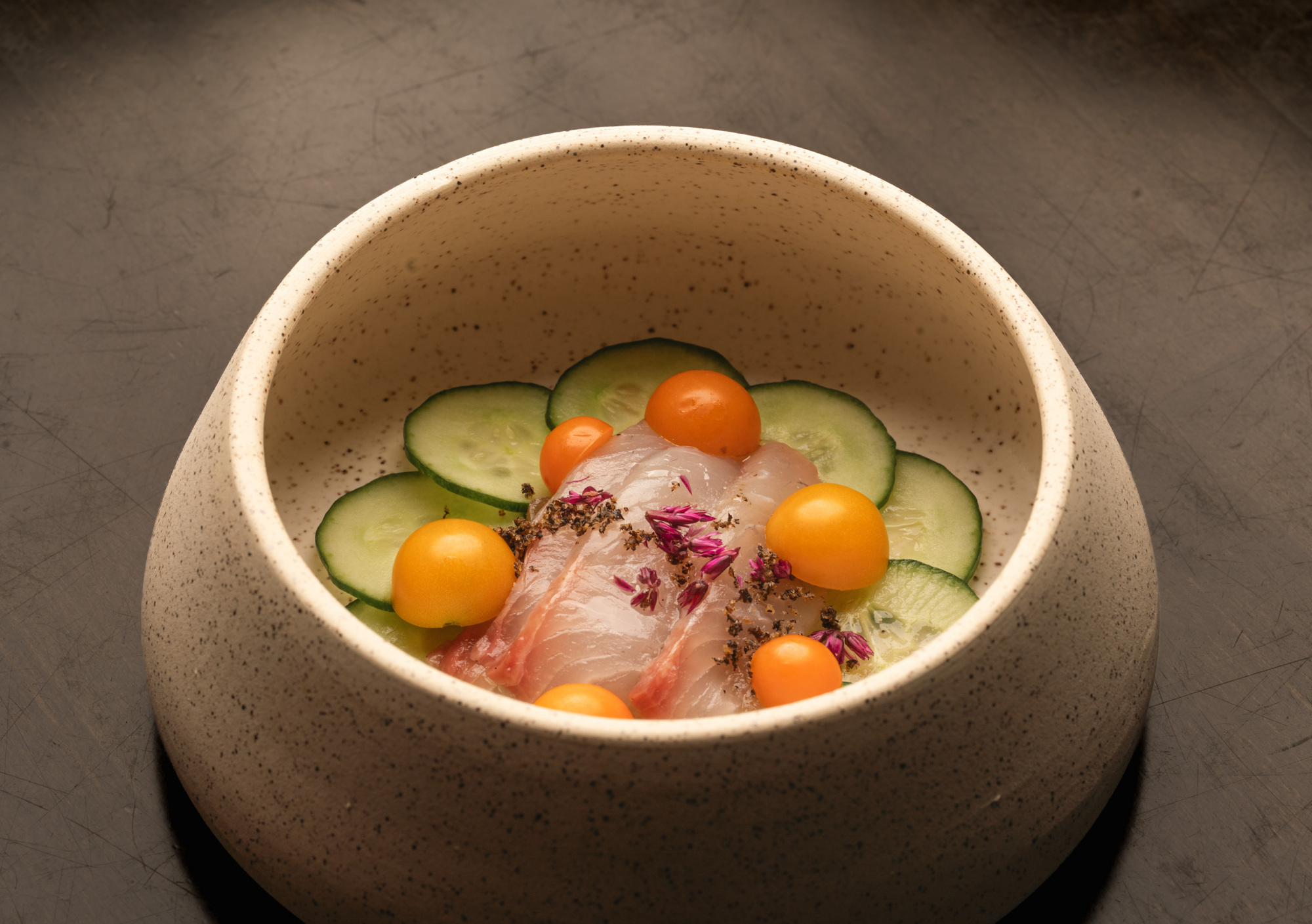
When it comes to developing dishes, unsurprisingly, the corn serves as the starting point, and all the other elements are built around it. Insects appear in multiple forms, not for shock value, but because their flavors and textures often naturally enhance the corns they thrive alongside. Even the included non-alcoholic beverage pairing revolves around corn, whether using it directly (e.g. a refreshing corn silk tea), or simply complementing everything else on the plate (a fermented tomato and orange juice that pairs beautifully with the kanpachi tostadas).
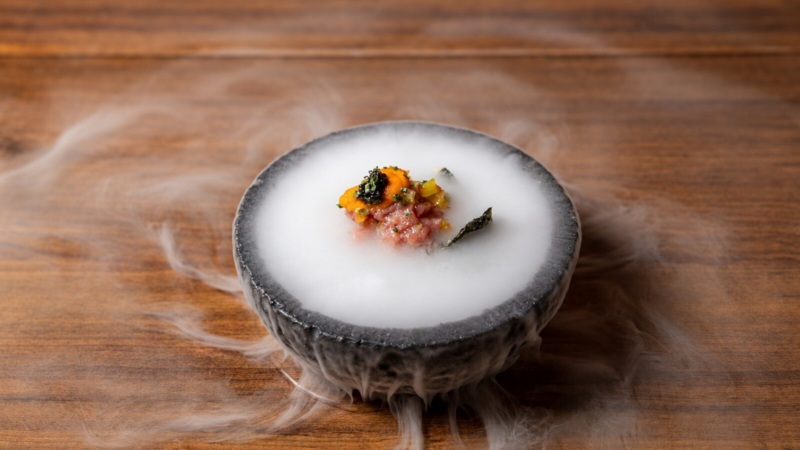
The plateware, too, is all intentional. Juárez worked with Mexico City-based ceramicist Claire Lippman to custom-make each item, which are intertwined with the food that goes on top of it: the roughly textured curved dish the barbacoa is served in, for example, resembles the pits the goat meat is traditionally buried and cooked in; the oblong platter the desserts arrive upon resembles a cacao leaf. That the dinners are capped at 13 seats each is largely due to the fact that the restaurant only has that many plates from Lippman (she’s in the process of making more).
At the end of the meal, Juárez’s husband, Conrado Rivera, may approach your table with a large watch case that resembles a briefcase. He’ll prop it open, and inside, there’s a gleaming array of dozens of individual corn kernels, each carefully mounted on their own display with labels specifying their name, varietal, the Mexican state they were grown in, and the name of the farmer who grew them. It’s a lo-fi, high-impact finishing touch that drives home the point: handle with care, for these heirloom corns are precious stuff.