Eddie Huang on What Brought Him Back to New York — and to Restaurants
Published:
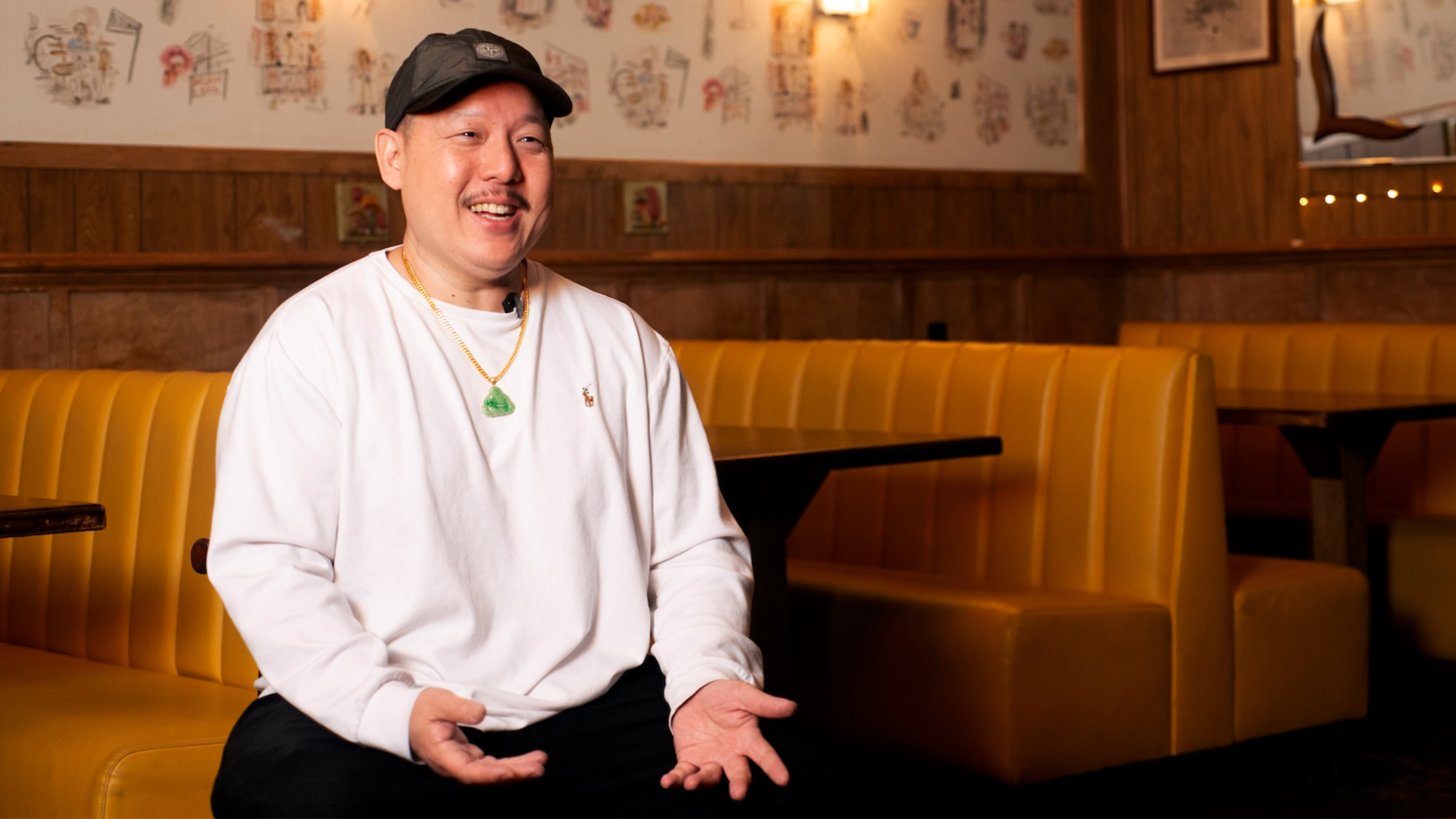
Many praise Eddie Huang for influencing a wave of cool kids’ Taiwanese and Asian American spots in New York City. Without Baohaus (2009-2020), his pioneering East Village restaurant known for bao and beef noodle soup, it’s arguable there might not be a Win Son, Wenwen, or Bonnie’s.
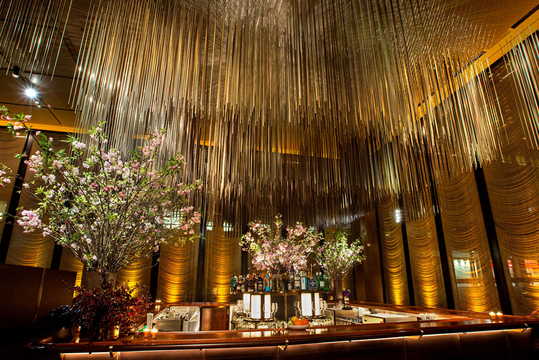
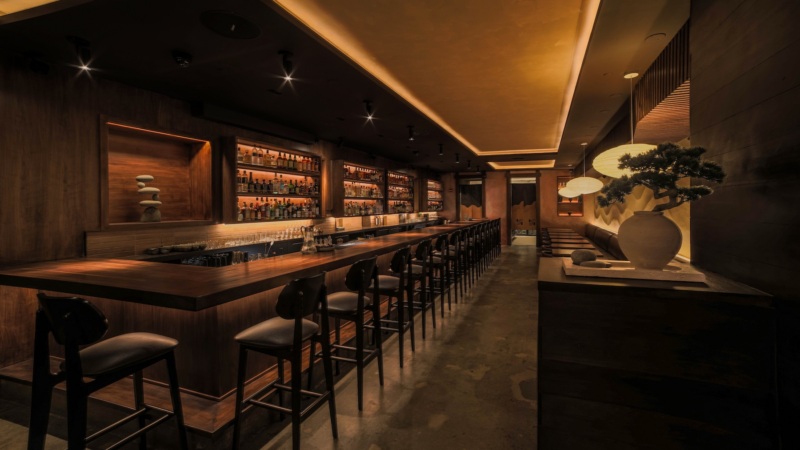
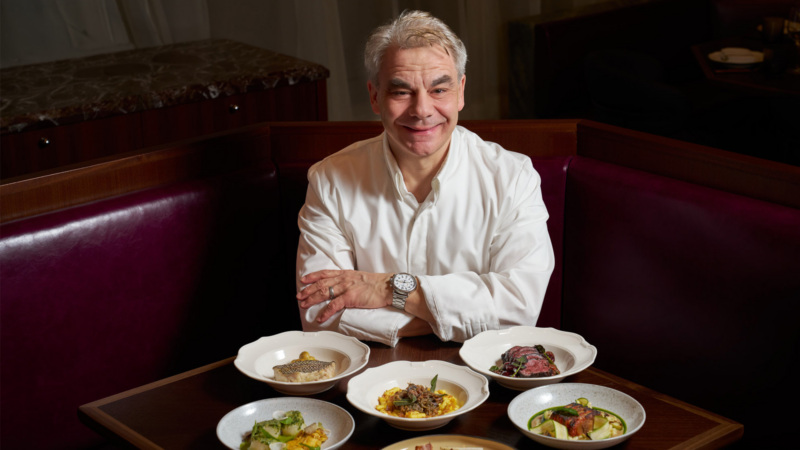
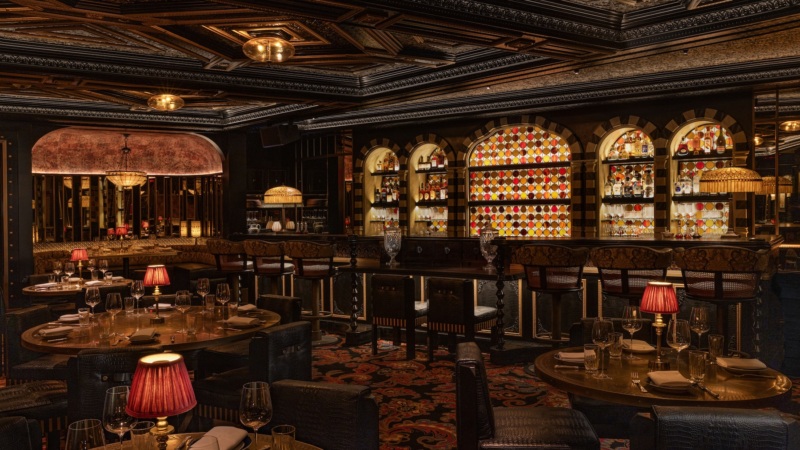
Now, following time spent in Los Angeles and Taiwan, a Vice show (“Huang’s World”), and a movie debut (“Boogie”), Huang is focused on his next move — hospitality, once again. He is back in New York City, serving as the executive chef of The Flower Shop, a Lower East Side bar, and earlier this month, he reopened Baohaus in the East Village.
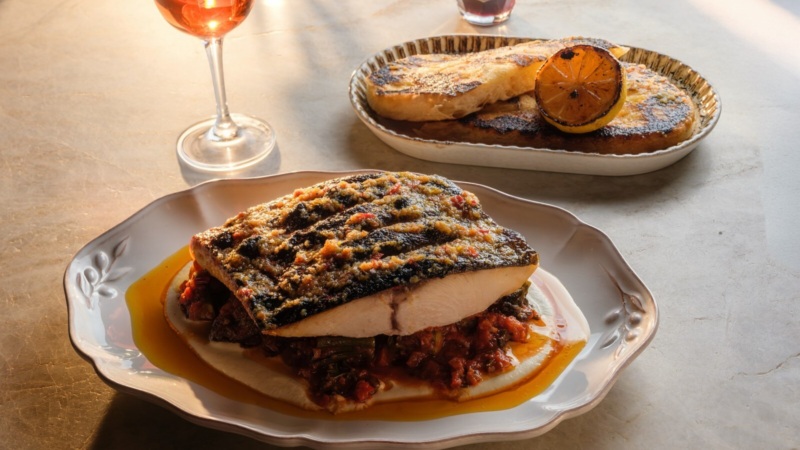
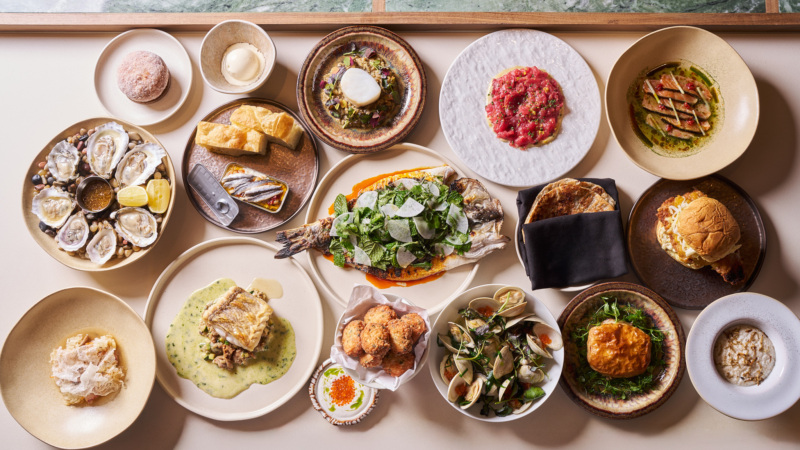
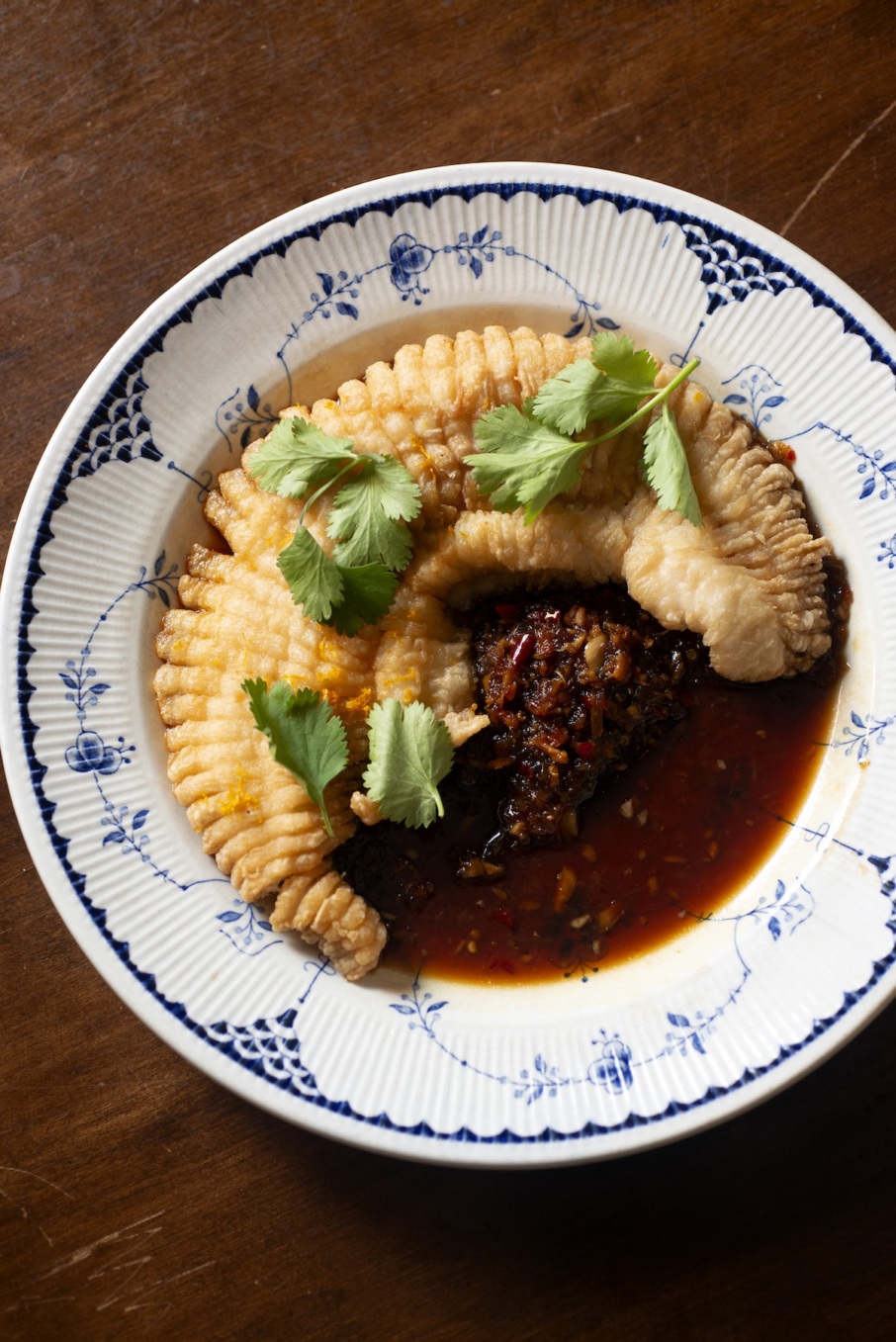
His food at nearly decade-old The Flower Shop is a master class in collaboration. It’s not Baohaus; it’s an update of a menu that once highlighted Scotch eggs, fish and chips, and cauliflower steak, but now has Szechuan lemon pepper wings, a dry-aged HK Wagyu burger, and a General Tso’s skate wing.
So, what brings Huang back to focus on hospitality? To be back in New York? And to continue cooking? Here’s what he had to say, in his own words.
Editor’s Note: This interview has been edited for clarity and brevity.
Resy: What are your mornings like these days in New York City?
Eddie Huang: I usually wake up around 7:30. I make my wife a coffee, change my kid’s diaper, and then I go into writing mode. That’s what I do — I’m a writer — and my mornings are really important to me. I’m the nighttime/bedtime dad in our house. Every family is different, but that’s how ours is set up. I handle bedtime and any middle-of-the-night wake-ups, so when I get up in the mornings, the main thing is that I need to write. It helps me get my head right. It’s hard to find time to write in the middle of the day after you’ve been dealing with people and hearing everyone else’s opinions. Then you end up writing what they’ve been saying all day.
I am very spiritual. There’s some weird metaphysical thing going on in dreams. I’m not an organized religion dude. I think and I feel things, and I need to get it out in the morning.
I’ll get in a workout, and then I walk about 40 blocks to The Flower Shop. That clears my head and gets me ready for the day. I’ve got a lot going on — I have a podcast, the restaurant, a novel, “Come Undone,” coming out in June, and a documentary, “Vice is Broke,” that came out last September.
You have a kid now, congratulations! Did you always get up that early?
I used to get up around 11.
It’s a lot of pressure to come back to an industry that’s changed. And when I say industry, I’m not talking about media — I mean running a restaurant. What are some of the things you’ve noticed where you thought, “No, I can’t do it that way anymore,” or, “Yeah, I’m definitely keeping this approach?”
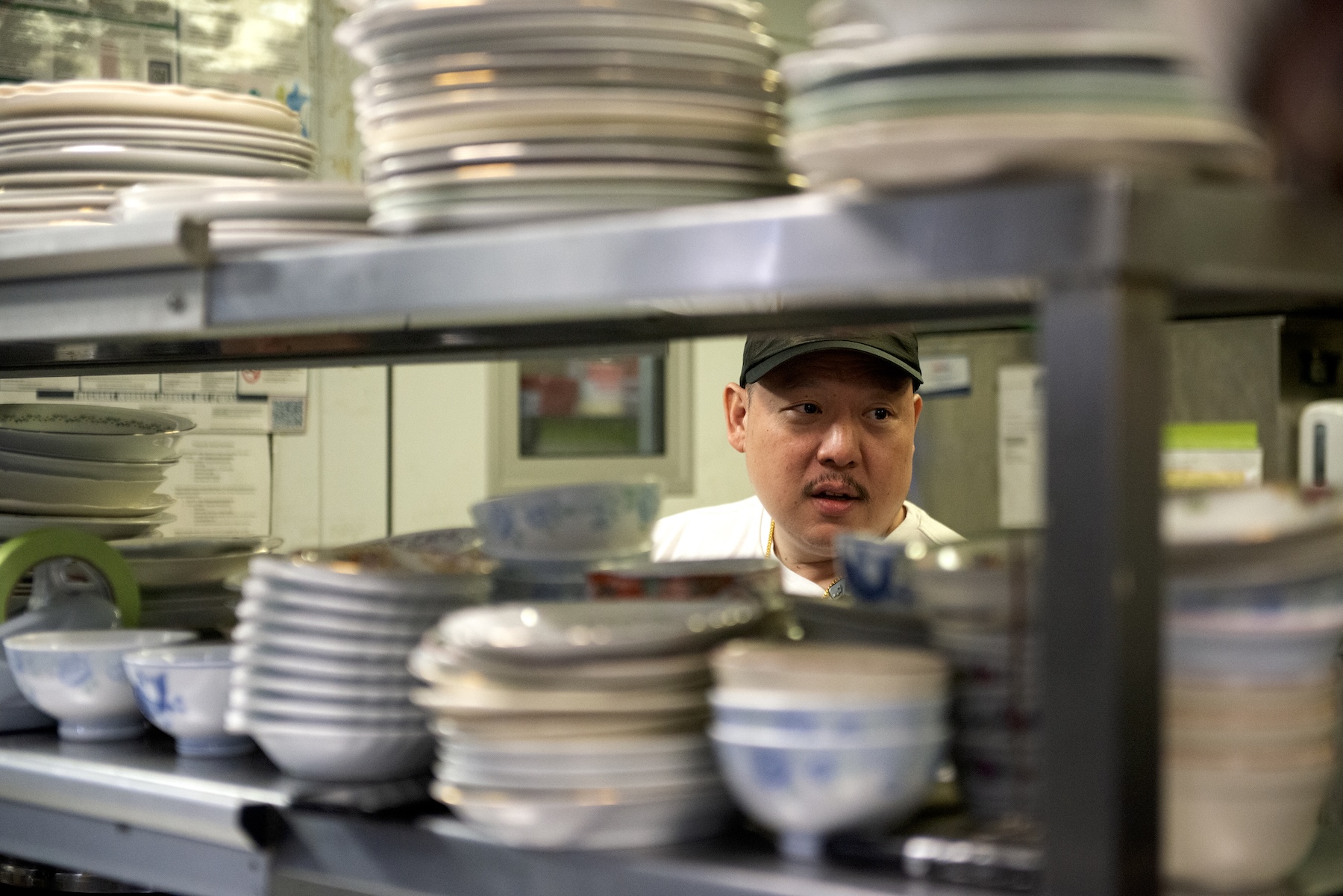
For me, the goal when training a sous chef, kitchen manager, or lead line cook is to get them to make the decision I would make in that situation — or an even better one. Because I’d been out of cooking in New York for about five years after Baohaus closed during the pandemic, I had to build an entirely new crew. The guys who used to cook for me had moved on to other restaurants or left the industry altogether. I think the hardest thing in any industry is finding people who actually care and want to be the best every day.
What were you intentionally trying not to prove, returning to the New York City dining scene?
The one thing I’m always trying to prove in all of my work — which is really immature and kind of sad — is that I don’t care. I have come to learn and accept that about myself: I really, really care. The reason I always try to act like I don’t care is that then, I feel like I can’t get hurt. And I do regret it, because there are a lot of things I’ve lost that I really did care about. And I think if I just said or let somebody know I cared, people would have helped me out.
My work is always a bit of a magic trick — things aren’t always what they seem.
So, with your role at The Flower Shop, this is your first time stepping into something like this, and you have to be really collaborative. You’ve got to go through the old menus, and they’re probably telling you, “Nah, we’re not taking that off — everyone loves it,” right?
Yeah, I have to at least entertain what they think. And I’ve never really worked that way. Usually I’m the writer, the director, the chef — it’s just me. I get the money and I do it myself. So, this was interesting.
I’m friends with the owners and partners, Dylan Hales and Ronnie Flynn, and when they brought me in, I thought, you know what, let me learn something here. Let me try something different. Even in Hollywood, I’m not an assignment director or writer. No one says, “Eddie, write this movie,” and I just do it. Everything is original. It comes from me, and I wear all the hats.
This time, I thought there might be something to learn if I humbled myself and stepped into a more collaborative situation. There were also some strong team members at The Flower Shop, like Dave Turner, our back-office guy. He’s very humble and calls himself “just an accountant,” but he’s a monster. He came from Major Food Group and worked on places like Carbone and The Grill. He’s been one of my favorite people to work with because he’s taught me a lot about the business side, and he’s run much bigger operations than I ever did at Baohaus. Meeting Dave was a big reason I took the job.
Then there’s the creative side. I actually love bar food. I grew up in Orlando, Fla. I wasn’t always around fancy New American or Chinese restaurants. I know a lot about Southern cooking, bar food, barbecue. I grew up around Floribbean cuisine, and I was excited to tap into those skills and ideas. One of my first jobs was as a prep cook at a Floribbean restaurant. Usually, people want Chinese food from me, so this felt different. I thought, this is cool — I’m getting hired to cook a cuisine I’m not known for, but that I actually have a deep connection to.
So what dish on the current menu feels most like you? You’ve talked about Caribbean and Florida influences, and you’ve mentioned Chinese food — that’s what people expect from you.
My favorite dish right now is really a mash-up of those influences. In Chinese cuisine, there’s a dish called Cantonese walnut shrimp. You know the one — fried shrimp tossed in a sweet walnut sauce, usually served over a bed of broccoli. It’s very popular in Cantonese restaurants, and I love it.
At the same time, in a lot of Floribbean cuisine, you see pecan- or walnut-crusted fish. So, I thought, let’s finesse that. We take panko and crushed walnuts and use it to fry blackfish — sometimes cod, sometimes blackfish, depending on what’s fresh. We always let the diner know what it is. It’s never frozen.
When it comes out of the fryer, we brush it with a chile-oil honey glaze and put it in the salamander to create this honey-chile crust. Then we add our Cantonese-style sweet mayo sauce with some fried garlic, and I top it with slaw — like a coleslaw on a fish sandwich.
If you look at it, it kind of looks like something from Jimmy Buffett’s Margaritaville, which I think is fun. But when you taste it, it feels like a Cantonese restaurant. That, to me, is my cooking. My work is always a bit of a magic trick — things aren’t always what they seem.
You look at me and see someone who’s obviously Chinese, Taiwanese. But when you talk to me, you realize I’m a mix of things. At my core, I’m a product of America. For all the issues I might have with it, I’ll give it credit — the opportunity to grow up here around different people made me who I am.
So that dish is my favorite right now. It’s not the fanciest or the most technical, but it represents me the best.
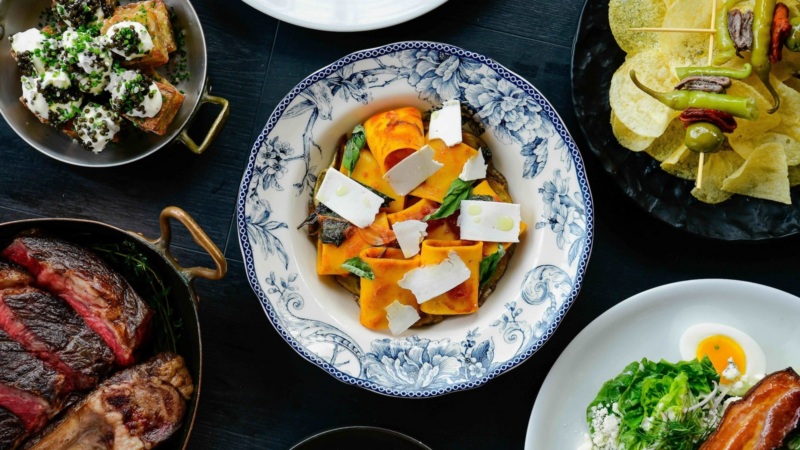
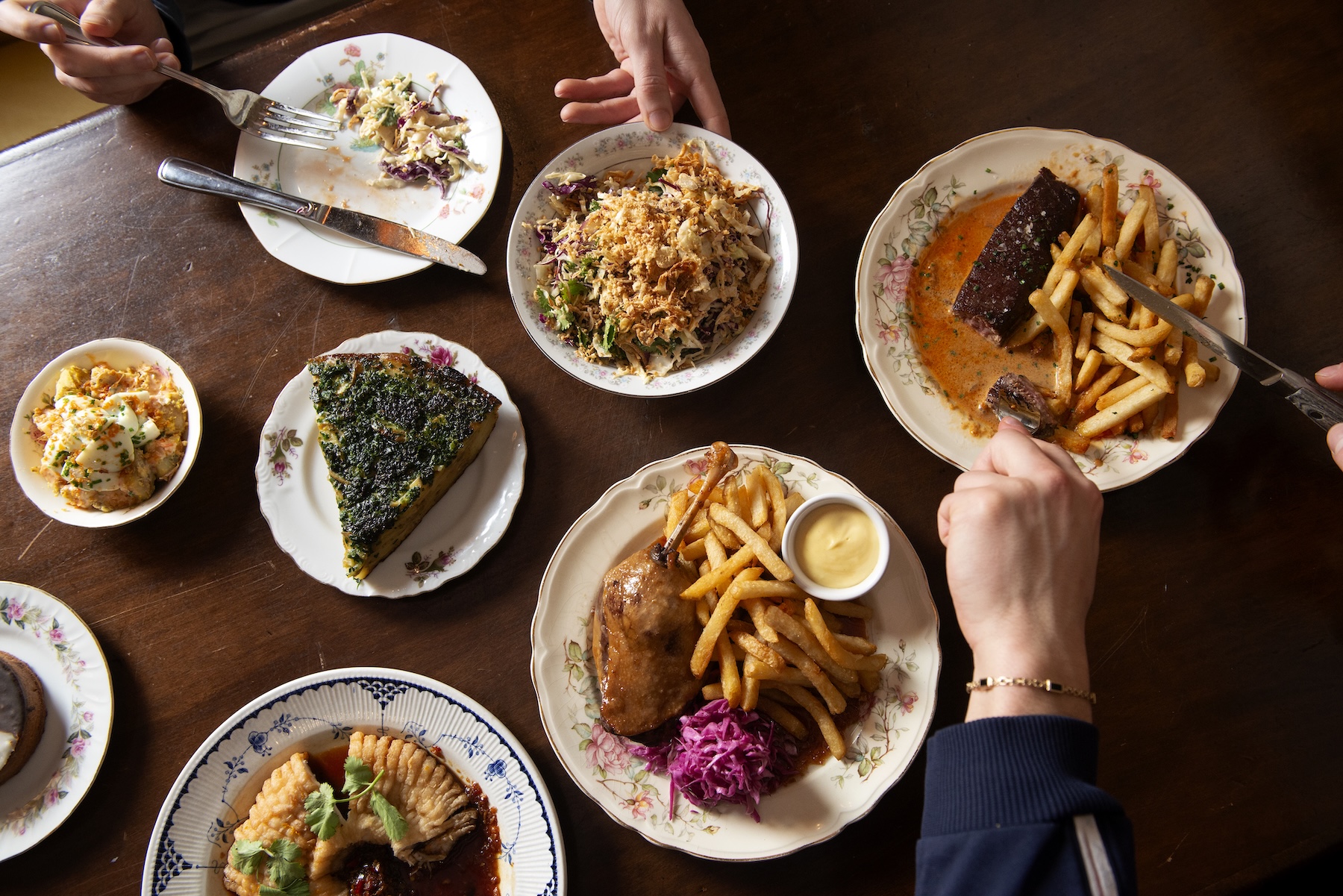
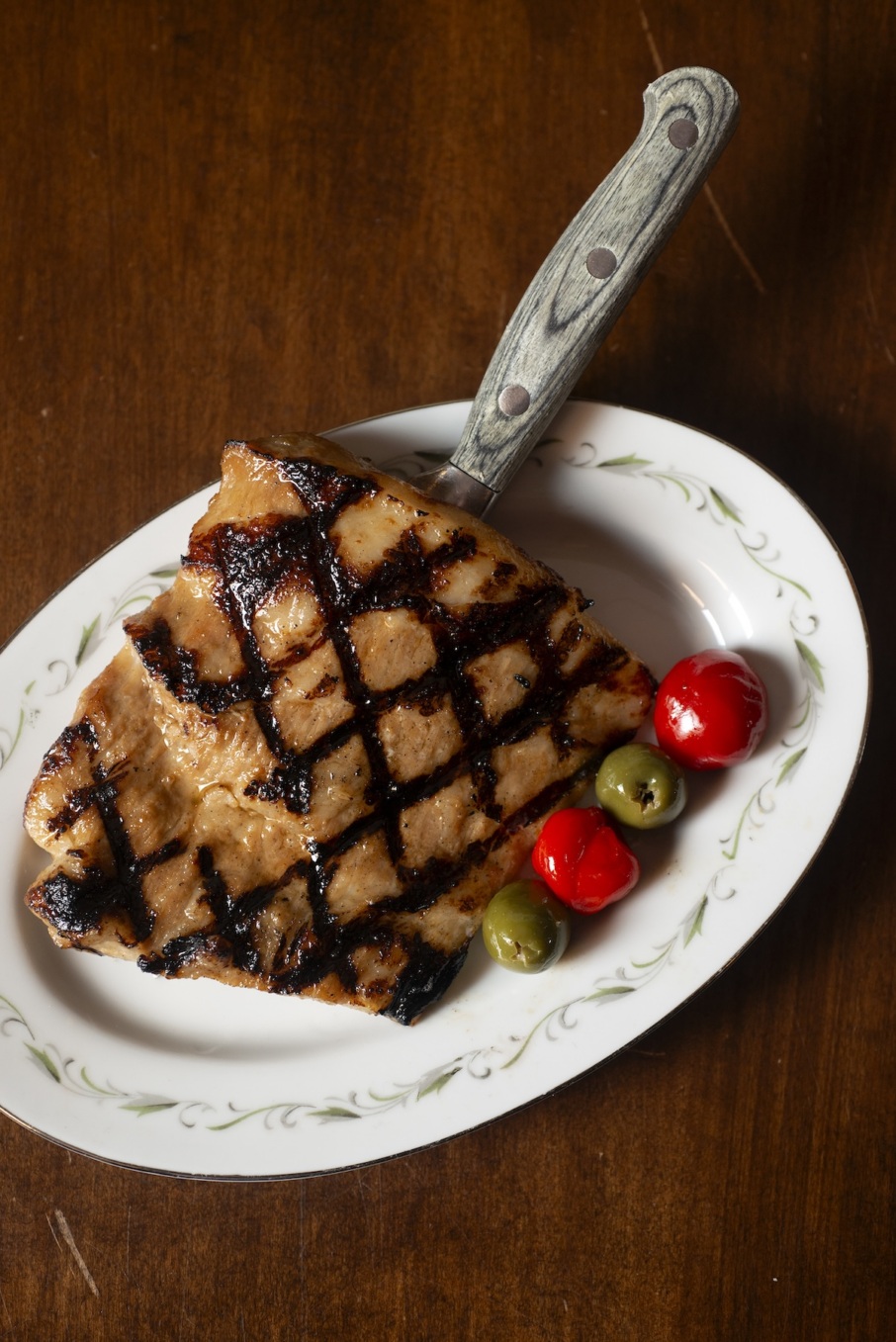
There’s also a few other influences at work on the menu, too. I did an Ibérico pork belly steak with goat-cheese-stuffed peppers and olives, and a Basque-style potato salad made with Szechuan ingredients. There’s a lot of Mediterranean influence, which is what I was exploring over the summer with Gazebo. The intersection of Asian and Mediterranean cooking is really interesting to me, but I’m applying those techniques and ideas to a bar format. Every dish looks like something you’d see at a bar — a steak, a chicken leg, a duck leg — but when you eat it, it’s like, whoa. It feels like a Taiwanese night market meeting the techniques of the Basque Country.
The word that kept popping in my head when you were giving your preamble to being back in the kitchen and The Flower Shop’s new menu is discipline, your way of discipline.
There’s a culture in the kitchen where the guy at night, or your lead line guy at night, they’ll just write what they need for the next day on receipt paper and then leave it up on the pass, and then the kitchen manager comes in and sees it. I’m just not that guy. I schedule the prep by the hour, like this is the amount of time this should take. I’m quite disciplined. You don’t write books and open restaurants and make movies without some sort of discipline.
Would you say you’re softer now? But still you, though?
Yeah, I’m a Pisces. Like, I’m very sensitive. I can lean into the fact that I care, but it actually makes me more intense. That’s the interesting conundrum. I’m much softer and more open about how I feel, what scares me, and what I’m sensitive to, but it’s also brought my drive back.
The Flower Shop is open Tuesday to Saturday.
Nicole A. Taylor is a James Beard Award-nominated food writer, home chef, and producer. She is also the author of “Watermelon & Red Birds,” the very first cookbook to celebrate Juneteenth. In addition to her other cookbooks, “The Up South Cookbook ” and “The Last O.G. Cookbook.” Nicole has written for The New York Times, Bon Appétit, and Food & Wine, and has been featured in the Los Angeles Times, BET, Today, Wall Street Journal, Today, Washington Post, NPR, Apple, and Oxford American. Brooklyn Magazine named Taylor to its list of 100 influential people in Brooklyn culture, and her cookbooks have graced more than two dozen “best” lists. Follow her on Instagram and X.