How We Drink: 5 Things That Define Cocktail Bars Right Now
Published:
In 2025, what even is a cocktail bar, anyway? Cocktail culture is thriving — but it’s also changing fast.
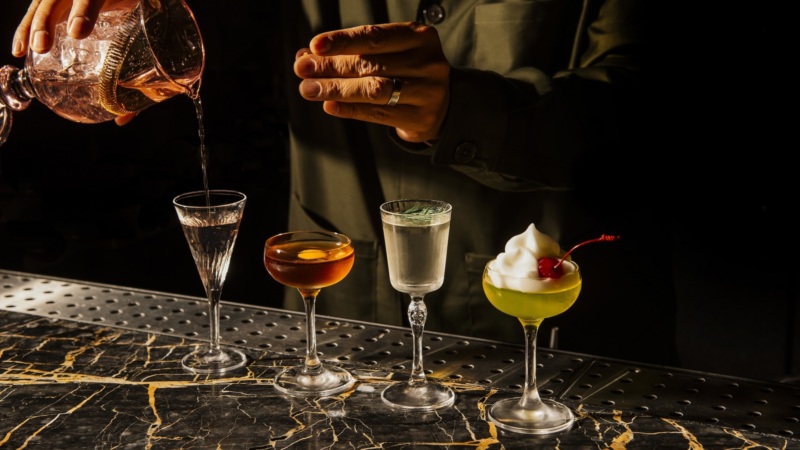
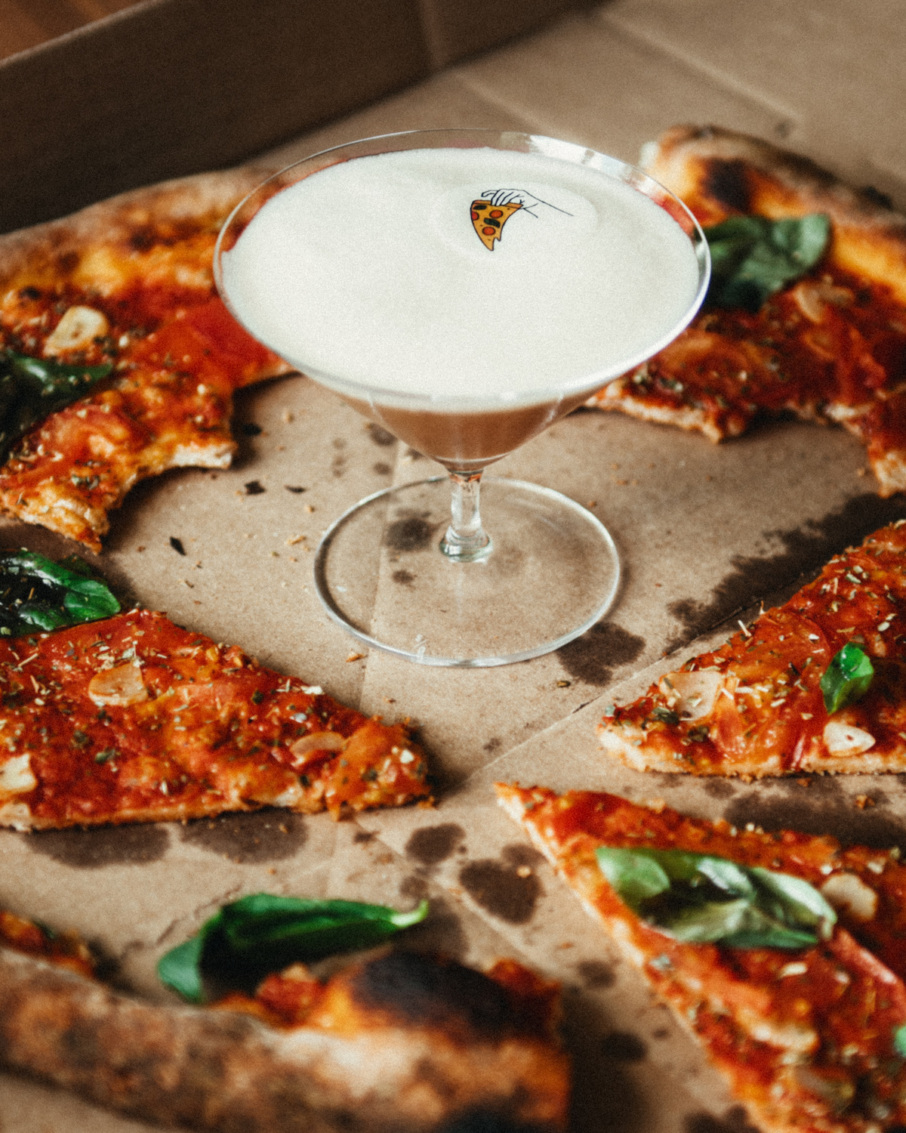
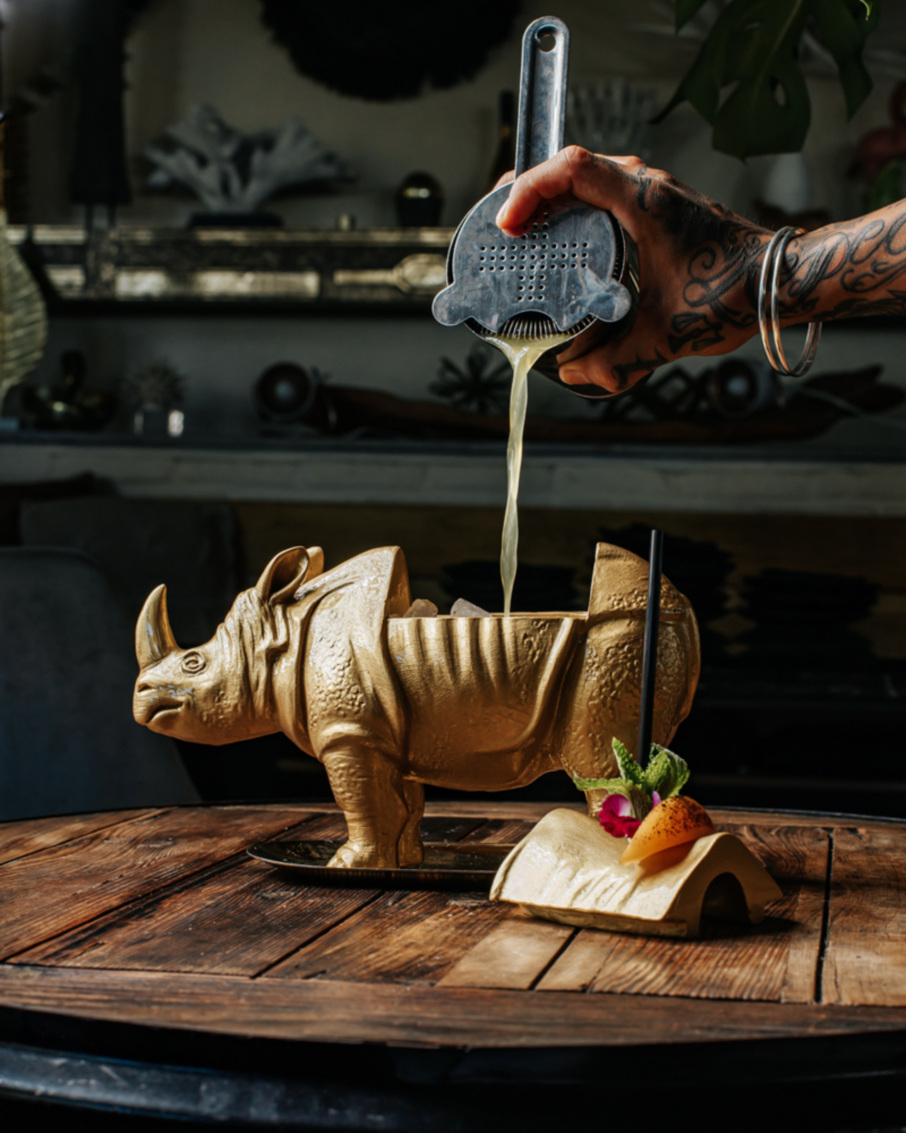
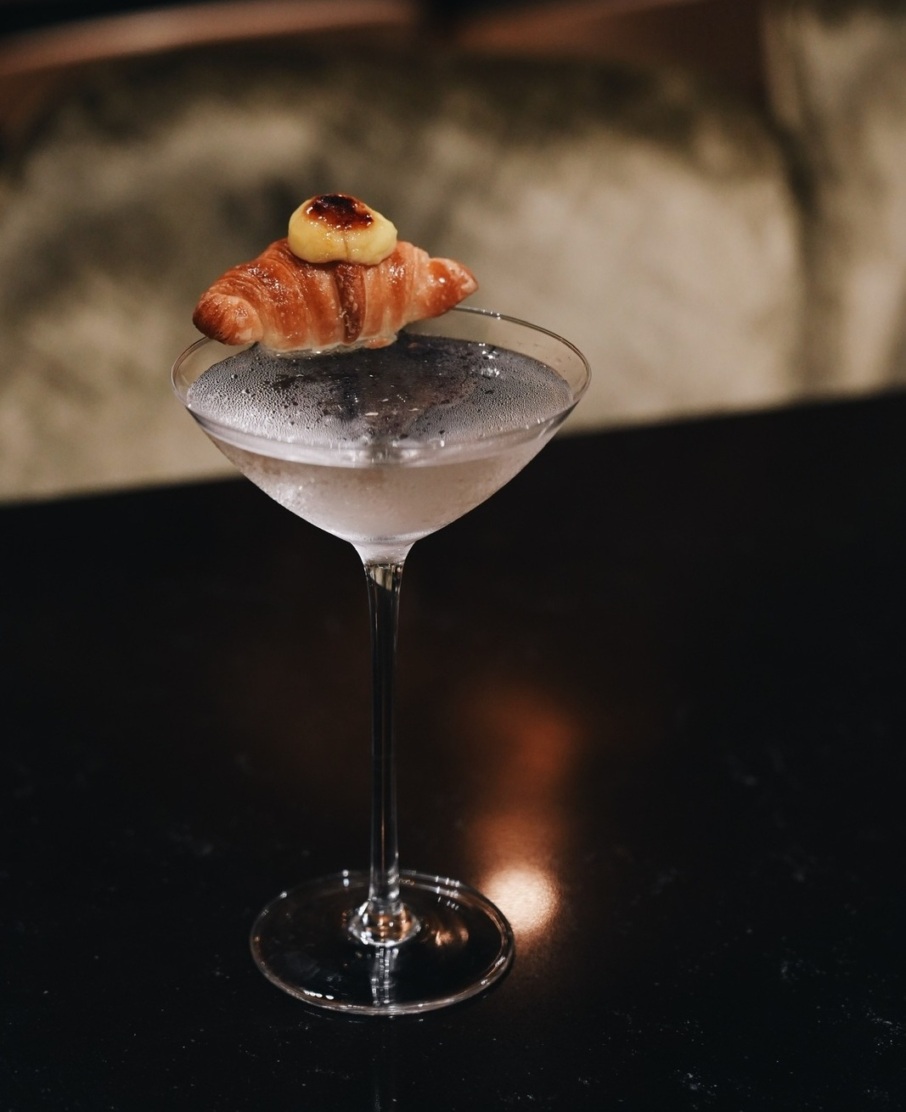
These days, it seems like a “cocktail” can be pretty much anything you want it to be. It can be a milkshake blended with booze, a tiny gulp of a teeny martini, or a splashy spectacular topped with a smoke bubble and edible glitter, or topped with an entire fried chicken, or meant to taste like cold pizza. It might not even include alcohol, as the current zero-proof drink boom has proven.
And if bars can exist without their assumed main purpose — as purveyors of alcoholic beverages — what is a “bar,” for that matter?
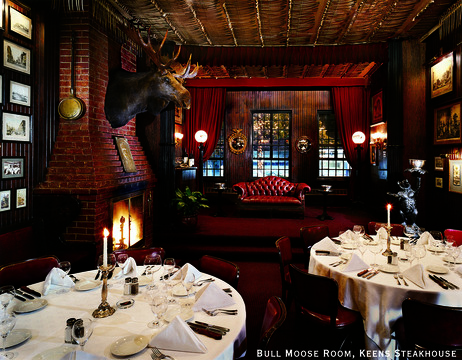
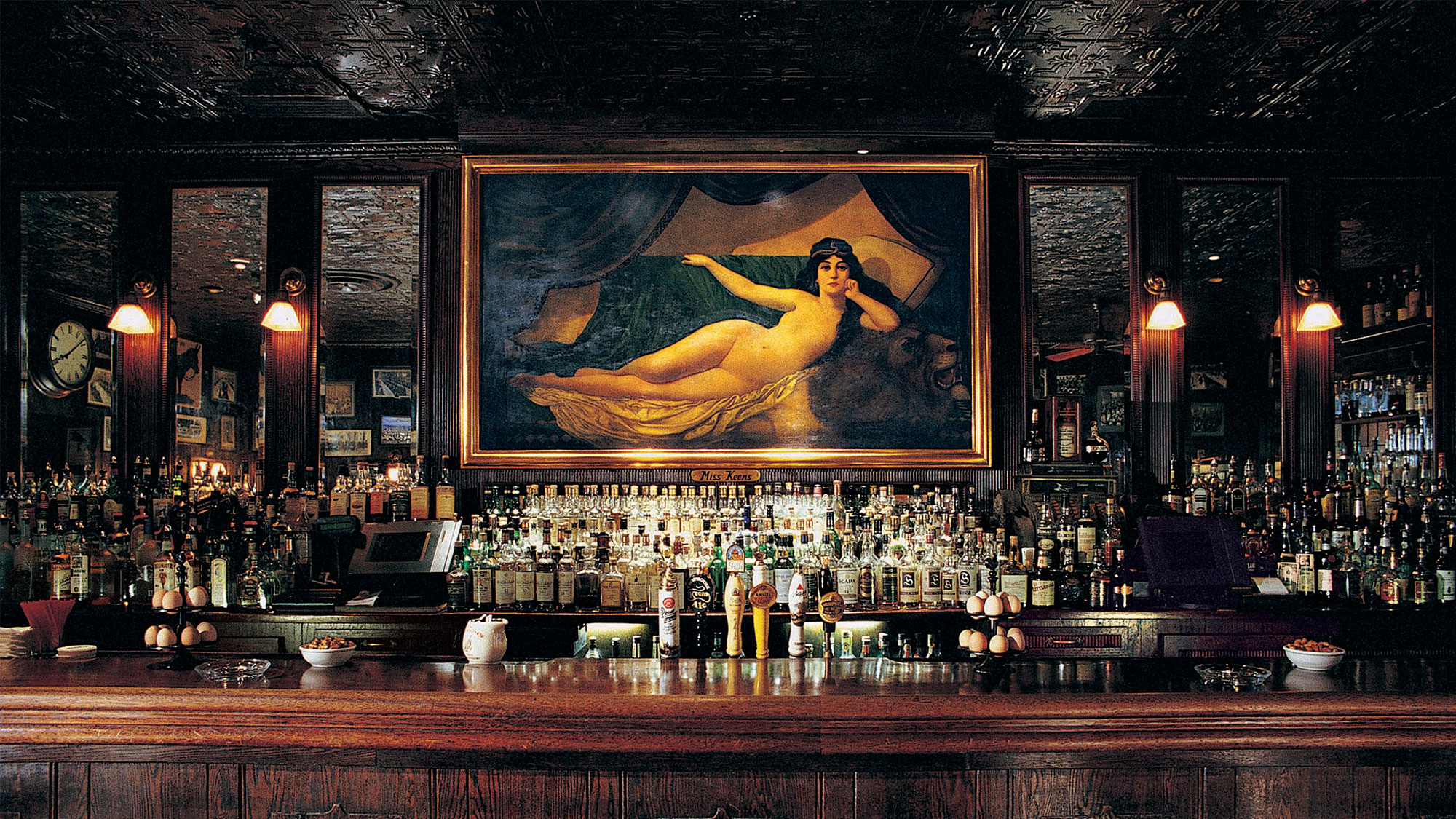
Five years ago, in the thick of the pandemic lockdown, I wondered if I’d ever get to pull up a barstool again. Those memories have faded, but many of the shifts that began in that era still reverberate: the Zoom happy hours; Paper Planes-to-go from Attaboy delivered in plastic deli containers with pristine blocks of Hundredweight ice — and the required bag of chips; outdoor “Covid cabanas” and porch parties; host stands stocked with hand sanitizer and temp-check guns; the historic dark-wood bar at Keens Steakhouse, partitioned off with plastic dividers. It was a hard-learned lesson on the value of “third places.” Today, IRL connections, away from screens and is-it-real AI slop, matter more than ever.
We’ve firmly made it to the other side, and I no longer take my seat at the bar for granted. Luckily, the partitions are long gone, in more ways than one. Traditional bar spaces still exist, but they’ve fragmented and expanded: There’s all-day cafes that morph from coffee drinks during the day to espresso martinis at night; nouveau diners with fancy drinks; and afternoon hangs that include aperitivos. Though not without its challenges, the cocktail scene has entered a vibrant new era, with more to explore in bars than ever before.
1. The Eyes Drink First: Vibes Are at a New High
Here’s what hasn’t changed: People still want to be in public spaces with other humans, and are willing to pay the price of a drink to spend time in that space.
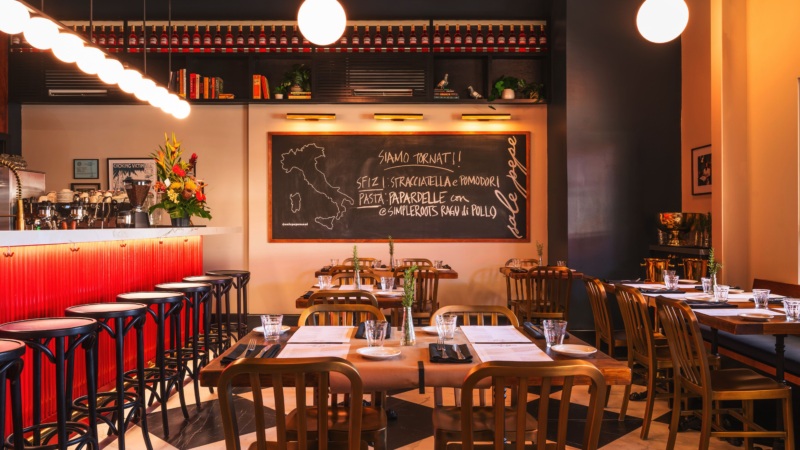
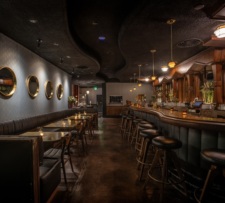
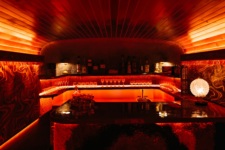
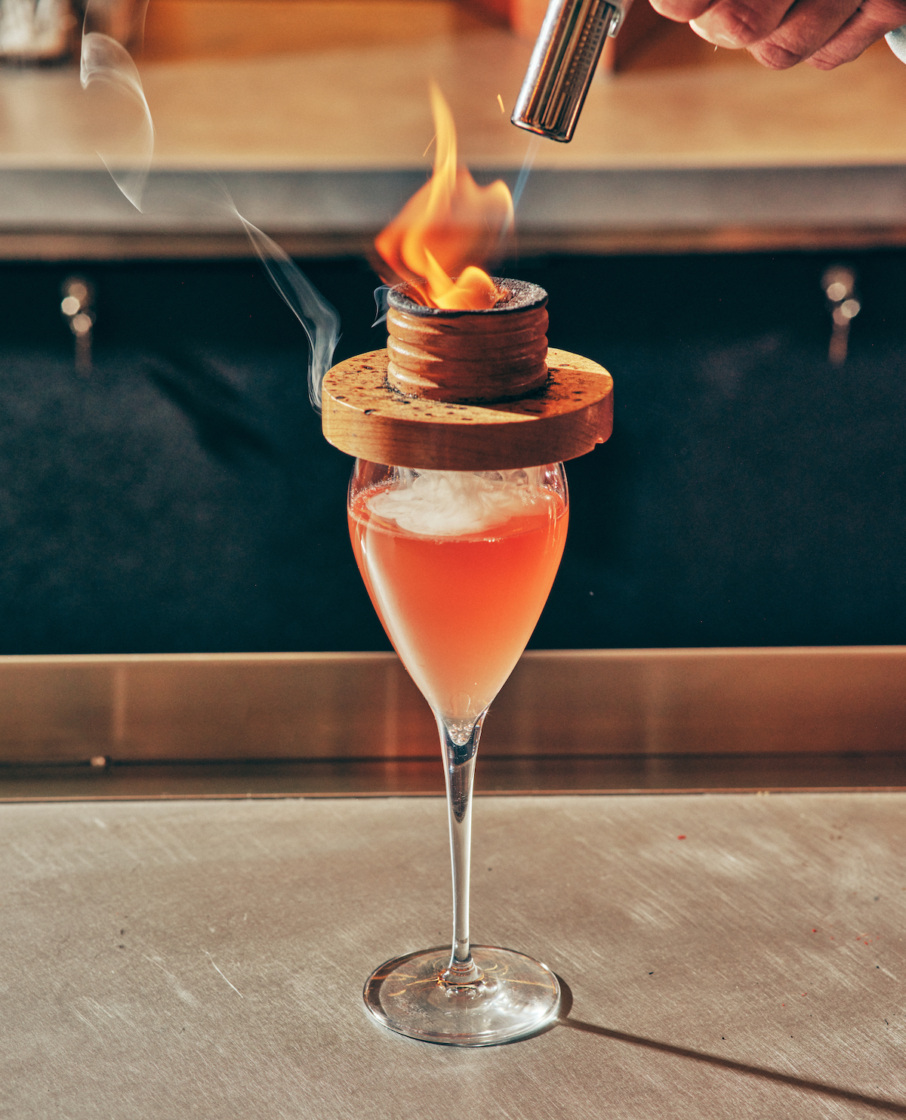
Most bars weave a story that carries through from the typeface on the menu (or cute illos, as at The Corner Store), to the mood of the room, how the servers present themselves, straight on through to the drinks (sleek and streamlined? Playful? Surrounded by a cloud of dry ice?).
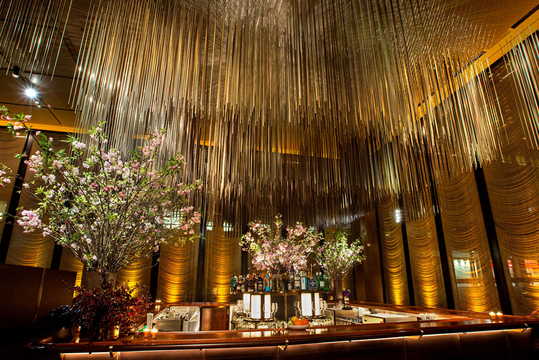
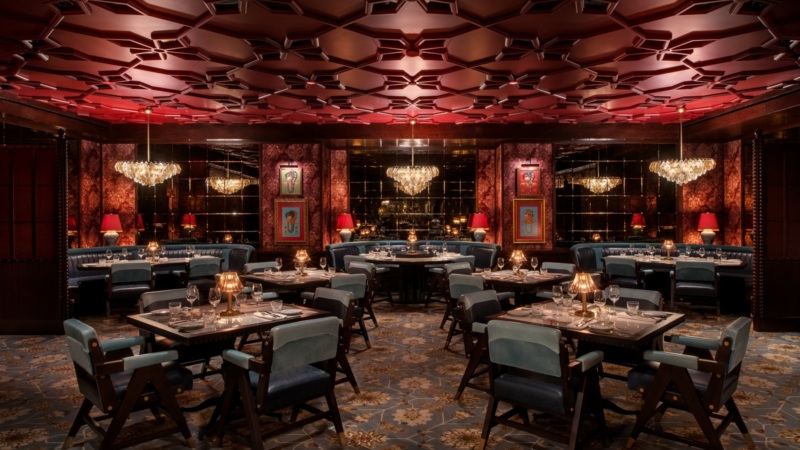
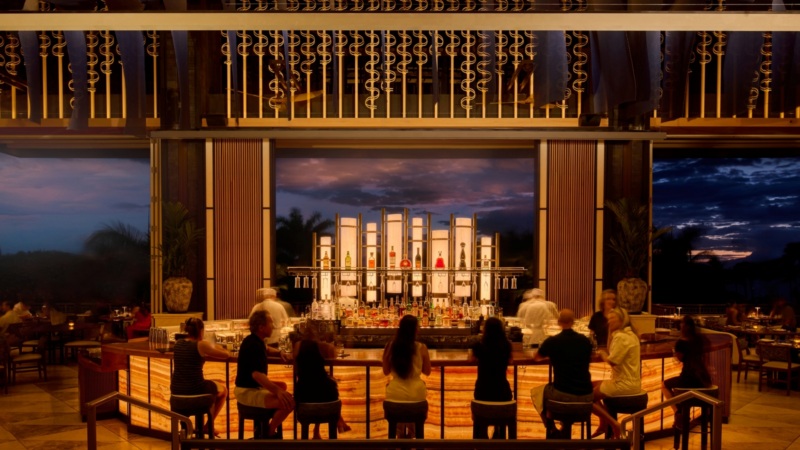
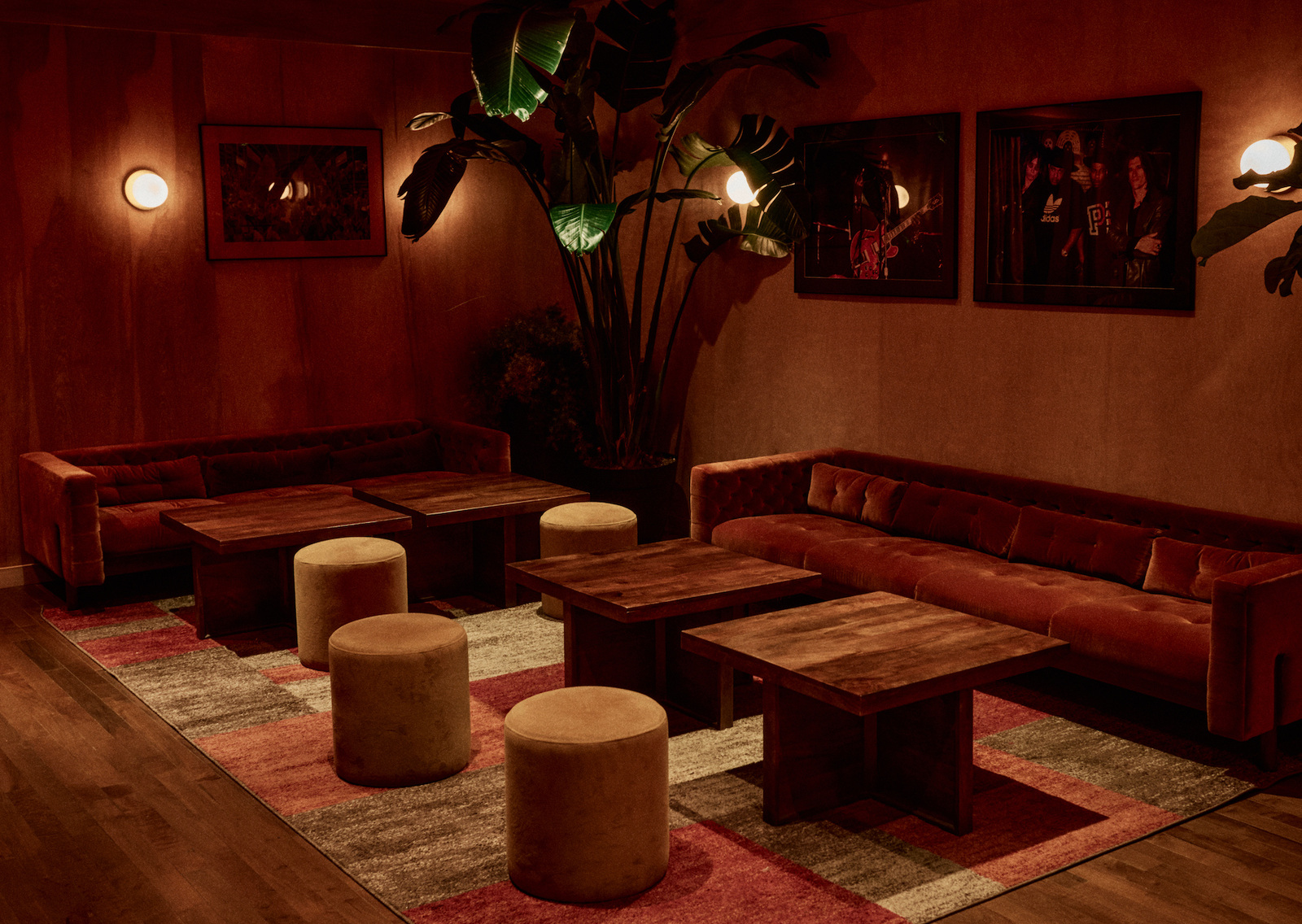
No matter what type of bar (or non-bar) you find yourself in, aesthetics (how a bar looks) and vibes (how a bar makes you feel) matter now more than ever. When drinks cost upward of $20, guests want to feel comfortable, or inspired, or excited to be there — frankly, otherwise they’d just stay home.
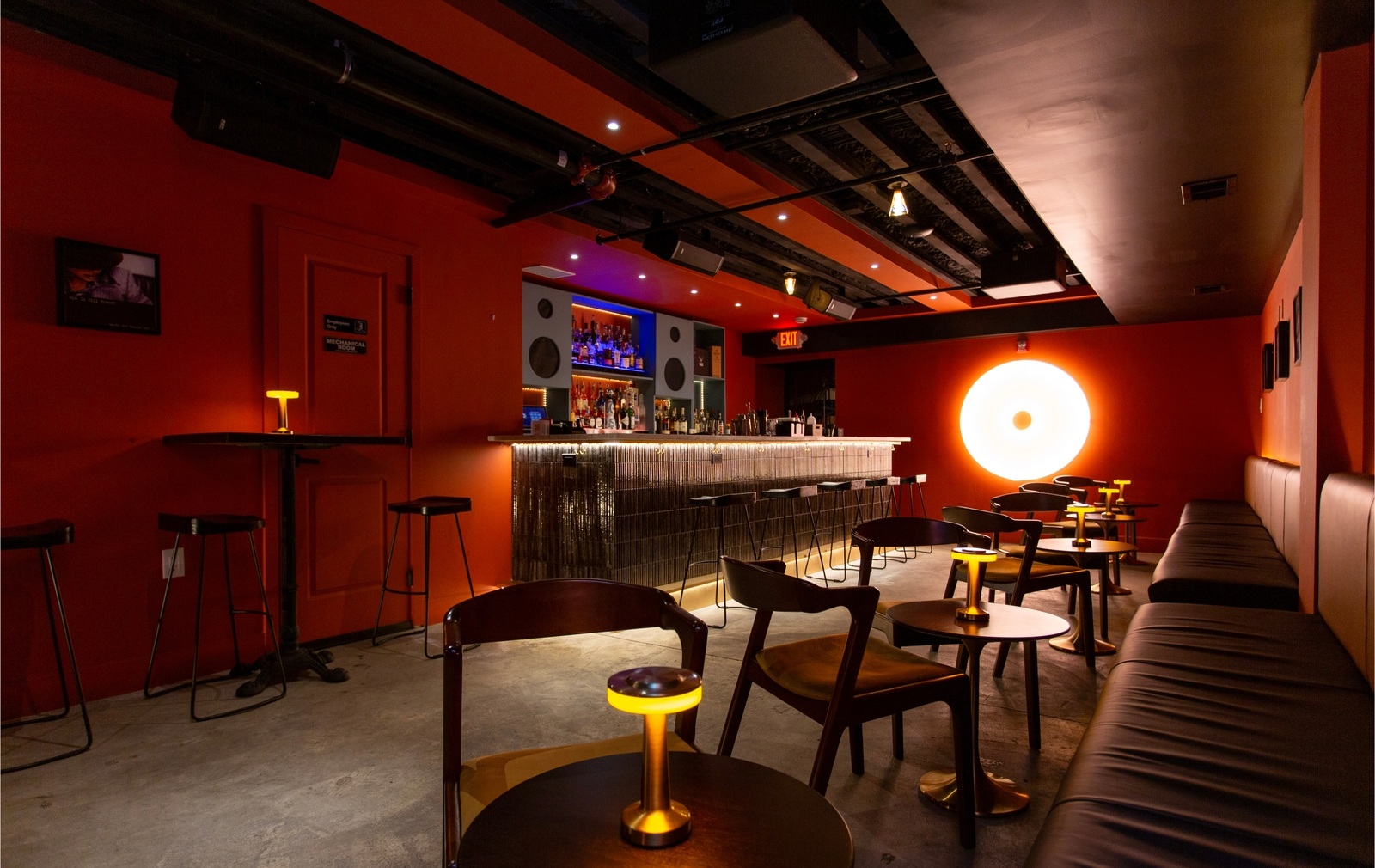
And most want a great pic to flex on social media, too – whether it’s an over-the-top drink, the space-age-meet-1970s-basement décor at schmuck. or a luxe-looking bathroom (we’ve all seen the restroom selfies at The Grill and Little Ways). Since social media shares drive traffic, bars are doing all they can to build a visual — and hopefully viral — moment.
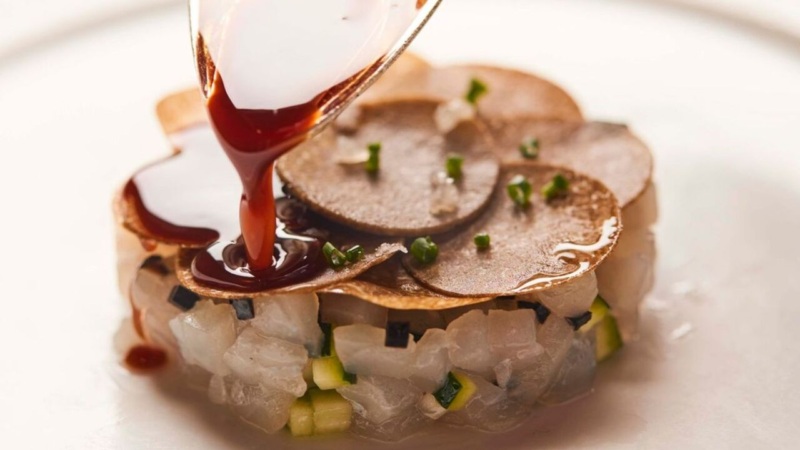
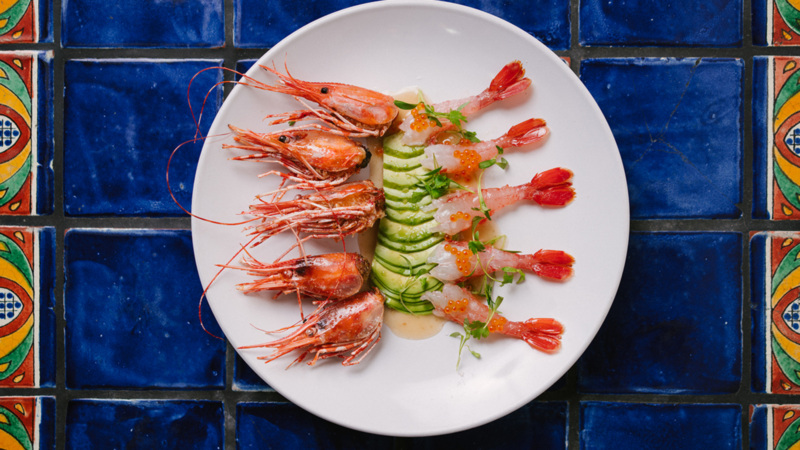
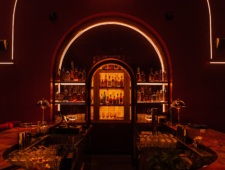
“People like to take pictures in a bar where the aesthetic is always there,” notes John Roel Carpo, general manager of Musaek, a sleek, dark subterranean Korean restaurant specializing in translucent seafood dishes and clarified cocktails. To facilitate, tiny lamps on the tables and long oval bar spotlight drinks (and guests) ready for their closeup.

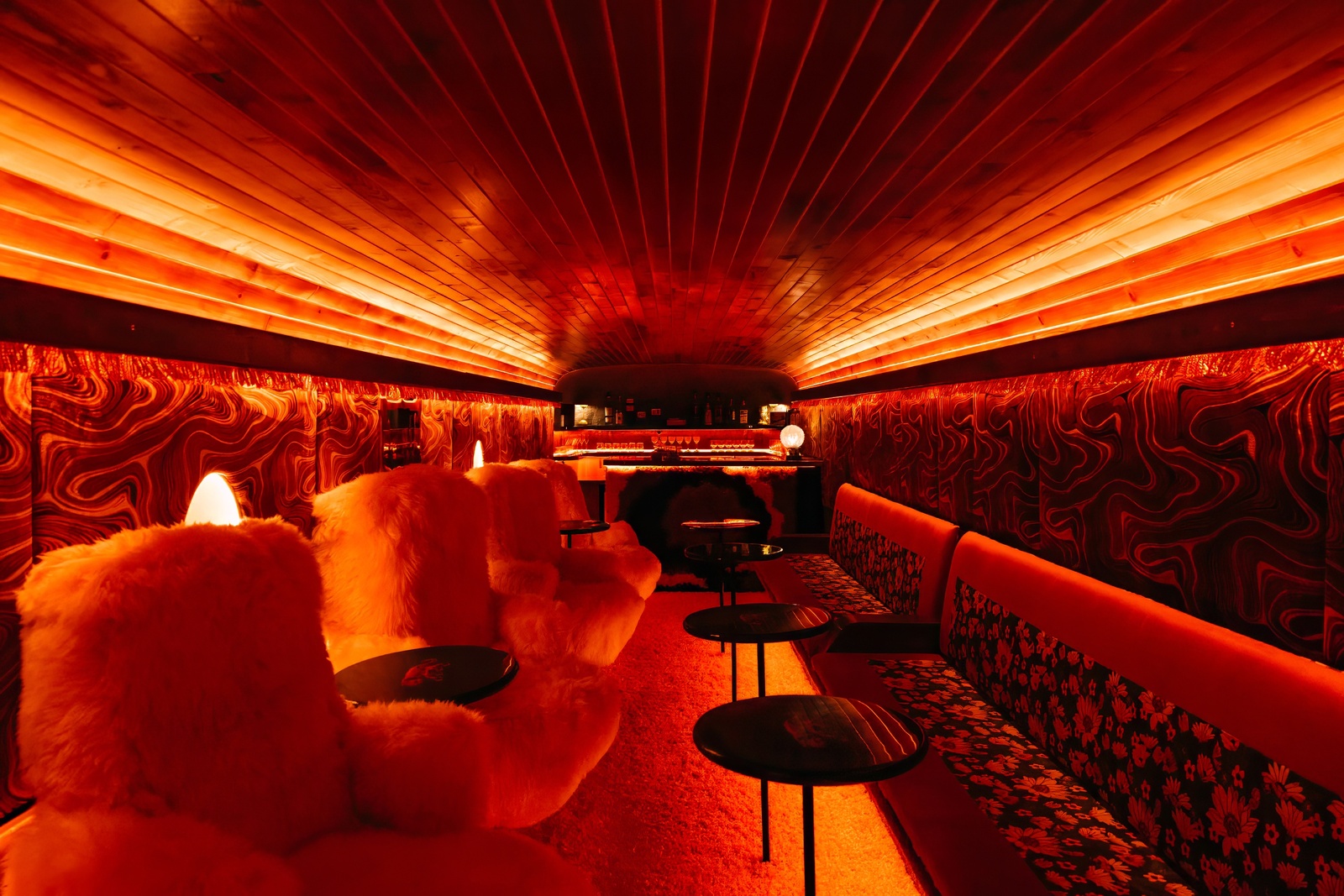
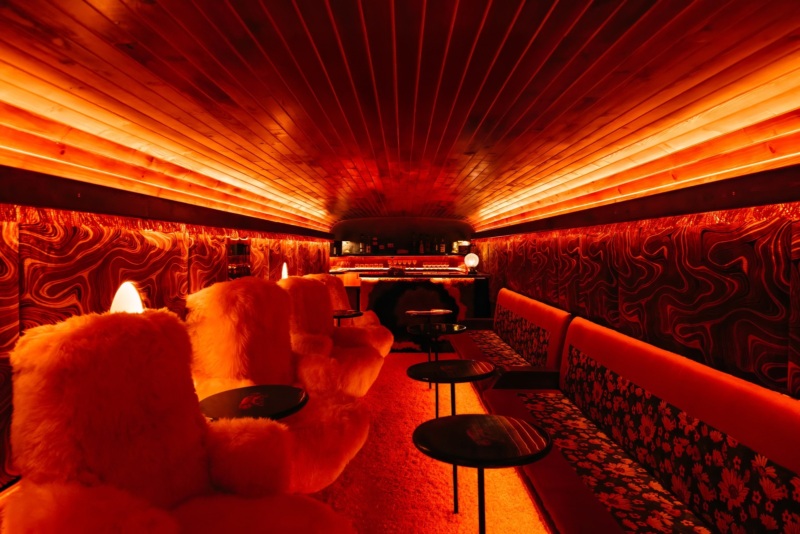
A couple of years ago, when it still felt like a new release from lockdown times and we all went a little bit wild, the inevitable word was “fun.” Cocktail bars were transformed into fanciful pleasure palaces — I think of Paradise Lost as an ideal example, with a lush tropical theme and an emphasis on pre-batched “high volume” drinks so customers impatient to start the fun would never have to wait long.
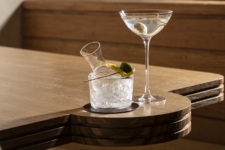
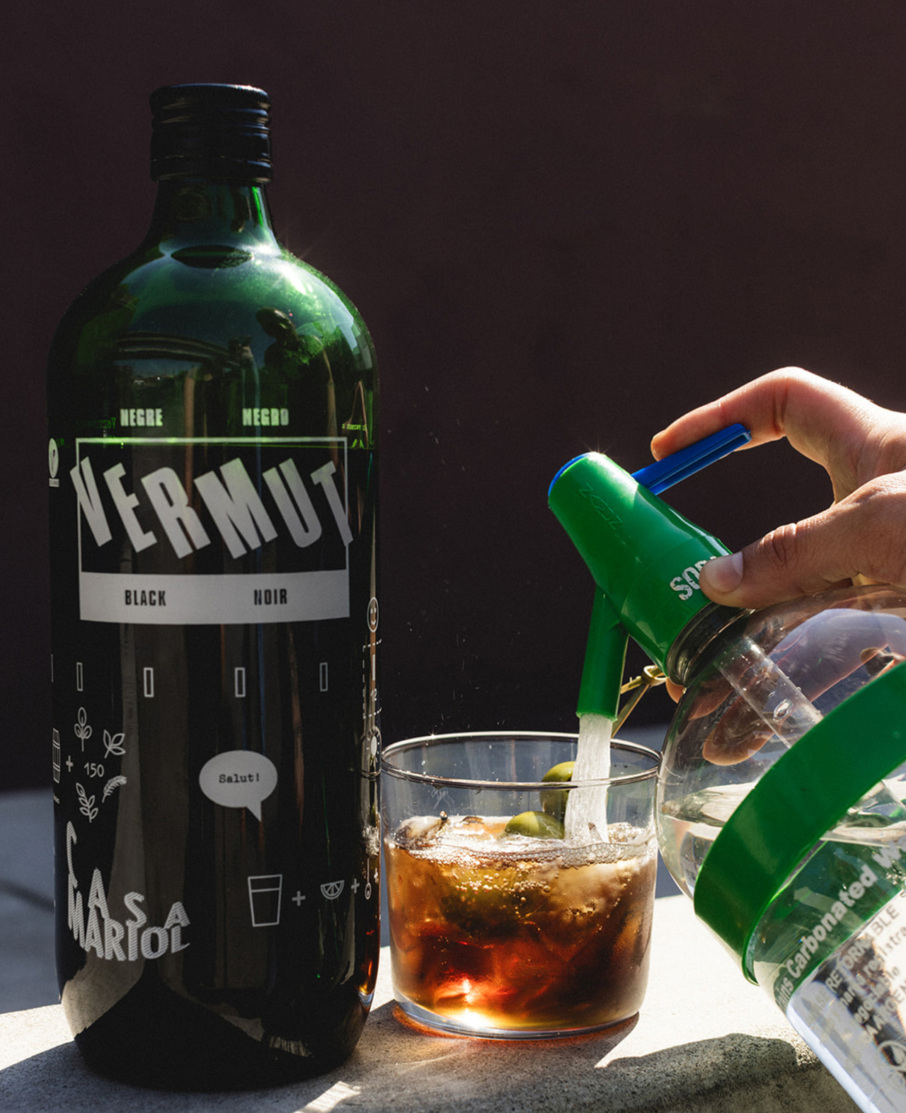
That fever pitch has since moderated into “experiential” and “immersive” as the new buzzwords. People still want to be entertained. But increasingly, it’s about having a full experience. For example, martinis are still everywhere — the weirder, the more savory, the dirtier, the better — but an elaborate martini cart elevates it to an experience with tableside flourishes. Vermouth is on the rise as a low-alcohol standalone, but a “vermouth service” tray offering other accoutrements gives an opportunity to play with textures (like effervescent mixers) and interact with the drink. And of course, capture that spectacle for the ‘Gram.
More from Resy


2. Things Are Getting Personal
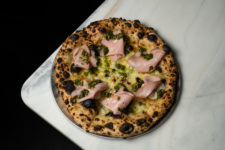
Another hallmark of drinking culture right now: Bars are meeting consumers where they are. No more star-tenders or “speakeasies” (except as code for a semi-hidden space – or often, not hidden at all), no more lessons about the intricacies of gin botanicals. (If people want more info, they’ll ask – or more likely, they’ll probably look it up on their phones.) It’s no longer all serious, stirred-and-boozy brown drinks, or precious milk punches – look instead to more approachable, even nostalgic references like pastries (both schmuck. and Kabin have a liquid spin on cinnamon or cardamom buns, a reference to Sweden’s cozy pastry-and-coffee break that please the palate and the eyes.
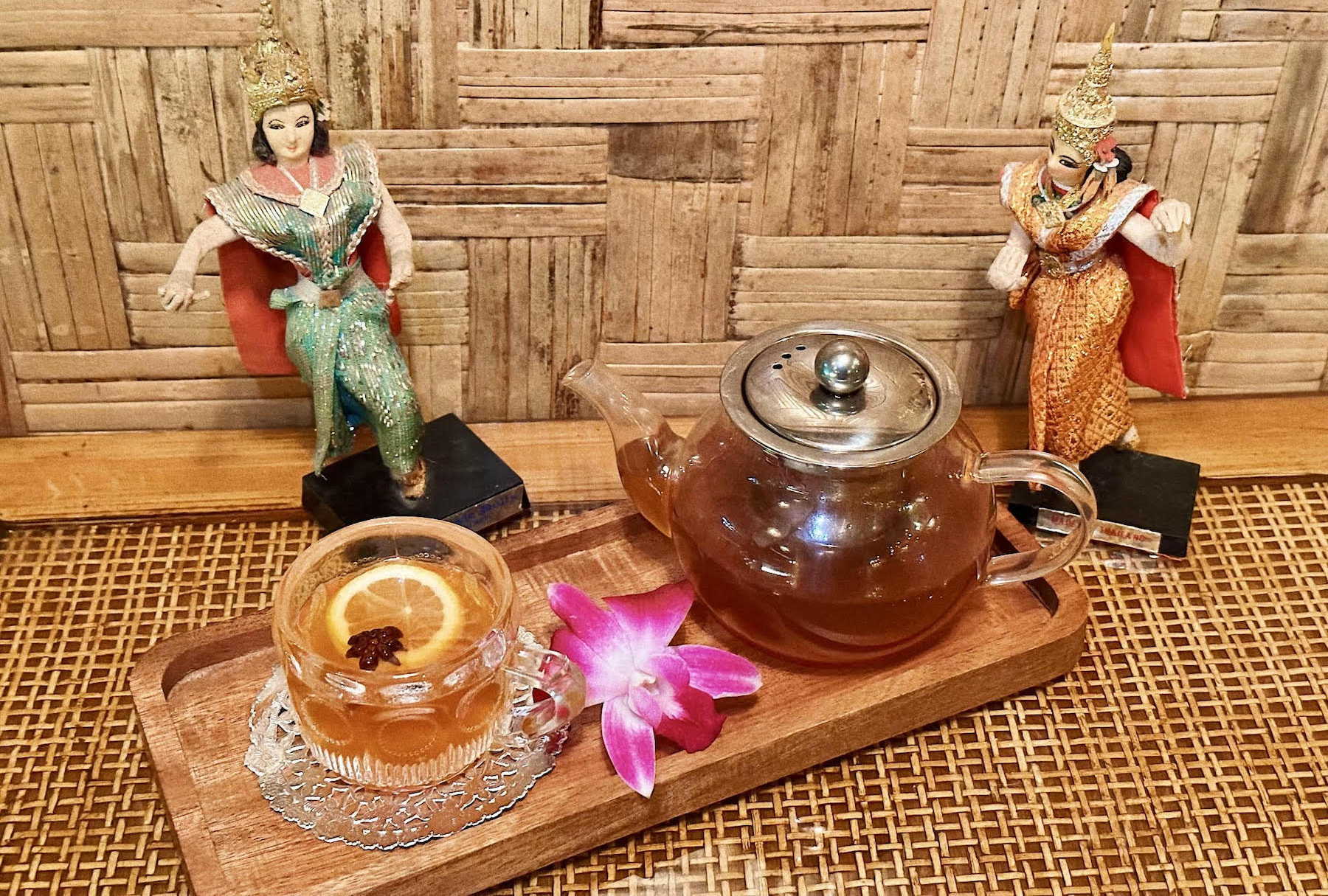
It’s also about widening the frame of reference. Increasingly, drinks reflect how we eat, where we travel, and who is on both sides of the bar.
Hence one of the most exciting changes going on right now is the expansion of global flavors in drinks. We’ll always love a Negroni, but Italy-centric aperitivo culture — and Euro-centric drink references in general — are no longer the only point of view. Spritzes haven’t gone away, of course, but bartenders increasingly are finding inspiration elsewhere.
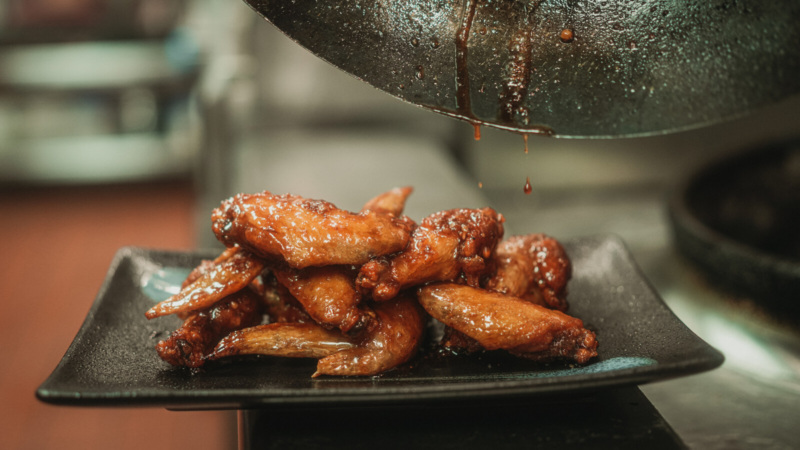
For example, Atoboy walked so Korean-driven bar programs at George Bang Bang and Musaek can run. Japanese ingredients and techniques still inspire at Martiny’s, OG Angel’s Share, and elsewhere. Tatiana by Kwame Onwuachi draws attention to flavors from the African diaspora, like a Negroni made with hibiscus-inflected sorrel and the Smoke Break, made with smoky mezcal, cinnamon-grapefruit cordial and jerk bitters. Newcomers INDN and Adda reflect Indian cuisine, each offering a drink inspired by the beloved butter chicken. Spin the globe; the cocktail world’s frame of reference is gloriously expanding.

3. Health is Wealth
You don’t need to be a whiskey expert or spritz aficionado to enjoy a drink. Even more inclusive: You don’t even need to drink alcohol.
Perhaps the most important defining change of the moment: It’s a golden age for mocktails. Drink menus without zero-proof sections are now considered laggards, and full-on “dry” bars, like Soft Bar + Cafe in Greenpoint, have gleefully risen to meet the moment.
A heady mix of wellness and longevity culture (in part, driven by backlash to the pandemic); legalization of cannabis in many states; and the rise of glp-1s like Ozempic, which curb the urge for alcohol, have all stoked demand for alternatives. (Of note, usage of glp-1s also has contributed to the spike in half-sized pours and miniaturized cocktails to accompany similarly downsized meal portions). At the same time, producers of non-alcoholic distillates and other ingredients have rushed to fill the gap.
“Guests are definitely drinking less,” confirms Valentino Longo of Miami’s ViceVersa. And even those who haven’t gone completely dry are seeking more “refreshing” options — a euphemism for low-alcohol, he says: “For example, a vermouth drink instead of Tequila or vodka, or just cutting down how much spirit goes into a cocktail.”
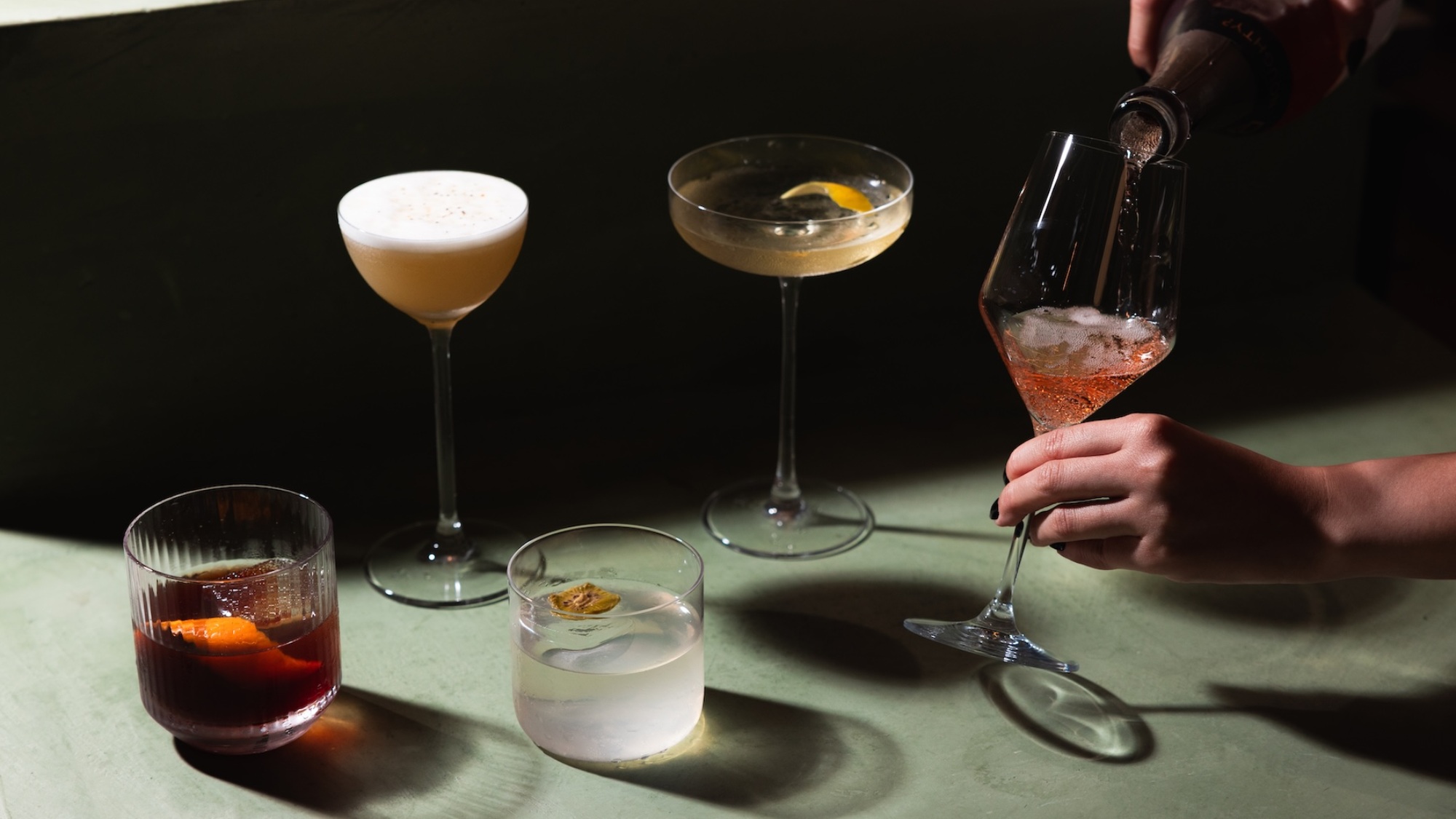
Homing in on drink strength alone, at most bars it’s now possible to order anything from an overproof cask-strength whiskey to low-alcohol spritz to a completely non-alcoholic mocktail. You can order a double at a dive bar (though, are we still doing that?) or a half-size mini martini — or an elaborate flight of minis that ultimately yield a serving and a half (but who’s counting)? Some venues like Double Chicken Please provide detailed alcohol by volume percentages, while a great many more segment a portion of drinks menus as “lower alcohol.” And trends like “zebra striping” mean that many guests will switch back and forth between alcoholic and non-alc options over the course of a single session.



4. Every Hour is Happy Hour
Because that flexibility spills over to when and where we’re drinking, too.
Remote and hybrid work schedules brought about by the pandemic have meant the freedom to meet up with cohorts any time of day. In turn, that’s shifted bar-going habits earlier for many, whether that translates to afternoon visits to Dante Aperitivo or the opportunity to hit 4 p.m. happy hours.
“You can see in many cities the late-night thing has gone away,” says Kevin Denton Rex, director of The Spirits Authority, which analyzes activity at bars across the country. “As Millennials are becoming parents, they’re going out earlier.”
Meanwhile, the work-from-home revolution has created an “afternoon break” opportunity: “The times in which people want to get together now are the off-periods — 3 p.m, 4 p.m., before what we’d consider happy hour.” Often, the move is to enjoy something “quick and sessionable,” like a low-alcohol spritz, before moving on to the evening routine. Weekends see a similar rhythm, Denton Rex observes, as post-lunch or -brunch extends into an “afternoon hang,” with similarly easy-drinking options.
But really, what is a bar anymore? Many don’t serve alcohol — or morph over the course of a day. See all-day cafes like Café Tondo in LA or King Pigeon in Cincinnati that seamlessly shift from coffee service for caffeinated laptop jockeys to sunset wine and cocktails, and the new wave of upscale diners like Thai Diner, where you can enjoy a Guava Sour or Spicy Tamarind Margarita alongside an order of disco fries with massaman coconut curry sauce. Look also to multi-concept bars, like Philly’s La Jefa, the modern counterpart to the venerable (and recently rebuilt) Tequilas Restaurant. (Even La Jefa is a split-personality of sorts, with a bright cafe space as well as the darker, more intimate La Jefa Milpa in the back, meant for more serious cocktails.)
And increasingly, going out for a drink is about doing more than just drinking. (See also: consuming less alcohol.) Diversions from bocce to board games might be part of the attraction, while hybrid spaces like barcades, book bars, plant bars, and listening bars have become a new fixture of culture.
And if you count networking as a sport, don’t forget the growing numbers of private clubs: Zero Bond and others opened during the height of the pandemic, so elite members could network and party on without the riff-raff. The drinks are often excellent, as so many bartenders have been enticed to develop and run cocktail programs there.
Why even bother picking a lane? Do they even exist anymore? The lines have blurred, like the soft evening light after a flight of split-base mini Manhattans served at an all-day coffee shop-cocktail bar hybrid before dashing home to start dinner.

5. Cocktails Are Costly, But Bartenders Are Bargaining
The pandemic didn’t kill the cocktail bar — but today, I wonder if the specter of the $30 cocktail will knock the industry into life support mode.
Just five years ago, high-end drinks priced around $14 seemed like affordable luxuries. But prices have trudged ever-higher. The $20 martini was definitely a shock to the system, driven by higher rents and labor costs. More recently, tariffs have driven ingredient prices up, from imported Scotch and Tequila to lemons and limes needed to make gimlets, margaritas, and more. Now, it’s become increasingly commonplace to see drinks priced in the $22-24 range, and edging higher still.
In fact, this raging drink-flation (coupled with less-stable employment and other concerns about the economy) are a key reason why many young adults drink less: they can’t afford it. (Though … are they really drinking less? For industry-watchers, 2025 was a year of ping-ponging between panic about Gen Z’s potentially teetotalling ways and relief that the youngest legal-agers haven’t completely abandoned alcohol.)
In turn, bars have countered exorbitant drink prices with measures like happy “hours” and smaller-size drinks with smaller-size price tags. It’s yet another sliding scale, another lever to pull, another way drinks are stretched into various iterations until it’s nearly impossible to pin down exactly what a drink is “supposed” to be.
▪️
What will cocktail bars look like in another five years?
I’m confident they’ll still be around. They’ve survived Prohibition and a global pandemic, both within the space of a century. For sure, they’re not done evolving. They might even be one of the few industries immune to the effects of automation and AI: I’ve been to robot-tended bars, and I’m here to tell you they are grim and make lousy drinks.
In fact, I can see the case for the polar opposite: Screen-free bars might be a novel possibility in coming years — and I look forward to catching up friends at a space like that. (I just hope I won’t have to pay $50 for a cocktail to do it.)
Most likely, the current expansion trend will continue. We might see even more options, in terms of what’s available to drink, as well as how and where and when. I like to think that ever-widening frame of reference will bring more inclusivity, too. Perhaps I am being too optimistic — but imagine a world with room for everyone at the bar, no matter how or what they like to drink. Theoretically, innovation is limitless. Do we dare to dream of a wildly flexible, colorful bar scene where everyone can get exactly what they want?
Must be 21 years of age or older to consume alcoholic beverages. Please drink responsibly.
Kara Newman is a New York City-based writer, editor, and cocktail book author. Follow her on X and Instagram. Follow Resy, too.