Pizza, Perseverance, and the Aloha Spirit: Sale Pepe’s Maui Journey
Published:
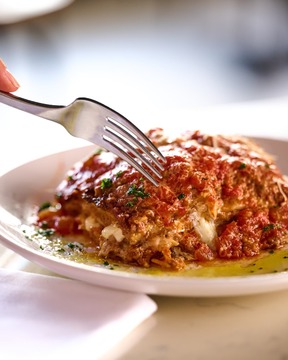
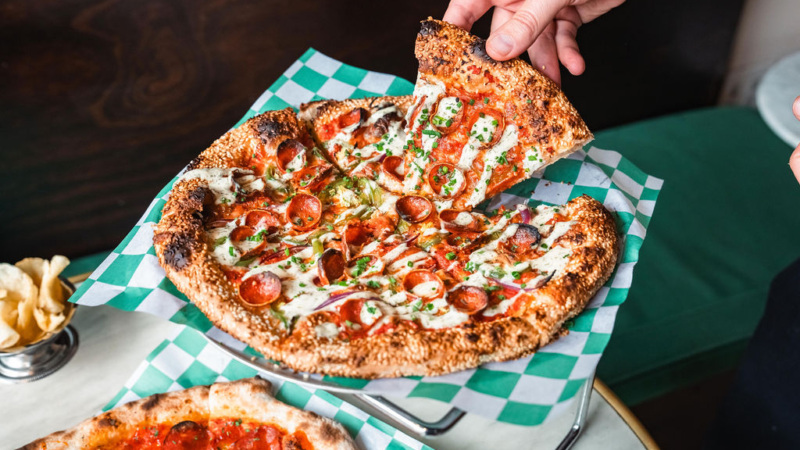
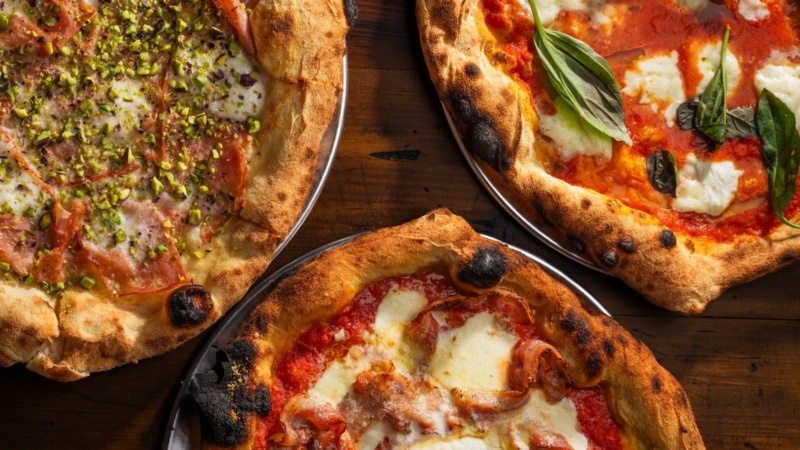
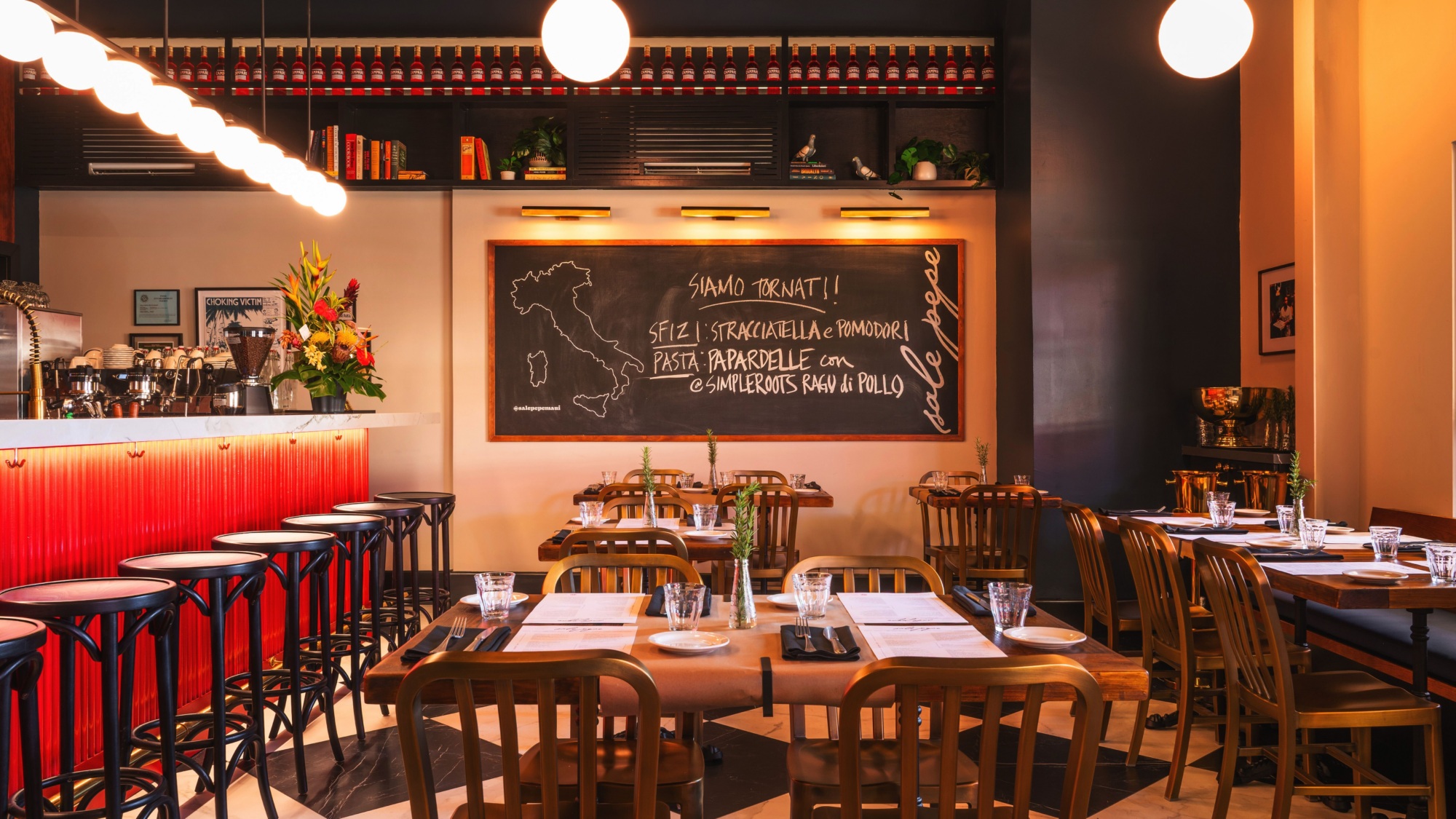
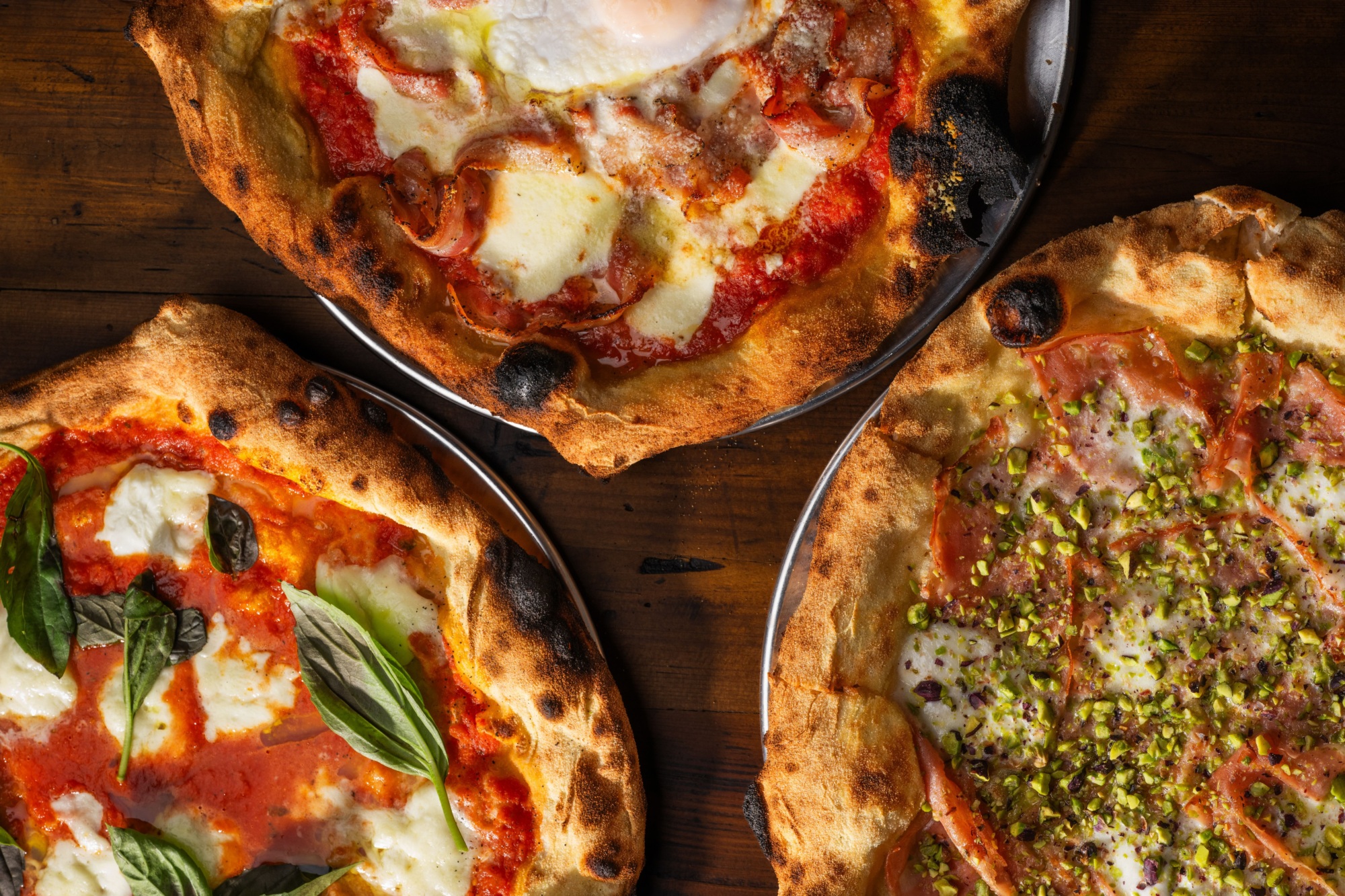
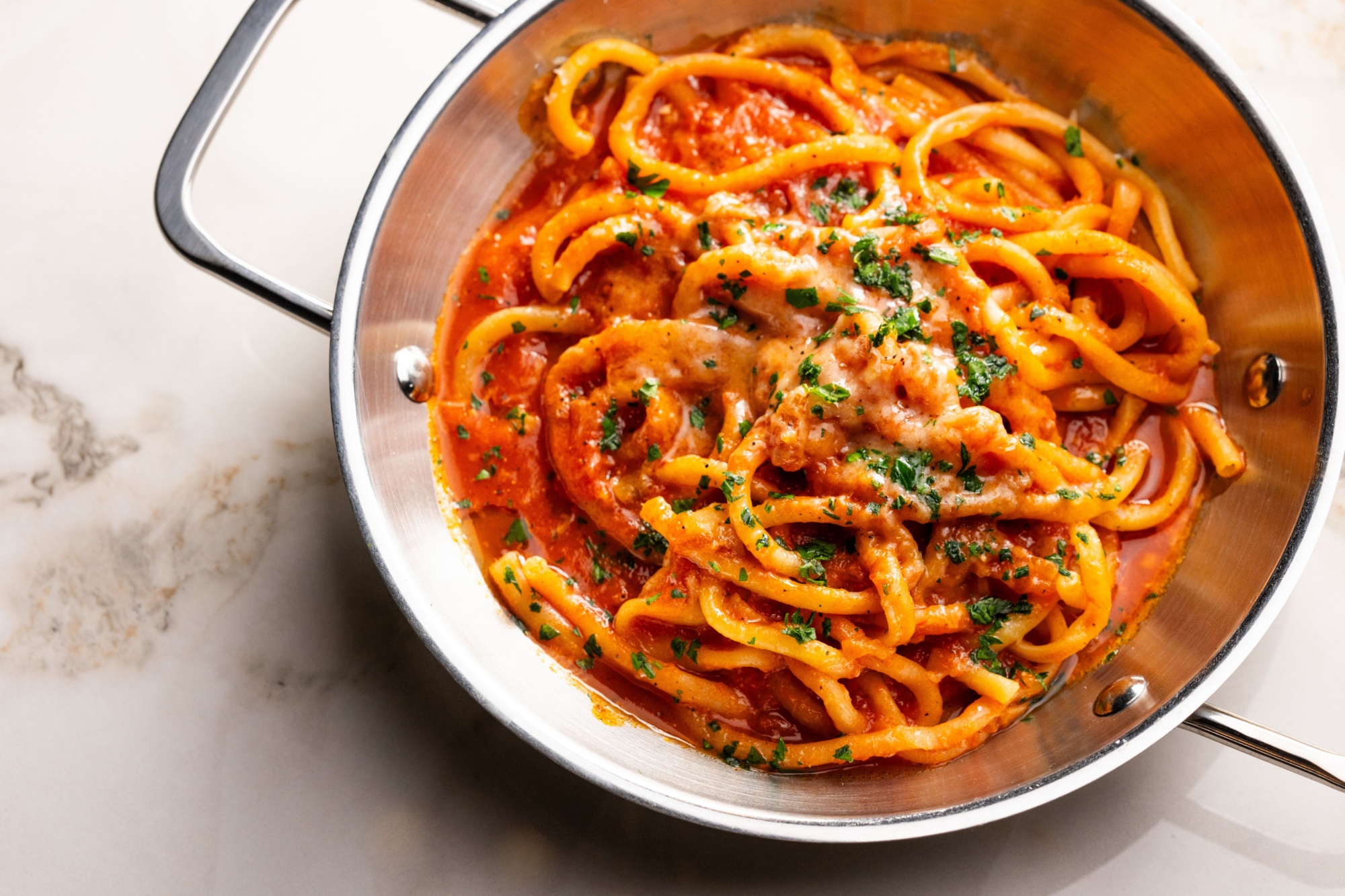
When a raging wildfire hit Hawaii’s island of Maui on August 8, 2023, the team at Sale Pepe in Lahaina were nearing their 10th anniversary. The Italian restaurant from owners Qiana and Michele Di Bari had been a beloved pillar of the local community, serving housemade pastas with San Marzano tomatoes and Parmigiano Reggiano, naturally leavened and perfectly charred pizzas topped with mortadella and pistachios, and seasonal small plates from arancini to crostini — all with the finesse of a true Italian trattoria otherwise not seen on the Pacific islands.
The fire would destroy well over 6,000 acres of land across the island, becoming Hawaii’s worst natural disaster to date. The Lahaina community on the island’s northwest side saw the brunt of the damage. Of the roughly 2200 buildings that would end up being destroyed, most were residential, but also included the Front Street neighborhood — the town’s downtown center for commercial business that included Sale Pepe — and the Lahaina Historic District, a national landmark since 1962.
The loss was devastating for Sale Pepe and its community. Their path forward was not immediately clear, but the Di Baris knew that everything they had built on the island was worth fighting to resurrect.
When Michele Di Bari made his first pizza, he was a long way from Hawaii — 7,800 miles, to be exact, in Milan. He cooked from a young age in typical Italian fashion, learning from his mother as they made homey dishes from scratch, first in Milan’s Rozzano neighborhood and then on Italy’s southern coast. He’d carry those tactile memories into his professional career as he worked his way through kitchens around Europe before settling in New York City, where he would eventually meet his now-partner, Qiana.
Qiana, who grew up in Brooklyn, was working in the music industry when she met Michele at his restaurant, Sapore, in New York’s West Village. Having managed musical acts like A Tribe Called Quest and Q-Tip, she had a knack for cultural storytelling that would translate well as she made the switch to hospitality. Seeking a different pace of life after having their child, Qiana left the music industry and the couple opened their own restaurant, Va Beh’, in Brooklyn in 2011.
Va Beh’ was an intimate 20-seat space where Michele could return to cooking the food of his youth. Michele’s menu centered on antipasti and handmade pastas with ingredients sourced from Italy. Qiana ran the front of the house.
Shortly after joining forces in business, the couple eloped on what would be a very fateful trip to Maui. They made a 10-year plan to eventually relocate permanently, but, encouraged by the harsh and frigid East Coast winters, those 10 years quickly whittled down to just three. In 2013, the Di Baris found themselves shutting down Va Beh’ to head west — far west.
Resy Presents
Pizza Nation
- To Become a Pizza Nation? It Took a Village
- It’s a Pizza Ranch World, And We’re Just Lucky to Live In It
- A Deep Dive Into Miami’s New Pizza Scene
- Everywhere You Should Be Eating Pizza in New York
- The Resy Guide to the Best Pizza In Los Angeles (Yes, Los Angeles)
- The Ultimate Resy Guide to Outstanding Pizza in Philly
- Amid Miami’s Pizza Renaissance, La Natural Follows Its Own Path
- Little Lark Brings Wood-Fired Pizzas and a Killer Patio to Avondale
They sought to bring the refinement of New York’s dining scene with them. Inspired by places like Brooklyn’s former Neopolitan pizza haven, Franny’s, the goal was to develop a neighborhood restaurant with a similar formula: cozy space, warm hospitality, local crowd, and comforting food made with the best ingredients.
Having come to life in Lahaina Town in 2014, Sale Pepe quickly developed an avid group of regulars, some of whom would return multiple times a week to sample whatever pies Michele was turning out — whether staunchly classic and topped with bufala mozzarella or Calabrese salami, or in seasonal iterations featuring local produce. He relied on extensive recipe testing to maintain the quality of his dough and adjust to the tropical climate. The goal was still authenticity, even with local influence — seasonal pies find through-lines in flavors with ingredients like ramps or squash.
The magic of Di Bari’s practiced cooking combined with New York-level hospitality, and the influence of aloha spirit, has carried them into this new era, despite a global pandemic and natural disaster. The 2023 fire destroyed Sale Pepe in its entirety, and it would be almost two full years before the team would reunite.
With a drive bolstered by abundant support from the community, Sale Pepe managed to be the first restaurant on the island to rebuild, and has since inspired and assisted other local businesses in doing the same.
The restaurant officially reopened in March 2024, in a new space in Lahaina’s Emerald Plaza. And the team has since added Via! By Sale Pepe to the scene, a counter-service slice shop on Kāʻanapali beach.
We sat down with the Di Baris to learn more about Sale Pepe’s evolution and the state of Maui’s restaurant community today.
This interview has been edited for length and clarity.
RESY: How does one become an expert pizzaiolo? Tell us about your approach to pizza.
Michele: The passion started with my mom. She loved cooking, and made pizza by hand. So I knew from my mom but wanted to learn more — only in the last 15 years or so have I gotten seriously into pizza. I went to Venice’s Scuola Italiana Pizzaioli to take classes, and every year since, I go back to improve and learn different techniques, different fermentation, and visit molinos and things like that. You never stop learning.
Qiana: In typical chef fashion, he’s underselling himself. This guy goes every summer and studies for weeks at a time. And our first restaurant, Va Beh’, was authentic Italian. It was kind of a little lab where we developed what we’re doing now.
How did moving to Hawaii impact that approach?
M: We have the first fully electric kitchen on Maui. We needed to learn what that meant in terms of the recipes — the ambient temperature, and the humidity, or the lack thereof, here in Lahaina. Right now I’m the only one making the dough. No one has touched it aside from me for 12 years — unless it’s an emergency.
And we import all of our [Italian] products: salumi, semolina, flour, olive oil, cheese. So we are constantly working to find shippers when things run out, deal with price changes, and tariffs. It’s next level here — you need to stay on top of it to have good product. Also to maintain reasonable prices. It’s tough, but that’s how we work.
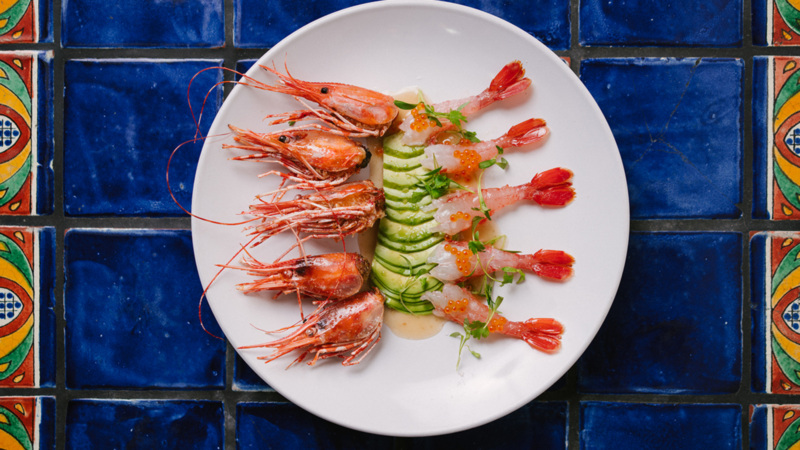
Q: We change the menu every month based on availability. Aside from what’s imported, we try to use as much local product as we can — Kauai shrimp, Maui Cattle Company beef — all of our fresh protein and produce is local. There are microseasons here, and we are constantly inspired by the product. You might not see [the influence] in his food, but the colors are all Hawaiian.
Has relocating changed your philosophy on hospitality? How did you engrain yourselves in the local culinary community?
Q: Maui has had an incredible influence on us. We both come from really big, sunny families and always felt really different in New York. We are smiley, and give eye contact. So we found our people here — the aloha spirit was something we already had. We find inspiration in taking care of our ohana, our staff and family.
We saw a niche for something authentic, more urban, really reflecting the approach we came from in New York: slow food, from scratch, small and intimate. There were a lot of large restaurants here. So that was a lane we could use to serve the community. We wanted a neighborhood spot where you feel at home. Franny’s was a big reference — that was our neighborhood spot.
Coming from New York where we had all these connections, it was a scary time, we didn’t know anyone. [The community] was so welcoming right from the beginning — Sheldon Simeon was one of the first chefs to come in. It was all word of mouth and good old-fashioned touch. That goes farther here than any other marketing.
You were able to sustain the business for nearly a decade before being hit with a global pandemic, and then a disastrous wildfire in 2023. What’s been key to your longevity?
Q: People really feel the energy of what we are doing. We weren’t expecting that. You can tell when you eat the food, it’s simple and genuine. A cultural value here is humility, and Michele has an abundance of that. He wasn’t this tough chef coming in from New York. He still wears a dishwasher’s apron every day.
And now, we have a really good following from locals. It’s hardcore, and so inspiring. During COVID, the community really kept us afloat and we held each other together.
What was recovery like post-fire, and how did you come to the decision to rebuild?
Q: We were trapped on the west side for two weeks with no ability to communicate. Then there was a whole year we weren’t sure what would happen. Our house survived but we couldn’t go back, so we traveled. But we came out of it and there was a GoFundMe that we had absolutely nothing to do with. That helped with the decision [to rebuild]. People wanted us to reopen, and were supporting us. They raised $100,000. We didn’t think it was possible until all of these people told us it was. And the thought of leaving this community behind and starting over … we didn’t want to go back to the mainland.
Did the restaurant evolve during the rebuild? What were the goals with the new space?
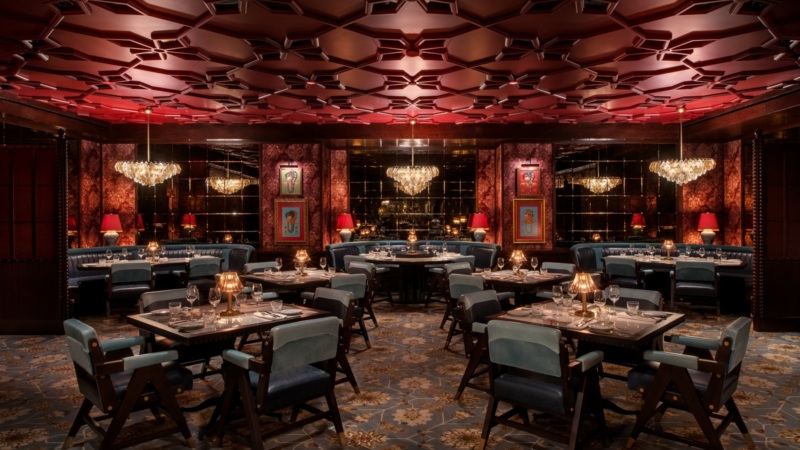
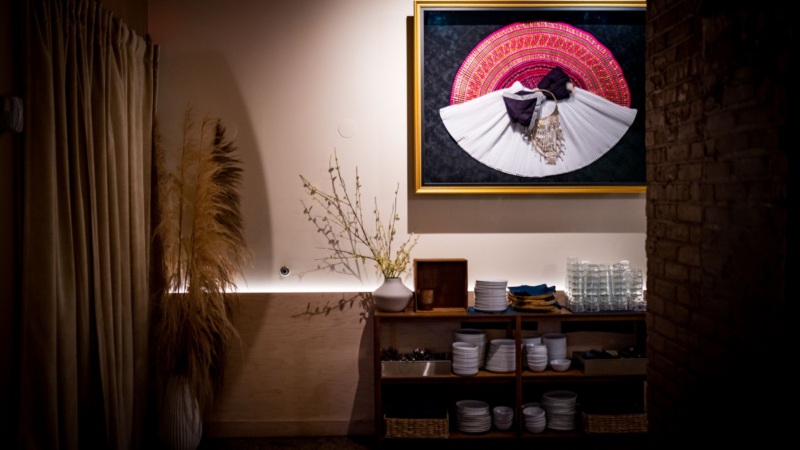
Q: We were the first restaurant on the island to rebuild and reopen after the fire. We’re in Emerald Plaza, in the middle of nowhere, so I wanted a “Wizard of Oz” feel — you come out of a fire zone and step into Oz. We wanted a transportive energy, so we have lots of references to New York. We also referenced the period in America where the WPA (Works Progress Administration) was investing a lot into new businesses and jobs after the Great Depression. We now have two floors and outside seating.
Michele had been cooking alone for ten years, and now he has a sous chef and an experienced team. They are so excited to work with him — he’s kind of an enigma around here. His style was rustic, and it still is, but it’s been tweaked and guests have been telling me it’s better than ever.
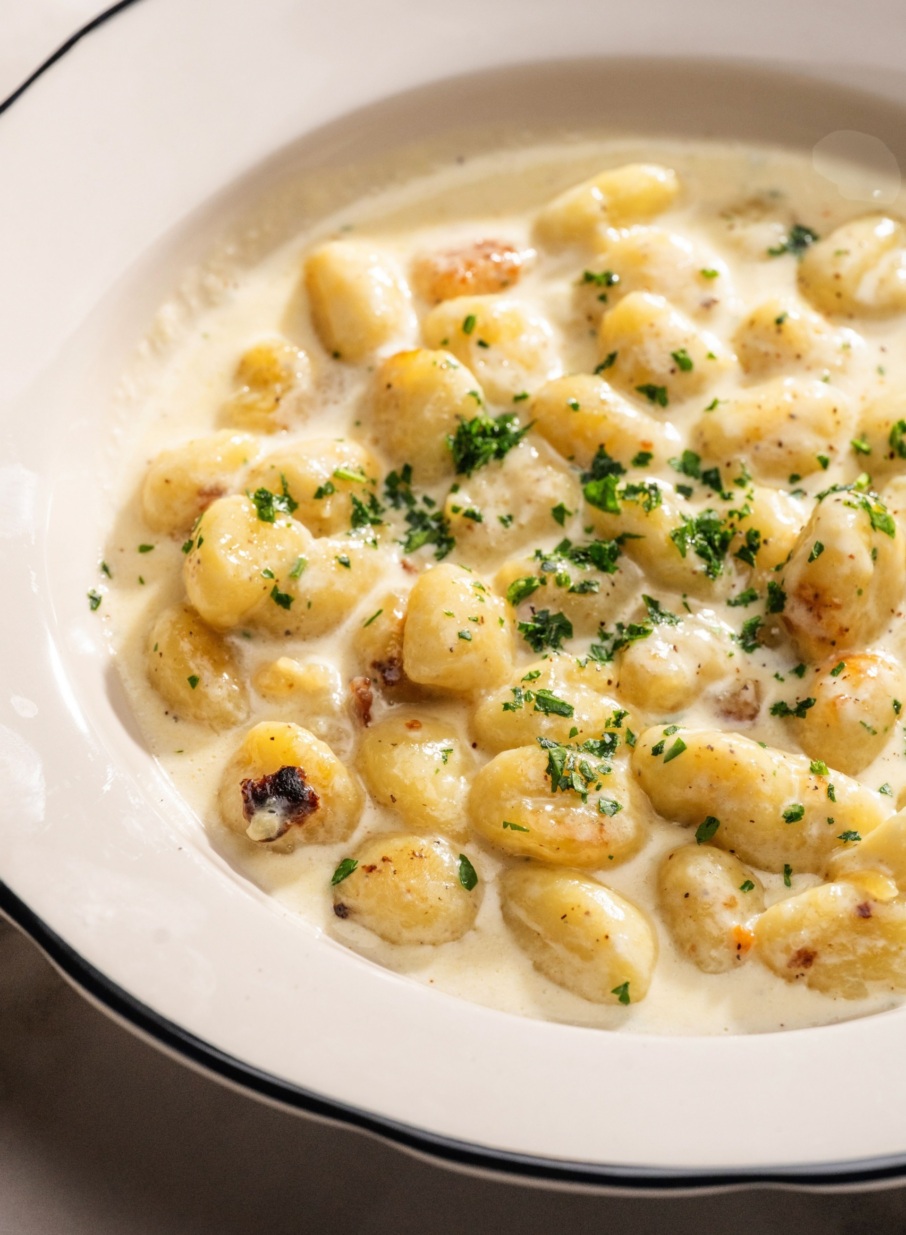
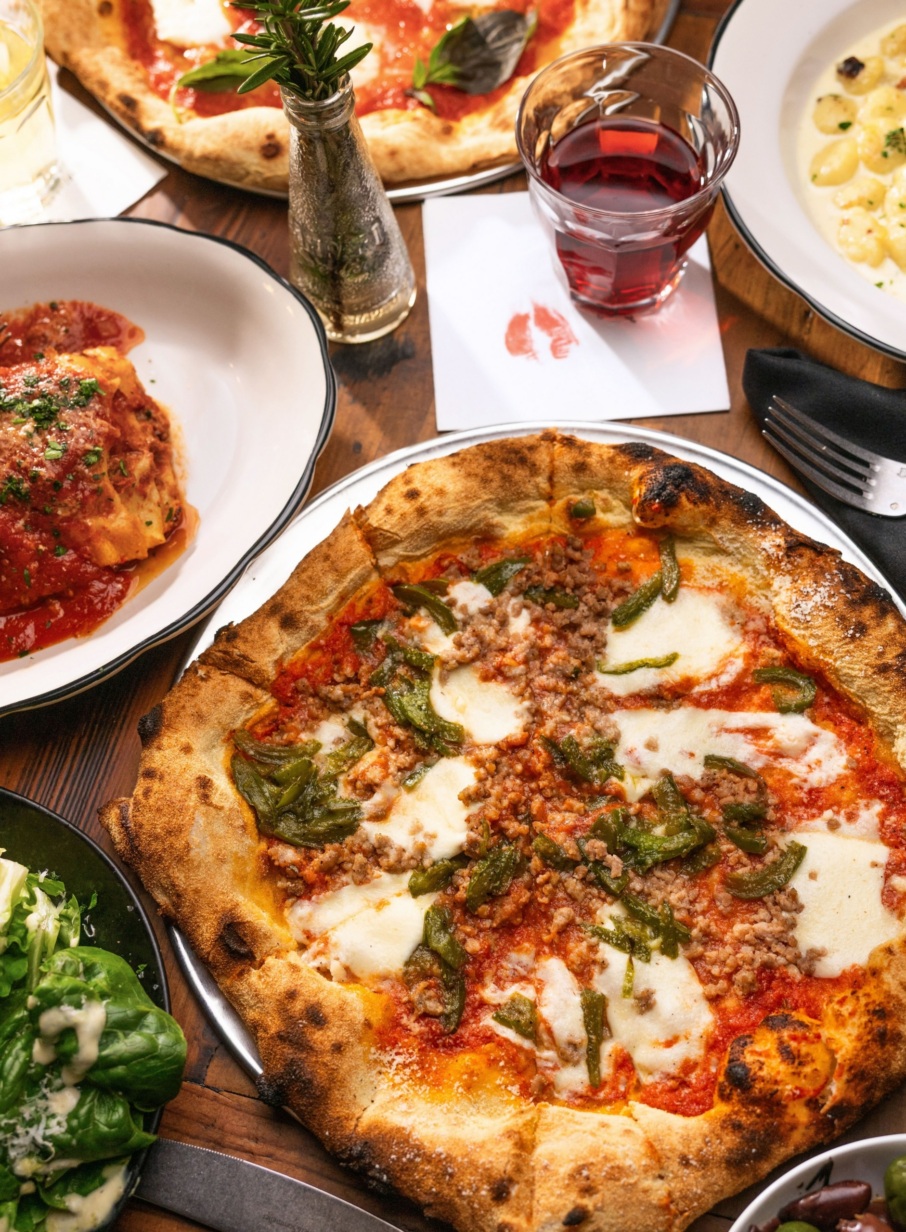
You opened your slice shop, Via! By Sale Pepe, last summer in Kāʻanapali. What was the idea there?
Q: Really, I was craving our New York slices. It took some convincing. Michele was like, “What even is a New York slice? How do you only sell slices?”
M: It had to be the same quality, but quick, and with a different concept. We use the same flour and semolina, but a different recipe. We do pizza Romana, and three housemade pastas.
Q: We also wanted a quick-service model and to speak to a lower price because we didn’t know how things would shake out after the fire. And what about the people that don’t want a glass of Barolo with their pizza? We wanted to get to know those customers and reach different people. It’s about the mom coming in with her kid who just wants a simple pesto.
Now with over a year in the new space, what’s your focus looking forward?
Q: I’m so proud of how far we have come. My friend Caleb [Hopkins, another prominent local restaurateur] started the Lahaina Food & Wine Festival last year. We weren’t open then, but were able to participate this year and it was amazing. All of the local restaurants came out to celebrate, to show that the community is here, and we are forward facing.
[Michele] being nominated for a James Beard [Award for Best Chef Northwest/Pacific] out of nowhere, in the middle of all of this, was amazing. It really lifted us, and we’ve seen a change in business, and also in the level of [interest and experience of] the diners.
We want to make this an institution, so we will keep leaning into rebuilding Lahaina. I want us to be a pillar here for the next 10, 20 years, even if we aren’t the ones operating. We will spend more time in Italy for sure but for now our focus is here — Italy is for retirement mode.
Lizzie Takimoto is a writer and editor for Resy, and previously was food and drinks editor for Starchefs. Follow her on Instagram, and follow Resy, too.