Restaurants Are a Long Game – and an Adrenaline Rush — for Crevette’s Patricia Howard and Ed Szymanski
Published:
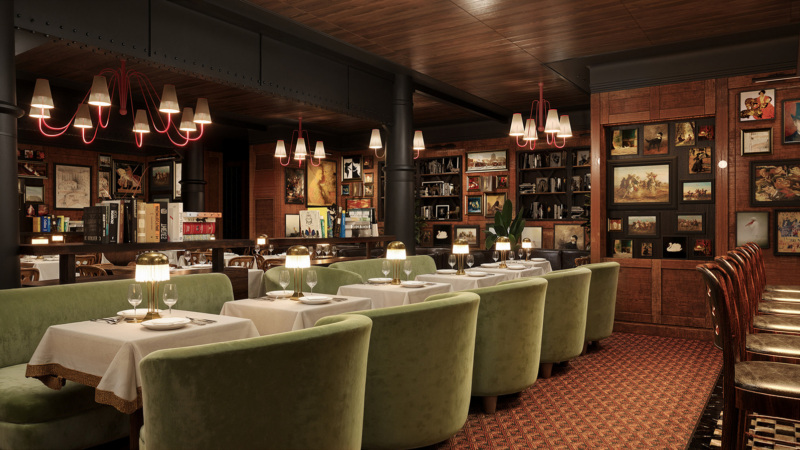
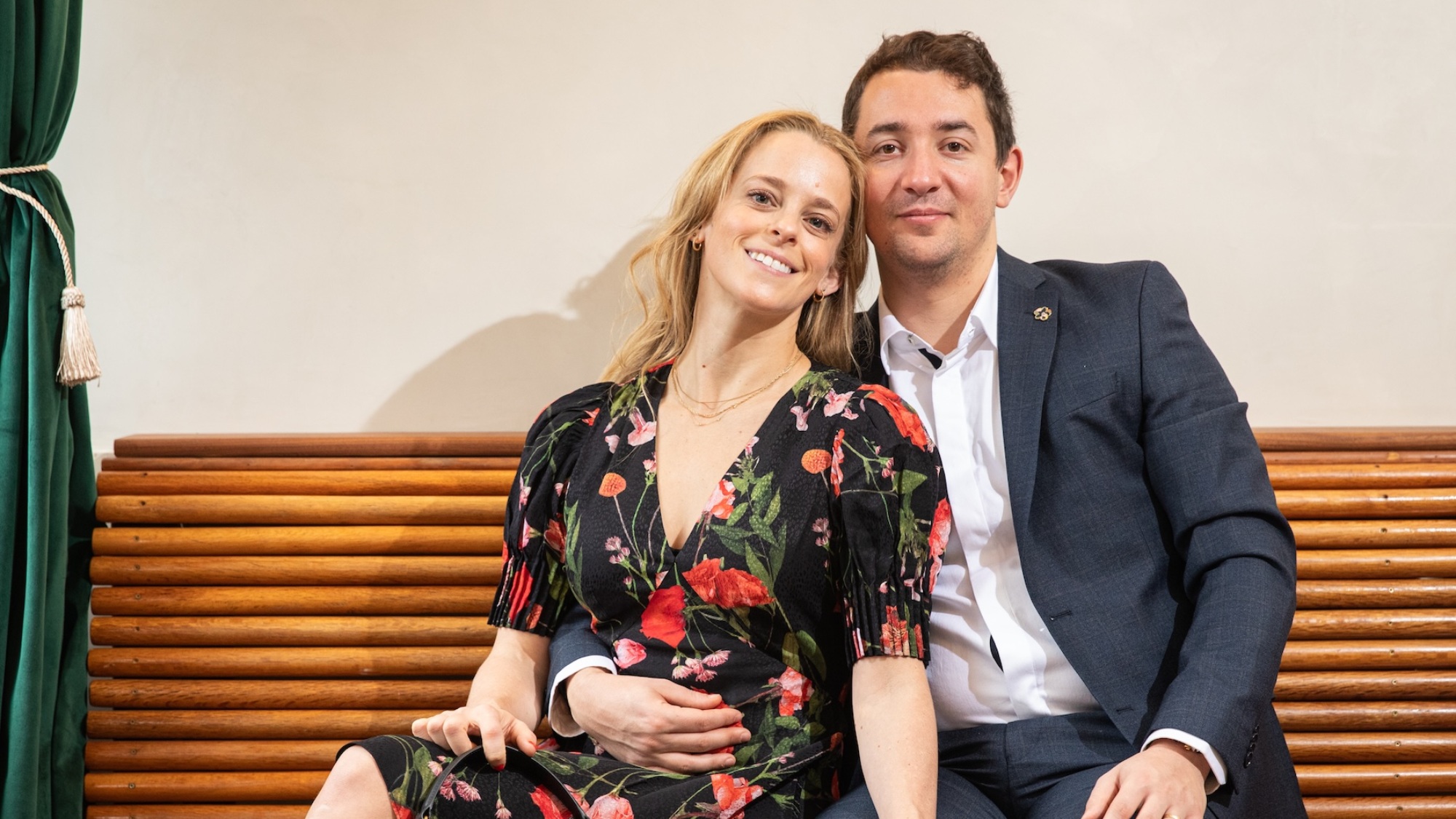
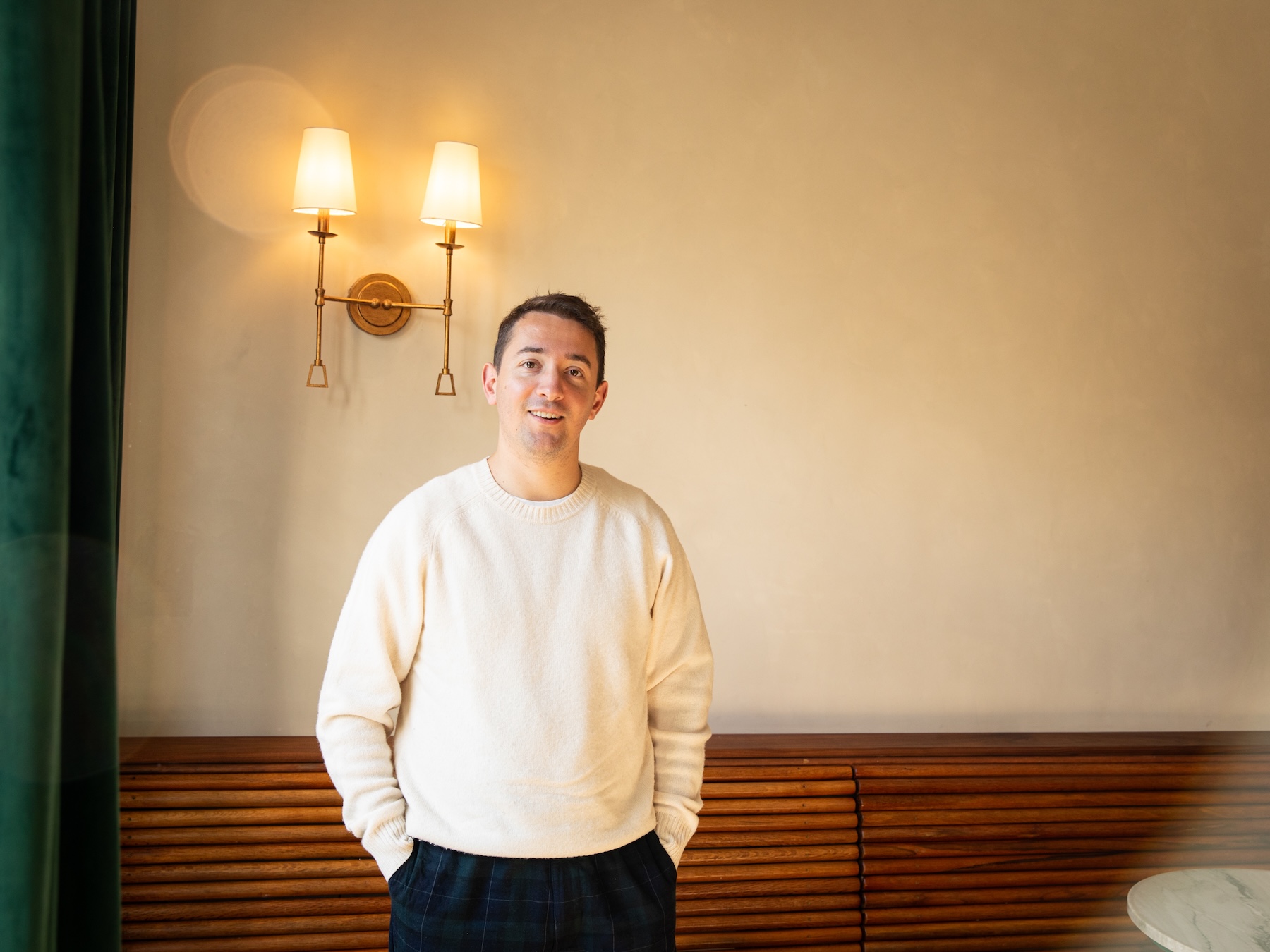
The theme of longevity in this portrait series began with conversations that I had with Patricia Howard and Ed Szymanski. I crossed paths with the couple as they wrapped up their 2020 pop-up series and were early in construction on Dame, their first restaurant. In the years since, they have opened three restaurants (Lord’s, Crevette), got married, and had a baby. I often wonder: How do you juggle that and still have diners coming back for more?
From early on, their focus has been on creating a space for regulars. When Dame first opened, they courted local diners with weekday-only hours that eschewed the tourist crowd that fills up so many hot, new restaurants. They have since expanded their hours, but continue to focus on being a place where friends and neighbors can enjoy a night out.
Note: This interview has been edited for length and clarity.
More Portraits of New York City

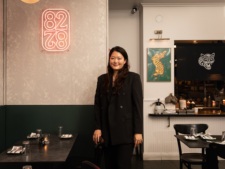
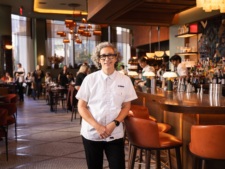

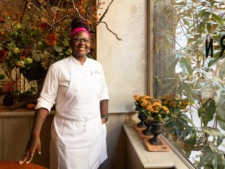
Resy: Let’s start with where you are now. What’s your current position and how long have you been there?
Patricia Howard: We started Dame as a pop-up in March 2020 and since then have opened three restaurants: Dame (June 2021), Lord’s (October 2022), and Crevette (February 2025). Ed’s the chef, and I keep things organized.
How long have you been working in restaurants? Where did you first start out?
Ed Szymanski: I started working at a barbecue restaurant called Pitt Cue in London in 2012. I moved to New York in 2014 to work at The Spotted Pig.
Howard: We met working in a restaurant in 2017; he was in the kitchen, and I worked on the administrative side. Before then, I had worked in a similar admin role for the owners of a New York hospitality group. For anyone interested in restaurant ownership, but who isn’t necessarily a chef, I highly recommend an office assistant or operations role. They’re rare in the hospitality industry but offer an all-access pass to many aspects of running a restaurant that are hard to learn about otherwise, until you’re opening a restaurant yourself.
What people or restaurants inspired you when you were starting out? Are there institutions that you look to when you think of what you want to build?
Szymanski: We keep it simple: We open restaurants that we would like to eat at. Oftentimes, there aren’t a lot of examples of similar restaurants in the city, so they stand out, but that’s not the goal. I think about the true institutions – the St. Johns, Restaurant Chez Panisses, or River Cafes of the world – they were seen as trailblazing at the time, but they were cooking the food of another region somewhere it hadn’t been done before. I admire restaurants like that a lot because it takes confidence to swim against the tide. One thing I think all institutions have in common is a clarity in their vision – they have founders who deeply believe in their projects, and that’s something I try to emulate.
Did you have mentors who showed you what success could look like? What lessons have you taken that you feel are important to your own success?
Szymanski: We have peers in the industry that we go to for advice. Success means different things to different people. To us, success looks like having a full restaurant, a profitable business, and happy staff. To achieve those goals, we prioritize treating people with respect, working hard, and having a clear perspective. We believe that it’s important to not be too reactionary, to trust our palate, and remember that restaurants are a long game. Being the hot new thing isn’t important – what matters is developing a loyal following of regulars over time that will end up supporting the business once the opening hype dies down.
What is important for you in crafting a menu and experience that people want to return for?
Szymanski: Cooking seasonally; I can’t stand restaurants that have the same menu year-round. We try not to stand still, to always be tasting and learning, and I think our regulars really enjoy that part of eating at our restaurants. There are some classics that don’t change, sure, but there’s always something new to taste. We also try to tell a story with our menus, not necessarily a personal one but one of a place, a cuisine, or a culture. Some places do that and it’s a bit on the nose, so we try to show restraint, too, but I do think it’s important to understand your inspirations and do them justice.

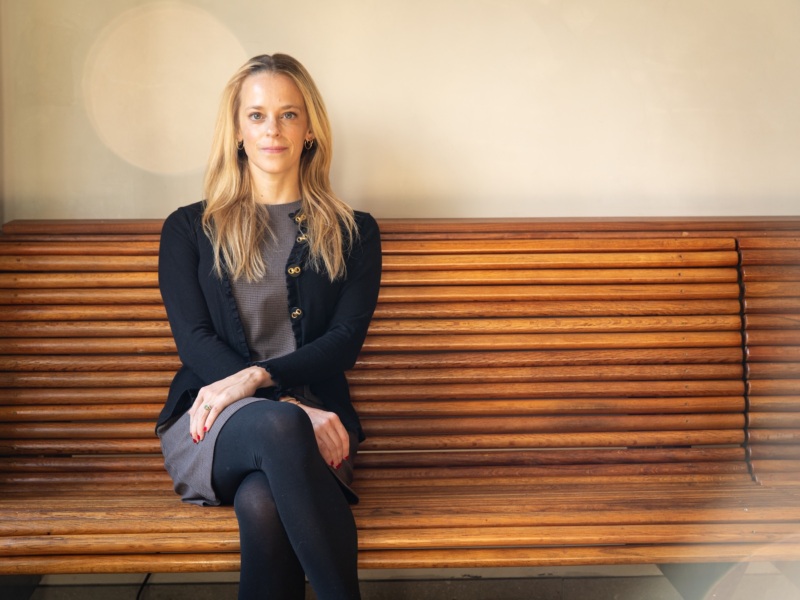
What keeps you inspired in the work and the food? How do you stay interested and keep your creativity?
Howard: One of the things that drew us away from the career paths of our friends was the unpredictable and exhilarating aspect of the hospitality industry. We aren’t great at sitting still. Every day brings new problems to solve and with each new restaurant the list of challenges grows. It can feel like a race to be ready for the doors to open each night, and then a totally different skillset switches on as the guests arrive and service begins. It is tiring for sure but never boring.
Szymanski: I’ve never had a problem staying interested. I think the world of food is a never-ending source of inspiration – it comes from so many different places, and it’s almost infinite, so there’s always a new thing to discover. I think travel is very important for creativity, as well as having free time. It’s hard to be creative when the weeks are really long, no real days off — then it’s difficult to create new and delicious things. Exercise helps, too; I come up with a lot of dishes while jogging.
How do you balance the idea of being a special occasion destination versus being a place that people feel they can come to for comfort?
Szymanski: That comes down to the ambience and hospitality – making people feel welcome and looked after. At all our restaurants, you can have a quick, simple meal, or a long, indulgent one – you could be a billionaire eating fish and chips, or a college student having a feast that you’ve saved up for for weeks – and we want to make everyone feel welcome, regardless. We pitch our restaurants to the public as being refined but informal, nice but not stuffy, and I think our guests respond well to that. I don’t think of our restaurants as being special-occasion destinations on purpose — of course, to many people, they are — but I take that as a big compliment that our relaxed style of service and thoughtful but simple cuisine is, for many people, exactly where they want to be on a special occasion.
Where do you go for a comforting meal? What’s your special occasion destination? Where have you been excited to go out to when you have time to dine out?
Howard: The kitchen is open late at Torrisi and we’ve had good luck walking in for bar seats. The tortellini pomodoro is my ideal comforting meal. Ed even arranged to have it delivered to the hospital after we had our baby last summer.
We both love Mexican food, and the tasting menu at Corima is a perfect way to celebrate a special occasion. Corima with martinis at Swan Room after, if we’re really going wild.
We feel spoiled to live a few blocks away from Mắm. Everything Jerald makes in that tiny kitchen is amazing. My favorite dish is their tofu.
Szymanski: All of P’s recommendations are spot on. I would also add that I love Wu’s Wonton King for a comforting meal with friends and a few interesting bottles of wine, and I think what Sam [Lawrence] is doing at Bridges is really elegant and exciting, too. Oh, and Cosme doesn’t get enough love, either — Gustavo [Garnica, the chef de cuisine] is one of our city’s most underrated chefs.
How does community, whether in the neighborhood, the industry, or otherwise, play into the success of a restaurant? How has community been a part of your experience?
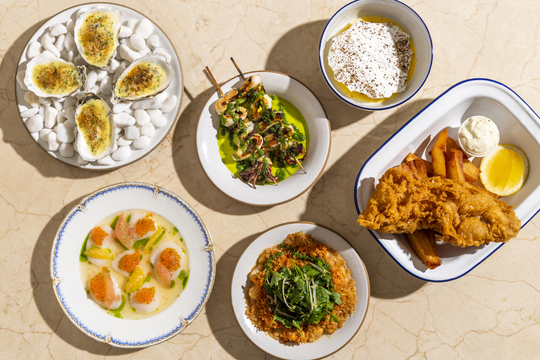
Szymanski: I think a lot of people forget this now, but Dame, the seafood restaurant, started because we wanted to raise money for Black Lives Matter organizations in the wake of George Floyd’s murder. Pre-COVID, Dame was a pop-up that cooked the modern English cuisine that ended up becoming Lord’s [menu]. In June of 2020, we were out protesting, but wanted to do more, and thought, “Hey, we’re not bad at cooking, let’s do a pop-up that can raise some money and support the causes that are meaningful to us.” But we were cooking fancy dry-aged duck dishes and plated stuff, and that didn’t seem right for the moment, so we pivoted to fish and chips. It still seemed on-brand, but would appeal to a broader audience. And obviously, it blew up and became this whole zeitgeist-y thing, and we raised a bunch of money for charity, but then we thought, well, how else can we help with the space we have?
A lot of our colleagues were out of work because many restaurants hadn’t reopened, and so we shared our space every Sunday with guest chefs — and what seemed like all of New York would come out for them. Each week the guest chef picked a different charity to donate to. Ha’s Dac Biet, Yellow Rose, Mel the Bakery, Jackie [Carnesi] from Kellogg’s Diner, Isabel Coss [of Pascual and Lutèce], Red Gate Bakery … all these guys came and did pop-ups, and many of those people are at the center of the New York dining scene today. We were feeding people on paper plates on the sidewalk, drinking wine out of paper cups, sitting on upturned oil drums — we even hosted a friend’s wedding. A journalist even named it their favorite restaurant of the year, which was so crazy to us — it was barely even a restaurant.
So, I would say from the very beginning, community has been a big part of our inspiration. The two things I’m proudest of when it comes to our restaurants is that summer when we raised $20,000 — that might be the best thing we’ve ever done — because we didn’t have investors then, so we gave all the profit directly to the organizations. And the other is that from that opening pop-up, our prep cook still works with us, our dishwasher, and one of our line cooks — the people who were there from the very beginning still are. Of course, some people have moved on, but that community of core staff is very important, too.
I will also say, independently from our story, it’s very challenging to stay in the hospitality business if you don’t feed your community.
With so many challenges in the industry right now, many chefs are finding other career paths. What keeps you working in restaurants? What keeps you excited about it?
Szymanski: I got the restaurant bug about 10 seconds after walking into my first kitchen when I was 19, and it never let go of me. All the influencer, private chef stuff, that’s not for me. I think your question cuts to a really interesting point — I don’t think it’s particularly challenging right now; I think it’s always been very challenging. What changed is the culinary school, social media, and Food Network glamorization of chefs and restaurant work, which led to a bunch of young people with huge student debts from culinary school thinking, “Maybe I work for a couple of years as a line cook, then become a sous chef, a chef-owner in a couple more years and then make it big.” And that’s never been true, so all these people are disillusioned with the industry and leave for higher-paying jobs with benefits, time off, and better hours.
Being a restaurant cook is now, and always has been, a very difficult job — famously, it’s the last resort job for a lot of people. There is a really great conversation happening now about how we, the leaders today, can make it a more manageable job — no 80-hour weeks, better pay, PTO, family leave — all this stuff is a huge improvement from previous generations, but if the grease trap overflows at 5:30 on Friday, well, guess what, you’ve gotta clean that grease trap, even if you have a New York Times review and think you’re a hotshot.
One thing that keeps me engaged with restaurants (or at least the kind of restaurants I like) is how authentic they are — and I don’t mean to a specific culture or cuisine but to the individual doing the cooking or creating the restaurant. To be able to share in someone else’s vision of deliciousness, that’s an incredible thing.
I’m also excited that young chefs are thriving. Creative projects from young, passionate cooks are filling dining rooms every night, and that’s great to see.
What are you working on right now that has you excited? What are you focused on?
Szymanski: I am always touring spaces for future concepts. We have a few ideas in the works and others on the back burner.
Balancing being a good father with a good chef and a smart custodian of this restaurant group, that’s something I’ll be working on for the rest of my life.
Howard: We are gearing up to open Lord’s for lunch on Saturdays and Sundays starting this October, so we’re hiring new staff, developing new menu items, and debating if we should stick to our guns and market it as lunch or lean in and call it brunch.
Change is always stressful, but circle back in a few months once we’ve dialed in our sticky toffee pancake pars and figured out how to work the coffee machine, and we’ll probably be kicking ourselves for not starting lunch years ago. Hopefully.
Clay Williams is a Brooklyn-based photographer whose work takes him across the country and beyond, documenting stories of food, culture, and community. Follow him at @ultraclay.
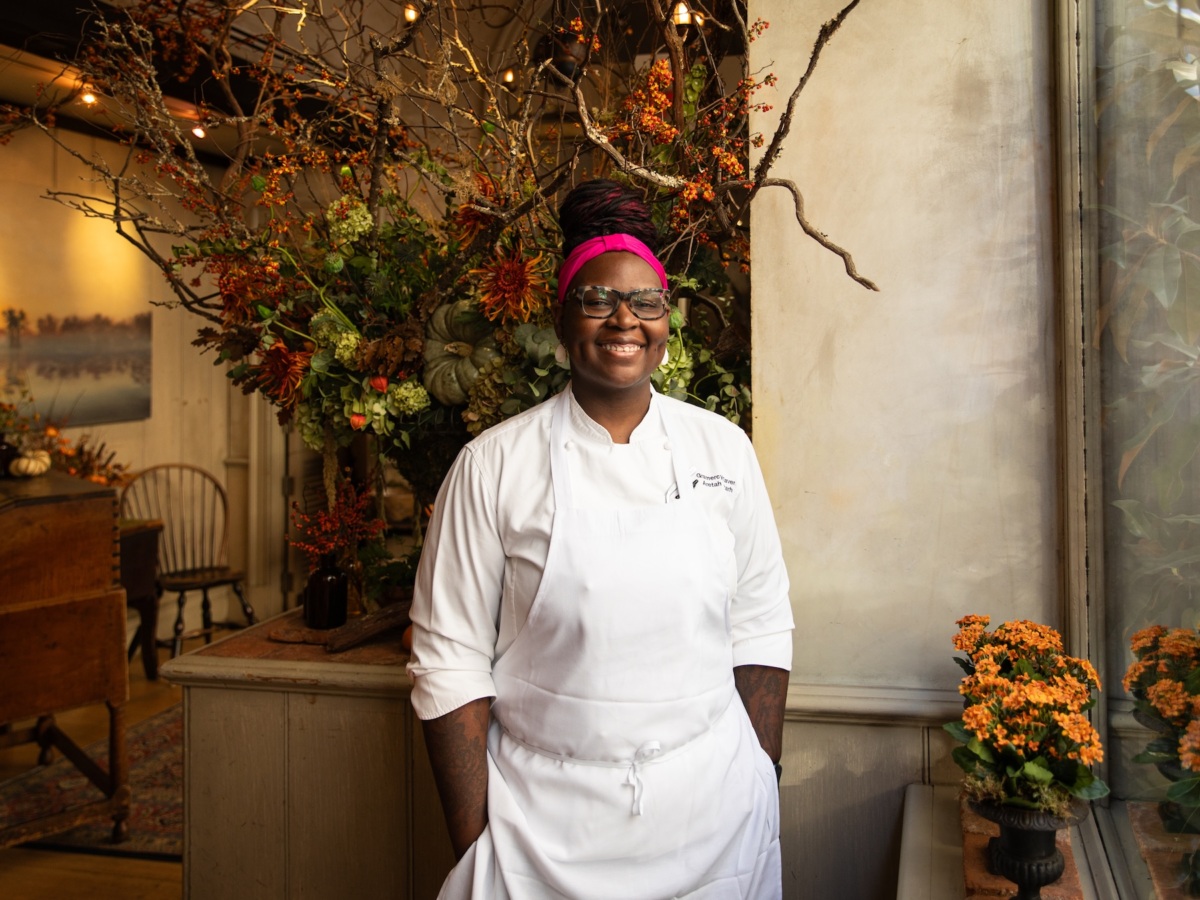
Resy Presents: Portraits of New York
In this series of portraits and interviews, photographer Clay Williams gets to the heart of the ever-changing New York City restaurant scene by capturing the stories of the people behind it.