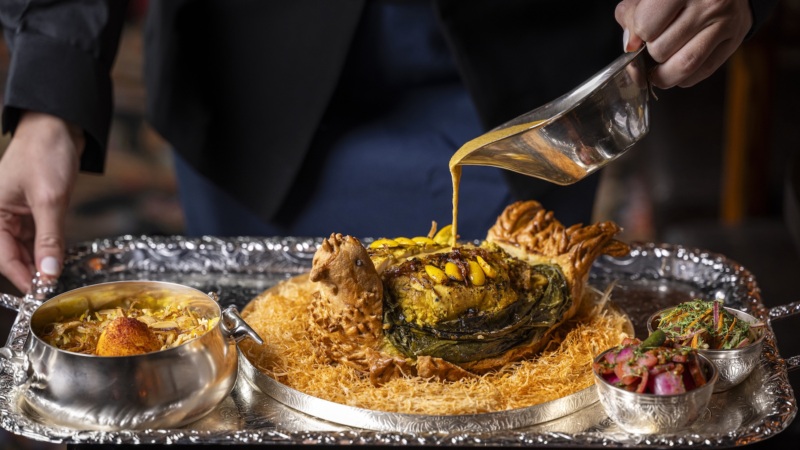
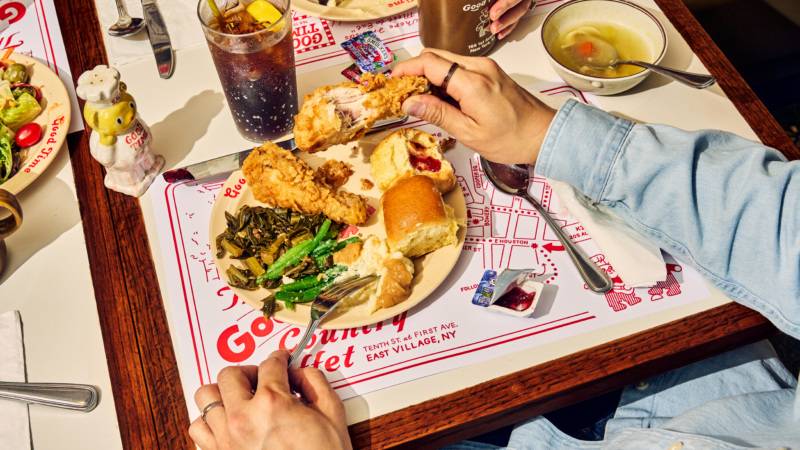
Portraits of New York New York
For 8282’s Jee Kim, It’s the People Who Make All the Difference
Published:
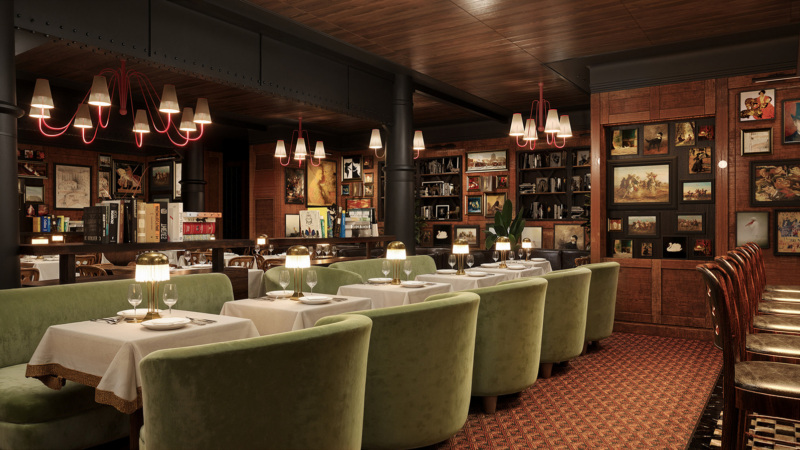
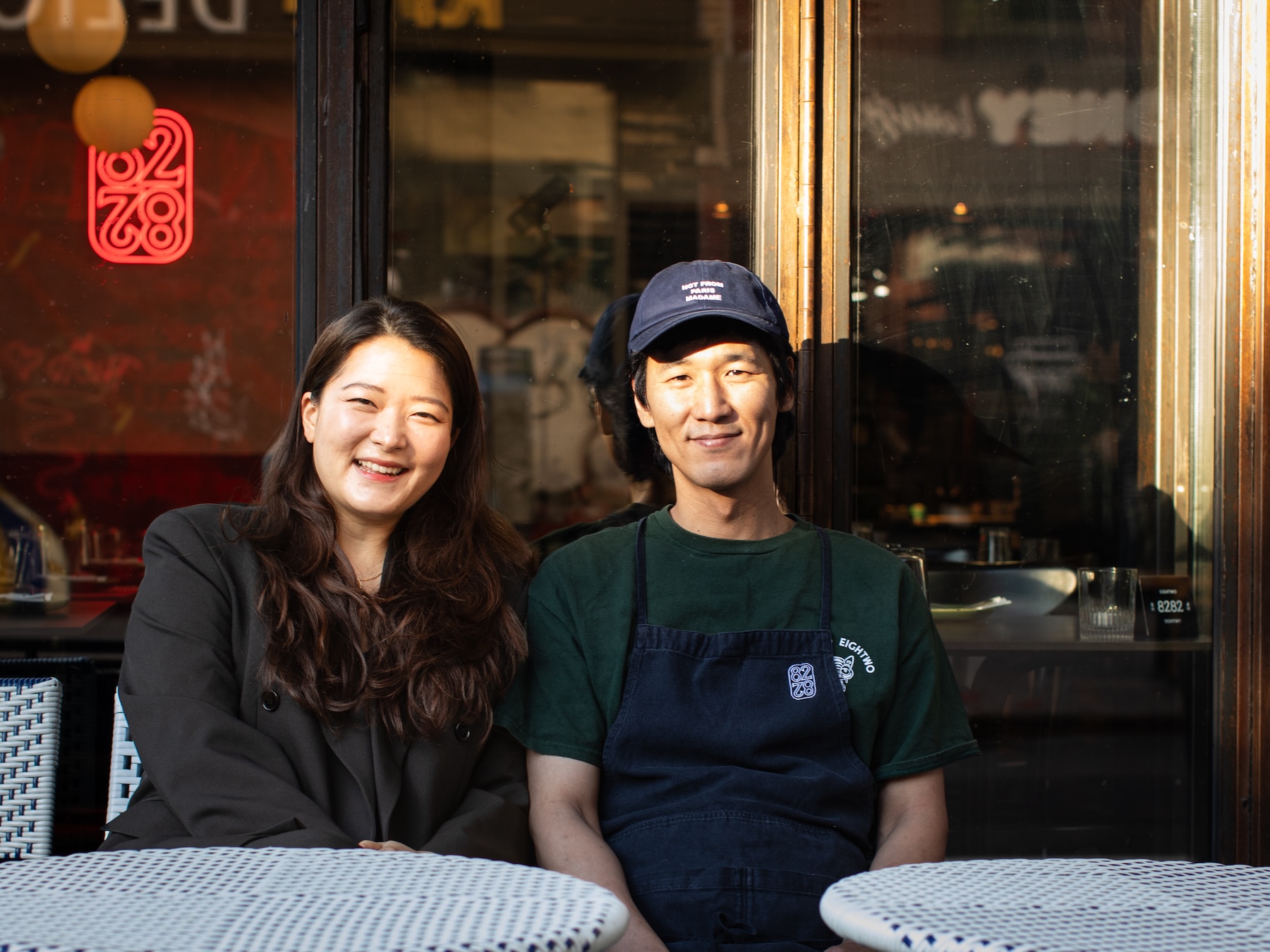
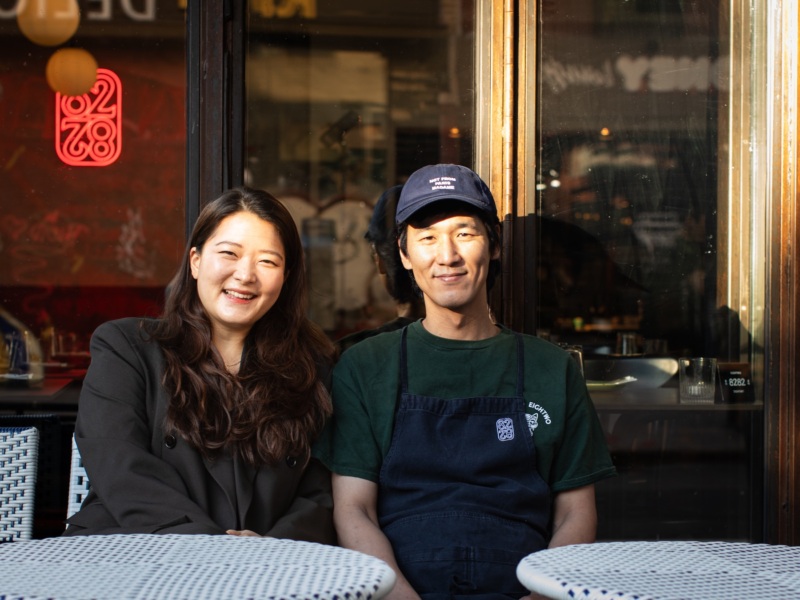
Relatively new to the restaurant industry, Jee Kim, the co-founder and managing partner of 8282, took a crash course in hospitality during the pandemic. First, she worked alongside her husband and partner, Bong Le Jo, at his previous restaurant, Pado. Then, they launched 8282 together, which is celebrating its fourth year in business this fall. Along the way, Kim has tapped into a large community of restaurateurs to find inspiration around creating their shared vision of threading the needle between elevated and comforting. And in the face of challenges, I’ve seen them both demonstrate one of the true keys to longevity — prioritizing connection.
Note: This interview has been edited for length and clarity.
More Portraits of New York


Resy: How long have you been working in restaurants? Where did you first start out?
Jee Kim: I’ve been working in the restaurant industry for six years, though my entry point wasn’t exactly traditional. I didn’t come up as a line cook or server — my background was originally in operations, branding, and development. My first real dive into the restaurant world was in the East Village, supporting Jo as he was navigating the challenges of keeping his sushi restaurant afloat during COVID. But it was really with 8282 that I learned everything — from the unglamorous, hands-on logistics to the emotional intensity of building something from the ground up. Jo, who has over 20 years of experience in both front and back of house, really guided me through a crash course in hospitality.
What people or restaurants inspired you when you were starting out? Are there institutions that you look to when you think of what you want to build?
When I was starting out, I was drawn to restaurants that felt deeply personal and culturally grounded, yet modern and bold in their execution. Don Angie has been a big inspiration — not just for its sharp, thoughtful approach, but because it was built by a couple with a shared vision, which resonates with how Jo and I built 8282. Fish Cheeks NoHo stands out to me for their hospitality — they make people feel taken care of in a way that feels effortless but incredibly intentional. Atomix has set a new standard for how storytelling and Korean cuisine can intersect at the highest level. I also really admire Wayan NYC for how it brings modern Indonesian flavors into a chic, New York dining context with ease and elegance. What I hope to build is something that lives in between — a space that respects tradition but isn’t confined by it, that feels elevated but still has soul and warmth.
Did you have mentors who showed you what success could look like? What lessons have you taken that you feel are important to your own success?
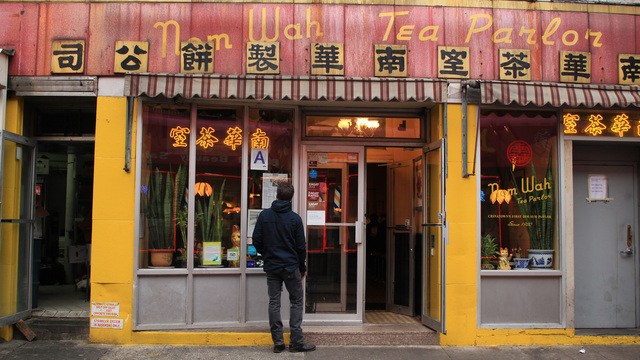
I’ve been really lucky to have mentors who showed me not only what success could look like, but also what it takes to get there. Vivian Chen, a hospitality lawyer, has been a huge influence — she’s sharp, generous with her knowledge, and has taught me how to navigate the complexities of this industry with clarity and integrity, not only [with regards] to ourselves but also to our employees. Wilson Tang (Nom Wah Tea Parlor and Sal Tang’s) has also been a key mentor — his experience scaling concepts while staying rooted in community values really shaped how I think about growth and sustainability in New York.
One of the biggest lessons I’ve taken from both of them is the importance of resilience — that success isn’t linear, and that being adaptable while staying true to your values is everything. They’ve both shown me that it’s possible to build something meaningful and lasting without losing sight of the people and purpose behind it.
What is important for you in crafting a menu and experience that people want to return for?
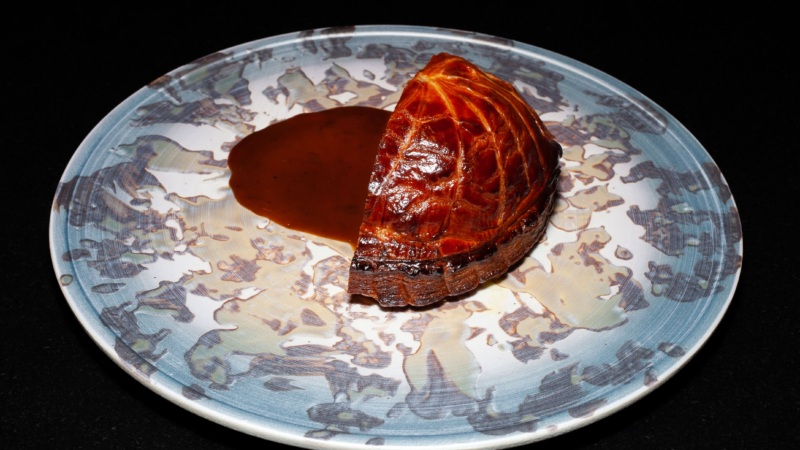
For us, the most important thing in crafting a menu and experience that people want to return for is an emotional connection. The food has to evoke a memory — no matter who you are or what your past experiences are with Korean cuisine. Whether it’s a flavor that feels nostalgic or a dish that surprises you in just the right way, we want every bite to spark something personal.
What keeps you inspired in the work and the food? How do you stay interested and keep your creativity?
A big source of inspiration for me is my husband — he’s not only a great chef, but someone who brings passion and relentless consistency to the kitchen every single day. Watching him work, evolve, and push boundaries reminds me why I love him — and why I love what we’ve built together at 8282.
I stay inspired through experiences — traveling, dining at other restaurants, and seeing how different cultures express hospitality. Stepping outside my usual environment, even briefly, helps me return with fresh eyes. Creativity, for me, is often sparked by contrast — by encountering something completely unfamiliar or noticing a small detail done incredibly well somewhere else. It reminds me there’s always more to learn, and always another way to make people feel something through food.
How do you balance the idea of being a special occasion destination versus being a place that people feel they can come to for comfort?
It’s something we’re always mindful of — how to be a place people think of for special occasions, but also somewhere they feel comfortable coming back to on a regular night. For me, it’s about creating layers within the experience, especially in hospitality. Not every guest is coming in for the same reason, but every guest should feel equally cared for.
Whether someone is here for a birthday dinner or just dropping in for a quiet meal at the bar, the energy, the pacing, the warmth of our team — all of that should adjust intuitively. That’s the kind of hospitality that makes people return: thoughtful, flexible, and human.
Where do you go for a comforting meal? What’s your special occasion destination?
For a comforting meal, we often head out to Flushing — usually while doing our regular Korean grocery runs. One of our favorites is KumSung BBQ, a family-owned spot where the food feels incredibly homey. The grandmother used to oversee the banchan seasoning, and you can still taste that kind of care in every dish. It’s the kind of place that reminds you of how powerful simple, well-executed food can be.
For special occasions, we love going to King Spa in New Jersey — a spa date paired with a full, delicious Korean meal is our ideal way to reset. It’s nostalgic and always hits the spot.
Where have you been excited to go out to when you have time to dine out?
When I do get the time to dine out, I love exploring what’s new and thoughtful in the city. I’ve been especially excited to check out places like Lei, Papa San, and Maison Passerelle. Each of them seems to bring something fresh to the table — whether it’s a unique point of view, a beautiful space, or just the buzz of people doing something with care and intention. I’m always curious about how others are interpreting hospitality in their own way.
How does community, whether in the neighborhood, the industry, or otherwise, play into the success of a restaurant? How has community been a part of your experience?
Community has been a huge, integral part of our restaurant’s journey. Over time, many of our regulars have become close friends — we’ve watched them go through life milestones like getting engaged, switching careers, or starting families, and they’ve seen us grow alongside them. It’s a relationship that goes far beyond the dining room.
When my restaurant was broken into last year during the holidays, I was overwhelmed by the outpouring of support. A dear friend, Christine Byun, started a GoFundMe for us, and the response from our community — both friends and longtime guests — was incredible. It reminded me just how powerful and generous this network is. Community isn’t just a support system; it’s what makes this work meaningful.
With so many challenges in the industry right now, many chefs are finding other career paths. What keeps you working in restaurants? What keeps you excited about it?
This industry can be brutal, and I’ve seen many amazing talents leave for something more stable. But what keeps me here is the energy, the creativity, and most of all, the people. There’s something deeply rewarding about building a space where people feel joy — whether they’re dining or working.
What keeps us going is the responsibility to train up the next generation — the ones who want to be here, who find happiness in the rhythm of service and the art of hospitality. Watching them grow, improve, and take pride in what they do — that gives us purpose. This industry needs more mentorship, more care, and if I can be a small part of that, it’d be incredibly rewarding.
What are you working on right now that has you excited? What are you focused on?
Right now, I’m excited about exploring ways to grow 8282 beyond the restaurant — through partnerships, pop-ups, and building a broader symbiotic revenue model so the business can thrive outside the four walls. At the same time, I’ve been spending more time with the Korean community and focusing on mentorship, which keeps me grounded. Internally, my priority is strengthening our culture so the team feels seen, supported, and challenged. For me, it’s about growing outward while also growing inward.
Clay Williams is a Brooklyn-based photographer whose work takes him across the country and beyond, documenting stories of food, culture, and community. Follow him at @ultraclay.
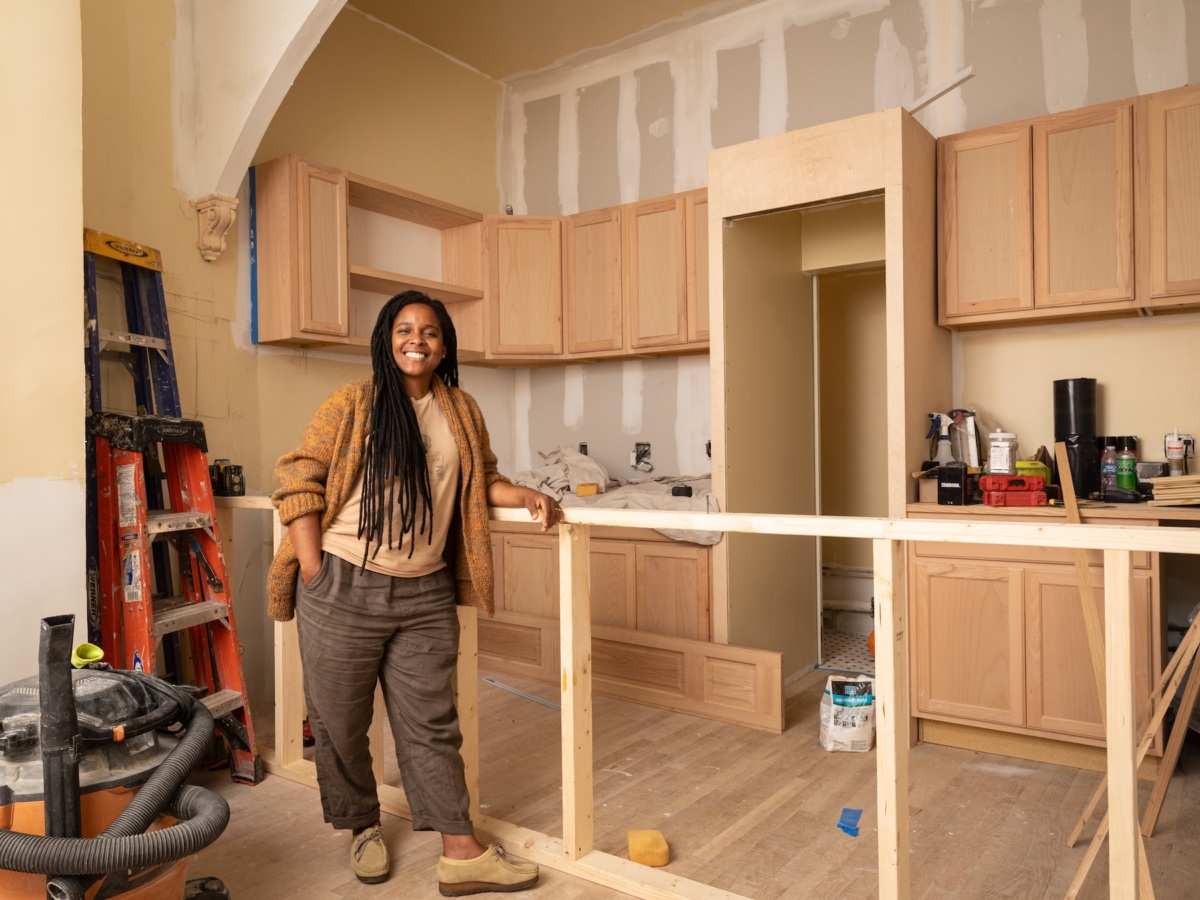
Resy Presents: Portraits of New York
In this series of portraits and interviews, photographer Clay Williams gets to the heart of the ever-changing New York City restaurant scene by capturing the stories of the people behind it.