Portraits of New York New York
For Txikito’s Alex Raij, the Secret to Longevity in Restaurants Is Knowing Your Community Deeply
Published:
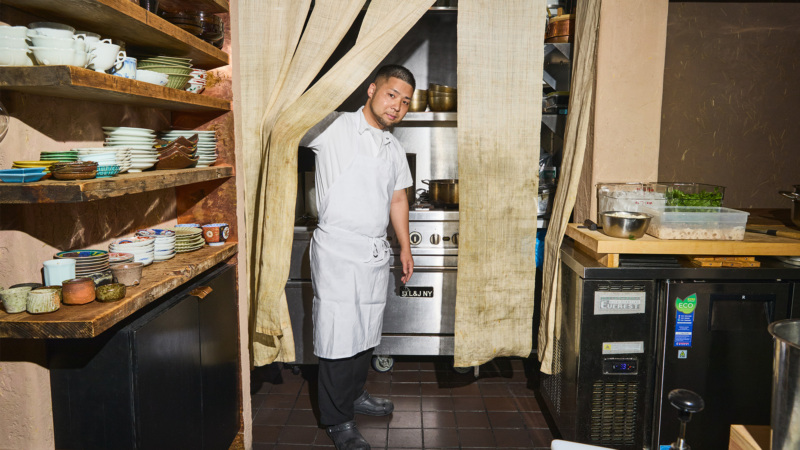
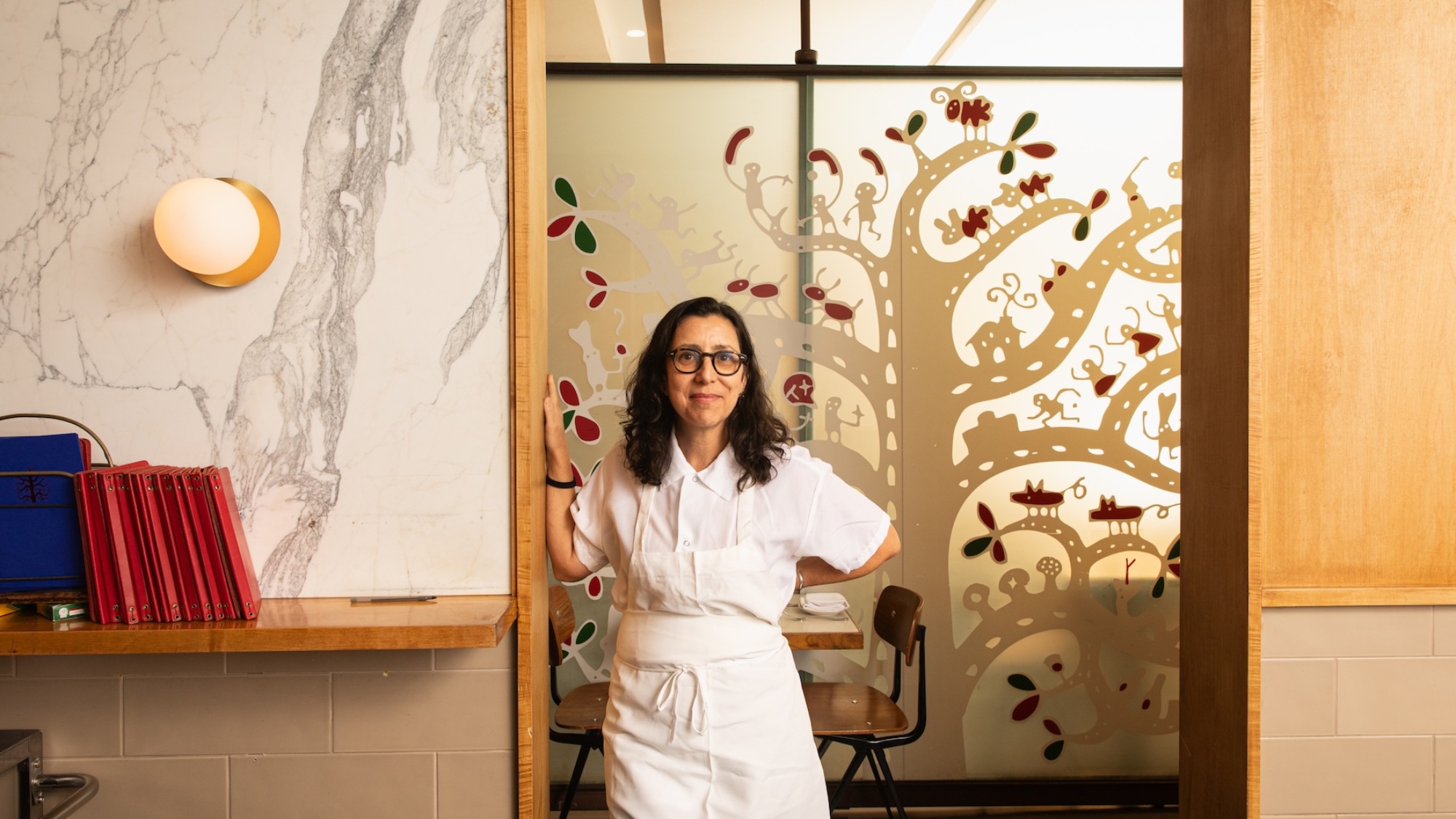
If you want to talk about longevity in the restaurant industy, few people are as qualified as Alex Raij. From my earliest days covering food and drink, Raij, along with her husband and business partner Eder Montero, have been ever-present on the scene. Showing up in support of local causes and organizations at tastings and events throughout the city, they have been mainstays in the community since they opened Txikito 17 years ago in Chelsea in 2008.
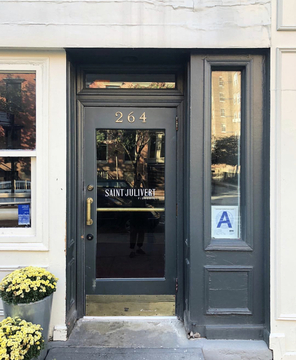
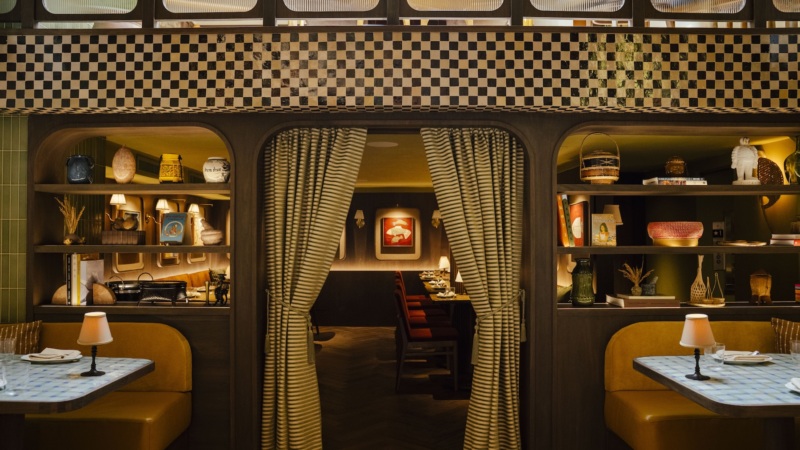
Walking into any of their restaurants, including La Vara (which opened in 2011) and Saint Julivert Fisherie (which opened in 2018), you feel immediately at ease and comforted. Raij seems to know the secrets for making guests feel at home, and I was excited to hear how she approaches and develops her own long-term vision of hospitality.
Note: This interview has been edited for length and clarity.
More Portraits of New York


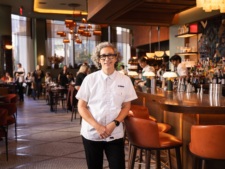
Resy: Let’s start with where you are now. What are your restaurants, your current position, and how long have you been there?
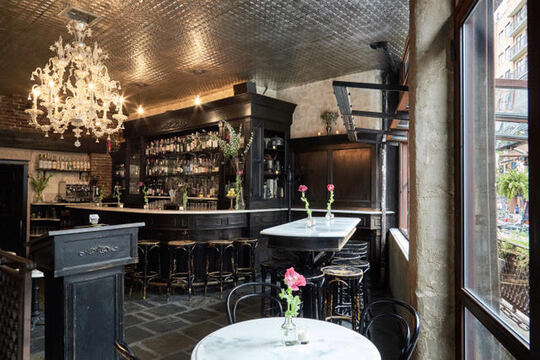
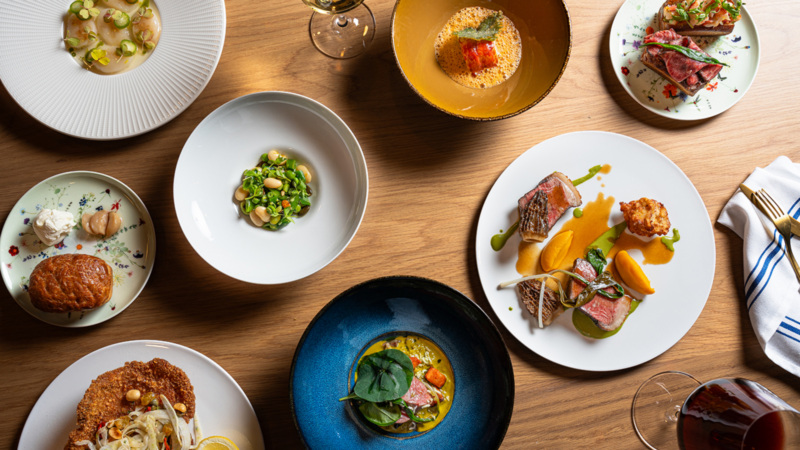
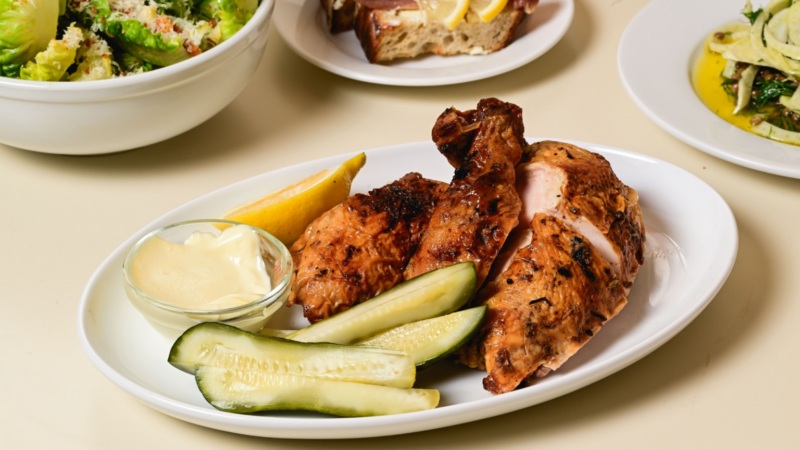
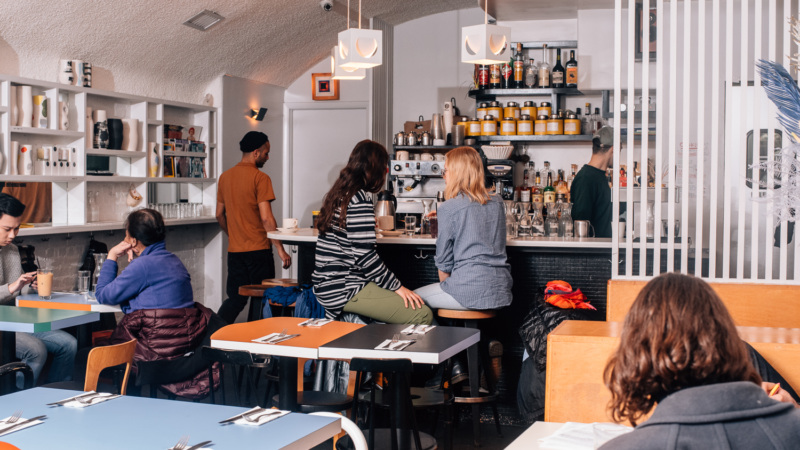
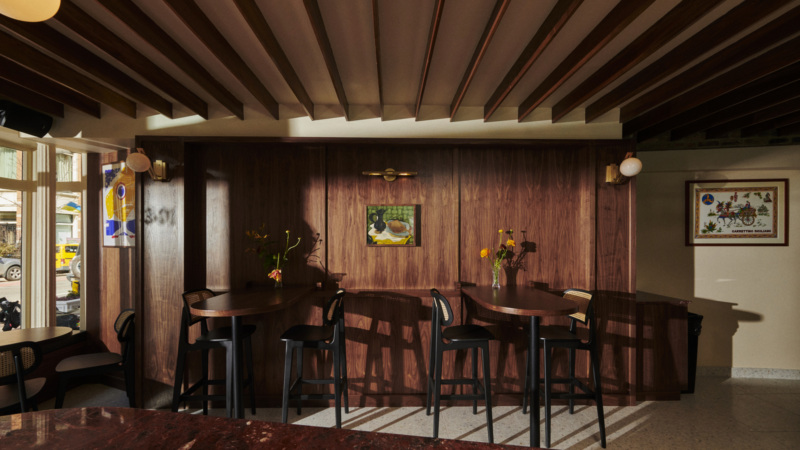
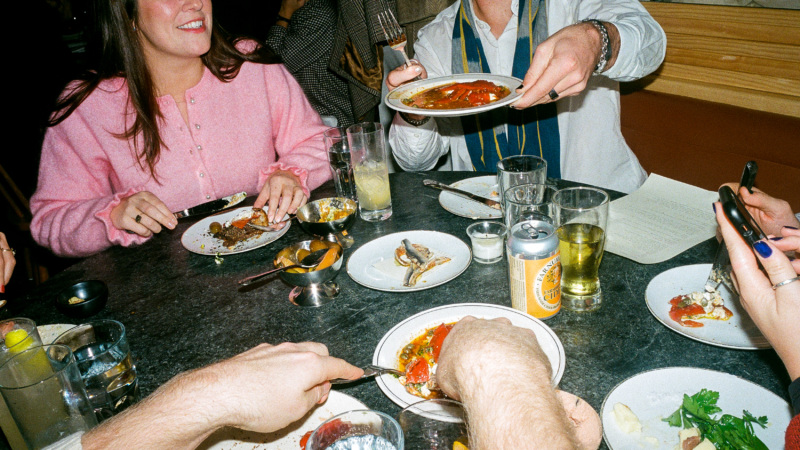
Alex Raij: I am, with my husband Eder Montero, the co-chef and co-owner of three independent restaurants. Txikito, a Basque restaurant in its 16th year, remains gastronomically fresh and current while also reflecting the confidence and flair of a classic spot. La Vara, a Spanish restaurant that celebrates the legacy of Moors and Jews in the regional cuisines of Spain, turned 12 this year. She shares a block with Saint Julivert Fisherie, a Paris-style wine bar about travel, where we focus on fish cookery, and coastal and island wine and spirits.
How long have you been working in restaurants? Where did you first start out?
My first jobs in Minneapolis were in restaurants, and I never really outgrew the profession. My first restaurant job was at a little all-day American cafe and bakery owned by a woman [Pam Sherman] who had worked at The New French Cafe in Minneapolis. She was a great baker but also soup maker — not a bad place to land.
What people or restaurants inspired you when you were starting out? Are there institutions that you look to when you think of what you want to build?
When I was young, I loved all restaurants. I was aware of the privilege of eating out at any level, but different from my friends and family, I wanted to make the choices of a restaurateur: To choose the food, the glass, the dish, the words … I wanted to play restaurant and I wanted to play in a restaurant. I realize so much of it is still true.
I wanted to emulate the places I went to in Argentina with my grandparents but also the chic Vietnamese restaurant owned by a woman named Ahn in Minneapolis — or Port Arthur, the little Chinese restaurant where my mom would take me when I wanted to skip school. Port Arthur was huge for me. It made me so aware of quality and integrity. It was mostly an egg foo young and chow mein kind of place, things I loved, but the refinement of simple things like perfectly fried shrimp (so luxurious to me as a landlocked child) left a strong impression.
As I got older and read more about food, I was thinking often about Jacques Pépin and then Alice Waters. I loved Paula Wolfert and Patricia Wells. I wanted to be an expat, to have travel be a part of my life and speak other languages. I began to dream about the restaurant I would own … it would be other for the outsider: a neighborhood restaurant that appealed to and called upon a community of people who felt similarly, ate curiously, and for whom food and restaurants were important places for connection.
Did you have mentors who showed you what success could look like? What lessons have you taken that you feel are important to your own success?
All experiences are useful. When they don’t show you the way, they show you who you are and what you are made of.
Most of the people who have meant the most to me were always successful in the ways that many people don’t measure success. They were exceptional cooks and very genuine people, like this chef in Seattle named Jose Luis Ugalde who later moved to California and opened his own restaurants. He was a master at making deeply flavorful dishes that were practical and beautiful. He was part Basque and so proud of that piece of himself. He would ferment tomatoes and make amazing vinaigrettes and cold sauces.
I also worked for Gabrielle [Hamilton] at Prune, and for Katy [Sparks] at Quilty’s. Both were small restaurants and yet they couldn’t have been more different. Despite working for these accomplished women, I felt very much like I formed myself. My tastes and my ethical center were pretty established already, so the takeaways for me were more as an outsider observing how another’s success reflected out and rippled through their community. I watched them operate and tried to tease out the talents they had that could work for me.
What is important for you in crafting a menu and experience that people want to return for?
Honesty, creativity, playfulness, and soulfulness.
What keeps you inspired in the work and the food? How do you stay interested and keep your creativity?
Practice and patience and practicing patience and trying to be immersed in my interior life. Visiting markets.
How do you balance the idea of being a special occasion destination versus being a place that people feel they can come to for comfort?
I have been lucky to be both at once in all my restaurants. That wasn’t accidental, but it was lucky.

Where do you go for a comforting meal?
For comfort I like Raku; both [locations] are terrific. I also like Wu’s Wonton King and Bacaro in my neighborhood.
What’s your special occasion destination?
I think for me a true special occasion would require some travel … but if it has to be here in New York, sometimes it’s not a different place so much as what we order. My son loves Dungeness crab and the best I know is at a low-key Chinese spot. So sometimes it’s going to the places that you like but ordering something higher. For the room, I love The Odeon still and forever but when I go there, I just get the simple things, like a burger and Champagne.
Where have you been excited to go out to when you have time to dine out?
For me, it’s honestly less about time than about syncing up with my friends or family. I haven’t been to The Four Horsemen. I know that’s crazy, but it hasn’t worked out for me because it’s not near my neighborhood and requires some planning.
How does community, whether in the neighborhood, the industry, or otherwise, play into the success of a restaurant? How has community been a part of your experience?
I have worked for myself for so long that most of my community is either guests who are friends, physical neighbors of the restaurants, or the people we buy things from. It’s meant everything to us to be embedded in true neighborhoods and to be different things to different people through the years. To know them deeply, to share in their wins, to be their anchor, and sometimes to grieve together, for example, during Sandy and COVID. To learn from those who have lived and shared our bad moments and celebrated the triumphs. The same is true of our staff. It’s humbling to be so old in restaurant years. I just traveled to Spain with one of our regulars and that was amazing. I have cooked in people’s homes and for the service projects that I hold dearly. It’s an ever-expanding community.
After a big spread in Bon Appetit in 2008, I met a group of female chefs “on the rise.” One of them, Ashley Christensen, became a close friend and she introduced me to the most soulful, beautiful chefs and Southern food people. Folks like I had never met or known; people who talked about food like characters in books. Being part of that community has been a gift and really connected the dots for me on the kind of deeply personal kind of food I was making in a restaurant setting. I met people like Jason Stanhope, Cheetie Kumar, Lisa [Marie] Donovan, Rebecca Wilcomb, and Kristen Essig … just the most sensational and committed cooks. Just knowing they were out there has made this life less lonely and more delicious. And less New York specific, it’s a reminder that I am not just where I cook but what I come from.
With so many challenges in the industry right now, many chefs are finding other career paths, what keeps you working in restaurants? What keeps you excited about it?
The guests, the freedom, the staff, making things and remaking them. I do try to remind people, though, that I was a consultant and menu maker before I owned my own places and I still like doing some of that work, too. It keeps things fresh for me and resets me.
What are you working on right now that has you excited? What are you focused on?
I’m excited to be working on refreshing the interior at La Vara and revising the menu format and dishes there.
Coming back from the Basque Country, I’m also excited to lighten and tighten up Txikito and collaborate with our cooks there. Saint Julivert Fisherie always gives me light and a new way to be in conversation with the other places while showing our range and sharing our touch with fish and sauce making. Saint Julivert Fisherie, when she behaves, is a dream of a sandbox to play in.
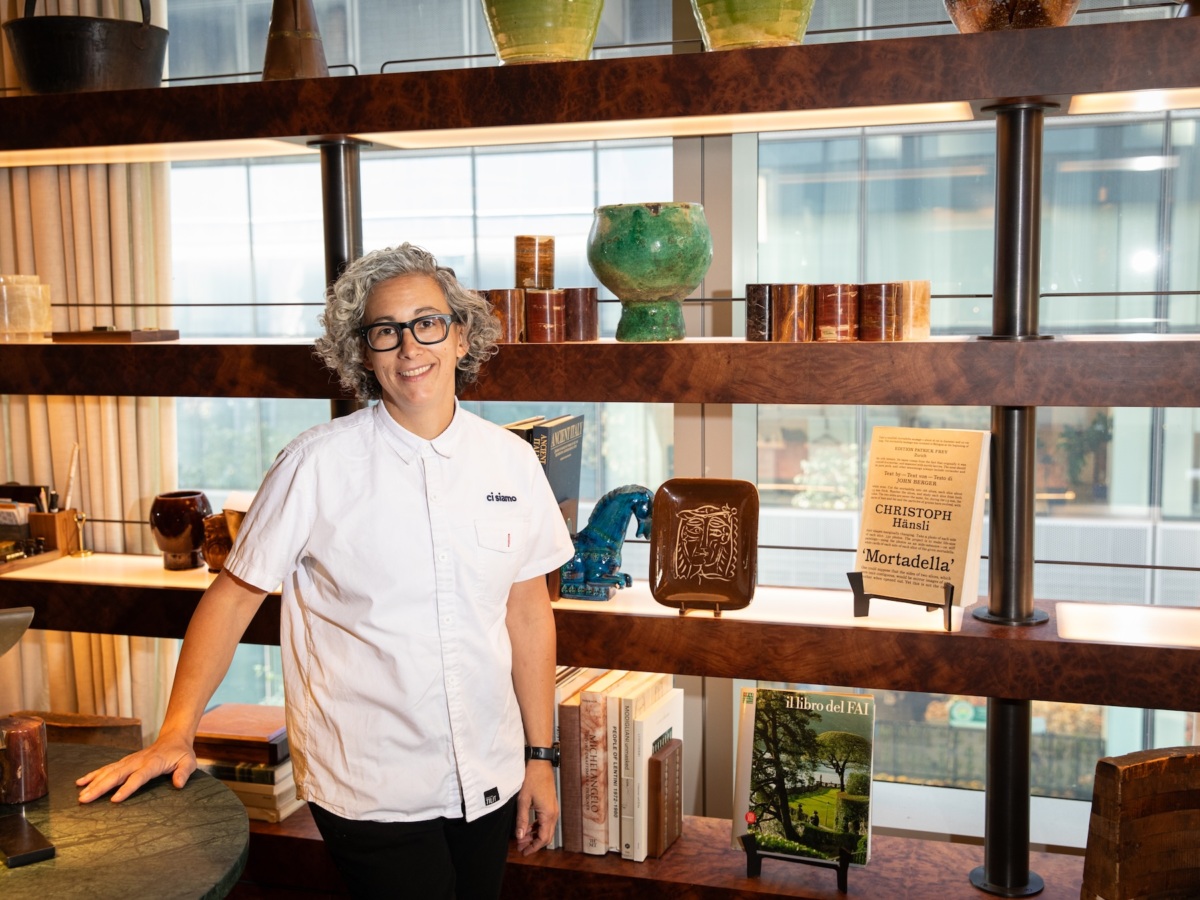
Clay Williams is a Brooklyn-based photographer whose work takes him across the country and beyond, documenting stories of food, culture, and community. Follow him at @ultraclay.
Resy Presents: Portraits of New York
In this series of portraits and interviews, photographer Clay Williams gets to the heart of the ever-changing New York City restaurant scene by capturing the stories of the people behind it.