How Found Oyster’s Sicilian Crudo Became an Instant Classic
Published:
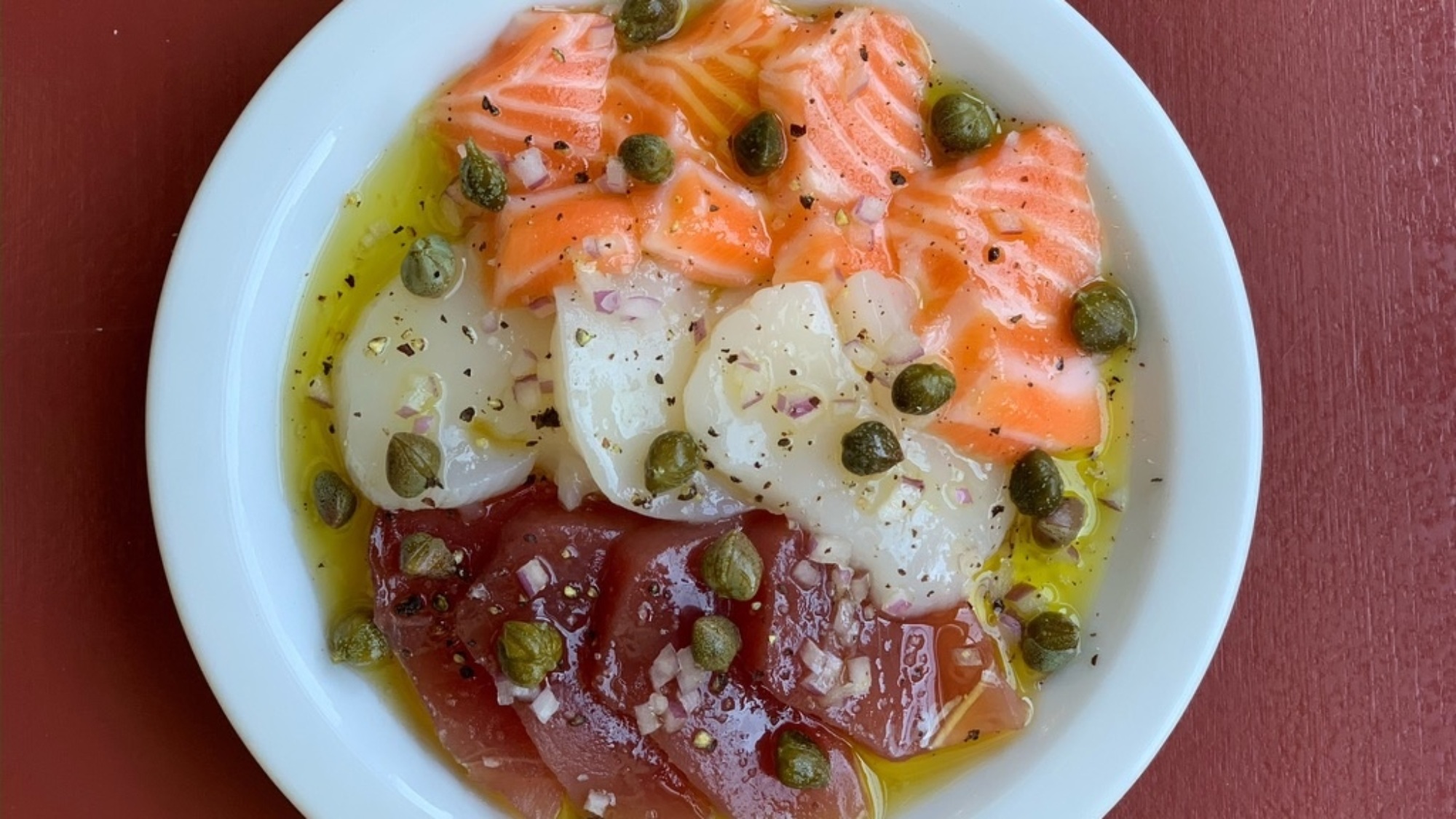
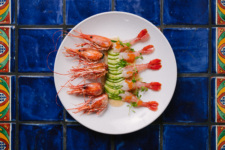
From the scallop tostada to the smoked trout dip to the lobster bisque roll, there are so many hits on the menu at Found Oyster, it’s tough to even know where to begin. But there’s one dish that’s likely to be seen on every table: the Sicilian Crudo.
On the menu from the get-go at this East Hollywood spot, which opened in late 2019, the crudo has become one of the defining dishes that represents what Found is all about: incredibly fresh seafood.
One of several restaurants in the Last Word Hospitality family, which also includes seafood-forward Queen’s, Southeast Asian-inspired Rasarumah, and Portuguese-leaning Barra Santos, Found Oyster is a fan favorite, often inspiring lines down the block for a seat on its tiny sidewalk patio.
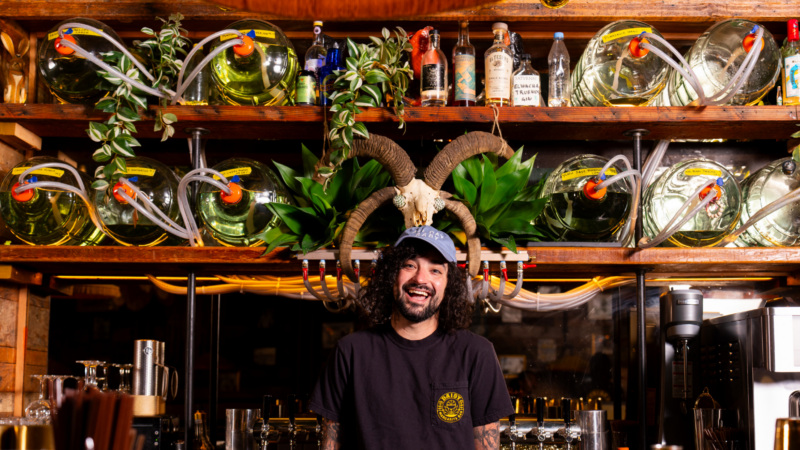
We sat down with chef/partner Ari Kolender, author of the new cookbook, How to Cook the Finest Things in the Sea, to discuss the history and evolution of this multi-colored seafood stunner.
MORE FROM RESY


The origin story
“This dish was actually on the original opening menu. We R&D’d a bunch of different crudos — we were doing some shrimp ceviches and stuff like that. I didn’t really expect it to stay on the menu forever. We were testing out other things as well. But this one just stuck. We’d all been to Swan Oyster Depot in San Francisco and loved their off-menu Sicilian sashimi, and I’ve been to Italy a bunch and this kind of crudo just sang to everyone. To pay homage to such an institution in San Francisco felt appropriate. It’s such a good dish because it’s so simple and it really just highlights great fish.”
The preparation
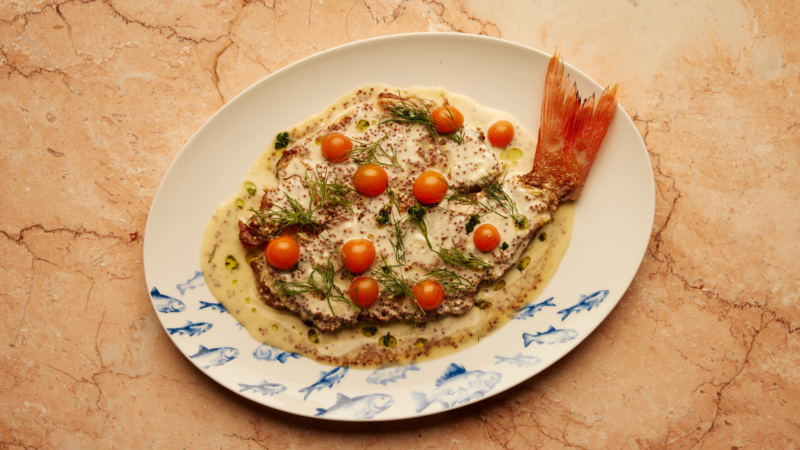
“It’s pretty straightforward. The fish changes depending on what we have in house — whether it’s kanpachi or yellowtail, halibut, scallops, or salmon, it really just depends on what we have that day. It might be all tuna. But sometimes we’ll have three or four fish in it and that’s awesome, too. As far as making it, it’s such a simple thing; you really want that fish to shine. It’s made to order for each guest with lemon, red onion, capers, pepper, and the one thing that will change is the olive oil. We usually like to use a medium-bodied, all purpose Italian olive oil. It’s not a robust finishing oil, so it’s not super rich, peppery, or super green, as those notes can take over the whole dish pretty easily … If you want to know exactly how to make it you can check out my new cookbook.”
How many do they sell per week?
“A lot! I’d say about 80% of the people who come in order this crudo.”
The initial reception
“It was a pretty immediate hit — we were fortunate to get the right people as customers, and a dish like this just highlights freshness. In L.A. we have really amazing sushi so it’s no surprise that locals would embrace a crudo. It clicked with people right away.”
The pro move
“Add caviar! We serve a Kaluga hybrid caviar from a local California company. We’re not using Osetra or something higher grade just because we don’t want that strong flavor to take over what’s going on in the dish.”