40 Years In, Marouch Remains a Vital Link in Little Armenia
Published:
The neighborhood surrounding Marouch has changed substantially since the Little Armenia stalwart debuted in the early 1980s. Modern condos have replaced the Armenian pastry shop and bakery across the street. An outpost of Nashville-based Neapolitan pizza chain DeSano Pizza Bakery opened a few doors east. A coffee shop, serving cold-pressed juices and pumpkin spice lattes debuted down the block last year.
“We’re one of just two Armenian businesses on the intersection now,” says Director of Operations Sam Tataryan. “So much of the Armenian population relocated to Glendale, Burbank, and the Valley.” Despite the demographic shifts in the historic immigrant enclave, this homey, 40-plus-year-old institution is still going strong, serving some of the best Lebanese-Armenian fare in all of Los Angeles.
Marouch was originally founded as a casual shawarma shop by Beirut-born Serge Brady and his culturally Armenian wife Sossi in 1982, shortly after tens of thousands of Armenians migrated to the city from Iran, Lebanon, and the Soviet Union. Many settled in the surrounding East Hollywood neighborhood.
Marouch was a near-instant hit among those newly arrived émigrés who sought a taste of home in their adopted city; the Bradys quickly expanded to a celebrated sit-down restaurant that garnered a steady fanbase for its mezze, kebabs and grilled meats.
MORE FROM RESY
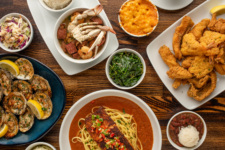
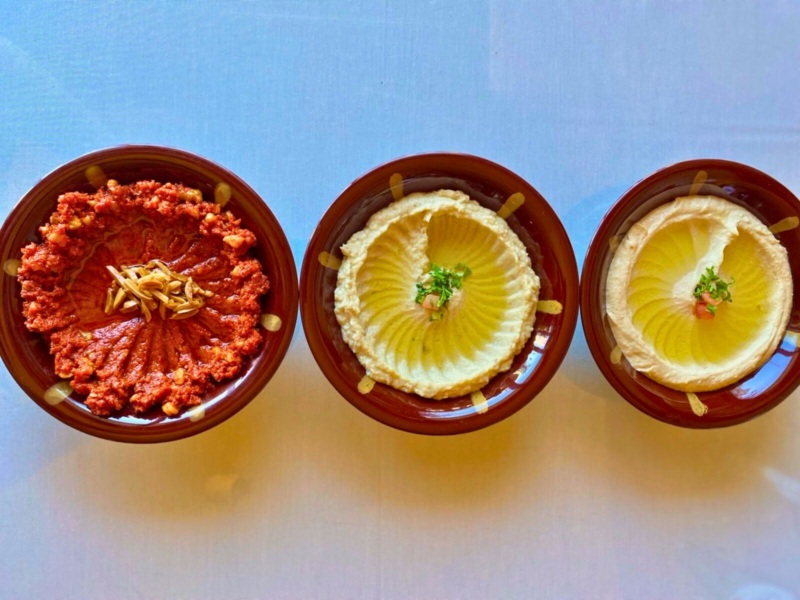
In 1990, Ruth Reichl, L.A. Times restaurant critic at the time, listed it as one of the top 40 restaurants in the city, applauding its “smoky eggplant dip, fat beans, bowls of tangy sour cream,” “roast chicken with garlic sauce,” and affordable prices. Several years later, Jonathan Gold echoed these sentiments—long before he became the paper’s lauded critic and stuck it on his 101 Best Restaurants list—praising the “crisp-skinned quail” and mezze. He applauded the ”cool hummus,” rich baba ghanouge (as the restaurant spells it) and the fattouch, which he called “the best version in town.”
These can’t-miss dishes are still on the menu today, though some of the recipes have slightly changed, and many now go by their Armenian names and spellings. That’s because in 2019, the Bradys sold the restaurant to Nelli Tataryan, who now runs the restaurant with her son Sam.
Nelli and her husband, Paul, who immigrated to East Hollywood from Armenia in 1981, were longtime customers before becoming owners. Prior to buying the restaurant, Nelli’s primary career had been office administration—Marouch was her first foray into restaurants. “The previous owners were slowly thinking about sailing into the sunset if someone would take over and continue the tradition,” says Sam. “It was always lingering in the back of my mom’s head, like, why not?”
Nelli decided to jump in shortly before the Covid-19 pandemic threw everything for a loop. “It worked in terms of transition, not so much in terms of timing,” says Sam. Like every other restaurant in Los Angeles, Marouch was forced to cease indoor dining for nearly three months.
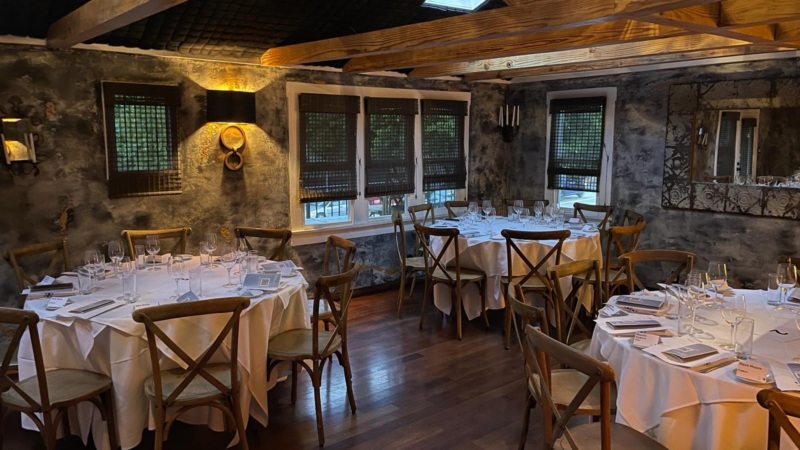
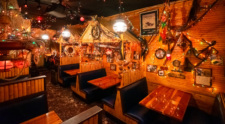
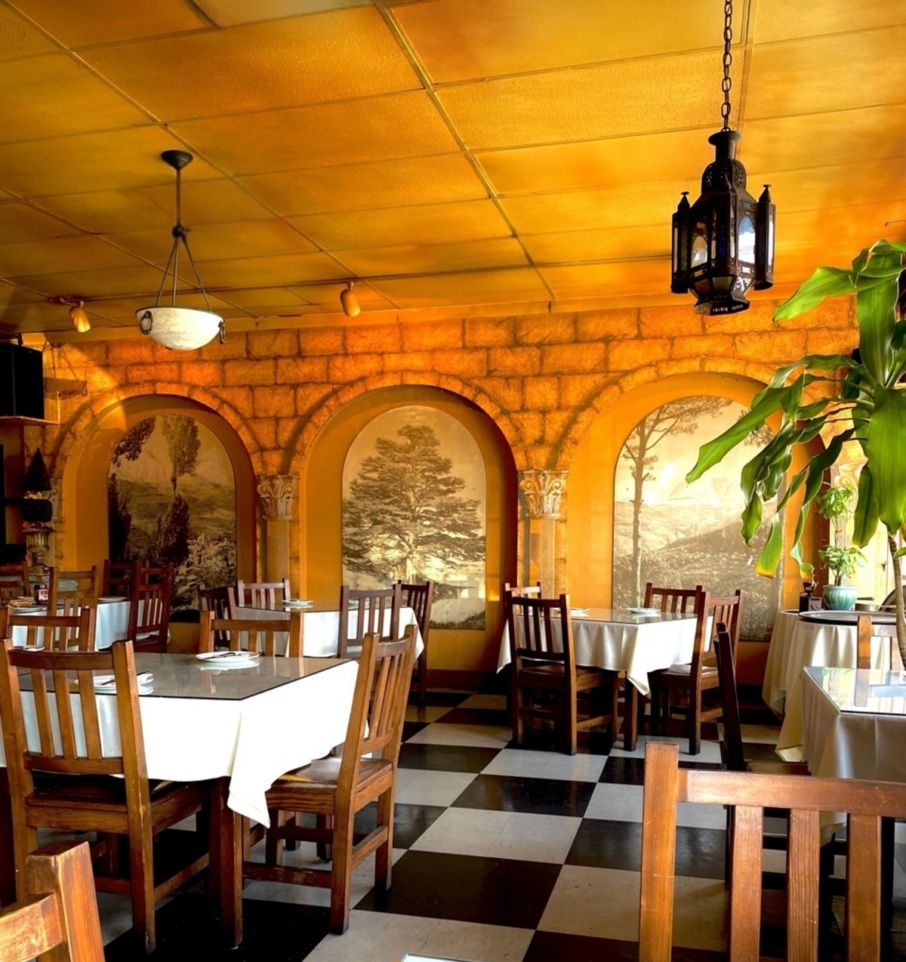
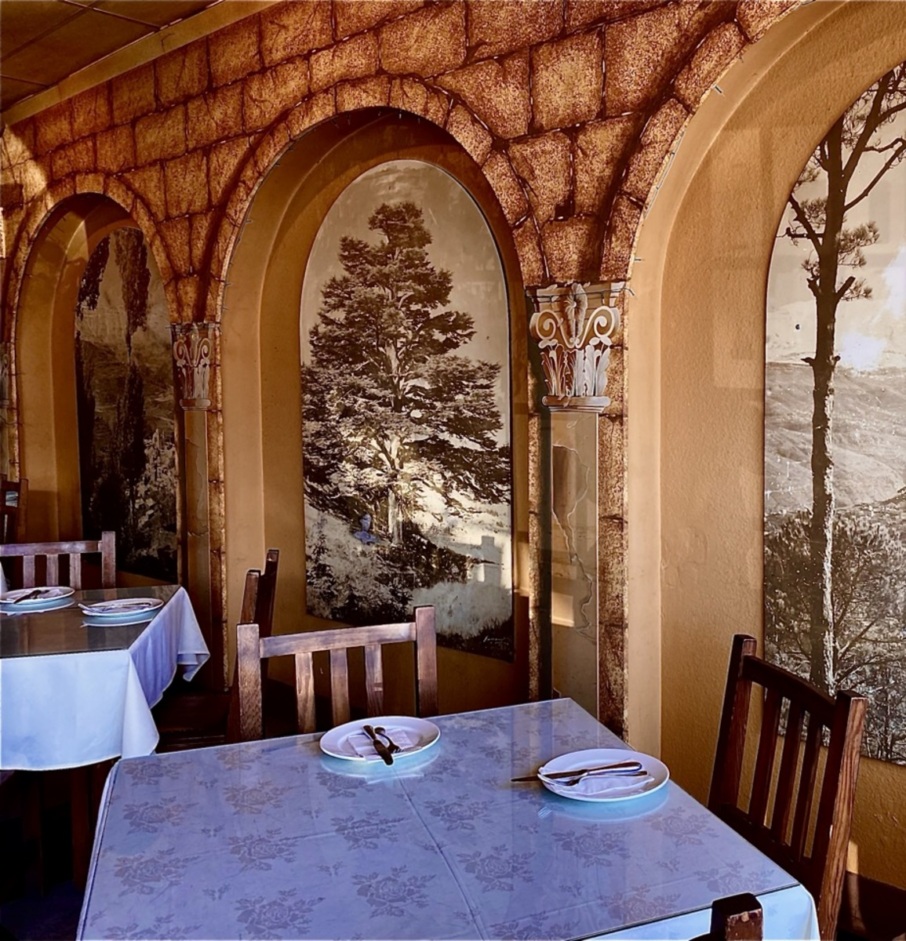
Because there was no outdoor seating when Marouch was finally able to reopen, the Tataryan’s made structural changes to the restaurant, installing full sliding glass doors across the front to help with air circulation. Aside from opening it up, the restaurant maintains its original cozy feel with white tablecloths, warm woods, and hand-painted stone masonry and other old country-style details on the walls.
Much of the menu hews closely to those original favorites. Like Sossi, who oversaw the mezze portion of the menu, Nelli is meticulous about the quality of her dips. Unlike other places that use canned chickpeas, Marouch’s signature hummus is made with raw garbanzo beans that are soaked overnight and cooked for hours before being blended. “It’s very labor-intensive—you can taste the difference,” says Sam. “Sossi was also very detail-oriented with stuff like that.”
Similarly, that fattouch salad that Gold loved 30 years ago is made fresh to order. A combination of crushed up, toasted lavash, parsley, tomato, bell pepper, cucumber, and green onions, seasoned with garlic, lemon juice, and olive oil, it’s crisper in texture and more vibrant in flavor than many versions around town.
“For time management, most restaurants will prepare salads first thing in the morning, but my mom tells the entire kitchen staff: ‘You don’t cut those tomatoes. You don’t make the fattouch beforehand,” says Sam. “She has this thing about freshness, so it’s not just sitting there.”
That mentality is the key to the success of the lule kebabs, too. Unlike the dips, these were significantly overhauled from Brady’s Lebanese variation. Nelli’s recipe was passed down from her father-in-law, Smbat Tataryan, a well-known chef in Armenia.
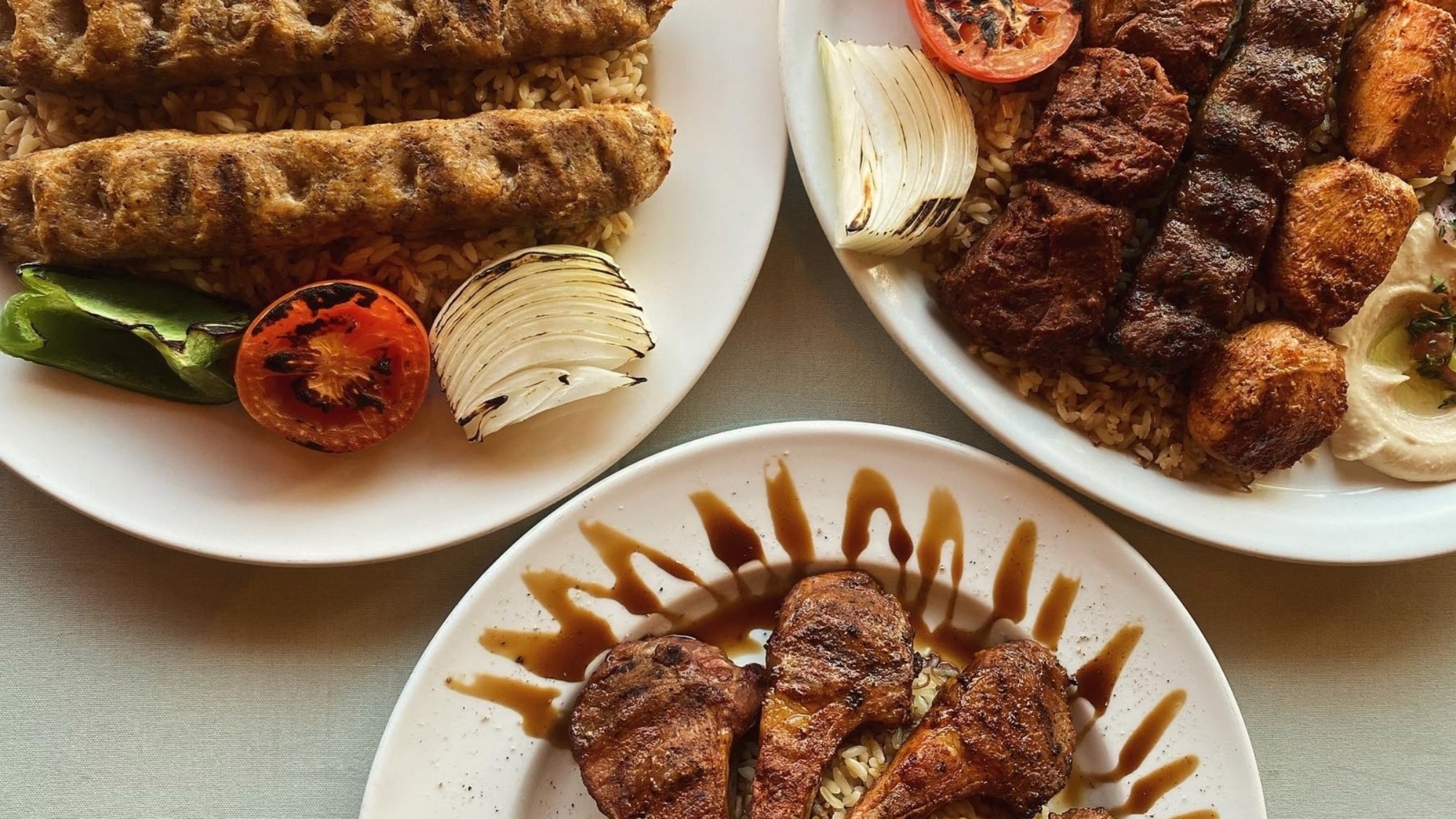
Available in beef, chicken, or lamb, these minced meat kebabs are marinated with typical Armenian spices, a simple blend of garlic, onion, and herbs (as opposed to the more heavily flavored Lebanese flavorings), hand-formed onto long metal skewers to order and stuck straight onto an open flame. This made-to-order technique “makes a world of difference,” says Sam. “It’s not very cost-efficient, but we’re a small business. I never want to compromise the quality of the food over quantity.” Juicy and tender, these lule are light and delicate, though served as customary across many kebab joints with rice, grilled tomato, onion and pepper.
The kebabs aren’t the only dishes that have gotten an Armenian makeover since Nelli took over; she’s also added traditional Armenian entrees to the menu that weren’t available before. One of the new additions—and most popular items on the menu today—is mantee. The traditional Armenian beef dumplings, served on top of rice pilaf with a garlic-laced yogurt-tomato sauce, were featured on a 2023 episode of Guy Fieri’s “Diners, Drive-Ins and Dives” and have become a fan favorite among longtime and new customers alike. “They’re very in-demand,” Sam says.
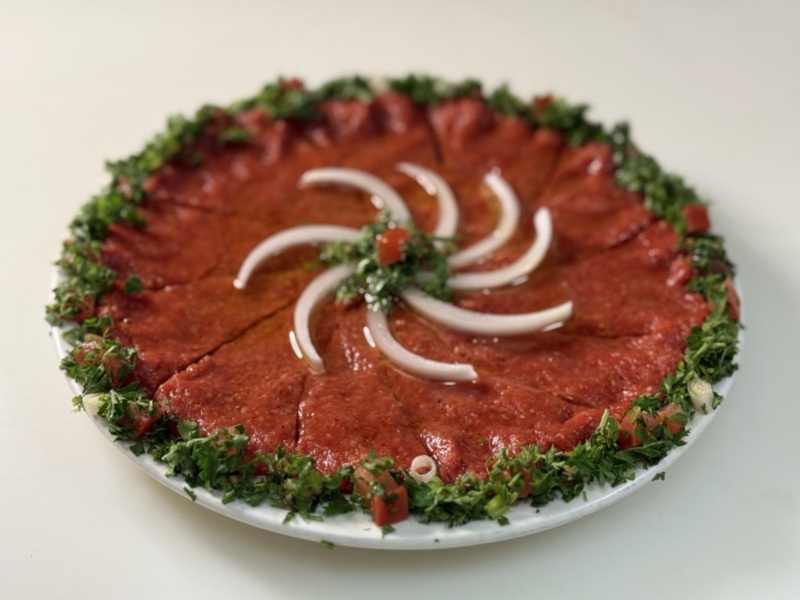
They’ve also added more vegan options to better serve the neighborhood’s changing demographics. The off-menu red lentil tartare mixed with sliced onions and bulgar, served with tabbouli salad, is another new hit that stays true to the roots of the 40-plus-year-old restaurant.
While the Tartaryans remain faithful to what made Marouch “the best-known Middle Eastern restaurant” that Gold sang praises of in 1994, they’re enacting small changes to adapt to the evolving community they now serve. Despite the restaurant’s popularity three decades ago, today it flies a bit under the radar—in the best possible way. This dependable stalwart remains as essential as ever. The living slice of Little Armenian history is just as good—if not better—than ever before.