How the Mother-Daughter Team Behind Koreatown’s Beloved Soban Honors Tradition
Published:
Food-loving Angelenos might find it hard to believe that Koreatown’s dining scene ever existed without Soban. The humble seven-table restaurant on Olympic Boulevard first opened in 2010, but it wasn’t until Jennifer Pak and her husband, Renxi Park, assumed ownership four years later that Soban became the finely tuned version of itself that we know and love. The early days were slow, explains Jennifer’s daughter, Deborah Pak, who also serves as her mother’s translator. In 2015, the family’s luck turned around when Jonathan Gold singled Soban out as Koreatown’s “most compelling” homestyle restaurant on his 101 Best Restaurants guide for the Los Angeles Times.
Now, Soban is part of a proud but slowly vanishing breed of places in Los Angeles that can attribute their early success, in part, to the late restaurant critic, who built a reputation on championing immigrant-run restaurants before his untimely death in 2018.
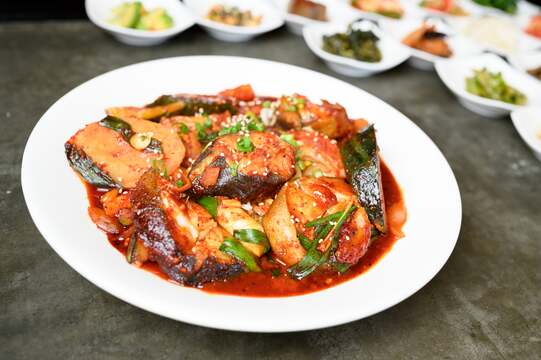
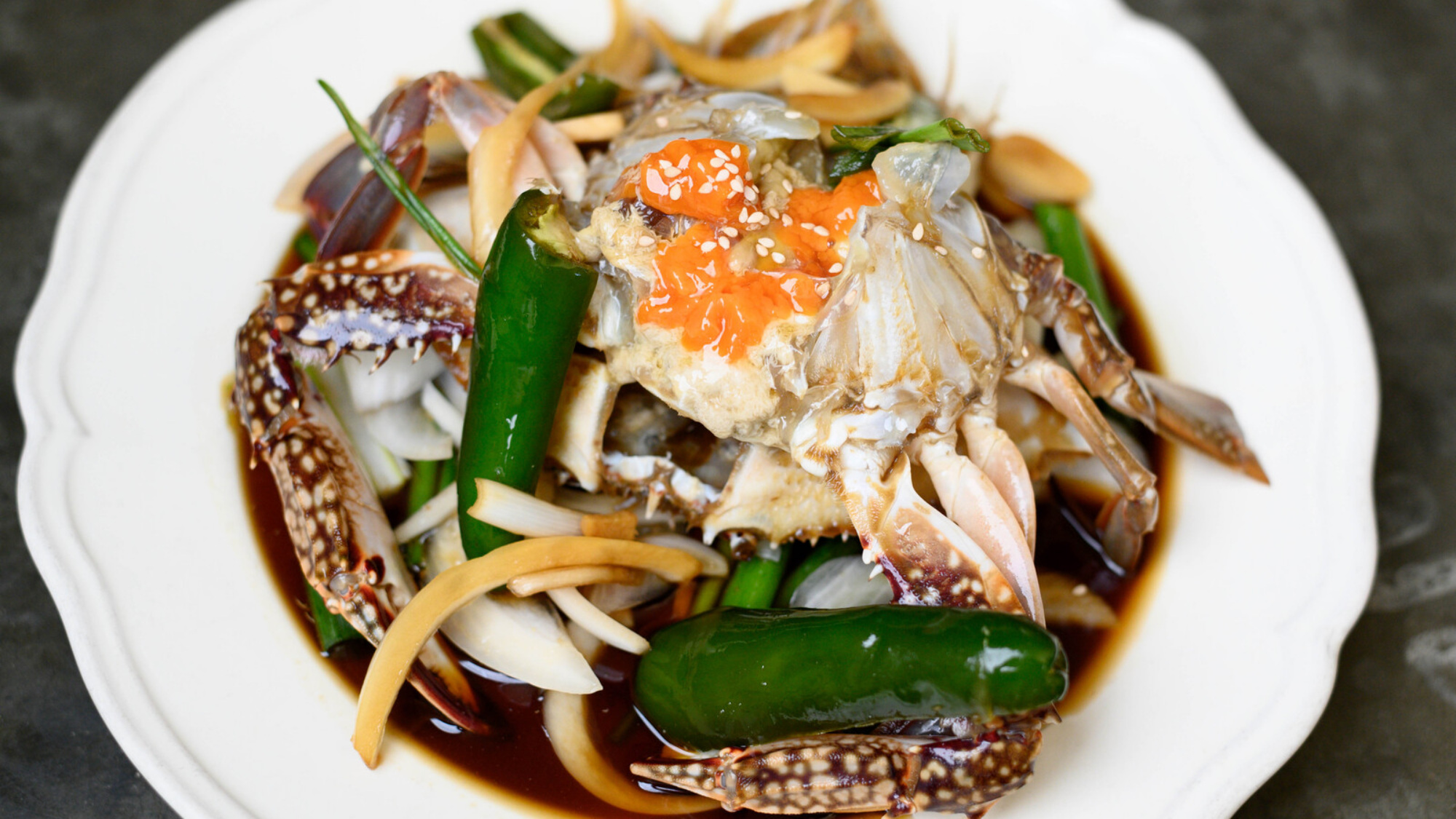
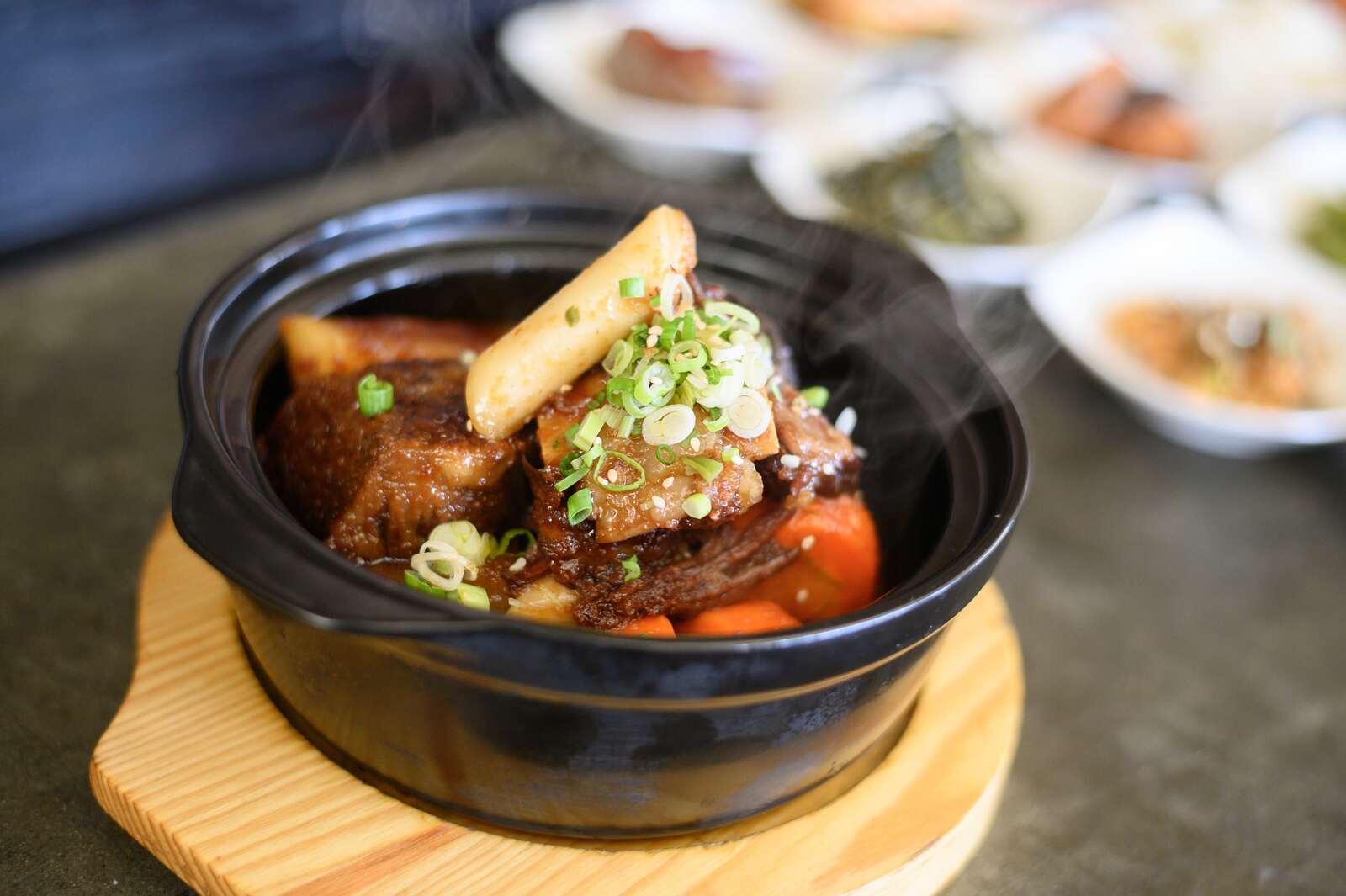
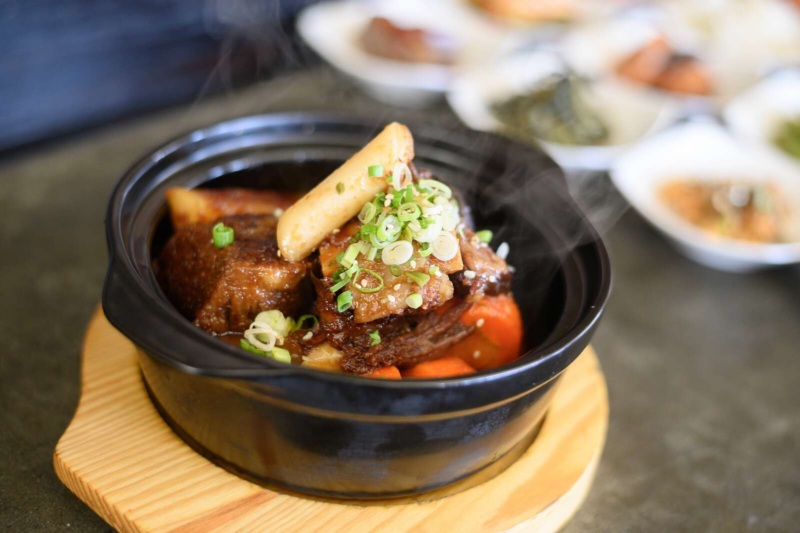
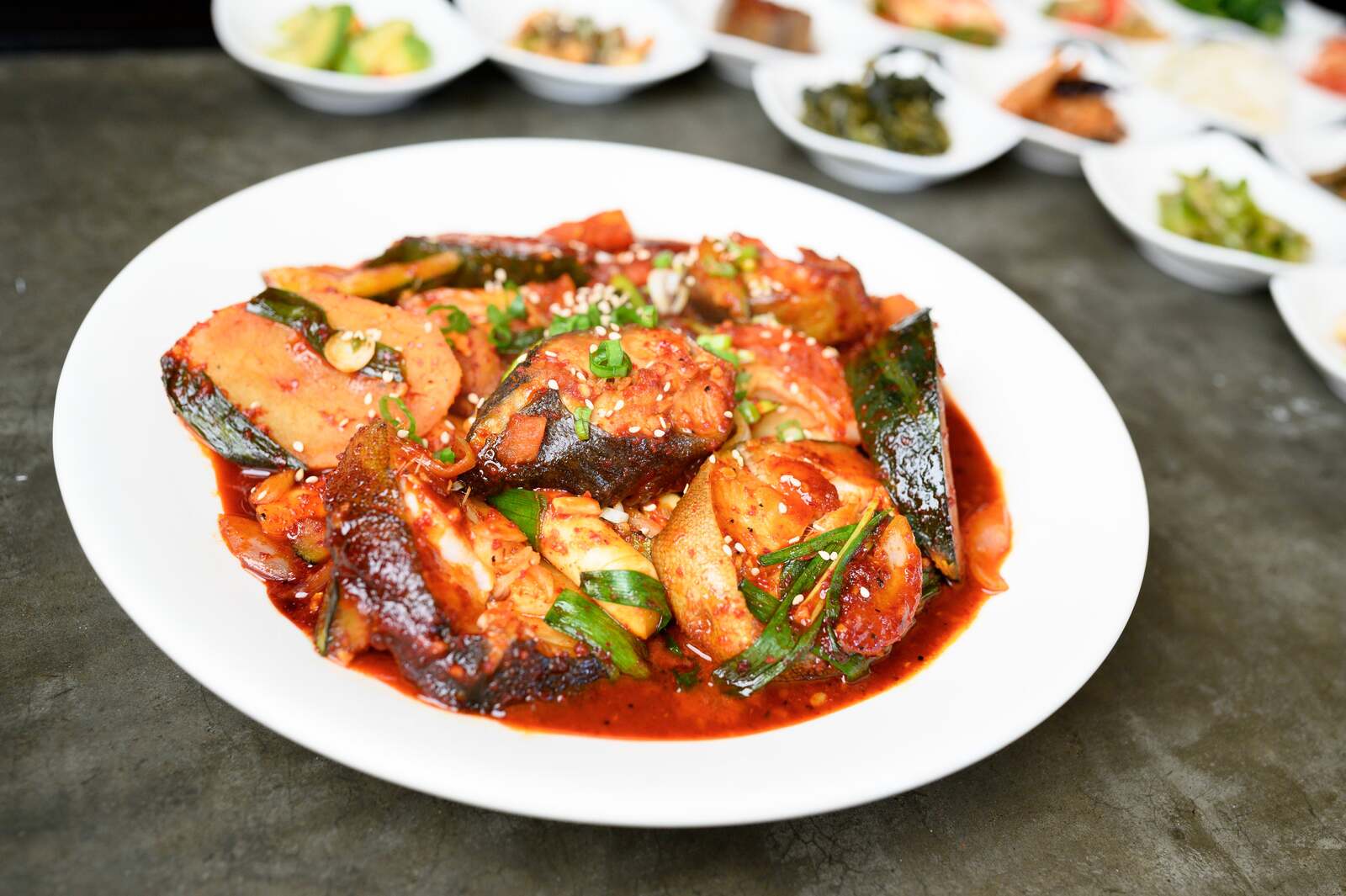
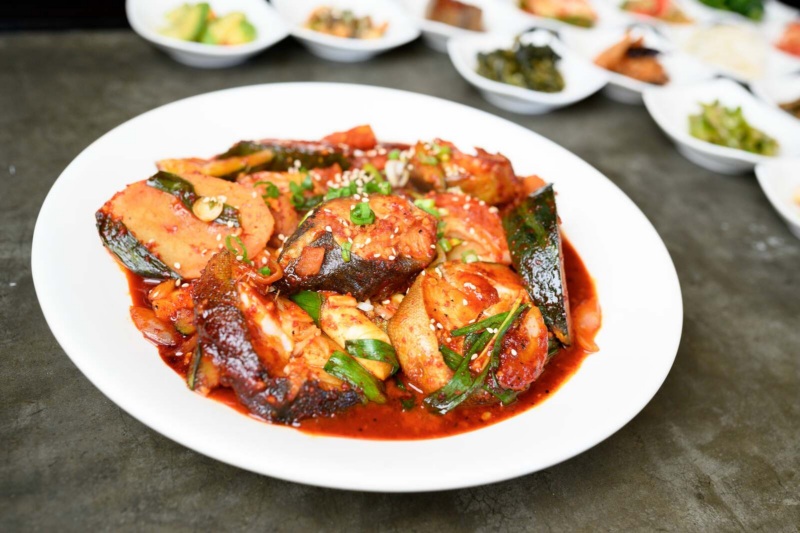
These days, Deborah and her mother continue to serve some of the city’s best ganjang gejang (soy-marinated crab), plus other labor-intensive traditional dishes like galbi jjim, a comforting soy-based short rib stew thick with root vegetables and jujubes; eundaegu jorim, a spicy braised block cod dish with fall-off-the-bone tender cuts of fish and thick slices of potato, daikon radish, and kabocha squash; and squat rounds of deep-fried seafood pancake, rendered even more buoyant with the addition of tofu. The signature ganjang gejang alone features two dozen unique ingredients, with a milder, herbaceous brine unique to Gwangju, where Jennifer is originally from.
MORE FROM RESY
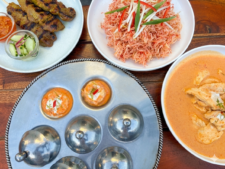
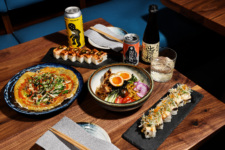
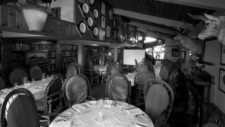
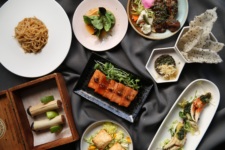
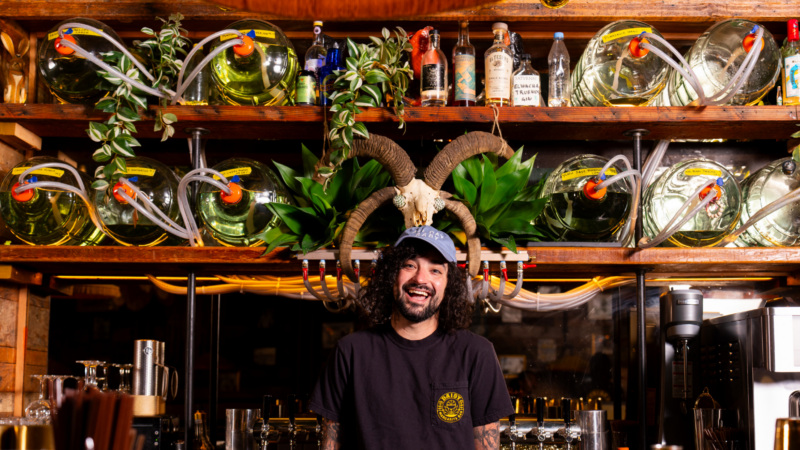
What truly distinguishes Soban, however, are the dozen or so seasonal complimentary side dishes, a.k.a. banchan, that change almost weekly and often require several days to weeks of preparation. As the restaurant’s kitchen space is limited, enormous glass jars containing the restaurant’s fruit cheongs (syrups and preserves) and other vegetables in various states of fermentation line the counter, giving those seated at the bar a small peek into the family’s truly from-scratch approach. Over the years, five banchan have become constants: a tangy, subtle version of classic napa kimchi; pickled radish slices, tendrils rendered bright pink by a beet cheong; celery coated in perilla seed dressing; freshly roasted peanuts and anchovies, candied in a soy-based dressing; and radish greens, which are dried and rehydrated in a mild sesame oil dressing.
“It’s a lot of shopping, a lot of prep,” Deborah says. “Having unlimited, essentially free food is not a great business model.” In the early pandemic, Soban tried to charge for banchan refills, which left their longtime Korean-speaking regulars in an uproar. The restaurant quickly changed course. While the banchan once again remains free, the duo have slowly been finding other ways to innovate in order to keep Soban afloat.
To the untrained eye, the menu and dining room might look virtually unchanged, but Soban isn’t the same restaurant it was before the pandemic. In 2020, Deborah began running the restaurant on a full-time basis. Her first order of business was introducing a modern POS system. (Previously, the kitchen used old-school carbon tickets, with every order handwritten in English, Korean, and Spanish.)
Deborah has also been instrumental in adding online reservations,and other forms of marketing, including a pop-up dinner at Virgil Village’s Budonoki a few summers ago. Along with Jennifer, she has also started taking Korean pottery classes; their dream is to eventually replace all of the restaurant’s time-worn dishes with handmade ceramics. More recently, the mother-daughter duo have learned how to make makgeolli, a type of sparkling rice wine that’s slowly broken into the U.S. drinking mainstream through domestic brewers like Orange County-based Nasung and Brooklyn’s Hana Makgeolli.
Around the same time, Jennifer bought a small farmhouse in Piñon Hills, in San Bernardino County, where she now lives part-time and grows her own jujubes. Once dried, these fruits make their way into the galbi jjim and other dishes at Soban in the form of jujube cheong. The Paks also source daikon radish and sour green plums for the restaurant from other small-scale farmers within the small but tight-knit Korean American community in Wrightwood, adjacent to Piñon Hills.
With more day-to-day involvement and awareness of Soban’s financial realities (“our food costs are astronomical”), the younger Pak has also started to envision a different sort of future for her family’s restaurant—one that’s more sustainable and does not rely on keeping her aging mother in the kitchen. “Soban in this state, it is finite,” Deborah says, a note of hesitation in her voice. While there are no immediate plans to close, the reality is, as Deborah puts it: “We don’t own this land. One day, it’s not gonna be a brick-and-mortar restaurant.”
Nothing is set in stone, but the unfortunate truth in her words is that Koreatown is oversaturated, and L.A. is a tough place to turn a profit as an operator. In an ideal world, Deborah imagines being able to relocate to a bigger space where the restaurant can serve alcohol. Where? Possibly in Orange County, where she grew up and attended high school. Until then, Soban is constrained by space and a lack of beer and wine license, though that could change in the future.
Deborah is also considering other, less dramatic ways to shake things up without alienating longtime regulars. This year, Soban will begin holding monthly classes on how to brew makgeolli and other aspects of traditional Korean food culture. She’s considering adding new items to the menu—perhaps a soy-marinated hwe (raw fish) starter or a seasonal vegetable dish could pad the restaurant’s bottom line, or a new takeout-friendly section. Eventually, Deborah hopes she and her mother can expand into catering and private events, a move that would free them of space constraints that have long limited their culinary potential.
Soban as we know it today won’t be around forever, which is all the more reason to experience it now. For now, there’s still the pleasures of sitting down to a plate of soy-marinated crab or a grilled cutlassfish—and one of the city’s best banchan assortments, carefully sourced and prepared by a family that deeply cares.