Erling Wu-Bower of Maxwells Trading Is Always Learning
Published:
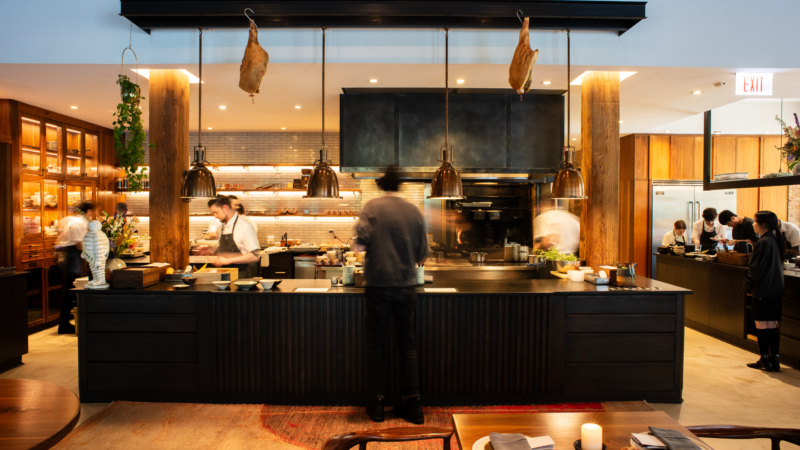
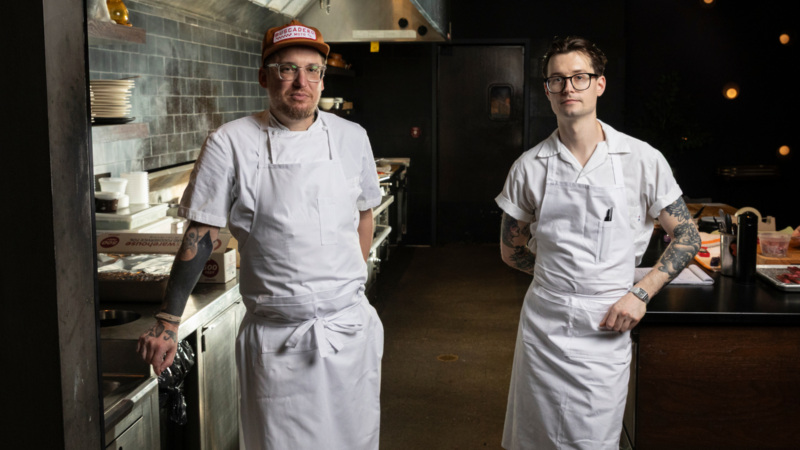
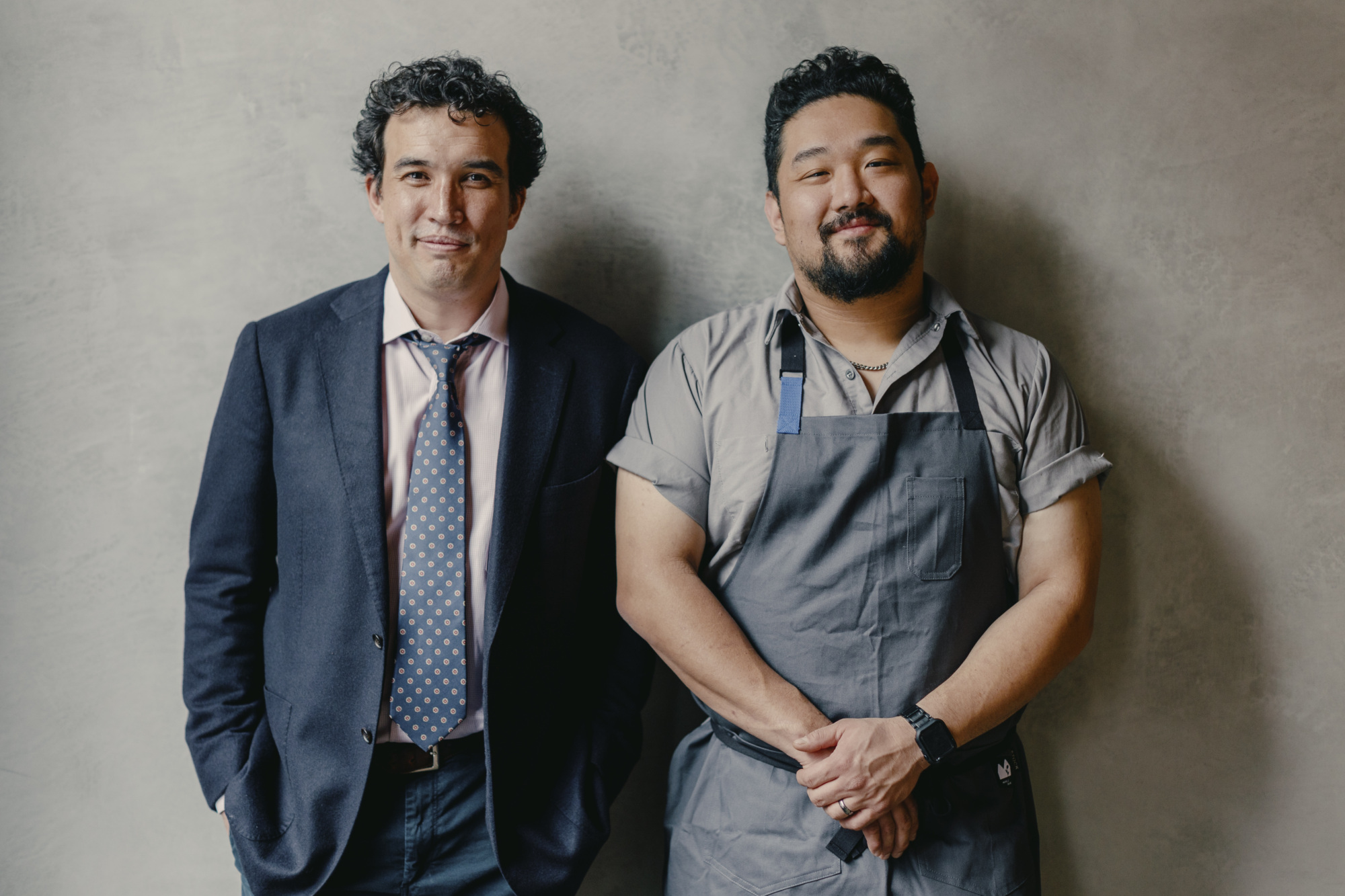
When I interviewed Erling Wu-Bower, the executive chef/partner of Underscore Hospitality, which includes the white-hot Maxwells Trading, I caught him in a rare outfit: a chef’s coat. These days, the former chef of Nico, Publican, Avec, and Pacific Standard Time is usually found on the floor, donning a three-piece suit as he oversees creative development and culinary operations for the restaurant he opened two years ago with partner Josh Tilden, while Chris Jung serves as executive chef.
Wu-Bower misses being on the line, but “I’m so involved in the creative process of the kitchen that I’m satiated,” he says. He still collaborates on dishes with Jung, both of whom are inspired by Mexican, Chinese, Korean, and other flavors they grew up with as children of immigrants. “But it’s not fusion,” Wu-Bower clarifies. “Fusion doesn’t research. Fusion doesn’t appreciate heritage. We come from heritage dishes and then we get to this kind of intense collaboration between cultural ideas on the plate — that’s our goal.”
We talked to Wu-Bower about the surprise hit on the menu, why he’s happy bread is back, lessons from the past, and more.
MORE FROM RESY
What’s the secret to the success of the restaurant?
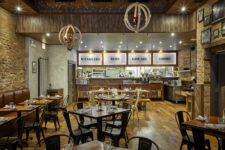
I don’t think there is one. There are three things we can control: ambiance, service, and food. When it’s all said and done, that’s 100% of what a restaurant is. We try to do an exemplary job on those three things night after night. I think that’s the secret sauce. All three receive the attention and coddling they need and we treat every one as if it’s urgently important on a truly minute by minute basis.
How would you define your food?
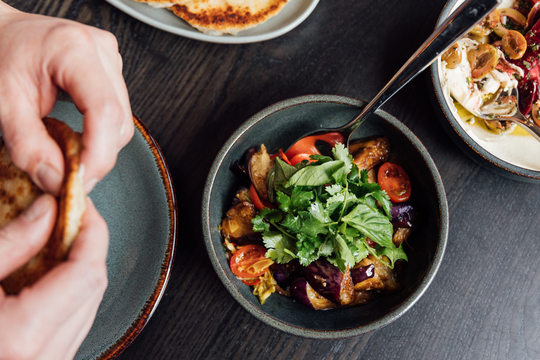
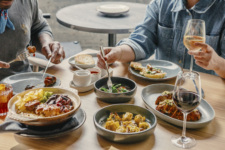
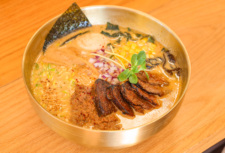
I call it city food by city kids. It’s this wash of growing up in a big city, specifically as a child of an immigrant in a big city where your cultural access point is one of being kind of birthed from immigrant cuisine, whether it be Mexican or Chinese or Korean or Indian. When you are one of these kids, you experience the city in this wonderful light where you have your home base of, in my case, Chinese food, and in Chris’s case, Korean food, but your experience becomes this big city American cuisine, where you have so much to access. The big city [offers] this gumbo of so many different cultures and we wanted to cook the food that we call intimately American cuisine.
I still think about the brûléed Japanese sweet potato I had a year ago. Was that a surprise hit?
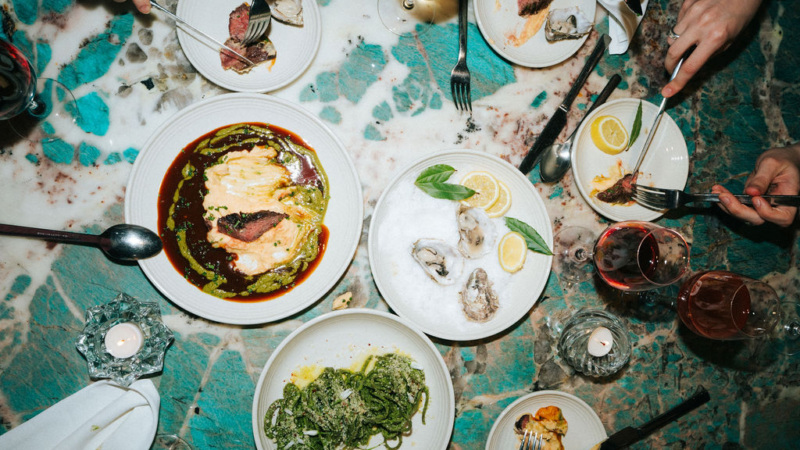
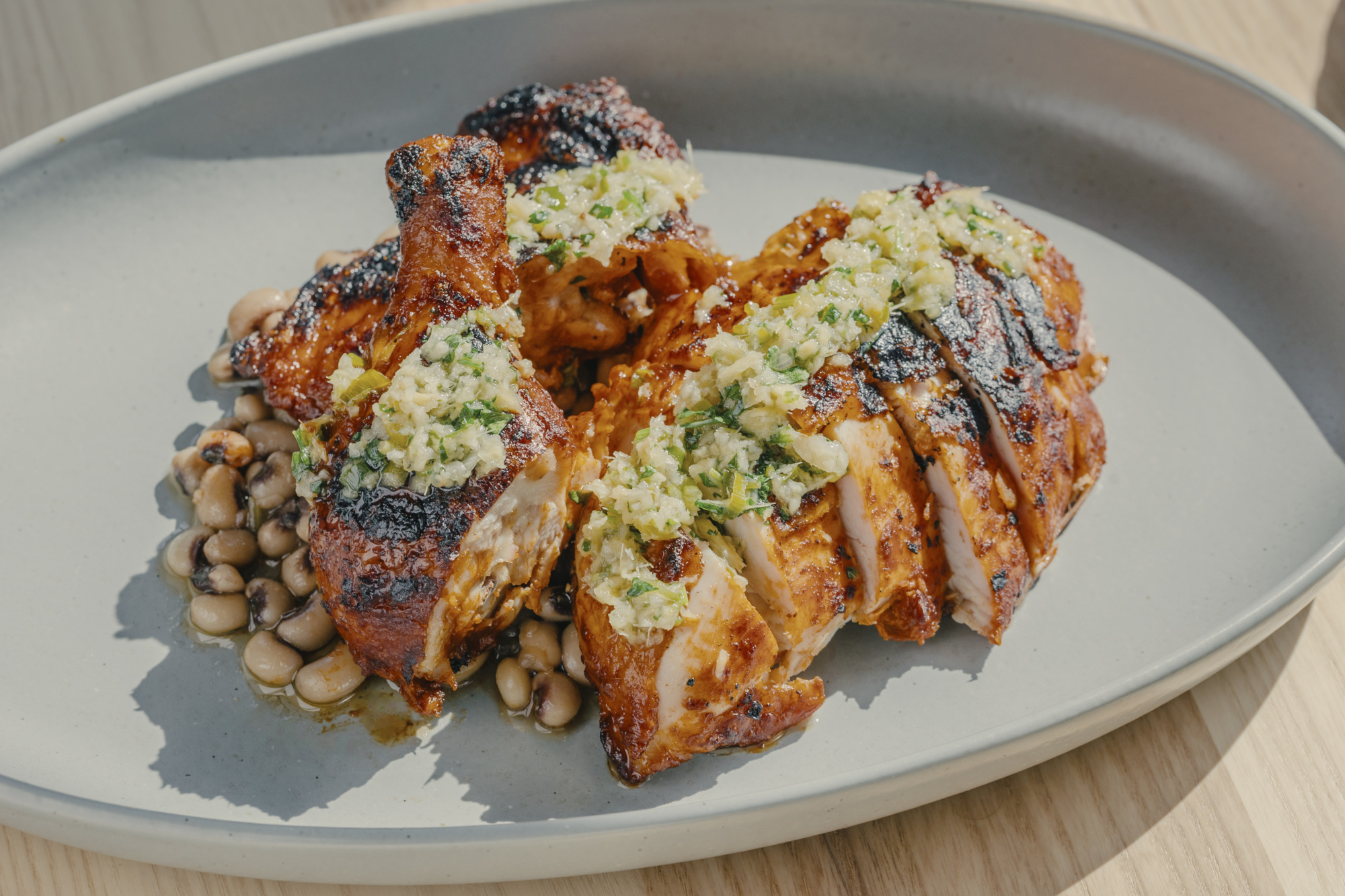
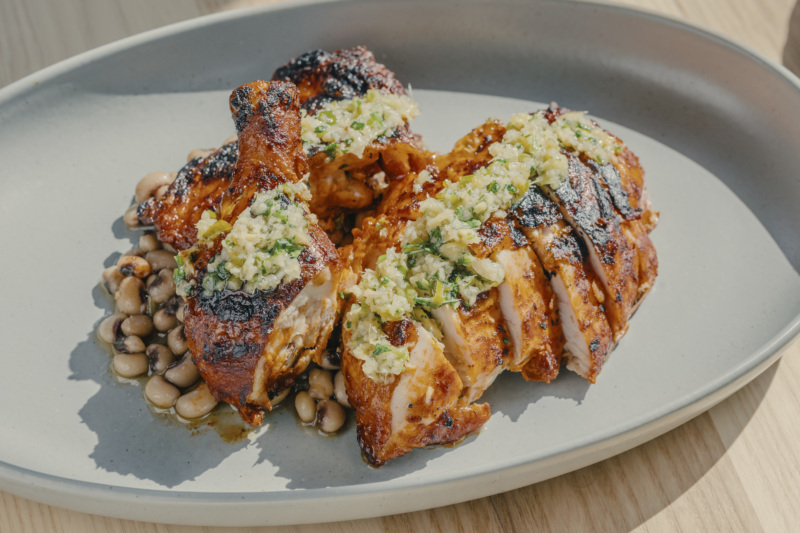
That’s definitely a surprise. It was largely based on the fact that my mom would frequently do a quick little curry at home with canned coconut milk and a sweet potato. We certainly didn’t brûlée it. That’s actually a great example of the dishes we cook. It’s like this expression of childhood and an expression of parenting. Another great example is the half chicken a la brasa. We lovingly call it ‘refrigerator chicken’ because Chris and I always talk about growing up in an Asian household, you’d open the refrigerator and have all these sauces where you could experiment: how does last night’s steak taste with the ginger scallion sauce from Hong Kong barbecue? This dish is all over the place, it’s like a ‘cassoulet’ that uses andouille sausage because that’s from my heritage, and ginger scallion sauce because that might be our favorite sauce of all time, and barbecue chicken. It shouldn’t make sense, but it makes sense to us.
What are some of the most important lessons you’ve learned from the past?
I heard a football player say you don’t get more intelligent, you just get more experienced as you see more and react to it differently. I actually think I’m getting dumber, but I’m getting more experienced as I get dumber and experience plays such a great role specifically in the management of people. I think I’ve become a much better manager just because I’ve had more time to try different things out.
We always say cooking is the easy part and I couldn’t believe that more. The real craft of what a chef does is manage a team. One of the things I’ve learned is to be honest at all levels. I frequently say no cook wants to have a bad night and be told ‘good job.’ It’s actually an insult. On the whole, employees want to be told they might not be doing the job that you expect, rather than being lied to. And it might seem a bit crazy, but it took a while for me to realize that honesty presented in the correct way is always the best thing. That’s something I still work on today.
We always say cooking is the easy part and I couldn’t believe that more. The real craft of what a chef does is manage a team.
Another thing I’ve realized is that the best food is grown and raised by the people you have a relationship with. I always tell the cooks and the chefs that the center of the plate should be based on a relationship. The sweet potato comes from Nichols Farms or the beans under the chicken comes from Tracey Vowell of Three Sisters Garden. And even if that relationship is not with a farmer, but a purveyor who treats his meat or fish in a specific way, there has to be a conversation and human interaction at the center of the plate.
What dining trends are you seeing more or less of?
I’m seeing less of an obsession with vegetables. It was a great trend and I support it, but I don’t think the love of vegetables for vegetable sake is on the menu. A menu now needs to be balanced. I think the idea of everybody being scared of bread is gone and I’m very happy. I think carbohydrates are a trend and that’s great. I love carbs. I always have. For a while, bread was just the devil. I’m like, guys we wouldn’t be here as a civilization; also, it’s delicious.
What does a successful restaurant look like to you?
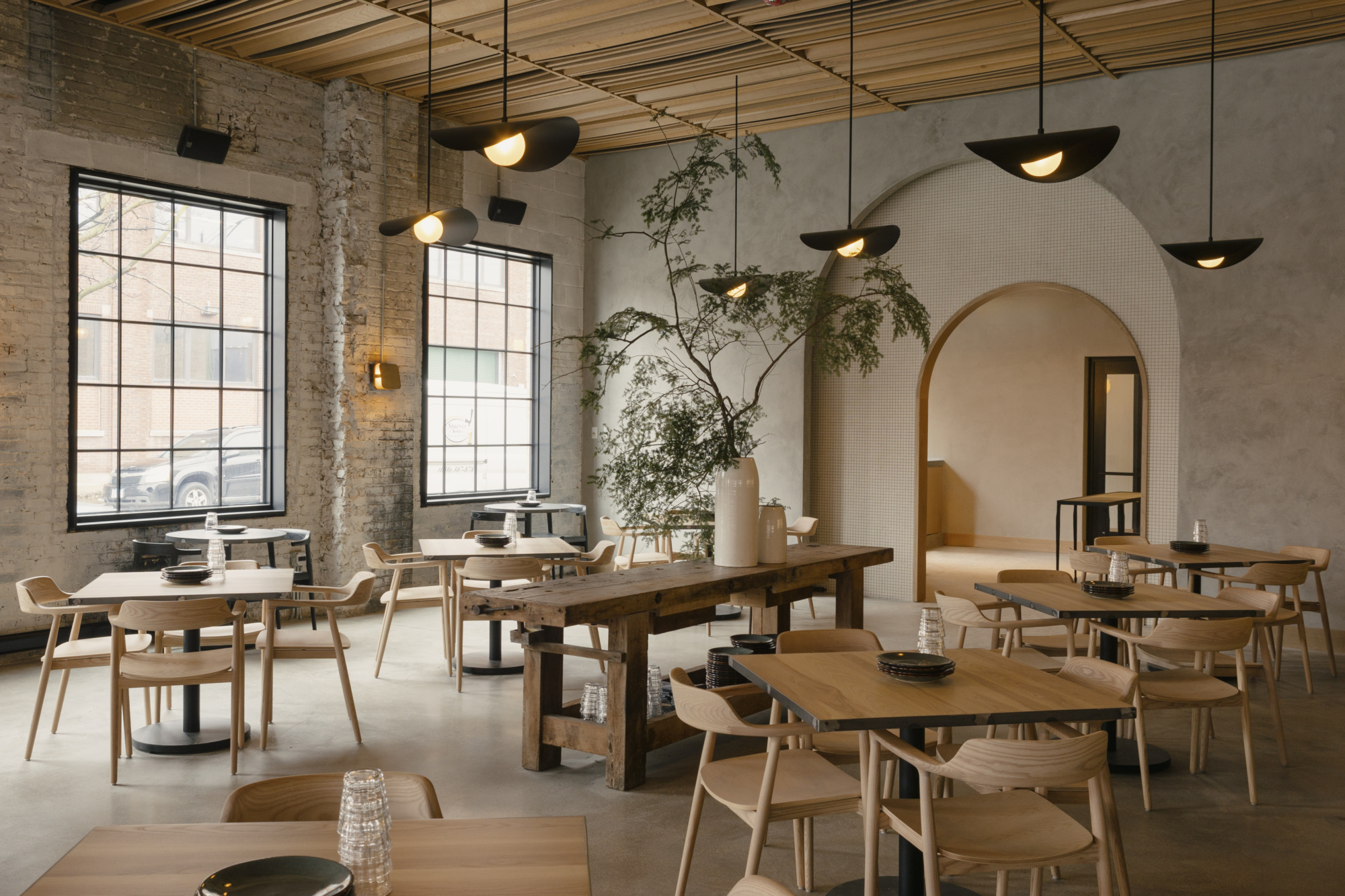
I think it’s those three mediums I mentioned. The food can’t be too good for the room, the room can’t be over-designed for the food. I think a good restaurant excels at doing all three. A successful restaurant also has to make money in order for everybody to get what they need from it. A successful restaurant also needs to be a place where employees feel safe, feel joy, and feel goofy. Safe isn’t just safe, it’s like, I can giggle and laugh and smile. We have to work hard and [as an employee] I know if I do something bad, I’m going to be told about it, but we can all have a good time and work hard and put out a great product. Those types of employees are going to cook the best food and give the best service.
How do you plan to drive revenue in the winter months?
I live under the nightmare that my restaurant’s going to be empty tomorrow. I’m always terrified of this, and every year I roll into February with the same terror I had last year. I think you have to prepare your employees for the fact that it’s going to be a little bit slower. One of the things that happens to restaurant owners in the winter months is that they’re forced to get really skinny on staffing. You have to, you don’t have a choice, but because of it your quality of food and service goes down. It’s an impossible conundrum, but you have to figure it out. That’s more of a sustaining reputation answer. As far as driving revenue goes, I don’t have any secret sauce. I think the best way to drive revenue is to offer an exemplary experience and listen to your customers and your employees, cook great food, offer great service, and be present. Do what you do and make sure nothing slips. I will say I do love Restaurant Week, I think it’s one of the best things the city does.
When you look at restaurants now what gets you most excited?
I think it’s important to continue to support and be excited about the restaurants that have been around for a long time. I get super excited about Lao Peng You, Taqueria Trapasada #2, JJ Thai Street Food. You’ll notice a Chicago Avenue theme here. I think that [that street] is this expression of the immigrant experience. We just had a Chuseok event at Maxwells and the Asian chef community got together and had a round table and I’m really excited to see what that community is going to do over the next couple of years. I think there’s a lot of potential there. And I think there’s potential for every single price point and every single experience from every single culture.
Liz Grossman has been a Chicago-based writer, editor and storyteller for 25 years. She’s the former editor-in-chief of Plate magazine and co-founder of the nonprofit storytelling series, Between Bites. Her writing has appeared in Newsweek, Chicago, Robb Report, Flavor & the Menu, and more. Follow her @elizabites_Chi, and follow @Resy while you’re at it.