A Decade In, Monteverde Has Become a New Chicago Classic
Published:
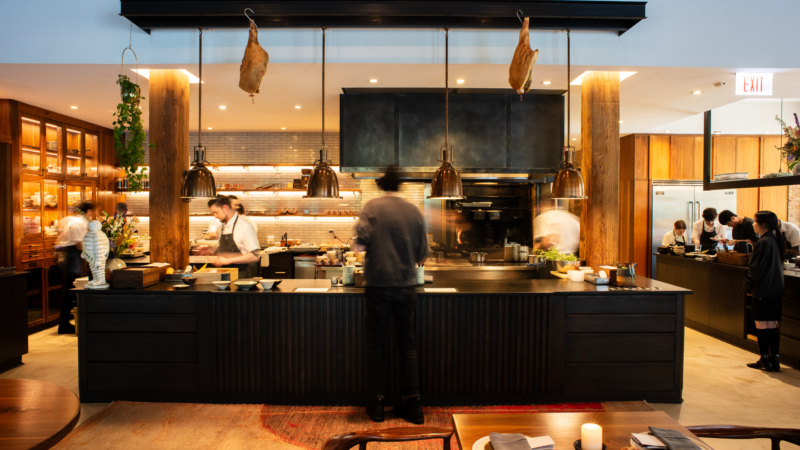
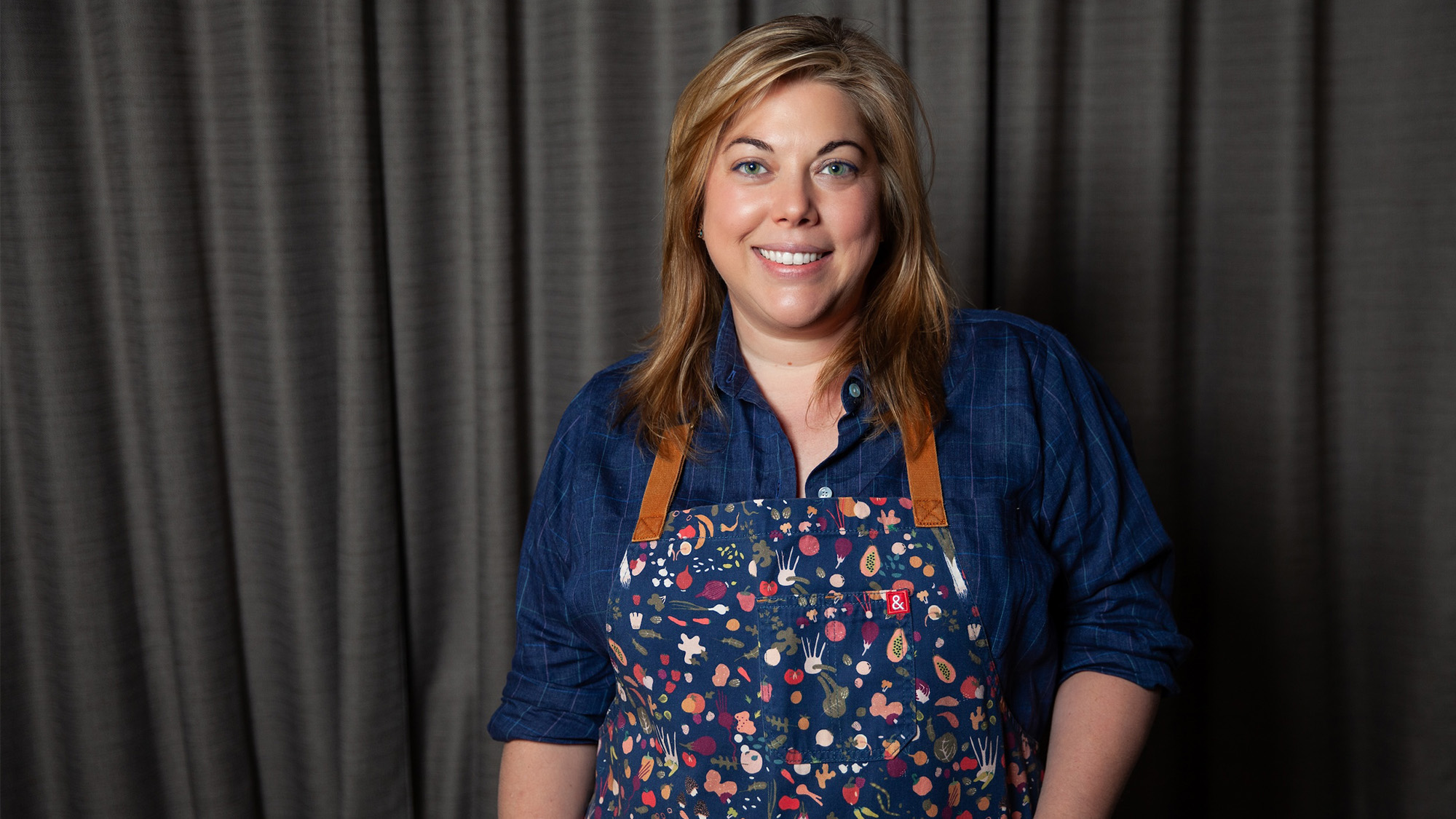
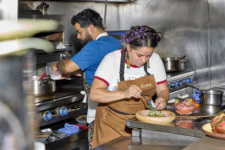
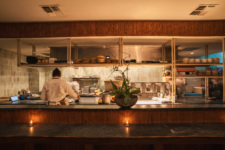
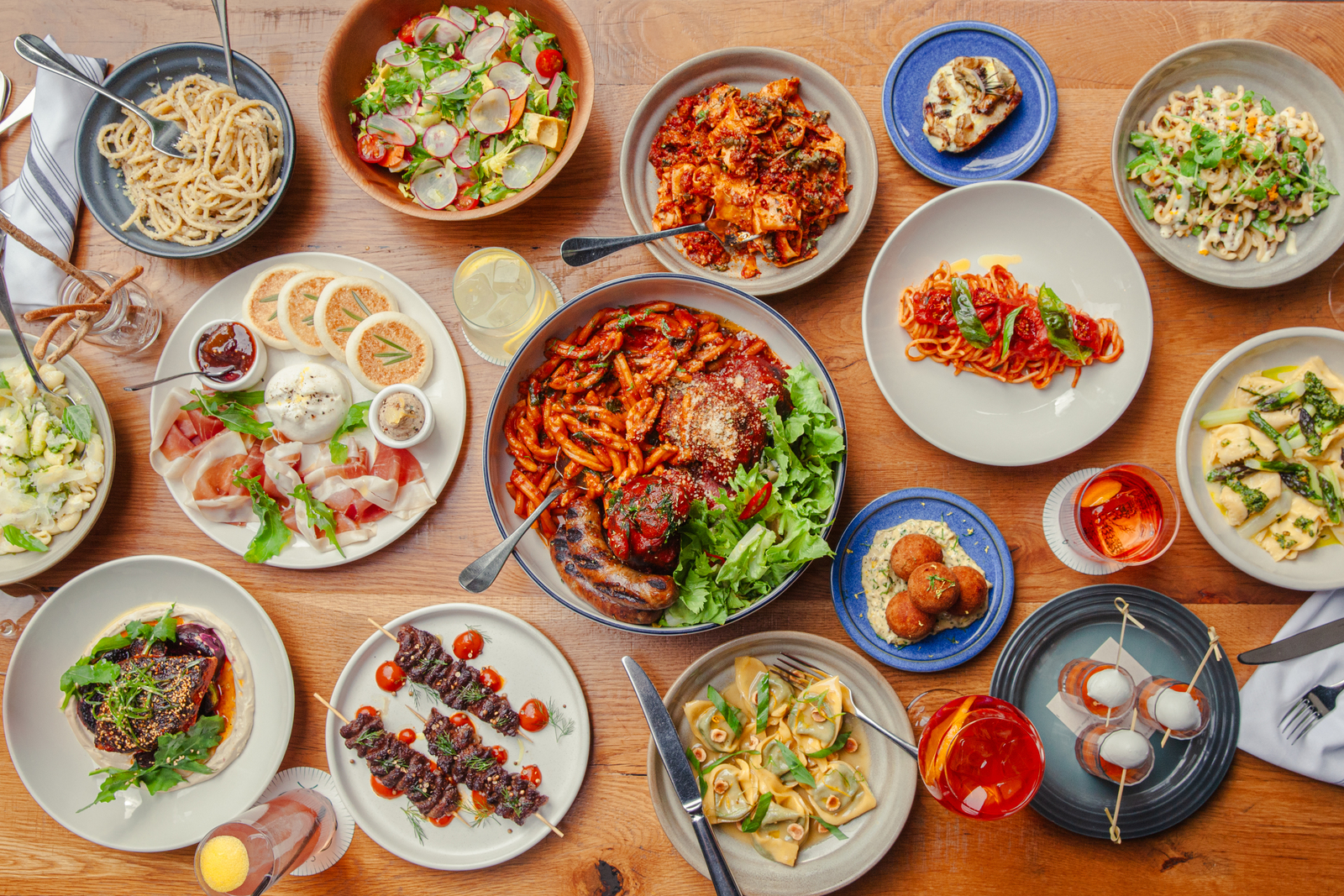
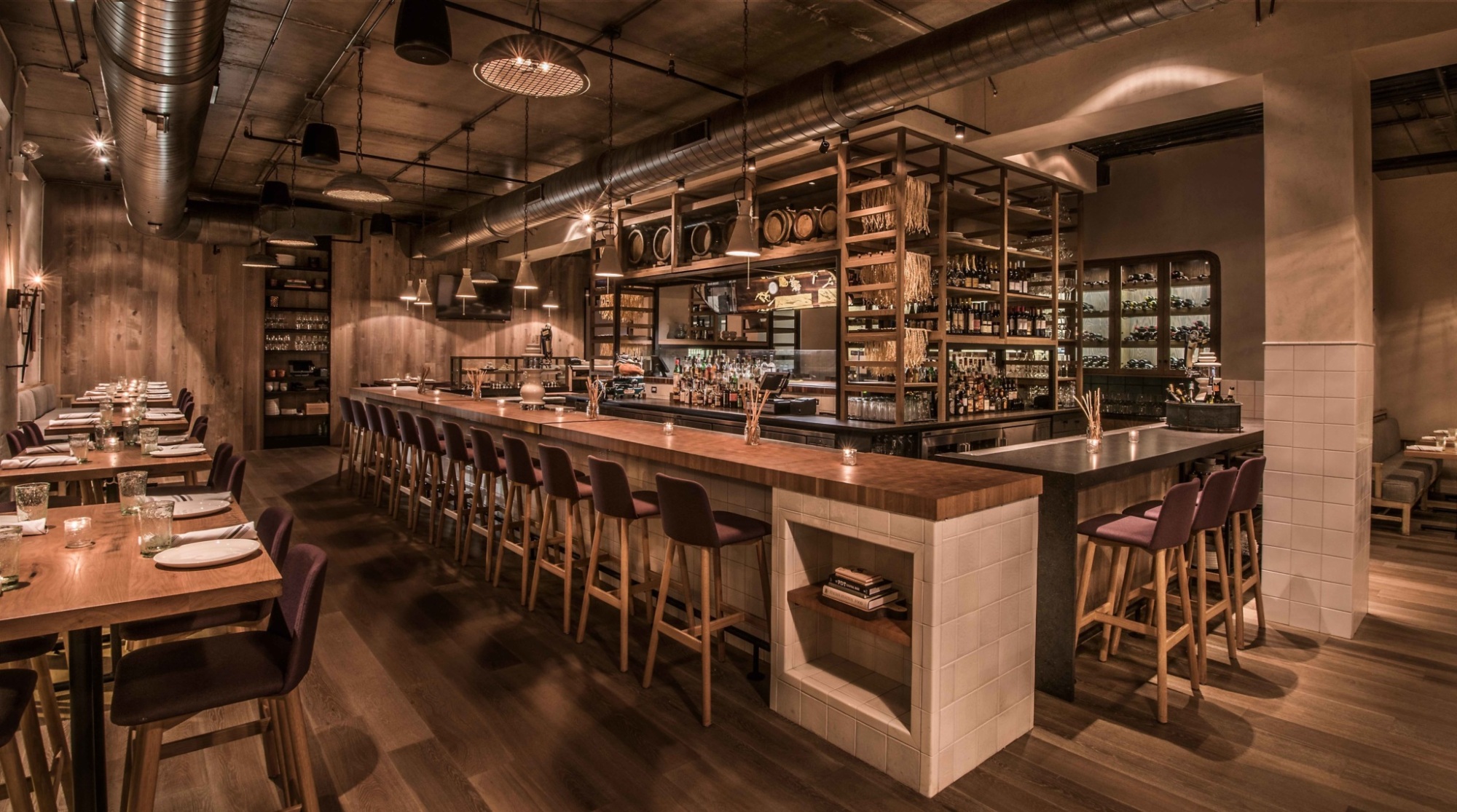
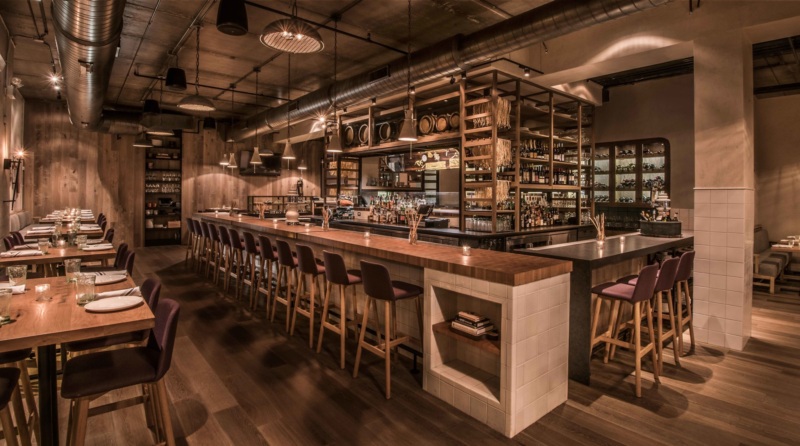
Now 10 years in, Monteverde remains one of Chicago’s most beloved restaurants and one of its most coveted reservations. Why? First and foremost, chef/co-owner Sarah Grueneberg’s food. Namely her pasta, made fresh daily for everyone to see in the pastificio sitting center stage behind the bar. There, a team of skilled pasta makers rolls out dough and creates myriad shapes for a variety of dishes.
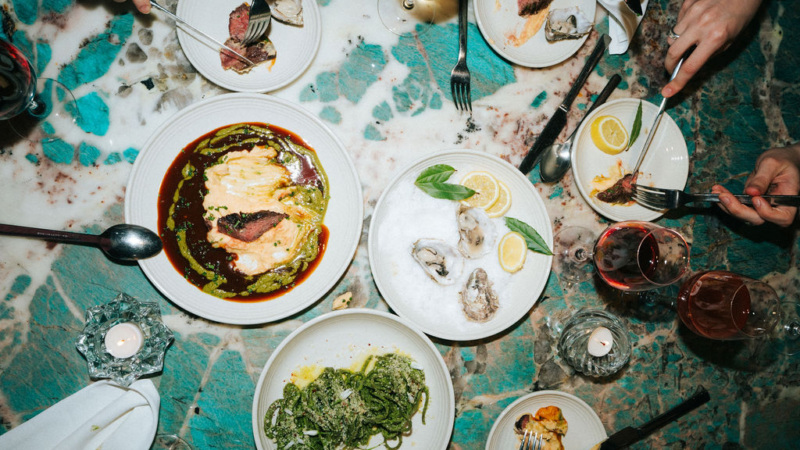
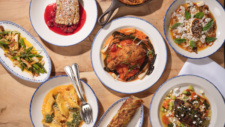
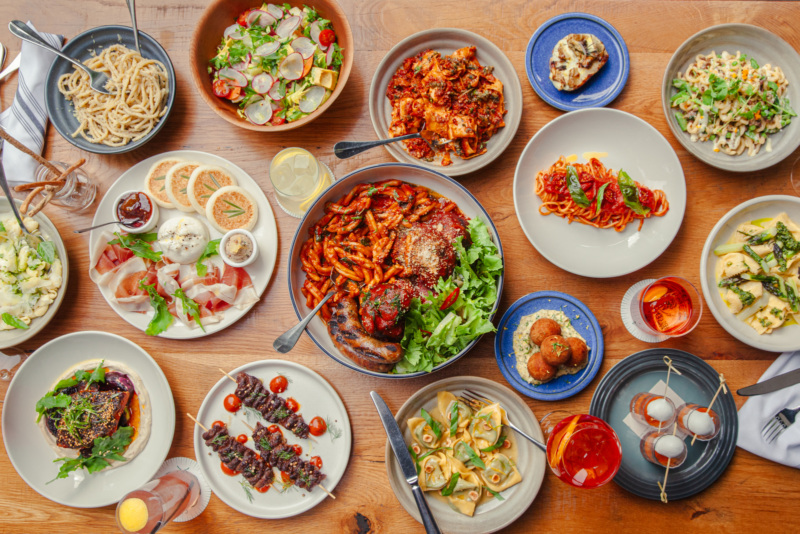
You’ll find the now-legendary cacio whey pepe, a riff on the famous Roman cheese-and-pepper pasta dish made with corkscrew-shaped fusilloni pasta with pecorino and lemon ricotta whey. Other “atipica” pastas bring in Grueneberg’s love of global cooking, so you’ll find a wok-fried tagliolini arrabbiata (the menu has also featured wok-fried mussels in a white wine broth with charred shishito peppers, Thai basil, and sweet corn). You’ll also see seasonal potato-filled zlikrofi (Slovenian dumplings) with roasted pearl onion, browned butter, and freshly shaved black Burgundy truffles, alongside more “tipica” pasta dishes like spaghetti al pomodoro and pesto gnocchetti.
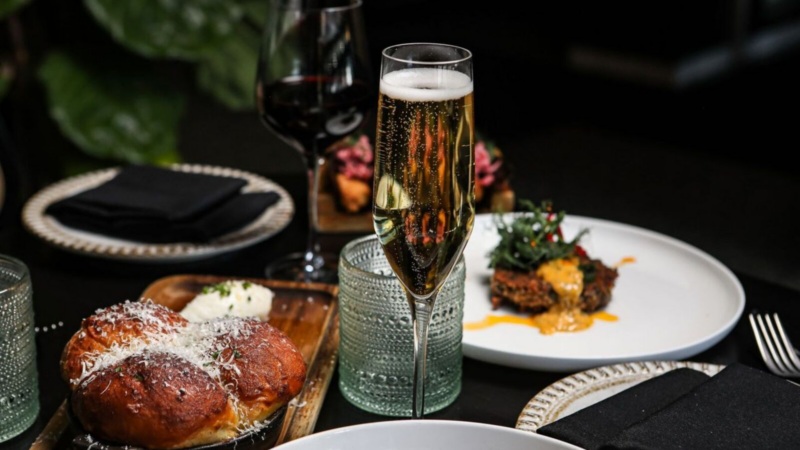
And of course, there’s more. From Grueneberg’s make-your-own burrata and ham mini sandwiches on rosemary tigelle to dishes that reflect her Texas upbringing, like redfish a la plancha with Calabrian chile crunch, it’s not all pasta all the time here.
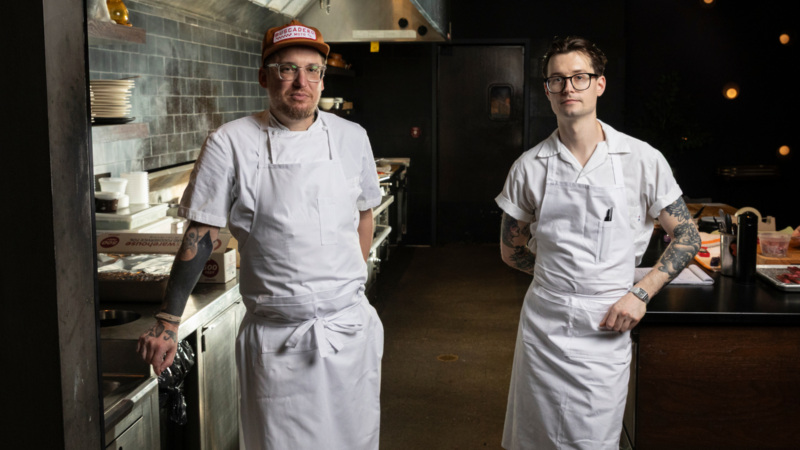
Here, in this edited interview, Grueneberg — who came in second place on Top Chef season nine, won a James Beard Award for Best Chef: Great Lakes, and has seen Monteverde top Chicago Magazine’s 2024 list of the city’s best restaurants — talks about the Chicago dining scene, what gets her excited about restaurants, and celebrating Monteverde’s 10th anniversary with executive chef Bailey Sullivan by her side.
MORE FROM RESY

Chicago’s dining scene has evolved so much in the last few years. What have you seen over time, and what’s your take on the state of the restaurant industry here right now?
Sarah Grueneberg: The community is strong and the chef camaraderie — Covid really strengthened those relationships a lot — opened up to where we’re comfortable to ask advice. Before that, we wanted to keep things close to our chest. There’s a lot of restaurants opening and there’s a really strong independent restaurant community in the city.
You celebrated 10 years last year. Do you find it hard to stay relevant or on diners’ radars as more and more spots open? And if not, what are you doing to stay on top?
Grueneberg: There’s a lot opening, so there is more demand. But I feel like we just try to stay in our lane and Monteverde has become a young Chicago classic. I try to not change it up too much and just stay committed to what got us here — the cuisine, the story behind the dish, the inspirations, a favorite recipe or farmer’s [market] ingredient. It’s making sure you stay committed to your original voice.
We have found ways to spice it up by marketing things. Leading up to our 10th birthday we did a Ten For 10 [series] where we bring back an old dish every month that hasn’t been on the menu for a long time. Diners and staff new and old really enjoyed that. It gave us more confidence that we could do more than we thought and could push the envelope. Coming from Spiaggia, my food was more intricate and layered, and Monteverde has helped me simplify a little. Some of the opening dishes were more labor intensive and are fun to bring back in spurts. We also gave back to a local or national charity that we believed in each month.
What trends are you hoping to see more of in 2026, from operators, diners, or both?
Grueneberg: I just really love chefs who cook and present food in a way that’s personal to them. I also like the restaurants that are having fun, but also putting the effort into the food behind it. Void is a good example here in Chicago. They have their Spaghetti Uh-O’s and they’re having fun with it. There’s a bar in New York called Schmuck that’s one of the most fun experiences I’ve had in a minute. I like places that are bringing whimsy, but presenting things in a classic way.
What trends would you like to see go away?
Grueneberg: I fall victim to it, but the caviar on everything. The whimsiness of that doesn’t have the same effect. Using those things, but being thoughtful about it: Does it add to a dish or just add to the luxury of it? We also got into being a little too safe for a minute, like the big steak and half chicken. I’d like to see us chefs getting back to different cuts and diversity of proteins. I want diners not to forget chicken livers are delicious or that beef cheek is great. We owe it to ourselves as a society to not just eat certain cuts. It’s not sustainable.
What defines a successful restaurant to you?
Grueneberg: The way it makes you feel. It’s not just the food, service, or the space. When you walk in, how do you feel when you step into that environment? What was curated? My favorite restaurants all evoke a feeling over a taste. That’s something that has evolved as I’ve gotten older. The young cook in me would always be about the “best food!” But it’s the whole package. Some of my favorite memories as a kid were going out to eat and experiencing something. We love a place called Star Fish Company near Sarasota (Fla.), which is a true hole in the wall. It’s only open during the day, and you sit on the dock and you feel something there.
Wintertime time tends to be slower in restaurants (except maybe right around the holidays). What are some ways you’ve combatted that?
Grueneberg: What really gets us out of the January slump is Restaurant Week. That’s great in Chicago. It really does get people going out in a month when they’re changing their commitment to how they’re eating. It’s a good jump start. I try to focus on comforting dishes that will warm your soul given our weather. Tortellini en brodo is always good on the menu. Business-wise, we’ll try to focus more on our take-out business to help balance.
When you look at restaurants right now, whether as a diner or operator, what gets you excited?
Grueneberg: The vibe is one of those things. We were at Mi Tocaya the other night and what I love about that restaurant is its authenticity — from the storytelling to the commitment to the details of the food. [Chef Diana Davila] was serving varieties of beans that are from the original native Mexicans who were cultivating them going back to Mayan times. She knows those stories and that really excites me, when I can taste something that goes beyond the flavor. We went to Noriko [Handroll Bar] and they evoke a feeling. It just ties back to a sensation and vibe and remembering the way you felt when you walked in and when you left.
Ari Bendersky, a lifestyle journalist specializing in food, wine, spirits, and travel, is the author of Something Glorious with Ari Bendersky on Substack and the host of the docu-series Family Meal. Follow him on Instagram. Follow Resy, too.