How Chicago’s Italian American Restaurants are Evolving (Without Losing Their Soul)
Published:
Chicago has never needed a “revival” to love red sauce.
In a city built on neighborhood loyalty, winter grit, and group texts that end in Where are we meeting?, Italian American restaurants have long functioned as something more than dining rooms. They’re emotional infrastructure: the places you go to gather, celebrate, and feel truly taken care of.
What’s happening now is less a comeback than a recalibration. A new generation of chefs and operators — at places like Dimmi Dimmi, DeNucci’s, and Void — are reinterpreting red-sauce dining somewhere between nostalgia and reinvention. Meanwhile, legacy institutions like The Village (part of Italian Village Restaurants) remain cultural anchors, holding space for tradition while adapting to an ever-evolving dining landscape.
What’s striking isn’t just that these restaurants are busy. It’s what they’re busy doing: feeding groups, encouraging lingering, and offering generosity in a dining culture that, for a while, skewed precious, hushed, and high-stakes. In 2026, red sauce in Chicago feels less like nostalgia and more like a long-awaited exhale.
MORE FROM RESY
The New Abundance
The new red sauce isn’t about recreating the past. It’s about honoring the emotional memory while adjusting the physical experience. Think less bloat, more brightness.
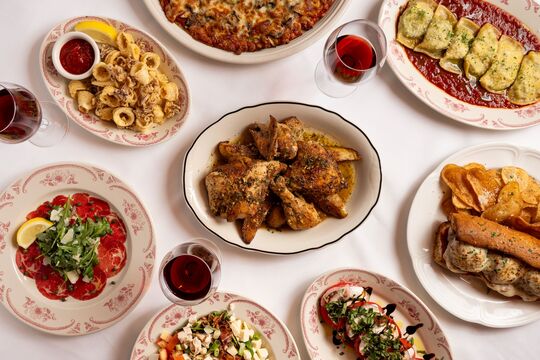
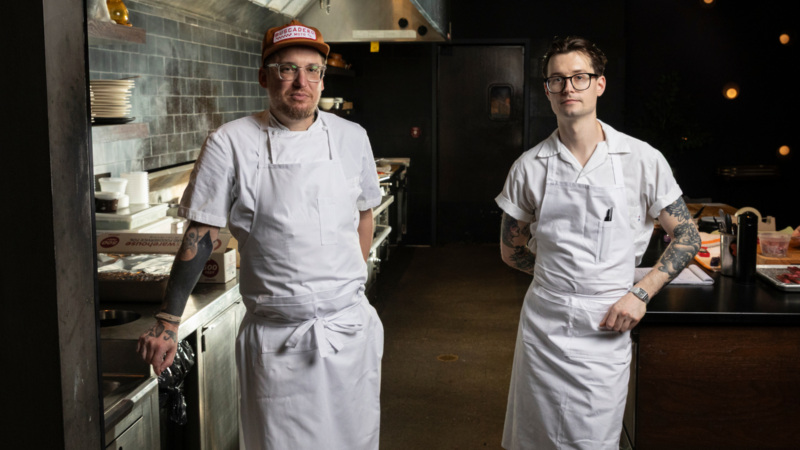
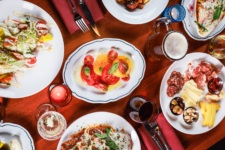
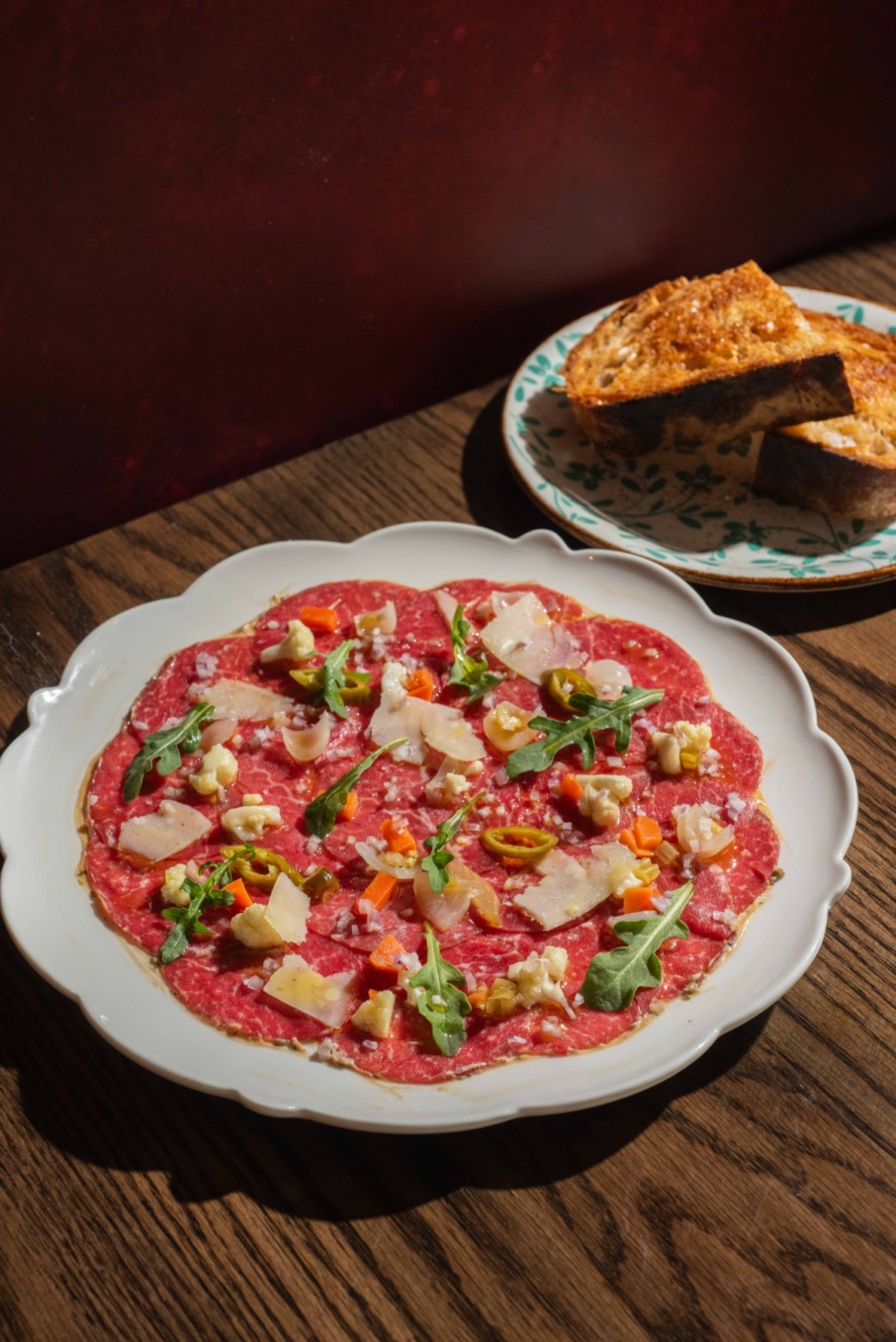
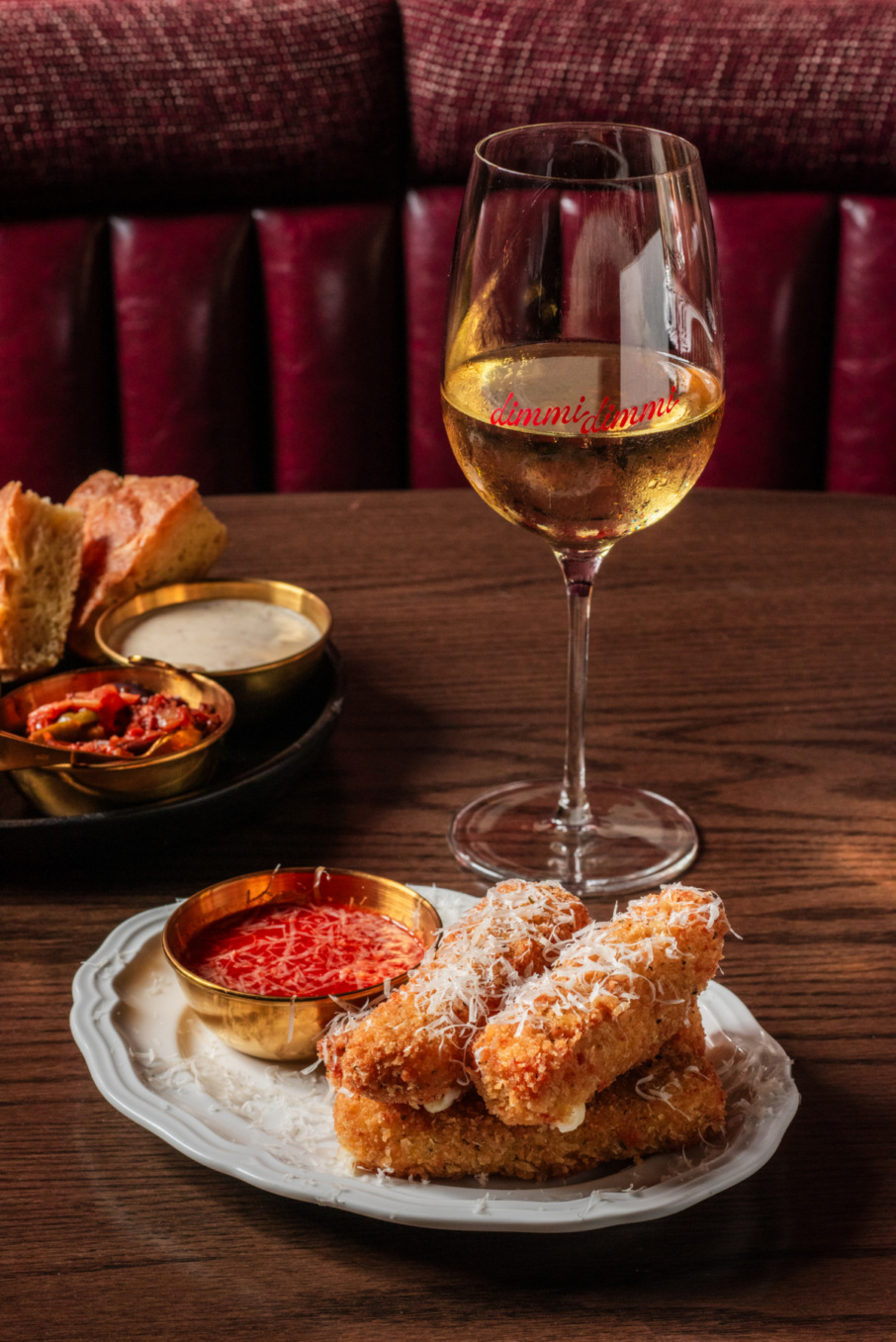
At Dimmi Dimmi, executive chef Matt Eckfeld talks about comfort as a starting point—but not the destination. “I think everybody wants to feel good,” he says. “And sometimes we need a chance to enjoy ourselves and not feel so wrapped up in everything all the time.” Eckfeld, who spent over a decade with Major Food Group (including at Carbone), describes red-sauce dining in a word that keeps resurfacing: abundance. “One thing we always come back to is abbondanza — that Italian idea of abundance. Big portions. Big everything,” he says.
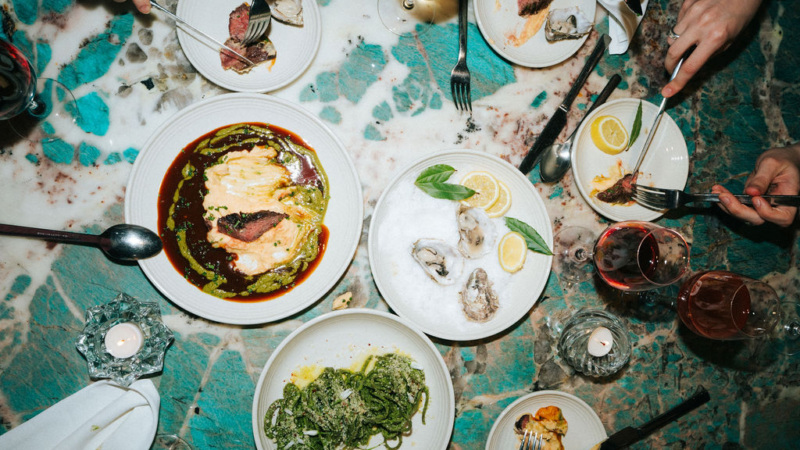
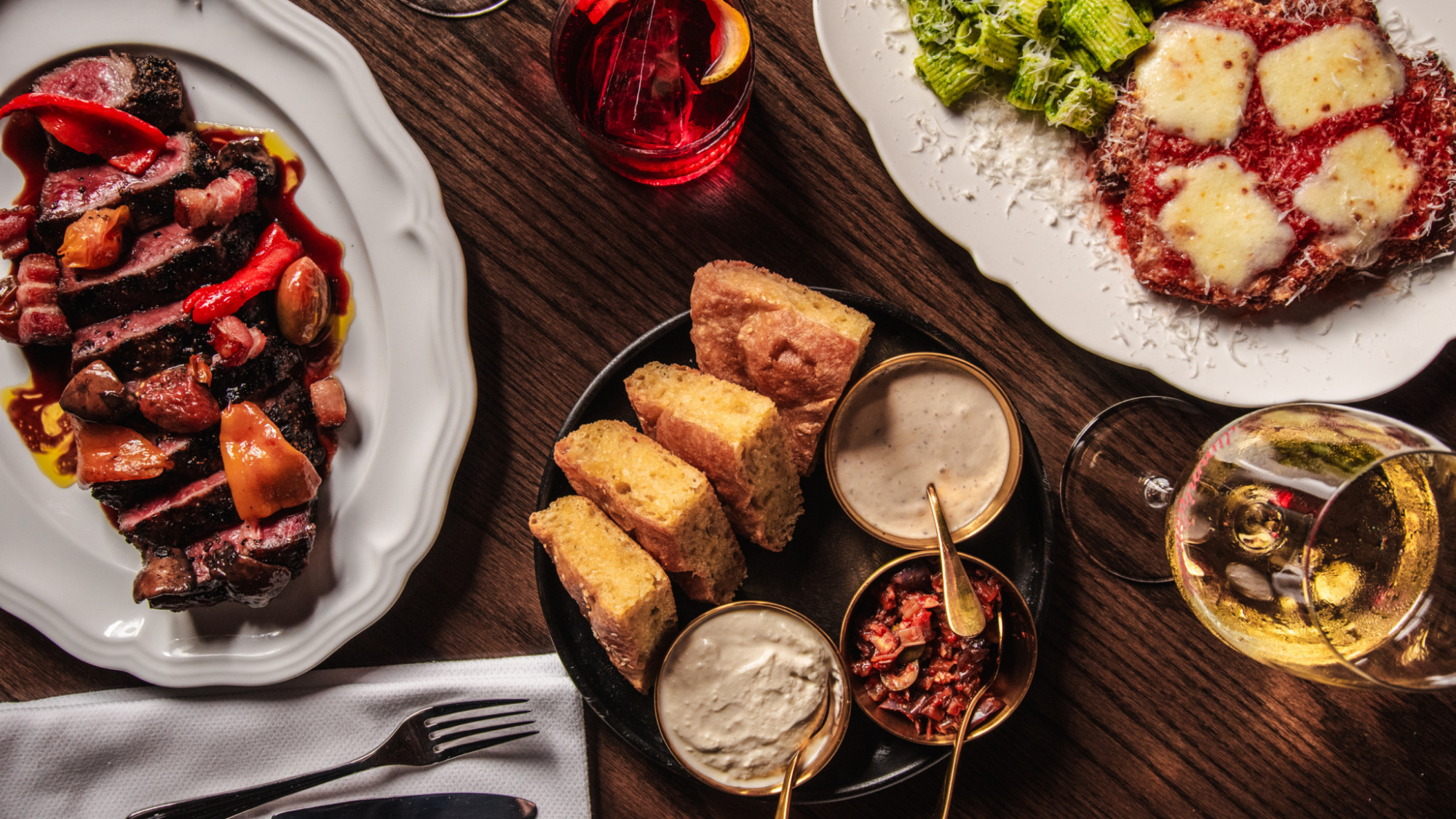
At Dimmi Dimmi, that abundance is intentional, but it’s lighter on its feet. The restaurant is small, buzzy, and packed, the energy “pretty instant.” The food leans classic — eggplant parm, hand-pulled mozzarella sticks, housemade pasta — but with finesse and global references. A hamachi crudo diavolo arrives bright and punchy, with a chile crisp adapted to fit the restaurant’s Italian American lens: “We put Italian chiles in there, we put tomato paste. We’re trying to make it our own,” Eckford says.
The goal isn’t heaviness; it’s return. “I don’t want you to feel like you’re gonna have to take a nap when you leave here,” Eckfeld says. “I want you to feel great coming out of it — like you can keep going. And the next time you come back, you want to try something different.”
The Neighborhood Comes First
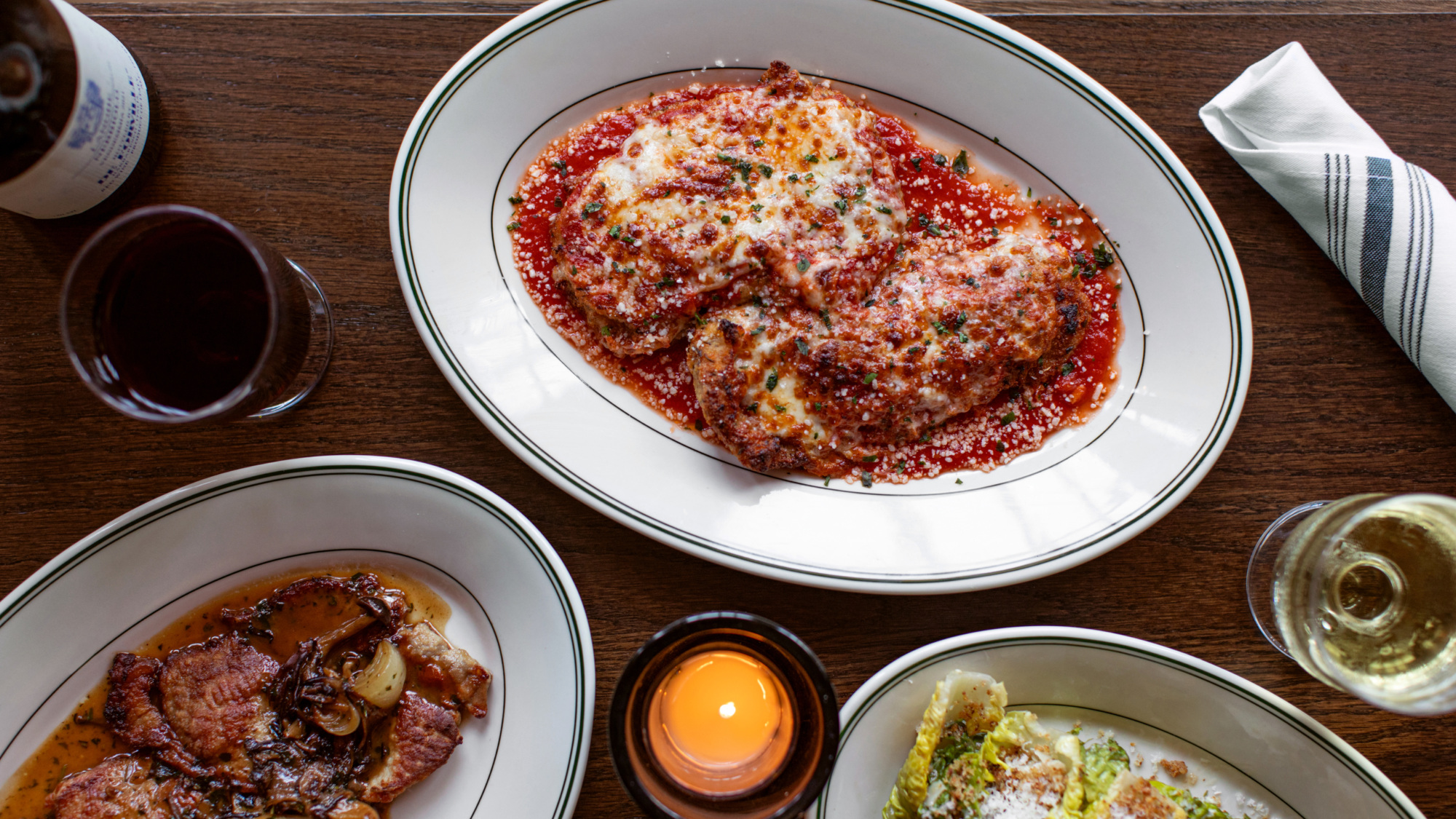
At DeNucci’s, that sense of generosity is anchored in something older — and arguably more Chicago — than any single dish: neighborhood loyalty. “I think Chicago has a great Italian American culture,” says Jonathan Farrer, partner and president of Ballyhoo Hospitality. “There’s been a lot of great Italian American restaurants here for a long time.” For Farrer, the appeal of red sauce is both emotional and practical. “It’s that comfort food that we all crave. It’s a cold city, so those dishes go a long way.”
But DeNucci’s isn’t trying to reinvent the canon. If anything, its appeal lies in restraint. “We certainly have some small twists here and there, but nothing crazy,” Farrer says. “We stayed tried and true and focused on giving people great hospitality, solid food, and a reasonable amount [of it].”
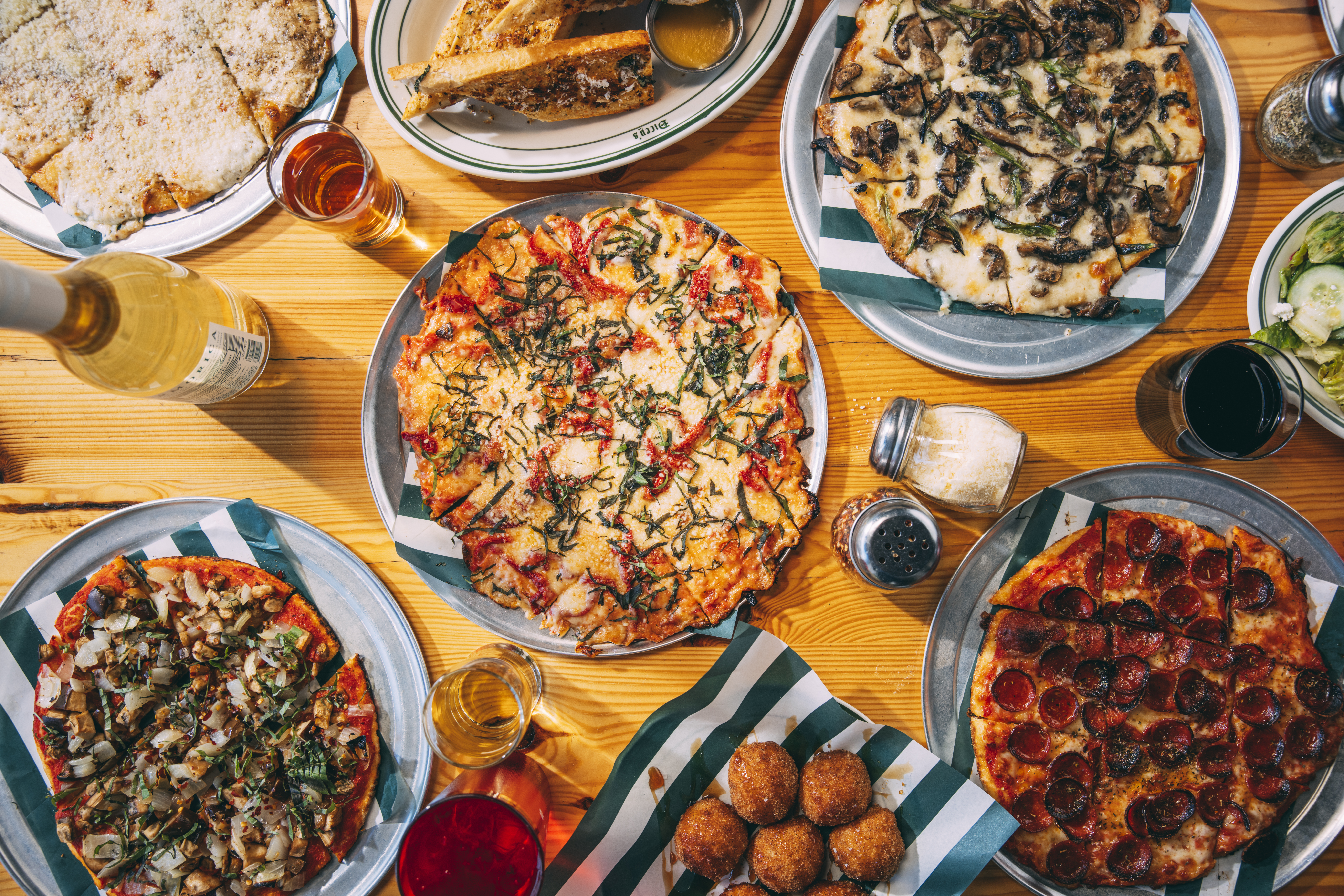
In a dining world that often tilts toward exclusivity, DeNucci’s was built around accessibility. “It’s a feel-good concept from a culinary standpoint,” Farrer says. “We were definitely chasing that Cheers model.” That plays out in the rhythm of the room: servers who remember your drink order, an accessible menu with dishes like spaghetti limone and scallopini, and a steady cadence of weekly specials that turn visiting into a habit, not a special occasion.
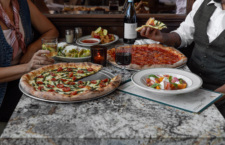
That’s all very intentional. “What more is there to love,” Farrer asks, “than a Friday night with friends, drinking great Italian table wine, eating a chicken parm and a pizza?”
Tradition Without Fossilization
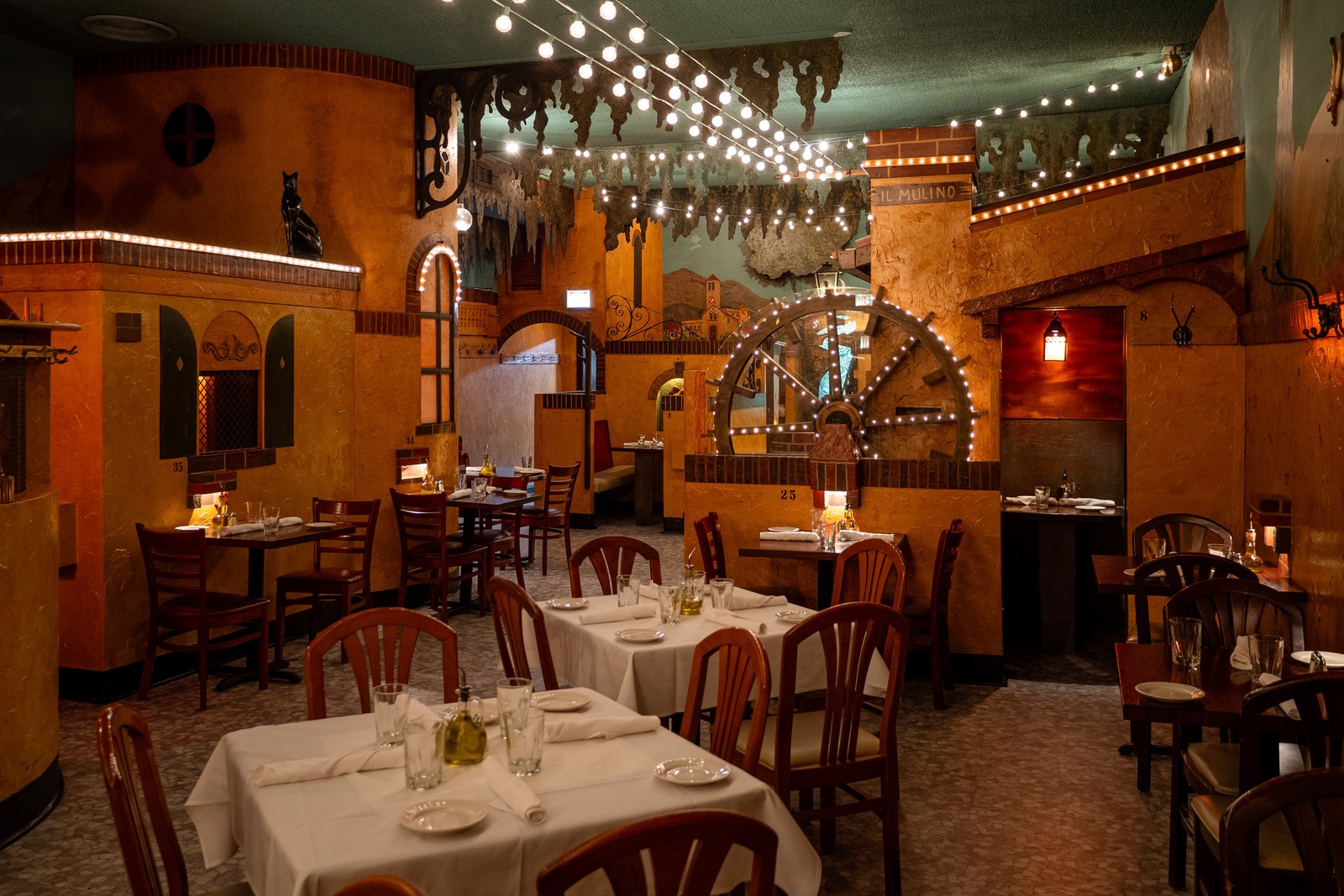
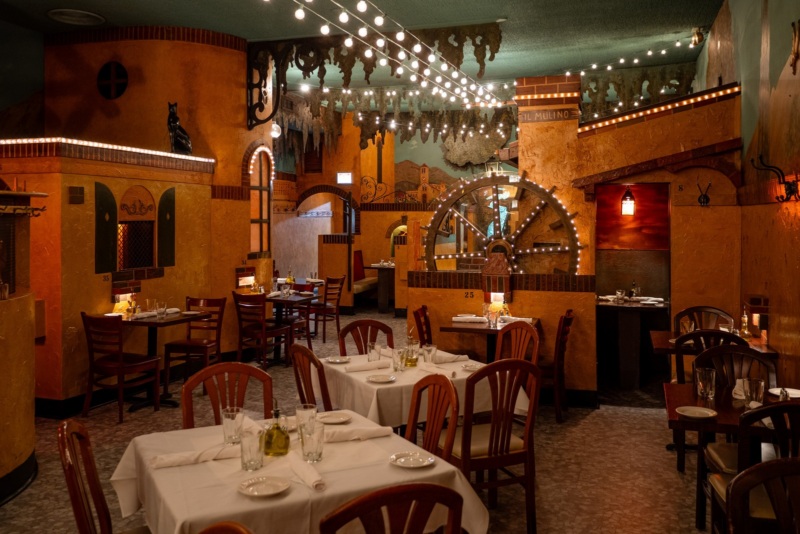
No conversation about Chicago red sauce is complete without Italian Village, opened in 1927 by the Capitanini family’s great-grandfather. Today, fourth-generation owners Giovanna and Jonathan Capitanini are stewarding that legacy while quietly modernizing it.
“The profile of a basic pasta and tomato sauce for our grandfather’s generation is very different from what we would make now,” Jonathan says. Where older generations didn’t think twice about using pasta from a box, modern food lovers have different expectations. In other words: the soul stays. But they’re clear-eyed about evolution.
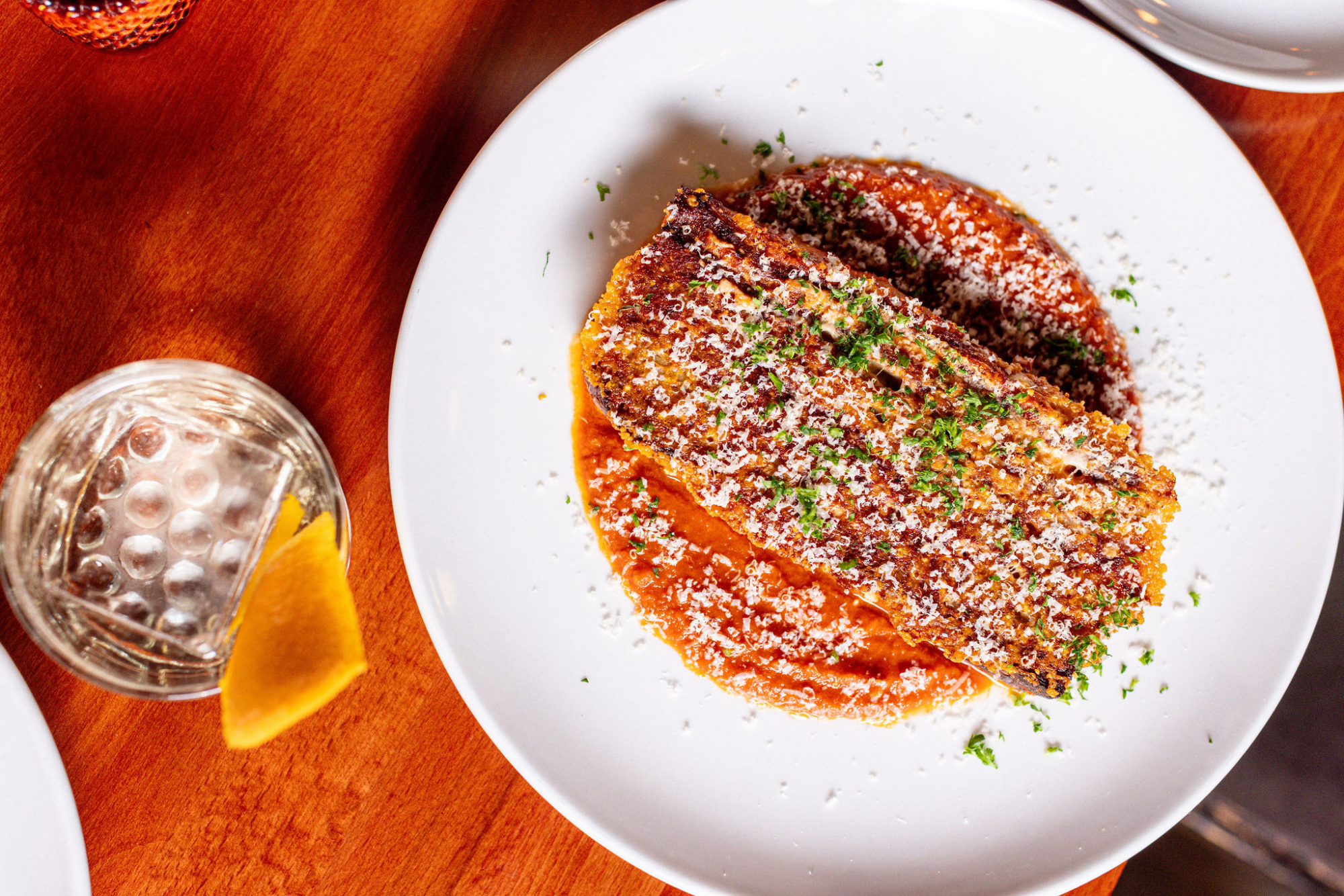
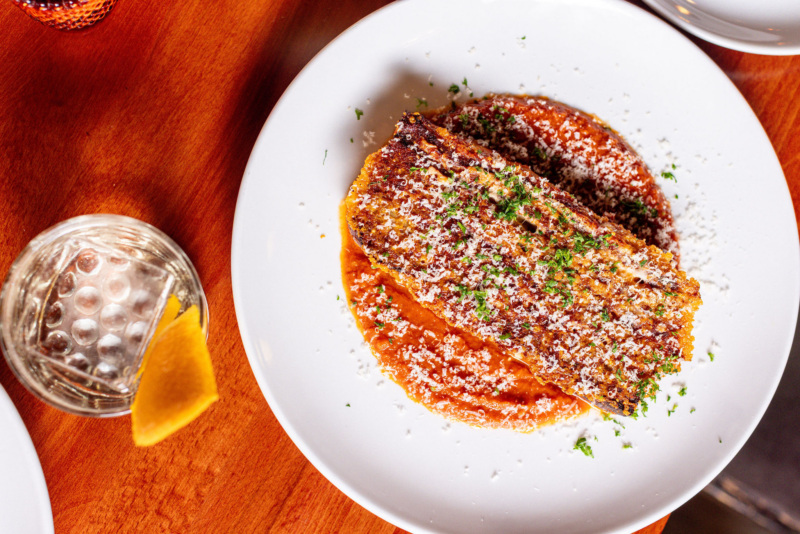
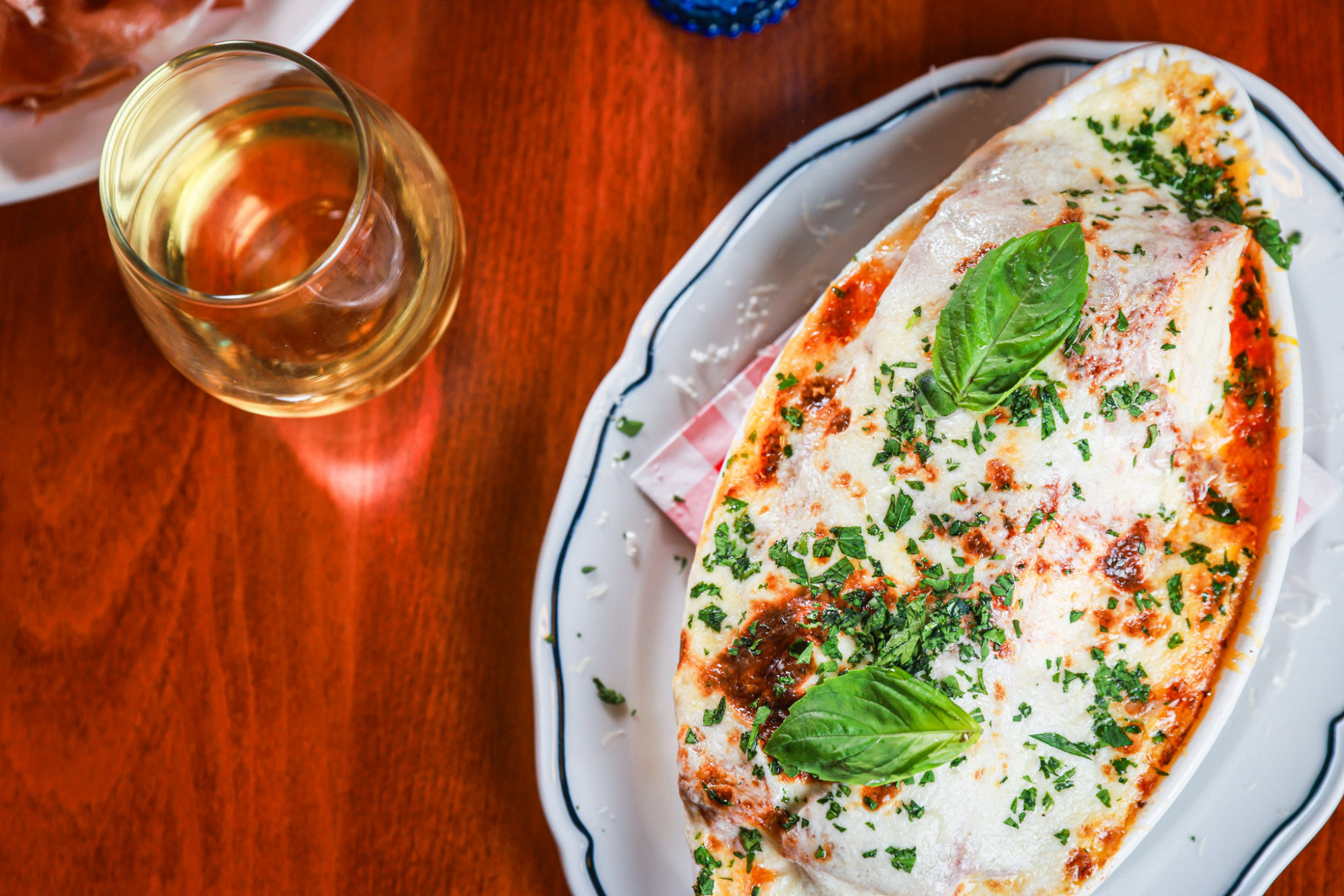
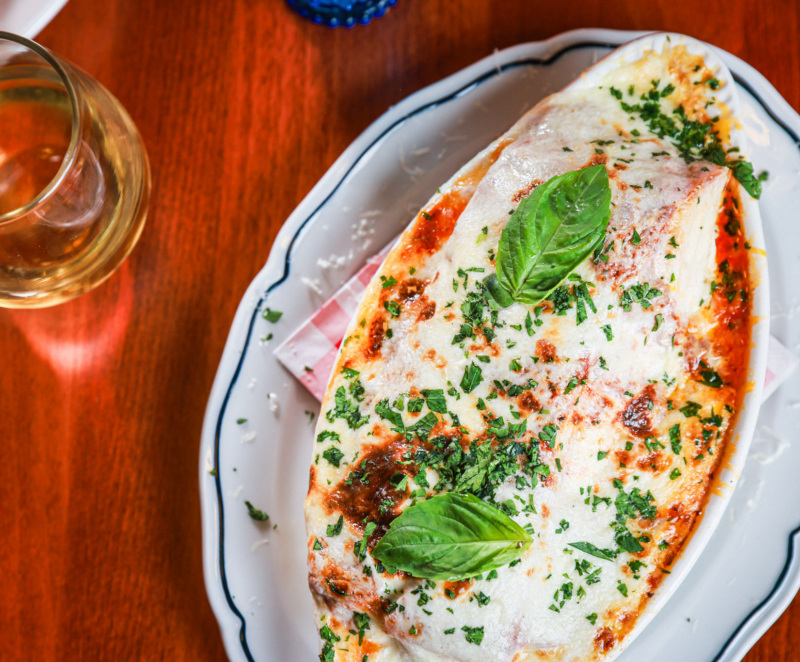
Italian American cuisine has never been static; it has always adapted to where it landed. The red-sauce canon — chicken parm, lasagna, rigatoni — isn’t disappearing. It’s stretching. Jonathan describes a recent special: “You can kind of call it chicken parm, but it had a little Korean influence in the marinara. There was gochujang in the sauce.” Giovanna laughs: “Someone might be rolling over.”
The harder balancing act may be operational, not culinary. Italian Village once ran on handwritten reservations and friction-as-charm — long waits, loose timing, and the sense that the night would unfold on the restaurant’s terms. Now, guests expect a different kind of consistency, and the restaurant has evolved to meet that.
The challenge isn’t just preserving tradition, it’s carrying forward the relationships that define it. “We have a lot of employees that have been with us for 25, 40, even 50 years,” Giovanna says. “They’ve known us since we were children.” That continuity, she adds, is part of what makes the restaurant feel like it’s woven into diner’s lives.
Some traditions have scaled back — elaborate tableside theatrics, operatic spontaneity before a show on a Saturday night — not because they aren’t valued, but because “with labor costs increasing, it’s really hard to do those special moments unless you’re charging a higher price,” says Jonathan. “How does the next generation of red-sauce restaurants preserve that spirit while balancing the expense?” asks Jonathan. “That’s something we’re still discovering.”
Whimsy, But Make It Serious
If Italian Village embodies tradition and DeNucci’s channels neighborhood charm, Void brings a wink. Chef and co-owner Tyler Hudec describes it as “a playful take on Italian — like a red sauce joint, but with more whimsy.”
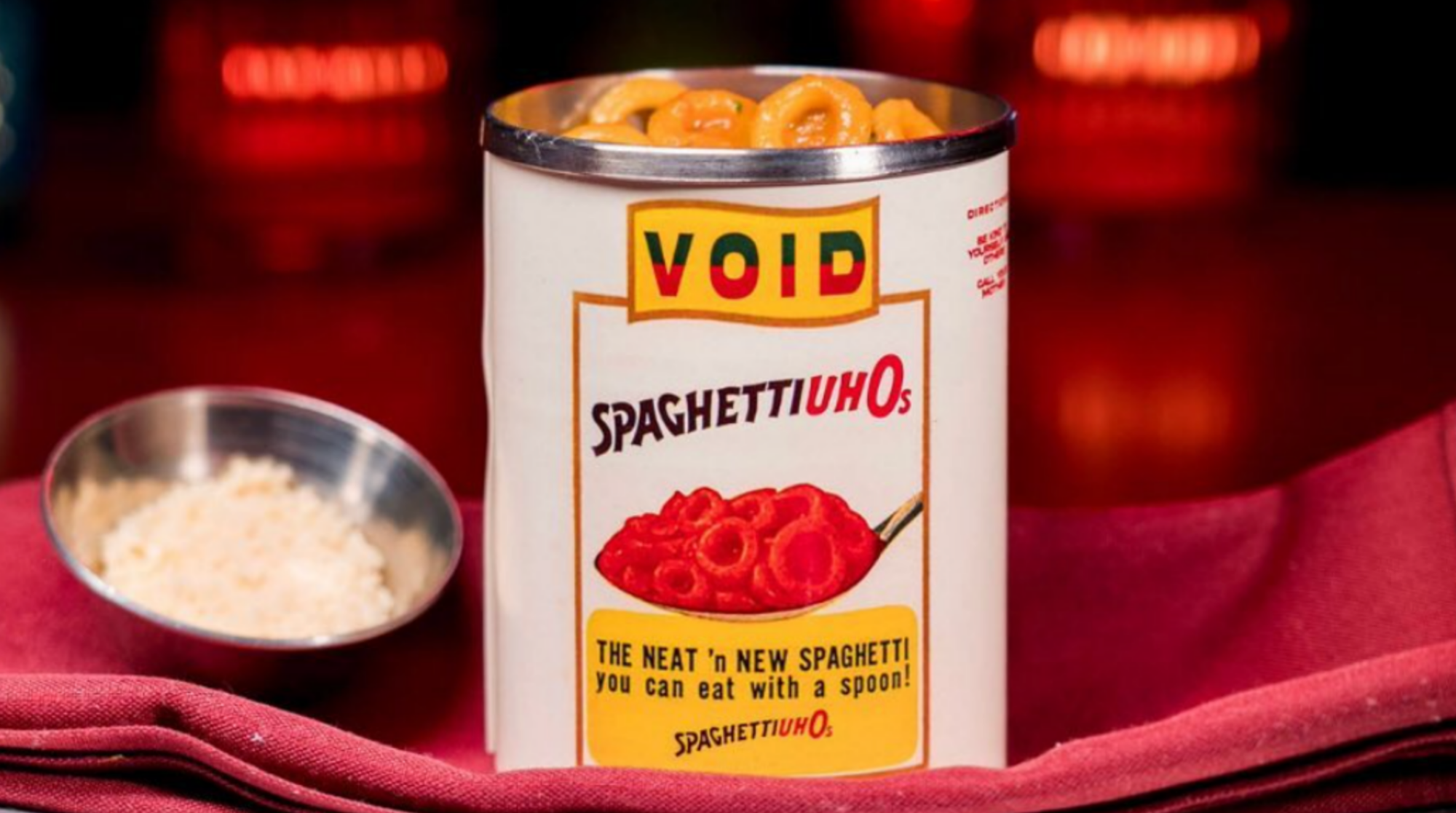
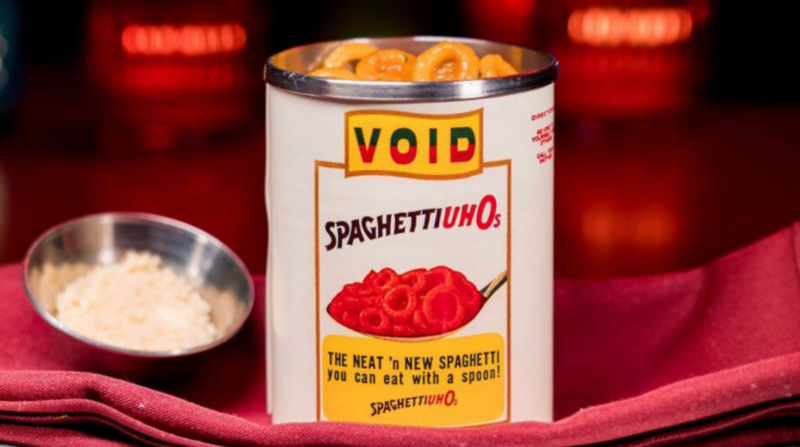
The signature dish says it all: Spaghetti Uh O’s. It arrives in a custom can designed by Kaplan’s sister and is poured tableside with theatrical flair—part joke, part ritual. Inside, anelli—the O-shaped Sicilian pasta—swims in a tangy tomato vodka sauce that’s rich without being cloying. The mini meatballs (made with ground chuck, pork shoulder, and pancetta) are handmade by the thousands each week.
It’s a dish that understands something essential about Chicago dining right now: we want to laugh, yes. But we also want to be fed. “We don’t have 100 years of history to be loyal to,” Hudec says. “This is Chicago Italian, our way.” The menu wanders gleefully: kimchi agnolotti, Korean fried chicken Vesuvio. It’s a style that feels distinctly of this moment. If Italian Village is about stewardship, Void is treating Italian American like a living thing, one that absorbs, adapts, and reflects the people making it.
The Emotional Infrastructure
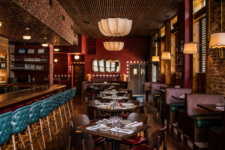
Across these conversations, a pattern emerges. Chicago diners are choosing warmth over exclusivity. Food that tastes like something. Rooms that hum, servers who remember their drink, and pastas that can be split three ways without side-eye.
Eckfeld puts it simply: “I think people are going back to honest cooking.” And maybe that’s the point. In a dining climate that can feel fragmented and rushed, these restaurants offer something steadier: warmth, rhythm, and a palpable sense of generosity.
Turns out, this moment isn’t a revival. It’s an affirmation. In a city where winter still means bundling up and going out anyway, where birthdays are loud and tables are pushed together, red sauce remains what it has always been: the food we reach for when what we really want is to feel taken care of.
In 2026, Chicago’s Italian American restaurants aren’t trying to be precious. They’re trying to be present. And right now, that feels radical enough.
Hannah Howard is the author of the memoirs Feast: True Love in and out of the Kitchen and Plenty: A Memoir of Food and Family. She writes for Food & Wine, Travel + Leisure, and Bon Appetit. She’s just moved from New York City to Chicago, where she lives with her family. Follow her on Instagram. Follow Resy, too.