Inside the Rise of Chicago’s All-Day Cafes
Published:
Be it a product of restaurants needing to diversify their revenue streams, the collective desire for third spaces and more economical menu options, or the shift to remote work, all-day cafes are on the rise. The concept isn’t new, but everything from European cafe culture to a desire to build community have inspired all-day spots emerging from Wicker Park to Wilmette.
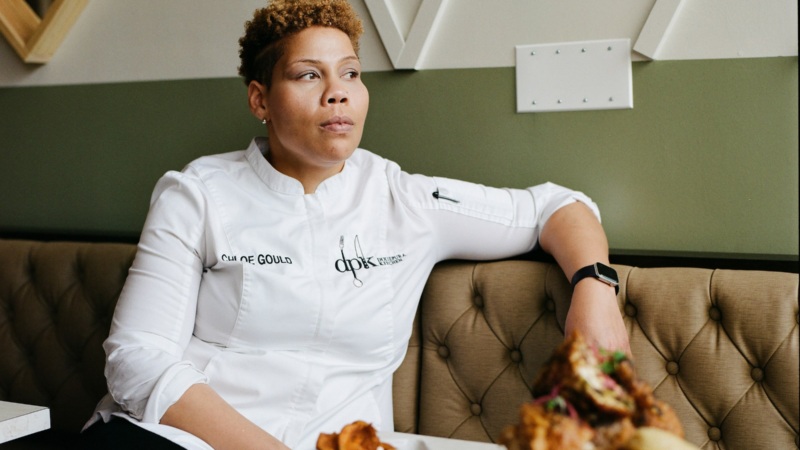
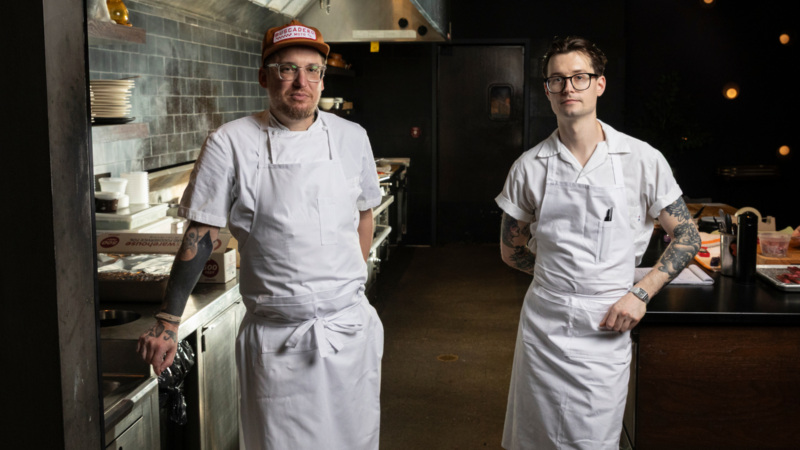
It was the cafes he frequented while living in Tel Aviv at 23, and years later while visiting Paris, that inspired chef Zach Engel to open Cafe Yaya in Lincoln Park last year. He hopes, with its three-meals a day (plus drinks) offerings, that Yaya becomes “the hub” of the neighborhood.
MORE FROM RESY
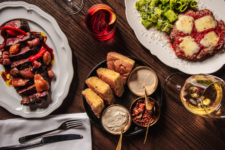
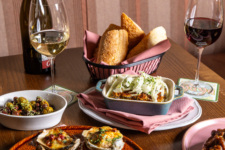

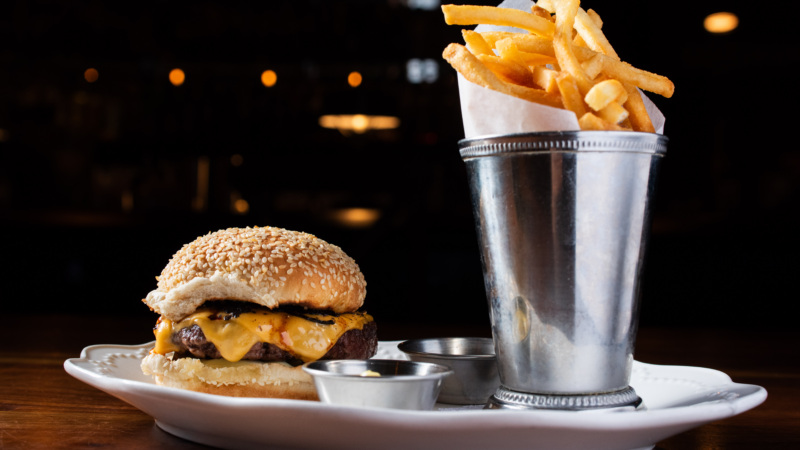
While Galit, the Michelin-starred Middle Eastern spot he opened with Andrés Clavero in 2019, is built around a tasting menu, Yaya provides a more flexible alternative. “Yaya lets people come in and have a couple of dips, a burger, and a glass of wine versus committing to a 2 1/2 hour meal that’s $100-plus a person,” Engel says. With breakfast, lunch, and dinner service, “Guests can have a different restaurant every time.” While many restaurants take late afternoon breaks and some coffee shops are putting up chairs by 2 p.m., Engel says, “Yaya offers a place for people to have that afternoon drink or meet up with someone [any time].”
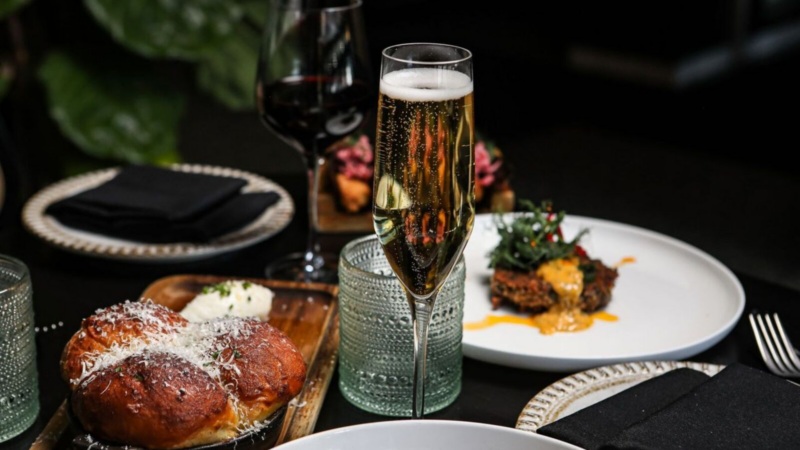
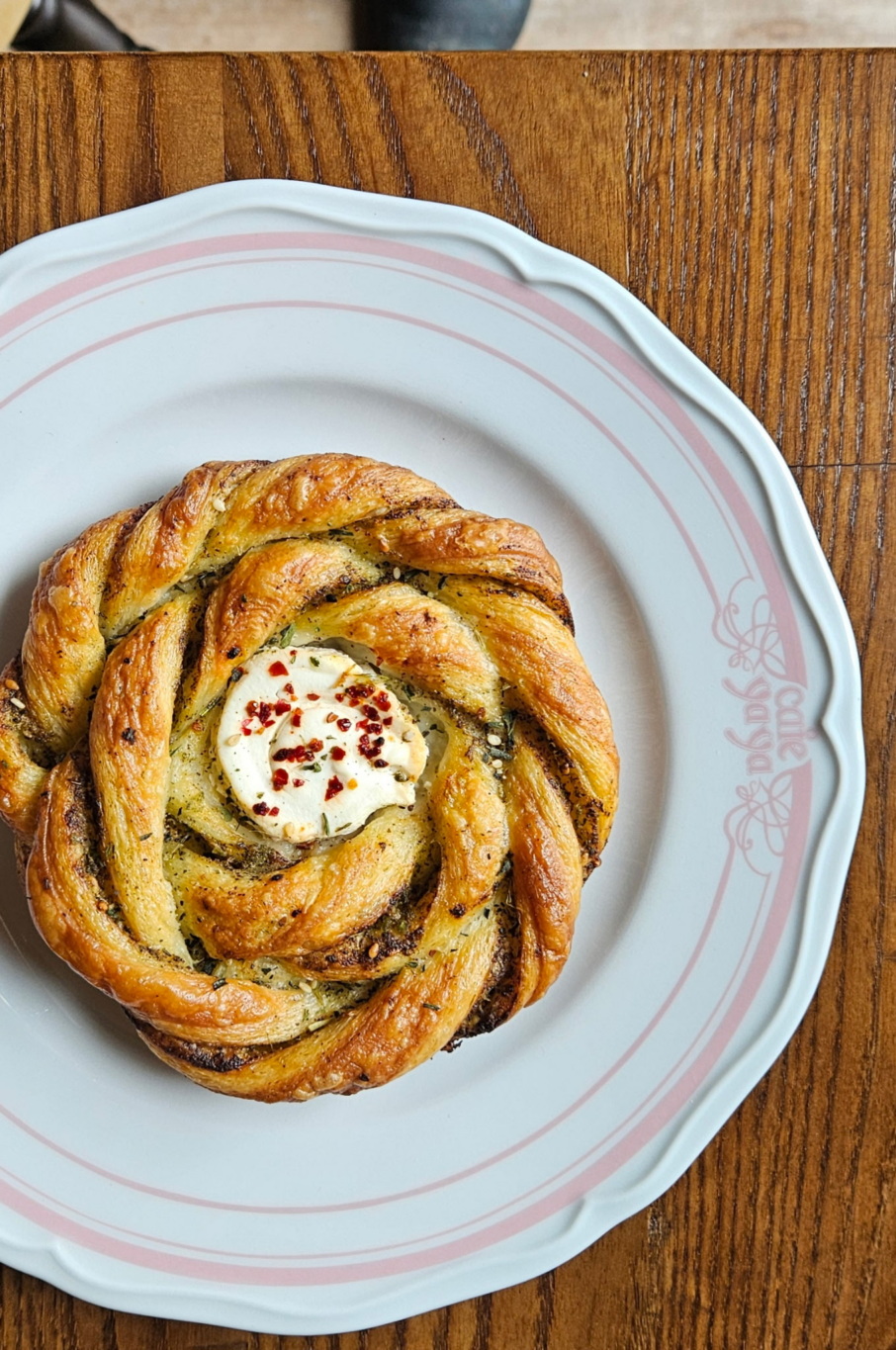
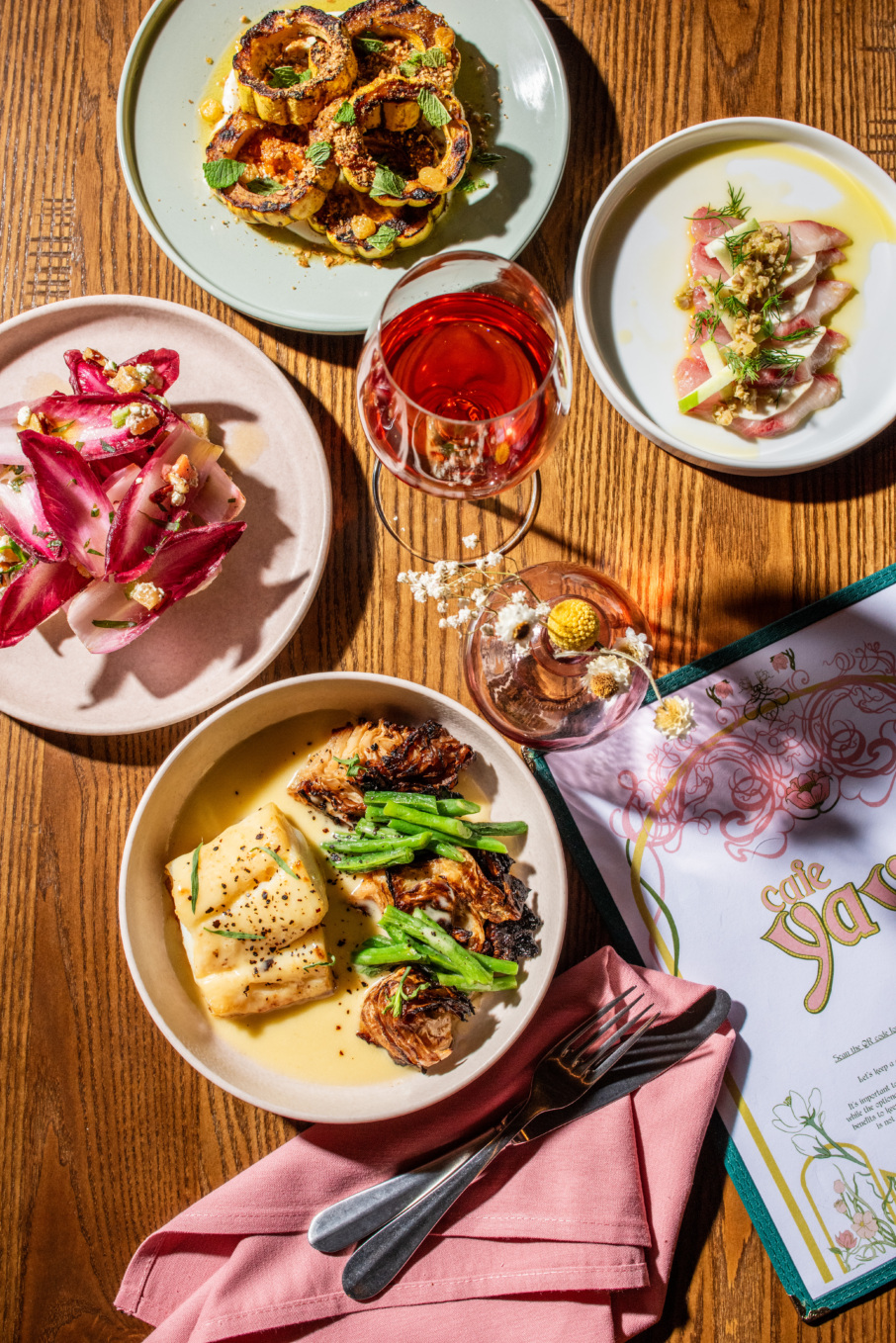
Galit pastry chef Mary Eder-McClure heads up the menu that offers daily pastries and seasonal dishes you won’t find at Galit. There’s stuffed borekas in the morning, “Turk-ish” platters for brunch, grain bowls and chicken shawarma wraps for lunch, and duck confit with lentils or pan-fried smoked cod with sous vide cabbage at night. “We were able to hit a niche where it feels elevated enough that you could have a business meeting, or get lunch, coffee, or a happy hour drink,” says McClure.
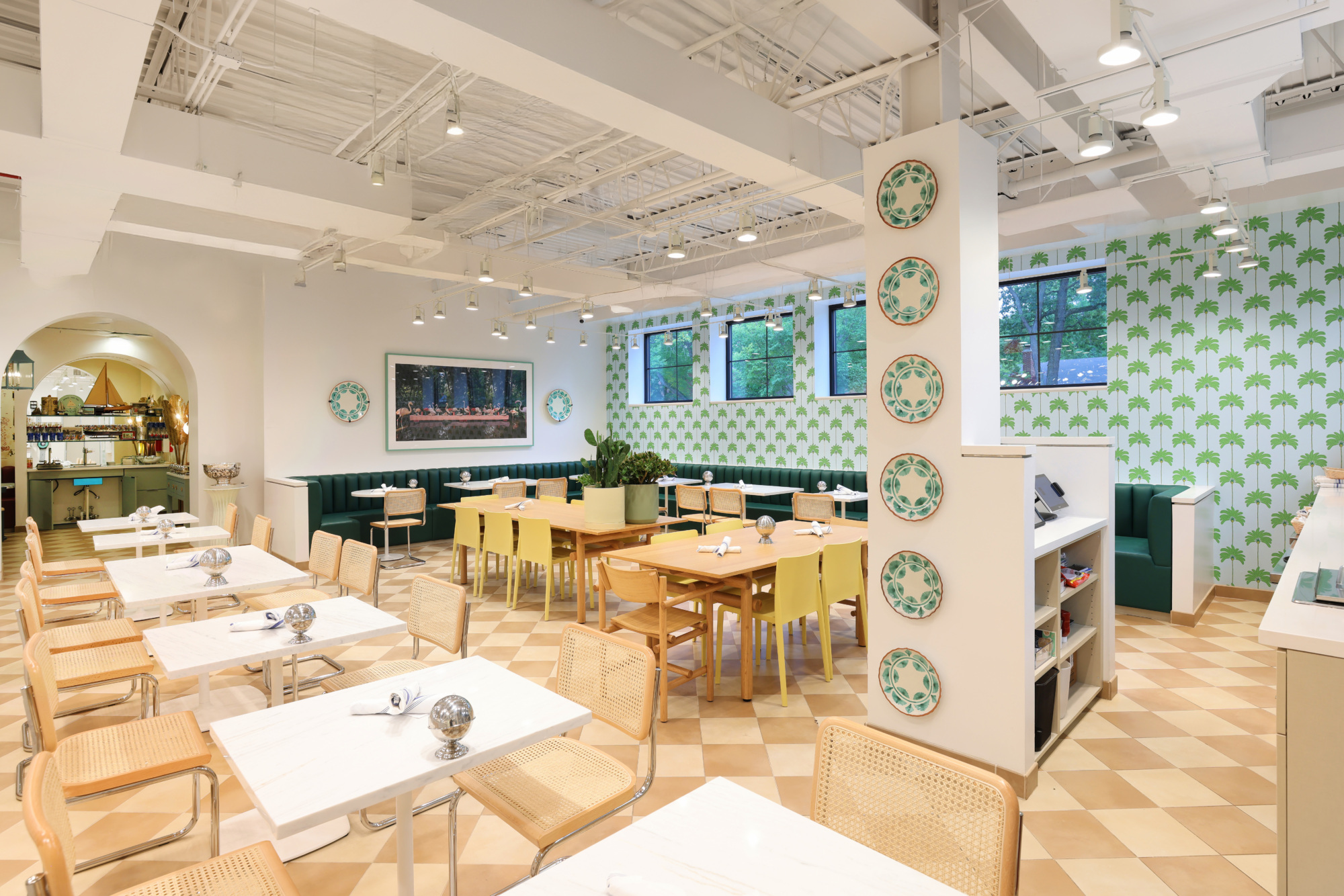
European cafe culture also inspired owners Jim Wetzel and Lance Lawson to put all-day cafes inside both the Chicago and Wilmette locations of their luxury women’s boutique, Space 519. “We were inspired by concept stores in Europe that have a dining component,” says Lawson. “They mix this idea of food and commerce.” The Lunchroom, located inside the store’s Gold Coast and Plaza del Lago locations, is open for breakfast, lunch, afternoon apertivo, and weekend brunch, and the concept has become their “secret sauce.”
“We like having the food in the center — it’s like a third place and creates an energy and liveliness,” says Lawson, who created menus inspired by his family’s recipes, including migas and pimento spread on toast. “When people walk in they’re surprised — but those little sounds of glasses clinking, people laughing, and forks hitting a plate enlivens the whole space.”
It took time for the concept to catch on (they opened the first Lunchroom in the Gold Coast in 2018), but now both locations see shoppers and non-shoppers alike flocking for coffee and pastries in the morning, leisurely lunches, or early evening cocktails and snacks. Both locations have patios, and this winter an Alpine Bar pop-up took over the Lago Room, where raclette grilled cheese and stroopwaffle s’mores were served. On the weekends Lawson says both locations attract diners from families to “Sex and the City-ish girls drinking mimosas all day,” but the concept is not just for the ladies who lunch: “It’s definitely branched out beyond that,” he says.
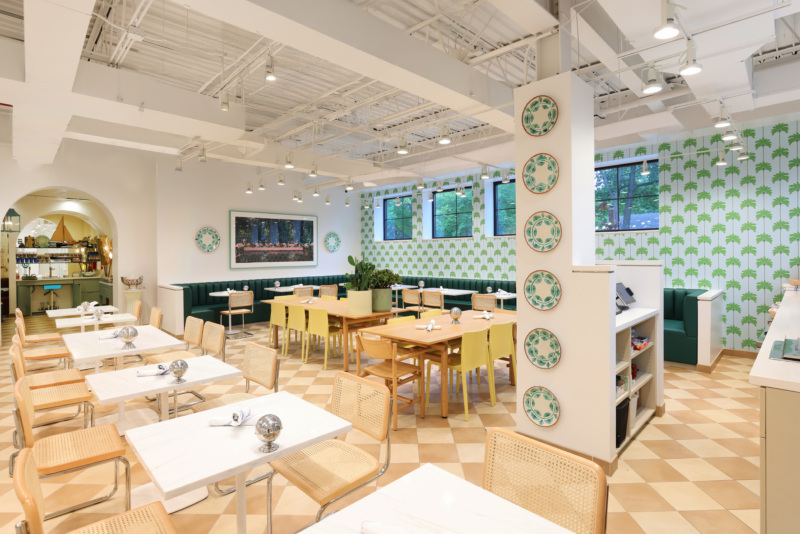
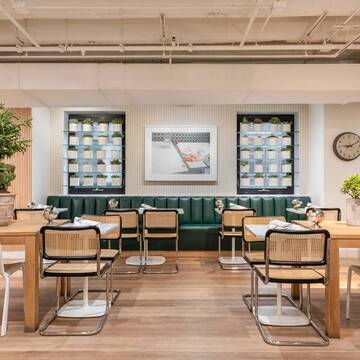
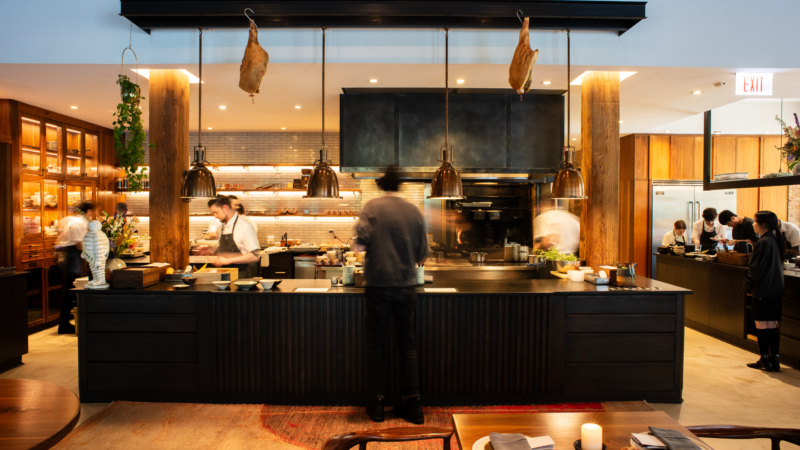
Walk into West Town’s almost three-year-old Midwestern-focused Nettare and you’ll see different crowds depending on the time. The all-day cafe menu starts at 8 a.m. and offers seasonal lattes, breakfast sandwiches, and pastries served in the front retail area and throughout the large space, highlighted by a living wall and open kitchen. Remote workers settle in for lunch (Nettare was built with plugs, wifi, and room to spread out), and tiny lamps hit the tables after dark for a date-night dinner crowd. The bottle shop is filled with wines and locally made spirits to grab on the way out.
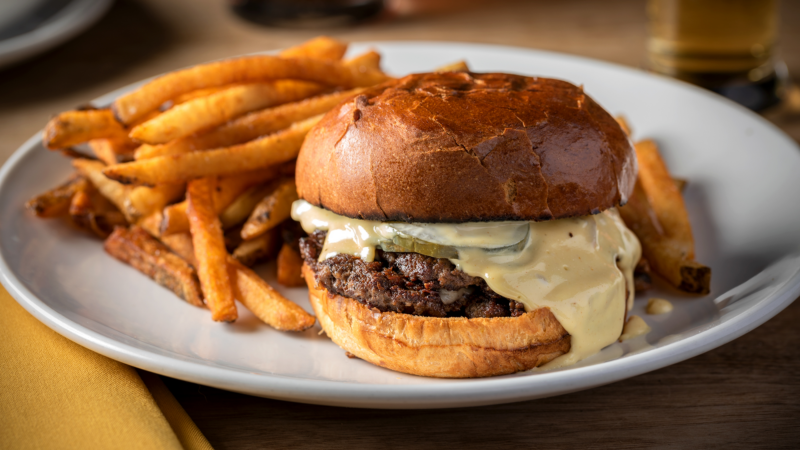
“It’s a way for restaurants to supplement revenue and take advantage of larger spaces and for guests to enjoy and sit for longer without feeling crowded,” says owner Conner O’Byrne. Happy hour runs 4-6 p.m. nightly, offering a burger and giardiniera martini for $20, and a “girl dinner” (a bottle of wine and two bites, like a Midwest cheese plate or stracciatella tartine, for $68), there’s an $80 pre-fixe for two on Sunday nights, and a tasting menu. “You can also come in, have a cup of coffee and a pastry, spend less than $10, enjoy the space and be part of the community. Accessibility was a huge motivator for us wanting to do this,” says O’Byrne.
You can also feel a sense of home in the 12,000-square-foot confines of the eight-month-old Milli by Metric. “It’s the idea that hospitality starts at home,” says culinary director Kirstin Alexander, who owns the all-day cafe with her husband Xavier Alexander and Darko Arandjelovic (the two founders of Metric coffee). They moved their original West Fulton roastery and cafe to Avondale and set up operations in a former antiques mart and warehouse, a project four years in the making.
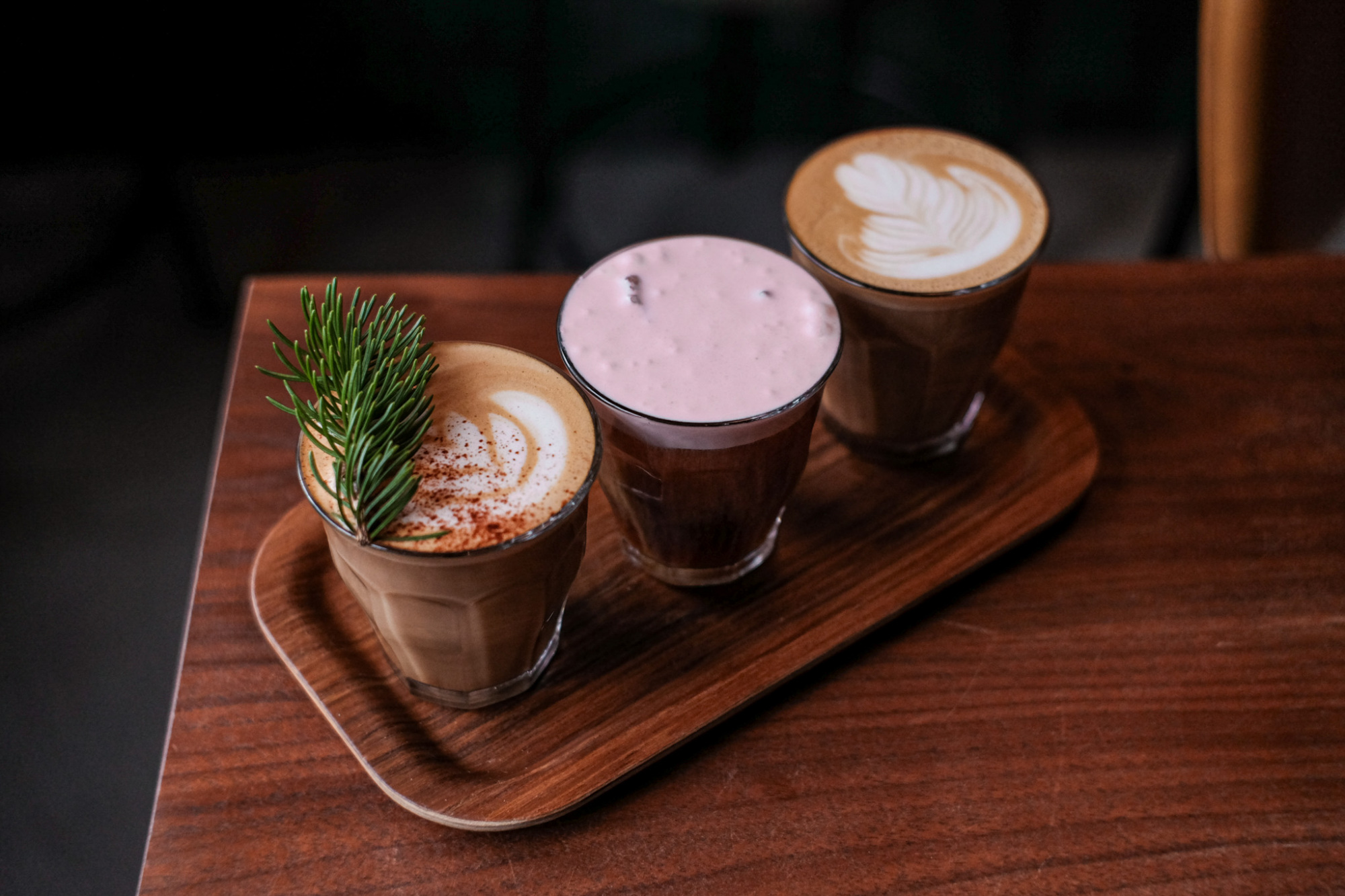
“We see it as an extension of our home and want it to be a comfortable place,” says Kirstin, who says everyone from remote workers to teams gathering for brainstorming sessions, and textile artists working on knitting projects fill the tables by 8 a.m. (although they’ve recently set a no-laptop rule for after 2 p.m. during the week and on weekends).
The cafe menu includes single origin espressos, lattes, and pastries like grains of paradise buns with guava jam, éclaires, and French salt cakes with house-cured egg yolks. In March, they added an aperitvo menu during the week from 3 to 6 p.m., consisting of wine, beer, cocktails like coffee Negronis, and small bites like dips, spelt brioche, and chicken liver mousse. Pizza from the onsite oven is in the works.
Milli’s ongoing evolution is just one example of how the all-day cafe model allows operators the flexibility to roll out menus when they’re ready and stay nimble as they read customer flow and needs, while driving much-needed revenue throughout the day. As the cost of dining out continues to rise, the all-day cafe allows diners another option even at “off hours”— be it a break from a home office (or temporary office), a quick counter service or hybrid model that still feels hospitable, or a place to connect with community, at any hour of the day.
Liz Grossman has been a Chicago-based writer, editor and storyteller for 25 years. She’s the former editor-in-chief of Plate magazine and co-founder of the nonprofit storytelling series, Between Bites. Her writing has appeared in Newsweek, Chicago, Robb Report, Flavor & the Menu, and more. Follow her @elizabites_Chi, and follow @Resy while you’re at it.