Hermon’s Already Feels Like It’s Been Here For Forever
Published:
Hermon, a charming, half-mile-sized microneighborhood between Highland Park and South Pasadena, has never had a restaurant, but it certainly doesn’t feel that way. From the team behind Found Oyster, Queen’s Raw Bar & Grill, and Barra Santos, Hermon’s debuted on a quiet corner of Monterey Road in late November, and it already seems like it’s been here forever.
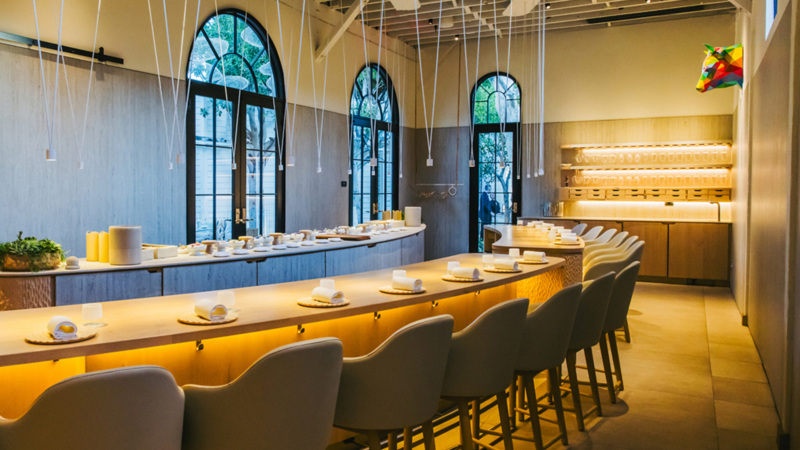
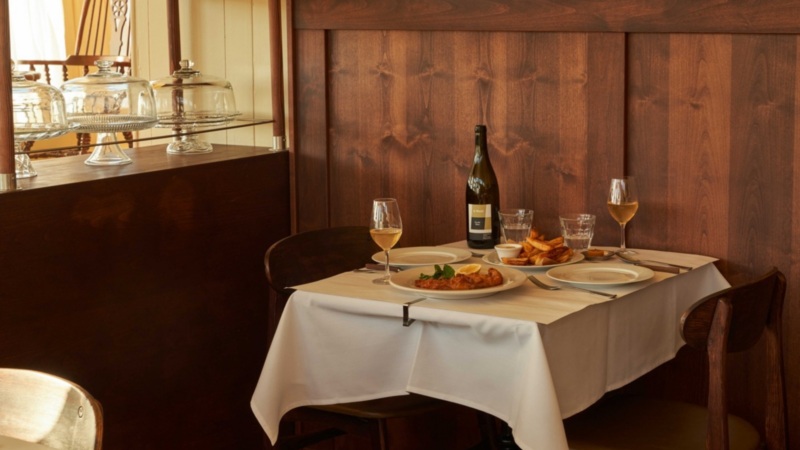
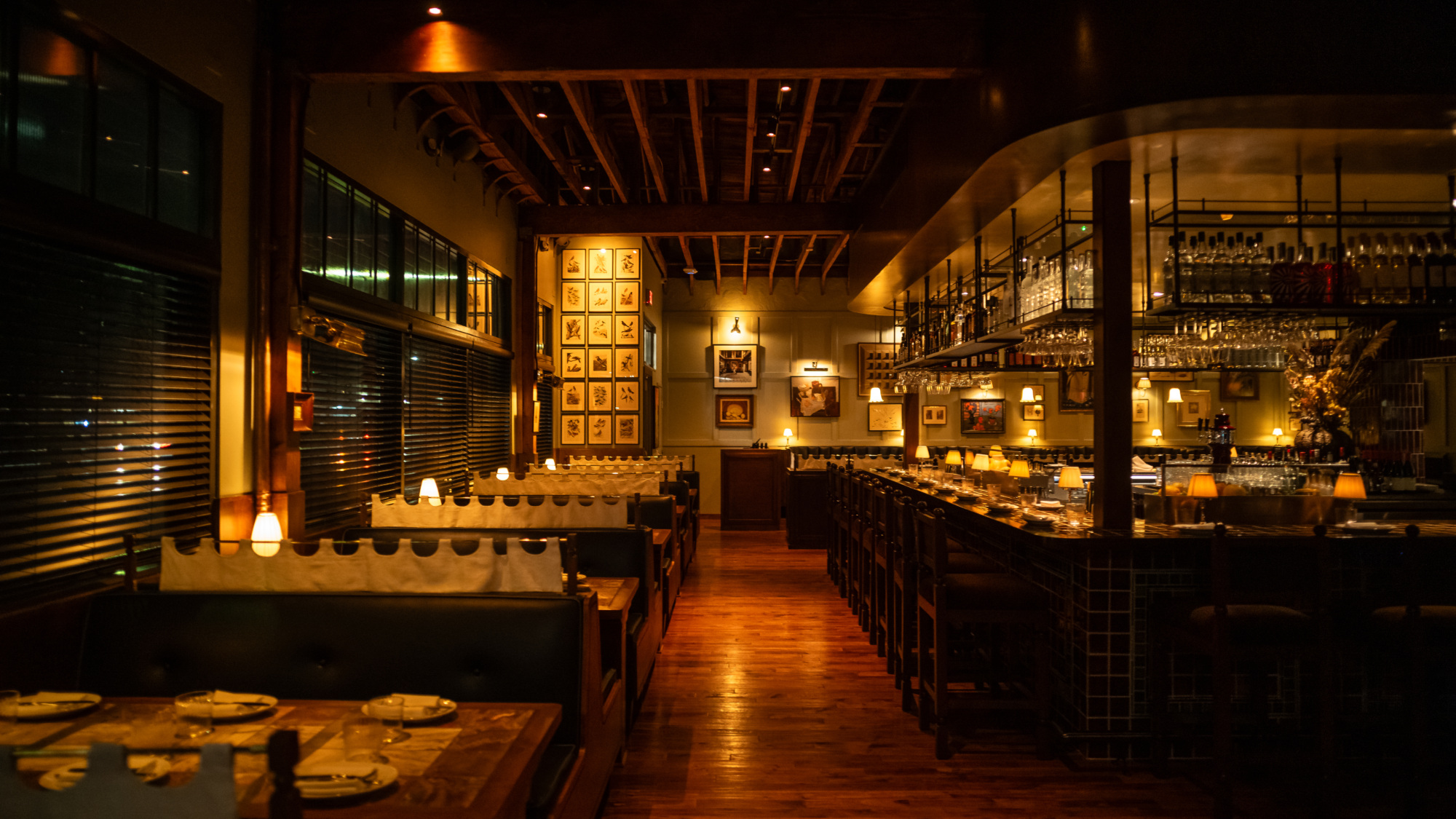
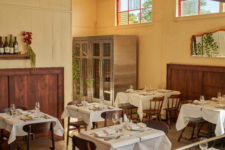
From the vintage-inspired neon sign outside to the soaring 14-foot ceilings to the cozy, steakhouse-inspired vibe, dining at Hermon’s feels like hanging out in an old friend’s living room. Led by Last Word Hospitality co-founder Adam Weisblatt, chef DK Kolender (brother to Found Oyster’s Ari Kolender), culinary director Melissa Lopez, and co-founder Holly Fox, the group took over a former church banquet hall and reimagined it as a warm, lived-in American bistro rooted in California produce, reinvented classics, and a dining experience made for “regular people.” (More on this later.)
Here are five things to know about Hermon’s, and why it might be one of the group’s most meaningful projects to date.
MORE FROM RESY

1. It’s a vegetable-forward restaurant disguised as a steakhouse
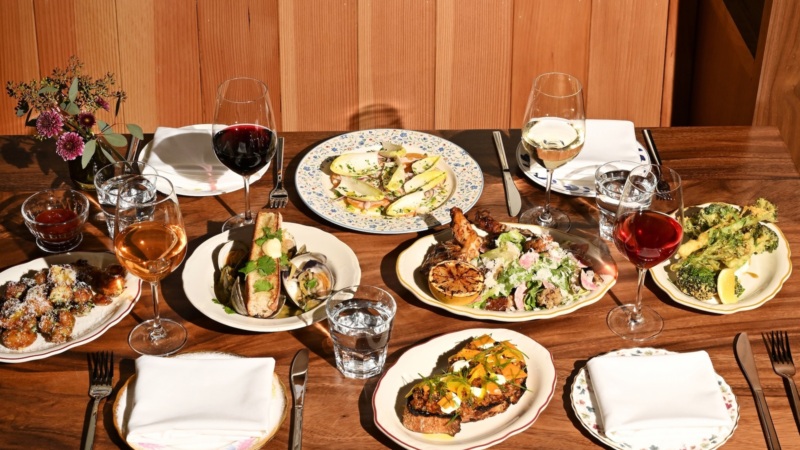
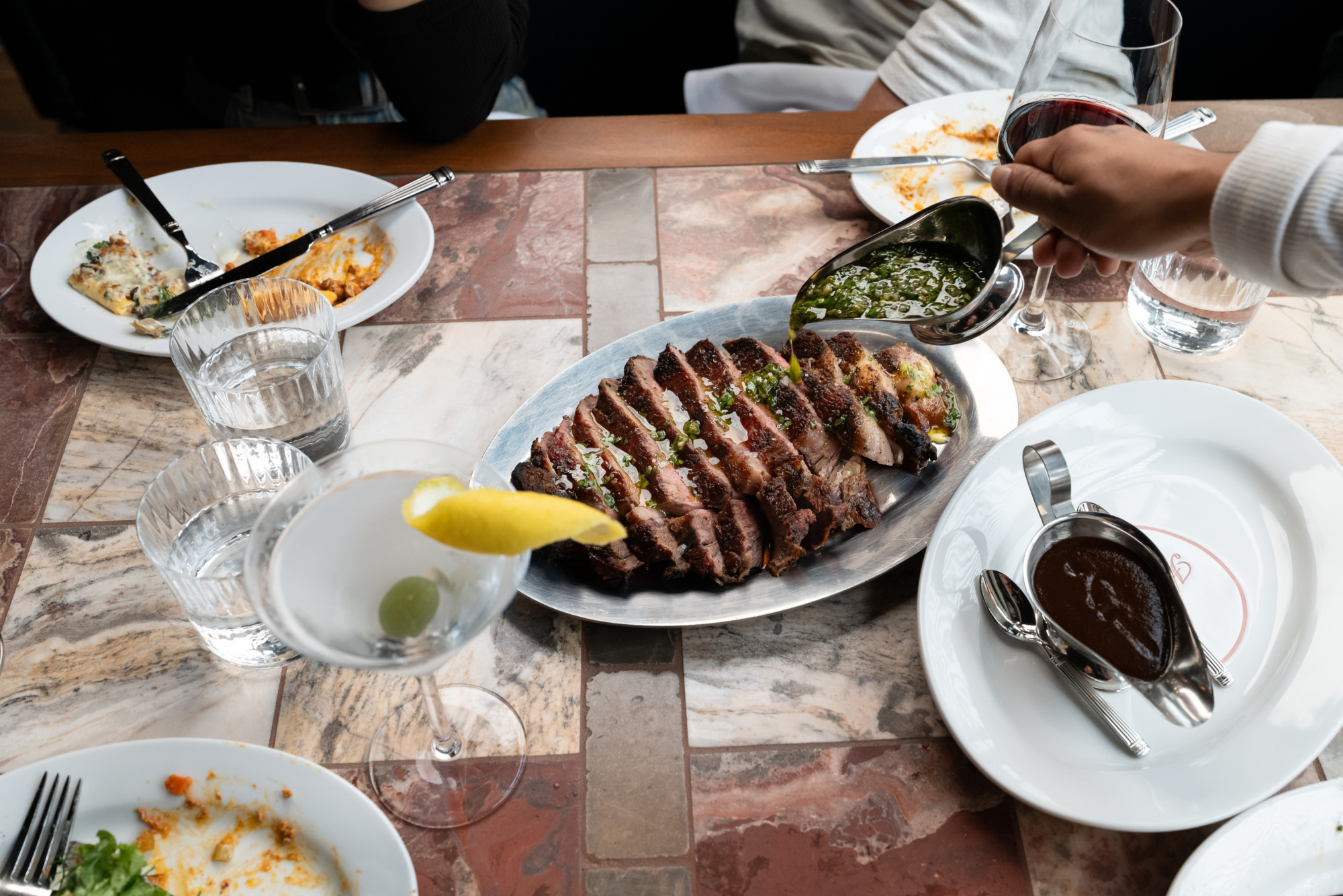
At first glance, Hermon’s might register as another polished American restaurant focused on red meat and martinis. But look closer at the menu, and it becomes clear that local, seasonal produce is driving the creative conversation.
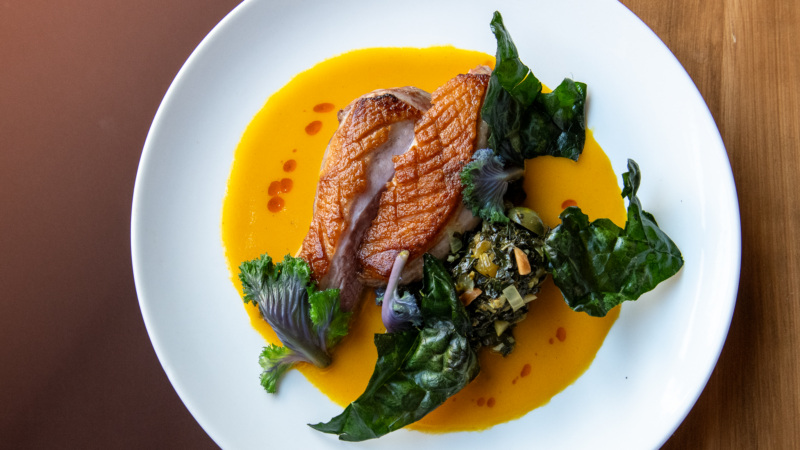
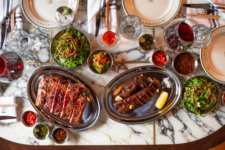
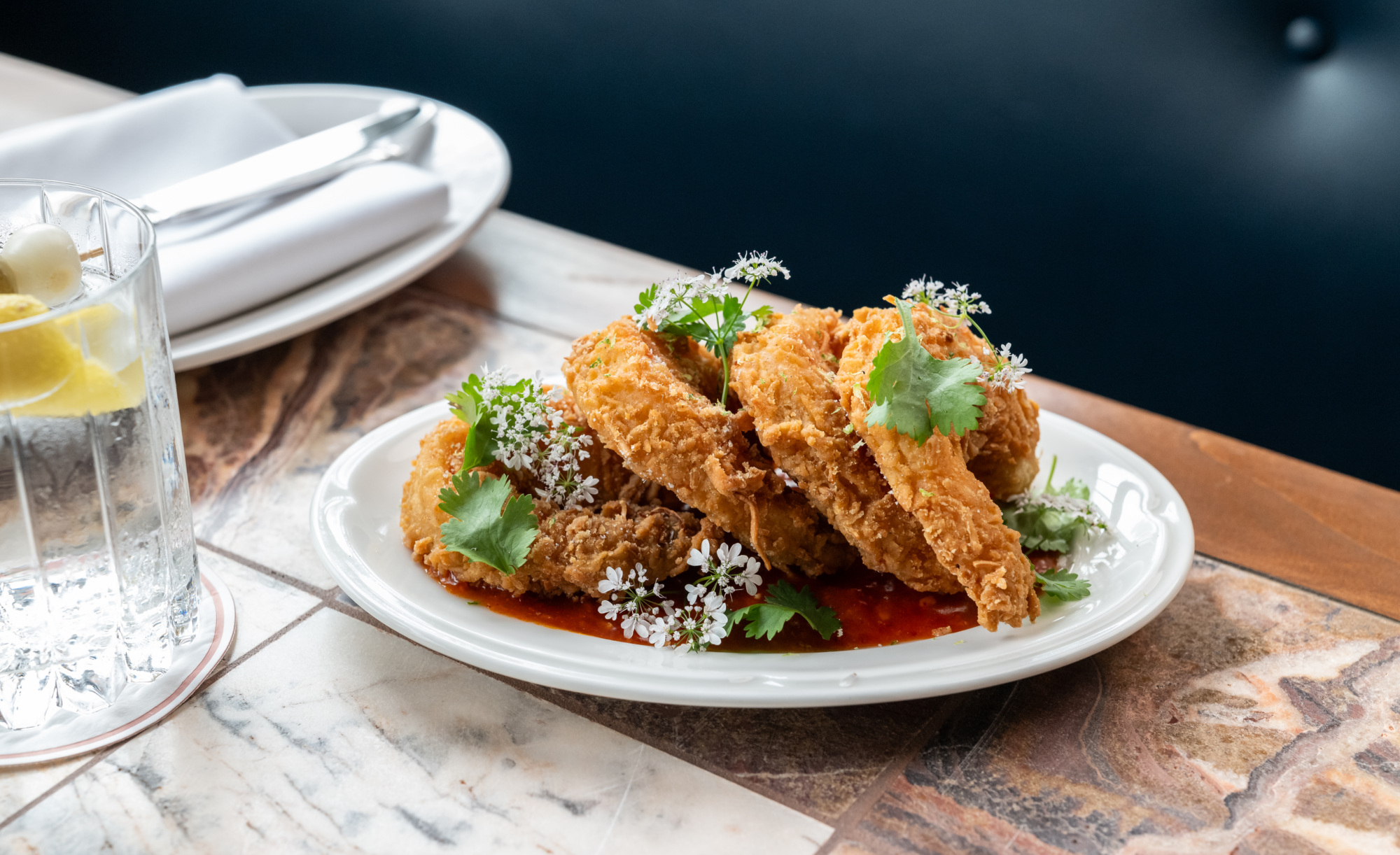
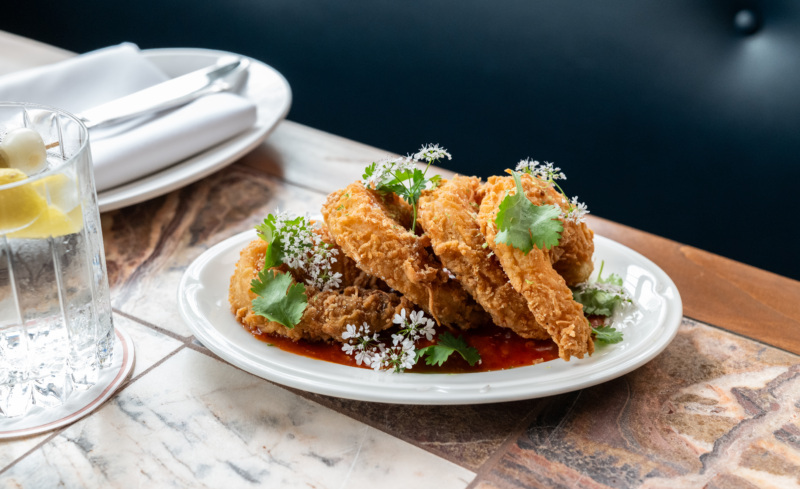
“For me, the challenge was how to make vegetables feel like the main event, not an afterthought,” says Kolender. “I figured, you can go to a steakhouse, and you’re gonna get a great steak but you might get mediocre vegetable sides. So for me, it was always about: ‘how can we make that better?” Hermon’s builds many of its entrees and starters around seasonal produce, reflecting both California’s agricultural abundance and Kolender’s desire to differentiate from the traditional steakhouse model. His approach is apparent in dishes like the chopped chicories salad, seasonal panzanella, and the mushroom bourguignon, to name a few.
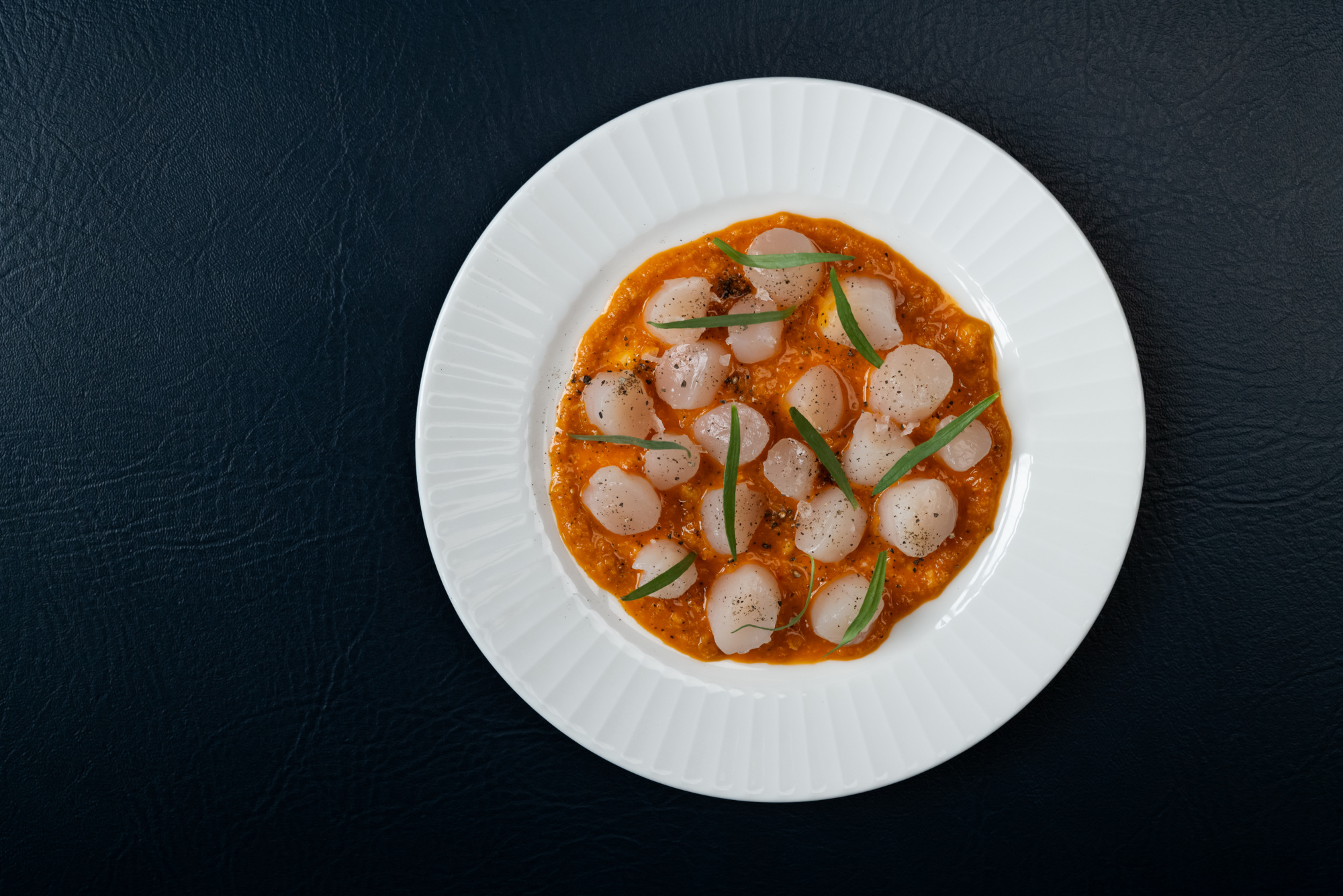
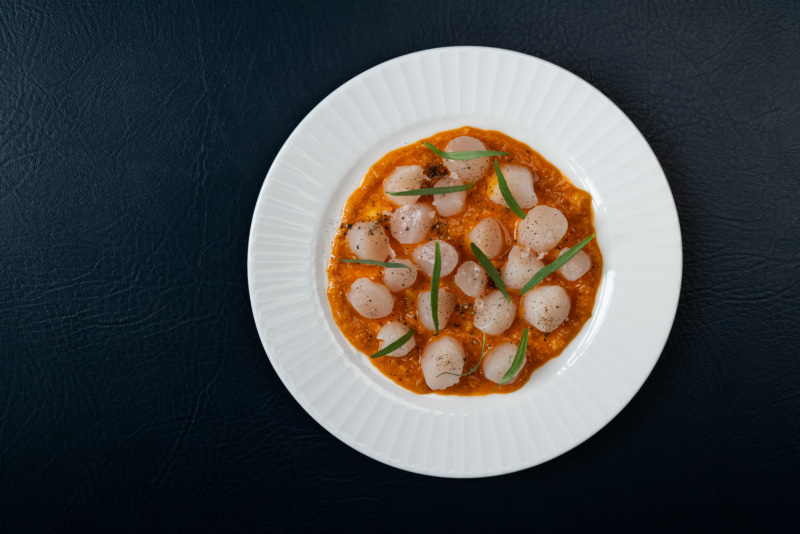
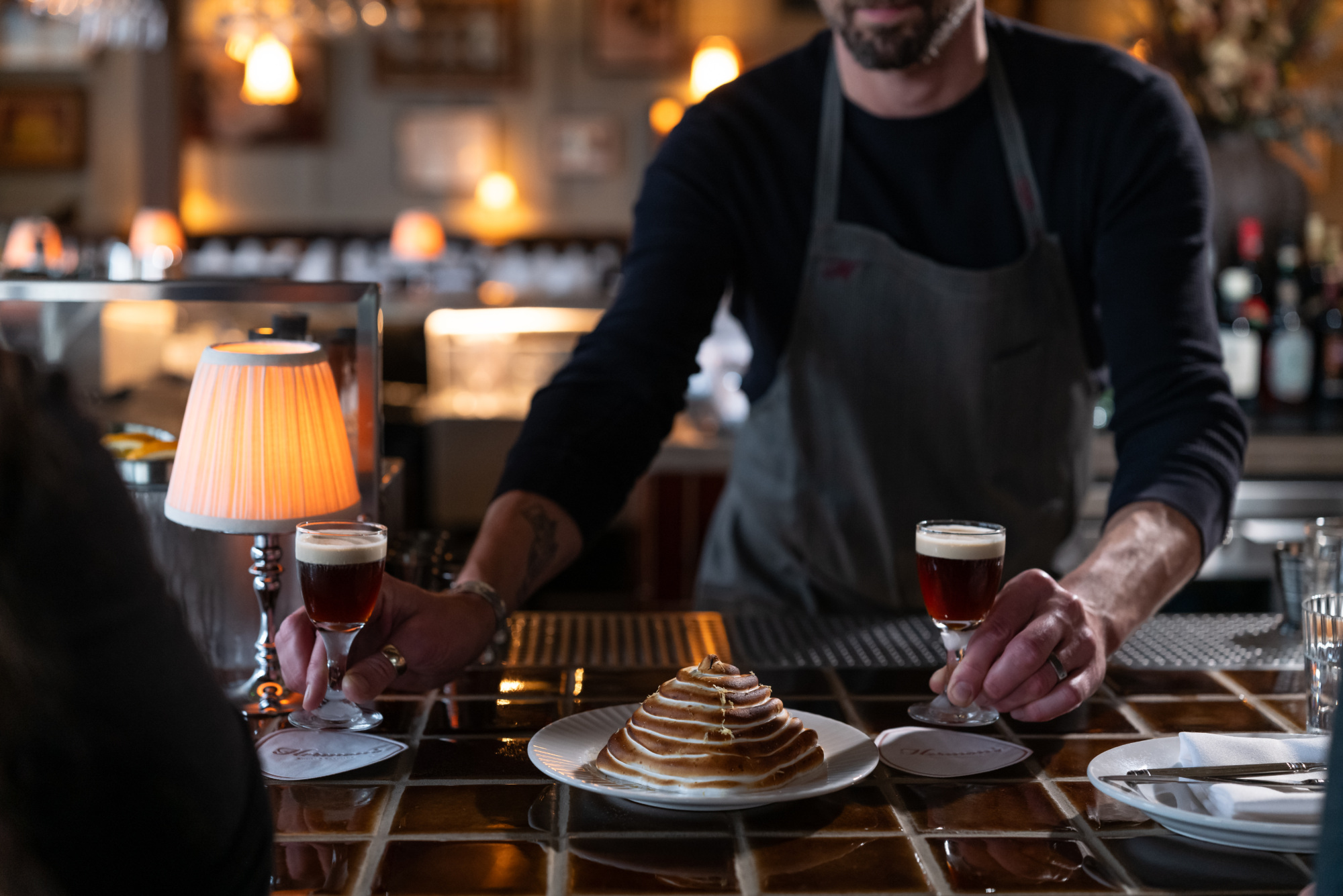
That doesn’t mean there’s no meat—far from it. Steaks and especially seafood play important roles, many of which are cooked over a charcoal-fired Josper grill. A small raw bar menu kicks things off, including a seasonal crudo and a take on a shrimp cocktail. But there are many creative spins on old-school dishes as well, including a mashup of lasagna and linguine alla vongole pasta, a steak tartare made with goji berries and salsa macha, and even a take on the very retro baked Alaska, made with lemon curd custard and charred meringue.
2, The Ode to Chez Cheeseburger is the emotional (and culinary) anchor
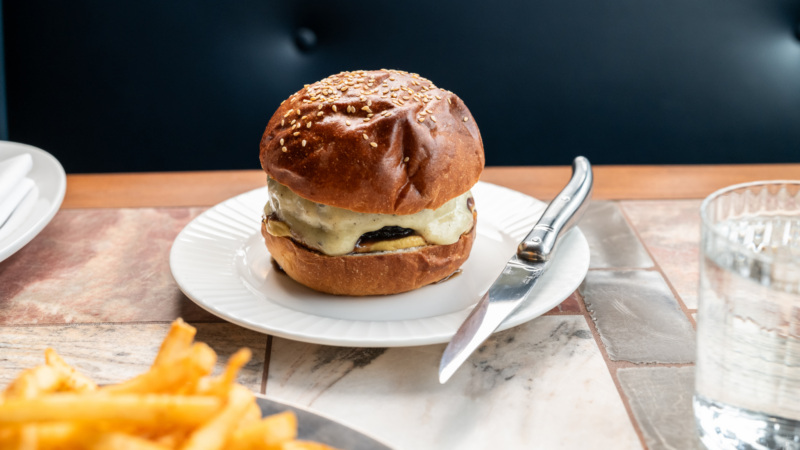
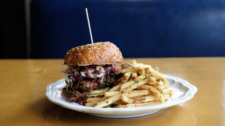
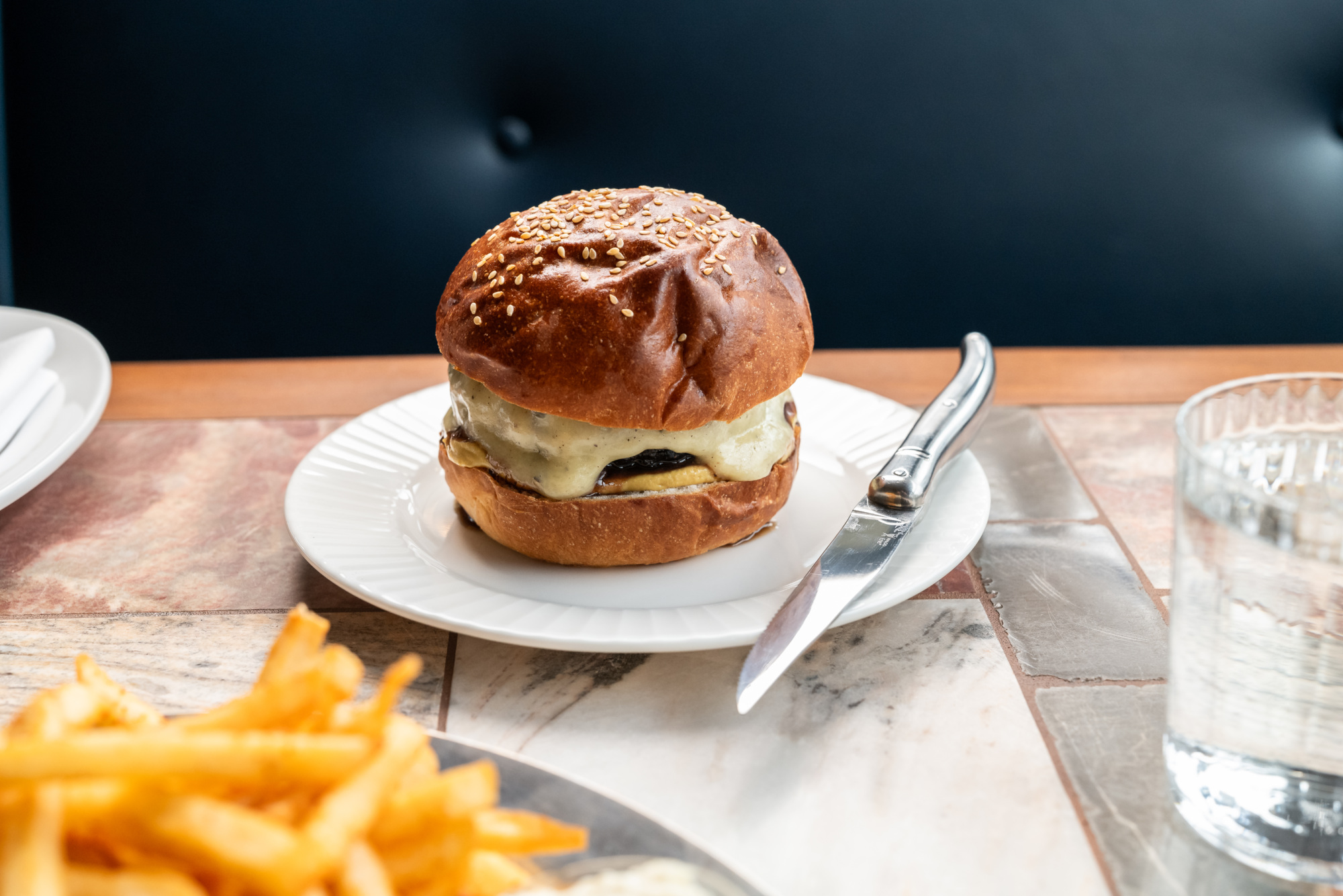
Hermon’s in many ways is a tribute to an ill-fated Malibu restaurant project that Last Word was working on before the space tragically burned down in the Palisades fires. The most visible menu nod to that project is the Ode to Chez Cheeseburger, a dish that the group had planned for Malibu’s Chez Renee but never got to execute, until now.
Think French onion soup meets steak au poivre in one bite: a cheese sauce fondue (inspired by a traditional soubise) is made with onions that are sous vided, caramelized, and layered with pickled green peppercorns atop a six-ounce grassfed beef patty. For the bun, Hermon’s developed a custom milk bread in collaboration with Tartine, specifically to hold up to the heavy cheese sauce without collapsing. It’s the kind of detail most diners won’t consciously notice, but will subtly appreciate.
That’s very much the point. “I want things to feel familiar, but when you really pay attention, you realize how much thought went into it,” Kolender says.
Pro tip: Before 6 p.m., you can get the cheeseburger for $18, alongside $10 martinis.
3. Hermon’s draws inspiration from other iconic neighborhood spots like Houston’s
From day one, Hermon’s was conceived as a place for locals first. Kolender and Fox weren’t interested in chasing trends or creating a destination that feels exclusive or intimidating. Instead, they wanted a restaurant that felt instantly welcoming, like a spot you’d happily return to weekly. The neighborhood also bears personal significance, as many of the Last Word partners and their various family members live either in Hermon or very close by.
The concept, according to Fox, also draws much of its inspiration from iconic restaurant Houston’s, particularly its service ethos and ability to appeal to a wide range of diners. “We wanted it to feel like a ‘regular people’ restaurant,” she says. “Somewhere you can come for a martini and a burger, or a full dinner, and always feel comfortable.”
4. The space is art-deco-meets-craftsman with original details
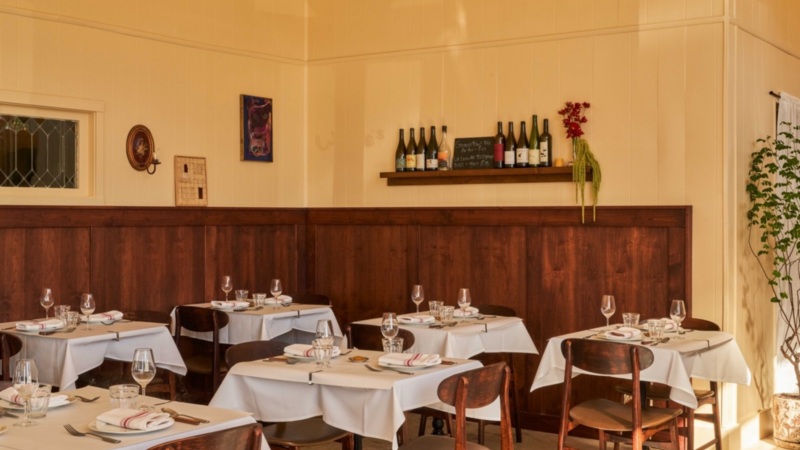
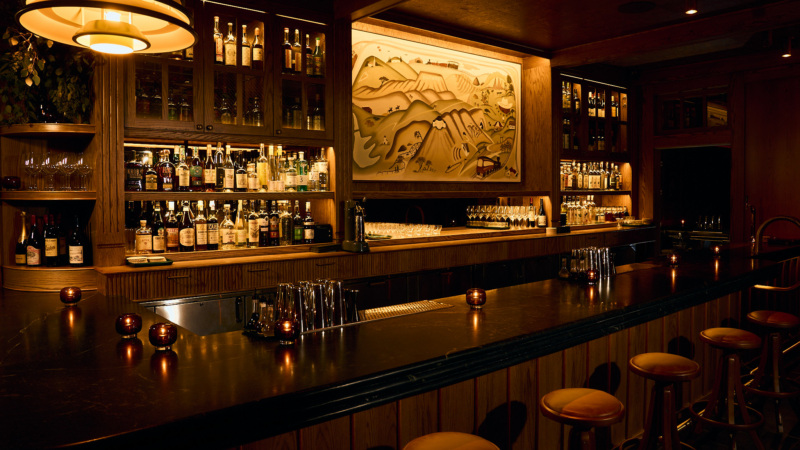
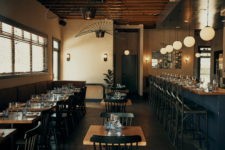
Hermon’s occupies a former church banquet hall that Weisblatt admits the team was eyeing for years, rich as it is with character and history. Rather than stripping that away, Fox and the Wick Architecture team leaned into it, preserving original ceilings, beams, and window placements while carefully restoring elements that had been altered over time. The bones of the space are craftsman, but the team brought in some elements of art deco as well.
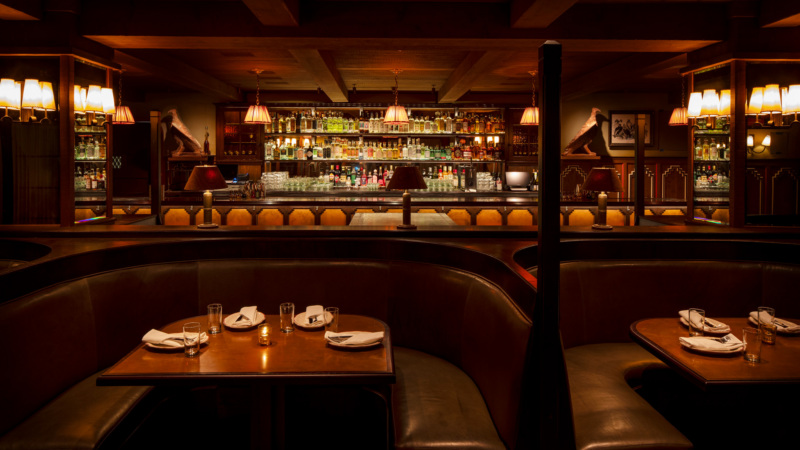
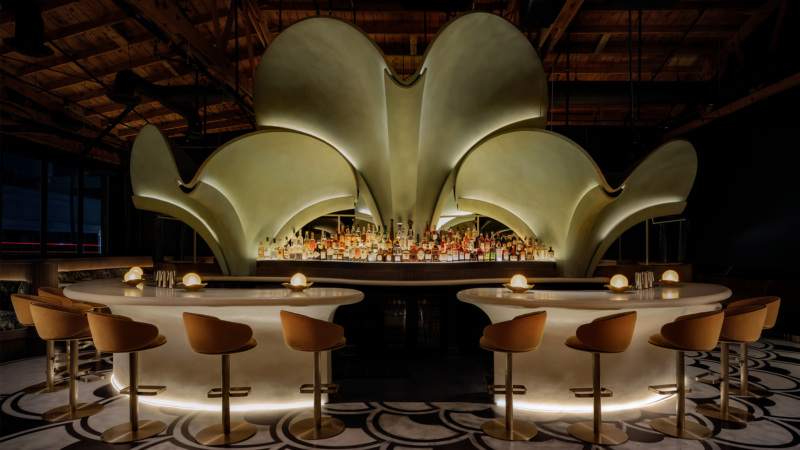
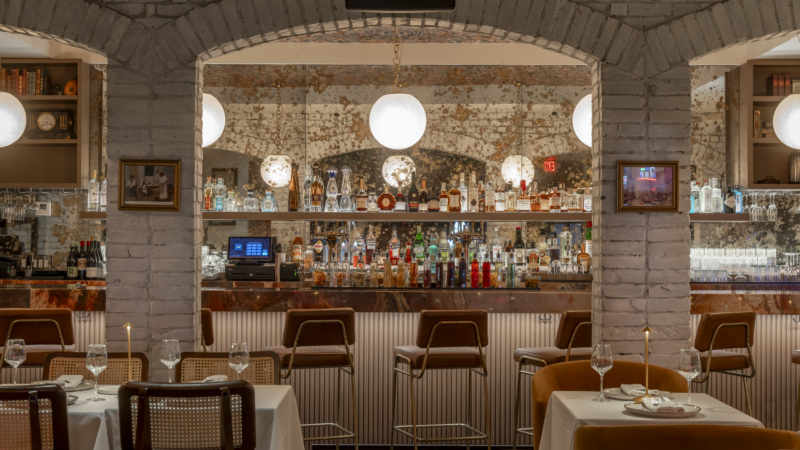
Lined with luxurious leather booths and banquettes, nearly every seat offers a prime view of the central U-shaped bar. Wall art was collected over 18 months, both from flea markets and directly from artists. The bar’s handmade, hand-glazed tile was a calculated risk, says Fox, but one that paid off, lending the space a distinctly Californian warmth.
Even the neon sign, designed by Fox’s sister (a former Hermon resident), reinforces the restaurant’s lived-in ethos. Inspired by vintage Italian restaurants, it feels like a fixture on the block already.
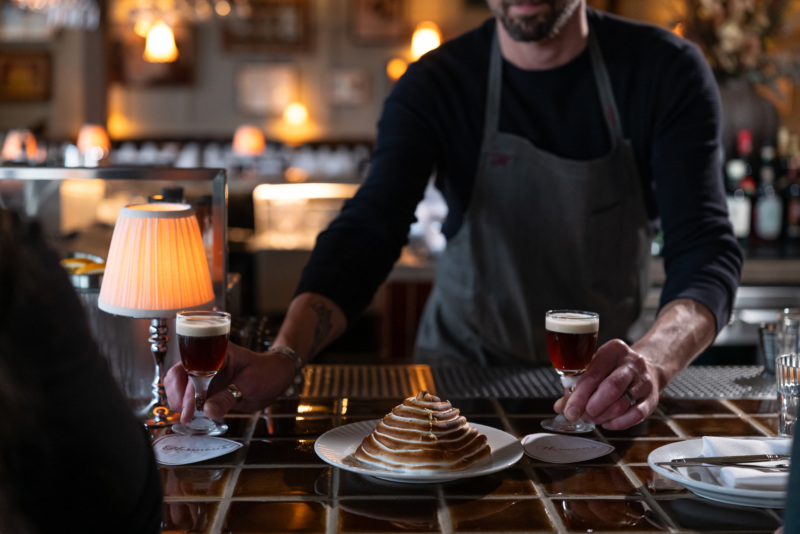
5. The cocktail program focuses on classics, reinvented
The beverage program mirrors the kitchen’s approach: classics executed with care, and just enough individuality to feel special. Think American bistro standards — martinis, daiquiris, espresso martinis — but with creative twists. Eric Alperin, who worked with bar legend Sasha Petraske at New York’s Little Branch, is behind the cocktail program, along with Day by Day Hospitality’s Angus McShane.
The martini is ice-cold, properly briny, and served in a chilled glass; in fact, the team had to bring in special refrigerators just to do this. Martinis come in two sizes, including a $9 “tiny tini,” in line with the current trend, or a $15 classic martini served with your choice of olives (including blue-cheese stuffed). You’ll also find other takes on beloved drinks like a Yuzu Margarita, Espresso Martini (also in two sizes), and N/A options like the Coconut Fizz (coconut cream, ginger, and lime seltzer). For those in the know, the daily daiquiri can be ordered in mini size too, a.k.a. a “Snaquiri” (off-menu, just ask), encouraging experimentation without commitment.
“These are the drinks people actually want,” Kolender says. “We just want to do them really well.”