What to Order at Mandu, D.C.’s Bastion of Korean Homestyle Cooking
Published:
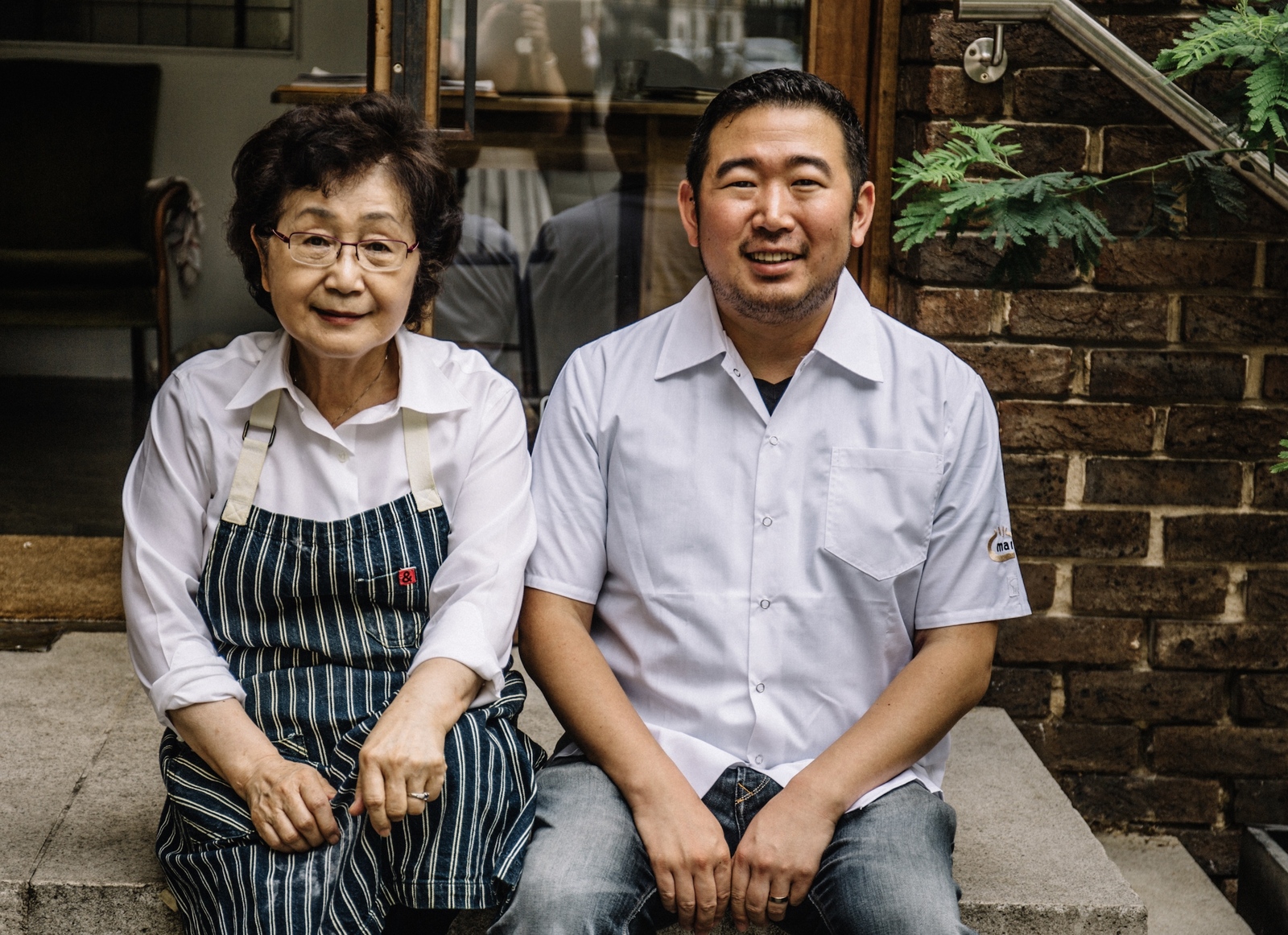
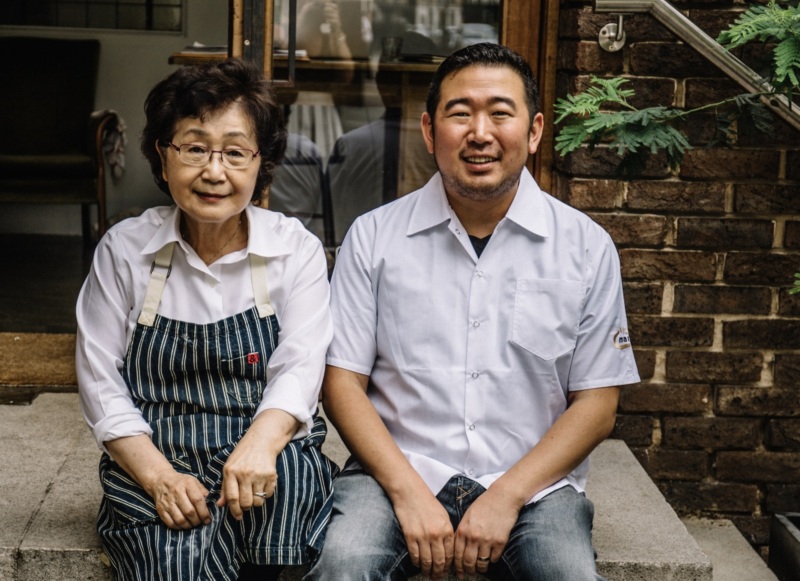
When Mandu first opened in 2006, the Korean dining scene in D.C. was much sparser than it is today. Chef Yesoon Lee wanted to create a restaurant that filled a void, focusing on the dishes that she learned to cook at home for her family in Korea. Her son, chef Danny Lee, joined the endeavor, and the restaurant is now approaching its 20-year anniversary.
They’ve since opened two other boundary-pushing restaurants, CHIKO and Anju, but Mandu has remained steadfast, with staff and regulars staying loyal to the restaurant for decades.
“What I’m most proud of is that we have team members that have been with us since the beginning, and that is truly unheard of in this industry,” Danny Lee says. Lee and his mother are still the driving force behind the homestyle menu at Mandu, but they are now joined by a new chef, Natalia Park, who is helping implement changes to the menu.
“My mother’s been spending a lot of time with Natalia,” Lee says. “My mom’s constantly innovating and constantly trying to find new ways of using a lot of the historic recipes and building new dishes out of that history.”
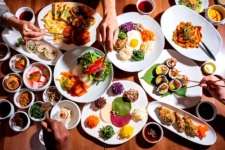
As Lee mapped out the highlights on Mandu’s menu for us, he recommended a balance of unusual new items and day-one classics. But no matter what, he says guests should lean into the Korean way of dining, which is sharing dishes family-style.
Here are eight of the dishes Lee recommends at Mandu.
Related Stories

Kimchi
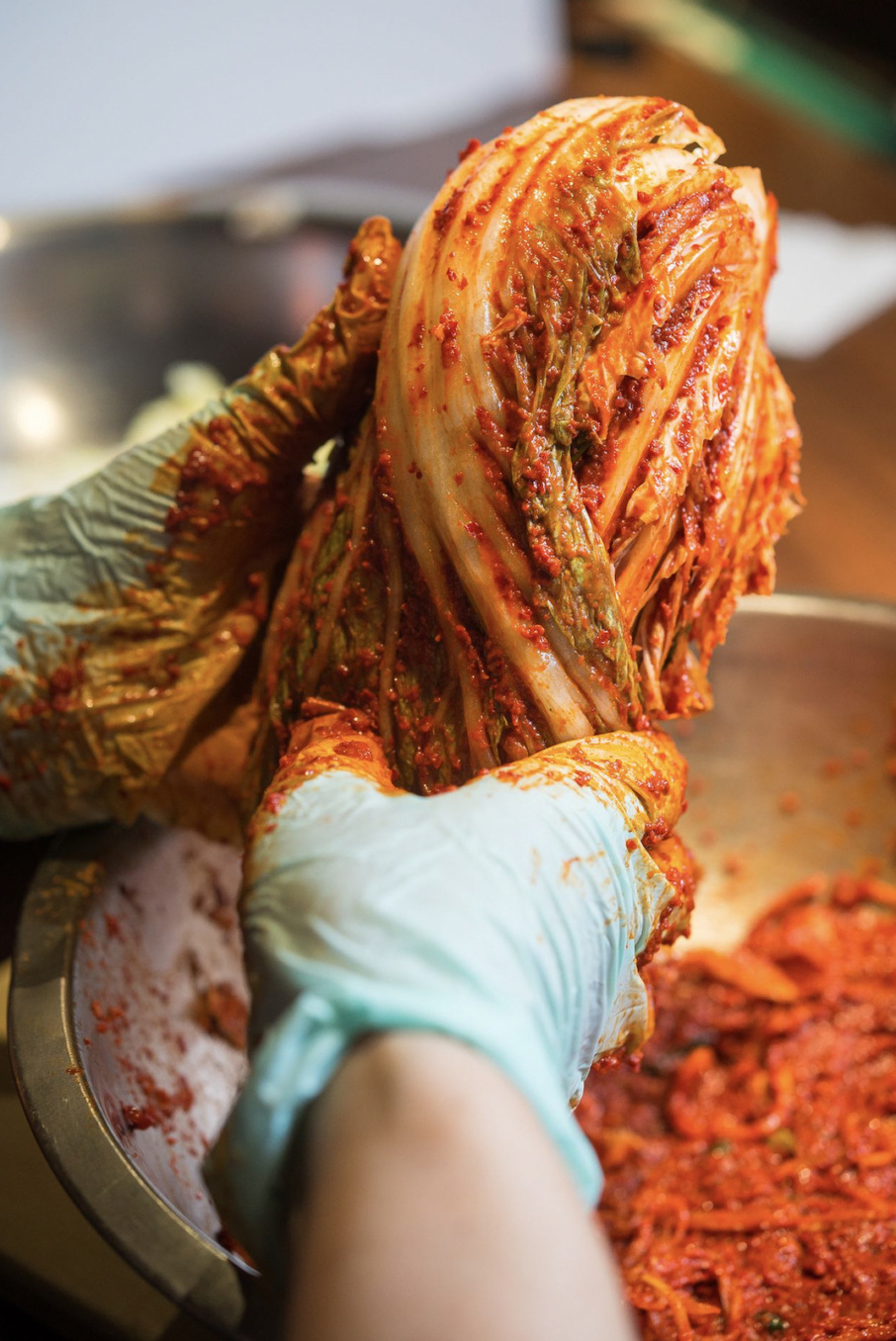
You can’t leave Mandu without trying the restaurant’s house kimchi. Really — the team feels it’s so integral to their food that they serve it free to every guest. “That’s a dish that we really exalt at our restaurant,” Lee says. “It’s just something that we really believe in, that everyone should at least have a little bit of kimchi to go along with our food.”
It’s perhaps the most iconic of the restaurant’s banchan offerings, which are a collection of seasoned, pickled, or fermented vegetable side dishes. Mandu makes their kimchi in impressive volumes (sometimes 500 pounds in a week), but they never compromise on the care that goes into the lengthy process, consisting of two fermentations and scratch-made seasoning paste. What sets their kimchi apart from other restaurants is that they use whole heads of Napa cabbage to increase the length of fermentation time needed, similar to the traditional process of making kimchi.
Goguma muchim
One of the restaurant’s brand-new banchan offerings has a seasonal twist, featuring goguma, or Korean sweet potato, and local apples. The sweet potato is sliced thinly, fermented for a day, and then mixed with apples, garlic, chives, and the house kimchi. Lee says the resulting fermented sweet potato apple kimchi salad “is incredibly refreshing as you’re eating through our menu.”
Mandu
The restaurant was named after this well-known dish because mandu are integral to the Lee family’s story. From a young age, many of Lee’s fondest memories involve folding dumplings with his mom and sister. The version served at Mandu is based on Lee’s mother’s recipe, which has evolved over the years but is still hand-folded every day. The dumplings are offered with beef and pork, shrimp, or veggie fillings.
Twice baked goguma
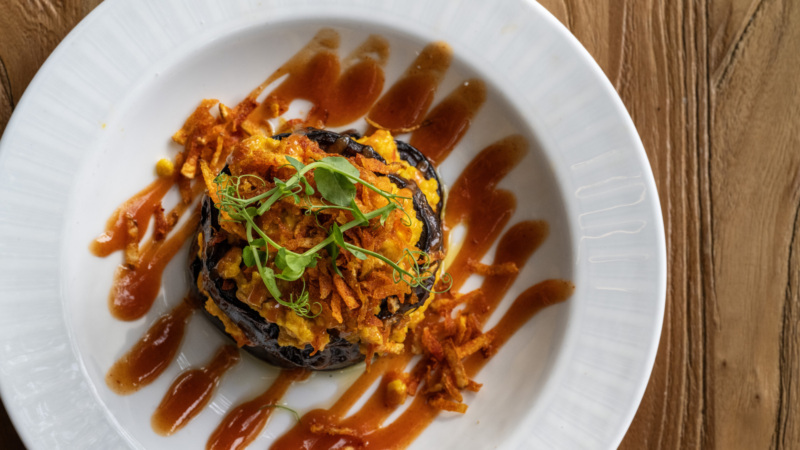
Korean sweet potato is the star of another seasonal special, the twice-baked goguma. It’s a dish Lee has been dreaming up for a long time, and he perfected it this year with Park. They start by baking the sweet potato, then scooping out the white flesh and puréeing it with chestnuts — another autumn staple in Korea — and milk steeped with perilla, an Asian herb in the mint family (known in Japanese cuisine as shiso).
The mixture is piped back into the crispy sweet potato shell, baked, and drizzled with a caramel made from doenjang and soy sauce. Lee has never seen the dish served elsewhere, but, he says, “that doesn’t mean it’s modern or progressive. It can still be a true Korean dish, it’s just maybe something that has never been put on the menu before.”
Pa jeon
Mandu’s seafood scallion pancake hasn’t changed since 2006, and family members have always asked chef Yesoon Lee for her unique recipe. Unlike many pa jeon, Lee’s contains less flour to produce a lighter texture. She blends various seafood (clams, shrimp, scallops, squid) into a thick batter, adding scallions, chile peppers, and just enough flour to hold it all together. The result is a more intense seafood flavor, but a more challenging dish to cook. “That’s one of the biggest hurdles whenever we have a new cook,” Lee explains. “We immediately train them how to griddle off those pancakes because there is quite a bit of technique involved.”
Ddukbokgi
The ddukbokgi at Mandu are a little different than the version that diners may be familiar with — cylindrical rice cakes in a thick, fiery red sauce. They’ve turned the street snack into more of an entrée by piling on bulgogi, poached shiitake mushrooms, onion, and cabbage. (To make it even more decadent, you can order it “emperor style,” which comes with an additional piece of grilled galbi short rib.)
The rice cakes are custom-made by a Korean bakery in Annandale, Siroo, and these form the foundation of the dish, seared in chile oil to create a crispy crust on the outside. The sauce made from gochujang and house stock brings everything together. The entire entrée can also be served vegan, with a shiitake and kombu stock and tofu on top.
Dduk mandu guk
One of Lee’s personal favorite dishes is dduk mandu guk, a rice cake soup and dumpling laden with beef and pork dumplings, thinly sliced oval rice cakes, pulled brisket, and green onion. The soy and black pepper beef broth becomes rich and starchy from the rice cakes, and it’s all finished off with egg strips, scallions, and seasoned ground beef, which changes the flavor profile of the dish as it’s stirred at the table.
In Korean culture, the soup is featured as a New Year’s Day dish for longevity and prosperity, but it is also eaten year-round — and, in Lee’s house, on a weekly basis. “It’s just this instantly comforting and warming dish that, I think, has that innate quality to make you feel right,” he says. He suspects there’s a reason takeout orders for the dish spike during lunchtime on Saturdays and Sundays, when people are recovering from weekend festivities.
Kkwabaegi
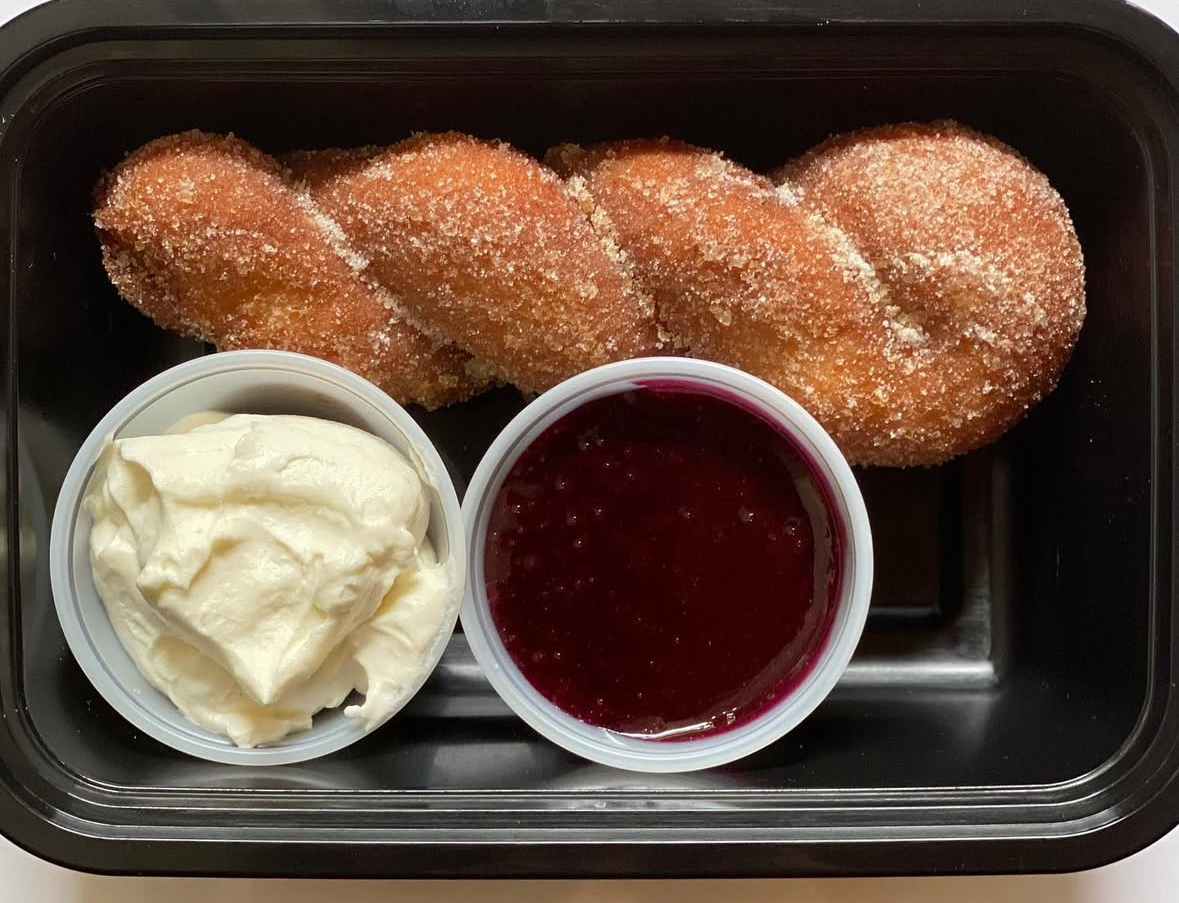
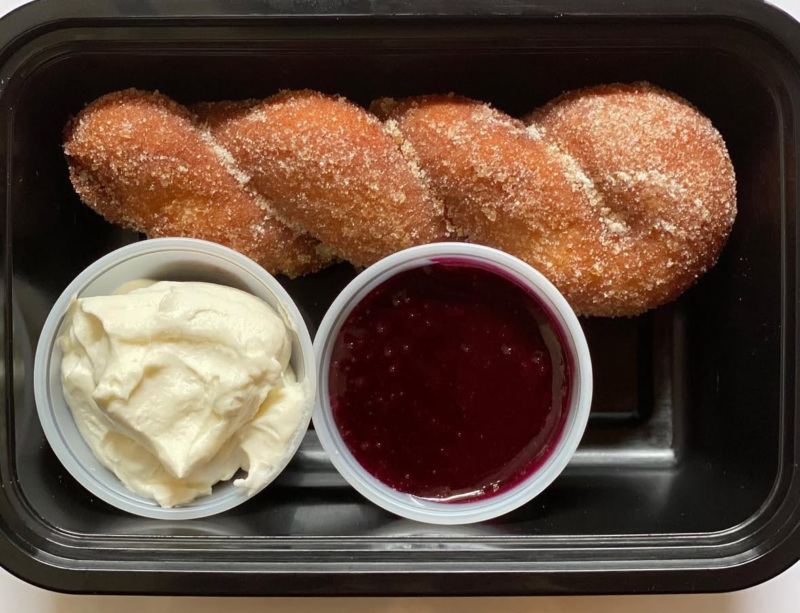
These popular Korean twisted donuts are a mainstay at Korean bakeries, but are usually baked in the morning and then served ready-made from the shelf. Lee wanted to fry them to order to produce a fresh and airy hot dessert. They use a two-day fermented dough, shape them, and then let them prove and rest until they’re ready to fry. The flavor combinations change seasonally, and for the colder months, they’re tossing the kkwabaegi in a spiced sugar mix with cinnamon, nutmeg, star anise, and cloves. The donuts are served with a persimmon curd and Korean citrus tea marmalade made from yuja.