1. The focus is on fish.
From the get-go, the Yess team has been focused on highlighting fish prepared with a variety of Japanese techniques. And while many Japanese restaurants in Los Angeles look to the renowned Tsukiji fish market in Tokyo for their supply, Yamasaki and Clark chose to stick closer to home. “Japanese cuisine follows the nature that surrounds us, which means we can’t fly fish over—we have to use what’s around us,” says Clark.
For the past several years, Yamasaki—an avid amateur fisher—has been putting in quality time with commercial fishermen in Ventura and Newport Beach, learning about local species (such as vermillion rockfish and halibut) and in return, teaching them Japanese techniques for killing and storing fish. Yess serves at least one sashimi option every day, which changes based on seasonality and weather conditions, in addition to various fish and seafood cooked over charcoal on a robata grill.
2. Seasonal California ingredients are treated according to Japanese tradition.
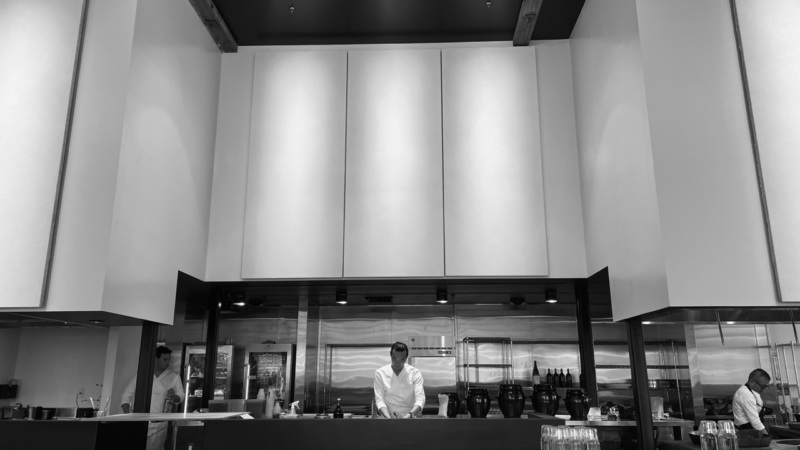
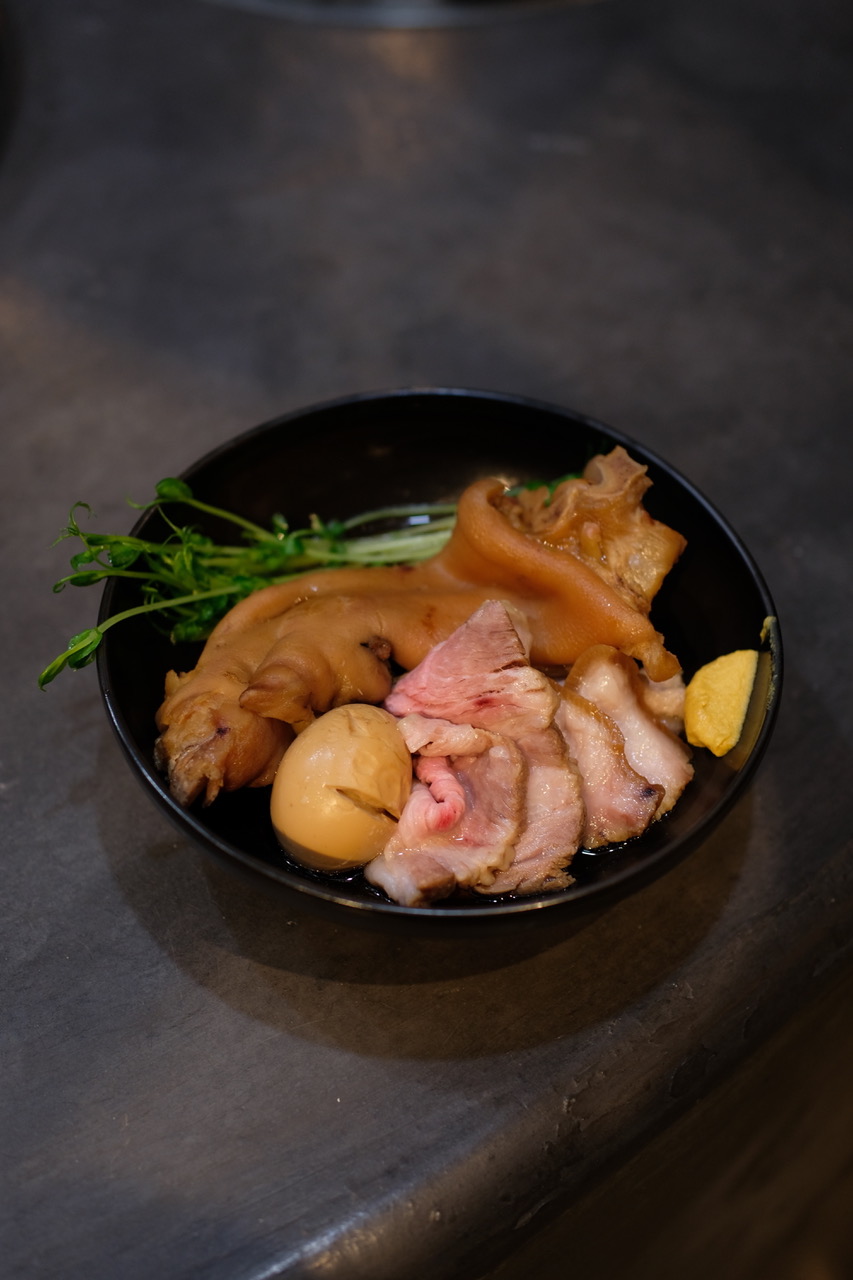
Yamasaki has “a pure idea about what Japanese cooking is,” says Clark. And yet being in Southern California requires him to take a progressive approach to his cuisine through incorporating ingredients that are native to the area. In addition to the robata grill, the open kitchen at Yess is outfitted with a custom-built wood-fire range, which is used to cook stews, tofu, and rice in big iron pots. It’s also employed to smoke things. For his beef tataki, a version of the venison tataki he served at Koya, Yamasaki sears and smokes vaca vieja—beef from mature cows raised by Stemple Creek Ranch in Marin County—over hay, slices it, and garnishes it with fresh young garlic and watercress. Another staple dish is a master stock made with different cuts of pork shank, ox tongue, and chicken crown, which “boils and simmers away slowly during service,” says Clark, and is then served with thinly sliced cuts of meat, dashi, and pea shoots.
Most of the menu will be in constant flux based on what’s seasonally available. “As we’re following nature,” Clark says, “the menu is chopping and changing and flowing every day.”
3. A good portion of the menu is vegan, inspired by Yamasaki’s time at a Buddhist monastery.
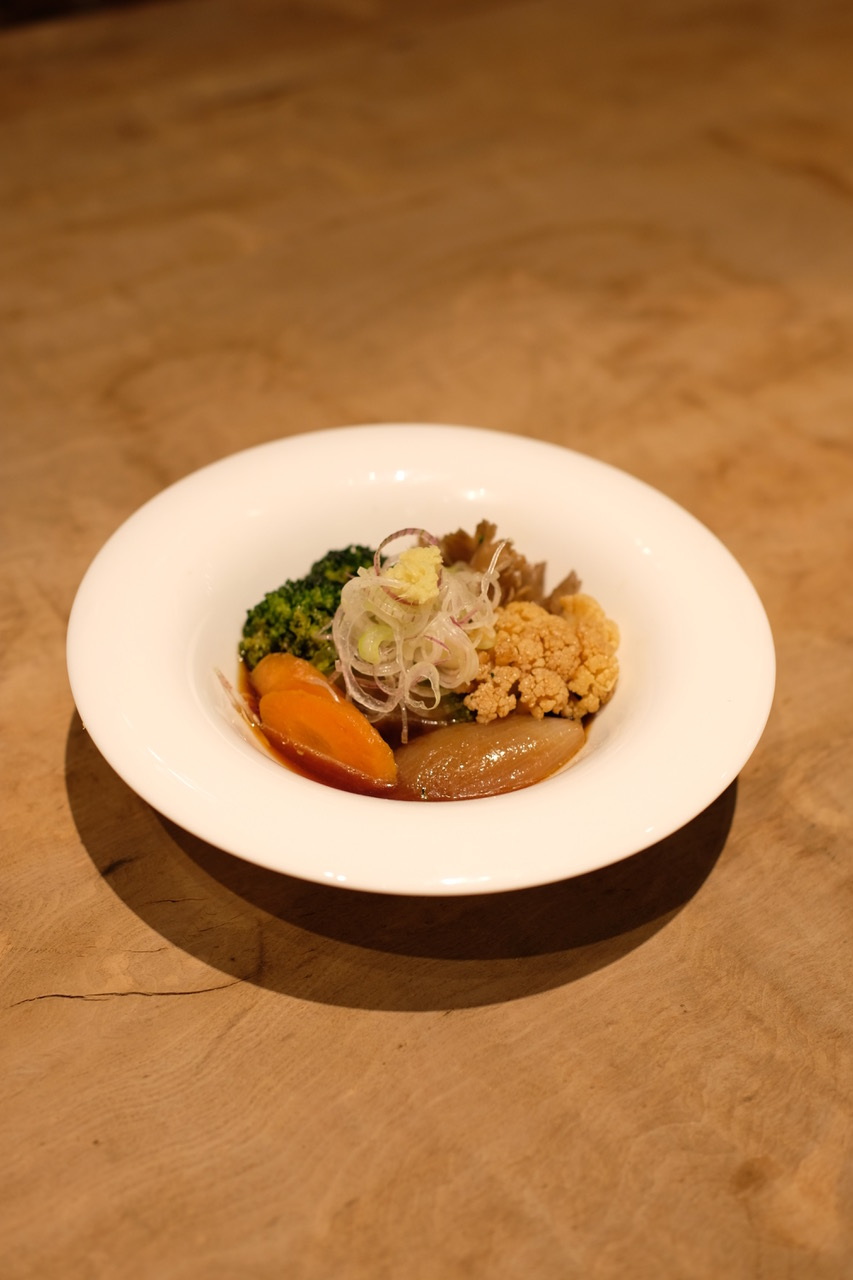
Before he moved to L.A., Yamasaki practiced cooking in a notoriously strict, ascetic Zen monastery in the hills outside of Kyoto. There, he mastered a dish that Yess is calling monk’s chirashi, a rice bowl topped with various seasonal, plant-based ingredients. For the current iteration of this dish, walnuts are roasted in their shells on a comal over wood fire so that they are naturally smoked by their own husks. Yamasaki also uses fresh grapefruit instead of sushi vinegar in the rice, and incorporates green walnuts, snow peas, and pea flowers into the final dish.
4. Sake and soju anchor the drink program.
Yukiyasu Kaneko, who formerly worked as a sommelier at Copenhagen’s Noma, traveled around Japan looking for small sake and soju makers to highlight on Yess’ beverage menu. The team worked with an importer friend to bring their findings to Los Angeles. As a result, most of the rice wine producers they feature are tough to find elsewhere in the U.S. Besides sake and soju, other “natural primitive drinks,” as Clark calls them, are offered. Think cider, mead, and wine.

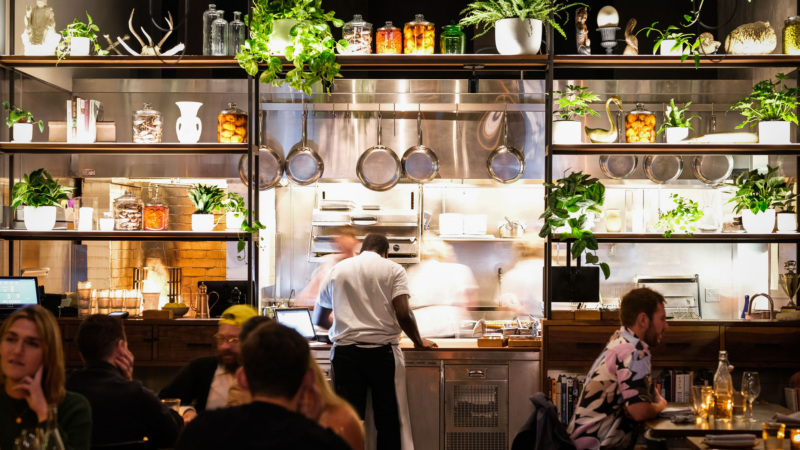
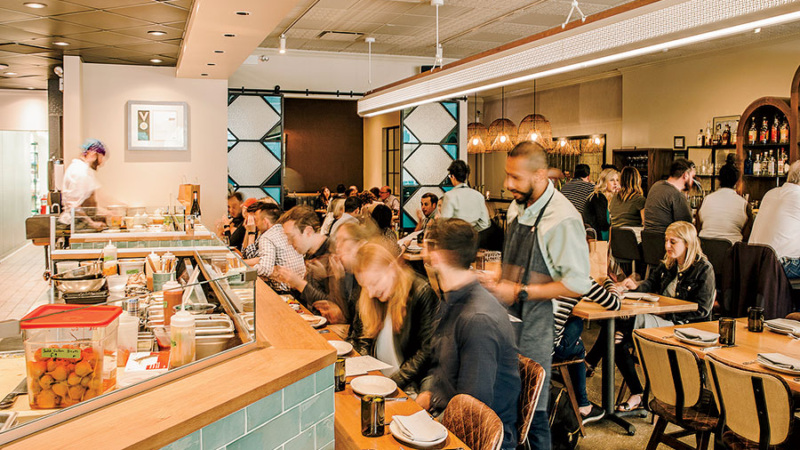
5. Most of the restaurant’s seats have a front-row view of the open kitchen.
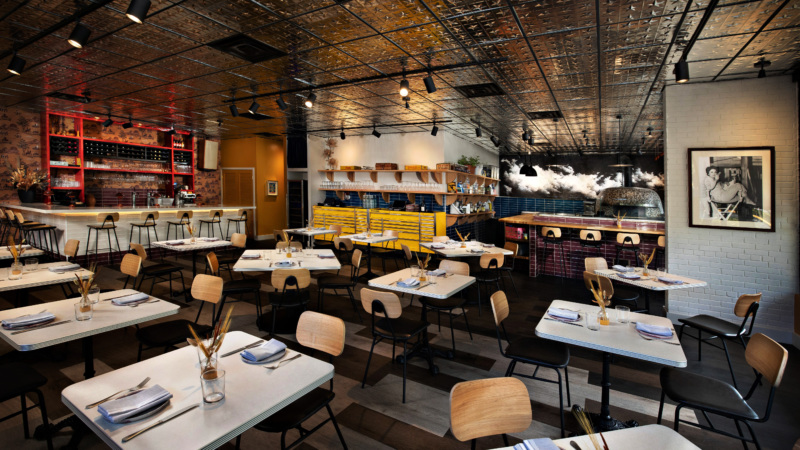
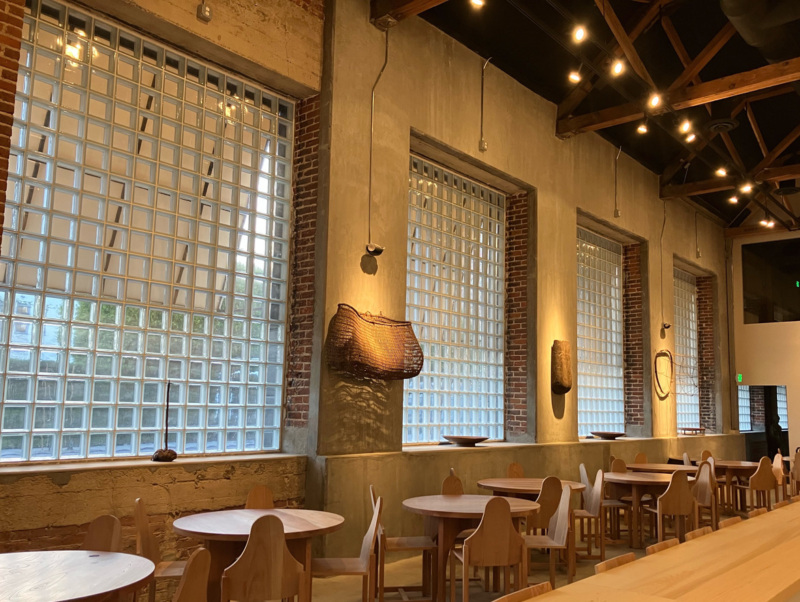
Yess’ dining room is minimalist and sleek, with tall brick and concrete walls and plenty of light wood. All of the restaurant’s chairs, 42 of which are at the bar that wraps around the open kitchen, are made of surplus wood from Japan’s famous Ise Jingu shrine. The shrine is rebuilt every 20 years from wood cut from a national forest 50 years in advance to be aged naturally. Kaetsu was able to get hold of what was left over from the last rebuild in 2013, and then employ a Japanese millworker in LA to make chairs with it.
Emily Wilson is a Los Angeles-based food writer from New York. She has contributed to Bon Appétit, Eater, TASTE, The Los Angeles Times, Punch, Atlas Obscura, and more. Follow her on Twitter and Instagram. Follow Resy, too.