Maru San Brings an Intimate Taste of Nikkei Cuisine to Capitol Hill
Published:
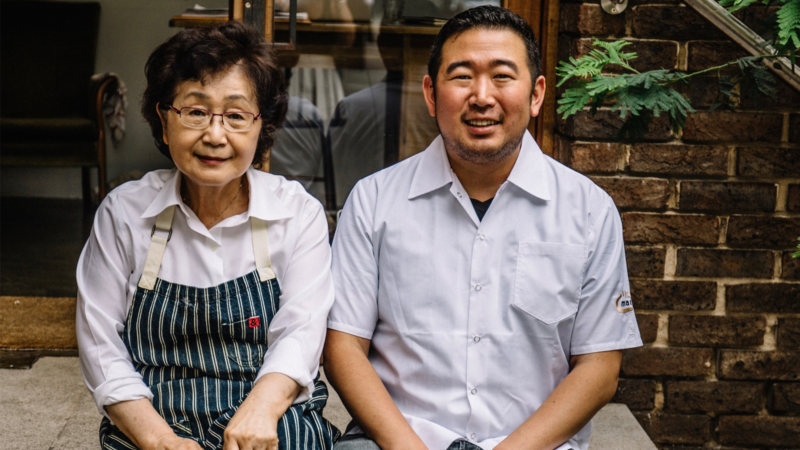
What is Nikkei cuisine exactly? Carlos Delgado believes it’s a term that gets thrown around a lot but often gets misunderstood or misinterpreted. Take a seat at his latest restaurant venture Maru San on Capitol Hill, and he will quickly explain what Nikkei cuisine is and isn’t.
“A lot of people think it’s just a fusion, but it’s not,” he says. “Nikkei is its own culinary identity that developed when Japanese immigrants started to arrive in Peru going all the way back to 1899. You have the precision and restraint of Japanese cooking paired with the boldness, acidity, and spice of Peru.”
Delgado is well known for his Peruvian tasting menu restaurant, Causa, as well as a rooftop bar Amazonia, both located in Shaw’s Blagden Alley. Maru San marks a new chapter in his career as he brings Nikkei cuisine to Washington, DC.
The restaurant opened in February, and its name pays homage to the Sakura Maru, the first boat that originally brought Japanese immigrants to Peru. And while Nikkei cuisine is widely served on the streets of Lima, it’s not nearly as popular in The District.
By opening D.C.’s first and only Nikkei-style hand roll concept, Delgado is hoping to bring an intimate 25-seat experience that transports diners to Peru and focuses on thoughtful, quick service offerings for guests to enjoy.
To learn more about Maru San and its menu of options from extravagant hand rolls to its range of Japanese beer and cocktail offerings, we sat down with Delgado to learn more.
The Resy Rundown
Maru San
-
Why We Like It
It’s an intimate exploration of Nikkei cuisine from a true master, and one that shifts to each occasion, whether you’re looking for a quick bite or a thrilling, exclusive tasting menu experience. -
Essential Dishes
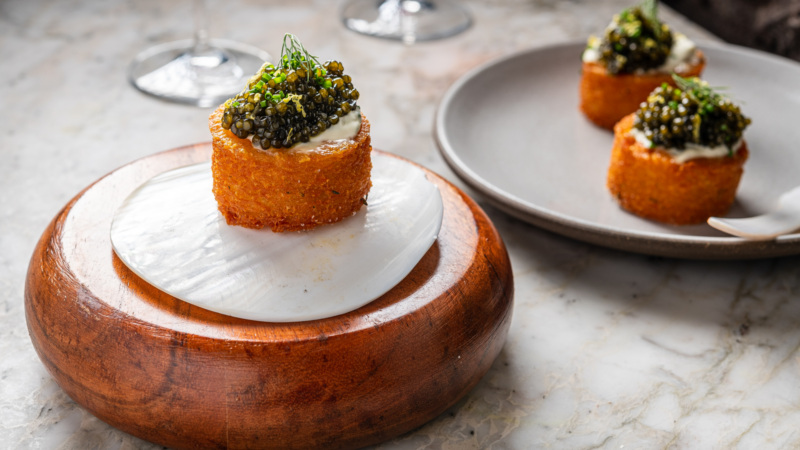
Any of the hand rolls, especially the caviar one; wagyu tataki; and chirashi acevichado. The 15-course tasting menu is also not to be missed. -
Must-Order Drinks
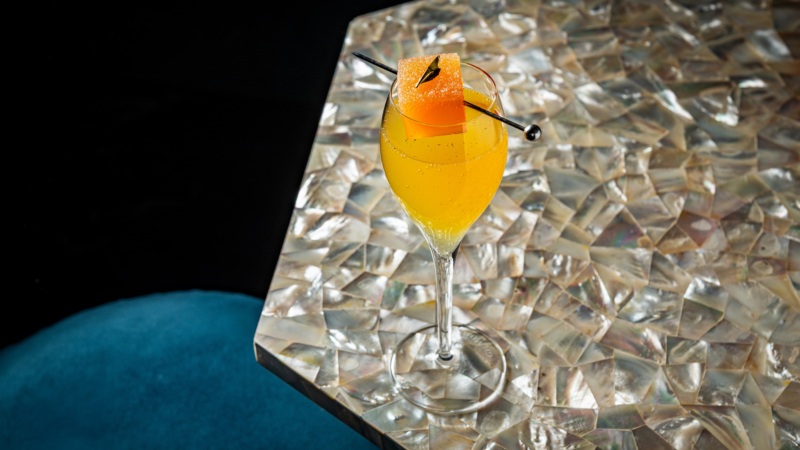
Highball with pisco; chicha morada; and matcha lemonade.
-
Who and What It’s For
Diners seeking a memorable dining endeavor that explores a cuisine that’s not easy to come by in the District. -
How to Get In
It’s first come, first served for the à la carte menu, but reservations are required for the tasting menu experience. -
Fun Fact
All the ceramics are handmade from Peru and Japan, and were delicately packed away and transported by the chef during his travels to both countries.
1. Maru San has something for everyone, from an intimate tasting menu and creative hand rolls to satisfying bar bites.
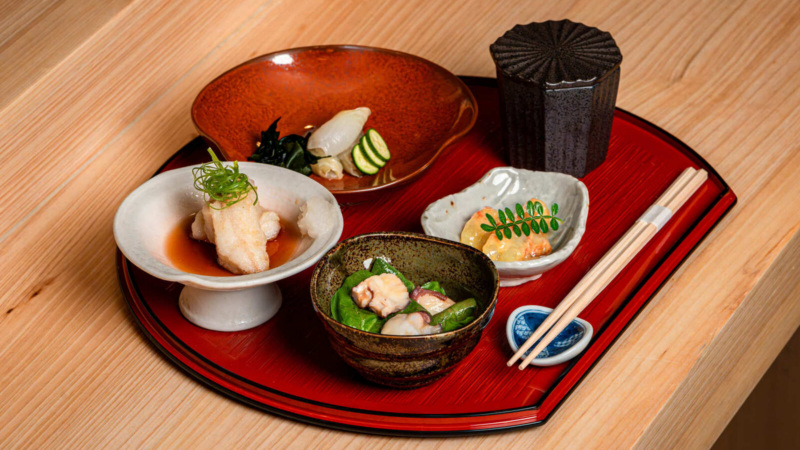
Maru San will serve both a quick service offering for lunch and dinner, plus a once-nightly, 15-course tasting menu for only four guests, who sit at the corner of the counter. The Experience at Maru San tasting menu takes about two hours and will cost $115 per person, before tax and gratuity.
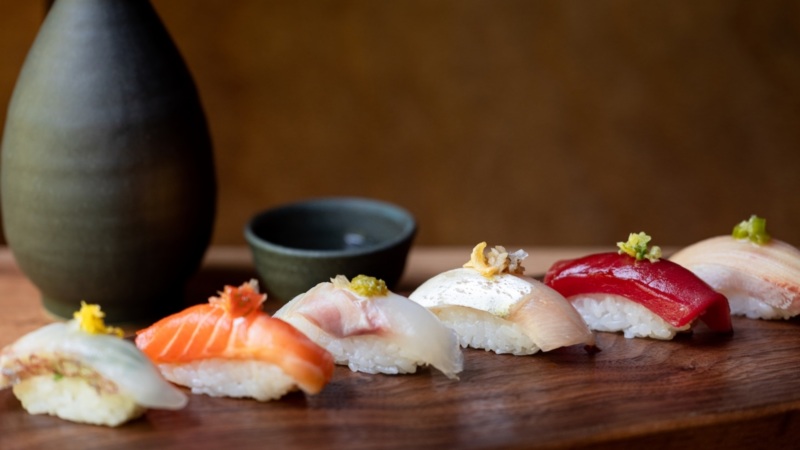
This tasting experience changes based on fish selection, and includes dishes like aged usuzukuri, a Japanese sashimi preparation method which involves slicing firm white fish paper thin, then it’s topped with lacto aji amarillo ponzu for a distinct tangy finish.
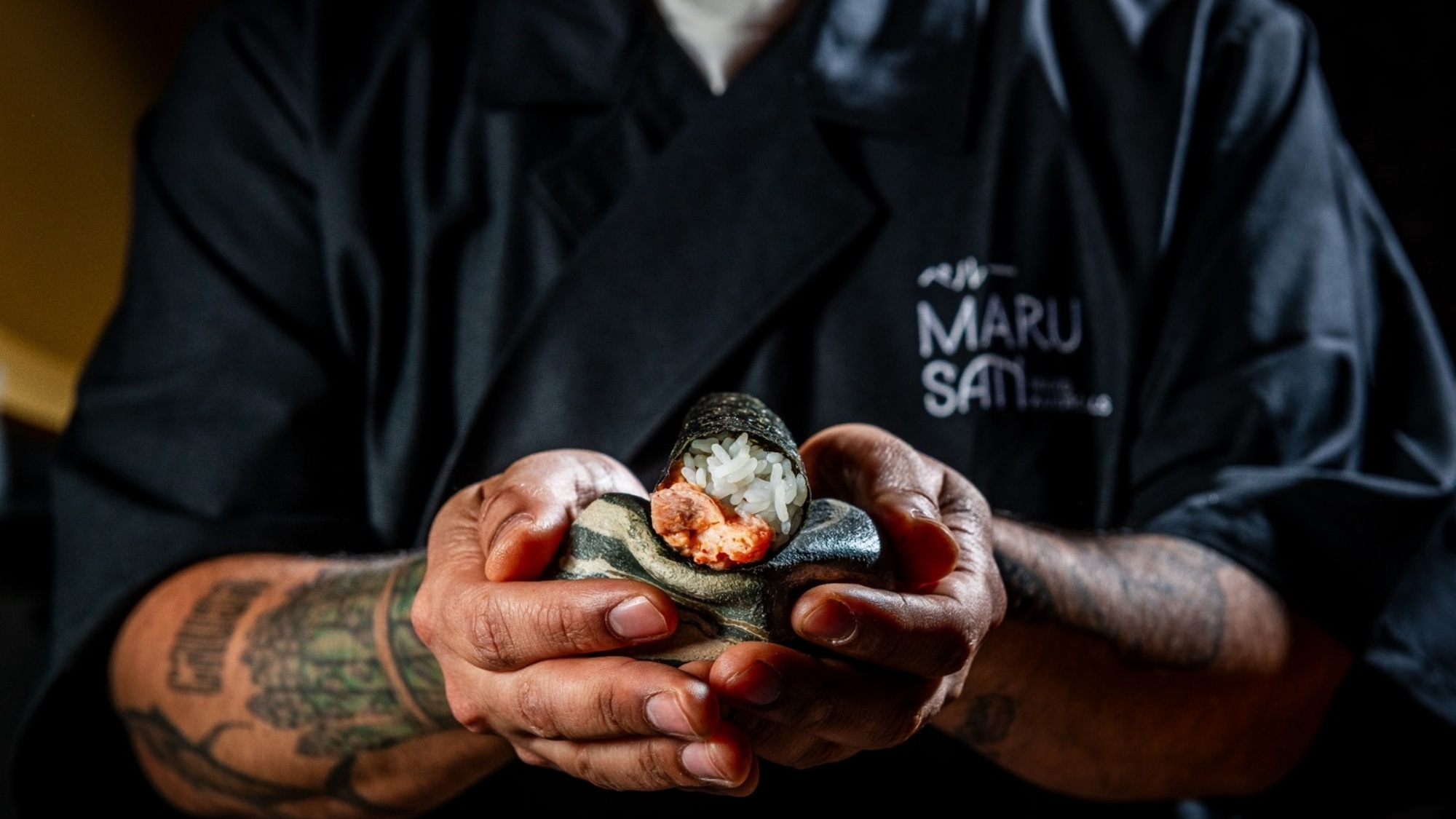
Maru San’s standard hand rolls include akami (lean tuna), toro (fatty tuna), crab, scallop, lobster, and octopus, plus premium versions like uni, aged toro, and foie gras. Guests have the option of pre-selected hand roll sets (options of three, four, five and six hand rolls) at a discounted price, too.
Beyond hand rolls, there are Nikkei-style bar snacks like wagyu tataki and pachikay, a flavorful Peruvian sauce with ginger, garlic, spring onion, and oil.
Delgado is most excited about his caviar hand roll. “It’s one of the only items that’s available both à la carte and on the tasting menu,” he says. “We found a great supplier for the caviar, so it’s not going to be crazy expensive, and I think it’s going to be the biggest crowd pleaser.”
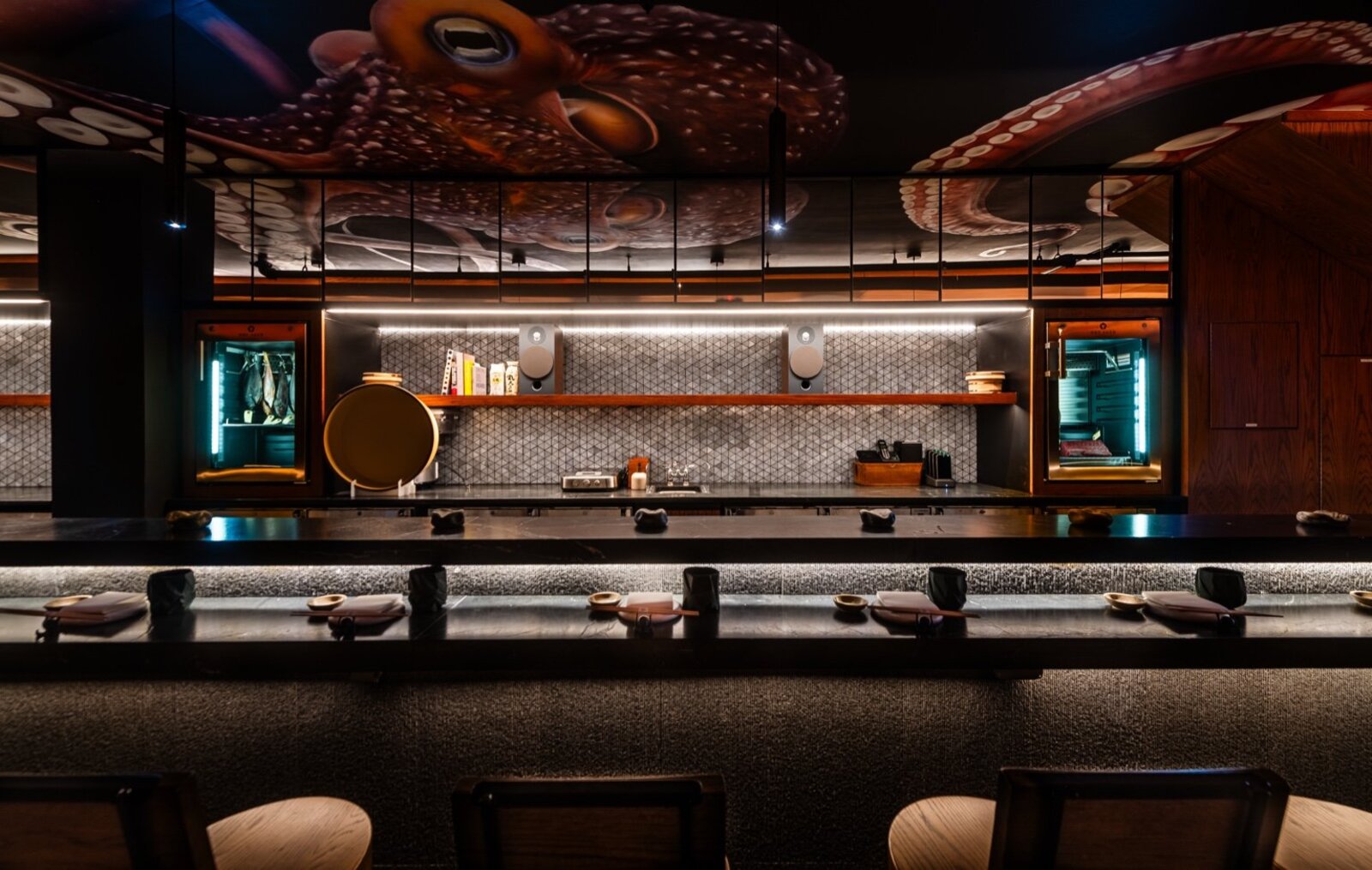
Each of his cigar-shaped hand rolls utilize premium nori, rice, in-house fermented sauces like ají rocoto, and dry-aged fish that proudly hangs in a case behind the counter.
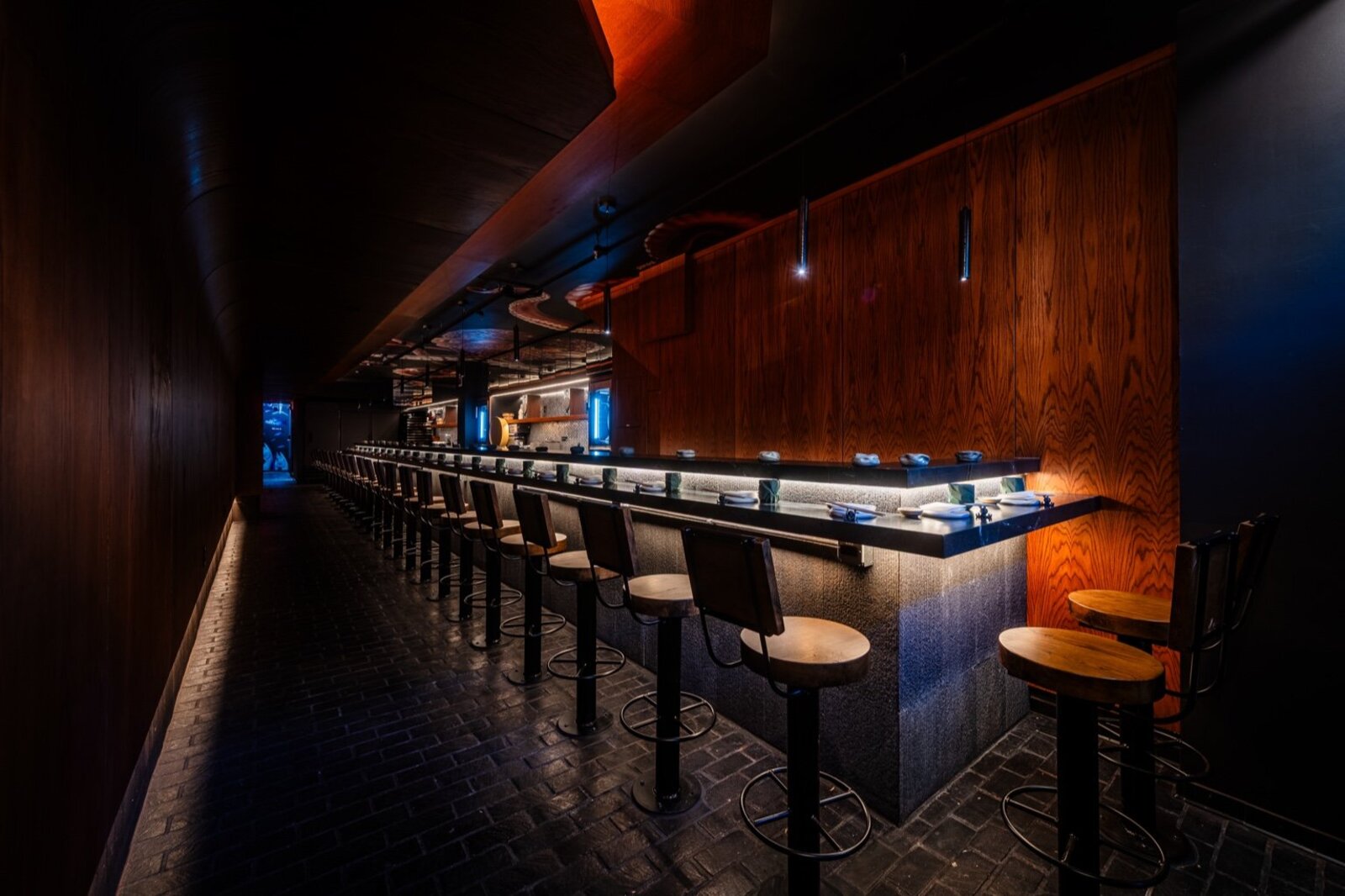
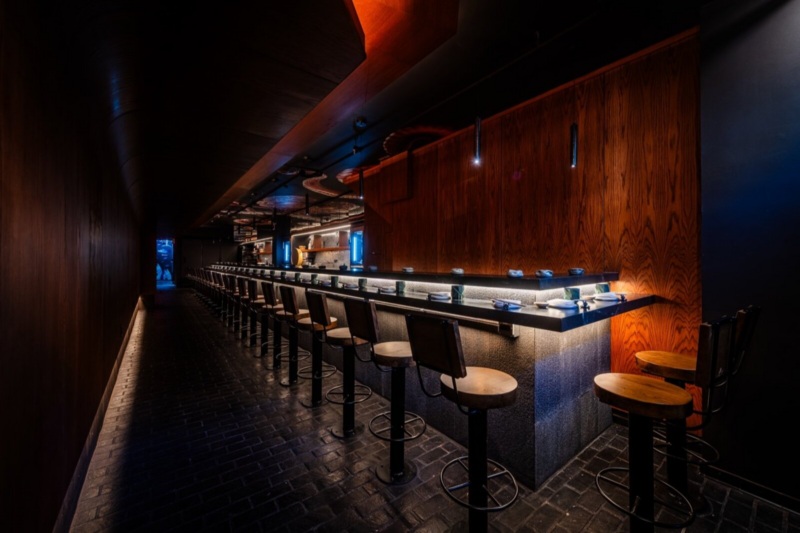
2. The tiny space channels big Japanese and Peruvian energy.
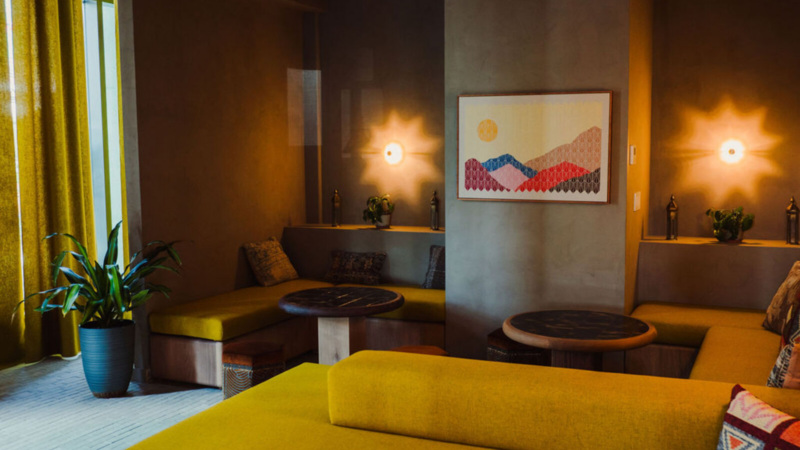
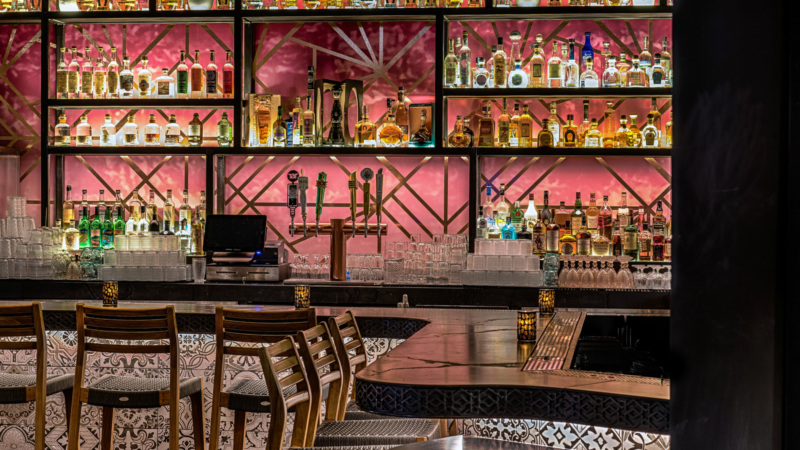
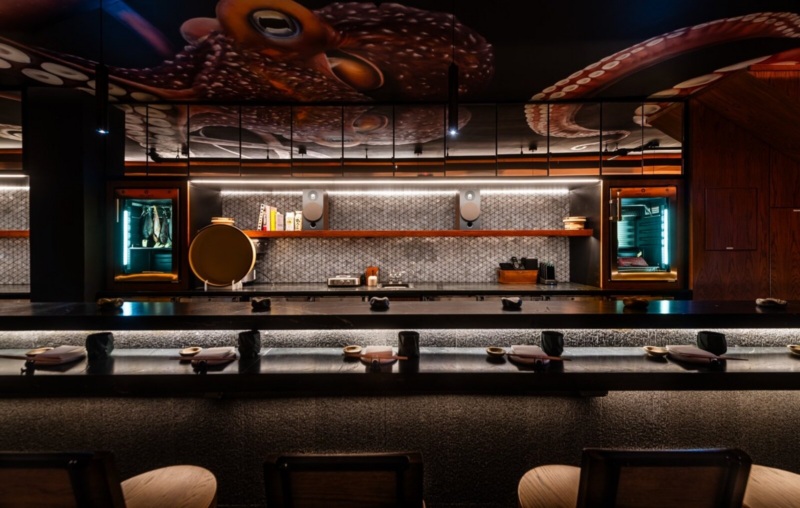
Maru San is tiny — only about 1,000 square feet and entirely counter seating. “The idea was to create something rooted in Japanese minimalism but with a darker vibe,” Delgado explains. “There are clean lines, natural materials, and lots of mirrors, but the space also leans into dark wood and black stone with low lighting. You really do not feel like you’re in D.C. when you walk in.”
One of Delgado’s favorite details is the octopus mural on the ceiling. He found Brooklyn-based muralist, Carson DeYoung, and watched as he painted the enormous eight-legged creature on the ceiling.
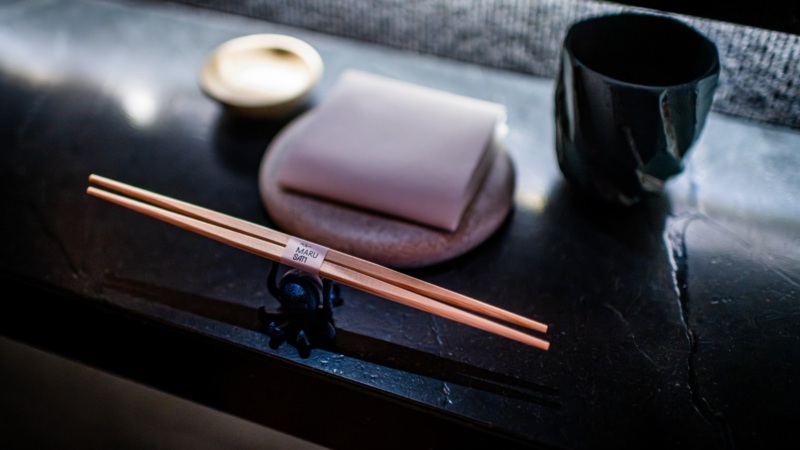
Something else you might not notice at first glance: All the ceramics are handmade from Peru and Japan, and were delicately packed away and transported by Delgado from his travels to both countries.
“The hand roll holders are all one-of-a-kind and look like rocks you might find in Peru,” he says. “I also found someone to 3D print mini-octopus chopstick holders, so we’ve been very intentional with the design aspects, down to your water glass and silverware.”
3. Maru San brings both quick service and slow tastings to Eastern Market.
“For me, Nikkei is personal,” Delgado says. “I grew up in Peru, and that influence is everywhere in our food culture there.”
And while Nikkei cuisine has spread beyond Peru and into North America and beyond, this is a first-of-its-kind counter experience for Capitol Hill’s Eastern Market neighborhood.
Delgado hopes to introduce Washingtonians both to the quick service format and the more extravagant menu tastings you are likely to experience in Lima.
“The ‘Maru Experience’ allows us to slow down and get people comfortable with the concept of Nikkei firsthand. Also, the tasting offering gives us the ability to offer super high-quality ingredients like our dry-aged fish,” he says.
But core to this is also a walk-in-only option with à la carte offerings. “The more casual quick-service menu is what I am really excited about,” Delgado says. “You’re getting the same quality ingredients in our quick service hand roll menu that you would get at a Michelin-starred restaurant, which we think is pretty awesome.”
4. Beverages highlight the spirits of Japan and Peru
The hand rolls are the main attraction at Maru San, but there is also a focus on shaking up the beverage program a bit, with the entire bar menu featuring spirits and beers from Japan and Peru.
Think highballs with pisco, rare Japanese whisky, plus specialty beers like Pilsen Callao and Hitachino Nest from Japan. That’s in addition to spirit-free options, from Peruvian favorites, like Inca Cola and chicha morada, to Japanese sodas and matcha lemonade.
5. Expect to see secret menu items and seasonal menu add-ons soon.
The menu shifts with seasonality and includes some secret menu items, too. “You’ll have to come see for yourself,” Delgado says.
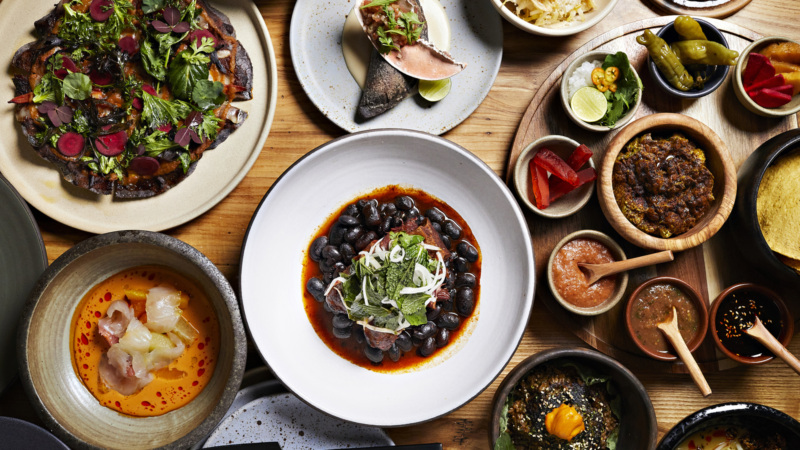
“Our opening menu includes a chirashi acevichado, which is sushi rice mixed with uni and topped with ceviche sauce and either aged or fresh white fish like mahi, flounder, or snapper,” he says.
You will see a mix of raw preparations and more composed bites from Delgado and chef Simon Lam, his former colleague from China Chilcano.
“High quality fish sourcing is super important to us,” Delgado says, “so everything will be fresh, and we’re doing the dry-aging in house, behind the counter, so guests can see the process up close.”
Maru San is open Wednesday through Sunday from 4 to 10 p.m. Reservations are strongly recommended for The Experience at Maru San, which has a single seating at 7 p.m. for only four guests nightly.
Tim Ebner is an award-winning food and travel writer. He has contributed to The Washington Post, Eater, Thrillist, Travel & Leisure, and Edible D.C. Follow him on Instagram. Follow Resy, too.