As Lula Cafe Hits 25 Years, Jason Hammel Celebrates Hospitality and the Power of Community
Published:
When Jason Hammel and wife Amalea Tshilds opened Lula Cafe in 1999, they envisioned a space for their community to gather for connection, culture, and, of course, great food.
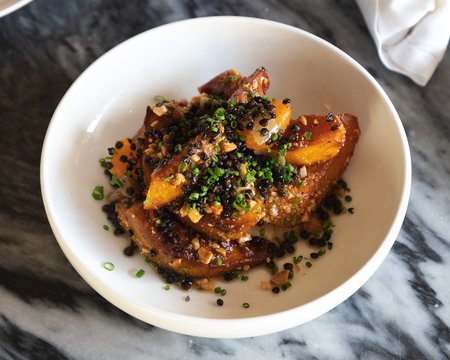
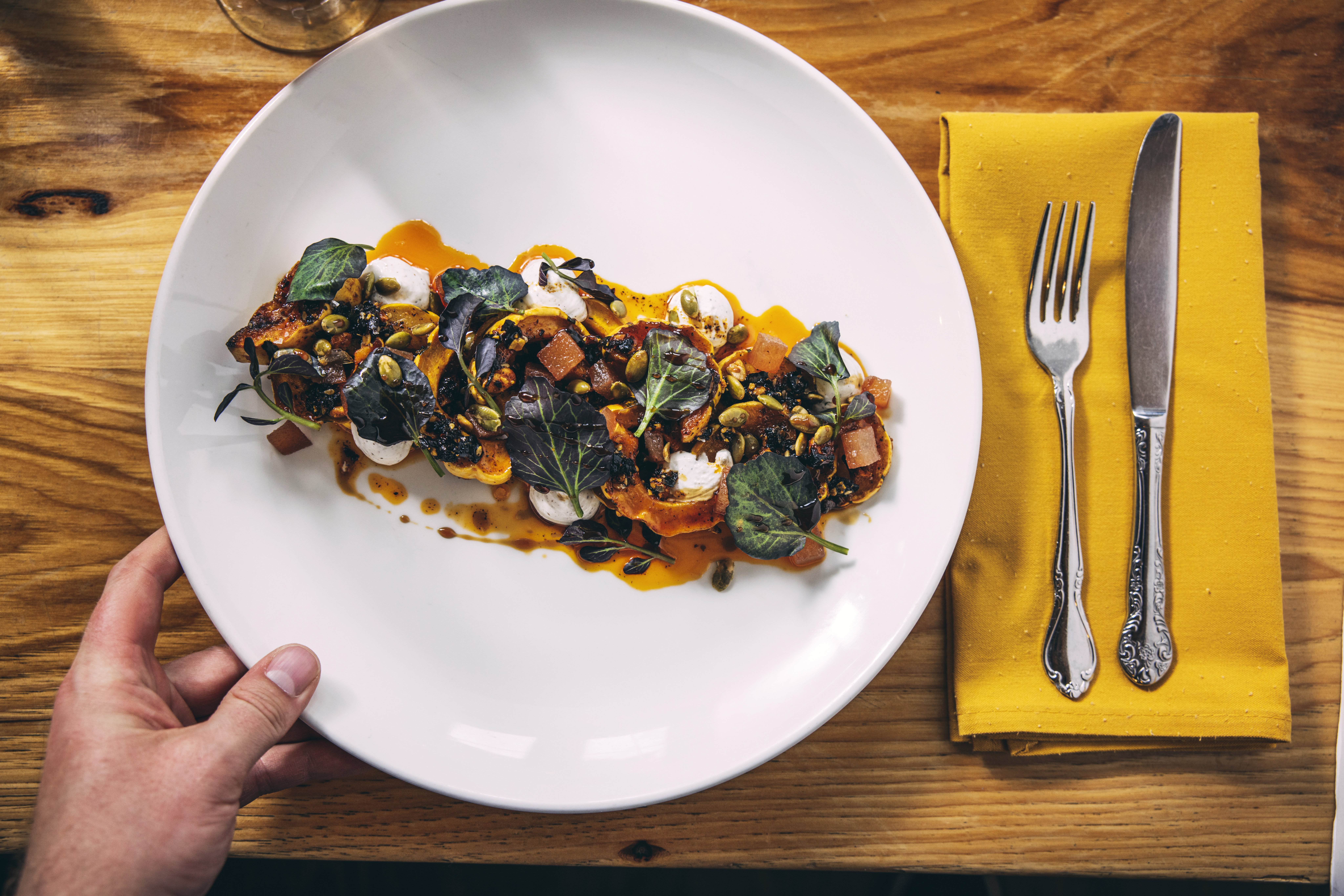
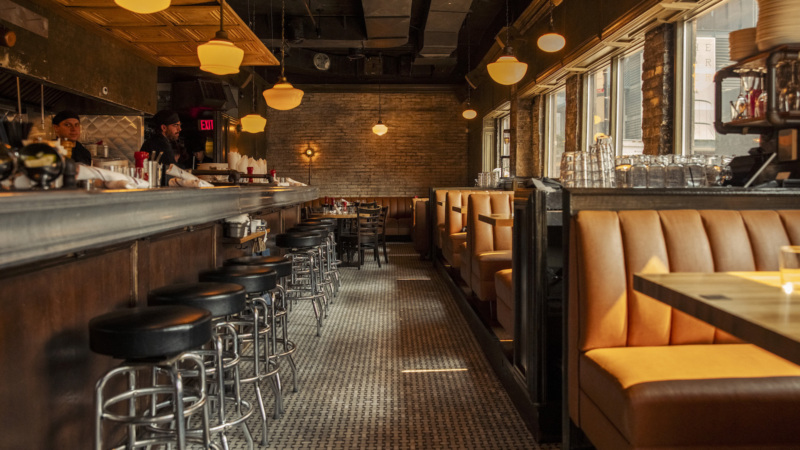
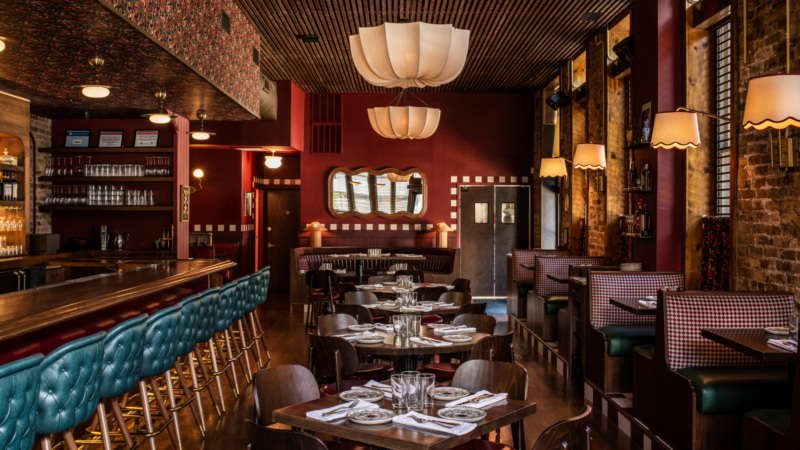
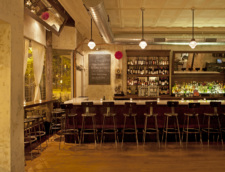
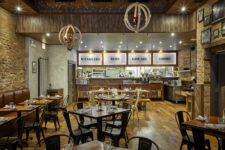
September marked 25 years for the restaurant, and one glance at its bustling dining room today is proof that it’s maintained its post as neighborhood beacon, drawing Logan Square denizens on the daily for celebrations and catch-ups over the hyper-seasonal, farm-driven fare for which Lula has become best known.
And then, there’s the hospitality — the attentive, finely tuned care that earned the restaurant a James Beard Award earlier this year. It’s just part of Hammel and his team’s big year, which includes the recent release of The Lula Cafe Cookbook and their recently opened spot LOULOU, an arts-focused restaurant meets community hub that highlights the work of local organizations (including past Lula Cafe nonprofit partners, such as Virtue Leadership Development Program, The Abundance Setting, and Pilot Light, the food education nonprofit Hammel co-founded in 2010)
Here, Hammel talks with us about the hospitality bearers in his life, the significance of showing up, and the ongoing impact farmers have on our food (and beyond).
MORE FROM RESY
How did you decide to open in Logan Square — and how have you seen the neighborhood change?
Logan Square was my first and only neighborhood. When I was in my 20s I found this incredible community of artists, creatives, and seekers, all of whom hung out at a local coffee shop called Logan Beach. It was here that I met all of my closest friends and eventually my wife, with whom I opened Lula in 1999.
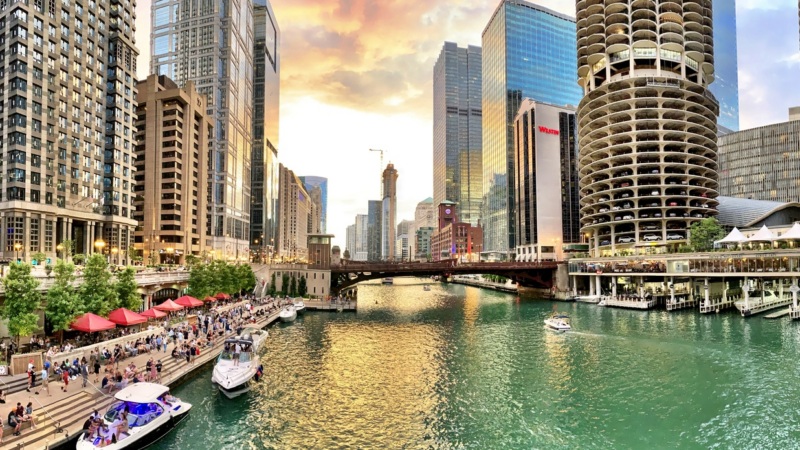
The neighborhood has changed, of course, as the city has, in many ways. Some I feel sad about, and others I welcome. Overall, Logan remains a fiercely independent and creative neighborhood, without the large corporate presence felt in other areas of the city. I’m extremely grateful for that.

What trends are you currently seeing (or ready to say goodbye to) in Chicago dining?
I don’t pay too much attention to trends. The diversity of Chicago dining extends beyond trends — it’s always vibrant and growing, in exciting, warm, and welcoming ways.
Congrats again on the James Beard Foundation Award for Outstanding Hospitality. What does the accolade mean for you and the team?
It’s recognition of the many, many hands it takes to give generative, empathetic hospitality on a daily basis. It meant the world to all 100 of us who love working together and supporting each other in this endeavor.
Is there a time, person, or place in your life that helped to establish your definition of hospitality today?
I’m trying to show up for people like my family showed up for me. I’m grateful to them, especially to my grandparents, and recognize that I’ve had the privilege of a warm and supportive family environment. In our work we recognize that we are not a family, but rather a team. And that the team needs resources and support in a different way than a family does. But the heart that beats inside is completely my grandmother’s work.
Can you speak to your work with Pilot Light? What drew you to its mission?
We are dedicated to showing the power of learning with food. Of using food as a lens, a language, a means — to connect with and engage children, and to work with them on critical inquiry in all facets of their lives. We are growing fast. Our programs now reach many states in the country, and thousands of teachers and children.


You are active in other causes, too, including your recent 25 x 25 dinner series, each of which benefits a different nonprofit. What inspired these dinners, and what do you hope for them?
In September we turned 25. It was a cheeky idea at first — invite 25 chefs to cook — but we always had the core intent to use that moment in our lives to help support the work our friends are doing in the not-for-profit sector. So many chefs have causes to which they’ve dedicated their lives and work. I wanted to highlight that part of our community. Not just the food and not just the “giving back.” But the creating, the reaching out, the calling in, that chefs do in their communities all over the city.
Cookbooks today are more than recipes — they contain stories and are stories in and of themselves. What story did you hope to tell with the Lula Cafe cookbook?
I’m telling the story of my own personal journey as a wannabe writer to an accidental chef. I hope that the literary eye I bring to food and cooking is engaging and sparks the same kind of joy in others that it does in me.
Local, of-the-moment sourcing has always been a driving force at the restaurant. How does seasonality continue to shape the Lula’s growth and evolution?
We believe in moments. As a chef, your work is literally consumed before you and vanishes. So seasonality speaks to me in the ephemeral nature of the work. We try to find stories that will last beyond that one moment of consumption. And that means knowing your farmer and telling their story. That means knowing the vegetable or fruit and telling its story. We became fascinated with culling depth out of a transient experience and really never looked back.
That said, climate change and economic conditions continue to threaten this experience. We also support the farmers in order to put our money where we feel it does the best good. Rather than purchase from large intermediaries, we try our best to purchase directly from the source.


The city is excited to experience your recently opened spot LOULOU. What can you tell diners about the venue, and how much of Lula’s personality might they find there?
It’s very in line with Lula, aesthetically and in its purpose. Consider it a studio, a salon, where all sorts of creative events can take place — of course, with food. We will host chef cookbook dinners, chef talks, music, art, and community sponsored events.
As someone who has maintained a successful restaurant for decades, what advice do you have for those looking to do the same?
Try your best to show up. I want to be here for them all. Sometimes it’s more difficult than it seems, as I’m one chef and my team are many. But it’s my job to be there for them in a real and meaningful way — a direct and purposeful way, with openness, warmth, and understanding.
Nicole Schnitzler is a Chicago-based writer. Find more of her work here, and follow her on social here. While you’re at it, follow Resy, too.