Across Generations and Tragedy, Little Tokyo’s Beloved Azay Carries On
Published:
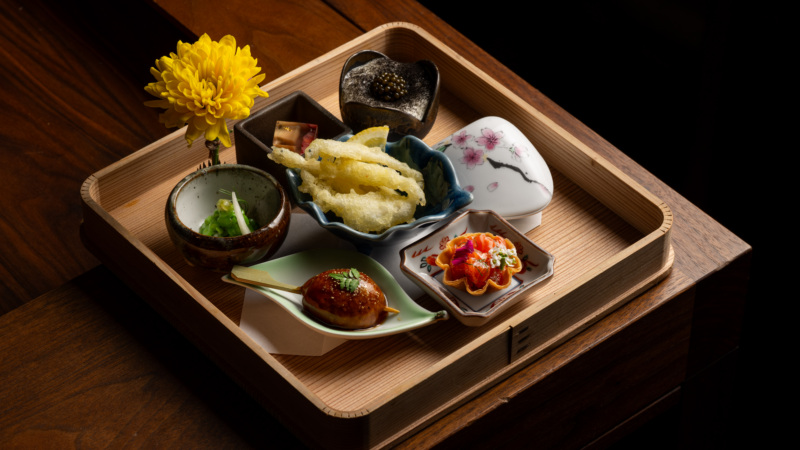
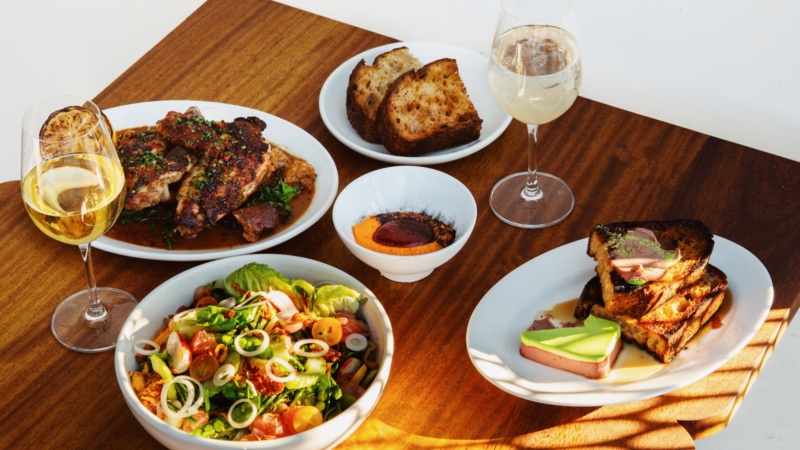
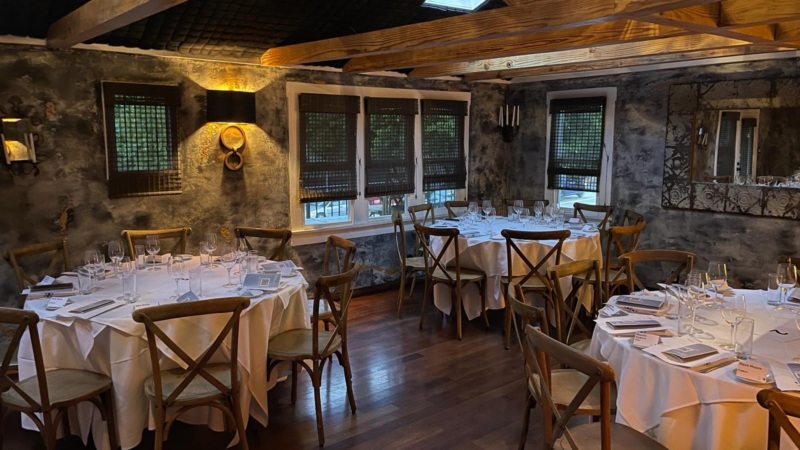
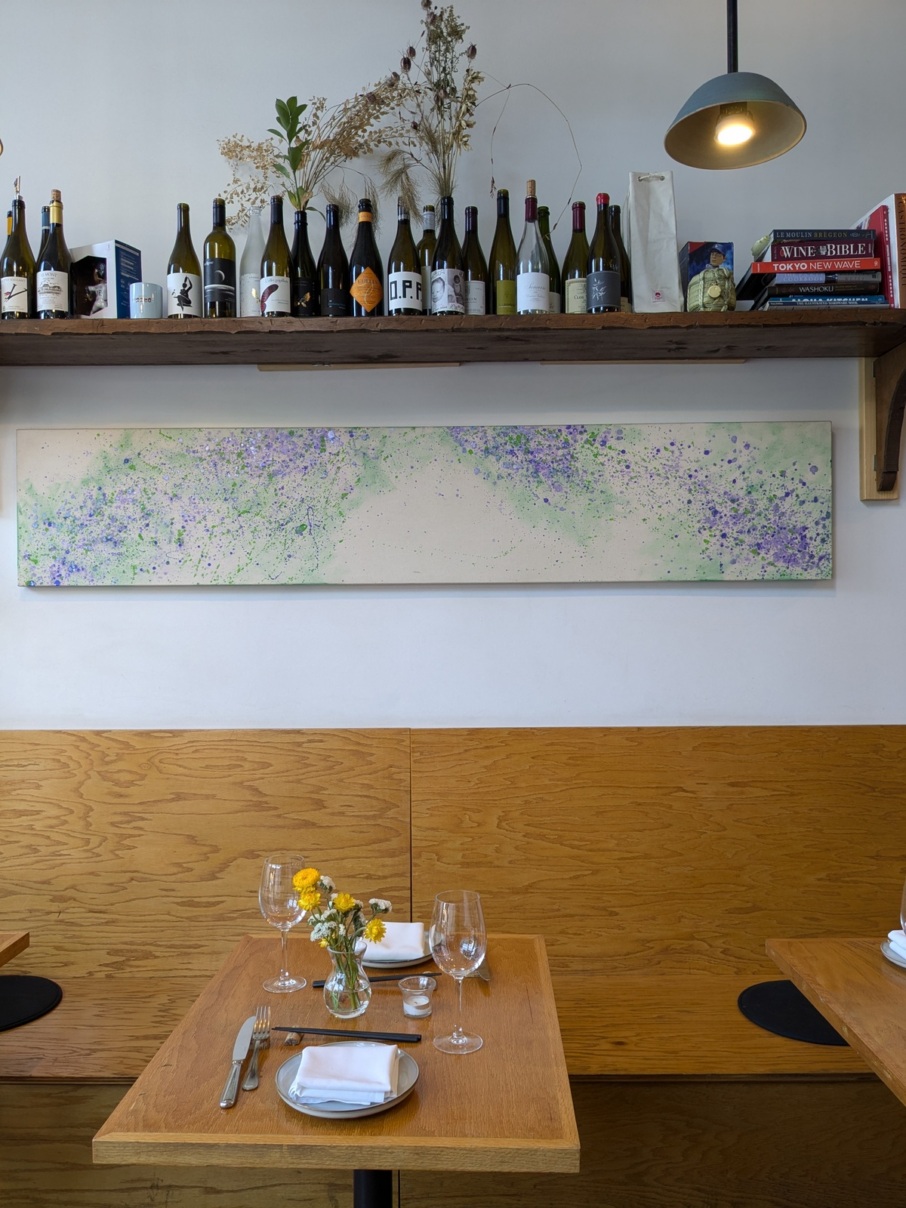
Last March, I spoke with Philip Hirose. He’s 37 years old, and the new steward of Azay, his family’s beloved restaurant in Little Tokyo. The charming French-Japanese brunch spot epitomizes elegance, yet respects restraint: its menu, while posh, never feels pretentious. Located on First Street, it’s the kind of cheery, sun-drenched cafe you’d like to spend an early afternoon at, leisurely sipping roasted hojicha tea while flipping through the latest issue of your favorite design magazine. Nearly everyone orders the Japanese breakfast, and your visit is not the right time to be contrarian.
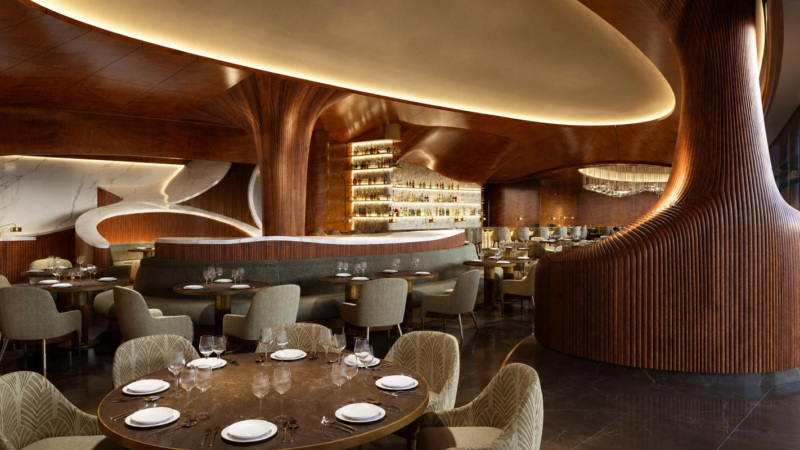
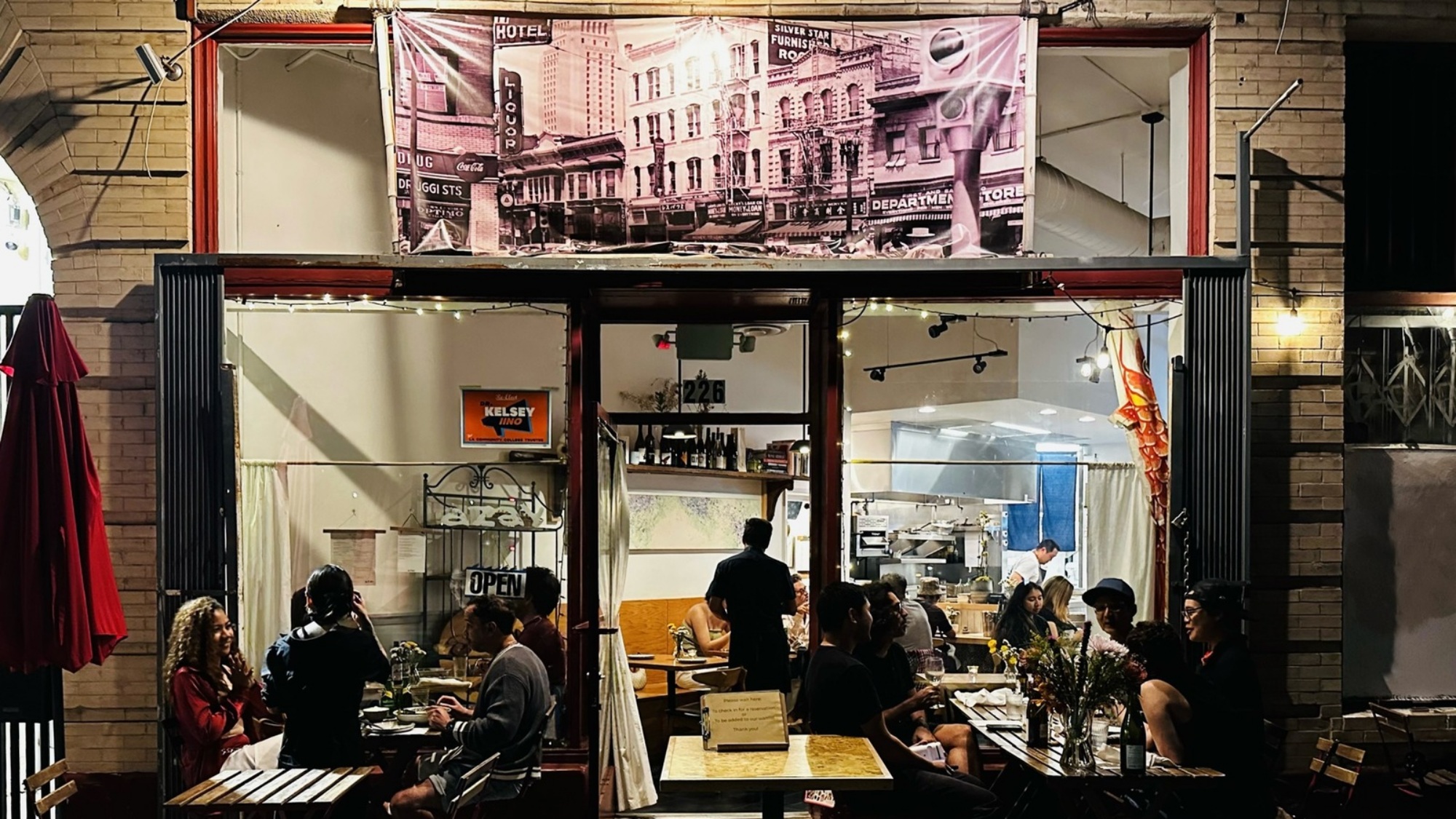
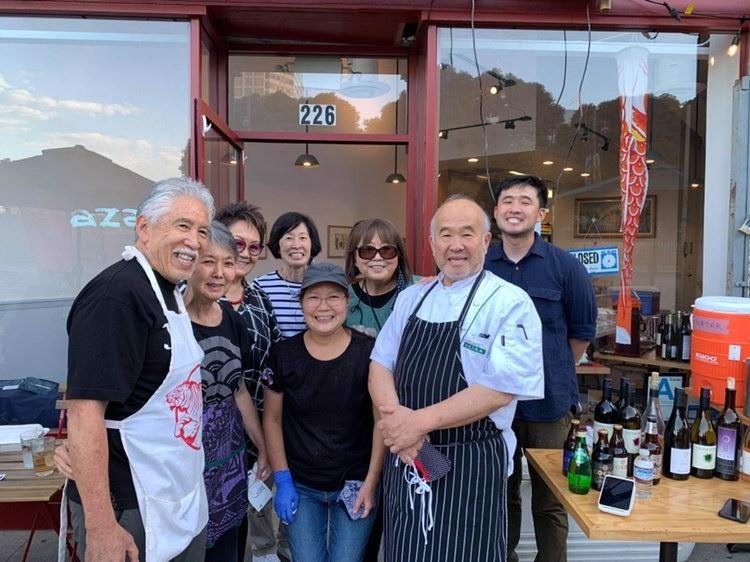
For curious eaters, there’s also a valuable history lesson on the evolving neighborhood to be found here, as one gazes up at Azay’s facade: a large brick building marked by a handsome vermillion-colored trim. This building is owned by the Hirose family, too, thanks to Philip’s mother, Jo Ann Hirose, who is widely regarded as a community leader in Little Tokyo. In 1946, her father, Tsutomu Maehara, founded Anzen Hotel Supply in the neighborhood, and taught his children the importance of Japanese-Americans owning property in a post-World War II society.
Before Philip inherited the restaurant in 2025, Azay was the triumph of his father, the late chef Akira Hirose. Born in Kyoto and armed with classic French culinary training, Akira would go on to pioneer French cooking in Los Angeles. Anyone with culinary aspirations (or even an expensive knife set) would find his resume enviable: he worked at Hôtel Nikko in Paris under Joël Robuchon and Lenôtre before a generational run in Los Angeles, including stints at L’Orangerie, the Tower, and the Belvedere at The Peninsula Beverly Hills. Finally, in 1998, he opened his own restaurant: Maison Akira in Pasadena. Azay came along in 2019, and represented Akira’s final chapter: a French-Japanese gem that was embraced by the Little Tokyo community; and a culmination of a life dedicated to excellence in cooking.
On Sept. 26, 2024, Akira passed away at the age of 70. He entrusted Azay to his immediate family, with his son, Philip, stepping up as the restaurant’s new owner. “I jokingly call myself my parents’ ambassador. As the owner of a small business, I do everything: accounting, HR, vacuuming, plumbing,” said Philip when we spoke last year.
MORE FROM RESY
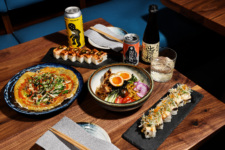
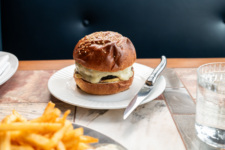
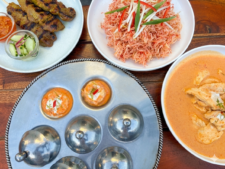
But what is Azay without chef Akira? The patriarch’s death marked the beginning of an ongoing transitional period for the Hirose family’s restaurant, as Philip began searching for a new head chef. Still mourning, he had to push the business forward. Eventually, he hired chef Chris Ono (previously of Providence, Eleven Madison Park, and Mori Sushi) to launch an ambitious new dinner service.
But barely six months later, on April 1, 2025, a nearby tenant left a space heater too close to their bed, the mattress caught fire, and flames quickly engulfed Azay’s building. Fortunately, no one was hurt, but the restaurant was left devastated after sprinklers flooded the dining room, effectively shutting it down and forcing an eight‑month restoration.
To anyone else, this would have been a tragedy. But for Philip, the fire at Azay felt like a blessing. “We were just going through the motions,” he recalls. “After my dad passed, we never closed for more than a day. The fire made us reflect on what we’d neglected. In the most spiritual and superstitious way, I thought of it as my dad causing the fire. Because it forced us to stop.”
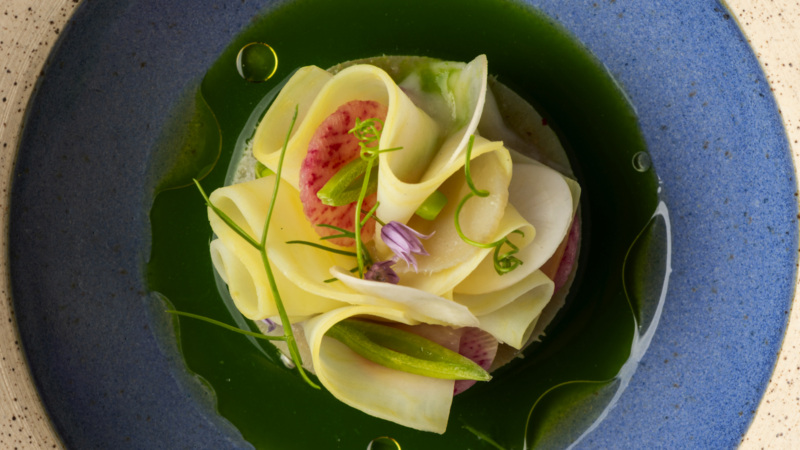
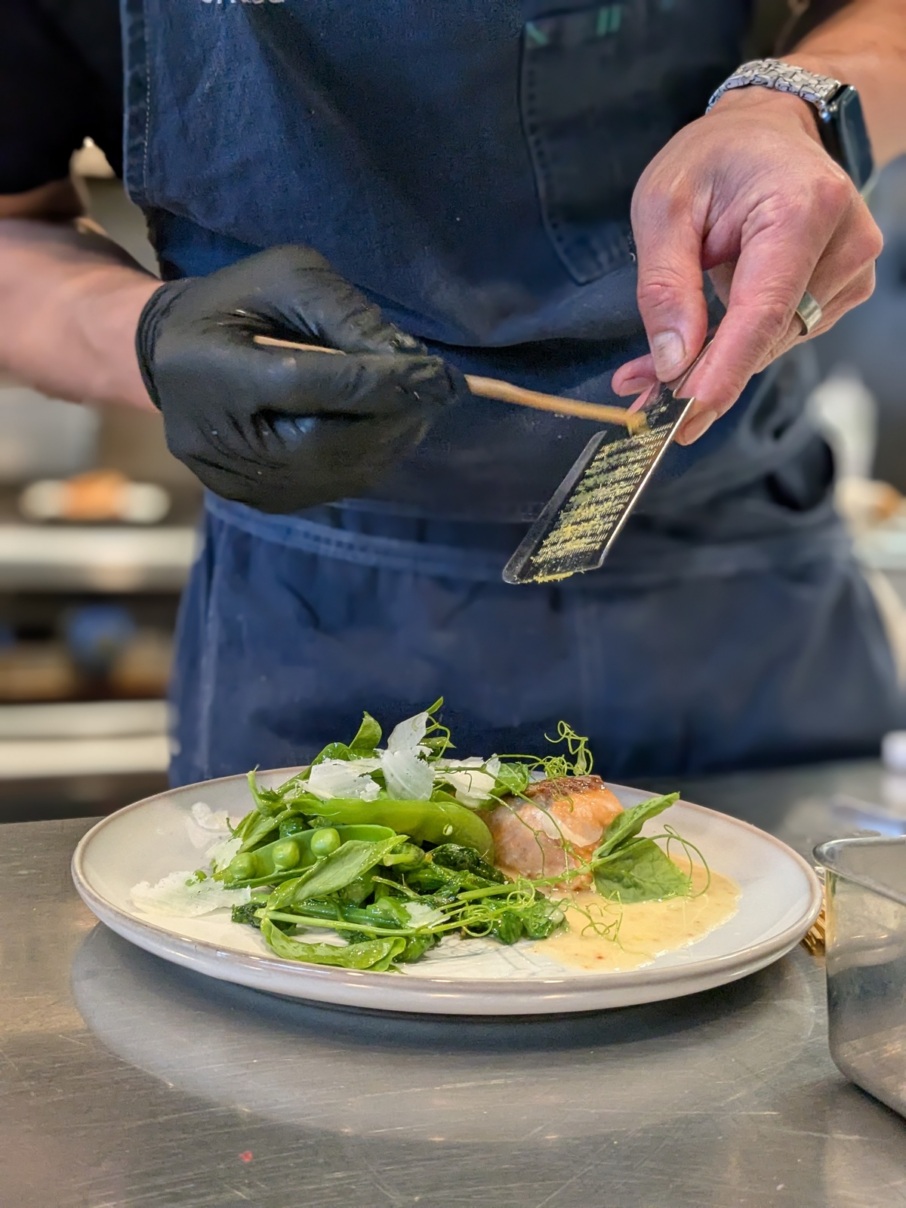
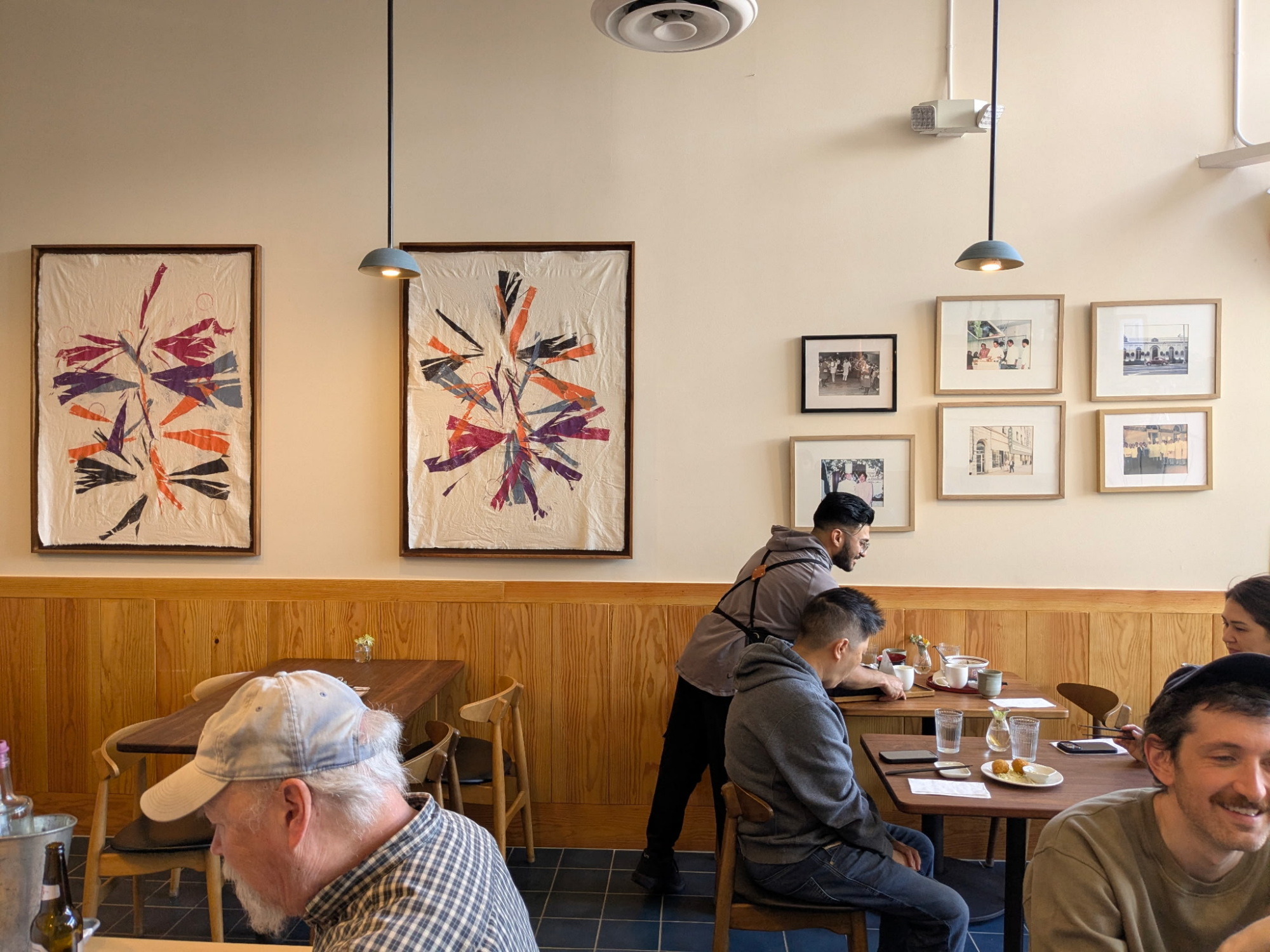
When Azay reopened in December 2025, much had changed. While the restaurant survived, it now seeks to redefine itself, again. Dinner service is on hold; Chris Ono is no longer involved. The daytime menu has shifted, too. Finding a chef with experience similar to Akira’s—a total mastery of French cuisine and traditional Japanese dishes—has proven difficult. For now, Azay is taking a step back from its emblematic French dishes like beef bourguignon, duck confit, and house-made pâté. Yet Philip, ever the optimist, insists that Azay is still the restaurant you remember. “The menu and space,” he says, “are honest reflections of where we are now. Change comes naturally. It comes slowly.”
In two separate conversations, Philip reflects on his relationship with his father, the restaurant’s role in the community, and the future of Azay. He also offers a rare glimpse of what it means to lose a parent, a leader, and a loved one in the restaurant world.
What was it like working alongside your dad?
I learned a lot about him through others. In traditional first-generation Japanese or Asian families, you don’t talk about feelings. My dad’s English was limited. But watching him, I learned about a chef’s role in a community. They don’t just cook; they understand culture, relationships, and teamwork.
He lived life in an odd way. He had elementary values, simple ones that meant a lot to people. He had expectations for the others who worked at the restaurant: they were to work hard, show up, and never give up. After I visited Azay-le-Rideau [the French village where Akira learned to cook], I thought a lot about my father and what he cared about. He cared about other people.
Did your relationship change after working together in a professional setting?
Absolutely. I’m grateful that the restaurant allowed us to spend so much time together. As a father and son, we didn’t always get along. I find it ironic that the idea of harmony often clashes with reality. We could be harmonious, but we also argued. That’s the truth. We were trying to work together despite having different ideals and methods. But we would come back the next day and try again. We tried to work it out. Family is a shared experience. That’s the most important part.
Let’s talk about the fire. What happened?
The fire happened on a Monday. Luckily, everyone was safe, but the sprinklers drenched our dining room. We had to gut the entire thing, especially the floors and 70% of our walls. It was kind of insane. Fortunately, the kitchen was okay to use. There wasn’t any damage there.
Our insurance covered most of everyone’s payroll and the reconstruction, which was the best-case scenario. This also happened during a time when ICE was most visible in Little Tokyo, and we were able to pay our staff about 80% of their usual pay without them having to come in.
What was the general feeling among the team during this time?
I think our staff appreciated that we prioritized their financial well-being and kept them informed. They were glad to be present in their friends’ and families’ lives—and in their own lives, too. Working in a restaurant can be hard.
Tell me about coming back to the restaurant. How did that come to be?
[Laughs] The insurance company asked us when we were going to reopen. But seriously, we were looking forward to coming back and seeing each other.
Problems still come up. I think that’s the nature of owning a restaurant: it’s more about having the tools to respond to problems and finding solutions, rather than believing problems will never exist. Like, I didn’t want to abandon [dishes], but to reopen, we had to consider what was popular. What items can’t we change? Questions like these came up when my dad passed, then again with the reopening. I feel like [restaurant owners during hard times] either want to rebrand completely or move away from what they originally did. We can never do that because our past self will always be a part of our current self.
Is dinner on pause for now?
Dinner is on pause for now. Chris moved on to other projects. But what he did for our family and for the restaurant—during a time when we were all experiencing so much—I will always be grateful. There was so much uncertainty and so many questions [following my father’s passing]. That was a difficult time, but he stepped up in a very thoughtful, mindful way.
Change is so much a part of what we do. Impermanence. And that’s okay. I think people have different relationships with change. But if we have a healthy one, we’re better able to adapt or be present with the conditions as they shift. I think a lot about how people go to restaurants and have such negative reactions. That has to do with change, when they’re like, ‘This place is not the same.’ I want to normalize that it’s okay if things are different. It’s important to recognize that and to not always chase what’s new.
Have there been many changes to the restaurant since the post-fire restoration?
There are some new additions. But since my dad passed away, the toughest part has been figuring out how to incorporate his identity as a French chef into the menu. We don’t currently have a chef with that identity. But that’s okay. It’s a reflection of where we’re at.
You and your mom quit your jobs to work full-time at Azay during the pandemic. What have the last five years looked like?
It’s strange. I haven’t truly reflected. It may sound cliché, but it’s been a journey. It’s great to look back and see the ebbs and flows of the past five years, and observe the relationships born out of this space, whether it be the staff, the diners, or the people who come in without spending anything to use the bathroom.
I don’t think I can find one word to summarize it all. It’s been difficult, but we’ve also created wonderful memories here. In hindsight, I will always remember this time as when I spent so much quality time with my parents.
How would you describe Azay in 2026?
It is just as you remember it.
Kat Hong is a food writer living in Los Angeles. Follow her on Instagram or check out her very professional website. While you’re at it, follow Resy, too.