Odo East Village Ushers in a New Era of Kaiseki
Published:
Kaiseki, Japan’s haute cuisine tradition that emphasizes seasonality and different cooking techniques, is having a decisive moment in the city, with accolades pouring in for kaiseki specialists like Isao Yamada most recently. Chef Hiroki Odo was ahead of the curve when he opened his eponymous kaiseki restaurant, Odo, in 2018 — a time when the concept was still somewhat new to New Yorkers. After earning a Michelin star in 2020, the restaurant went on to receive two stars in 2023, which it has since retained.
Traditional kaiseki restaurants serve multiple courses in a formal setting. At the new Odo East Village, however, the chef is breaking new ground by taking a more approachable lens to kaiseki. He’s drawing from izakayas — laidback, lively bars known for drinking snacks — and developing a cuisine he dubs “kaiseki-izakaya.” We sat down with chef Odo and culinary director Brian Saito to find out everything you’ll need to know about Odo East Village before you visit.
The Resy Rundown
Odo East Village
-
Why We Like It
It’s a first-of-its-kind restaurant from the kaiseki master behind Odo. This approach bridges the traditional kaiseki meal of intricate, seasonal courses with binchotan-kissed izakaya staples. -
Essential Dishes
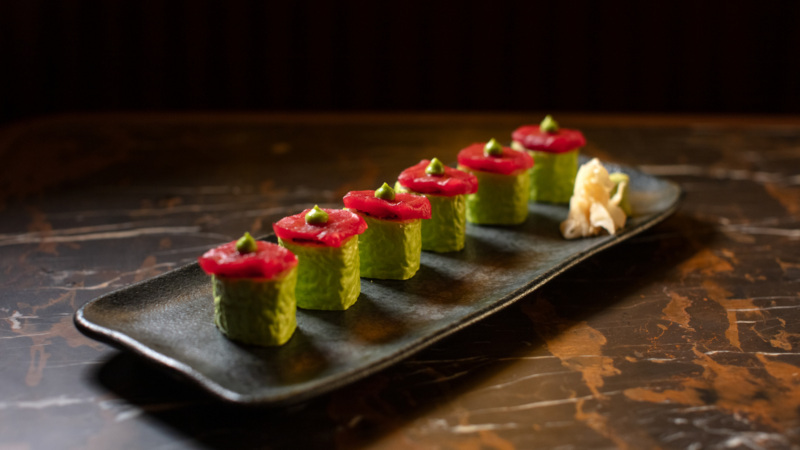
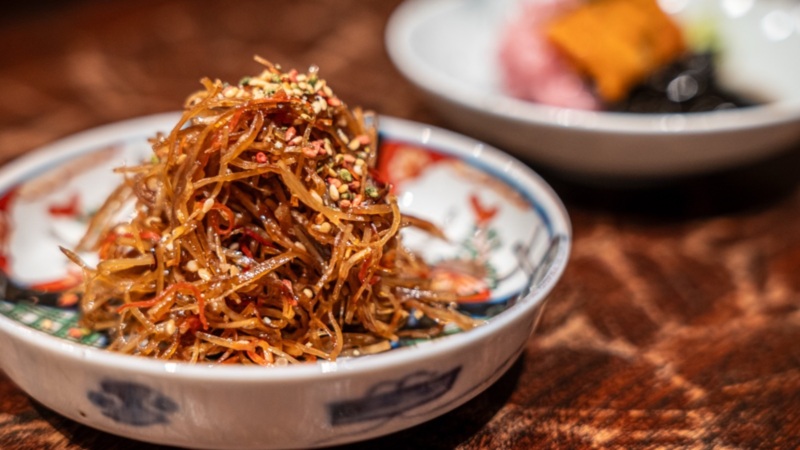
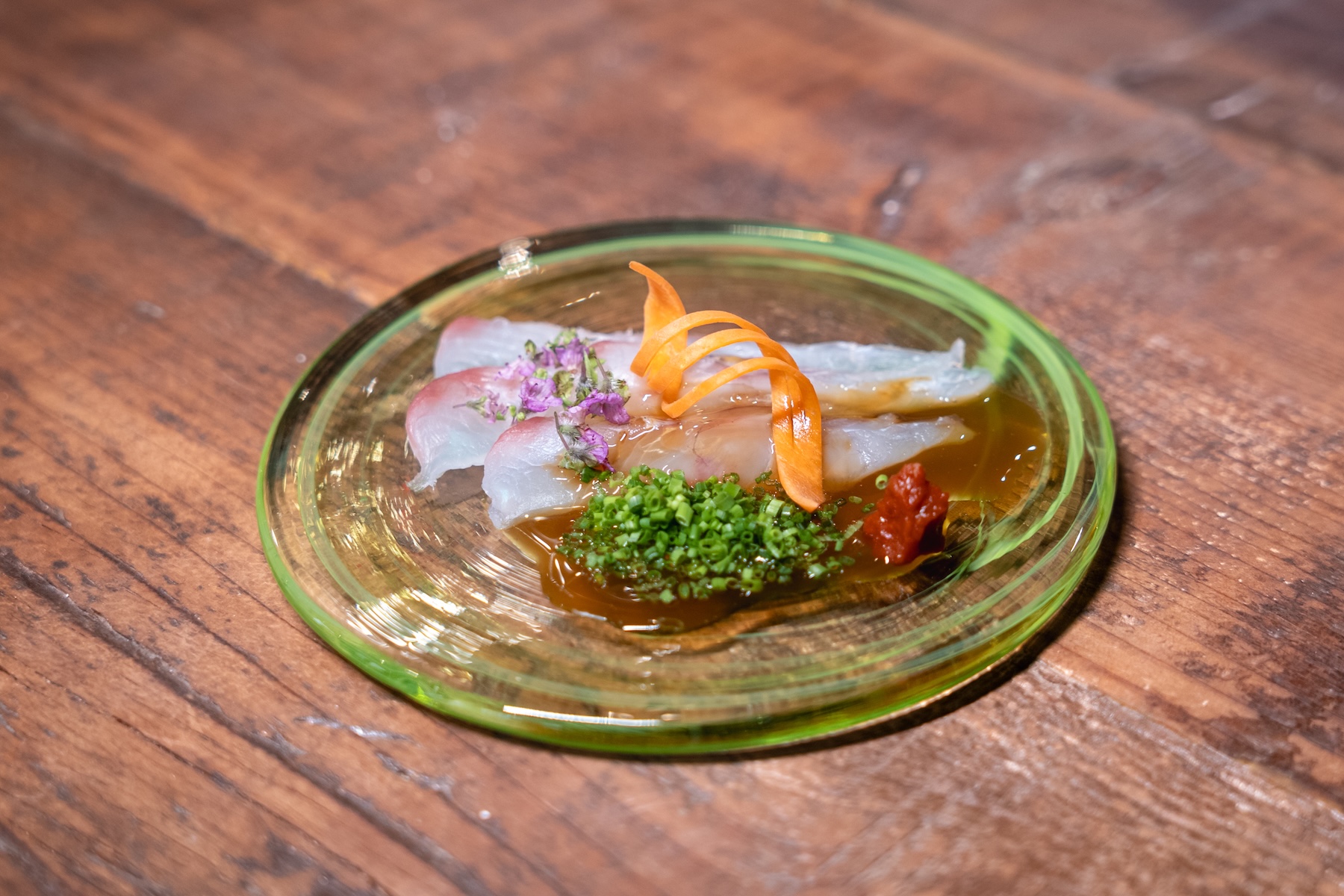
Otsukuri; beef tongue braised in red wine miso; truffle dashimaki tamago; and anything from the binchotan. -
Must-Order Drinks
The shōchū highball is highly crushable, and do take note of the extensive Japanese whisky list available upon request.
-
Who and What It’s For
Anyone who appreciates rice; you’ll find it in everything from drinks and crackers to housemade Panko-style breadcrumbs. (You also won’t find any gluten anywhere.) It’s a kaiseki-style restaurant without the price tag, so bring your date, your friends, and your colleagues. -
How to Get In
Reservations drop 30 days in advance at midnight. -
Fun Fact
The restaurant doubles as a “showroom” of Odo at Home, the chef’s housewares store in Flatiron.
1. If the name sounds familiar …
That’s because the restaurant comes from chef Hiroki Odo of Odo, the two Michelin-starred kaiseki restaurant near Flatiron, and co-owner Satoru Yasumatsu, who also partnered with Odo at his other restaurants (Hall, Odo Lounge, and The Gallery by Odo).
Odo cut his teeth at Kyoto Wakuden, one of Japan’s most prestigious kaiseki kitchens, before moving to New York in 2012. He was awarded a Michelin star that same year as the head chef of Kajitsu, which specialized in plant-based, Shōjin-style kaiseki. Now, he oversees five spots under Odo Hospitality, including The Gallery by Odo, a hybrid restaurant and art space, and Hall, the casual Japanese bar famed for its wagyu burgers.
Kaiseki, however, has always been the crux of Odo’s culinary vision. At Odo East Village, he plans to showcase kaiseki-izakaya, a new concept that blends two forms of traditional Japanese dining.
2. ‘Kaiseki-izakaya’ bridges two worlds.
“[At an] izakaya, it’s not really about what’s best in that season,” culinary director Brian Saito says, “it’s more about really good comfort food and approachable bites.” He adds that while at a traditional kaiseki, each course is left up to the chef, diners have more freedom with an izakaya, thanks to the à la carte format. “It’s a more fun version of it, right?” Saito says. The late hours, too, only add to the thrill.
The menu at Odo East Village, however, still follows a kaiseki meal format: cold starters, a grilled selection, hot mains, followed by a dashi-based noodle dish. “Dashi … whether it’s katsuo (skipjack) dashi, kombu (kelp) dashi, or a different kind, it really is the base of Japanese cuisine,” Odo says. “It has to be seasoned very lightly — not too salty, not too sweet, not too sour … it must be balanced.” You can find dashi throughout the menu, and in unexpected places, too.
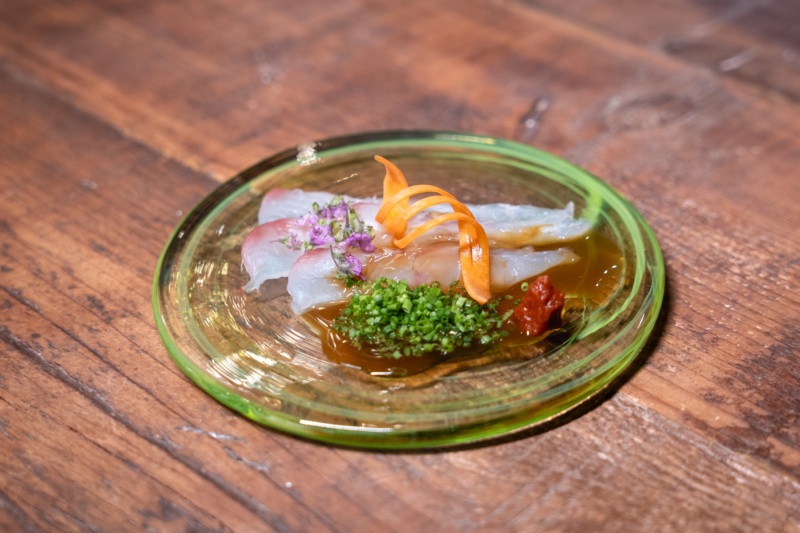
3. The menu is informed by the seasons, not siloed by them.
Saito says that while Odo East Village is a seasonal restaurant, the menu will also constantly rotate within each season. In this way, every dish carries the sensibility of a traditional kaiseki experience and the course it represents through Odo’s lens.
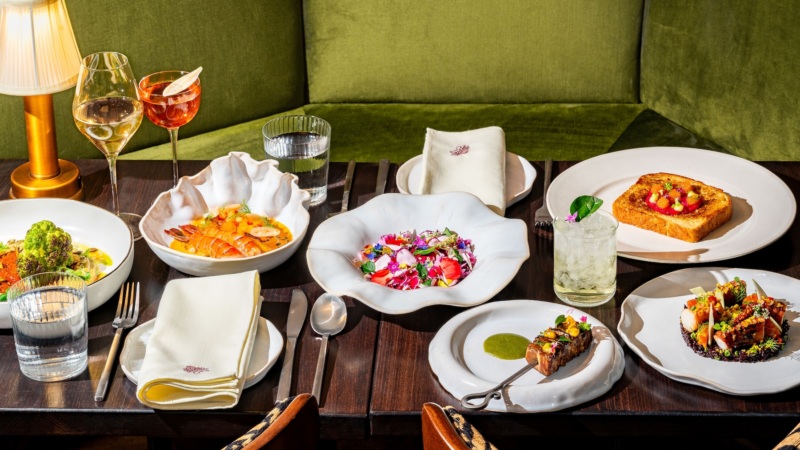
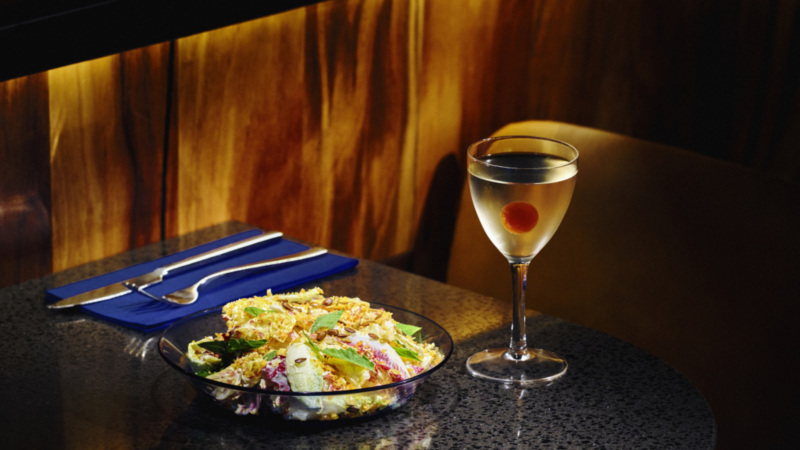
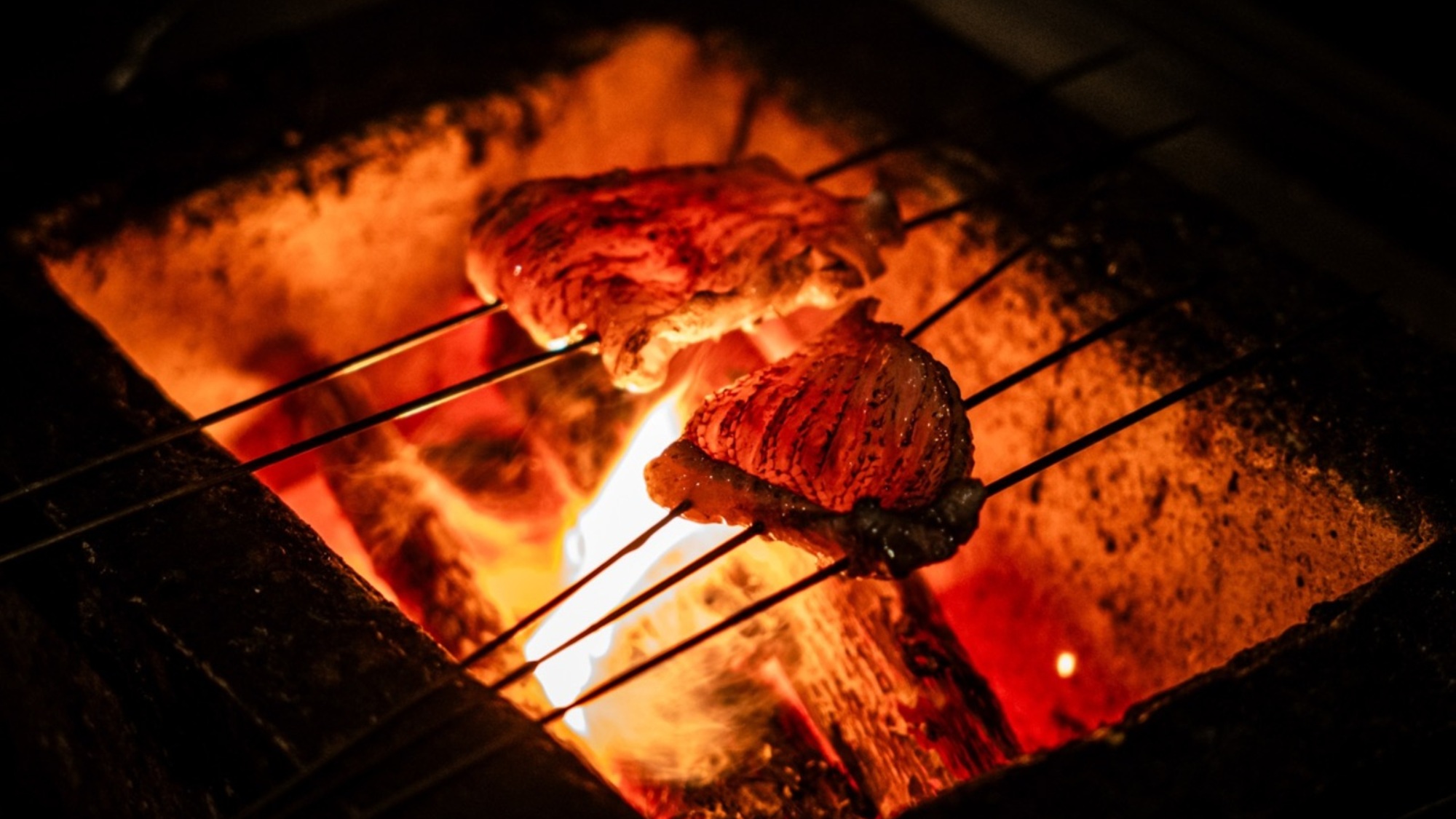
Among the cold dishes, the shira-ae, the traditional tofu salad, comes with Japanese melon, Amaou strawberries, and a creamy tofu and mascarpone sauce. The binchotan, or grilled section that’s a fixture of both kaiseki and izakaya, includes a contemporary wagyu hamburg steak with teriyaki glaze, egg yolk, and black truffle.
While the initial “courses” rely on fresh flavors and minimal ingredients, the hot dishes lean heartier — exactly the kind of food you’d seek at an izakaya after a night out on the town. Think savory beef tongue braised in red wine miso that’s finished with Parmigiano-Reggiano, or the chicken okaki-age served with dill aioli that nods to karaage, an izakaya staple.
The mains draw guests back to a ryōtei, or kaiseki house. There’s the nyumen with seafood dashi, yuzu, and rice noodles, and a creative take on ochazuke with age-onigiri, or fried rice balls. Save room for the Japanese flan and the sake kasu and hatcho miso ice cream made with the fermented rice pulp left behind while filtering sake.
Expect a tapered drinks menu with a focus on sake and shōchū. “In Japanese culture, we drink a lot of highballs, whether with whisky or shōchū, as opposed to [elaborate] cocktails,” Saito says, adding that their version is punctuated with yuzu and other seasonal citrus fruits.
You’ll find a lengthy list of sake available by the glass and bottle, from local brands like Brooklyn Kura, a sparkling white koji sake from Hakkaisan and a snow-aged version. If you’re celebrating, there’s plenty of Champagne to go around, too, from a $25 glass of La Caravelle Blanc de Blancs Brut to a $700 bottle of Cristal Brut.
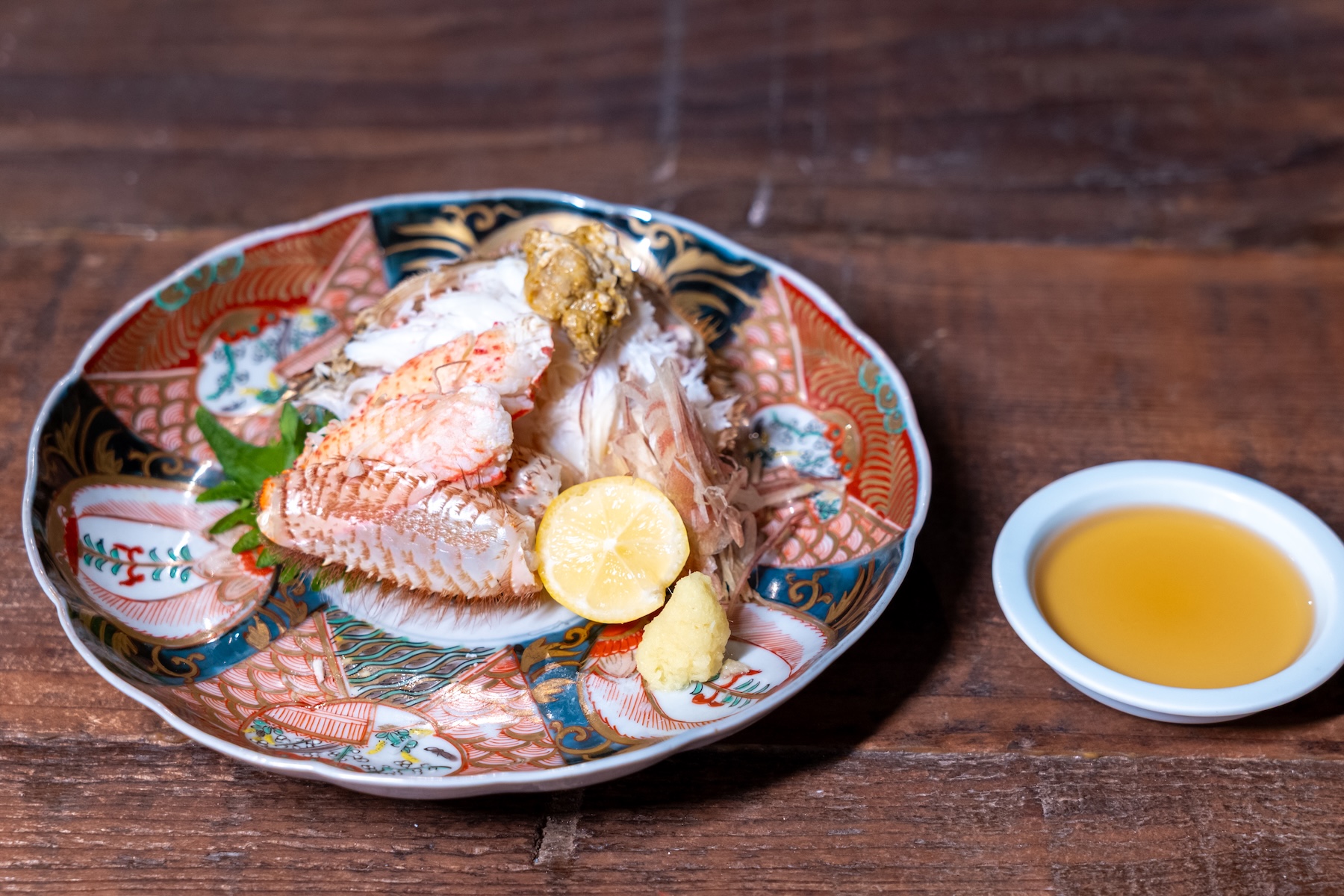
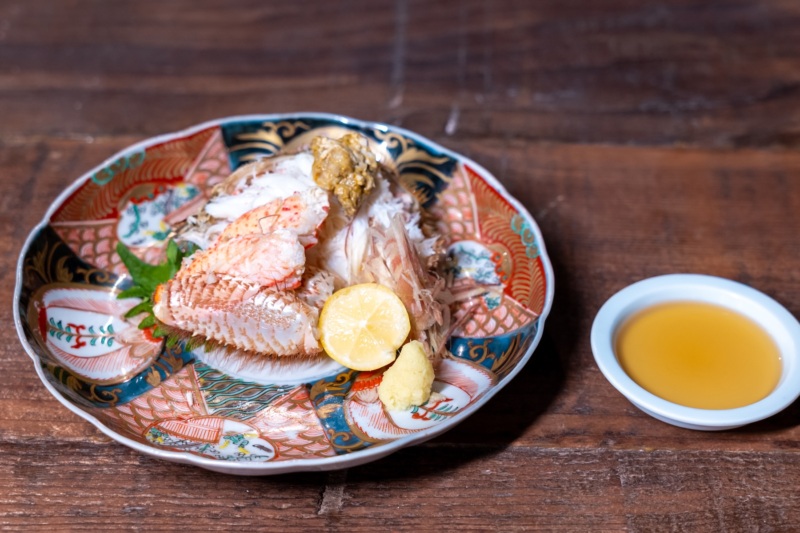
4. The restaurant is entirely gluten-free, not by accident, but by design.
Going gluten-free at a Japanese restaurant is harder than you might imagine, with gluten in everything from soy sauce to panko breading. But Odo and his team chose to welcome the challenge. “Rice is the base, the soul, of many of the cuisines,” he says.
Everything at the restaurant is gluten-free, from the condiments to the beer. Odo says that developing alternatives for chōmiryō, or the most fundamental Japanese seasonings, was the team’s biggest challenge. Soy sauce is traditionally made using wheat, and many types of miso and mirin also contain gluten. Other condiments, like tamari, were ruled out because they overpower sushi and broths, Odo notes. After an extensive R&D process working with various Japanese companies, he was able to source exclusively gluten-free seasonings.
“It’s a gluten-free restaurant, but if no one told you, you wouldn’t know it was gluten-free,” he adds.
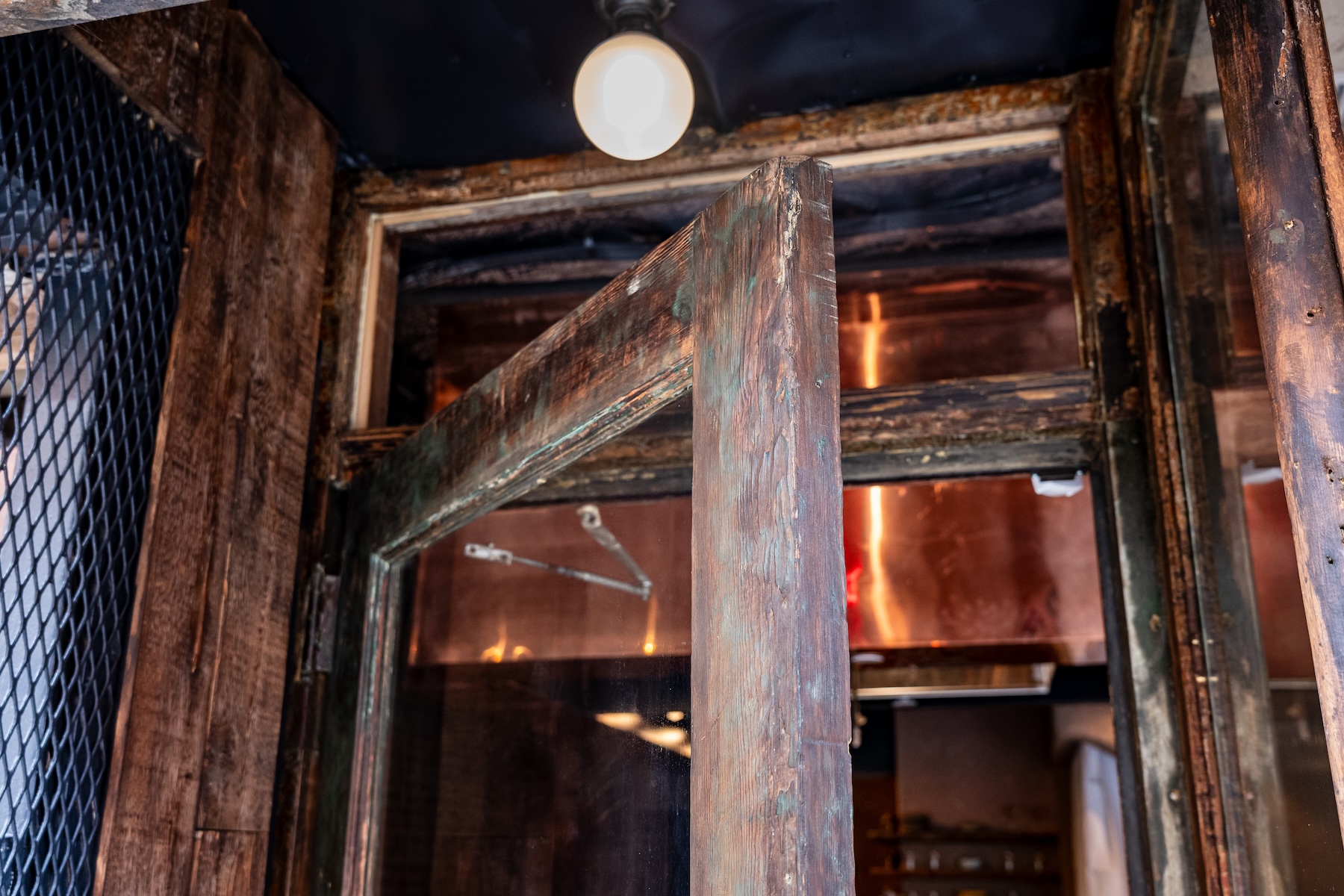
5. It’s a slightly larger spot than Odo, but it’s just as inviting.
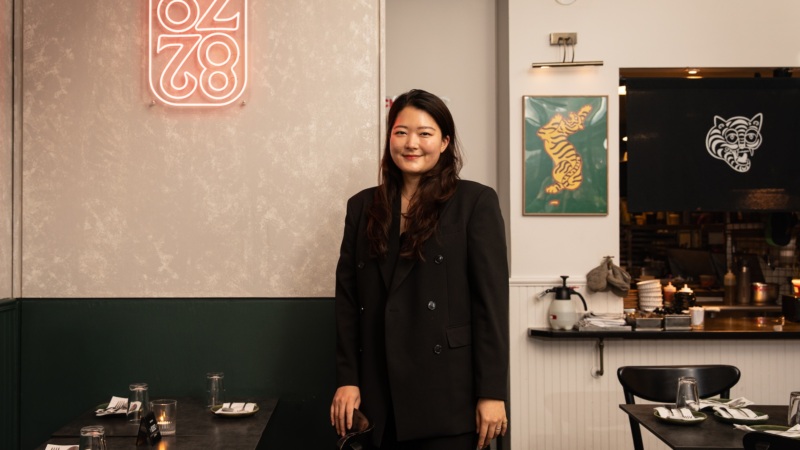
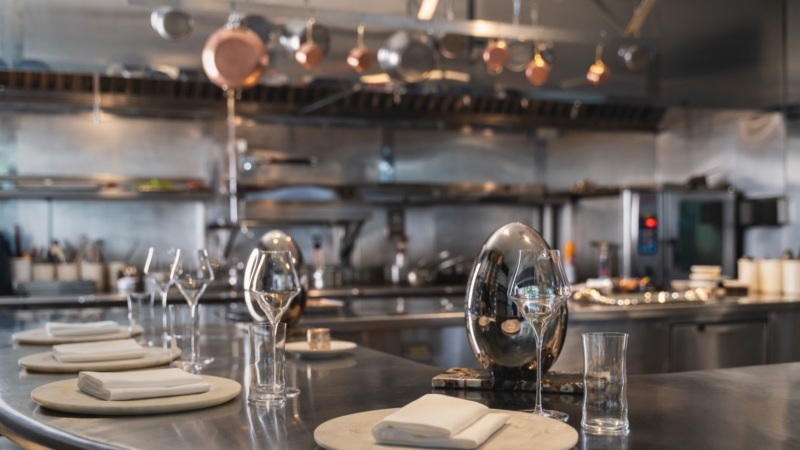
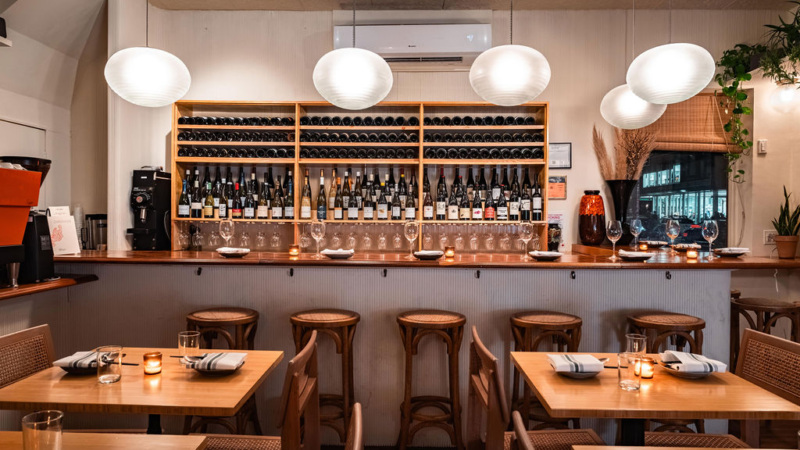
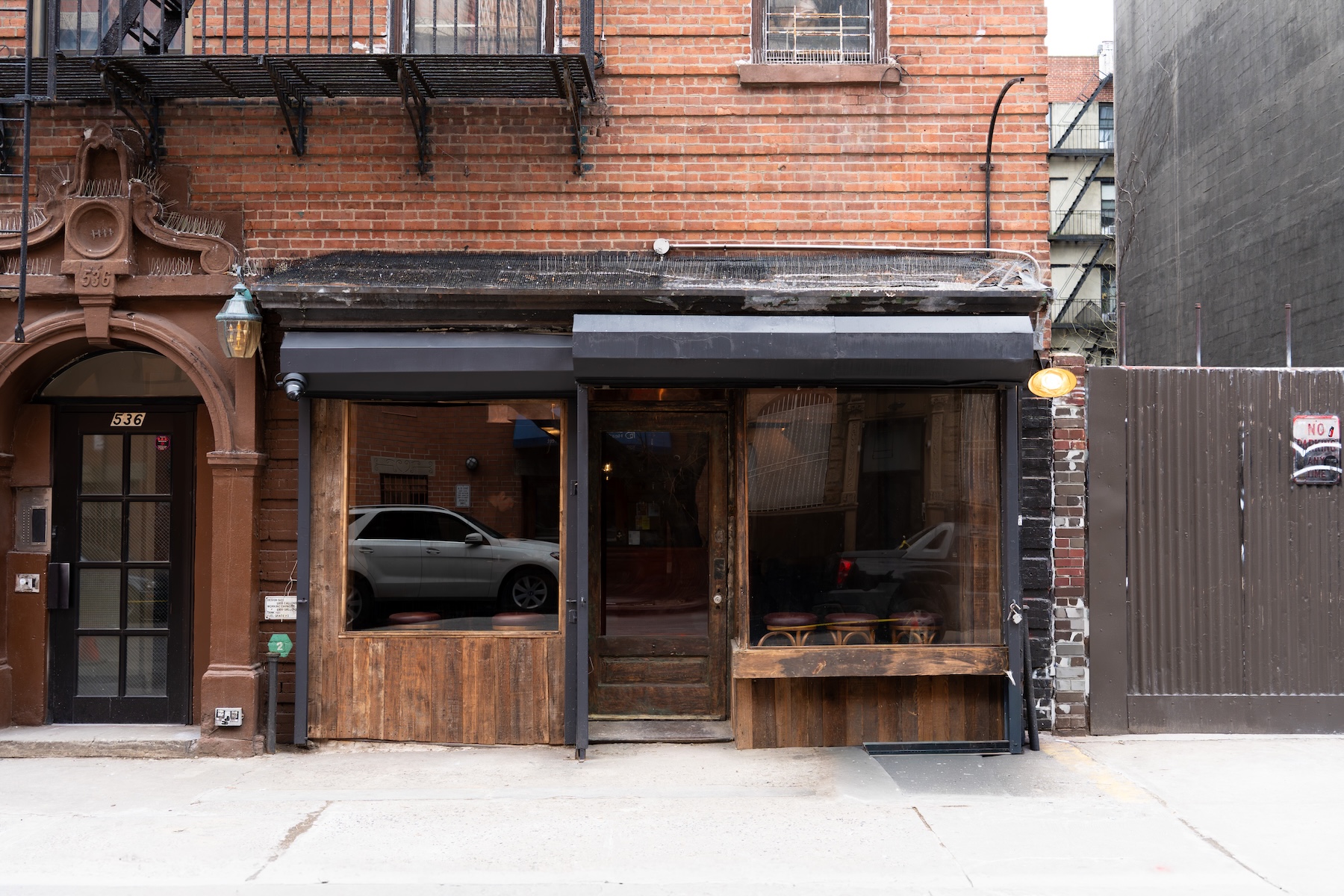
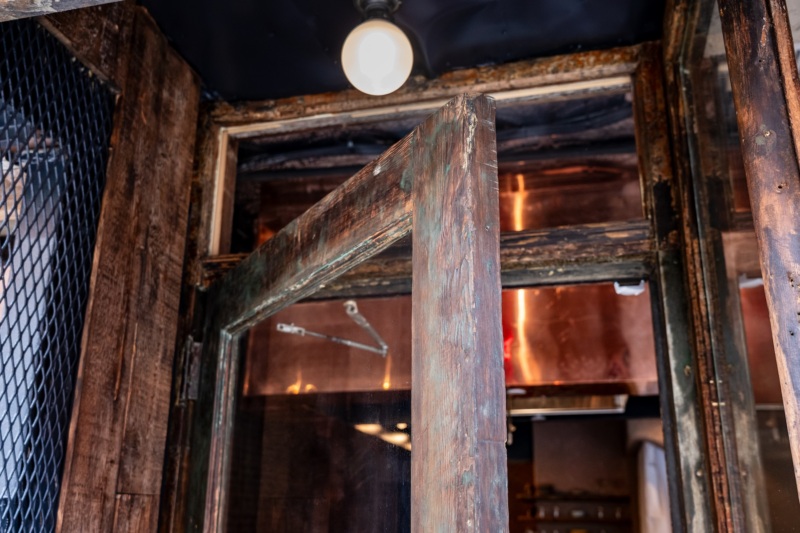
Odo East Village takes shape in the former Minca Ramen space on East 5th Street. Inside, a chef’s counter seats up to 14, while three tables can seat up to 10. “You can’t see anything from the outside; you really feel the sense of Japan when you step in,” Saito says. From the wooden countertops to the textured walls, everything evokes Japanese shizen, or “naturalness.” Further, much of the dinnerware is sourced from Odo’s own housewares line, Odo at Home, which includes whimsical, fish-shaped plates made by ceramicist Shindo Kobo.
“We’re opening the door for wider audiences to get a good glimpse into what the philosophy of kaiseki is all about in this small, cozy space,” Odo says, “It’s a place where we really want guests to be able to come once a week.”