Five Dishes to Order at Brooklyn’s White-Hot Pizzeria Il Leone
Published:
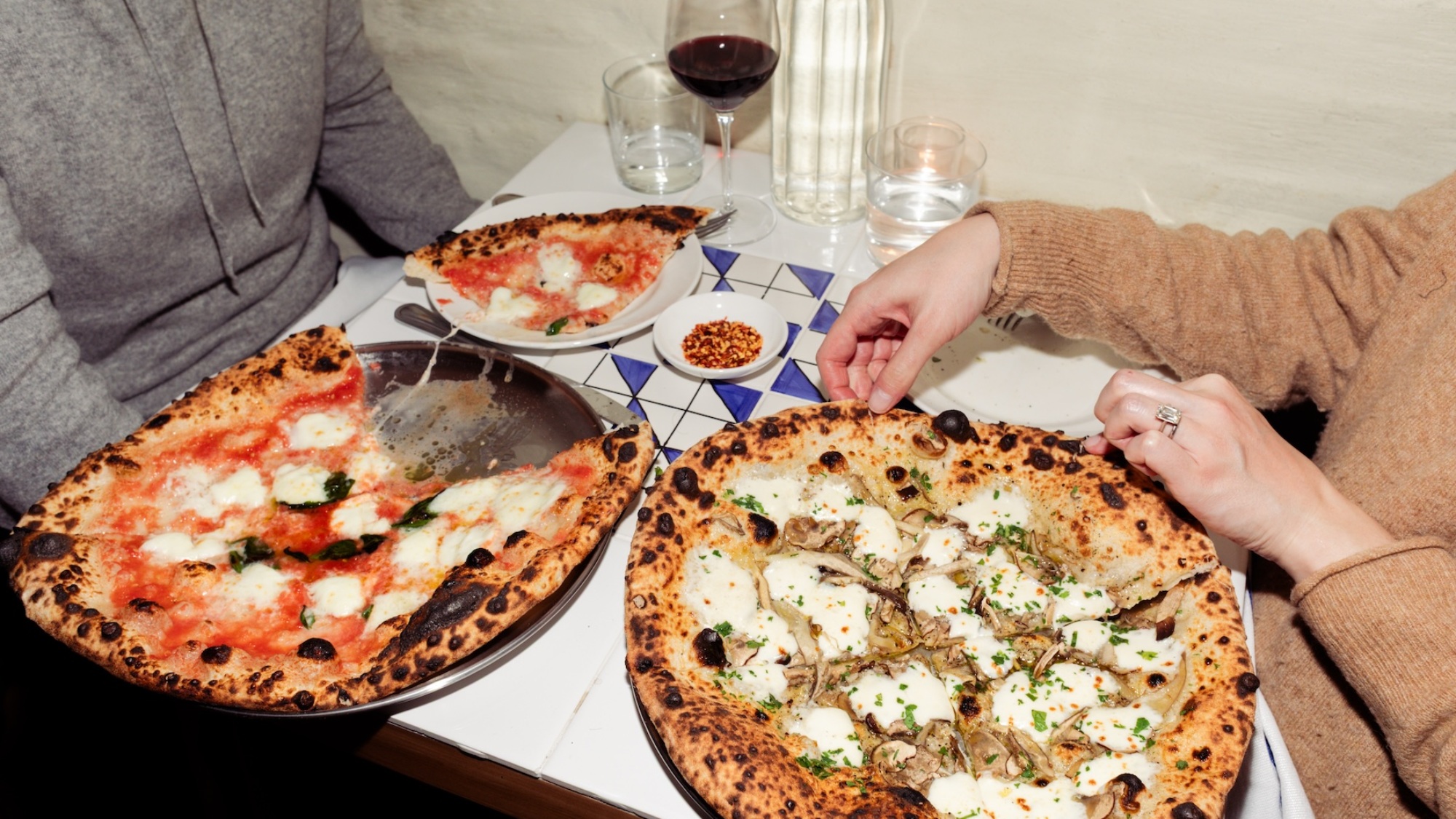
Every detail at Park Slope’s newest pizzeria, Il Leone, has been meticulously considered by chef and owner Ben Wexler-Waite. He is the type of pizzaiolo who will source foraged mushrooms for a seasonal pie, track down hand-painted tiles in Vietri sul Mare outside of Salerno, Italy, and personally ball all the dough for Friday service on Tuesday afternoon while he’s being interviewed, just to make sure it can ferment for 72 hours, letting the glutens break down to ensure that the crust is light and airy.
Wexler-Waite first opened Il Leone on Peaks Island, a 15-minute ferry ride from downtown Portland, Maine, during the pandemic. The outdoor pizzeria and its wood-fired Neapolitan pies drew a loyal following, both locally and from further afield. But for the past three years, he has been working on opening a brick-and-mortar pizzeria in his hometown of New York.
Il Leone debuted in mid-November and has been drawing lines since, but Wexler-Waite wants the restaurant to feel like a neighborhood spot. “Obviously, there’s a lot of really great pizzas in New York,” he says. “We’re just doing our version of sourdough Neapolitan pizza that we’ve been doing up in Maine, and we are really excited to be doing it here, especially in Park Slope.”
Here are five dishes not to miss when you visit.
The Resy Rundown
Il Leone
-
Why We Like It
Ben Wexler-Waite first made a name for himself with his wood-fired Neapolitan pies served on Peaks Island in Portland, Maine. Now, he’s returned to his hometown and is turning out meticulously prepared pies in Park Slope, served with natural wines. -
Essential Dishes
Margherita del Leone pizza; diavola pizza; seasonal white funghi pie; the lobster-topped Isola pizza; and polpette al sugo (meatballs in sauce) for snacking while you wait. -
Must-Order Drinks
The wine list focuses on natural wines from small producers. Go for Cantina Giardino’s Aglianico Re, a lighter, chilled version of a classic pizza wine from Campania, or Il Cancelliere Nero Ne Taurasi from 2015, which Wexler-Waite describes as the Brunello of Aglianico.
-
How to Get In
Reservations drop 21 days in advance at midnight but do know you have a strong chance of securing a walk-in; about half the seats are reserved for walk-ins. -
Who and What It’s For
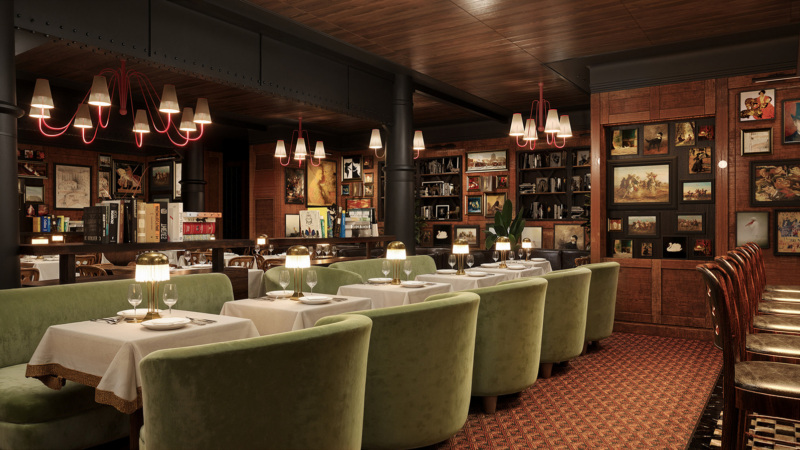
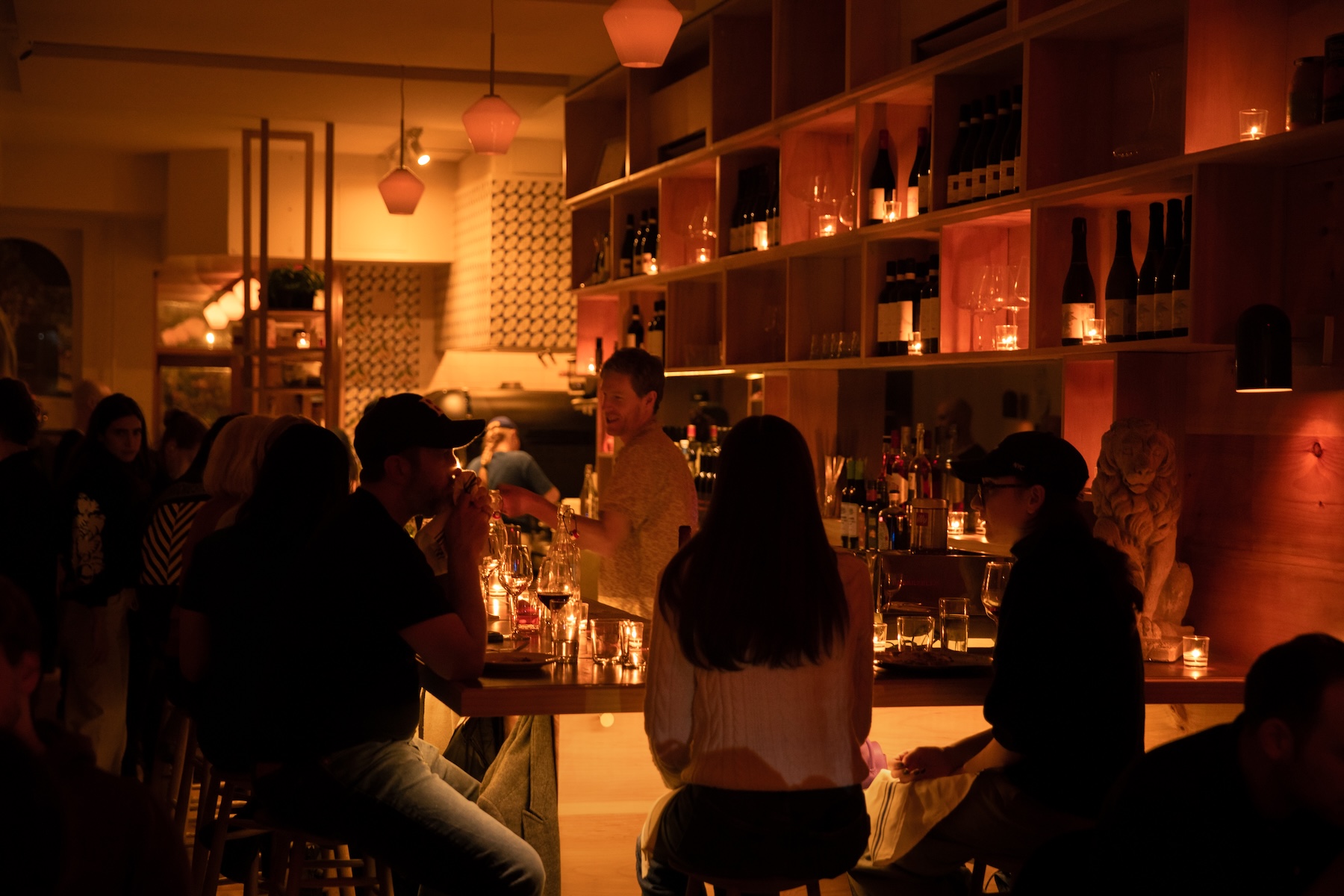
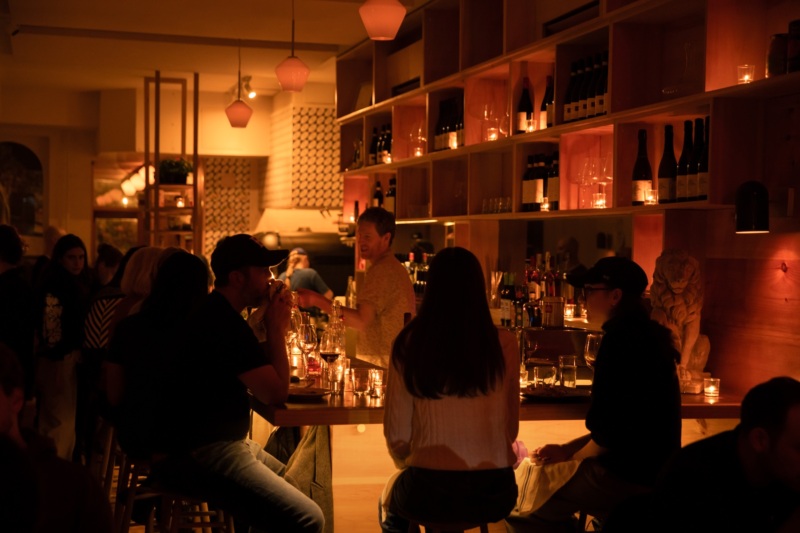
The cozy, former Bar Vinazo space is admittedly buzzy, but it’s meant to feel like a neighborhood restaurant where you can stop in for an exceptional pie and a glass of natural wine. -
Fun Fact
Wexler-Waite first tried a spritz made with prosecco, Campari, and homemade limoncello in Ischia last summer. Look for it on the petite cocktail menu.
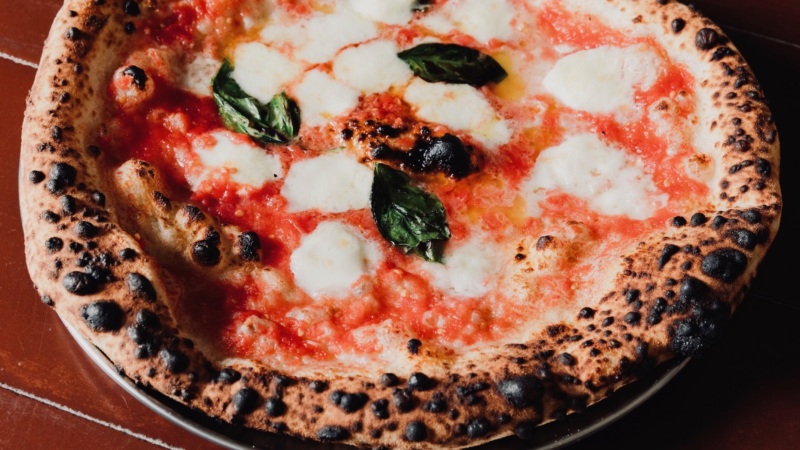
Photo by James Lynch, courtesy of Il Leone
1. Margherita del Leone Pizza
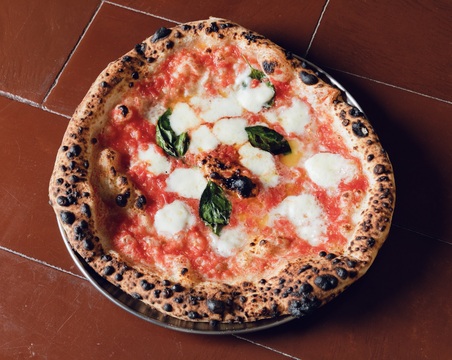
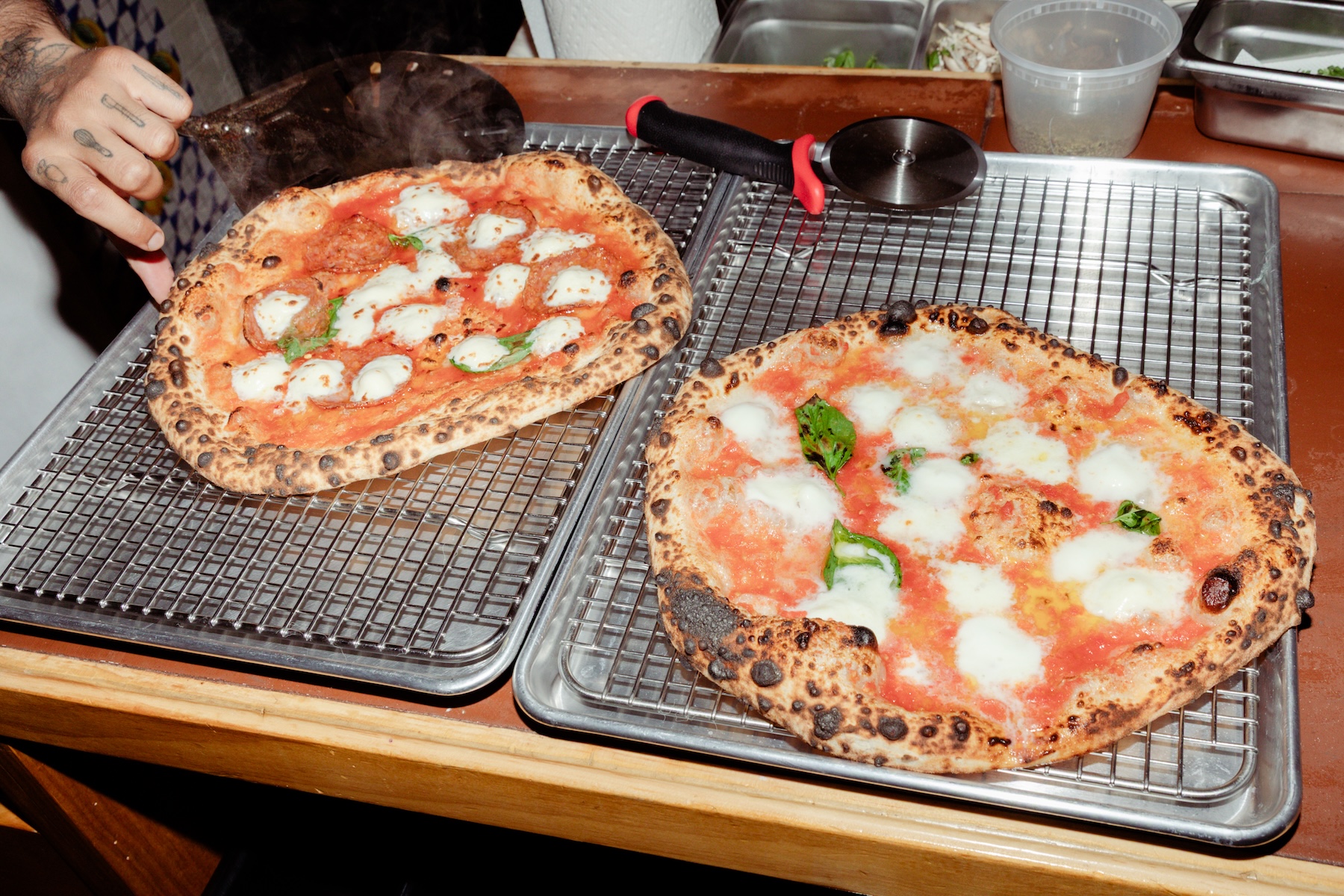
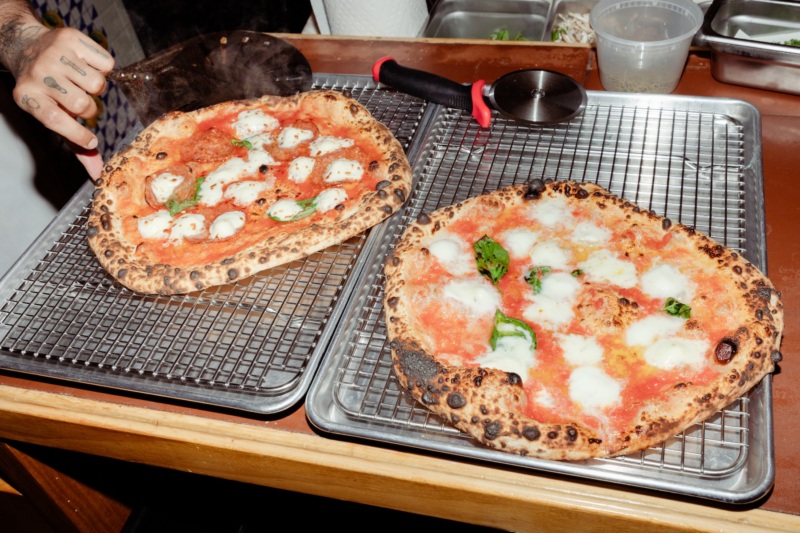
Don’t confuse the two margherita pizzas on the menu here. The classic rendition is what you might expect — it’s made with hand-milled San Marzano tomatoes and local mozzarella. But if you can swing the slightly higher price tag, opt for Wexler-Waite’s interpretation of the pizza, which he calls Margherita del Leone. This is a pie that has been intensely thought through and is made with only a handful of ingredients, arranged to sing together in harmony.
It starts with the housemade tomato sauce. Wexler-Waite’s favorite pies in Campania, Italy, use Piennolo tomatoes, which are grown in the volcanic soil of Mount Vesuvius. He wanted to use them in Brooklyn, but the tomatoes are seemingly impossible to import fresh, and he wasn’t satisfied with jarred versions, so he settled on greenhouse cherry tomatoes for the base. Getting buffalo mozzarella from Italy is a slightly easier task, so he opted for the creamy and robustly flavored mozzarella from Il Casolare Dairy Farm outside of Naples. The pie is dotted with basil, which also required careful consideration: Much of the basil available year-round is grown hydroponically, which Wexler-Waite says waters down its flavor. To bypass that, he buys basil plants in soil and his team picks the leaves before service.
2. Diavola Pizza
“If you go to Naples or Campania, you’re not going to see a pepperoni pizza on the menu anywhere. Pepperoni is very much an American invention,” Wexler-Waite explains. He’s quick to add he isn’t disparaging pepperoni pizza, but it’s not what he’s after here. Instead, he uses uncured Calabrian salami that’s made for Il Leone. “It’s kind of what pepperoni was invented to mimic,” Wexler-Waite notes.
It’s accompanied by traditional San Marzano tomato sauce and local producer Lioni Latticini’s mozzarella, which is the same flavorful, fresh cheese he’s used for the past five years in Maine. Meanwhile, dried chile flakes offer a kick, in keeping with the pie’s namesake, which means devil.
3. Funghi (and Other Seasonal Pies)
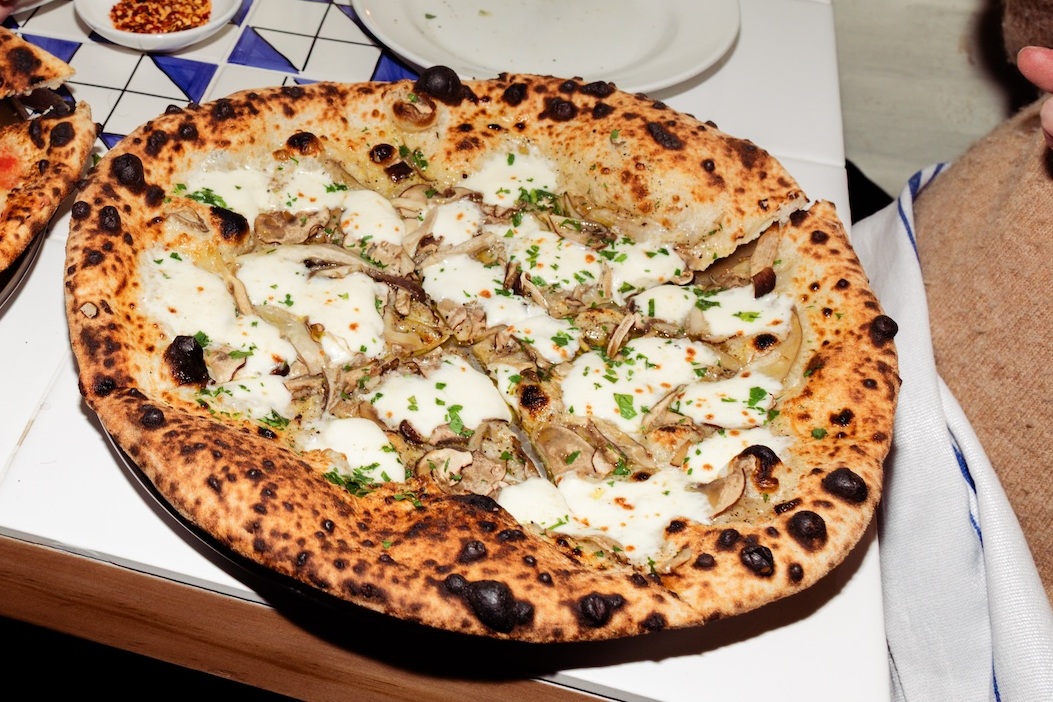
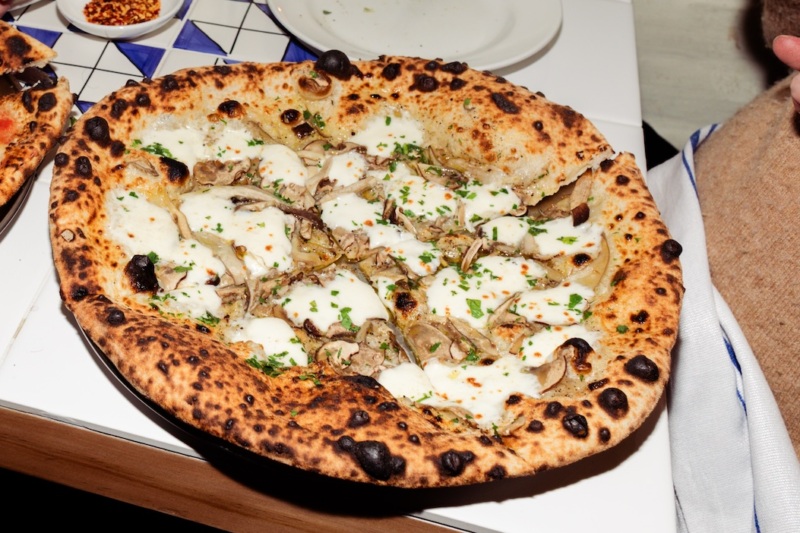
In Maine, Wexler-Waite always had a seasonal white pie (or two) on his menu, and he’s keeping that tradition going. In fall and winter, it’s a mushroom pizza with a blend of oyster, cremini, and pioppino mushrooms, some of which are foraged. Pecorino adds a salty sharp hit, and the pie is rounded out with fresh mozzarella, black pepper, garlic, and fresh parsley. Despite the buzz around the pizzeria’s Isola pie with lobster, Wexler-Waite notes that the funghi is one of the house’s most popular pizzas — and it’s also its only white pie for now. Come spring, he plans to pivot to an asparagus pizza. Other seasonal offerings from his Maine repertoire include a pizza with garlic scapes and another during peak summer with heirloom cherry tomatoes, which may make an appearance on the Brooklyn menu.

4. Isola Pizza
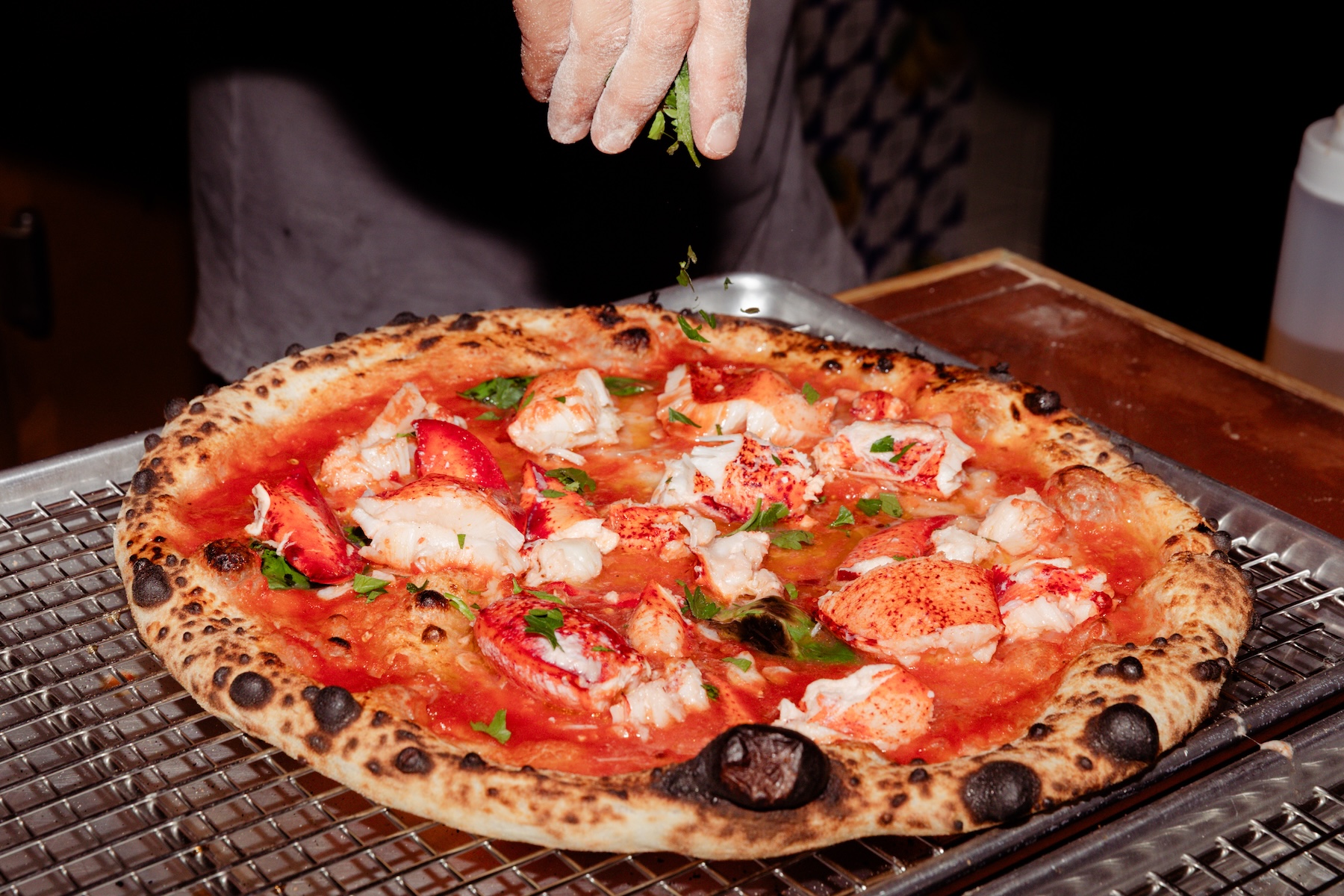
If you’ve seen anything online about Il Leone, it’s likely a picture of this pizza, with large hunks of lobster meat atop tomato sauce. If it sounds a bit unusual, Wexler-Waite understands. “I think there’s an element of acquainting yourself with the idea of it,” he says, adding that if he heard of a lobster pie from Instagram, he might also be skeptical.
It helps to know the backstory: It’s inspired by his favorite dish, linguine or paccheri all’astice, a pasta with lobster and a light tomato sauce from the Amalfi coast and the nearby islands of Ischia and Capri. When he was cooking on an island in Maine and lobster was available from just off the coast, the idea of a lobster pizza felt like a perfect way to use local ingredients and nod to Italy as well. Like the pasta dish, the Isola is made with a light tomato sauce, white wine, garlic, a touch of chile, and lobster, plus basil and parsley for a hit of freshness.
“There’s something a little extravagant about getting a lobster pizza,” Wexler-Waite says. And while it’s popular, “I don’t think you’re gonna be at a deep loss if you’re more intrigued by some of the other pizzas. It depends on what you’re in the mood for,” he adds.
5. Polpette al Sugo
Before your pizza arrives, you can opt for a handful of antipasti, including these meatballs in tomato sauce. “We make meatballs in a very traditional Italian way,” Wexler-Waite explains. The base is a blend of local grass-fed ground beef, heritage pork, and breadcrumbs the team makes from She Wolf loaves. Those breadcrumbs are soaked in milk, then blended with the meat and Parmigiano-Reggiano. There’s no ricotta in the recipe, which Wexler-Waite concedes is a little controversial, but he leaves it out to keep the meatballs light, since diners will follow the dish up with pizza.
If you prefer a vegetable antipasto, Wexler-Waite is one of only a few chefs in New York making carciofi alla Giudia, or Jewish-style artichokes from Rome. Unable to find the Roman variety of artichokes in Brooklyn, he uses baby artichokes, which his team fries in extra virgin olive oil. “We twice crisp them in the traditional Roman Jewish way — you fry them whole, first in extra virgin olive oil, fully submerged, and then we finish them in the pan.”
Il Leone is open for dinner Wednesday through Sunday from 5 to 10 p.m.
Devra Ferst is a Brooklyn-based food and travel writer who has contributed to The New York Times, Bon Appétit, Eater, NPR, and numerous other publications. She is co-author of “The Jewish Holiday Table: A World of Recipes, Traditions & Stories to Celebrate All Year Long.” Follow her on Instagram. Follow Resy, too.