Exploring Chef’s Special — Through Six Dishes
Published:
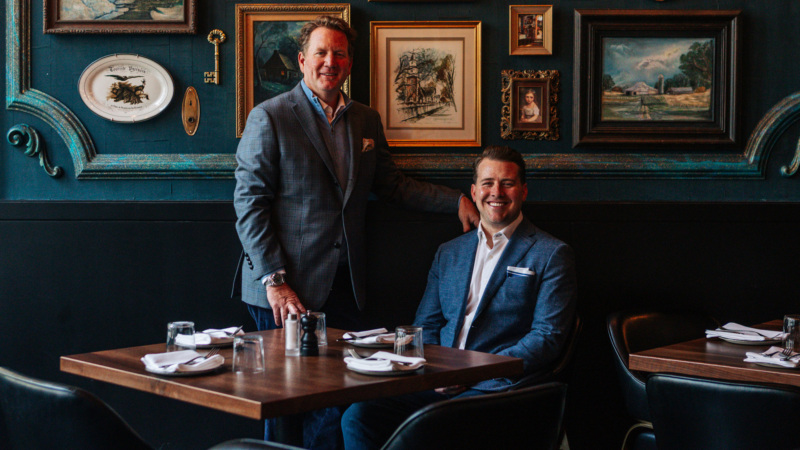
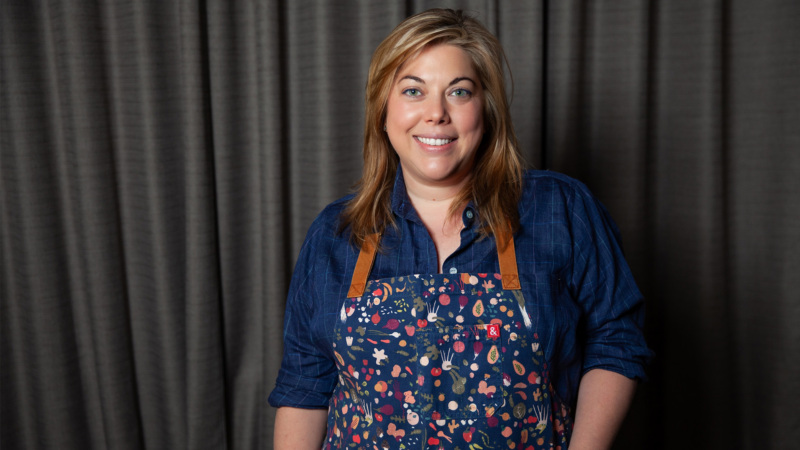
Cooking the daily staff meal before service is where Aaron Kabot honed his Chinese American recipes — years before Chef’s Special existed. At the time, he was a chef at Giant in Logan Square, led by Jason Vincent, where family meals were taken seriously. This wasn’t the usual leftover scramble; chefs could experiment freely, and for Kabot, Chinese food was what he loved to make.
Kabot grew up in Chicago, often going to Chinese restaurants with his family, and ended up working at a few of those neighborhood spots while in high school. “To me, it’s one of the most nostalgic cuisines,” he says. “If you ask anyone, they have a Chinese takeout spot they’ve frequented, either as a kid or as an adult, and there are so many nuances by region,” he says.
When Vincent approached Kabot about opening a cocktail bar centered on Chinese American food, Kabot hesitated. “I was like, ‘Are you crazy? I like this food. I like cooking this food. But I’m not an authority on Chinese American cuisine.’” But after much research, trial and error, conversations with chefs, and countless restaurant visits, the menu came together.
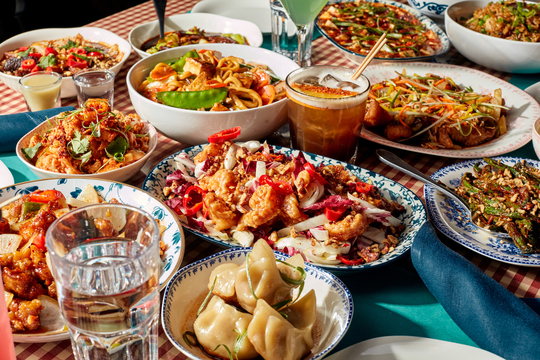
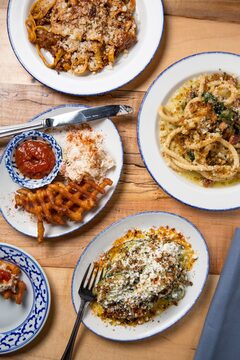
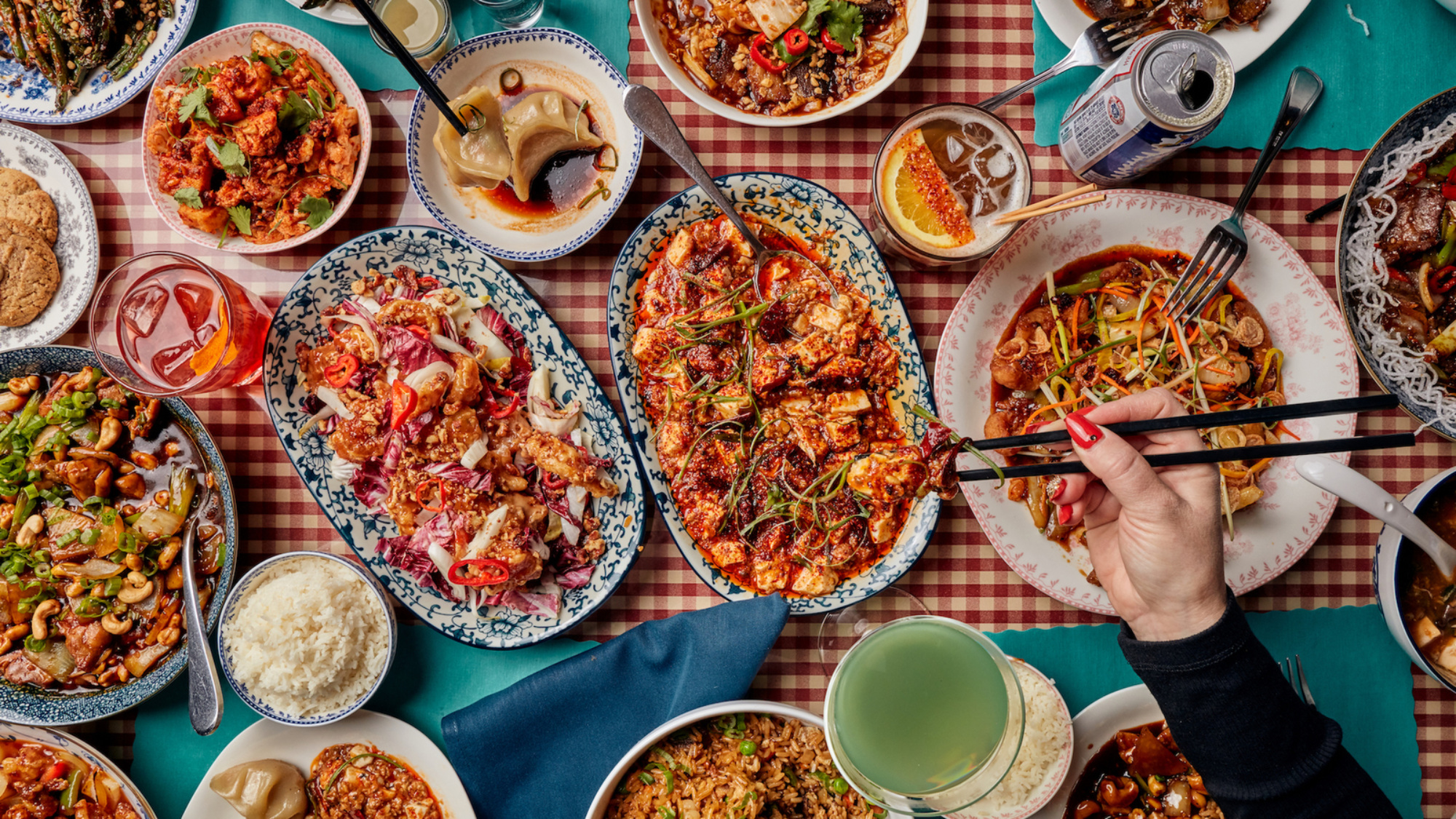
“I love that I can take my memory of a dish and make it my own,” he says. That sensibility shaped what he and his partners wanted at Chef’s Special: for the first bite to conjure a sense of familiarity. Open since 2019, the restaurant continues to lean into shared nostalgia and dishes layered with bold, intentional, and approachable flavors. Here are six of the dishes that best capture its spirit.
MORE ON CHINESE FOOD
Crab Rangoon
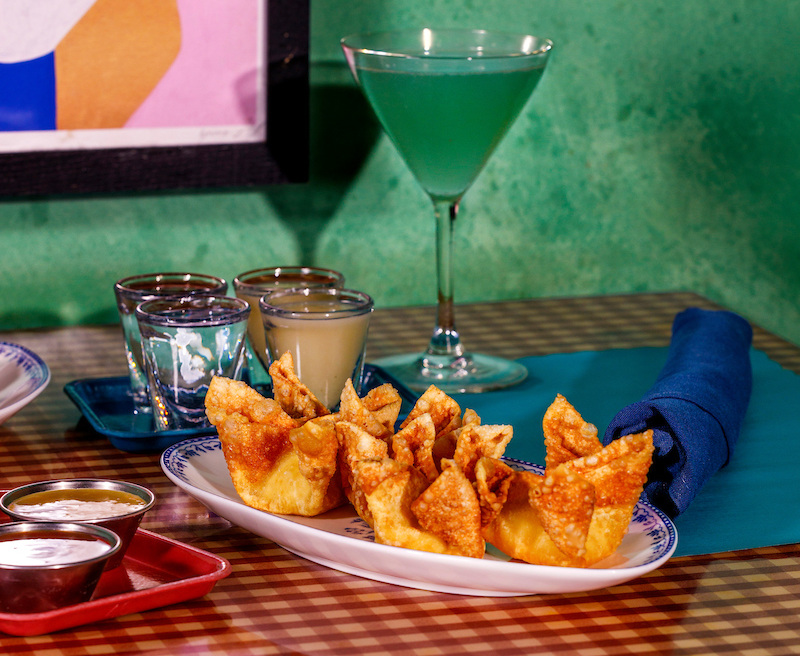
Everybody has an opinion about crab rangoon, but Kabot isn’t intimidated by a polarizing dish. He always knew it would have a place on the menu. “Most people have [a memory of] crab rangoons they cling to, but there are also people who think they’re an abomination because it’s one of the few Chinese American dishes that actually uses dairy — the cream cheese,” he says.
“The recipe we came up with is super savory, super umami,” he says, noting that dehydrated mushroom powder adds to the really savory depth. Initially, Kabot tested many crab options, but said that “every single time, when I was giving them to people to taste, everybody wanted the ones with high-quality imitation crab.”
Worcestershire sauce, fresh ground white pepper, shallots, and garlic complete the filling. “The wrappers are also really important. They puff up with a really nice crunch and air pockets, and we dust them with mushroom powder — it’s almost like a Dorito, this addictive snack-food kind of thing,” says Kabot. The sweet and sour sauce is a blend of pineapple, vinegar-orange syrup, ginger, garlic, shallot, and a touch of chile flakes.
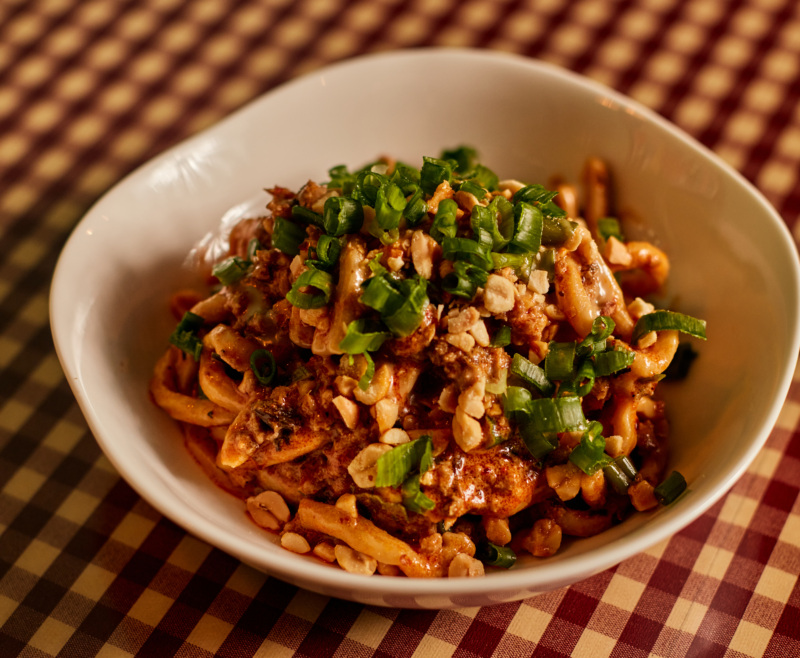
Dan Dan Noodles
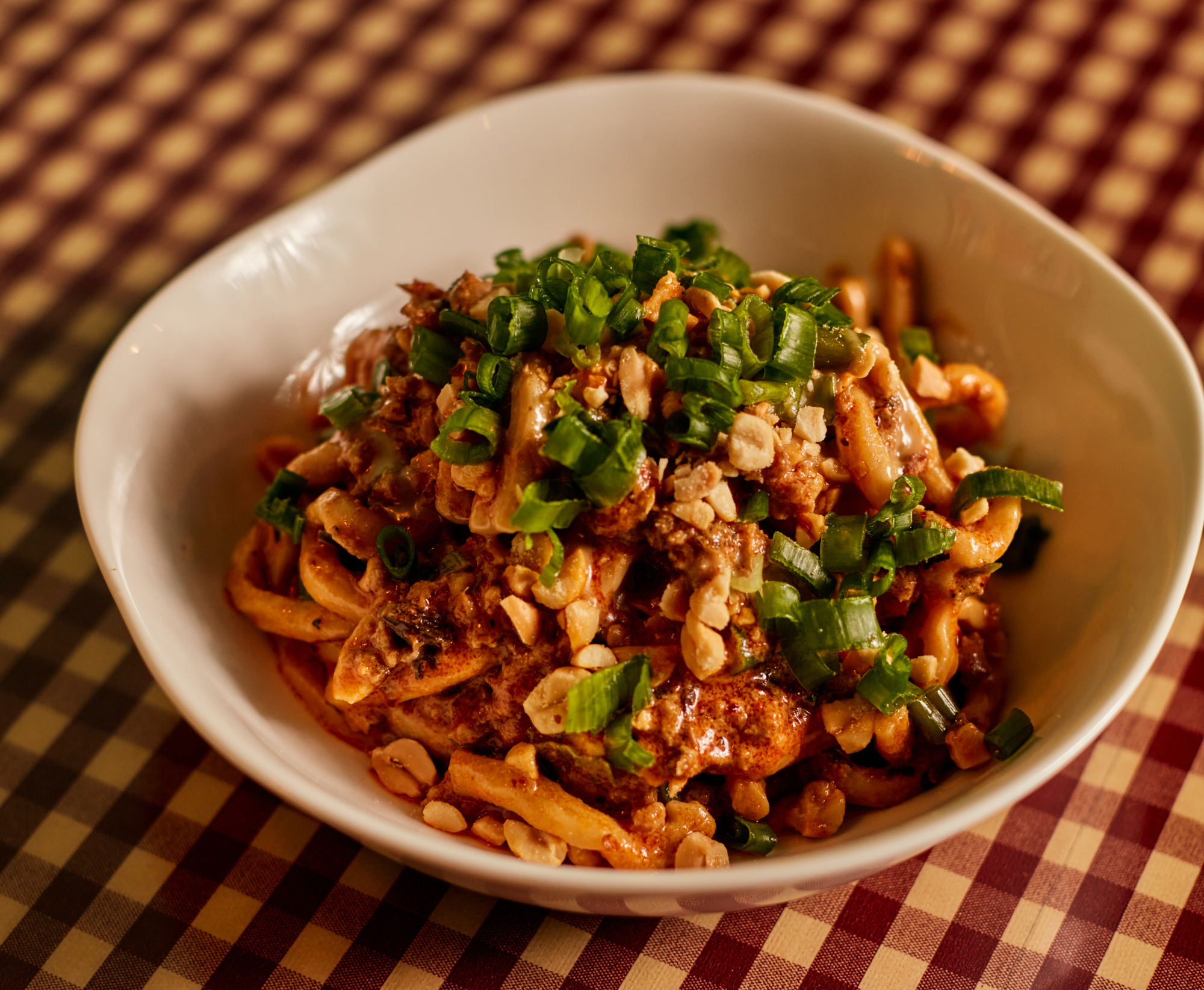
“This is our most popular dish. It’s a little less Chinese American and a little more based on a traditional regional Chinese dish,” Kabot says. “Traditionally, this is a street dish: noodles in a bowl, toppings on top, and you give it to the customer to stir and eat. Ours is a little more composed … with the sauce and ingredients fully mixed and emulsified.” Their version has a heritage Berkshire pork ragu infused with Szechuan peppercorns and dried Thai chiles, rounded out with three-year–aged black Shanxi vinegar
The fat comes from an in-house sesame paste and a sizzled chile oil, while thick, egg yolk–based noodles provide a chewy texture. Nonnegotiable toppings include briny mustard grains, roasted peanuts, and scallions. “Taking apart the dish, deciding what we want in there, and doing it piecemeal is what’s always worked for me,” says Kabot. “If you take the time to hone in on each ingredient, the sum of its parts is always going to be great.”

Walnut Shrimp
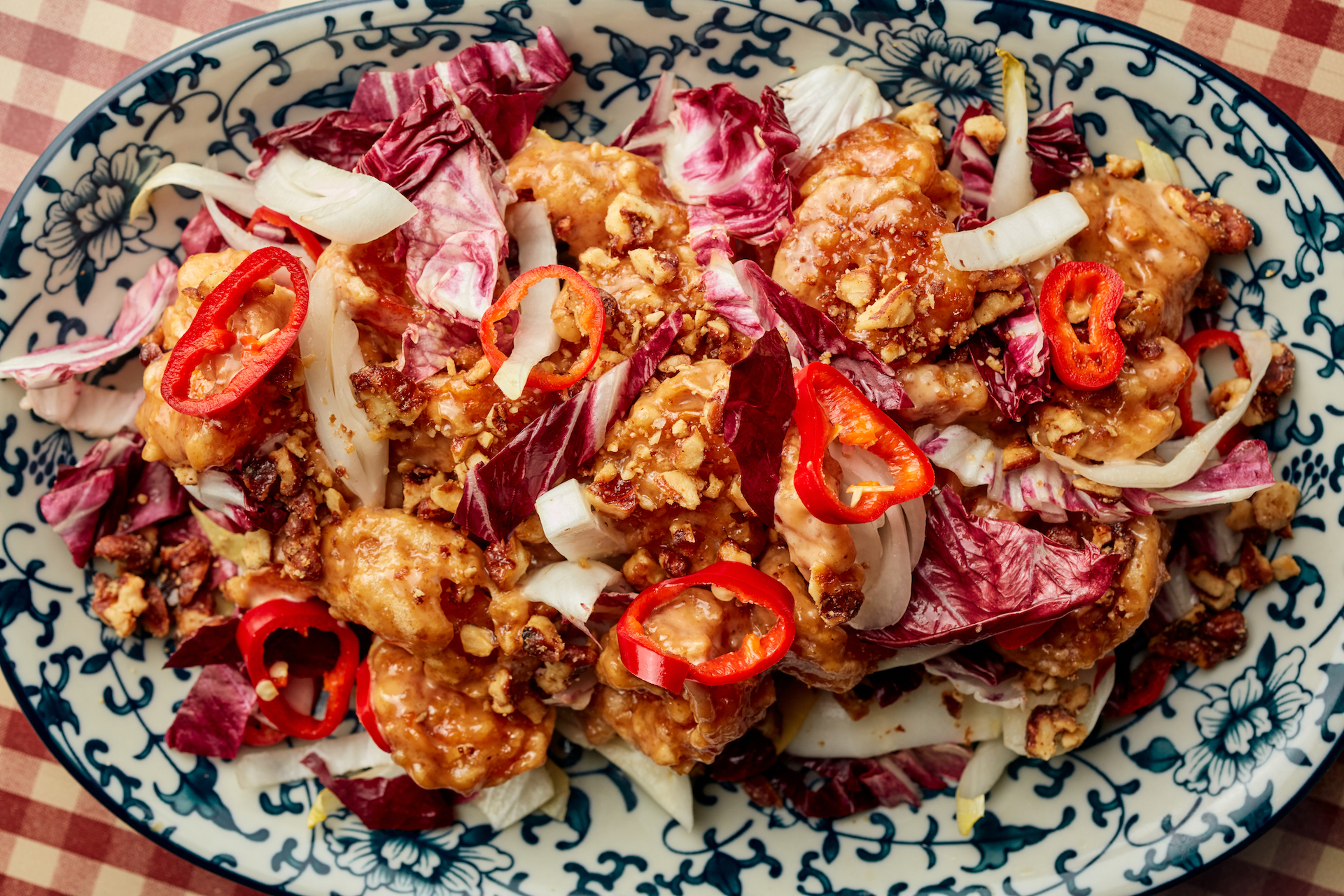
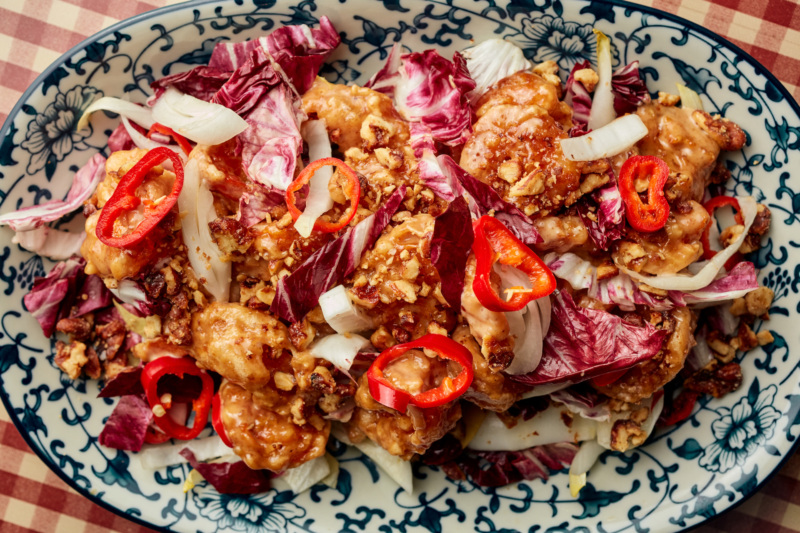
Walnut shrimp is a fusion-y, Chinese American dish that Kabot found isn’t as universally familiar as he expected. “I really wanted it on the menu because I grew up eating this dish, but I came to find out that many people have never seen it.” All the more reason, he figured, to include it.
The shrimp are breaded in Mochiko sweet rice flour, creating a light, crunchy shell straight out of the fryer. The sauce is made from roasted walnuts, blended into a nutty and creamy texture with condensed milk and Kewpie mayo. The dish is finished with candied walnuts that Kabot says “kind of taste like the ones you get at an amusement park,” and the shrimp are lightly dressed in fresno pepper vinegar, which brightens the dish while adding heat and acidity that offset the richness. The dish lands sweet and savory, with the shrimp on a bed of Napa and red cabbage.
Egg Rolls
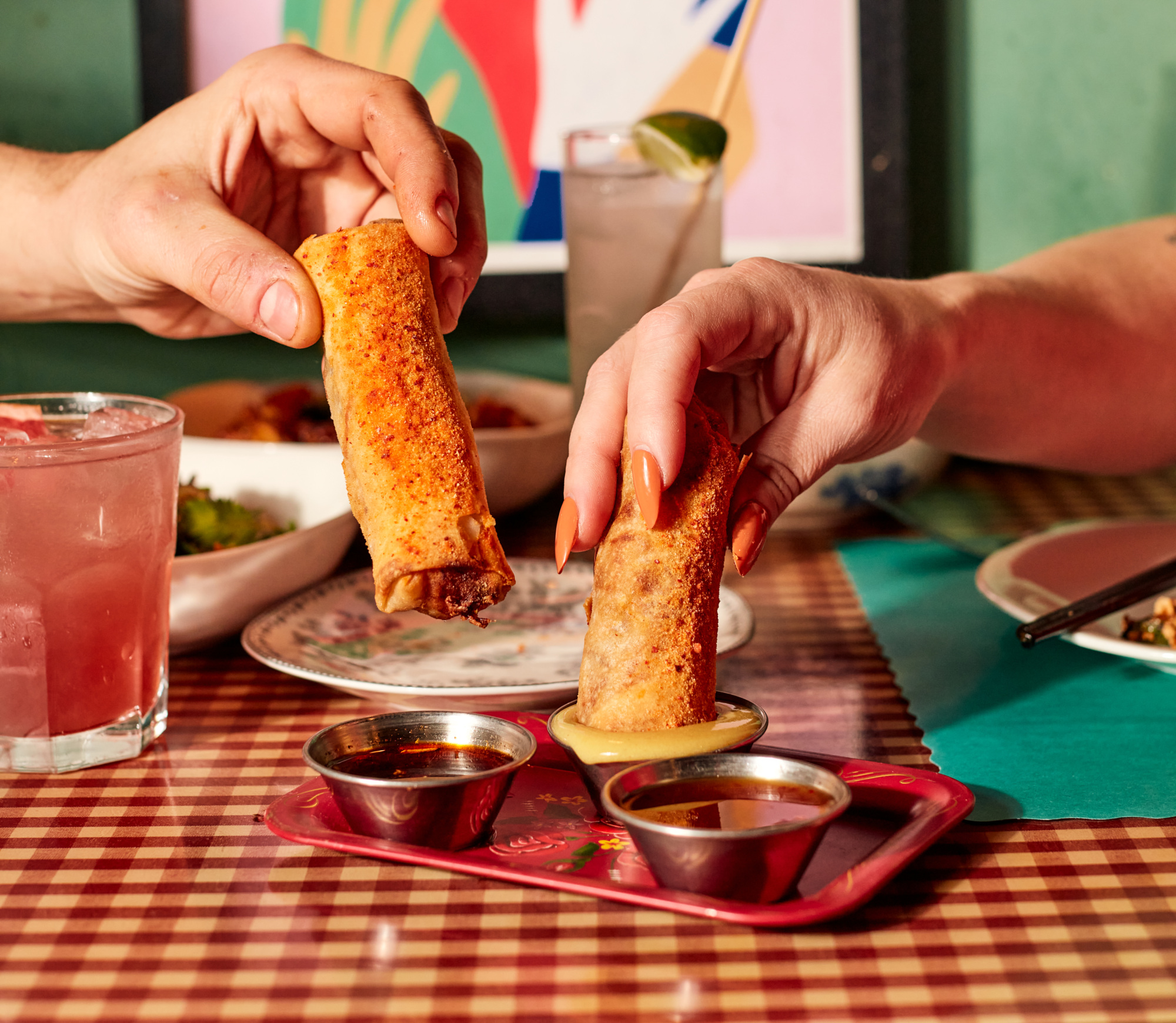
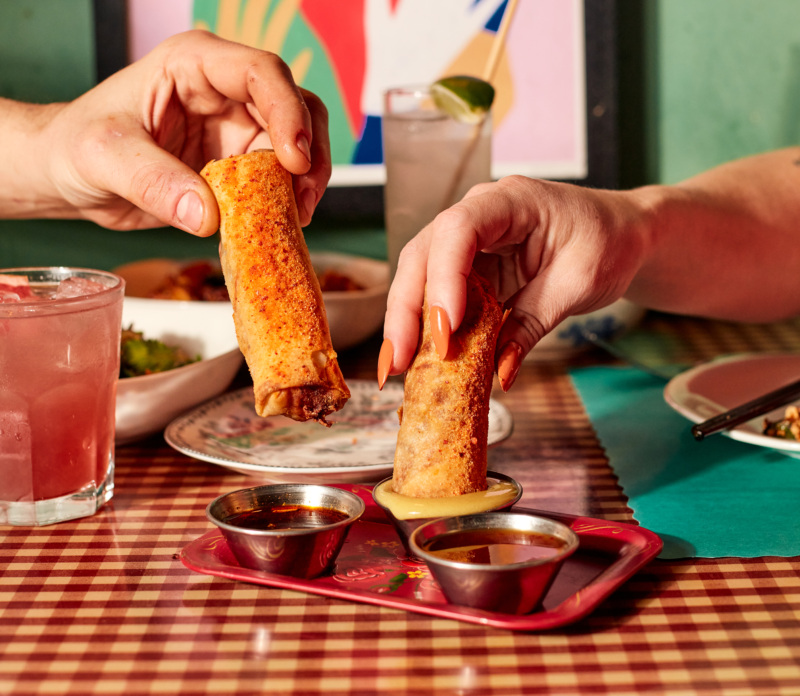
Kabot believes a Chinese American restaurant is only as good as its egg rolls. “Everybody’s going to order egg rolls, no matter what,” he says. (When he worked at a local Chinese restaurant in high school, the owner’s mother refused to show him how to make her signature rolls.)
For his version, the Berkshire heritage pork is prepared to create a juicy, bouncy texture. Rock shrimp adds snap, while cabbage, carrot, and scallion provide the vegetable base, seasoned with ginger, onion, garlic, white pepper, and mushroom powder.
“The wrappers are fried twice because it’s really important that you bite into it and have that shatter on the outside, while staying super juicy on the inside,” Kabot says. They’re finished with a dusting of freshly cracked white pepper, and every table comes with sauces ready for dipping.
Mongolian Beef
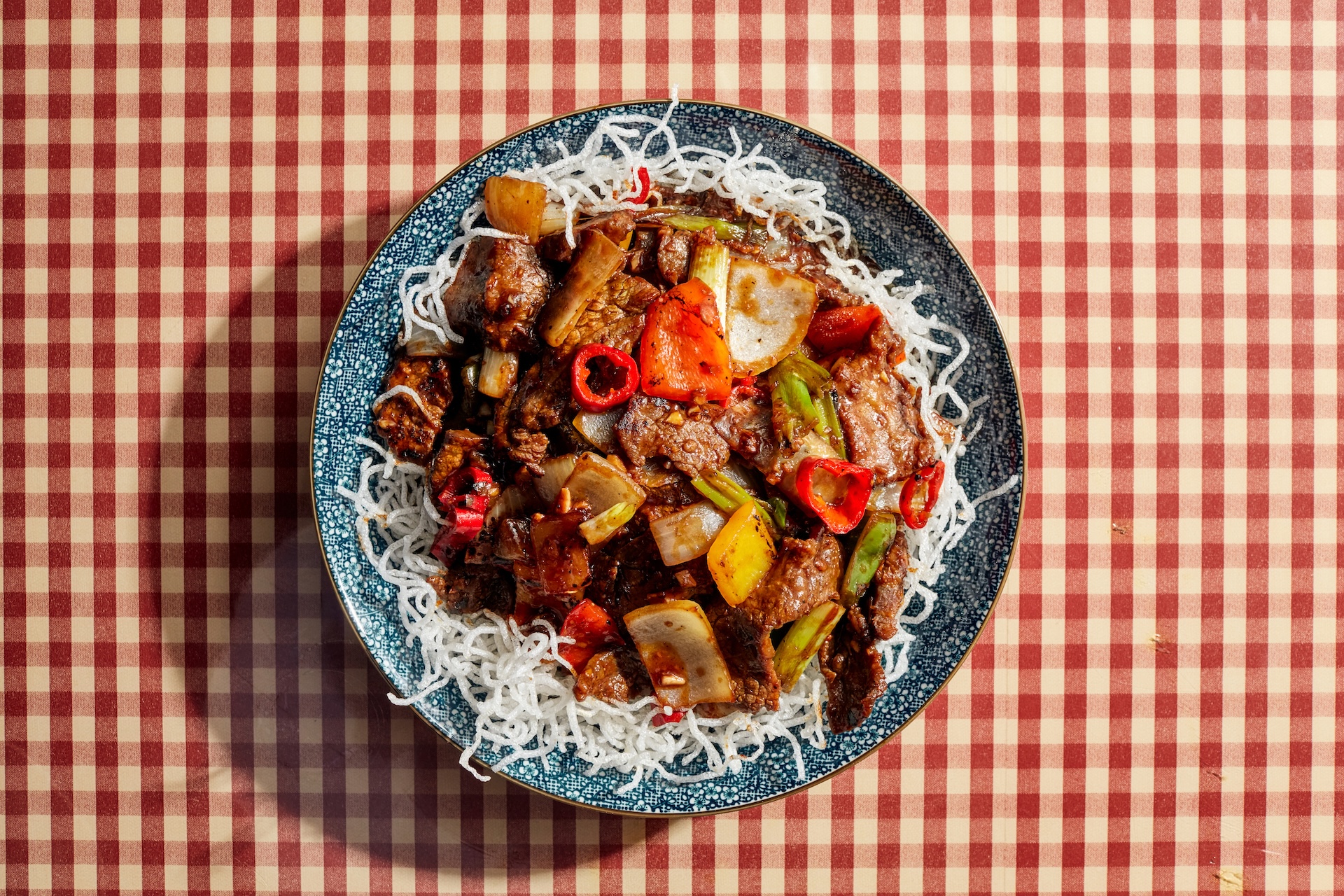
“A lot of people do Mongolian beef differently, so I wanted to mash it up and make one that’s true to me,” Kabot says.
The foundation is a caramelized sauce built from oyster sauce, hoisin, and dark soy, “but the process matters as much as the ingredients,” explains Kabot. “Hoisin needs to be caramelized properly. You can’t just open a bottle or a can and dump it in and be like, ‘oh, this is great.’ If you really want the full flavor, you caramelize it in oil. It’s almost like how people make mole. It’s counterintuitive to what I learned in culinary school — you learn mostly French technique, but Chinese and Mexican cuisines often do the opposite of that, and they’ve been doing it for centuries.”
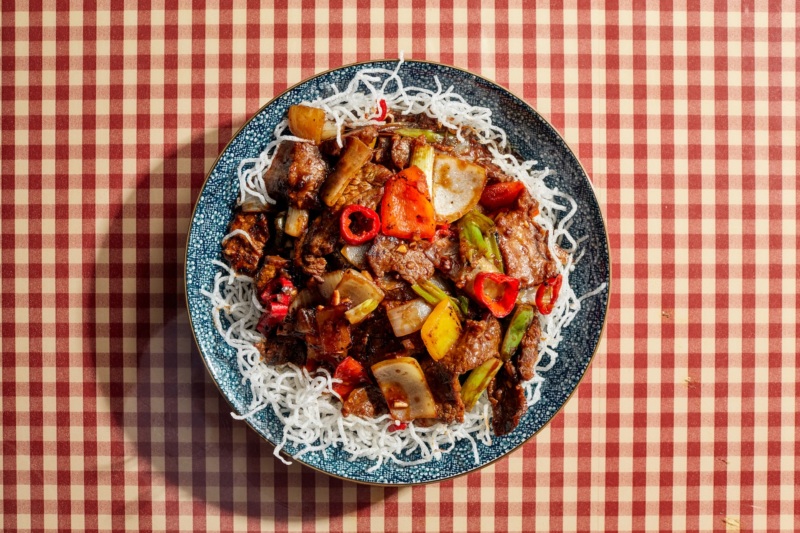
The beef is locally sourced prime flank, marinated with egg white and Chinese wine to achieve a tender texture. From there, the wok takes over. The beef is tossed in the caramelized sauce with a generous amount of black pepper. Pickled fresno chiles, scallions, onions, and garlic add heat, brightness, and aroma. “Every time you’re tossing it, it’s hitting the flame, and you’re getting wok hei — the breath of the wok. It’s like grilling or smoking; you can’t get that flavor any other way,” Kabot says. Puffed cellophane noodles form the base, a nod to Kabot’s childhood favorite.
Dry Chili Chicken
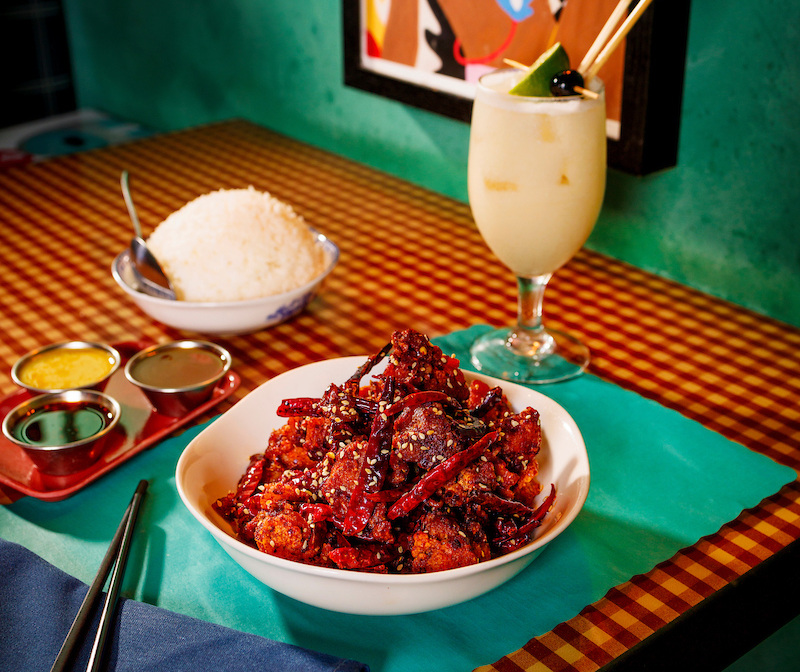
This dish, also known as Chongqing spicy chicken on other menus, reflects Kabot’s approach to the menu as a whole. “A lot of recipe-building is a mishmash of seeing how things are done traditionally, how people have developed them in an American style, and then using my own experience with all types of cuisines,” he says. “I have a nerdiness for food, and I love taking things I grew up eating in Chicago and applying what I think tastes good.”
“This dish reminds me of Nashville hot chicken, but with Szechuan flavors,” Kabot says. He sources chicken thighs from Harrison Farm, and marinates them overnight using a Chinese technique called velveting — egg, Chinese wine, soy, and cornstarch — to tenderize and season the meat. The chicken is dredged in potato starch and fried for an ultra-crispy exterior.
Thin shavings of garlic, ginger, and shallot are confited in chile oil and tossed, coating the chicken in spice and crunch. The seasoning contains roasted Szechuan peppercorns, carefully sourced chiles, and a house-blend spice that includes a touch of citric acid. As Kabot puts it: “It’s more than just flavor — it’s a sensation.”