How Eunoia Challenges the Norms of Fine Dining, in Six Dishes
Published:
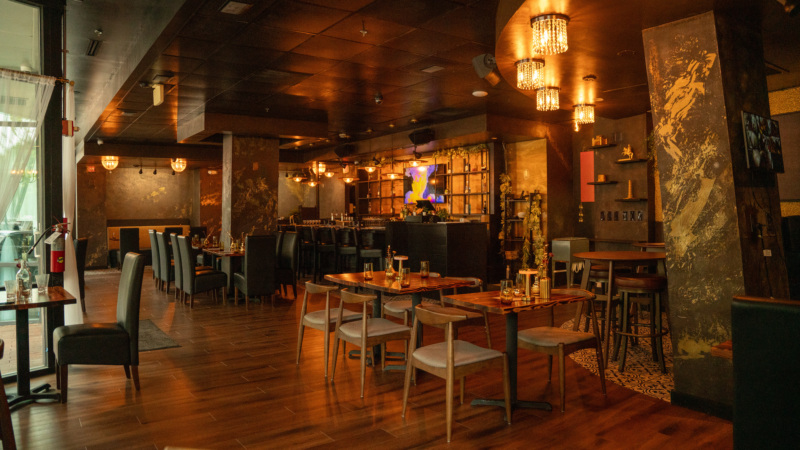
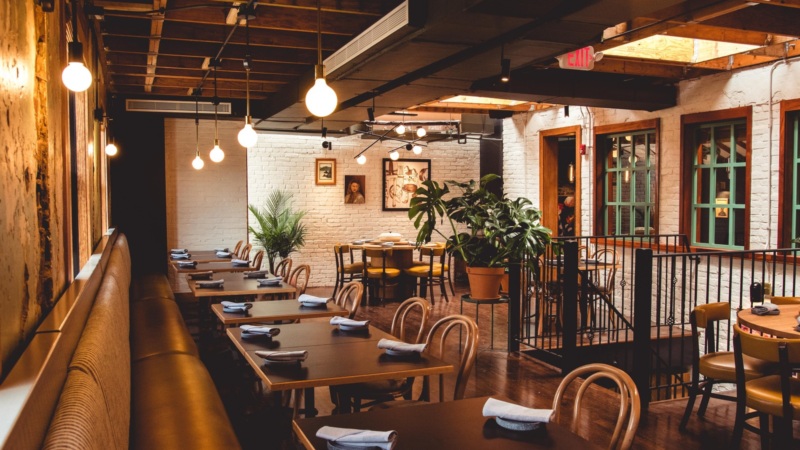
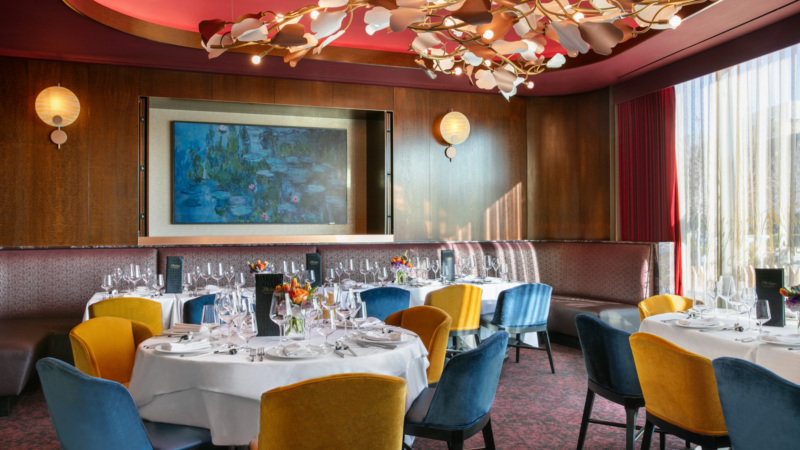
Pilates and fine dining are words many of us would not think of to use in the same sentence, let alone bring together conceptually. Eunoia owners Iva and Alex Gotzev are here to change your mind, and have created what may be one of D.C.’s most interesting fine dining restaurants to open in recent times.
Owners of health-food café Zeleno and Pilates studio Toolbox, the Gotzevs recently had the opportunity to open another venture, this time focusing on fine dining with a through-line of wellness. Choosing Eunoia (Greek for “beautiful thinking”), the restaurant captures the Gotzev’s vision as thus: “We wanted to bring together this idea that if you take care of your body through exercise and good, whole foods, your entire body, soul, and mind will benefit.” So how did they turn this vision into reality?
Enter chef Josa Maldonado, who has worked at heavy hitters such as Pujol in Mexico City and the French Laundry in Napa. Maldonado also embraces the idea of vegetable-forward cooking with whole grains and locally farmed ingredients and brings to life the owners’ ethos.
The restaurant’s rarely seen combination of cuisines has also made the restaurant noteworthy, with the cuisine hopping between Mexico and Bulgaria, with influences from Japan. “When we devised the menu, we knew it would be focused on fresh, local produce. And for the culinary inspirations we are drawing from my Mexican heritage, as well as the Bulgarian and Mediterranean background of the Gotzevs,” Maldonado says. And the Japanese part? “I love fermentation, as well as the Japanese approach to cooking with simplicity, and find that the Japanese style of cooking really compliments the way I want to celebrate fresh flavors, so there is a Japanese element to several of the dishes.”
The menu will change three times a year, with one season running from February to May, then May to October, and finally October to February. Much of the produce and meats are sourced from Earth N Eats, a small cooperative farm delivering to restaurants in the DMV area, and no component of a dish will be repeated, says the chef: “if we have sweet potatoes in one dish, you won’t see it again in another dish.” The young restaurant is also committed to scratch cooking: “we grind our own corn for tortillas and fly in protein-rich acorn flour from Bulgaria for our bread.”
The concept is a labor of love, “but we want this to be a place of friendship, community, longevity,” says Iva Gotzev, “where you come to be with friends or family and celebrate or just have a good time.”
Here are six of the dishes, as well as one cocktail, on the current menu that best represent the restaurant’s aspirations.
More From D.C.


1. Banitsa
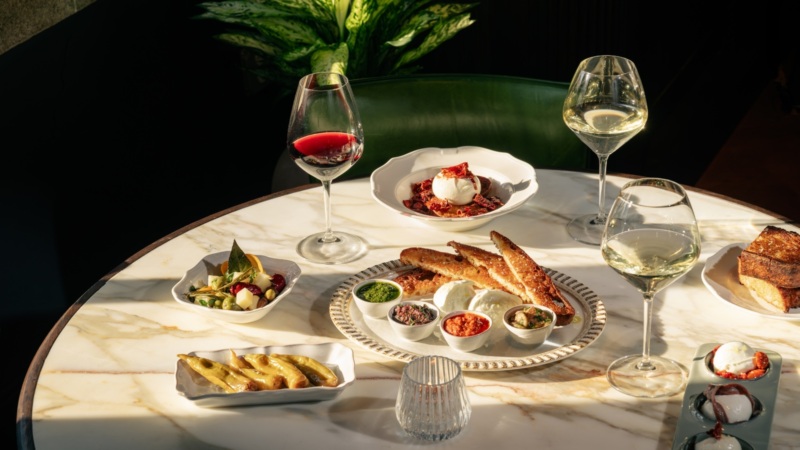
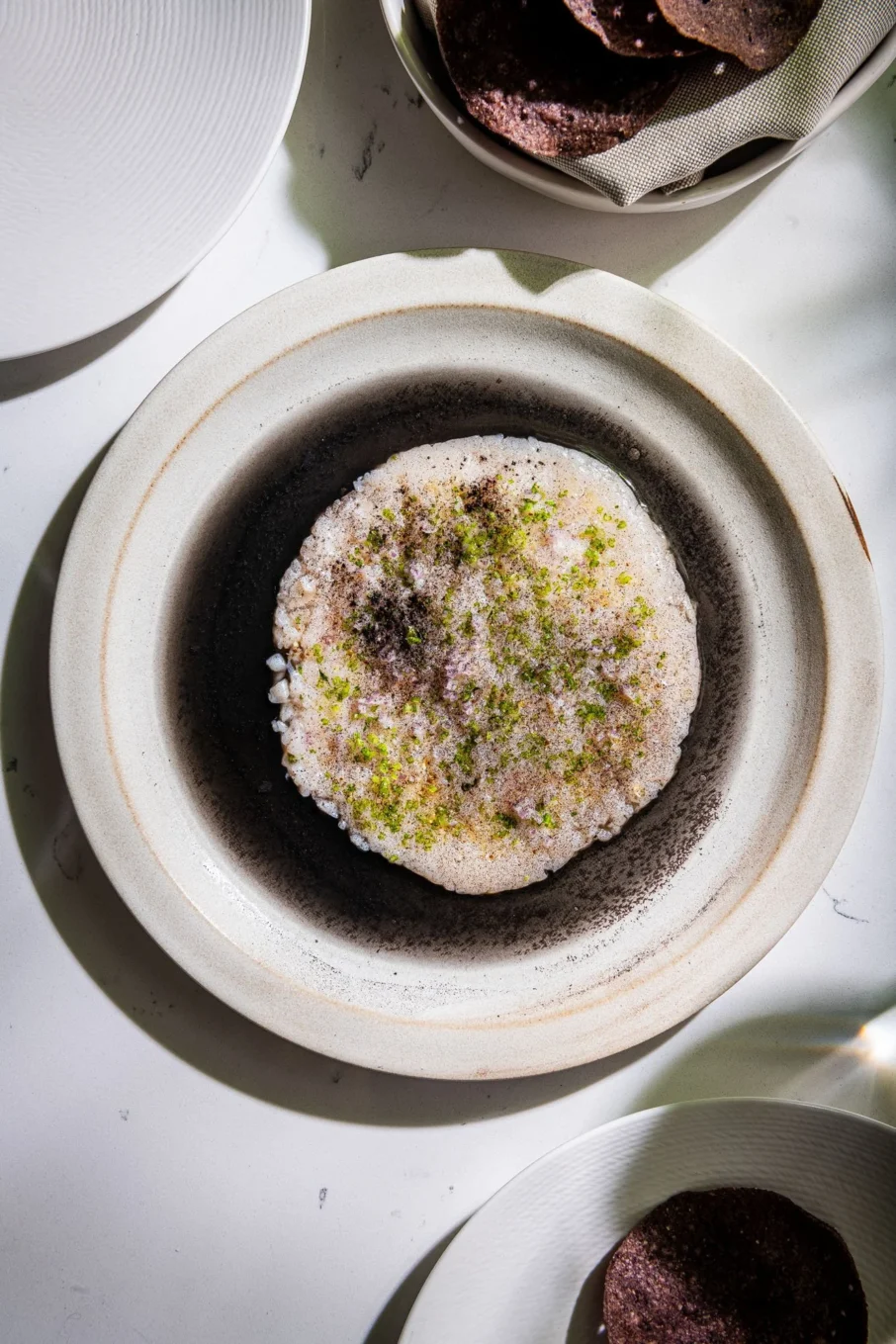
Banitsa is a familiar sight on Bulgarian dinner tables, and increasingly on the tables at Eunoia. This pastry dish is a Bulgarian specialty, similar to Turkish burek. Maldonado makes his own phyllo dough, and brings in his Mexican heritage by rolling it to the density of a tortilla. Once baked, the pastry comes out of the oven brown and flaky. Eunoia’s banitsa is thinner than the traditional dish, served over a folded napkin in a nod to how tortillas are presented in Mexico. Between the crackling layers of phyllo is a savory filling of feta and yogurt – imported from Bulgaria – mixed with eggs. A Bulgarian crème fraiche serves as the perfect dipping sauce.
2. Maine Scallop Aguachile
“I love raw seafood like ceviche from Peru, and wanted to make sure a light, refreshing seafood dish is always on the menu,” says Maldonado. That might take a few forms, and the current season features a scallop aquachile that hits your tastebuds with a kick. It has quickly become the restaurant’s most popular dish, and for good reason. There are a lot of components on the plate besides the scallop: cucumber, avocado, charred onion, ginger, serrano pepper; all submerged in citrus and the juices extracted from the shellfish. However, the freshness and minimal tinkering with these ingredients brings it all together in a flavorful, cohesive dish.


3. Tijuana Salad
The Tijuana salad is a Caesar salad by another name, without the anchovies or raw egg yolk. You won’t miss either, though, as the dressing is plenty creamy, and the breadcrumbs (made from acorn flour) as well as the 24-months-aged parmesan cheese provide all the umami you need. Another departure from the classic Caesar, the dish features fresh herbs generously mixed in with the local romaine lettuce, a move that sets this salad apart. “I may change the herbs and lettuces depending on what’s in season,” reports Maldonado. The dish pays homage to chef’s Mexican background, as the Caesar salad was invented in Mexico (Tijuana to be precise), with a twist that playfully deviates from the traditional version.
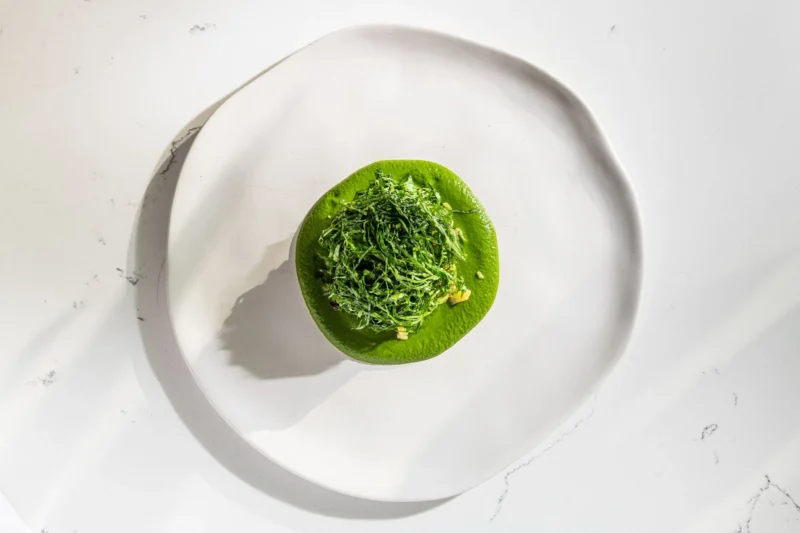
4. Seaweed Mole
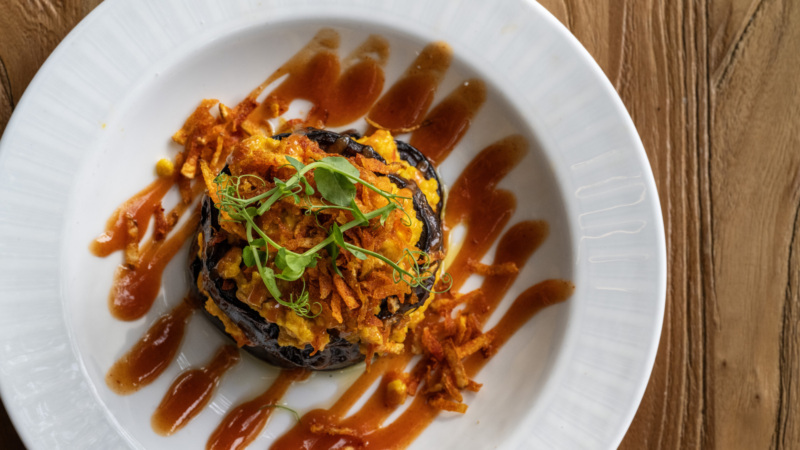
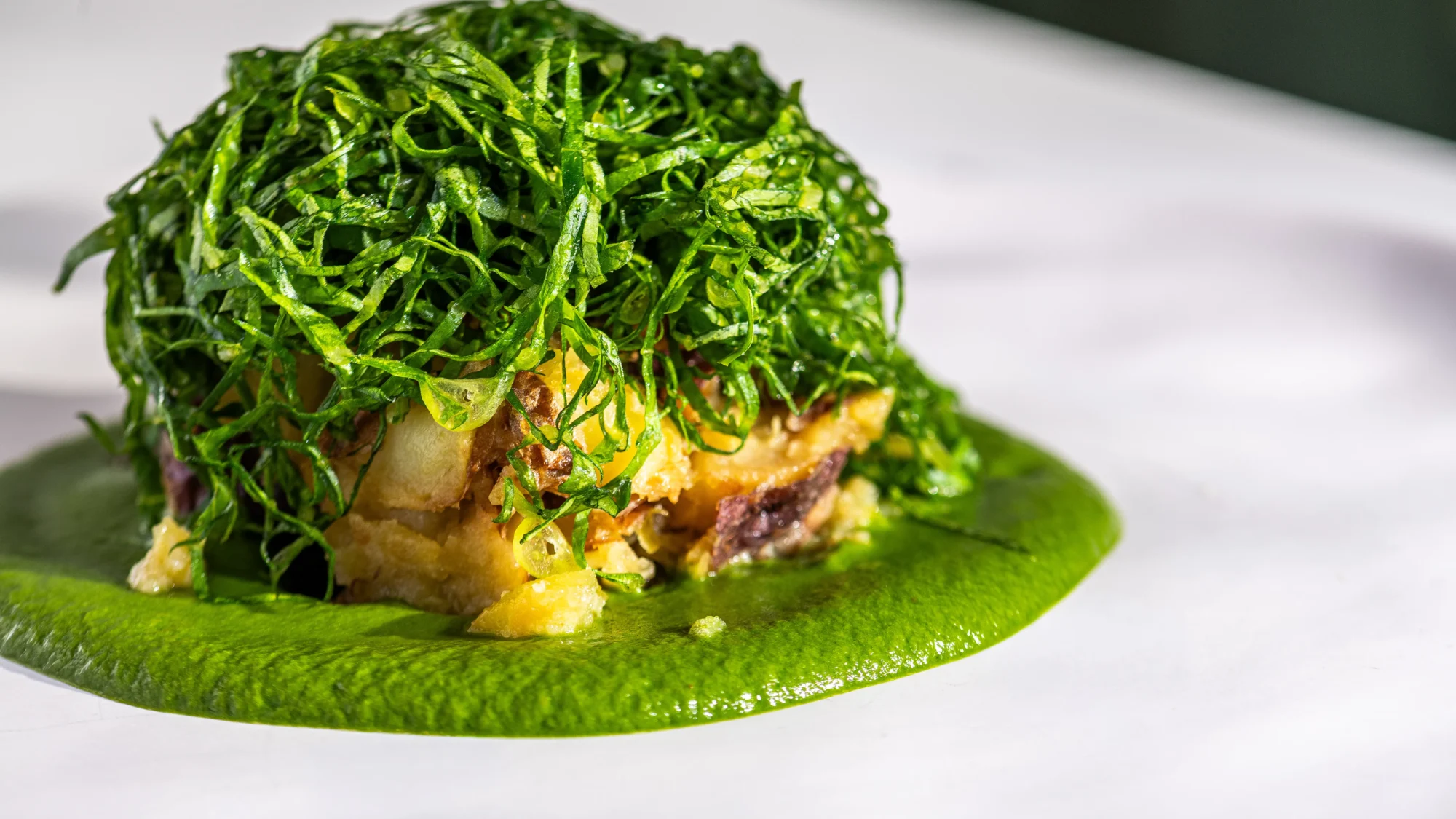
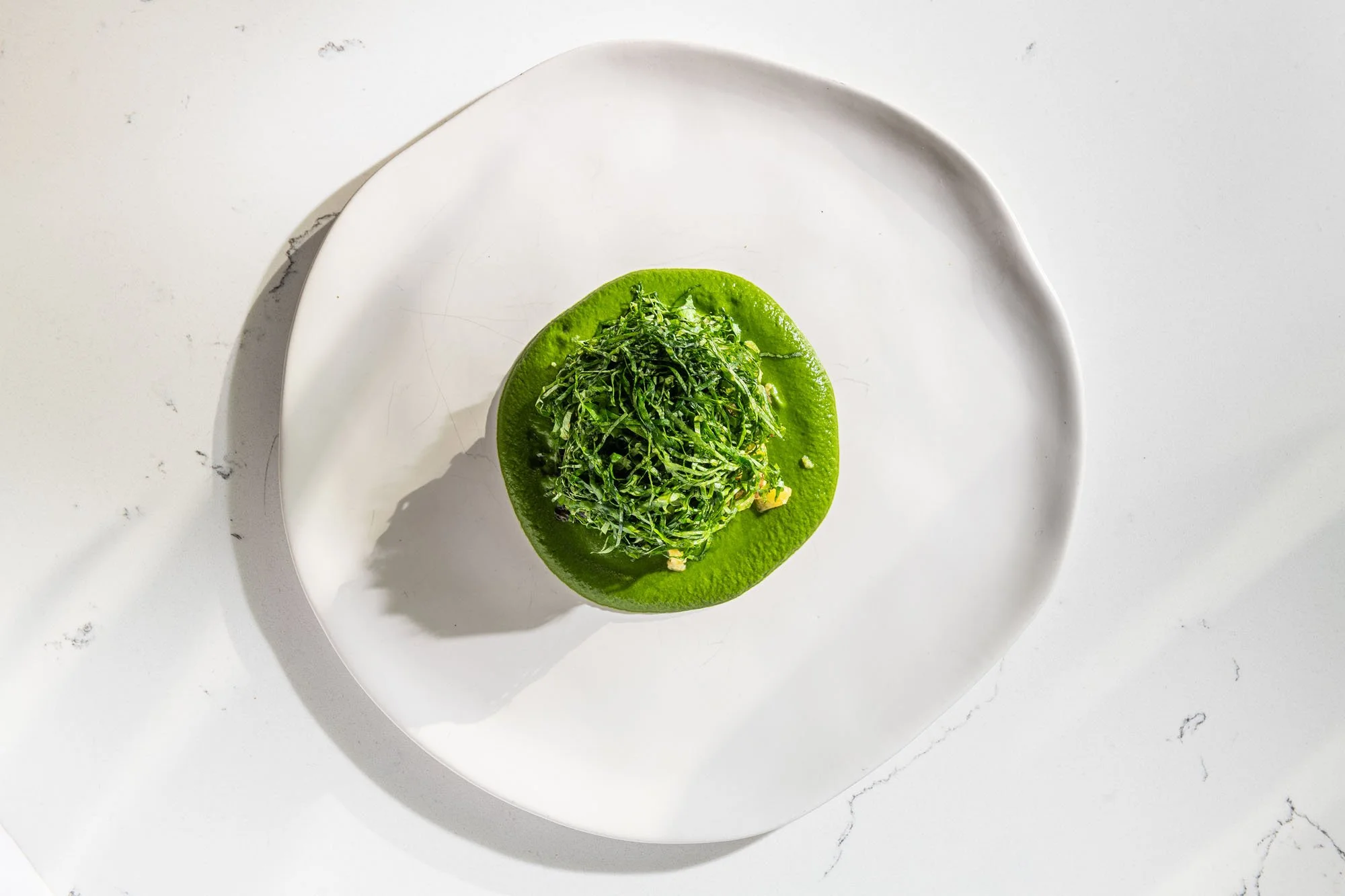
The seaweed mole is a revelation, and a contender for signature dish status. Although the dish is rooted in Mexican cuisine, much of the inspiration and technique used for the dish comes from Japan. The bright green mole is a mix between the classic Mexican sauce and Japanese curry, made with different chiles, two kinds of seaweed, scallions, garlic, and dashi. The preparation of this mole is not quite as intense as for more traditional Mexican moles, which often have more than 20 ingredients and can take days of roasting, toasting, and simmering, but the taste offers plenty of depth, complexity, and flavor.
A flourish of coconut milk and spinach puree gives the mole more body and a velvety mouthfeel. The accompanying fingerling potatoes – seasoned with chicken fat and miso chicken skin chicharron – and meltingly soft Swiss chard provide a nice, gratifyingly rich taste contrast to the herbaceous mole, but honestly, you’d be happy to just gobble up a bowl of this mole with a spoon.
5. Smoked Fluke Quesadilla
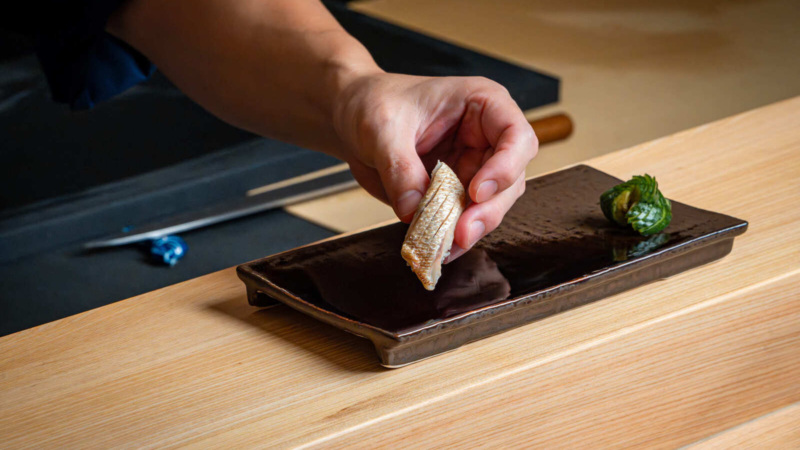
In Mexico, “quesadillas are a popular street food snack and often made with leftovers from pork carnitas,” Maldonado says. “But I wanted to make something lighter, so we use smoked and pressed fluke, with fresh farmer’s cheese from Earth N Eats.”
A guajillo pepper adobo layers on more smokiness for a lush, rich flavor profile that certainly rivals carnitas, but without the animal fats. Meanwhile, the house made corn tortilla that envelops all this gooey goodness is the proverbial icing on the cake.


6. Torta Garash
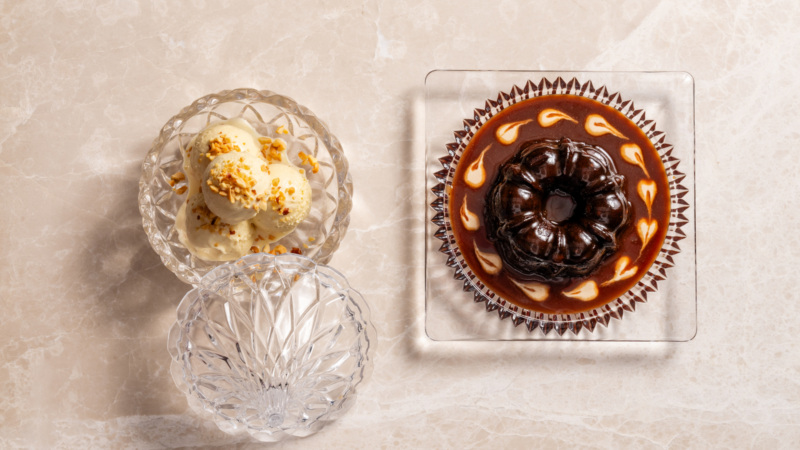
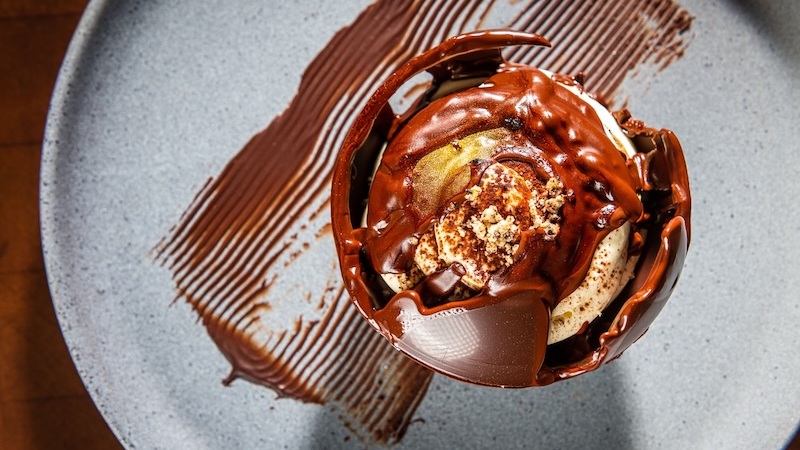
This decadent chocolate Bulgarian cake is what dreams are made of. House made walnut sponge cake is layered with a mousse of chocolate and cream cheese, and coatings of dark chocolate ganache. “The ganache is made with 70% cacao, so it is a little bitter and not to sweet,” Maldonado explains, “and I added tonka beans and crème fraiche. We also use trimmings from the cake as a garnish to reduce waste.”
7. Flame of Silistra
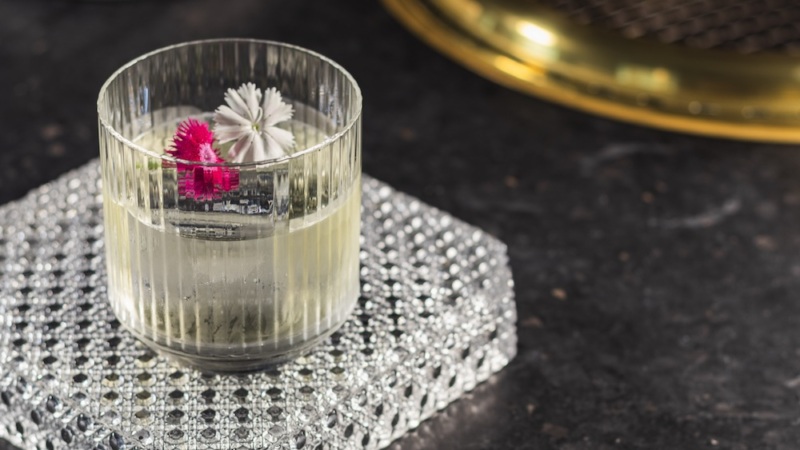
When bartender Christopher Carpousis created this citrus-infused Bulgarian apricot and whisky cocktail, Alex Gotzev was immediately transported to the small town in Bulgaria where his grandmother is from, a town adjacent to Silistra, known for its apricot orchards. “The town is a sea of orange in the summer, with fields and fields of apricot trees,” he reminisces. Needless to say, the drink is close to Gotzev’s heart, and representative of the owner’s Bulgarian background.